
China’s aircraft carrier programme has moved quickly from a converted Soviet-era hull to catapult ships and, as of late 2026, a claimed drone carrier. This gallery follows the named ships, the aircraft tied to them and the yard behind the newest hull. Several slides rest on Chinese official claims relayed by outside outlets, and the text flags those where they apply.
Read next on Morning Overview: Czech Skyfox jets could become Ukraine’s cheap answer to Shahed attack drones
Type 076 amphibious assault ship: Drone Carrier With a Catapult
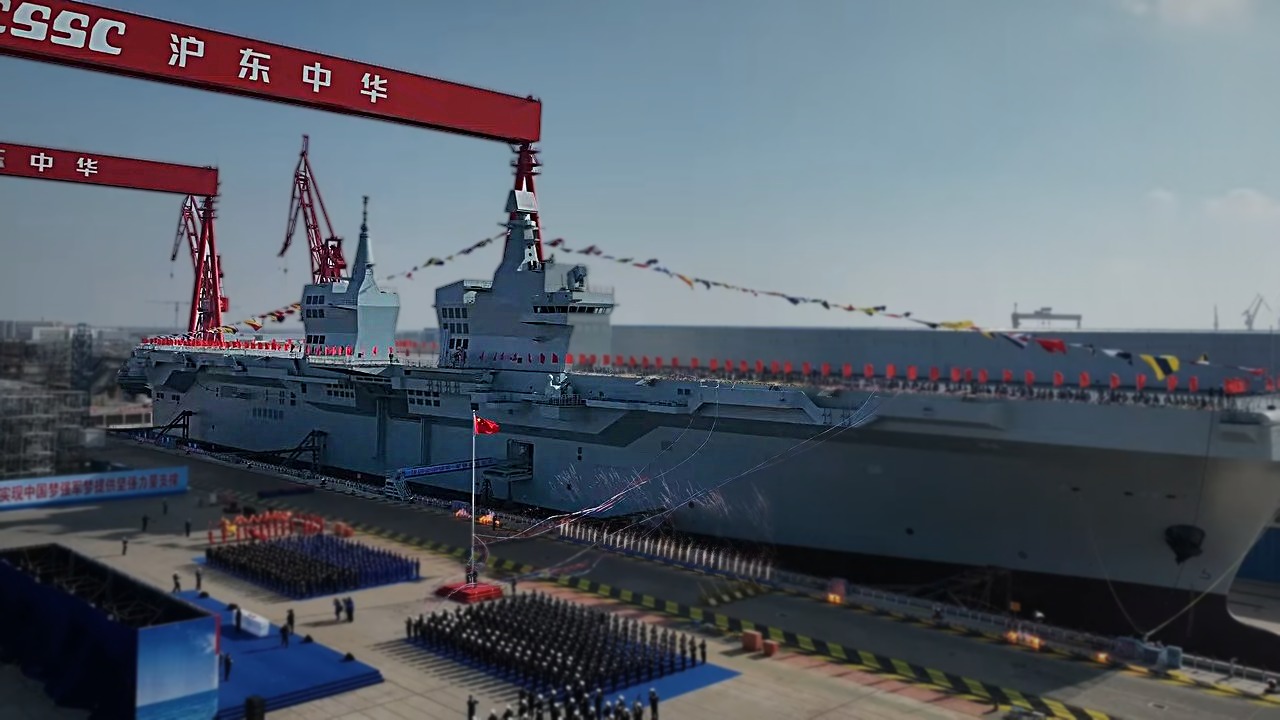
The Sichuan is the first Type 076, a 40,000-ton amphibious assault ship that is described as a drone carrier and fitted with an electromagnetic catapult, according to US Naval Institute News reporting. The pairing of a flat-topped amphib hull with a catapult marks a departure from the helicopter-centred design usually associated with the class.
For naval watchers, the ship matters as a new kind of platform rather than a fourth conventional flattop. It points to a Chinese plan to operate unmanned aircraft from a hull cheaper and smaller than a full fleet carrier, though how the vessel performs in service remains to be shown. Most details so far come from official Chinese releases and press coverage of the November 2026 reports.
Shenyang J-15T: Catapult-Launched Fighter
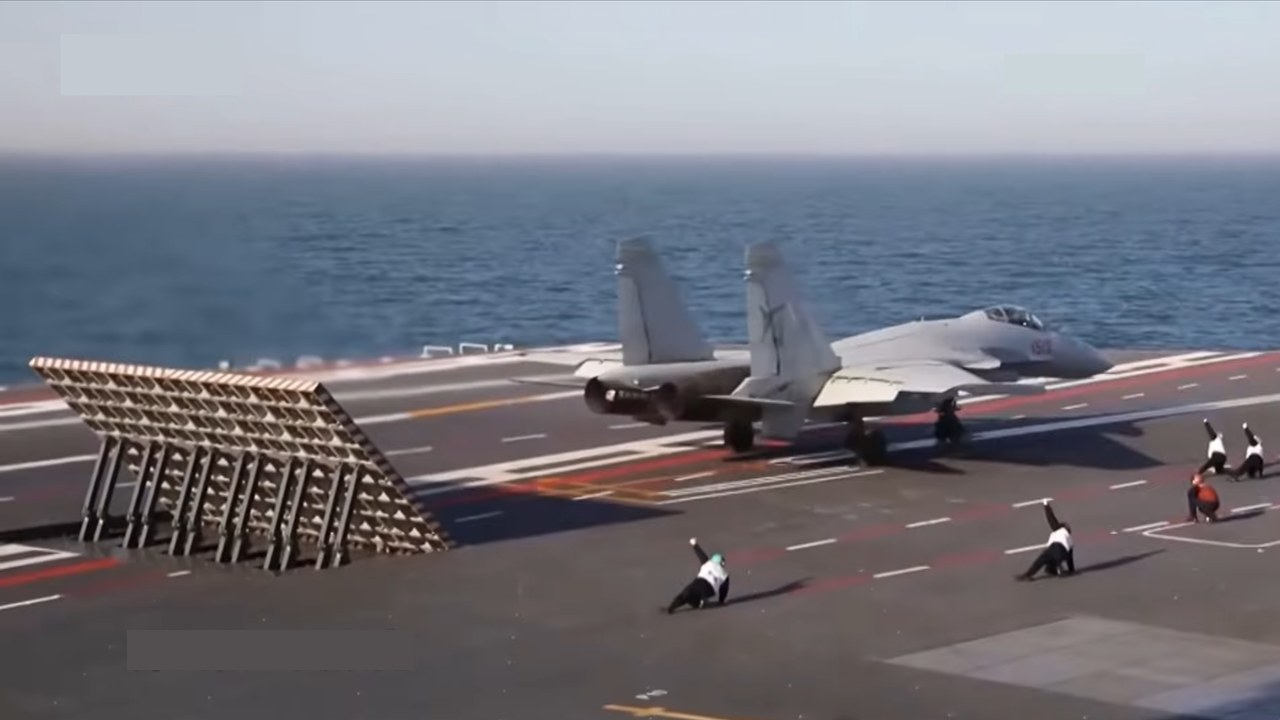
The Shenyang J-15T is one of the three aircraft types China showed launching from the Fujian’s electromagnetic catapults, according to Breaking Defense’s report on the first published catapult launches. The photos and videos came from official Chinese military channels and the PLA’s 81.cn news portal in September 2025.
The J-15T appeared alongside the J-35 and the KJ-600, and the footage also showed the three types landing and working on the Fujian’s deck at sea. The older Liaoning and Shandong launch J-15 fighters from a ski jump, so the catapult-launched J-15T marks the move to the new launch method. The PLA report said the operations gave the Fujian preliminary full-deck operational capability.
Hudong-Zhonghua Shipbuilding: Yard Behind the Ship
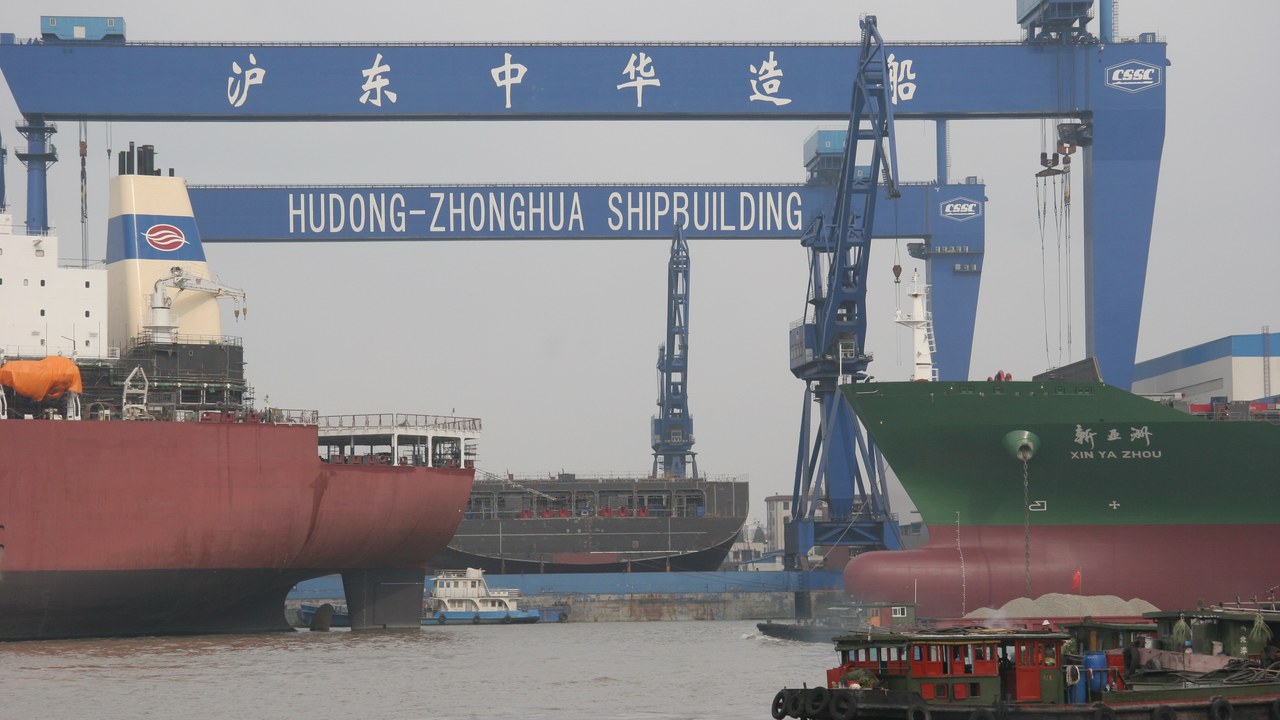
Hudong-Zhonghua Shipbuilding is the Shanghai yard from which the Sichuan departed for its maiden sea trial in November 2025, as noted in USNI News coverage. The company is a long-established Chinese builder of large naval and commercial vessels, and its name is attached to this hull through that sea-trial departure.
The yard’s role is a reminder that the newest Chinese amphibious assault ship came out of a commercial-scale Shanghai shipyard rather than a purely naval facility. For readers tracking Chinese naval capacity, the gap between the November 2025 trial departure and the October 2026 drone-launch claim gives a rough sense of how quickly the programme has moved from yard to flight operations.
Chinese aircraft carrier Fujian: Third Carrier Enters Service
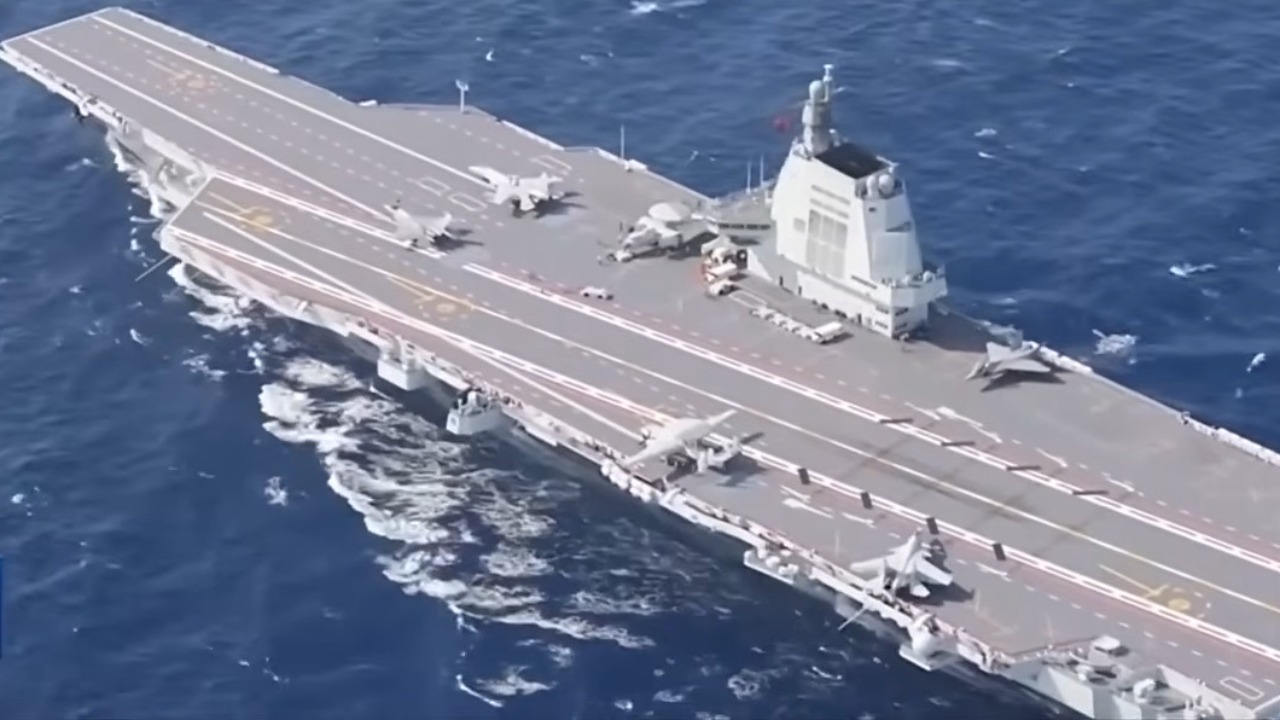
The Fujian is China’s third carrier and was commissioned in November 2025, an event covered in USNI News on its commissioning. It follows the Liaoning and the Shandong in the People’s Liberation Army Navy’s carrier line.
Its significance for observers is that it brought a third hull into the fleet and carried the programme into new territory with catapult launching, a feature tested with aircraft in 2025. The Fujian is also the reference point against which the newer Sichuan claims are measured, since both ships are tied to catapult-assisted aircraft launch. Further operational milestones are likely to be tracked closely by foreign navies.
Shenyang J-35: Stealth Fighter on the Catapult
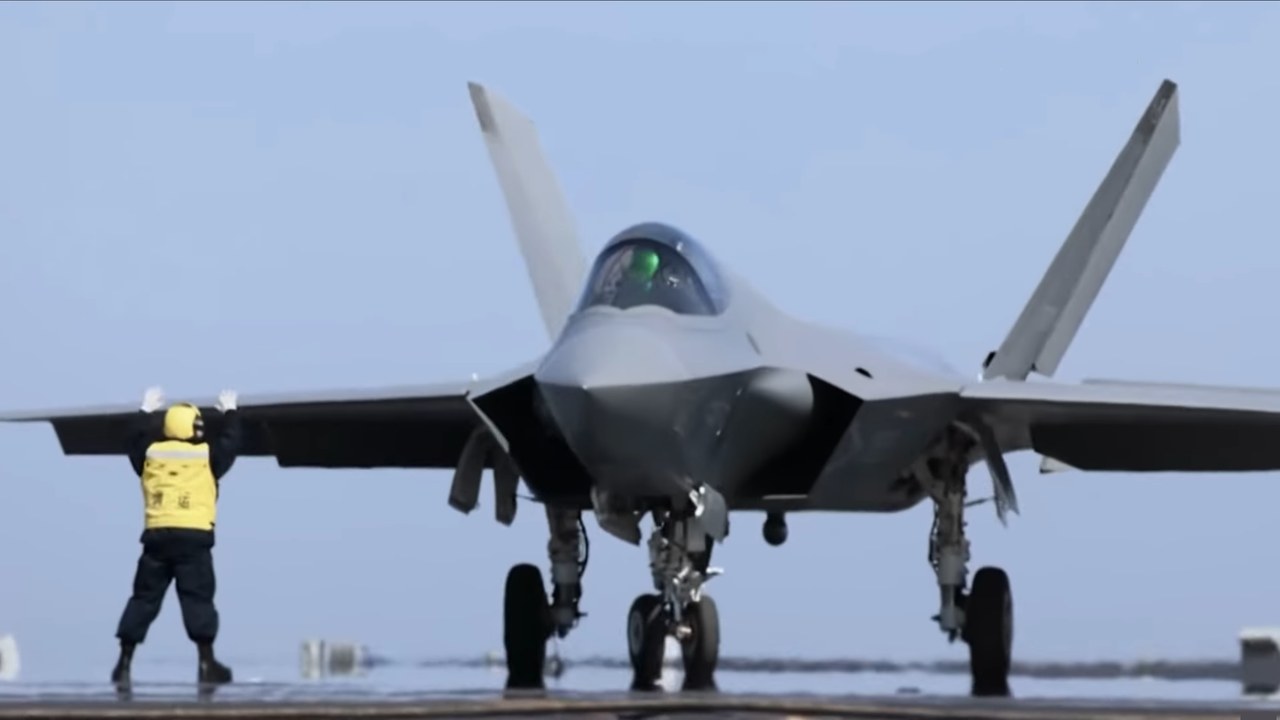
The Shenyang J-35 is the stealth jet reported launching from the Fujian during catapult tests, according to a September 2025 USNI News report. The aircraft is a twin-engine fighter designed with low-observable features.
The test mattered because a stealth fighter paired with an electromagnetic catapult gives a Chinese carrier air wing a capability that earlier ski-jump ships could not offer in the same way. Observers should note that testing is not the same as an operational air wing, and the number of aircraft available is not given in the material behind this report.
Xian KJ-600: Radar Plane Joins the Tests
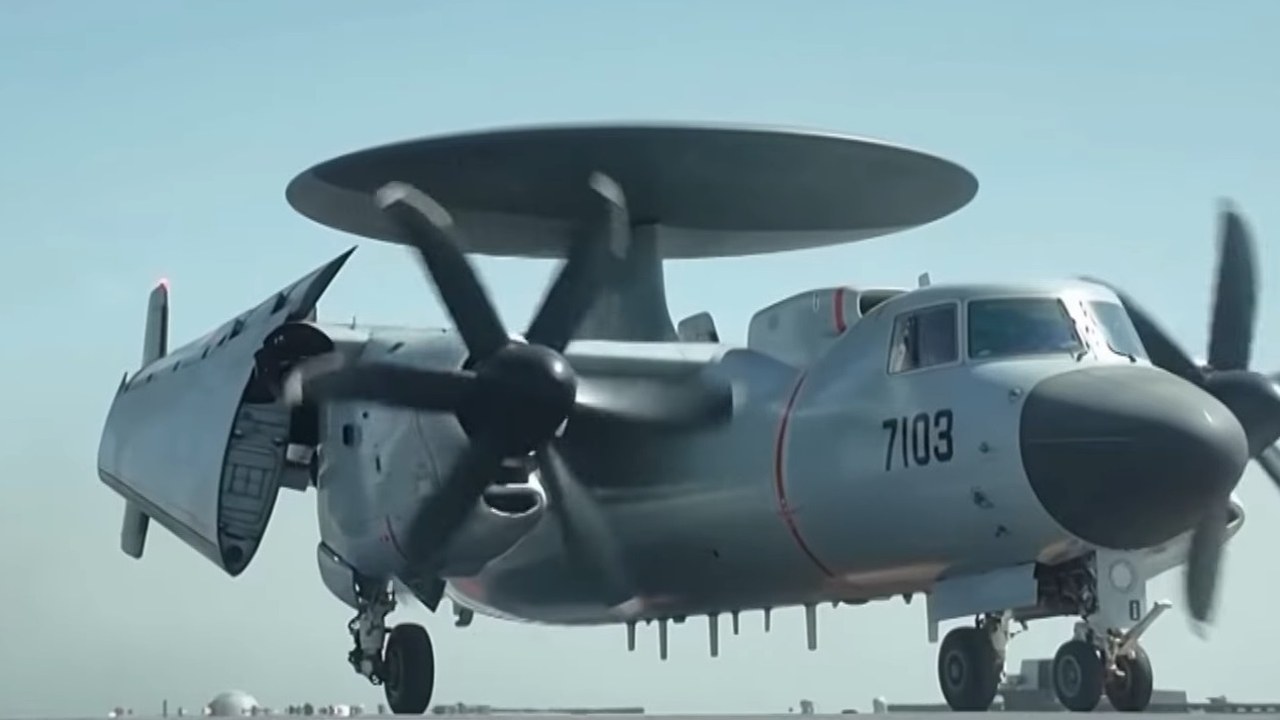
The Xian KJ-600 is the early-warning aircraft that was also catapulted from the Fujian in the same September 2025 trials, as the Naval Institute headline describes. It is a fixed-wing turboprop designed to extend a carrier group’s radar picture.
A catapult-launched airborne early-warning plane is a notable addition because it lets a carrier see further than ship radars alone. For readers, the KJ-600 together with the J-35 shows that the Fujian’s catapults were exercised with more than fighters, suggesting a rounded air wing is the goal. Detailed performance figures were not part of the reported material.
Chinese aircraft carrier Liaoning: The First Flattop
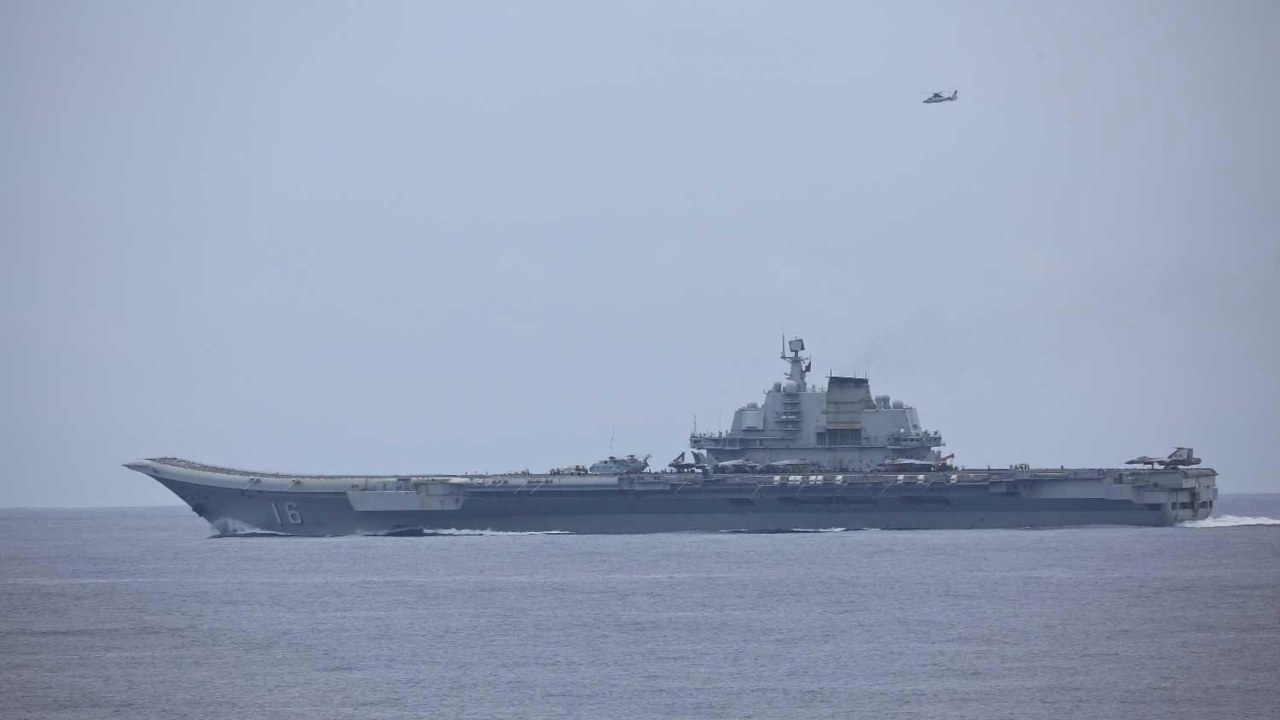
The Liaoning is China’s first aircraft carrier, and it features in the CSIS carrier explainer that compares the fleet as the Fujian arrived. The ship was converted from a hull that originated in the Soviet era and entered Chinese service as the navy’s training and early operational carrier.
Its importance lies in being the starting point for every later hull. The Liaoning uses a ski-jump bow, which sets it apart from the catapult-equipped Fujian and the newer Sichuan. Seen alongside them, it shows how rapidly Chinese carrier design has shifted across a short period of years, from converted hull to catapult ships.
Chinese aircraft carrier Shandong: First Home-Built Carrier
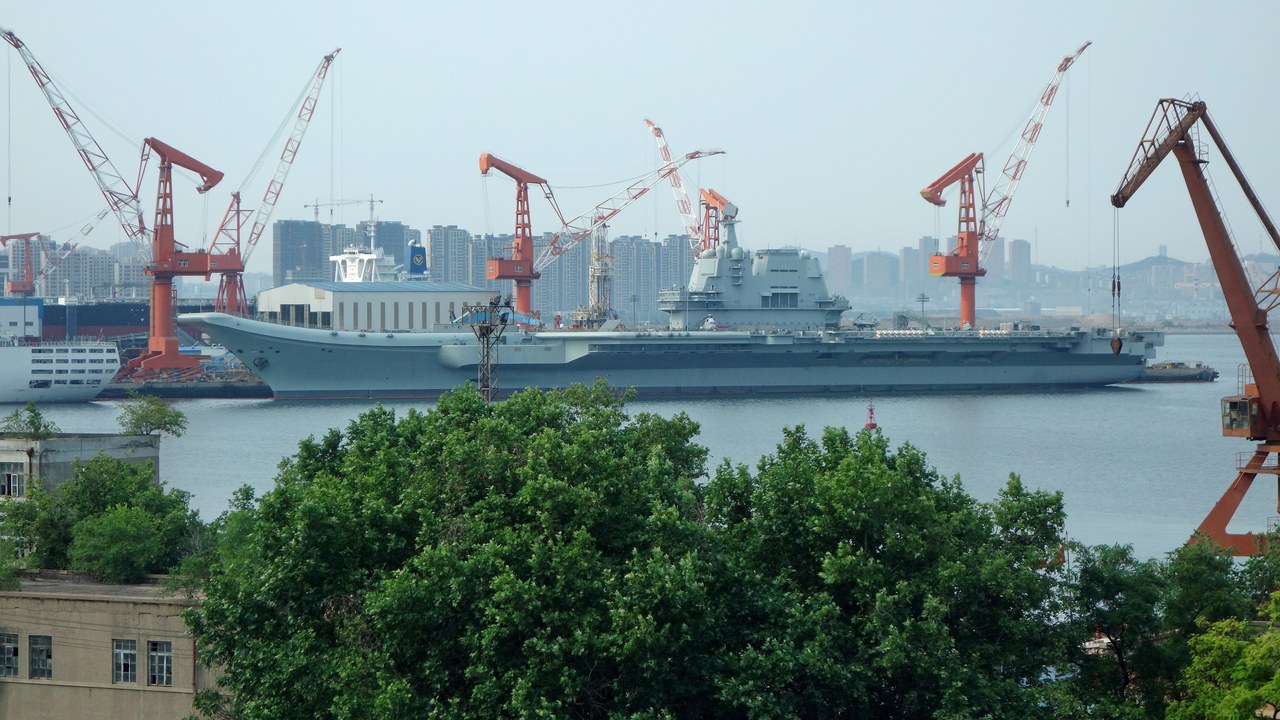
The Shandong is China’s first domestically built carrier, and CSIS places it in the fleet context in its third-carrier analysis. It builds on the Liaoning’s basic layout and uses a ski-jump takeoff arrangement.
For the carrier story, the Shandong marks the step from adapting a foreign hull to building one at home, the experience that fed into the later Fujian. It remains a conventional-propulsion ship in a class distinct from the catapult vessels, so comparisons with the Fujian and Sichuan should account for the different launch methods. Its main role is as the bridge between the two eras of Chinese carrier construction.
Shenyang J-15: Workhorse Carrier Fighter
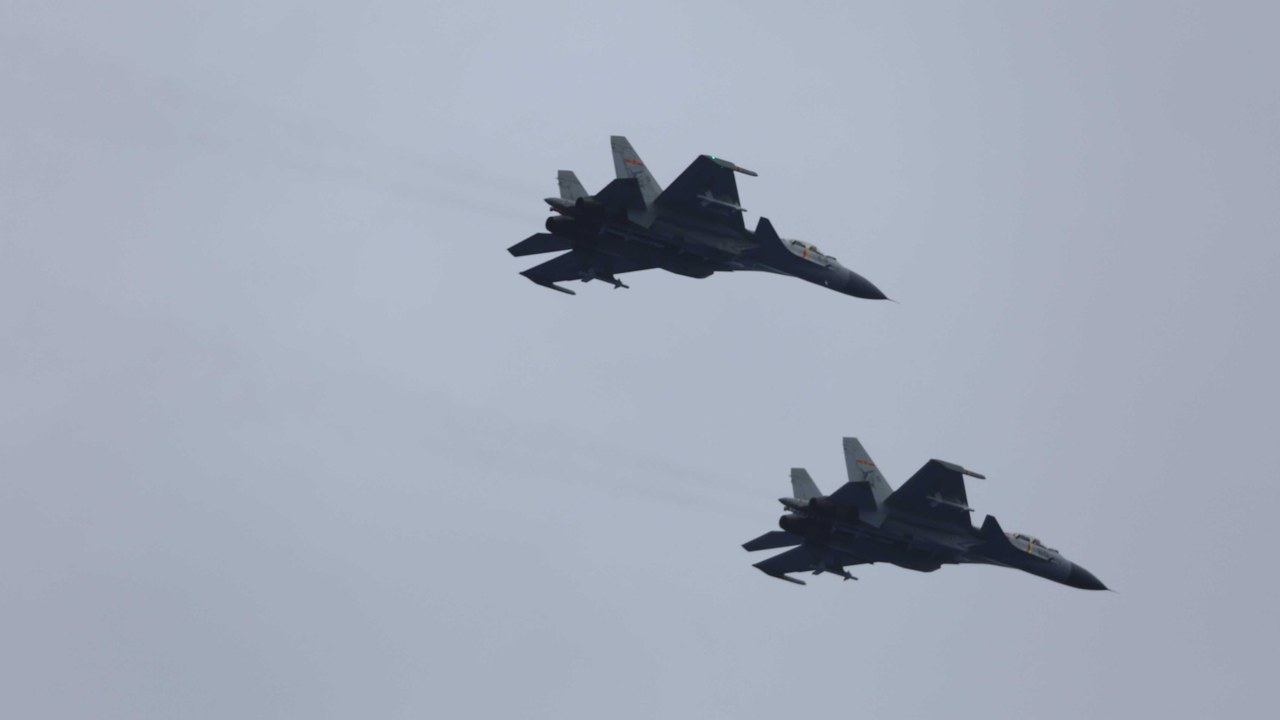
The Shenyang J-15 is the carrier fighter flown from both the Liaoning and the Shandong, a pairing described in the CSIS explainer. It is a twin-engine fighter derived from a heavy Russian design family and adapted for shipboard use.
The J-15 is what gives the ski-jump carriers their striking power, which is why it sits alongside the ships in this lineup. Newer aircraft such as the J-35 and the KJ-600 point to a future air wing for catapult ships, but the J-15 remains the established type behind the first two carriers. Its performance limits on ski-jump decks are widely discussed but are not quantified in the research material.
More from Morning Overview
- A dangerous unpatched Windows exploit is now public and can hand attackers full control
- Microsoft says its November Windows security updates are breaking printing for some users
- Older Teslas mostly keep their batteries, and here’s what wears out instead
- Pieces of a Learjet’s tail landed miles from the Florida crash that killed all nine aboard
