
A cricket ground in Buckinghamshire has turned out to sit on a Roman settlement, a find reported in November 2026 after Cotswold Archaeology’s 2024 excavation. Nearby HS2 digs have added a Roman town, stone busts and a rare wooden figure to the picture of Roman Buckinghamshire. Alongside them sit some of the best-known Roman sites in Britain, from Hadrian’s Wall to Bath.
Read next on Morning Overview: Tesla’s Cybercab has already crashed 8 times, and the worst one came at highway speed
Wendover: Cricket Ground Roman Settlement
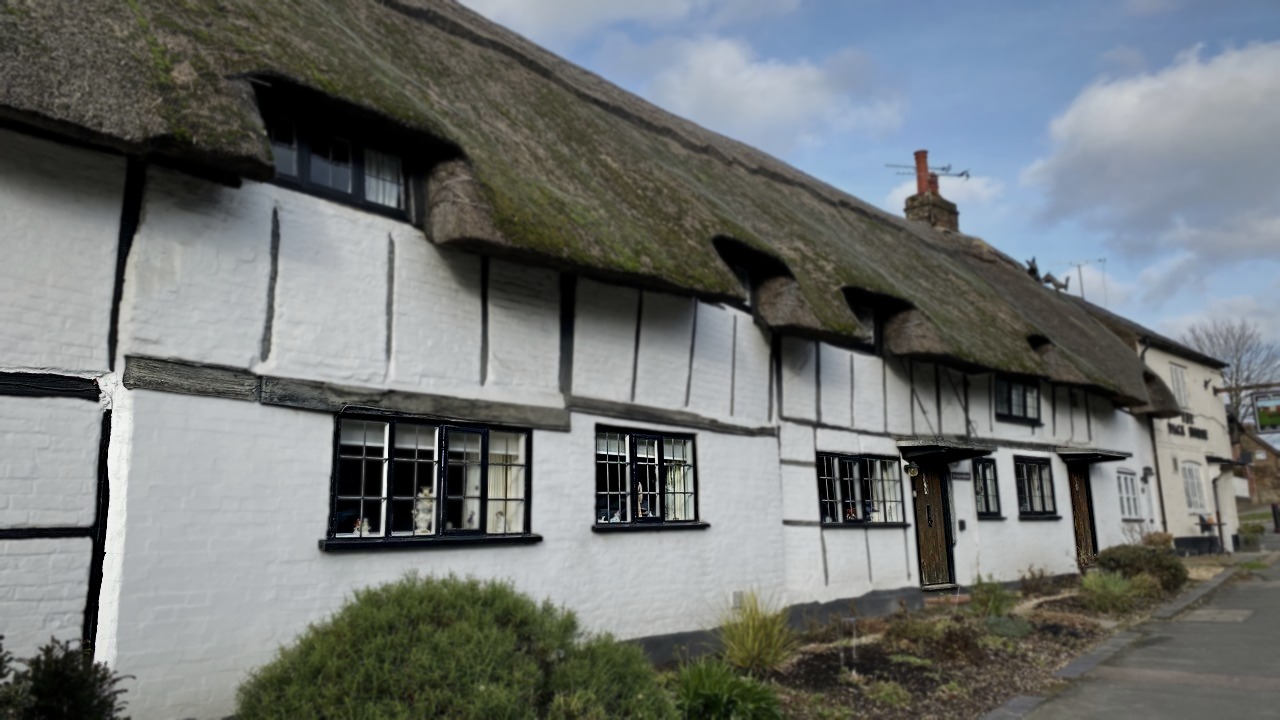
A Roman settlement site turned up at Wendover in Buckinghamshire ahead of the construction of the new Wendover Cricket Ground. Cotswold Archaeology excavated the ground in 2024, and the find was reported by HeritageDaily in November 2026.
Pre-construction digs such as this one are how many Roman settlements come to light, because land is examined before building begins. The Wendover work shows that ordinary sports-ground plots in the Chilterns countryside can still hold ancient occupation, and the excavation record now becomes the basis for further study of the settlement.
Buckinghamshire: A Possible British First
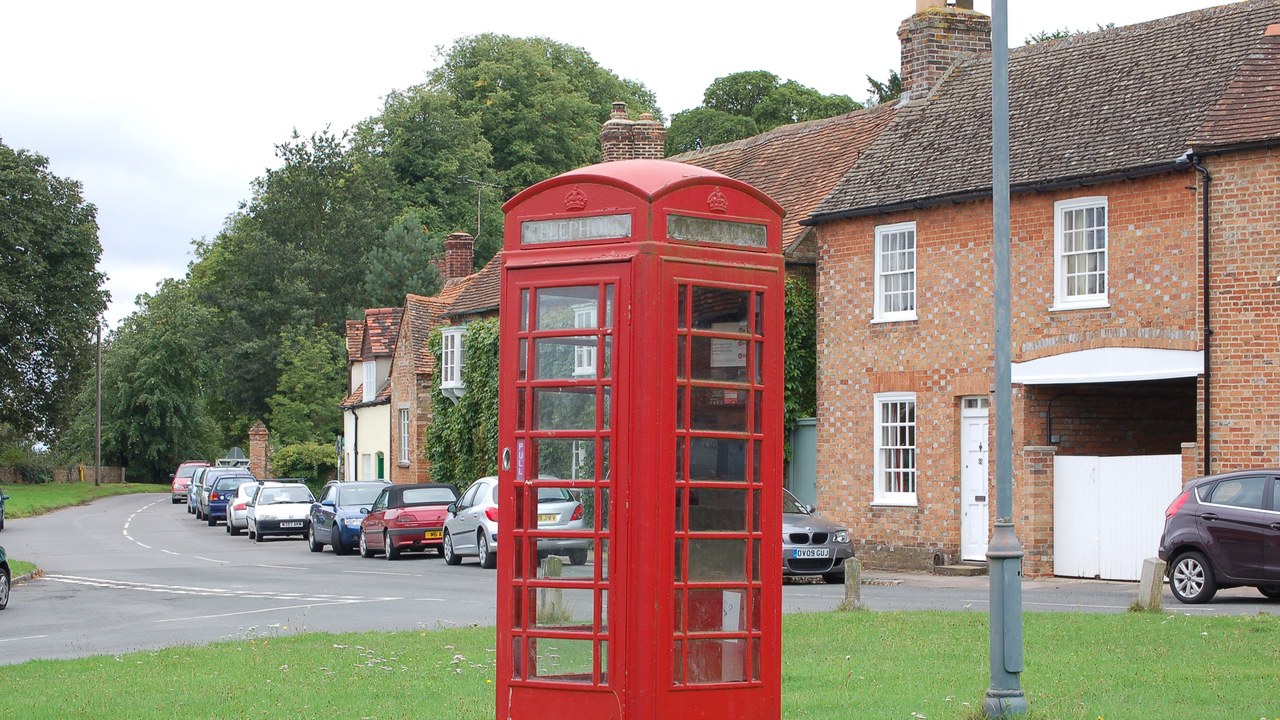
The Wendover excavation produced a rare Roman burial rite that, in HeritageDaily’s reporting, may represent the first known example of its kind in Britain. The wording is hedged, and the claim rests on the excavators’ assessment rather than a settled ranking.
Buckinghamshire sits in the Chilterns and Vale of Aylesbury, a county with a long record of Roman activity. For readers, the point is the caution attached to the claim: a possible British first remains a possibility until specialists have published their analysis and other researchers have tested it against comparable burials.
Fleet Marston: Town Beside a Major Road
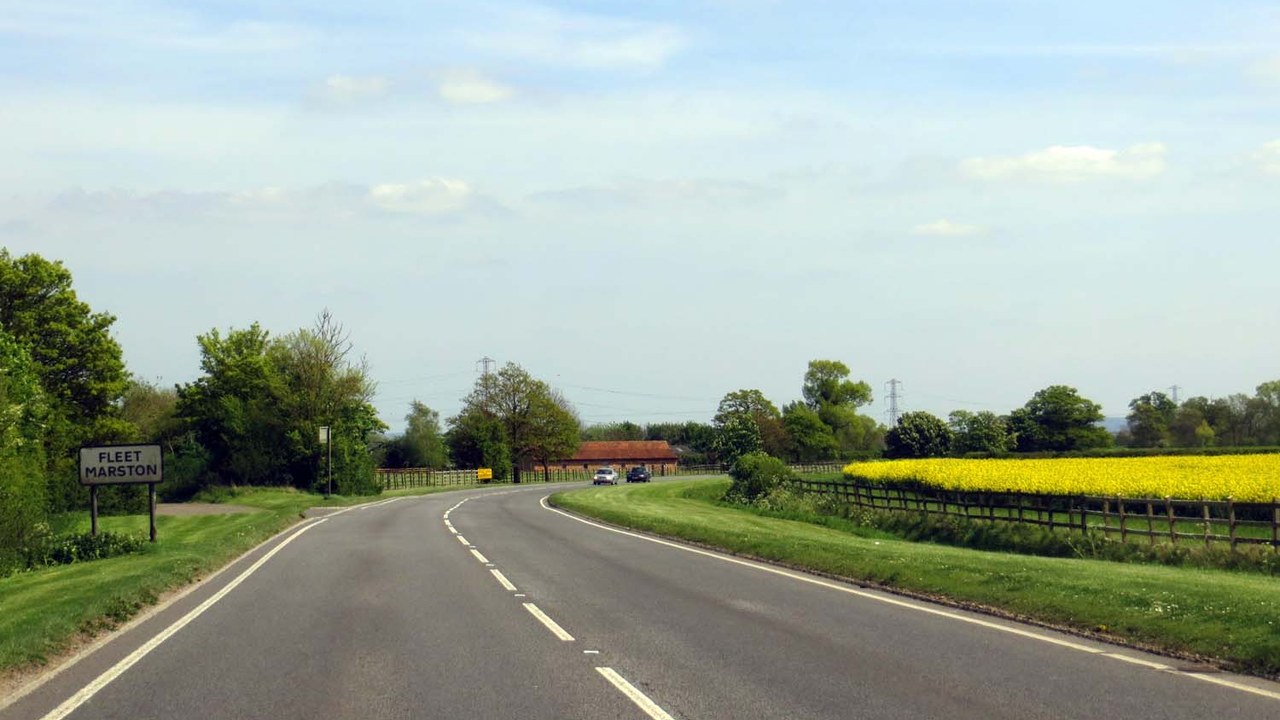
HS2 archaeologists excavated a Roman town beside a major Roman road at Fleet Marston, near Aylesbury. The finds from the town include over 1,200 coins and several lead weights, material that points to trade and everyday exchange.
Coins and weights are the kind of everyday objects that reveal how a roadside community earned its living. The scale of the coin assemblage makes Fleet Marston one of the better-documented Roman settlements in the Aylesbury area, with HS2’s own archaeology pages setting out what the work uncovered.
Stoke Mandeville: Three Stone Busts
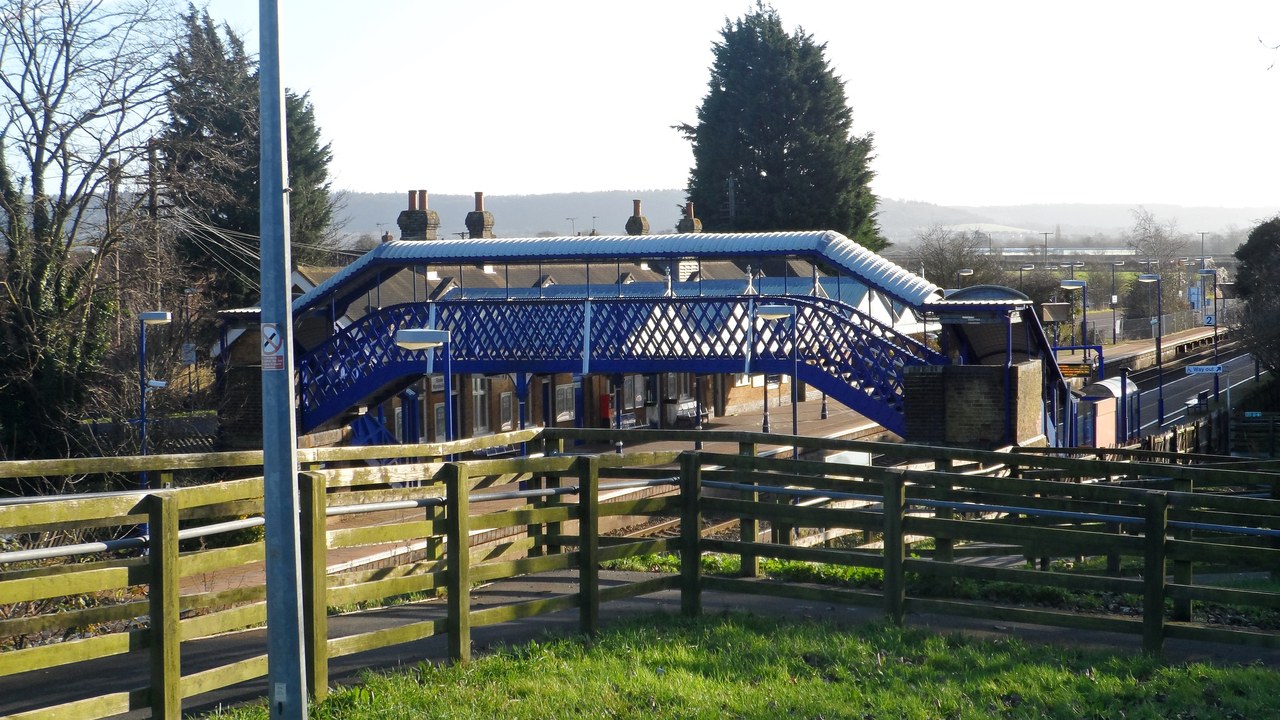
At St Mary’s in Stoke Mandeville, HS2 archaeologists uncovered three Roman stone busts. Carved stone portraits of this kind are far less common on rural English sites than pottery or coins, which gives the discovery added weight within the wider project.
The busts show that Roman Buckinghamshire was not simply a farming backwater, since sculpture implies owners with taste and money to spend. Stoke Mandeville is better known today for its railway station and hospital, so a Roman artistic find there is a reminder of how much lies beneath familiar places.
Twyford, Buckinghamshire: A Rare Wooden Figure
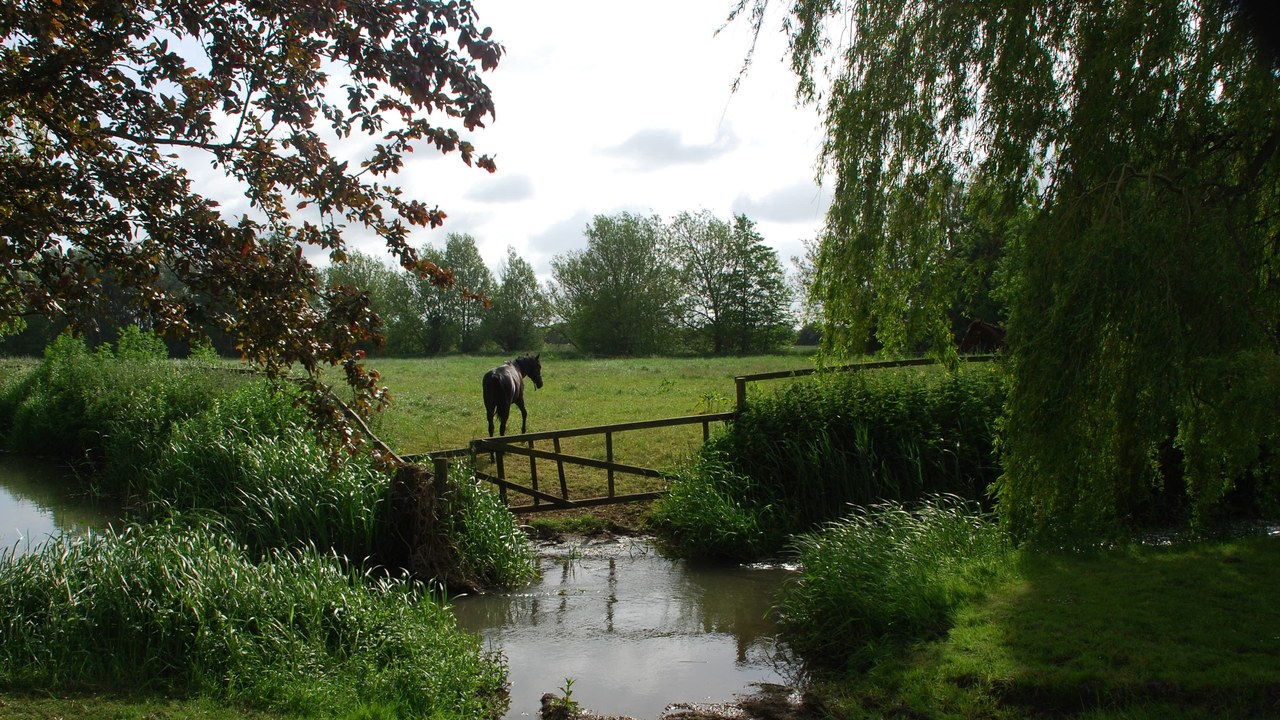
At Three Bridge mill in Twyford, a very rare early Roman humanlike wooden carved figure was found, standing 67 cm tall. Wood seldom survives two thousand years in the ground, so a carved figure of that size is unusual in itself.
Preservation of organic material normally needs waterlogged conditions, which suits a mill site beside a watercourse. The Twyford figure adds to the picture assembled by HS2 archaeology across Buckinghamshire, and it stands as a rare surviving example of Roman-period woodwork rather than stone or metal.
Aylesbury: Largest Late Roman Cemetery
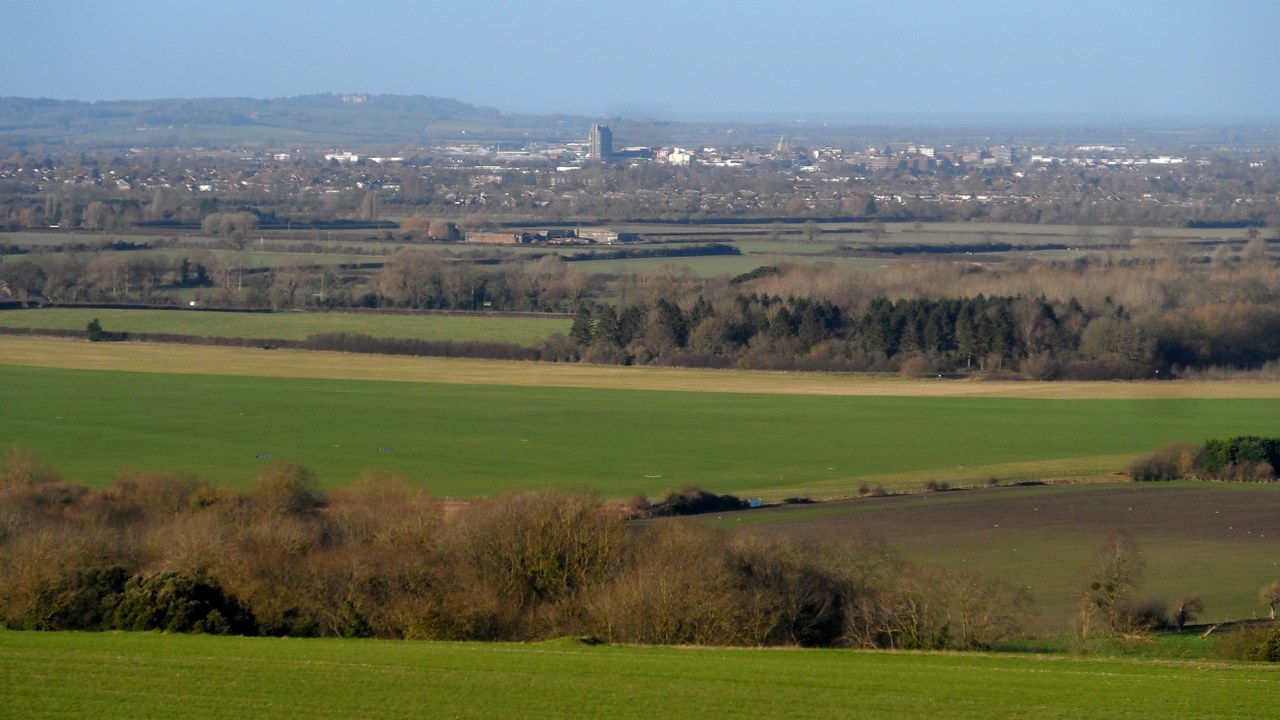
The Fleet Marston Roman town lay near Aylesbury, and its cemetery of around 425 burials was the largest late Roman one known in Buckinghamshire, according to the HS2 archaeology page. The town and its burial ground together give a rare view of a community across generations.
Aylesbury today is the county town, and the Roman evidence on its doorstep shows how long the Vale has been settled. A cemetery of this size offers researchers a sizeable population to study, which is why the Fleet Marston excavation matters well beyond the finds themselves.
Hadrian’s Wall: Remnant of Roman Britain
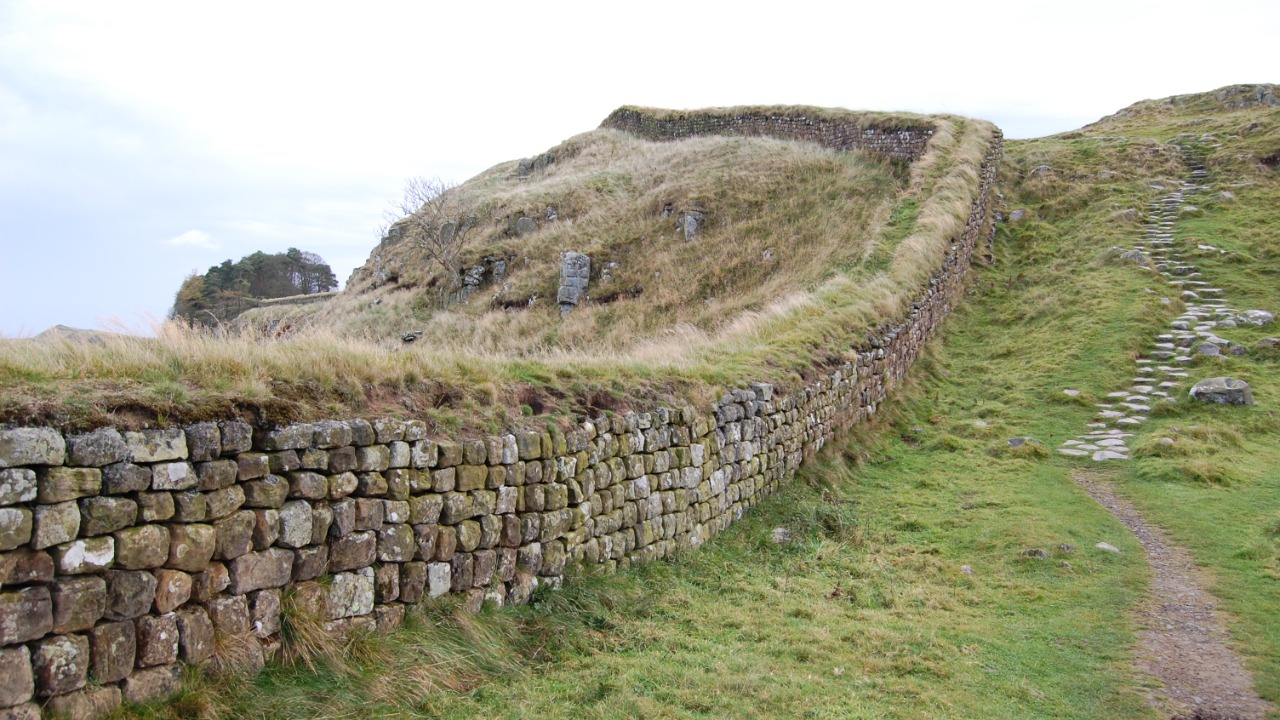
HistoryHit describes Hadrian’s Wall as a magnificent remnant of Roman Britain and notes that it is a UNESCO World Heritage site. Built under the Emperor Hadrian in the 2nd century, it runs across the north of England.
Long stretches of the wall still stand in the Northumberland landscape and can be walked, which makes it the most recognisable of Britain’s Roman monuments. For visitors, it is the natural starting point for any tour of the Roman north, with forts and milecastles along the line.
Roman Baths (Bath): Thermal Spas of Bath
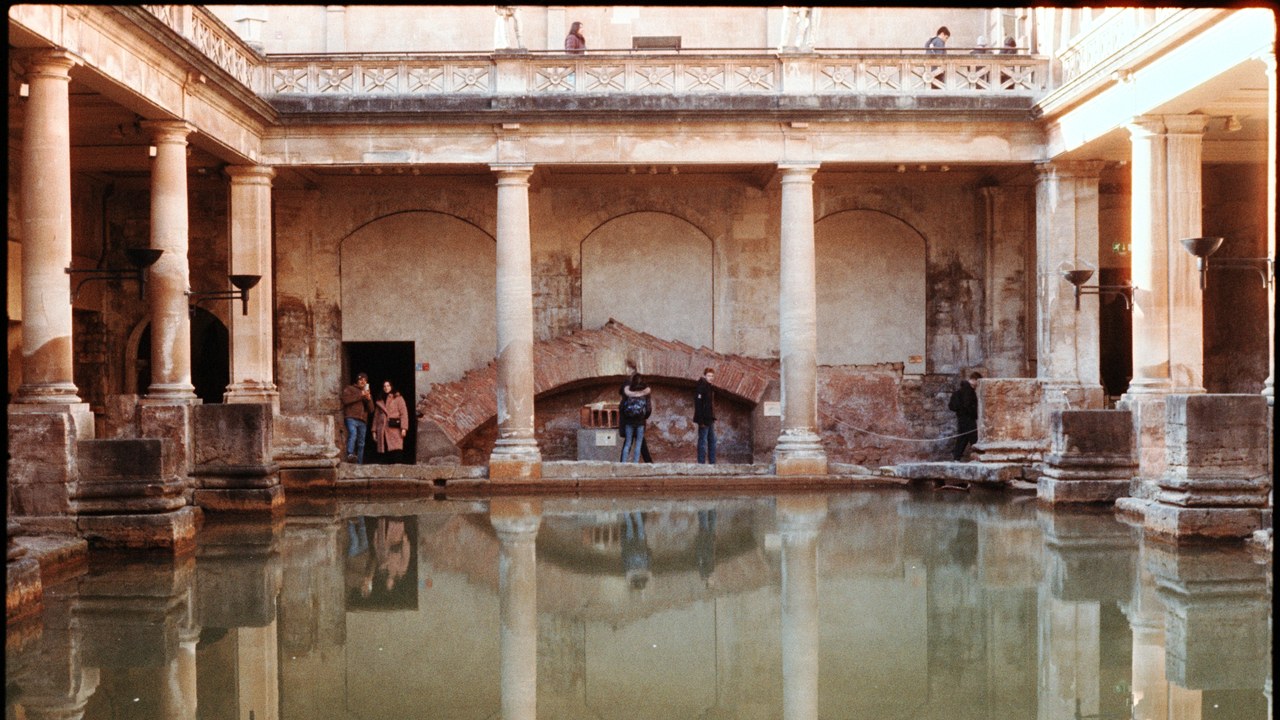
The Roman Baths complex in Bath contains an incredible set of thermal spas, in HistoryHit’s words, and the guide calls it world famous. The site was built around natural hot springs in the Roman town of Aquae Sulis.
Bath is among the easiest Roman sites to visit, set in the middle of a busy historic city with the Great Bath at its centre. Visitors see the water, the surviving structures and finds on display in one place, which makes it a strong first stop for anyone new to Roman Britain.
Fishbourne Roman Palace: Palace in West Sussex
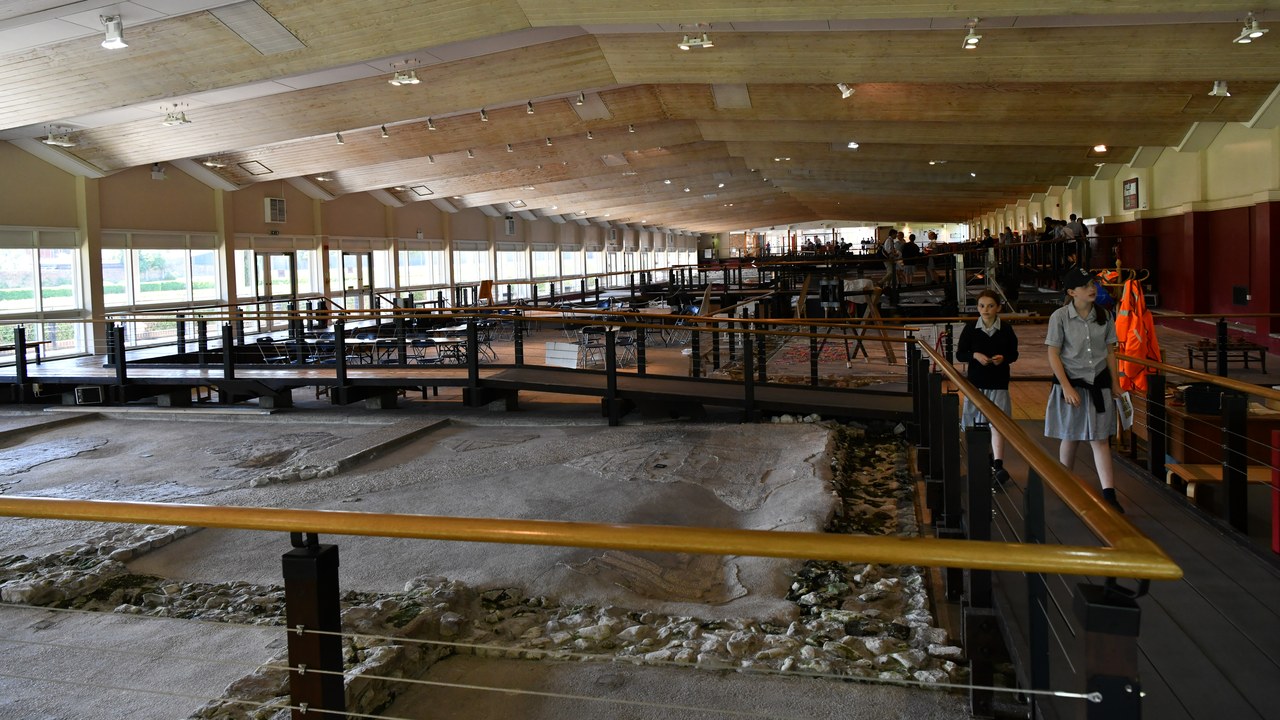
Fishbourne Roman Palace in West Sussex, HistoryHit says, hosts the remains of a huge Roman palace complex constructed in the 1st century. It is listed among the best Roman sites in England alongside Hadrian’s Wall and Bath.
Fishbourne is known for its floor mosaics, preserved beneath a protective building near Chichester. A palace of this scale, built in the first century of Roman rule, sits far from the northern frontier, and it shows a different side of the province from forts and walls.
Chedworth Roman Villa: Luxury in Gloucestershire
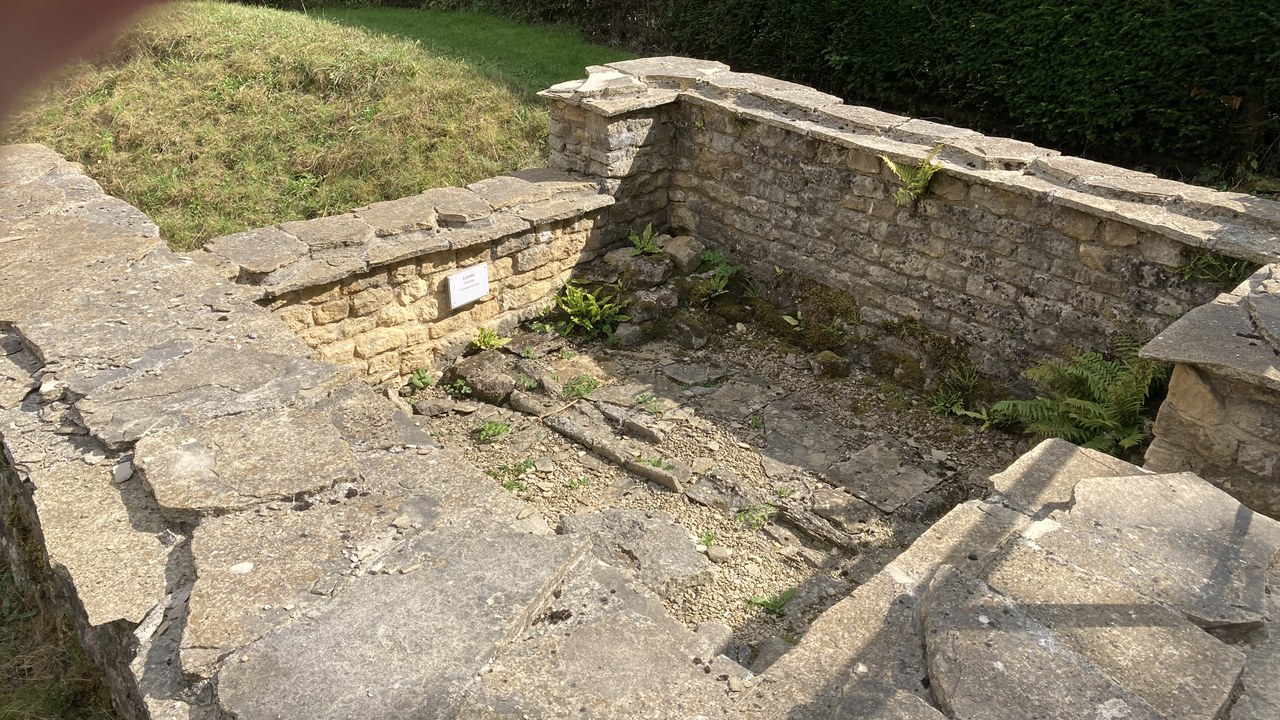
Chedworth Roman Villa in Gloucestershire, HistoryHit writes, was a luxurious and vast Roman residence built in the 2nd century. It closes the guide’s selection of sites that show where Roman Britain still shows itself.
Set in the Cotswolds countryside, the villa represents the rural wealth of the province rather than its military or civic centres. Visitors to Chedworth can compare it with the northern frontier at Hadrian’s Wall and the southern palace at Fishbourne to get a fuller sense of Roman life in Britain.
More from Morning Overview
- Older Teslas mostly keep their batteries, and here’s what wears out instead
- Pieces of a Learjet’s tail landed miles from the Florida crash that killed all nine aboard
- Czech Skyfox jets could become Ukraine’s cheap answer to Shahed attack drones
- A windstorm slammed western Washington, blocking I-5 and knocking out power for thousands
