
Archaeologists working on Karmøy have opened a Viking ship burial and found signs of a far older stone structure under it. The dig, reported by Science Norway in August 2026, sits among a wider set of famous mounds and ship graves across Scandinavia and England. This gallery walks through the Karmøy site and the better known burials that give it context.
Read next on Morning Overview: Pieces of a Learjet’s tail landed miles from the Florida crash that killed all nine aboard
Grønhaug: Cairn Beneath the Ship
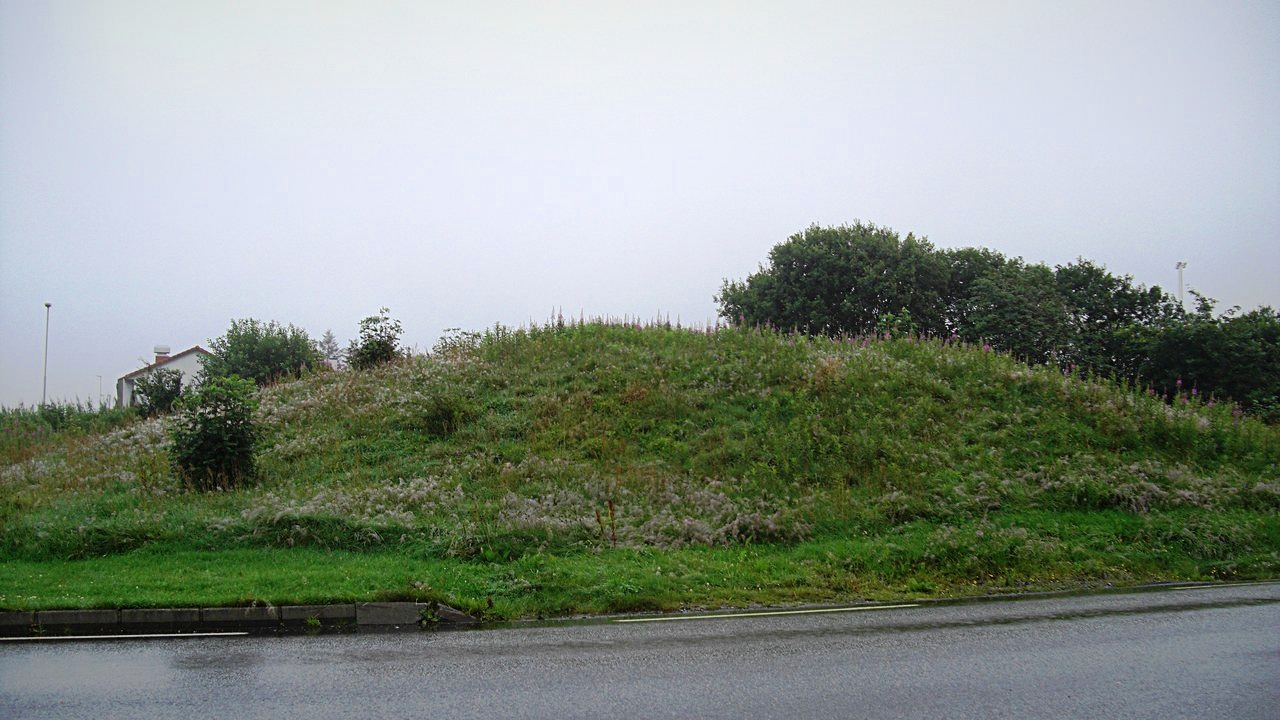
Excavators at Grønhaug found that a man-made stone cairn lies beneath the Viking ship grave, and the HeritageDaily report says it probably dates from the Bronze Age. The Bronze Age dating remains unconfirmed, so the cairn is described as probable rather than proven. A burial mound that was reused or built over by later generations turns a single grave into a layered record of the same hilltop.
Until the cairn is dated directly, its age rests on the excavators’ reading of its construction. Confirmation would show that the site mattered to local communities long before the Viking Age, adding centuries of use to a single Karmøy landscape.
Karmøy: Island Setting
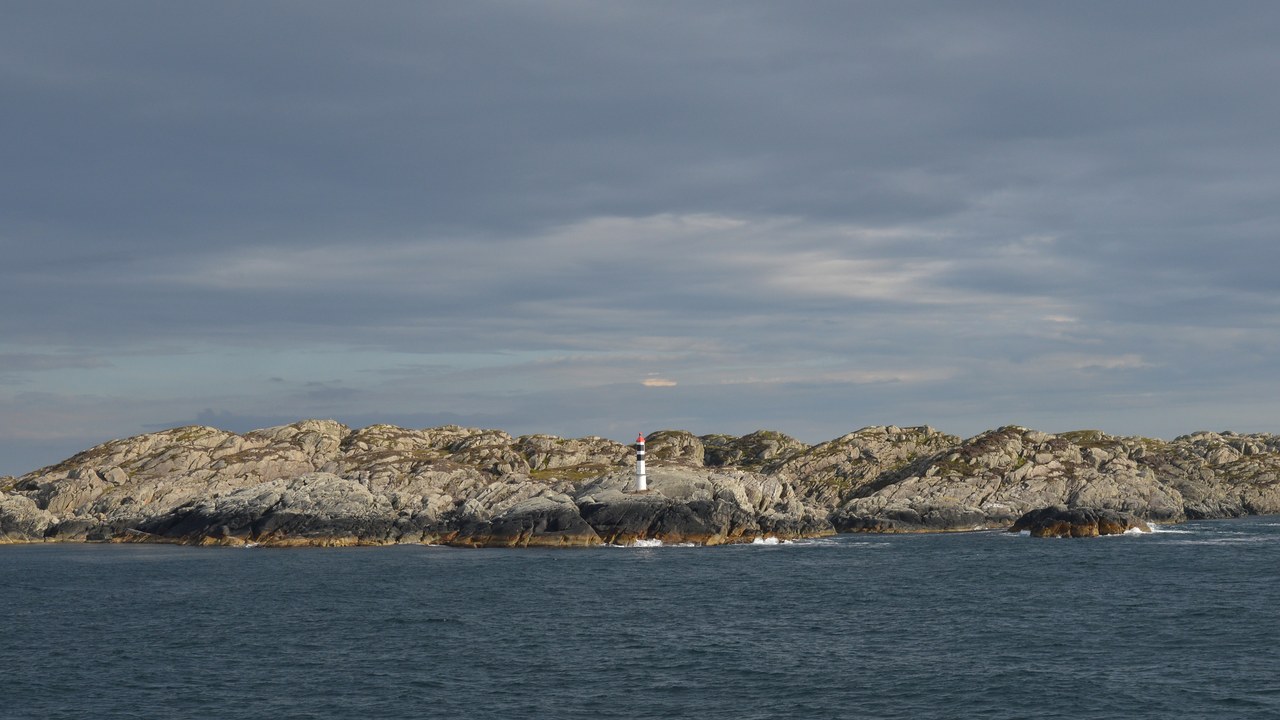
Grønhaug sits on Karmøy, off Norway’s western coast, among several large burial mounds, some of them from the Bronze Age, as Science Norway reported. That cluster of mounds means the ship grave belongs to a landscape already full of older monuments. Karmøy is a long island on the North Sea side of the country, and its position on the sailing routes along the coast fits a place where people chose to bury their dead in prominent mounds.
For readers tracking the dig, the island context explains why a Viking-era burial could end up on top of something much older. Reusing an established burial ground was a way of tying a new grave to a place that already carried meaning.
Oseberg Ship: Looted Like Its Neighbour
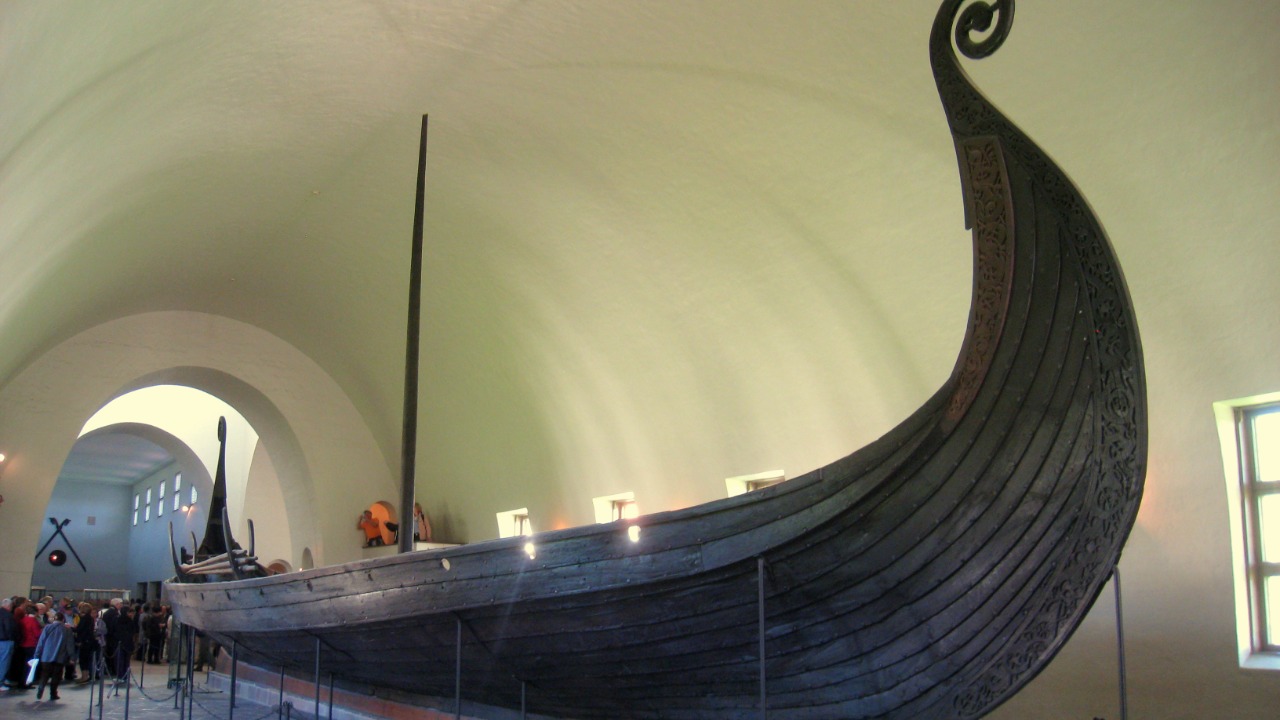
The Grønhaug grave was looted, and Science Norway notes that the same happened at the Oseberg ship burial, whose ship dates to 820. Oseberg is one of the best known Viking ship graves in Norway, and its ship is now displayed in a museum hall. The comparison shows that even famous burials were opened and emptied in antiquity, so the objects that survive are only part of what was once placed inside.
The parallel sets expectations for Grønhaug. A looted ship grave can still yield a great deal through the ship timbers, the dating work and the structures beneath, even when the original grave goods are gone.
Gokstad Ship: Mound in Sandefjord
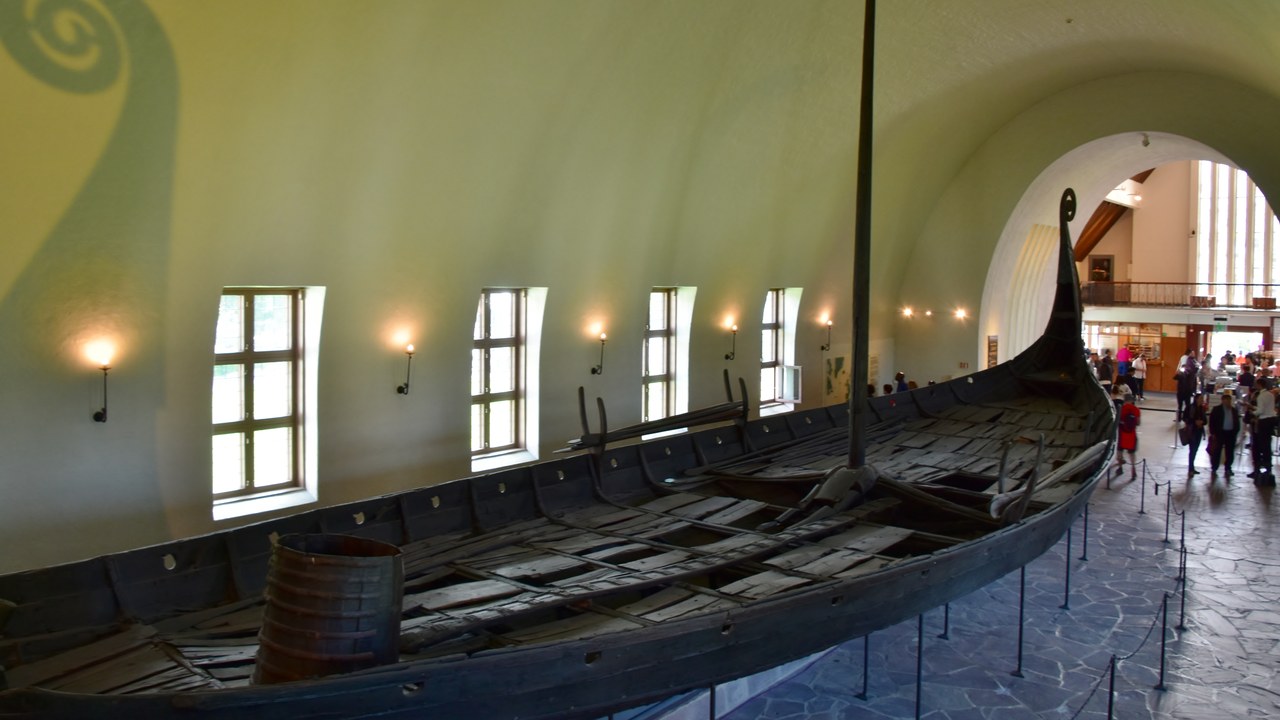
The Gokstad burial mound is located in Sandefjord, Eastern Norway, according to a Science Norway list of mounds. That places it on the opposite side of the country from Karmøy, which shows how widely ship burials were spread along Norway’s coasts. Gokstad is among the named, famous ship graves that frame the Grønhaug find, and its ship is a standard reference point for how a Viking vessel was built and then used in a burial.
Comparing Grønhaug with Gokstad helps place the new dig in context. Eastern and western Norway each hold major ship burials, and each one adds a separate data point on who was buried in such graves and when.
Borre mound cemetery: Seven Large Mounds
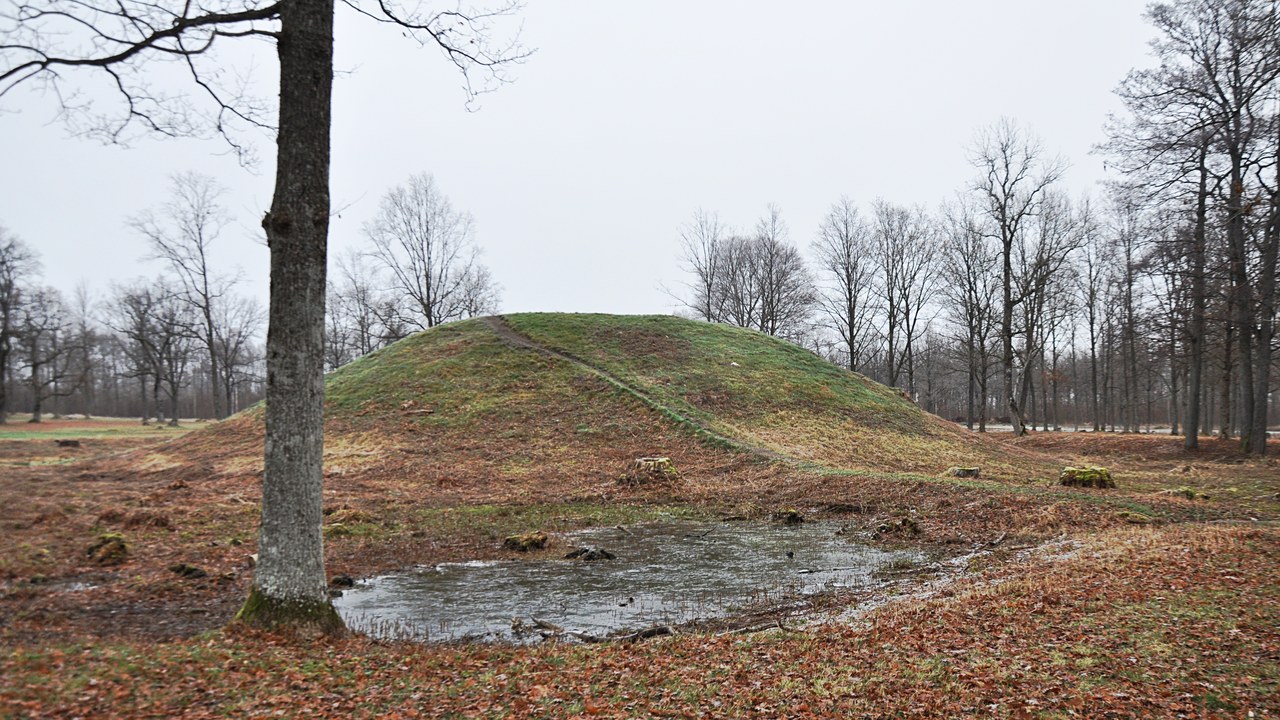
Borre Park in Horten, Eastern Norway, holds seven large burial mounds, as Science Norway lists among the country’s notable mound sites. A cemetery of that scale shows a place used for high-status burials across a period rather than for a single funeral. It is a different kind of site from Grønhaug, where one ship grave sits above an older structure, yet both show how deliberately powerful people were commemorated in the landscape.
Visitors can walk among the mounds in the park. For researchers, a group of seven large mounds offers a chance to compare burial customs between graves of similar form.
Myklebust ship: Mound in the Town Centre
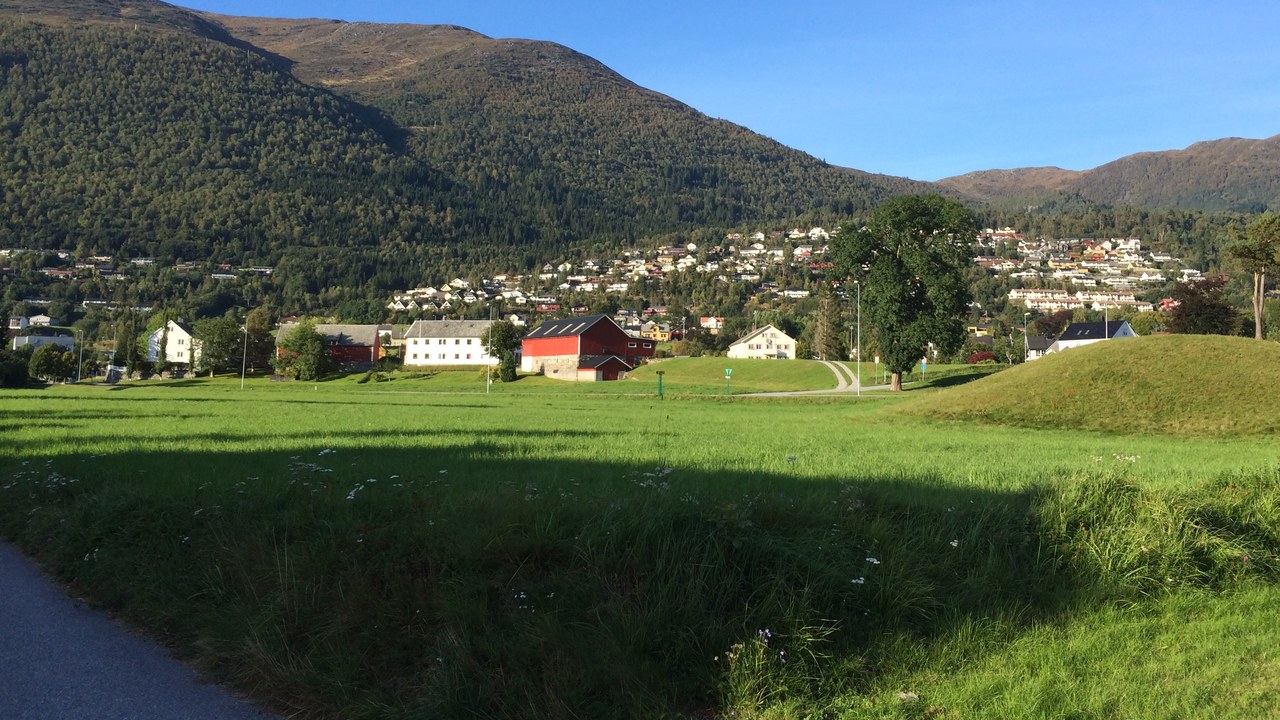
In the centre of Nordfjordeid in Western Norway lies the Myklebust mound, as Science Norway describes in its guide to Norwegian mounds. The ship burial is part of the same family of monuments as Grønhaug, and it sits in a built-up setting rather than open fields. Western Norway holds a share of the country’s best known ship graves, so Myklebust adds a second western site to the comparison.
A mound at the heart of a town shows how long these monuments have stayed in view. Their survival in everyday settings has shaped how local communities treat and protect them.
Herlaug mound: Possibly the Oldest Ship Grave
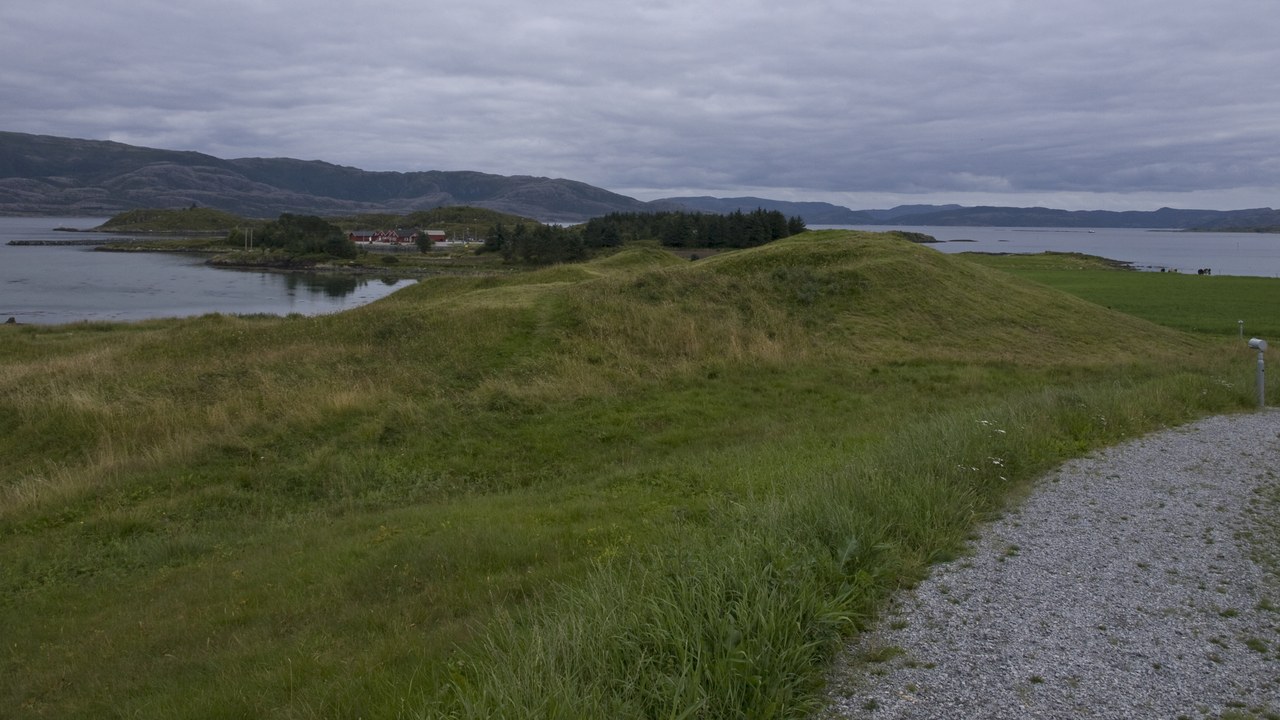
The Herlaug mound on Leka in Central Norway is among the largest burial mounds in the country, 65 metres long and once 12 metres high, according to Science Norway. A military unit dug into it in the 1700s and found timber structures, rivets and two skeletons, one of them seated with a sword nearby.
Ground-penetrating radar in 2015 showed the mound was man-made, and a preliminary excavation in 2023 found intact layers and more rivets. The dating suggests a burial around 700 CE, which would make it the oldest known ship grave in Norway.
Sutton Hoo: Anglo-Saxon Ship Burial
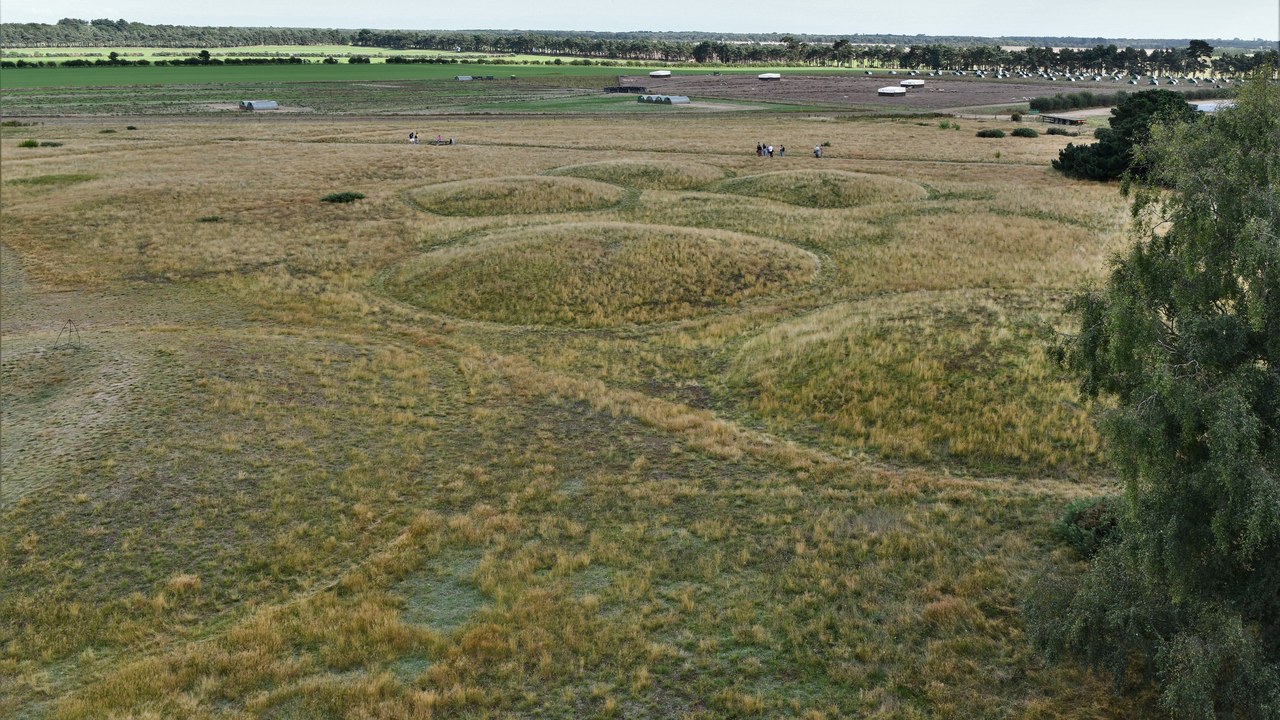
Sutton Hoo was the Anglo-Saxon site of a ship burial near Suffolk, England, as Listverse notes in a list of Germanic ship burials. It is not a Viking site, since the burial belongs to the Anglo-Saxon world, but it stands among the best known ship graves anywhere. Including it widens the picture beyond Scandinavia and shows that burying a person in a ship was a wider Germanic custom.
The comparison keeps the Norwegian finds in proportion. Ship burial was practised in more than one culture, and Sutton Hoo is the English example most often set beside Scandinavian graves.
Anundshög: Sweden’s Largest Mound
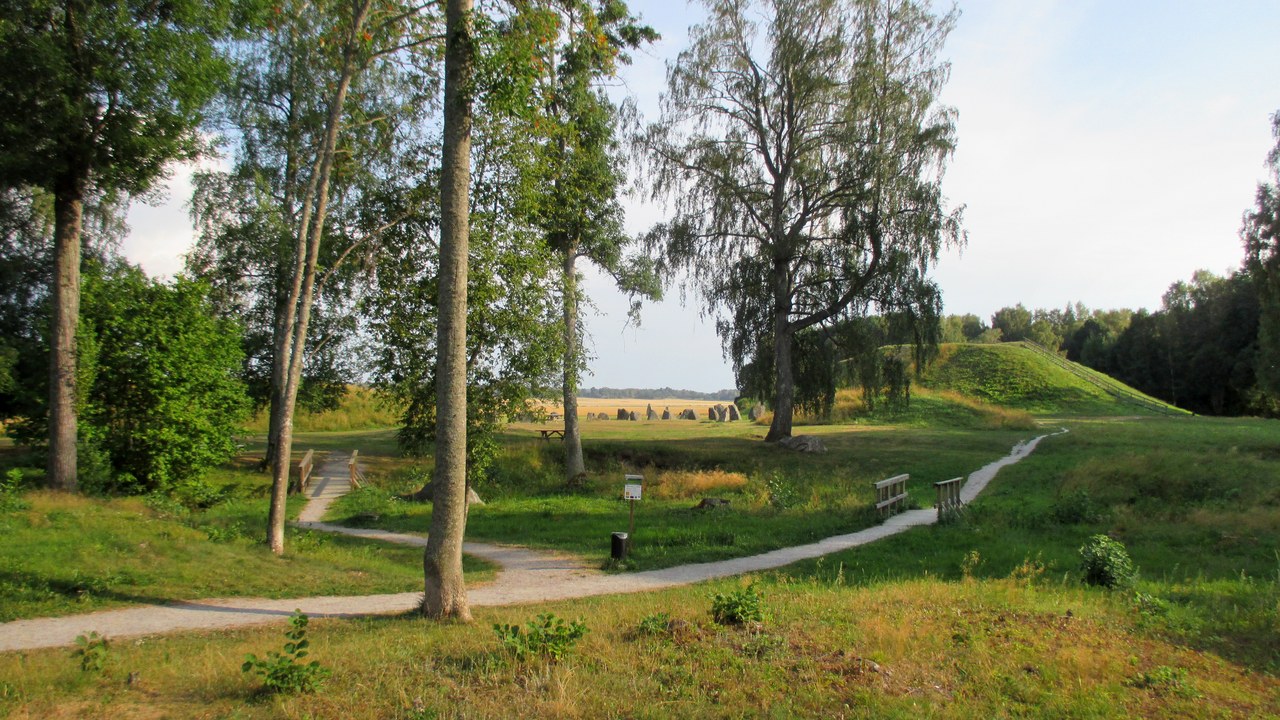
The site at Anundshog is the largest burial mound in Sweden, according to a Listverse survey of ship burials in the Germanic world. The monument sits in the landscape as a conspicuous grassy hill, and it shows the scale on which communities in the region raised graves for their elite. Anundshög belongs to the wider tradition of large mounds that Grønhaug also joins, only on Swedish soil.
Size alone does not date a mound, but the largest examples signal considerable organised effort. Anundshög gives the Norwegian discoveries a Swedish counterpart to measure against.
Gotland: Symbolic Stone Ships
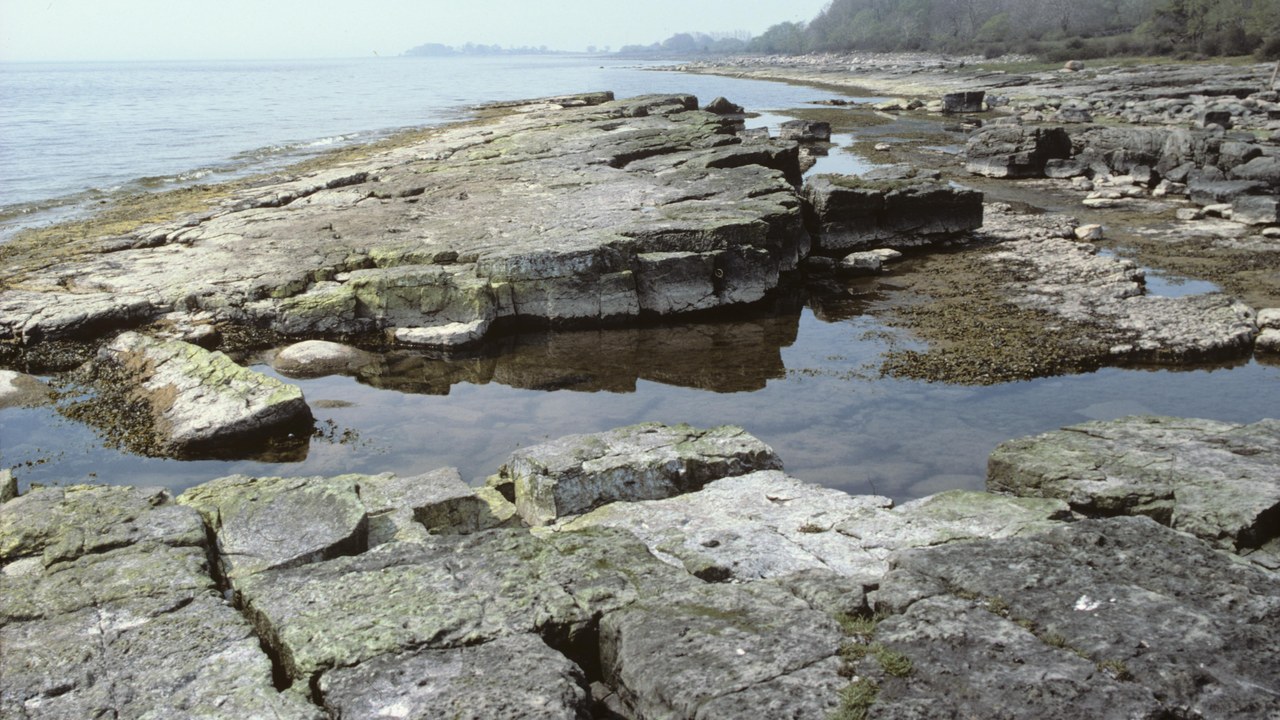
Three symbolic stone ships were uncovered in Gotland, Sweden, as Listverse reports in its list of Germanic ship burials. These are ships outlined in stone rather than timber vessels buried whole, so the ship idea was expressed in more than one way. Gotland is a Baltic island, and the finds show that the symbolism of a ship carried into stone settings as well as into full burials like the one at Grønhaug.
Stone ships show that the ship was a symbol as much as a vehicle. Alongside the Norwegian mounds, they round out how widely the image was used when marking the dead.
More from Morning Overview
- 11 engines built to run well past 200,000 miles
- A dangerous unpatched Windows exploit is now public and can hand attackers full control
- Microsoft says its November Windows security updates are breaking printing for some users
- Older Teslas mostly keep their batteries, and here’s what wears out instead
