
The Navy’s Virginia-class attack submarines are in the news after the command triad of USS South Dakota was relieved in mid-October, following a grounding, according to the United States Naval Institute. This gallery walks through the named boats involved, the class they belong to and the older fleet they replace. It also covers the shipyard, the home port and the Norwegian port tied to the lead boat’s latest deployment.
Read next on Morning Overview: Czech Skyfox jets could become Ukraine’s cheap answer to Shahed attack drones
USS South Dakota (SSN-790): Command Relieved After Grounding
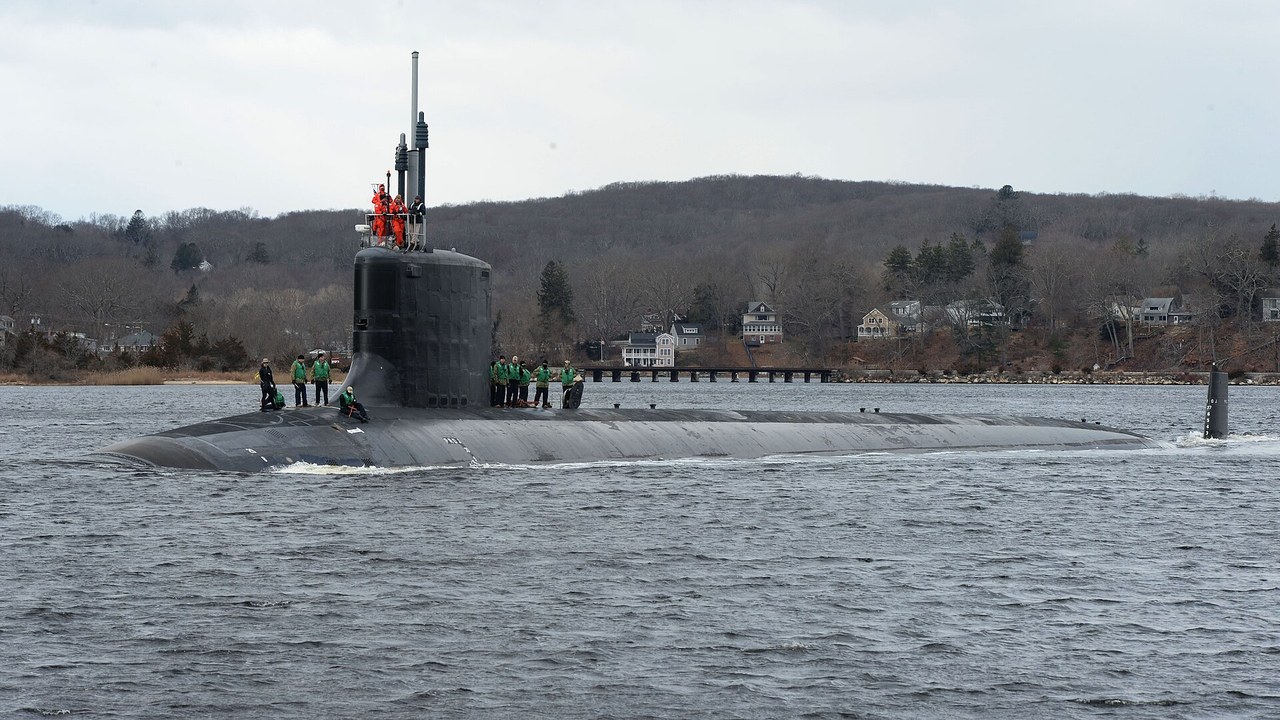
Three of the boat’s top leaders lost their jobs on Oct. 14, according to U.S. Naval Institute News reporting: the commanding officer, the executive officer and the chief of the boat. The relief was reported to follow a grounding in October, and a congressman was the source for the story. The Navy had not, in that account, laid out the full circumstances of the incident.
The firing of a full command triad is a rare step for a nuclear-powered attack submarine, and it signals that senior officers saw a serious breakdown in leadership or seamanship. Until an investigation is public, the cause and the damage remain open questions.
USS Virginia (SSN-774): First of the Class Comes Home
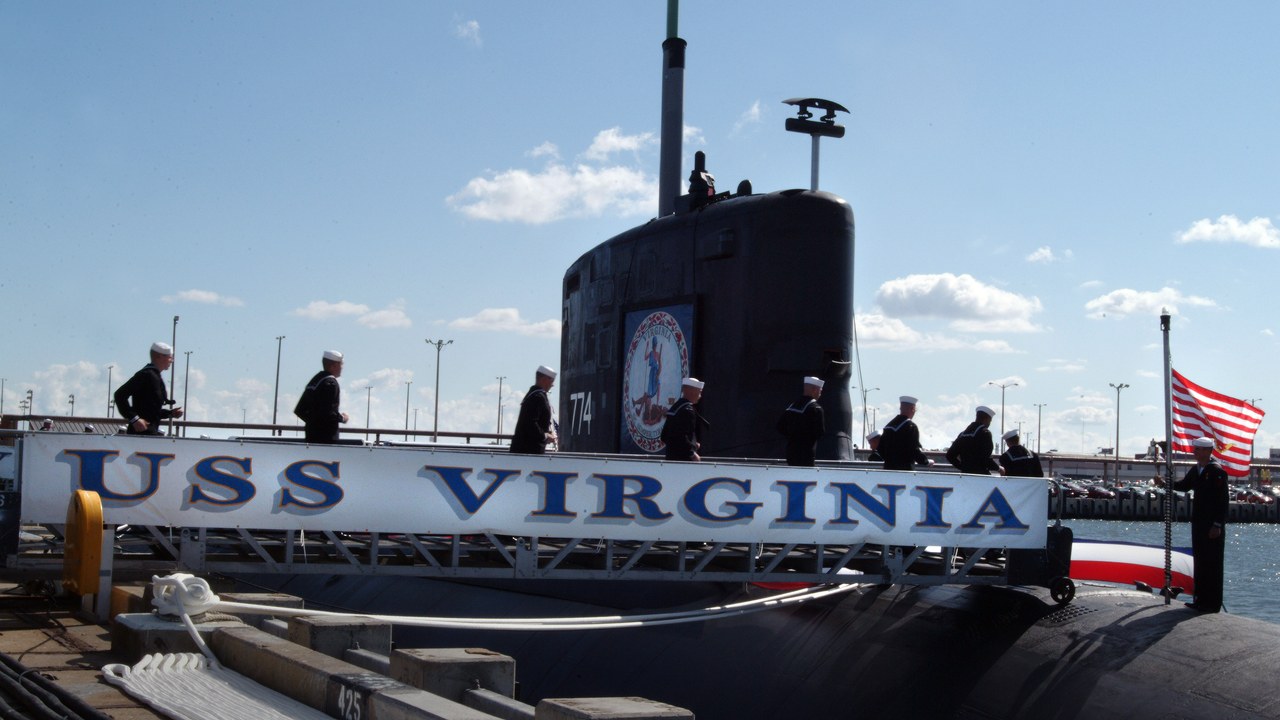
The lead boat of the class returned to Groton on Aug. 3 after six months in European waters, covering more than 36,000 nautical miles, as described in a Navy homecoming story. The deployment under U.S. European Command included a port call in Tromsø, Norway.
A long, busy tour by the namesake boat shows the design doing the work it was built for, far from home, and it makes a useful contrast with the news from South Dakota. Crew families and shipyard workers in Groton usually mark such homecomings as the end of a demanding stretch.
USS Massachusetts (SSN-798): Delivered to the Fleet
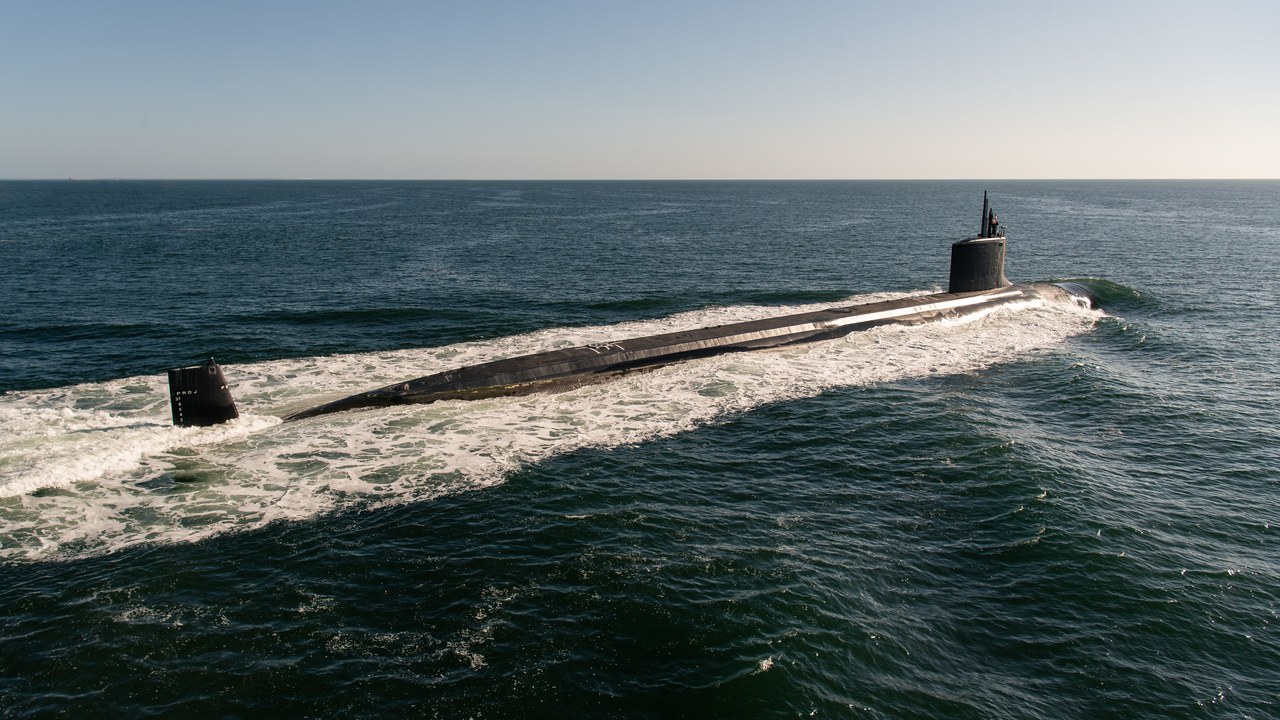
Navy sea systems command announced that the future Massachusetts had been delivered to the service, in a NAVSEA delivery announcement. Delivery is the point at which the builder hands the finished hull over to the Navy, ahead of commissioning.
The boat carries hull number SSN-798, one of the newer entries in a long production run. Each delivery adds another hull to a class that the Navy relies on to replace aging submarines, so schedule and quality at the builder matter well beyond a single ship.
Virginia-class submarine: The Class Behind the Names
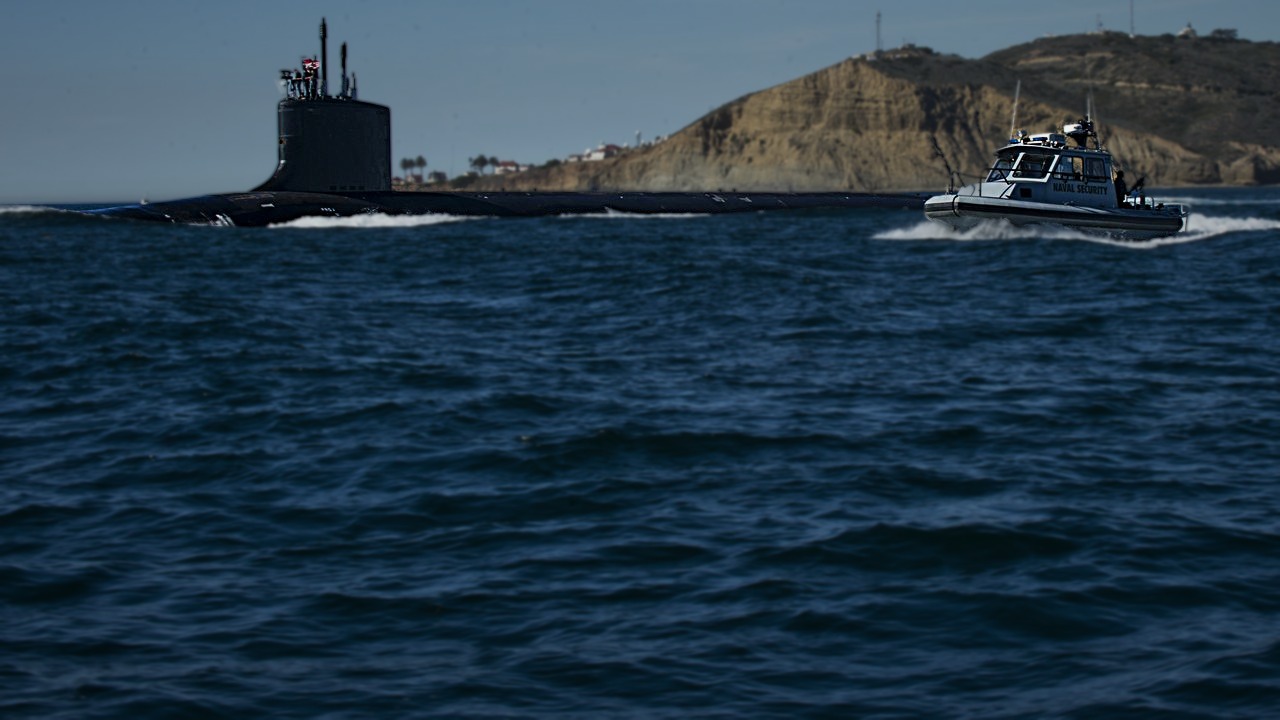
Wikipedia’s entry on the Virginia-class submarine describes the design as the successor to the Los Angeles class among U.S. attack boats. Every boat named in this gallery belongs to it, from the lead ship to the newest hulls.
Understanding the class explains why one grounding or one homecoming draws attention. These nuclear-powered submarines handle hunting other submarines and ships, gathering intelligence and supporting special operations, so the fleet has few spare hulls when one is sidelined. Production has continued for years, with successive batches of boats adding new features while keeping the same basic hull and the same overall mission set.
Los Angeles-class submarine: The Boats Being Replaced
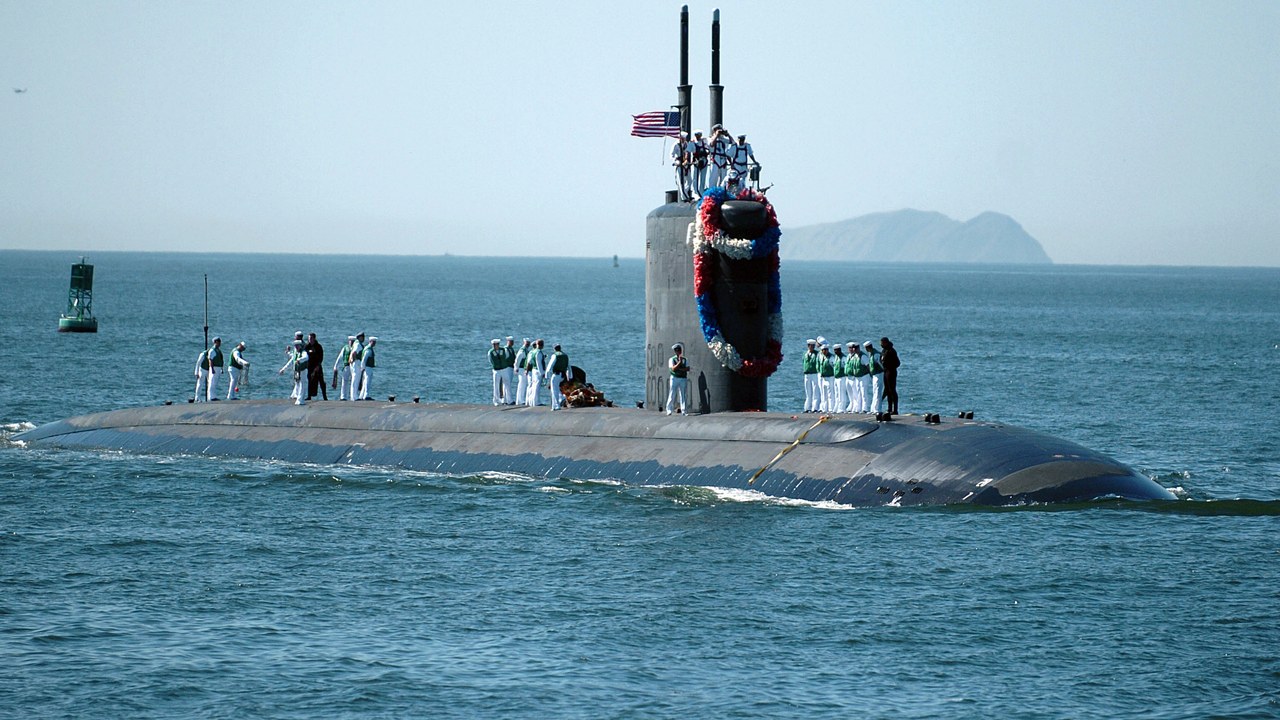
Older Los Angeles-class attack submarines form the fleet that the Virginias are gradually succeeding, a point covered in the Virginia-class overview on Wikipedia. The Los Angeles design entered service in the 1970s and 1980s and built up to a large fleet during the Cold War.
Retirements are steady, which leaves the Navy balancing hull counts while new boats arrive. Any delay in a Virginia, such as a grounding that sidelines one, makes that transition harder to manage. Many of those older boats have served for decades, and extending or replacing them is a long-running planning problem for the service.
Newport News Shipbuilding: The Second Submarine Yard
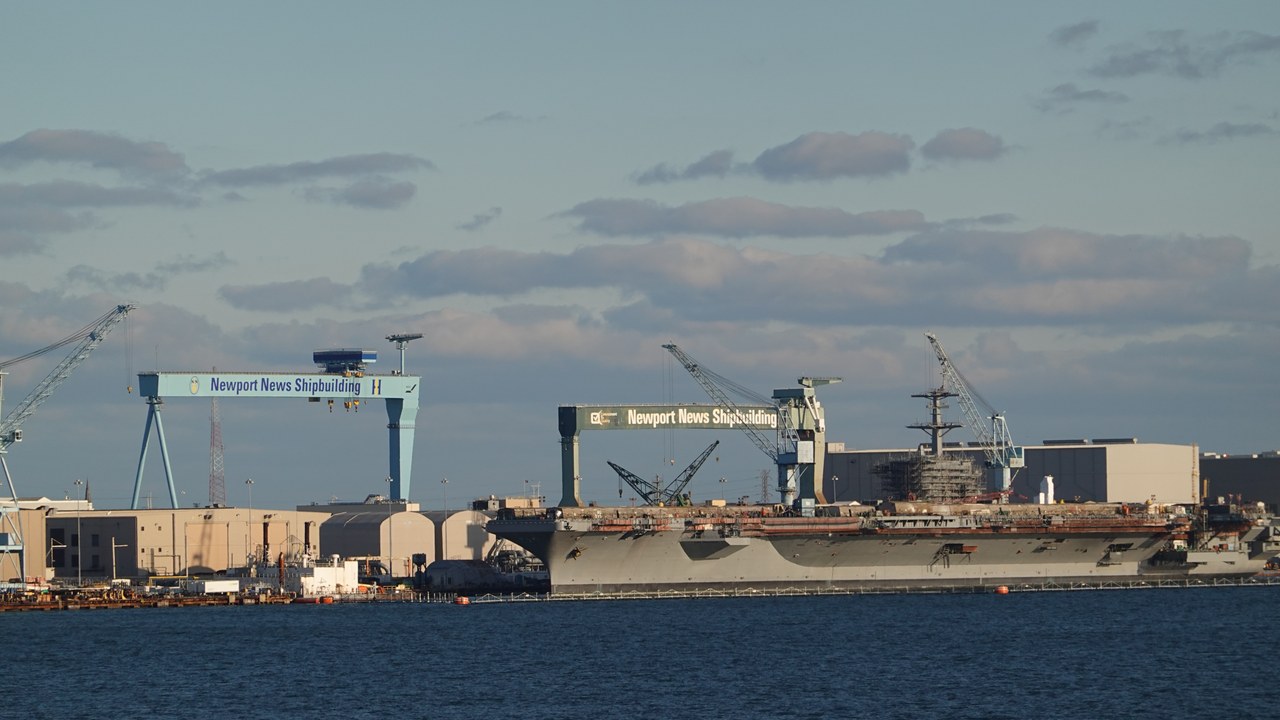
Newport News Shipbuilding builds Virginia-class boats under a teaming agreement with General Dynamics Electric Boat, according to the yard’s Virginia-class program page. The yard describes itself as one of only two shipyards capable of designing and building nuclear-powered submarines.
Before the Virginia class, Newport News Shipbuilding designed the Los Angeles-class submarines and constructed 29 of the 62 boats built, the page states. It also says the newer Virginia-class boats can exceed 25 knots submerged and can stay underwater for up to three months at a time.
General Dynamics Electric Boat: The Shipyard on the Thames
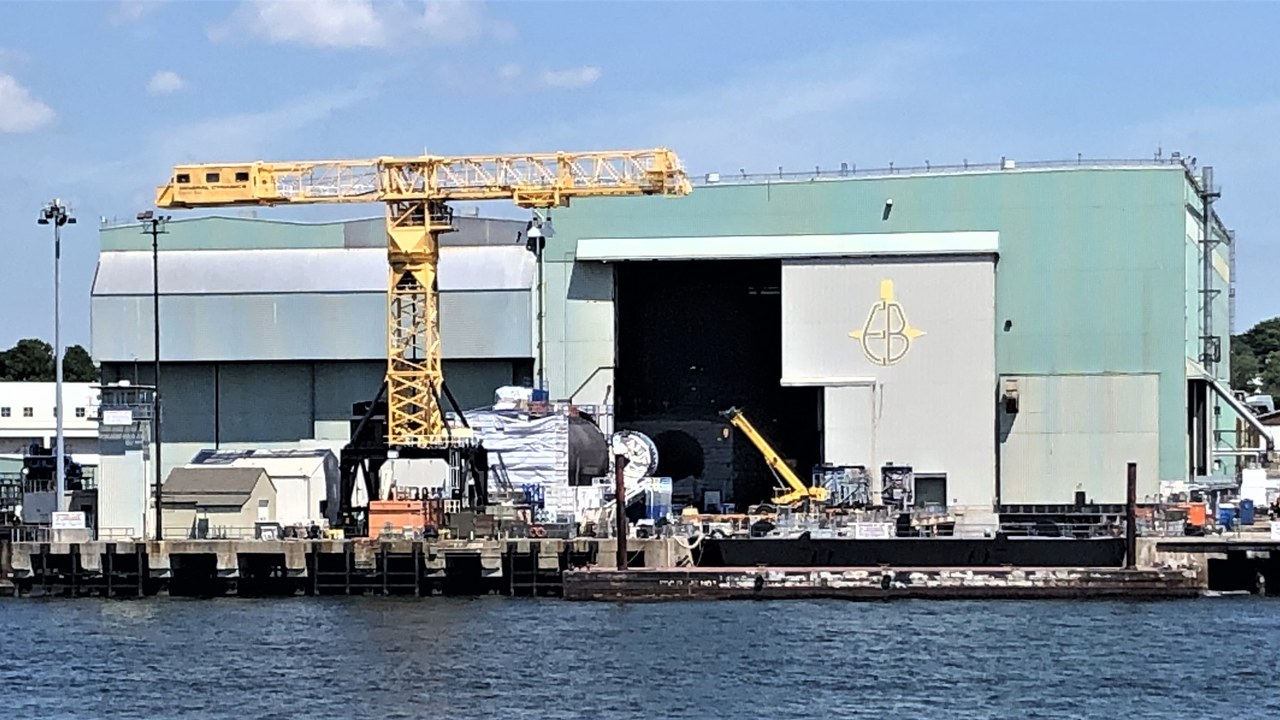
General Dynamics Electric Boat is the builder of the Virginia-class boats, with its main yard in Groton, Conn., as noted in its Wikipedia company profile. The company has designed and built American submarines for well over a century.
Because one yard dominates the work, shipyard workforce, supply chains and delivery schedules shape how fast new boats join the fleet. Delays there ripple straight into the Navy’s submarine plans. That concentration is a strength for expertise and a risk for capacity, because few other American yards can build a nuclear submarine from the keel up.
Naval Submarine Base New London: Home Port in Groton
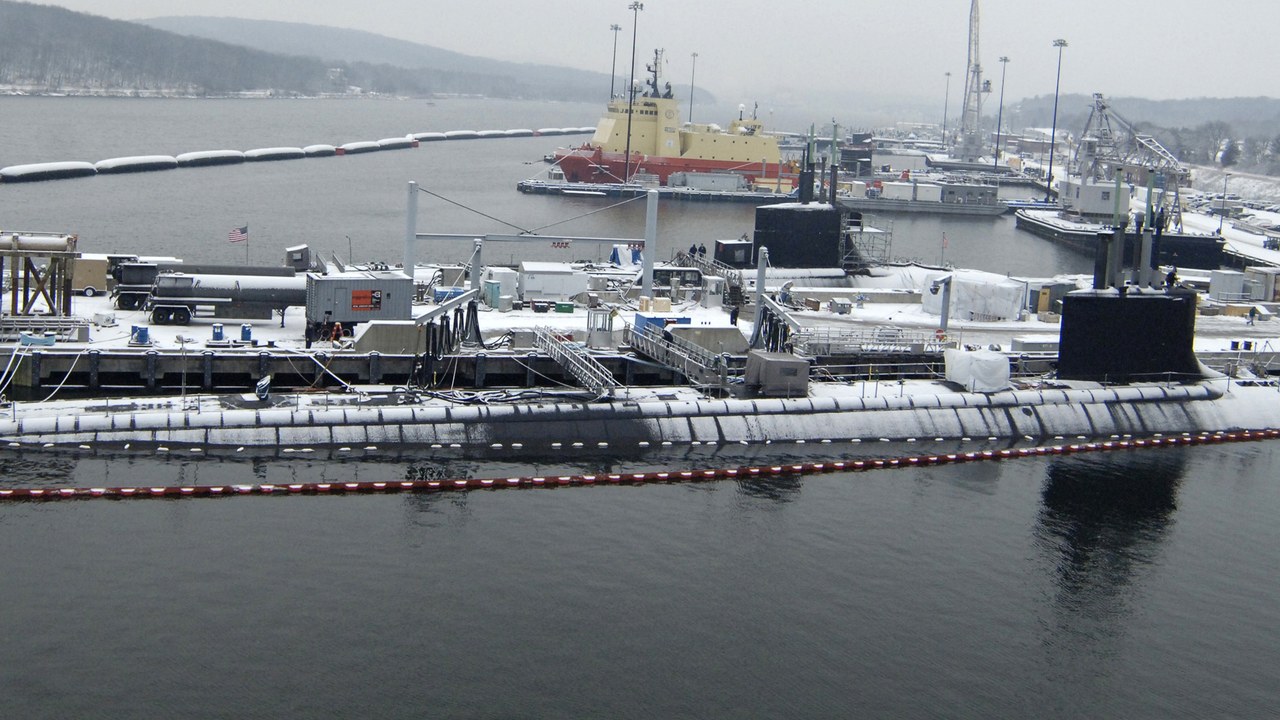
Naval Submarine Base New London, in Groton, Conn., is the home port where USS Virginia arrived on Aug. 3, per the same Navy homecoming account. The base sits across the Thames River from the shipyard that builds the boats.
The base is the center of the Navy’s submarine community on the East Coast, with piers, training facilities and families nearby. Arrivals there are the visible end point of deployments that otherwise play out of public view. Submariners and their families treat the pier-side welcome as a long-awaited reunion after months at sea.
Tromsø: A Stop in Arctic Norway
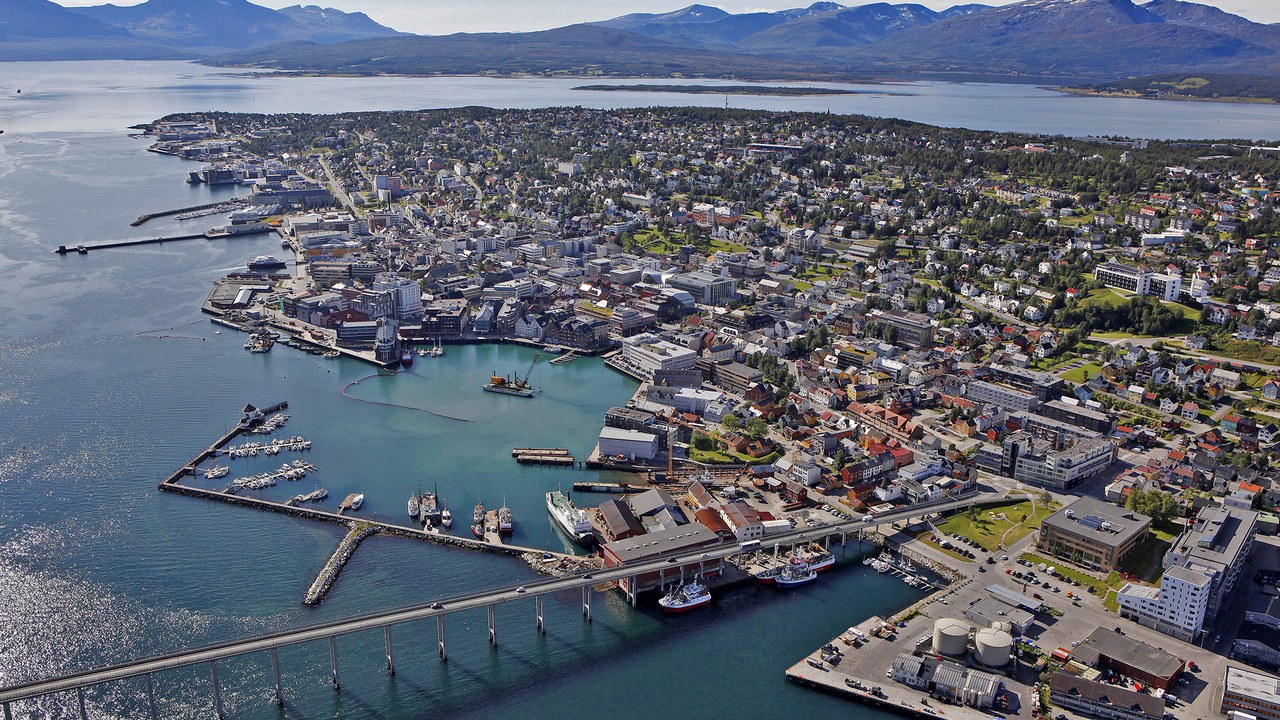
Tromsø, Norway, was a port visit made by USS Virginia during its European deployment, a detail in the Navy deployment story. The city lies well north of the Arctic Circle and is a long way from the boat’s Connecticut home.
Port calls in northern Norway fit the Navy’s interest in operating near the Arctic and the North Atlantic, and they let a submarine’s crew rest and resupply. Visits by American nuclear submarines to Norwegian ports have drawn attention in the region.
More from Morning Overview
- A dangerous unpatched Windows exploit is now public and can hand attackers full control
- Microsoft says its November Windows security updates are breaking printing for some users
- Older Teslas mostly keep their batteries, and here’s what wears out instead
- Pieces of a Learjet’s tail landed miles from the Florida crash that killed all nine aboard
