
Towns are not supposed to simply stop, but some do, emptied by disaster, war, poison or a mine that ran dry. What remains are streets, churches and houses frozen at the moment people left. Here are 18 ghost towns the world walked away from, from the Chernobyl zone to a desert camp near Death Valley.
Read next on Morning Overview: The Justice Department asked courts to undo approvals for three offshore wind farms, one already making power
1. Pripyat: The City Chernobyl Emptied
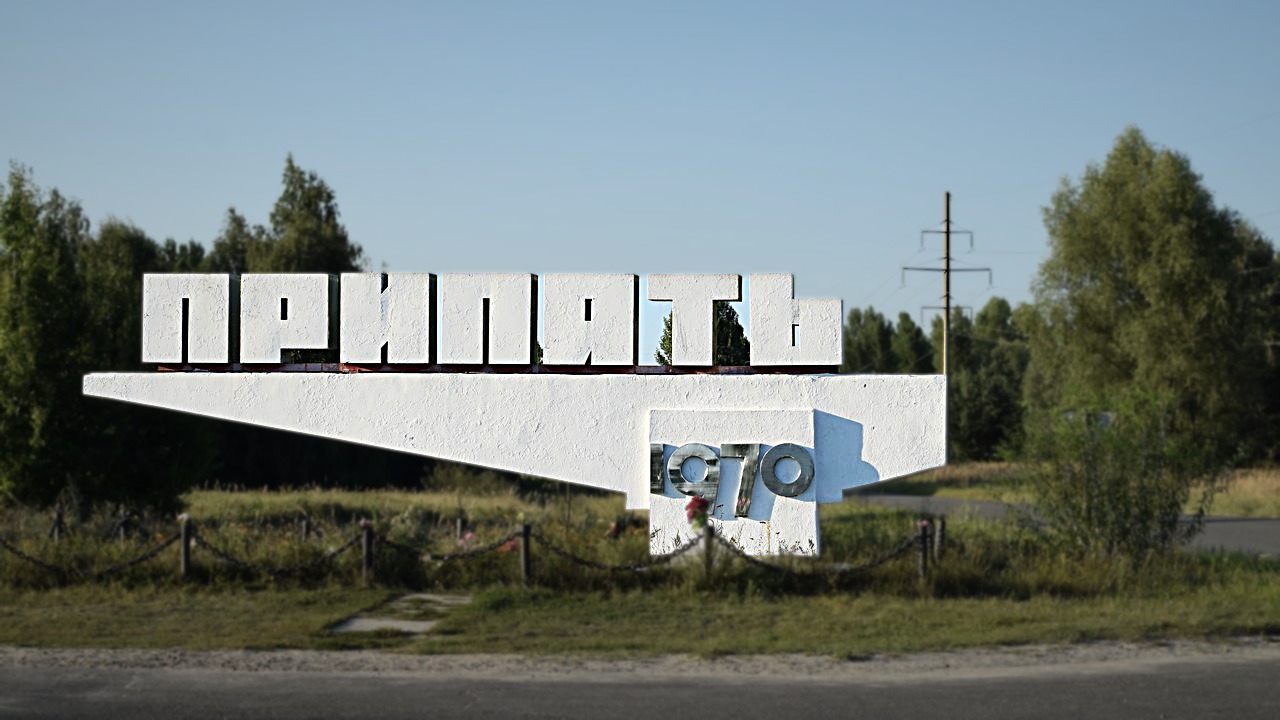
Pripyat was home to nearly 50,000 people, many of them families of workers at the Chernobyl nuclear plant, according to Matador Network. The city was evacuated after reactor number four exploded in April 1986.
Residents were told they would be gone for a few days and never came back. Apartment blocks, schools and an amusement park that never officially opened have stood empty ever since. Visitors can still see the town, but tours must be booked in advance.
2. Centralia: The Town Built Over a Fire

Centralia, Pennsylvania, was a coal town of more than 1,100 people until a mine fire started beneath it in 1962, as Matador Network recounts. The fire is still burning underground today.
Smoke and dangerous gases seeped up through cracks in yards and roads. Most residents were eventually relocated by the state, and most of the houses were torn down. What remains is a grid of quiet streets, overgrown lots and a few holdouts.
3. Kolmanskop: The Diamond Town Swallowed by Sand
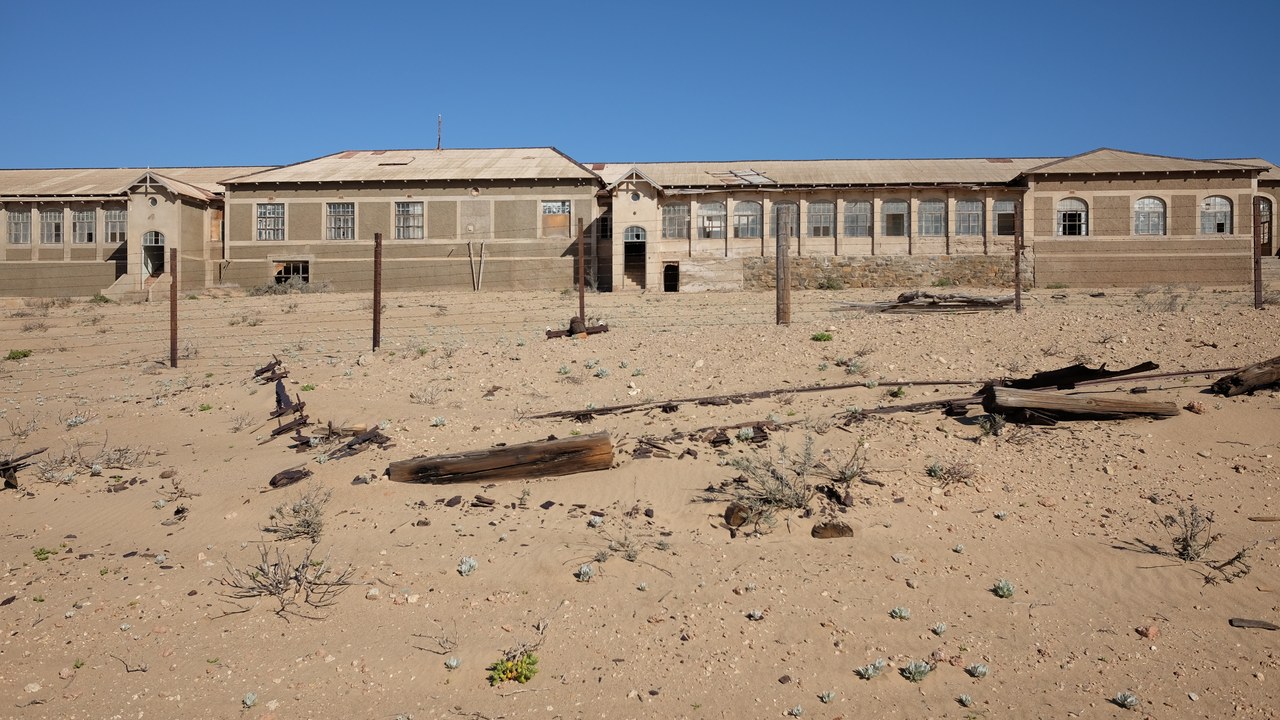
Kolmanskop was founded in 1908 in Namibia during a diamond boom, according to WatchMojo. It filled with German settlers and miners chasing stones that could be picked up from the desert sand.
The town once had grand houses and comforts unusual for the desert. When the diamonds ran out and richer deposits were found farther south, people left. Today the Namib Desert has moved indoors, and sand drifts fill rooms up to the windowsills.
4. Craco: The Village on the Cliff
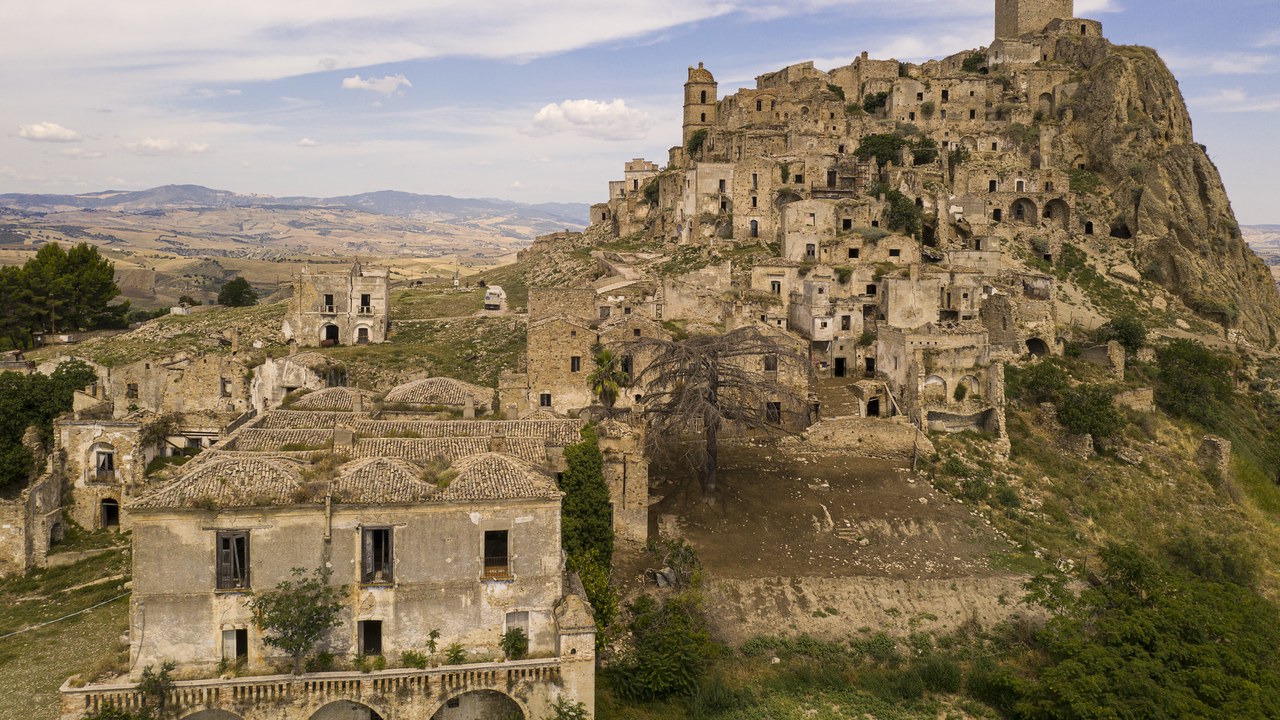
Craco is a medieval village in southern Italy that was built atop a cliff for protection, according to WatchMojo. Its stone houses climb toward an old tower at the top of the ridge.
Disease, natural disasters and power struggles slowly drained its population, and landslides in the 20th century finally forced the remaining residents out. The empty village has since become a popular filming location and draws visitors who walk its abandoned lanes.
5. Oradour-sur-Glane: The Village Left as a Witness
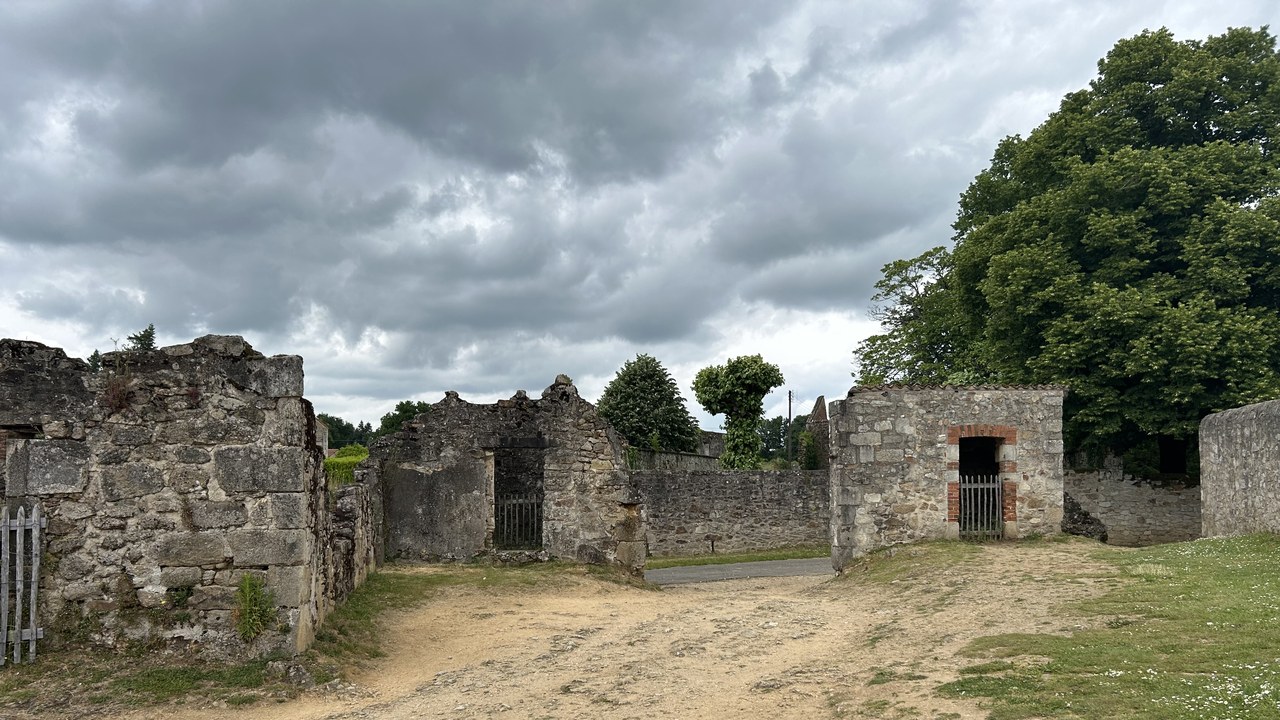
In 1944, SS troops killed 642 villagers in Oradour-sur-Glane, including 247 children, as Matador Network describes. It was one of the worst massacres of civilians in occupied France.
After the war, Charles de Gaulle ordered the ruins left untouched as a memorial. Burned-out cars, sewing machines and a flattened pushchair near the church altar still sit where they were found. A new village was built nearby, leaving the old one as a permanent witness.
6. Varosha: The Resort Frozen Since 1974
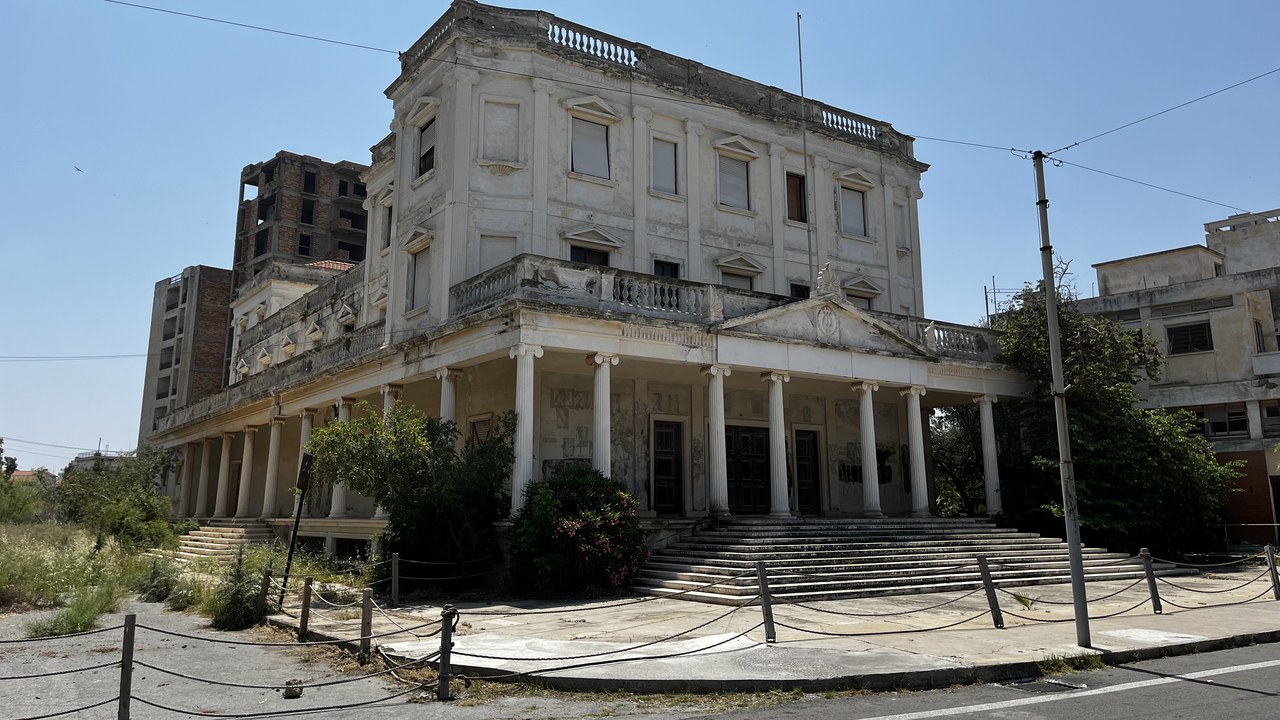
Varosha was one of the most popular tourist spots on Cyprus in the early 1970s, with beachfront hotels that drew famous visitors, according to WatchMojo.
Its growth was cut short in 1974, when the island was divided by conflict and residents fled. The district was fenced off and left to decay for decades, with hotels and shops crumbling along one of the Mediterranean’s finest beaches.
7. Kayakoy: The Town Emptied by a Population Exchange
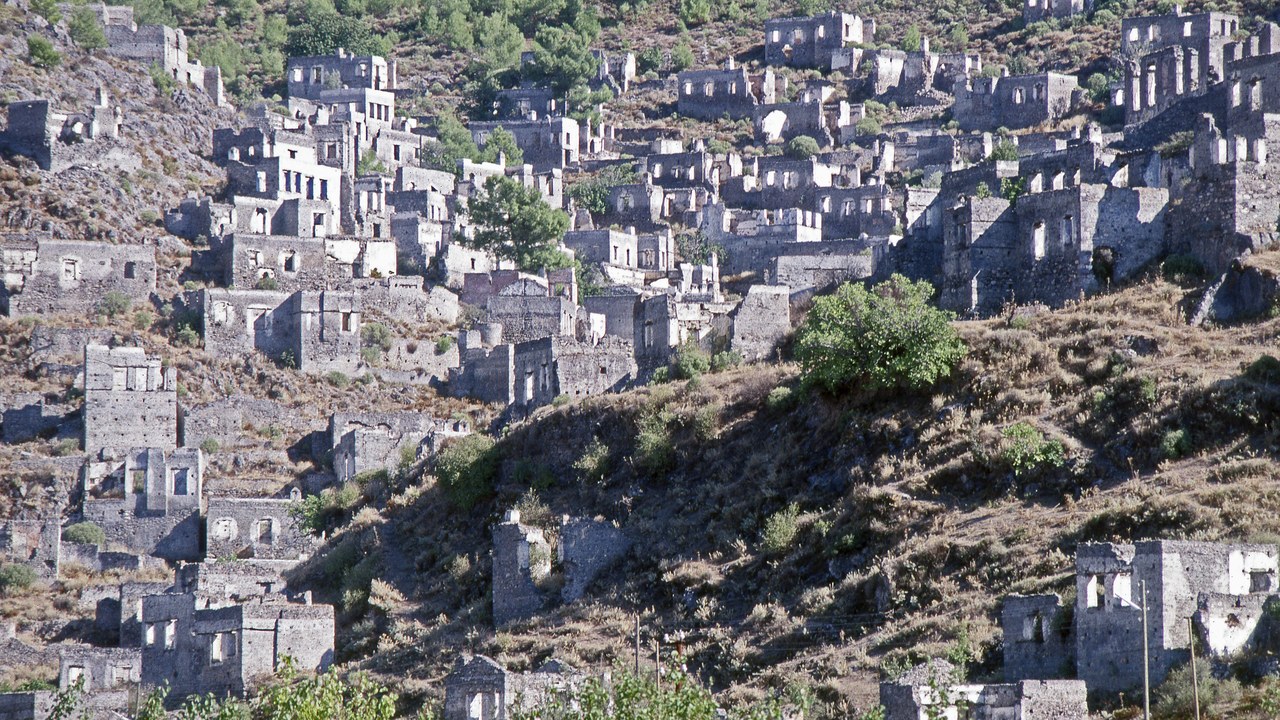
The Christian residents of Kayakoy in Turkey were expelled in 1923 under a population exchange with Greece, as Matador Network recounts. They were told to take only what they could carry.
The hillside town held hundreds of stone houses, along with churches and schools. Few new residents ever moved in, and the roofs and floors gradually disappeared. Today the roofless houses climbing the slope form one of the most haunting sights on Turkey’s southwest coast.
8. Pyramiden: The Soviet Outpost in the Arctic
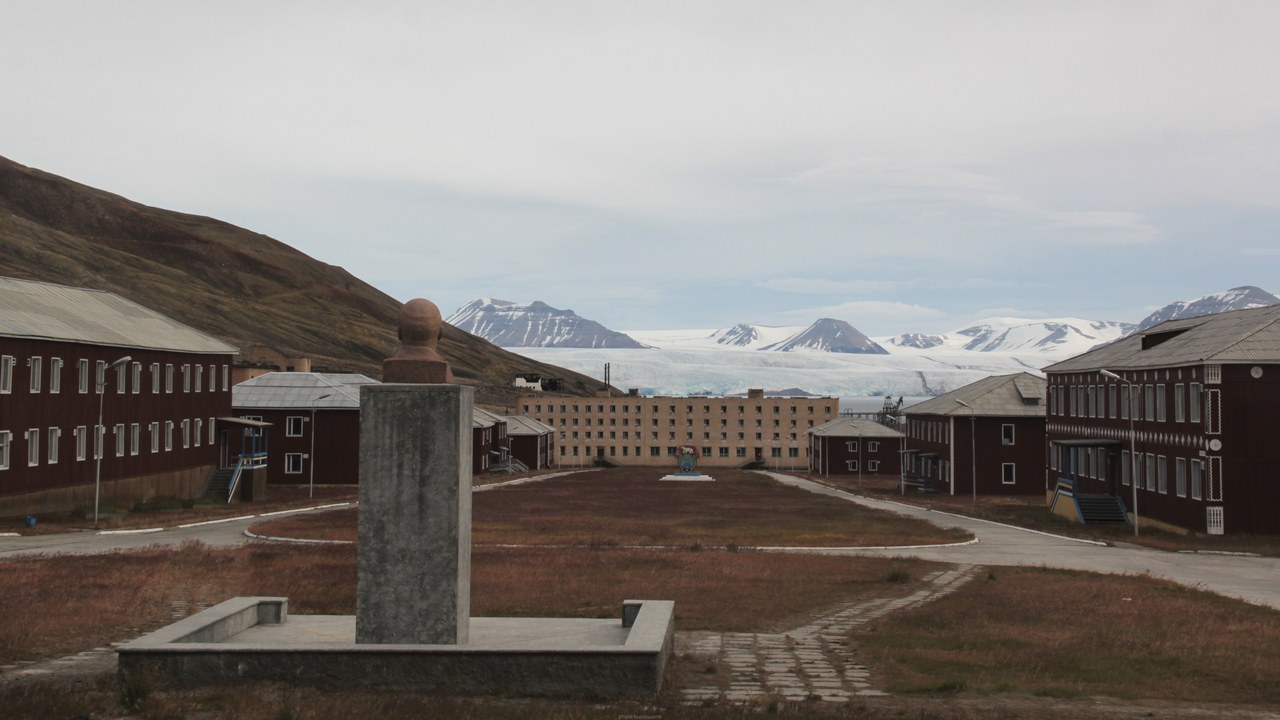
Pyramiden is an Arctic coal town on Svalbard that Sweden sold to the Soviet Union in 1927, according to WatchMojo. At its peak it had about a thousand residents.
The town had a cinema, a library and even a greenhouse, along with the world’s northernmost statue of Lenin. The mine closed in 1998 and the miners left, leaving buildings preserved by the cold. Today a few staff look after visitors arriving by boat.
9. Pomona: The Diamond Rush Ghost in a Restricted Zone
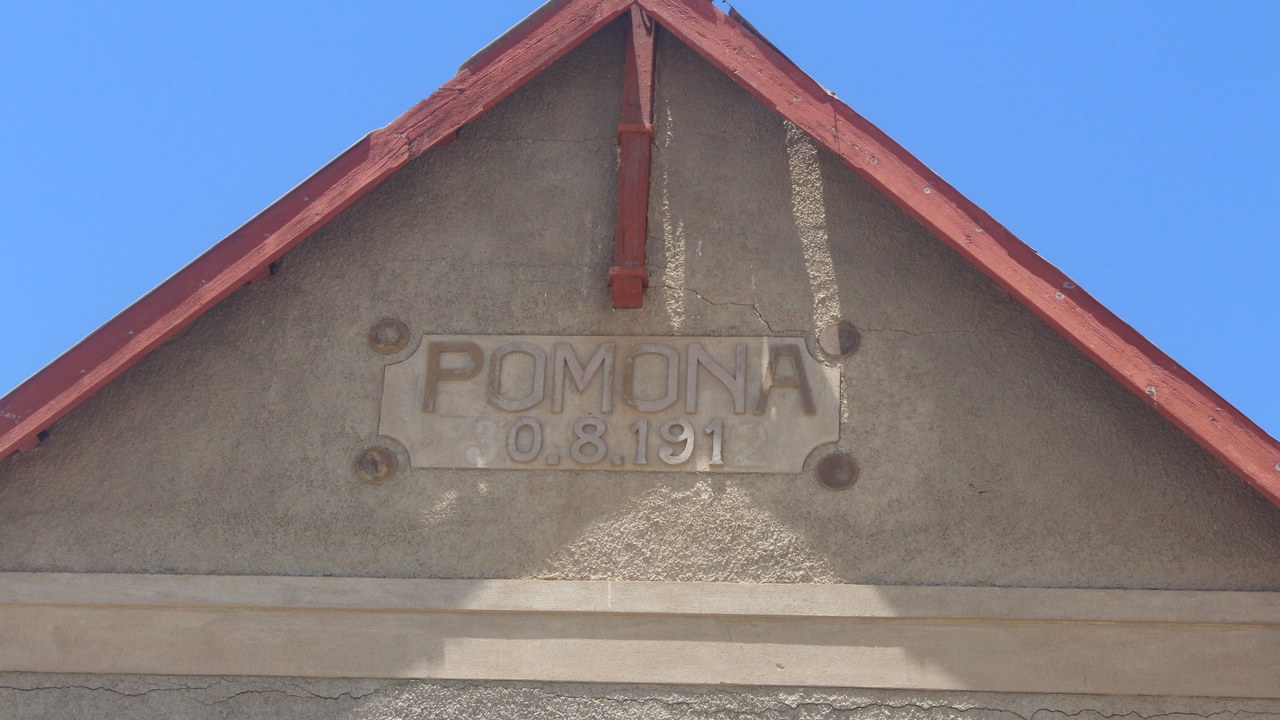
Pomona was born from a 1908 diamond rush in Namibia and housed more than a thousand workers, according to Matador Network. It was completely abandoned after diamonds grew scarce by the 1940s.
The town sits inside a restricted diamond area, the Sperrgebiet, where access has long been tightly controlled. That isolation has left its buildings, rail lines and signs weathering in the desert wind with almost no visitors to disturb them.
10. Belmont: The Silver Boomtown in Nevada’s Mountains
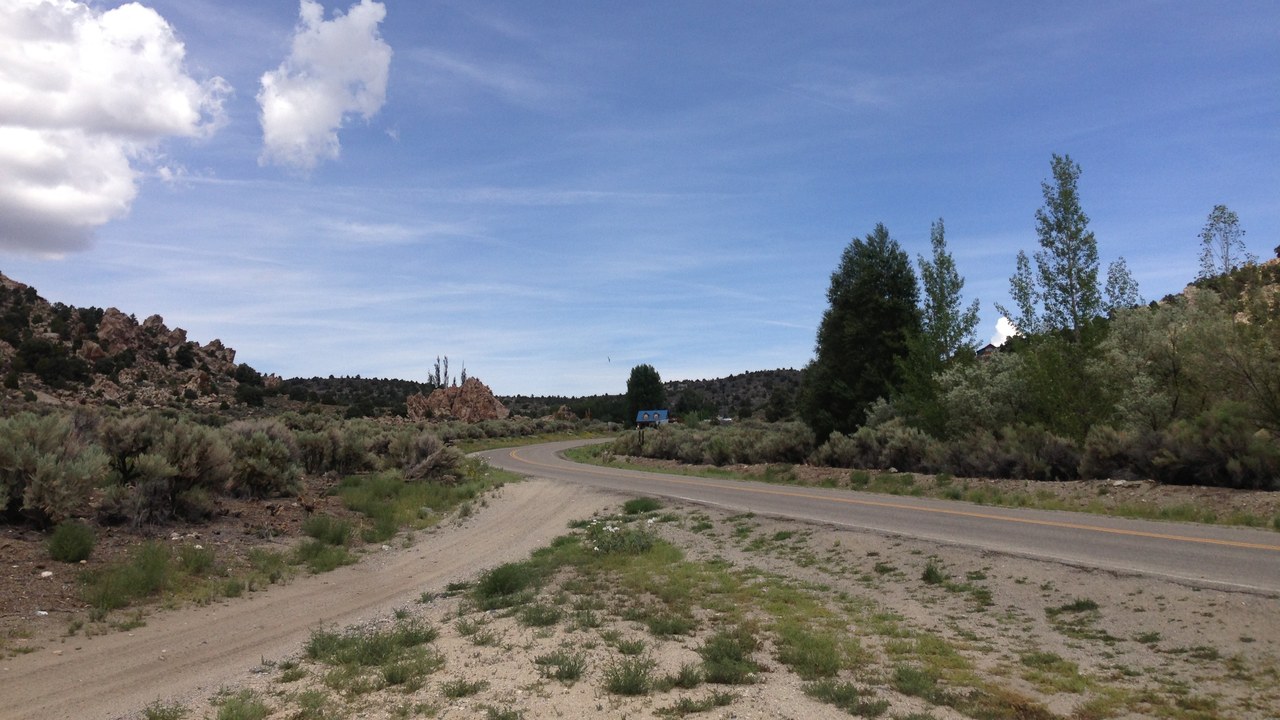
A silver strike in the Toquima Mountains made Belmont, Nevada, a mining town of around 10,000 people and the Nye County seat in the 1870s, as Matador Network reports.
When the mines faded, the equipment and the people moved on. Today a handful of residents live near the old town, and visitors can walk past a weathered saloon, brick ruins and the former Nye County courthouse along a quiet main street.
11. Rhyolite: The Gold Camp Near Death Valley
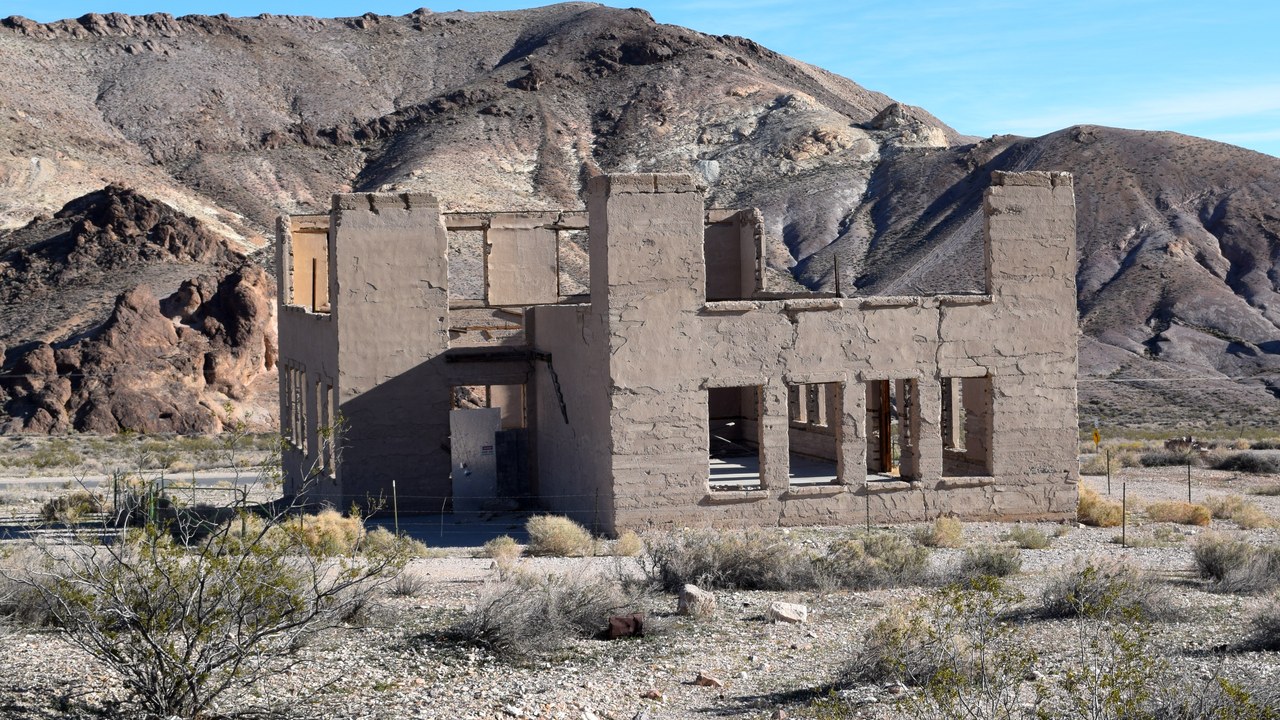
Rhyolite was born in 1905 during a gold rush near Death Valley and once held thousands of people, according to its Wikipedia entry. It sits about 120 miles northwest of Las Vegas.
The boom collapsed within a few years as the ore and money ran out. After 1920, its ruins became a tourist attraction and a film setting. Visitors still see a bank’s broken walls, a restored railroad depot and a house built from bottles.
12. Calico: The Silver Town a Theme Park Founder Bought
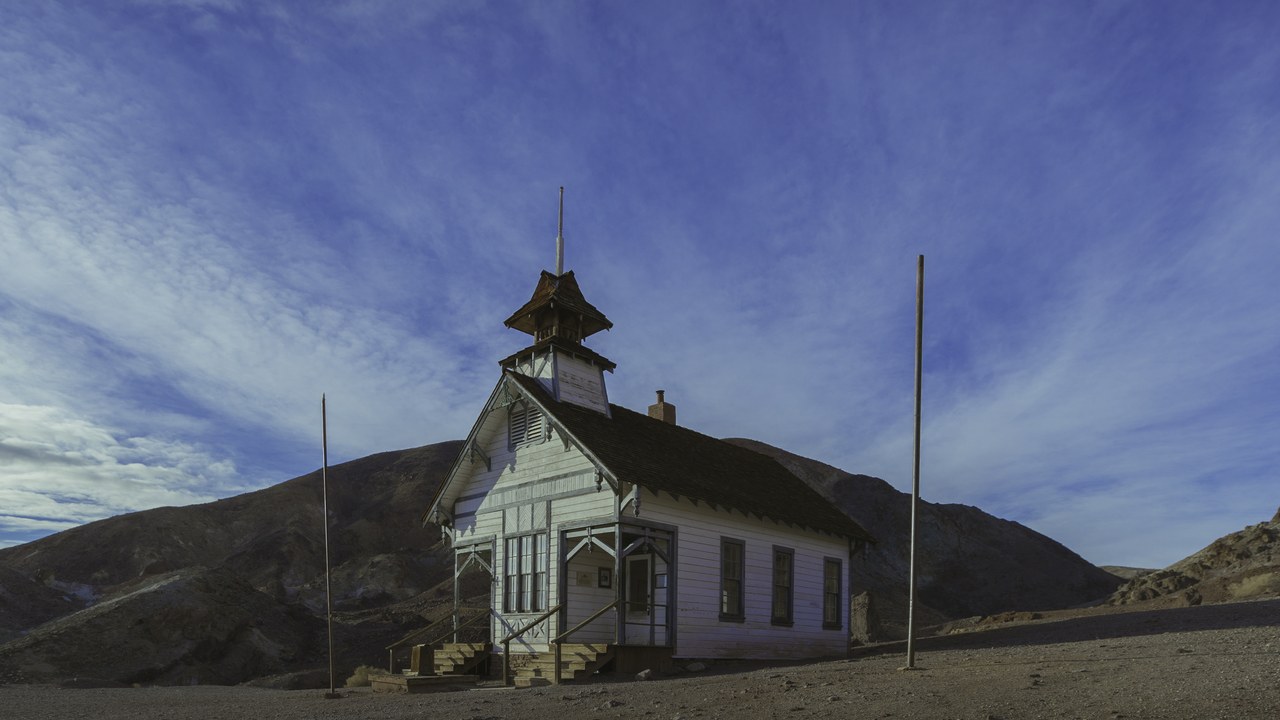
Calico was founded in 1881 as a silver mining town in the Mojave Desert, according to its Wikipedia entry. It boomed for years before falling silver prices emptied it.
Walter Knott, the founder of Knott’s Berry Farm, bought the town in the 1950s and restored many of its buildings. It is now a San Bernardino County park called Calico Ghost Town, where visitors walk Main Street and tour an old mine.
13. Garnet: The Montana Camp Kept Standing
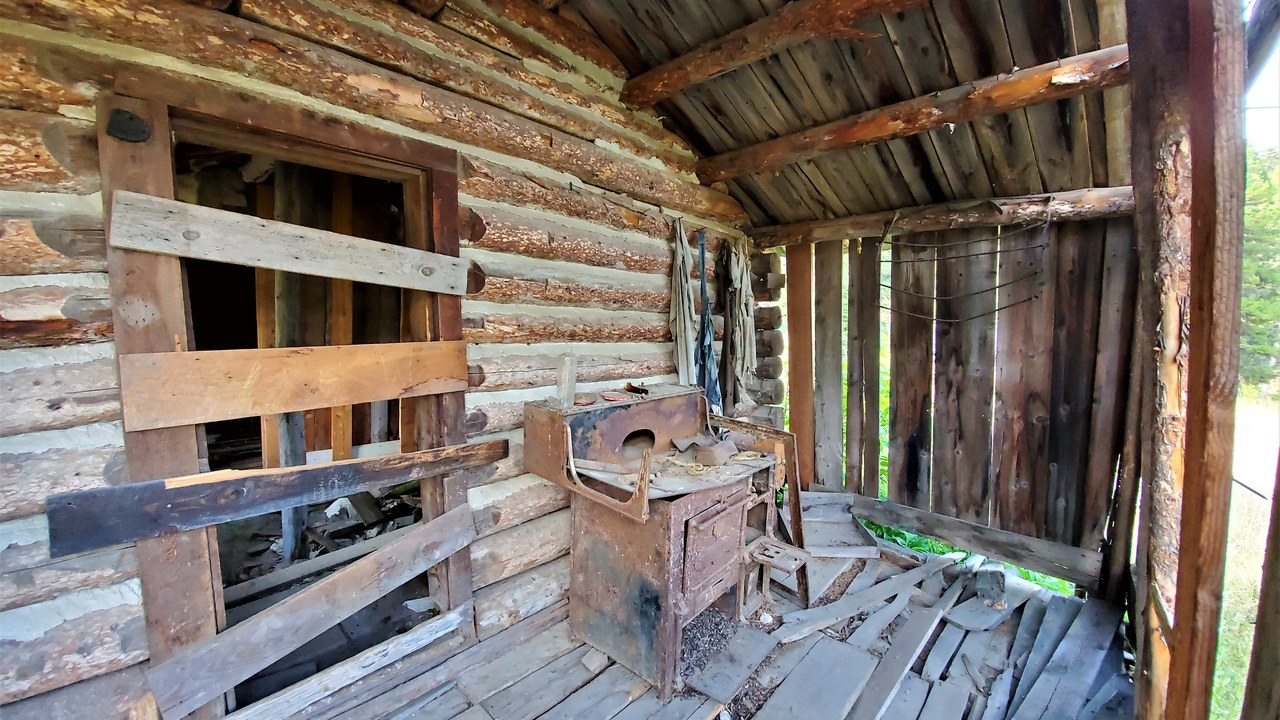
Garnet was a thriving Montana mining town in the 1890s, but its population fell when the local hard rock mines closed, according to its Wikipedia entry.
Its remaining buildings, including cabins, a hotel and a general store, have been preserved by the Bureau of Land Management and a nonprofit group. Visitors can walk among them in summer, and in winter the town is reached by snowmobile or cross-country skis.
14. Belchite: The Ruins Left as a War Memorial
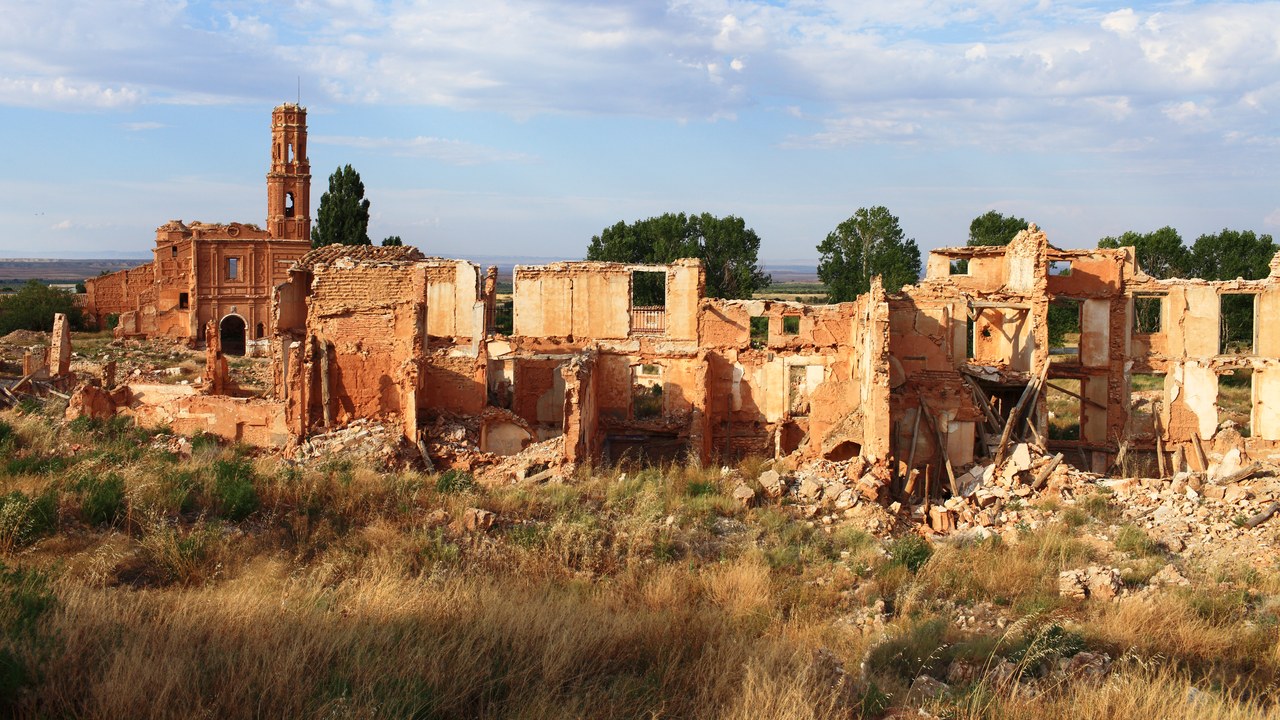
The old town of Belchite in Spain was fought over in 1937 during the Spanish Civil War, according to its Wikipedia entry. The fighting left it in ruins.
Instead of rebuilding on the same spot, a new town was built beside the old one, and the shattered streets were left as a ghost town and war memorial. Broken church towers and roofless houses still stand much as they did after the battle.
15. Plymouth: The Capital a Volcano Buried
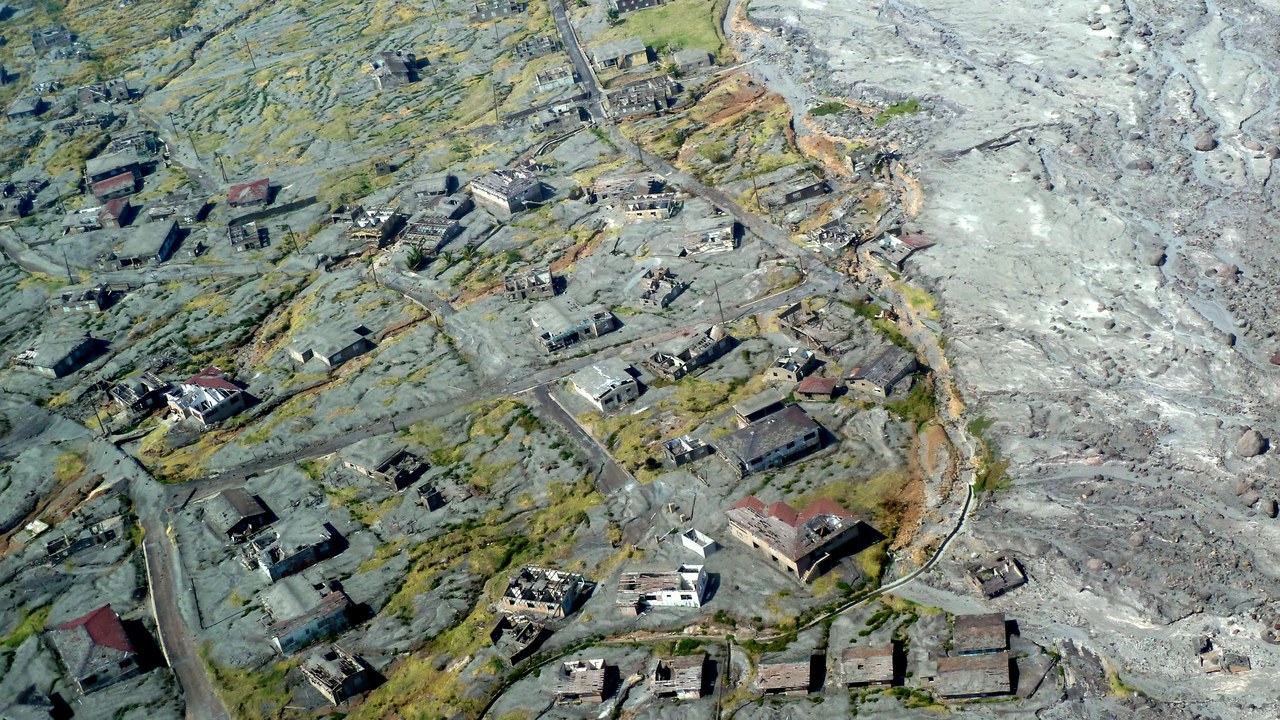
Plymouth, Montserrat’s former capital, was evacuated in 1995 when the Soufriere Hills volcano began erupting again, according to its Wikipedia entry.
The town was abandoned permanently in 1997 after pyroclastic flows and ash buried much of it. Plymouth remains the official capital, which makes it the only ghost town in the world serving as a capital, but the government now works from the island’s safer north.
16. Bhangarh Fort: The Fort Called India’s Most Haunted
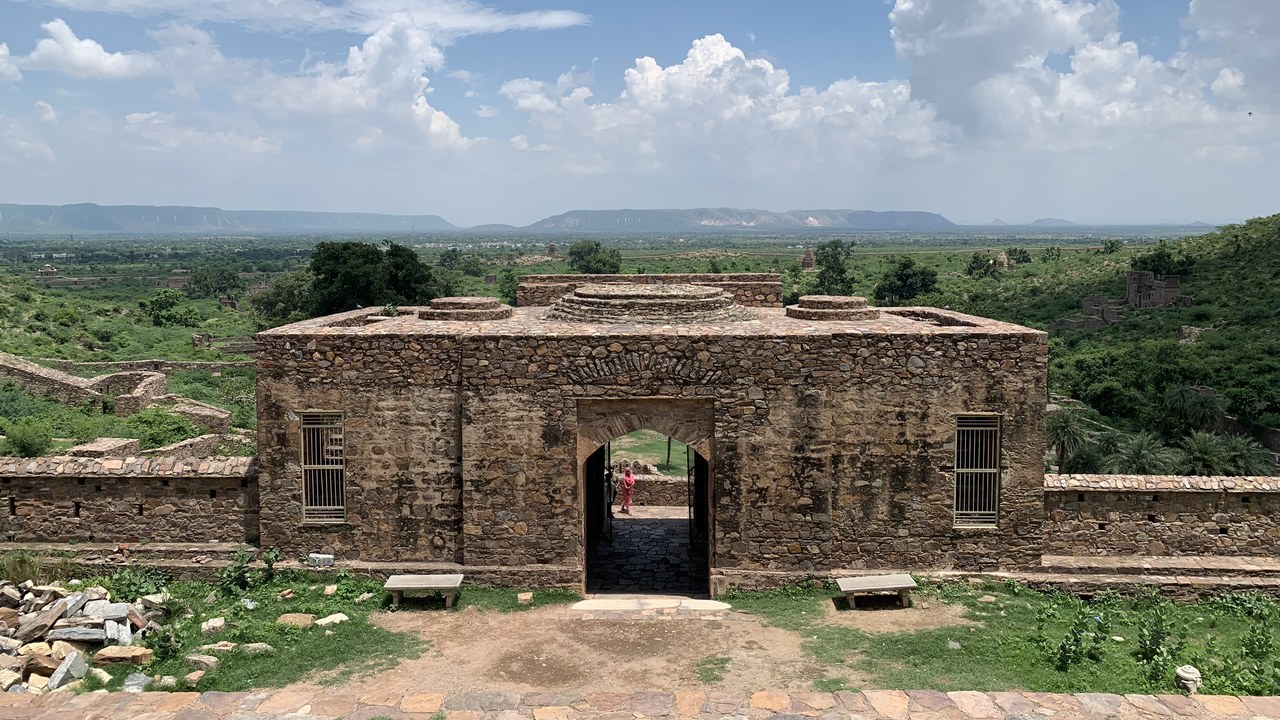
Bhangarh Fort is a 16th-century fort in Rajasthan, built for Madho Singh, the second son of Bhagwant Das, according to its Wikipedia entry. It stands in ruins on the edge of the Sariska Reserve.
The fort and its surrounding town were abandoned centuries ago, and legends of a curse have grown around the site. Today it is famous as one of India’s most haunted places, and visitors are not allowed inside after sunset.
17. Kadykchan: The Gulag Town That Died
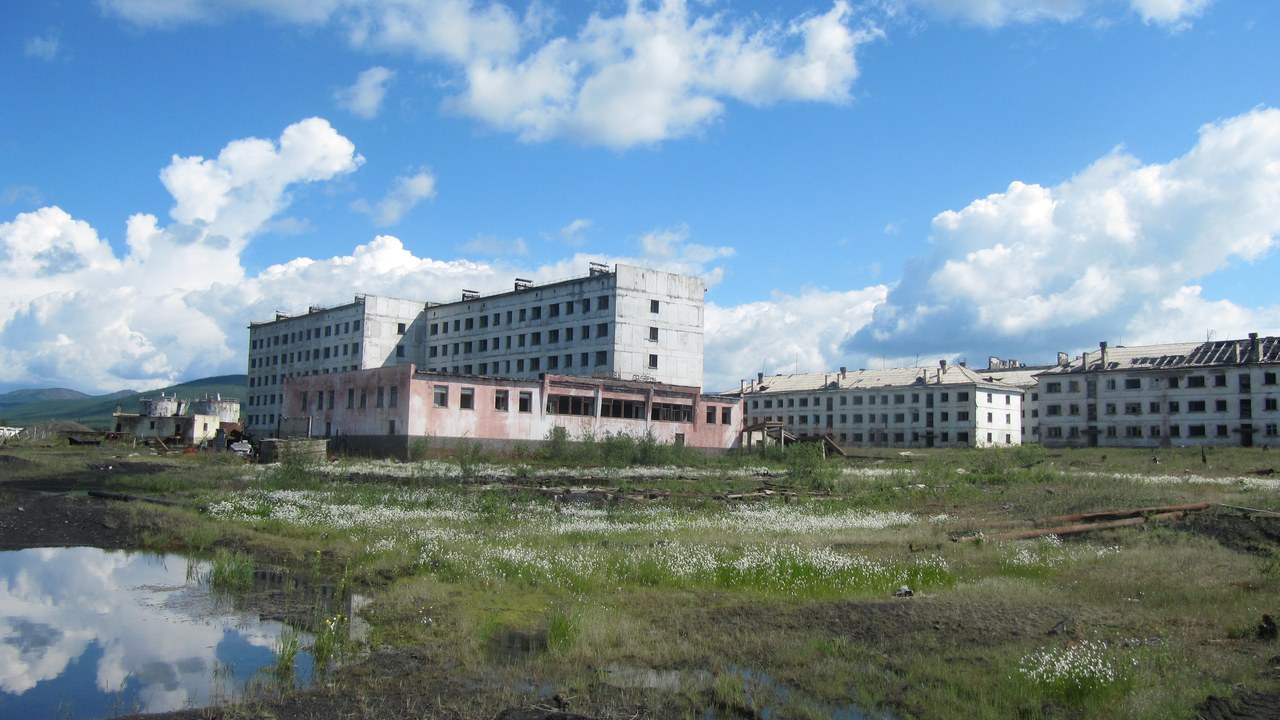
Kadykchan was built by gulag prisoners during World War II to mine coal in Russia’s Magadan region, according to its Wikipedia entry. The 2010 census recorded no population at all.
The town once had thousands of residents living in apartment blocks in one of the coldest places on Earth. After a deadly mine explosion in 1996, the mine closed and people were resettled. Its concrete buildings now stand empty along the Kolyma highway.
18. Spinalonga: The Island of the Last Leper Colony

Spinalonga, a fortified island off Crete, served as a leper colony in the early 20th century and has been uninhabited since 1962, according to its Wikipedia entry.
The island was a Venetian fortress for centuries before it became home to people with leprosy, who lived there with shops and a church. Visitors now arrive by boat and enter through the old tunnel the patients once walked through.
More from Morning Overview
- Neanderthals in Spain carved a wooden object that matches nothing archaeologists have ever found
- The FAA wants $2.39 million from a flight school it says flew a Cessna about 280 times with an unapproved part
- A $1 billion gas plant planned for Superior, Wisconsin, has been abandoned
- Shaq spent $1.3 million on three Rolls-Royce Phantoms to prove a point to a salesman
