
Some of history’s busiest towns did not crumble into dust but slipped beneath the waves. Earthquakes, storms, sinking ground and even dam builders have put whole streets, harbors and temples underwater, where divers still find them today. Here are ten lost cities and towns swallowed by water, from Roman resorts to a spa town in Argentina.
Read next on Morning Overview: A handful of car transmissions are so tough that mechanics say they almost never die
1. Baiae: The Roman Party Town Under the Bay
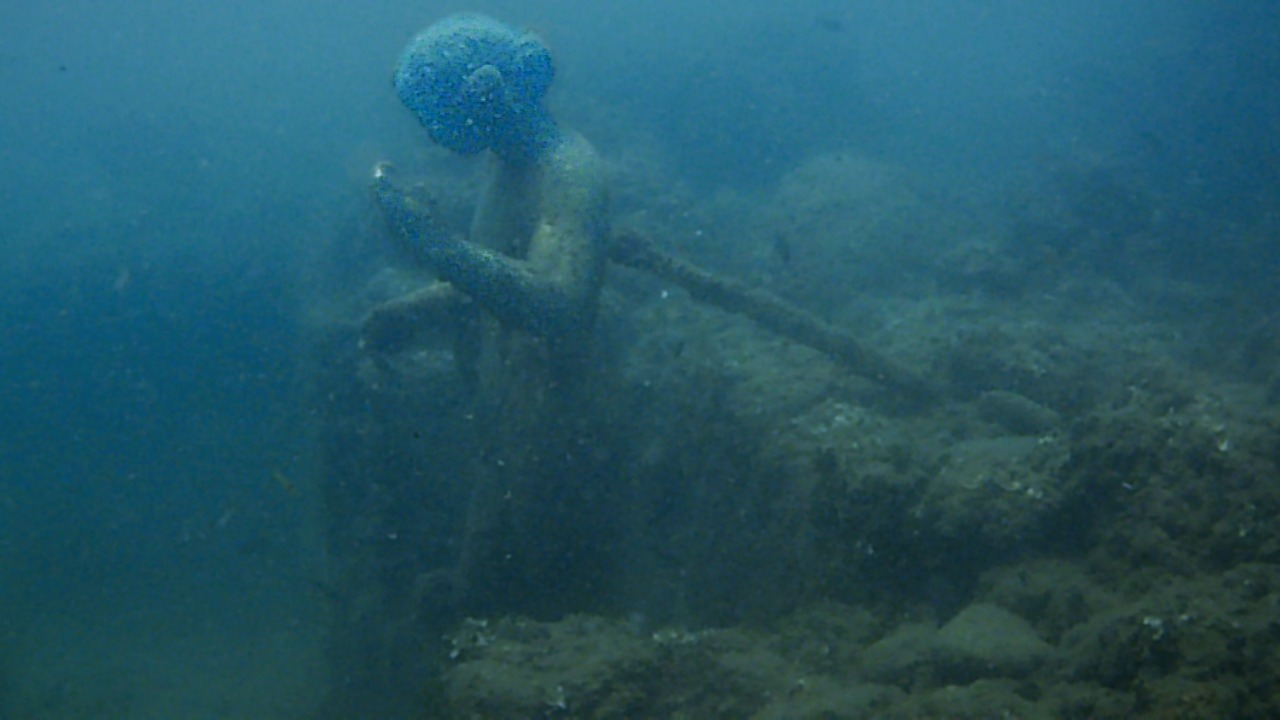
Baiae was dubbed the “Las Vegas of the Roman Empire,” and its thermal baths drew Roman elites from the 2nd century B.C., according to History.com. The resort sits in the Phlegraean Fields near Mount Vesuvius, a highly active hydrothermal zone inside a collapsed volcanic caldera.
It was not destroyed in one disaster. Instead, a slow rise and fall of the ground called bradyseism carried its villas and baths from sea level to 20 to 30 feet beneath the Gulf of Pozzuoli. Today it is one of the few submerged ancient sites where visitors can snorkel or dive among the ruins.
2. Port Royal: The Wickedest City on Earth
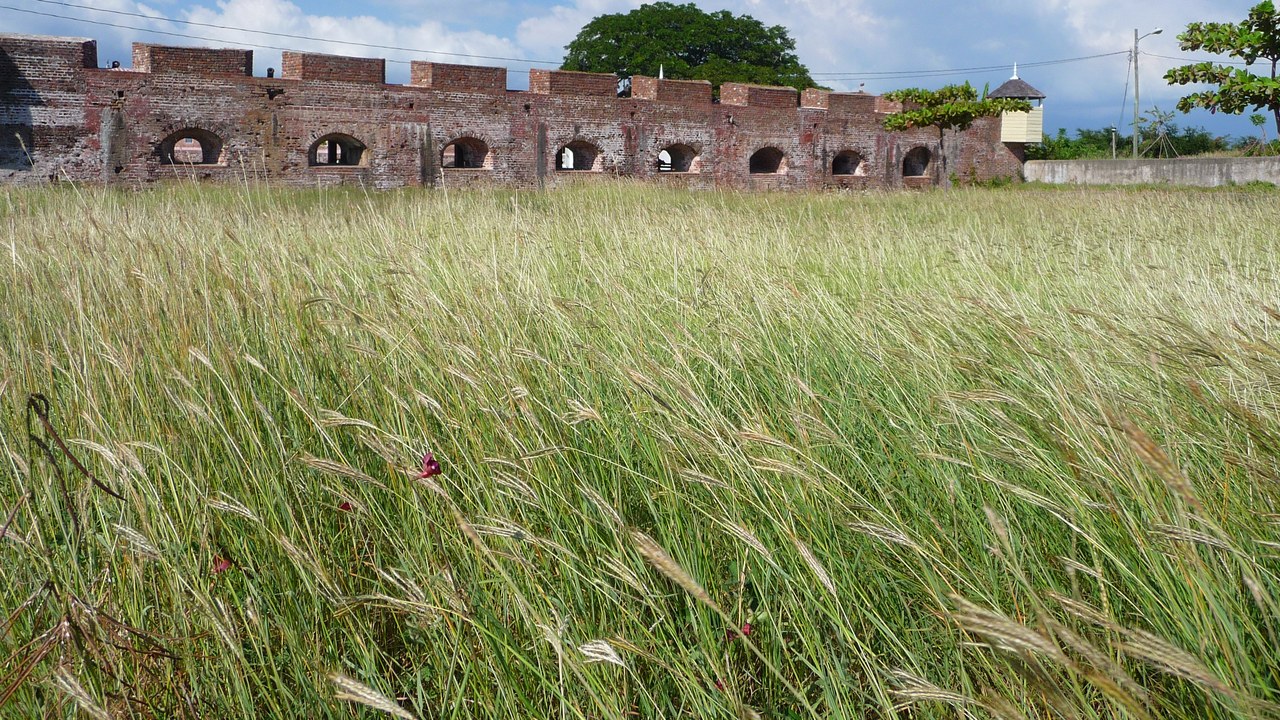
Port Royal in Jamaica was known as “the wickedest city on earth” and was the busiest port in the Caribbean in the 17th century, as History.com recounts. Merchants mixed with pirates in the British outpost.
At 11:43 a.m. on June 7, 1692, an earthquake and tsunami buried two-thirds of the city under the sea. A surviving minister described seeing the earth open and the sea rush over the fortifications. Before the disaster, about 7,000 people lived there, including 2,500 enslaved people.
3. Dolchiste: The Byzantine Town of Kekova
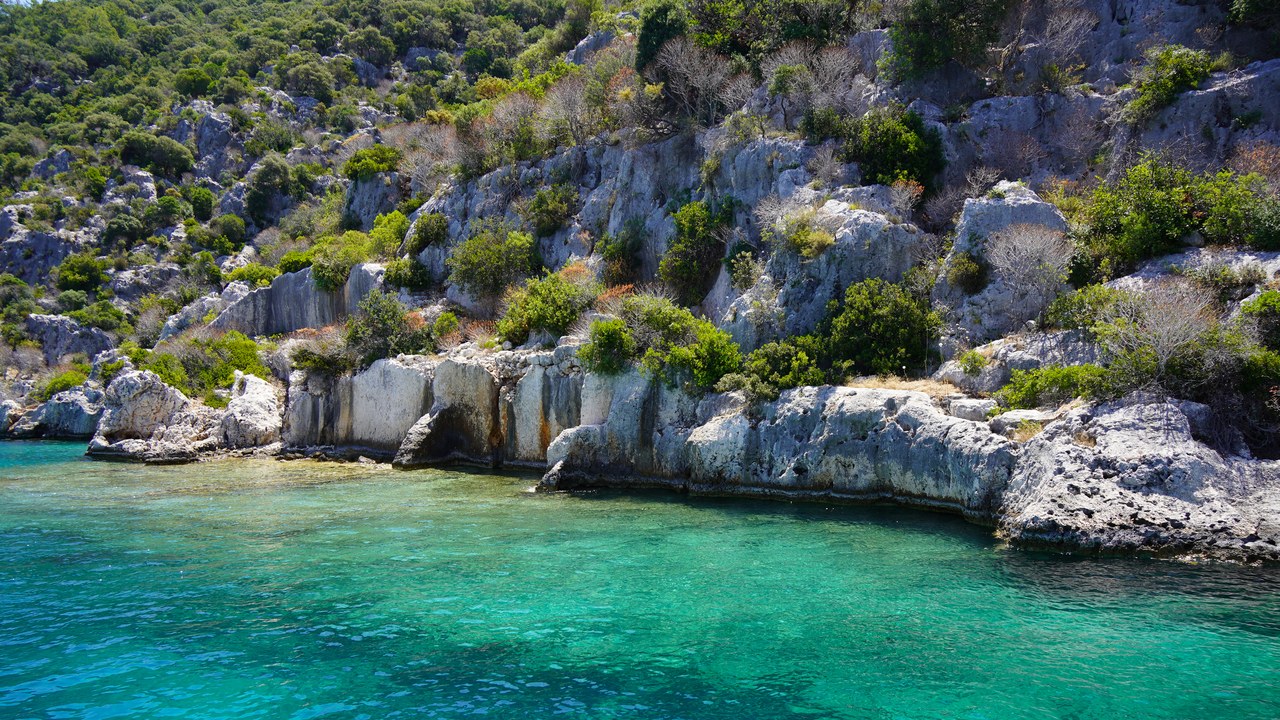
Dolchiste, also called Dolikisthe, was a Byzantine town on the island of Kekova in present-day Turkey, according to HeritageDaily. An earthquake in the 2nd century A.D. lowered the island’s ground and submerged half of the town.
The sunken half included a port, a basilica church and various town houses. Today the walls, steps and foundations of the town can be seen through the clear water along Kekova’s shore, and the site is often called simply the sunken city of Kekova, one of the most visited underwater ruins on the Turkish coast.
4. Curon Venosta: The Church Tower in the Lake
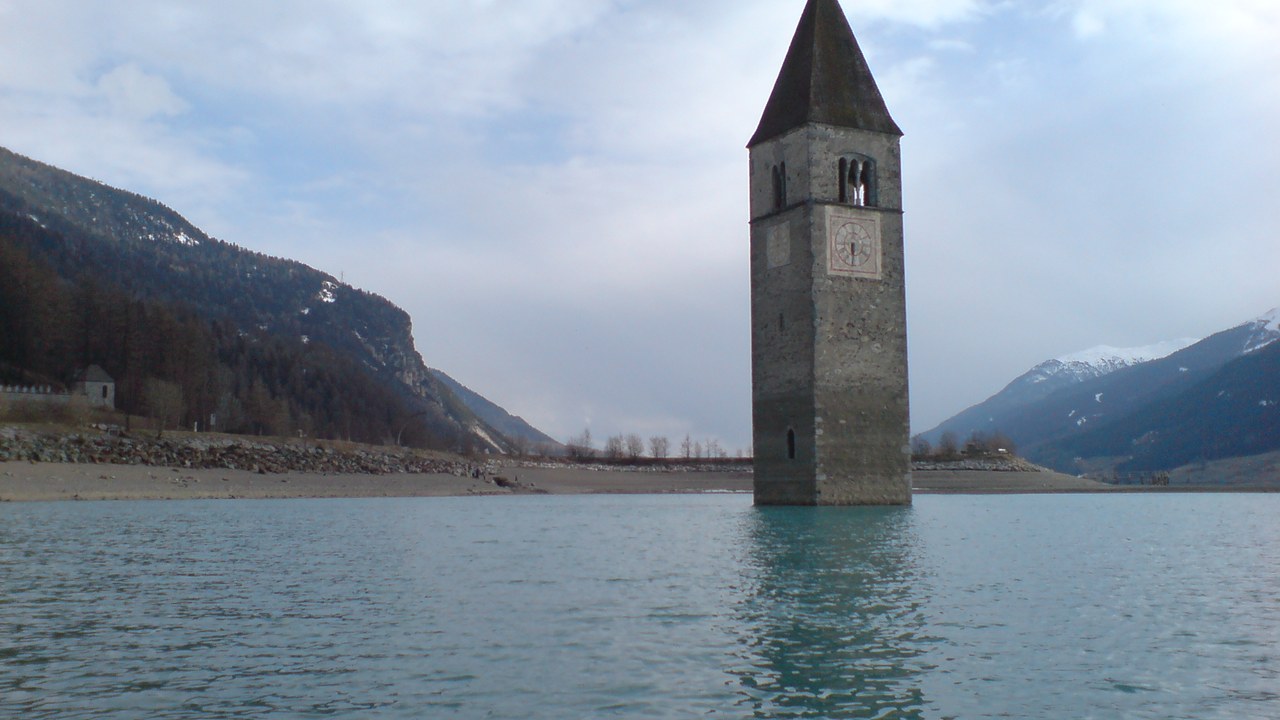
The old village of Graun, or Curon in Italian, in South Tyrol was flooded in July 1950 after a dam turned the valley into the enlarged Reschensee reservoir, according to its Wikipedia entry. The village had been abandoned and largely demolished, and Graun was rebuilt on the new shore.
Only the bell tower of the 14th-century church was spared. It still rises out of the water near the shoreline and has become the area’s best-known landmark, appearing on the commune’s coat of arms. When the water level drops in spring, the ruins of the old village reappear.
5. Villa Epecuén: The Spa Town Under Salt Water
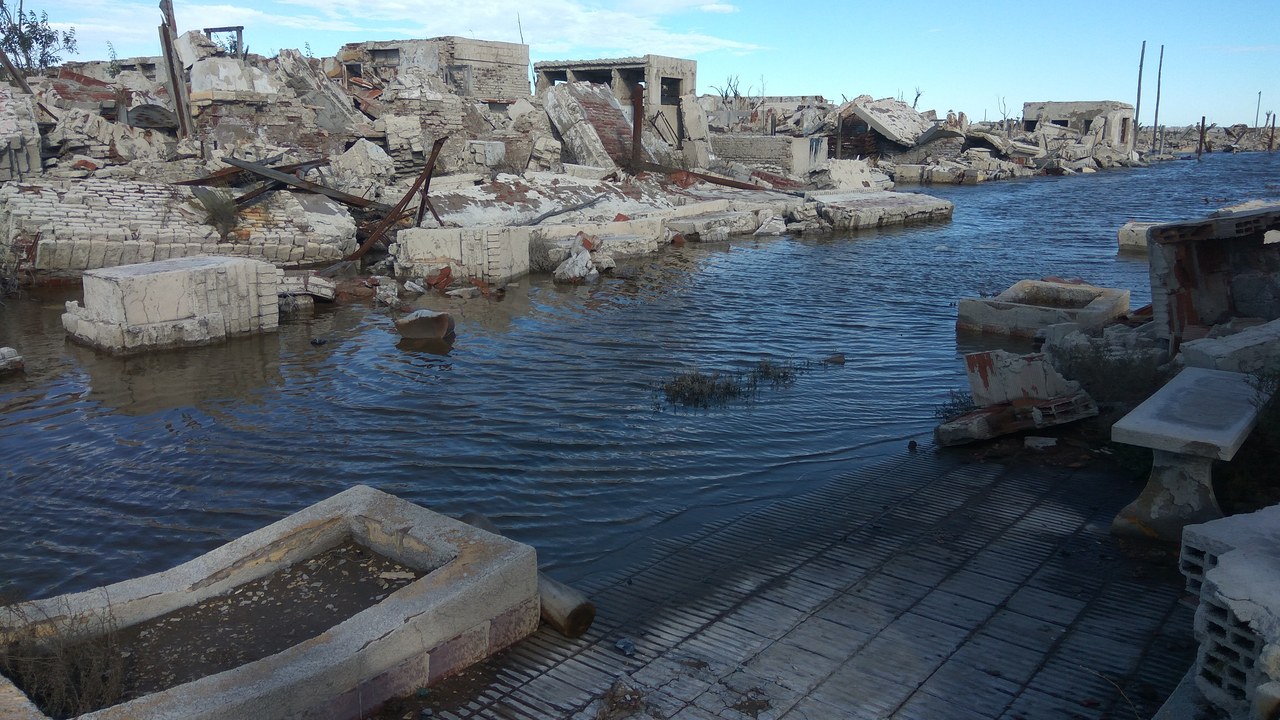
Villa Epecuén was a lakeside spa town in Argentina’s Buenos Aires province, founded in 1920, that drew about 25,000 tourists a season from the 1950s to the 1970s, according to its Wikipedia entry. At its peak it had about 1,500 residents and up to 280 businesses.
In 1985 a seiche broke a nearby dam and then the dike protecting the village, and the water rose to about 33 feet. The town was never rebuilt. When the water receded about 25 years later, it left ruins crusted with white and grey salt.
6. Saeftinghe: A Village Given to the River
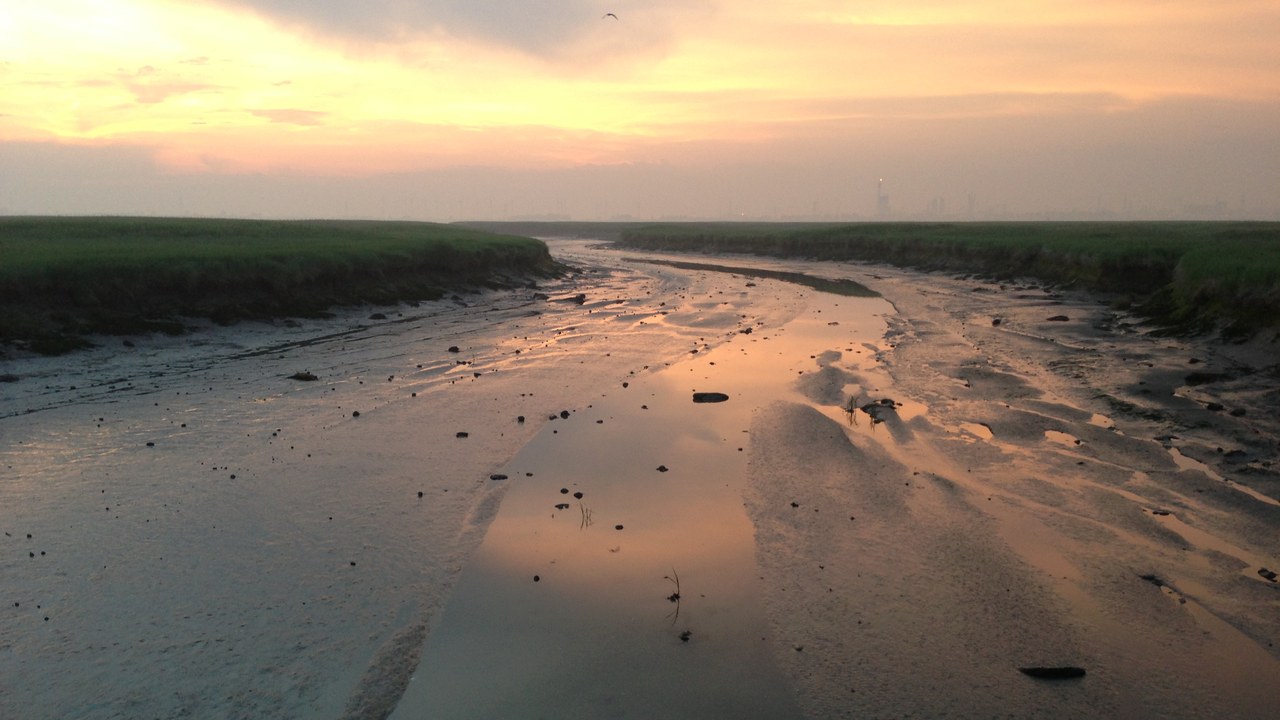
Saeftinghe was once a prosperous village in the Netherlands, built on marshland people drained in the 13th century, as Live Science explains. Dikes protected the reclaimed land from floods for generations.
Much of it was lost in the All Saints’ Flood of 1570, and the final blow came in 1584 during the Eighty Years’ War, when Dutch soldiers defending Antwerp destroyed the last dike and let the Scheldt take the town. Today the area is a tidal marsh called the Drowned Land of Saeftinghe.
7. Phanagoria: A Greek Colony on the Black Sea
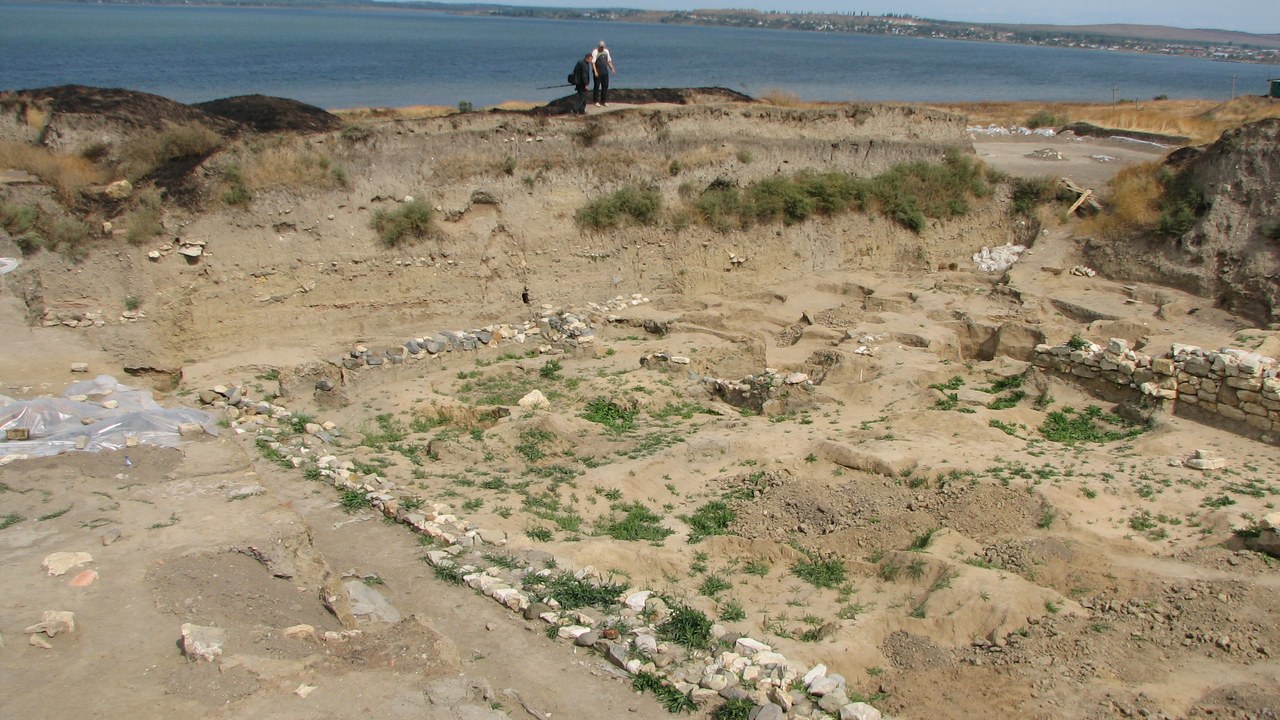
Phanagoria, one of the largest colonies of ancient Greece, was founded around 540 B.C.E. on the shore of the Black Sea, according to Hakai Magazine. Its king Mithridates VI ruled much of Asia Minor and fought three wars against Rome.
He could not fight rising seas, though, and much of the city now lies underwater. Archaeologist Vladimir Kuznetsov has recovered coins showing Mithridates and a marble gravestone bearing the name of his wife, Hypsikratia, from the submerged ruins of the ancient port.
8. Portus Julius: A Harbor Found From the Air
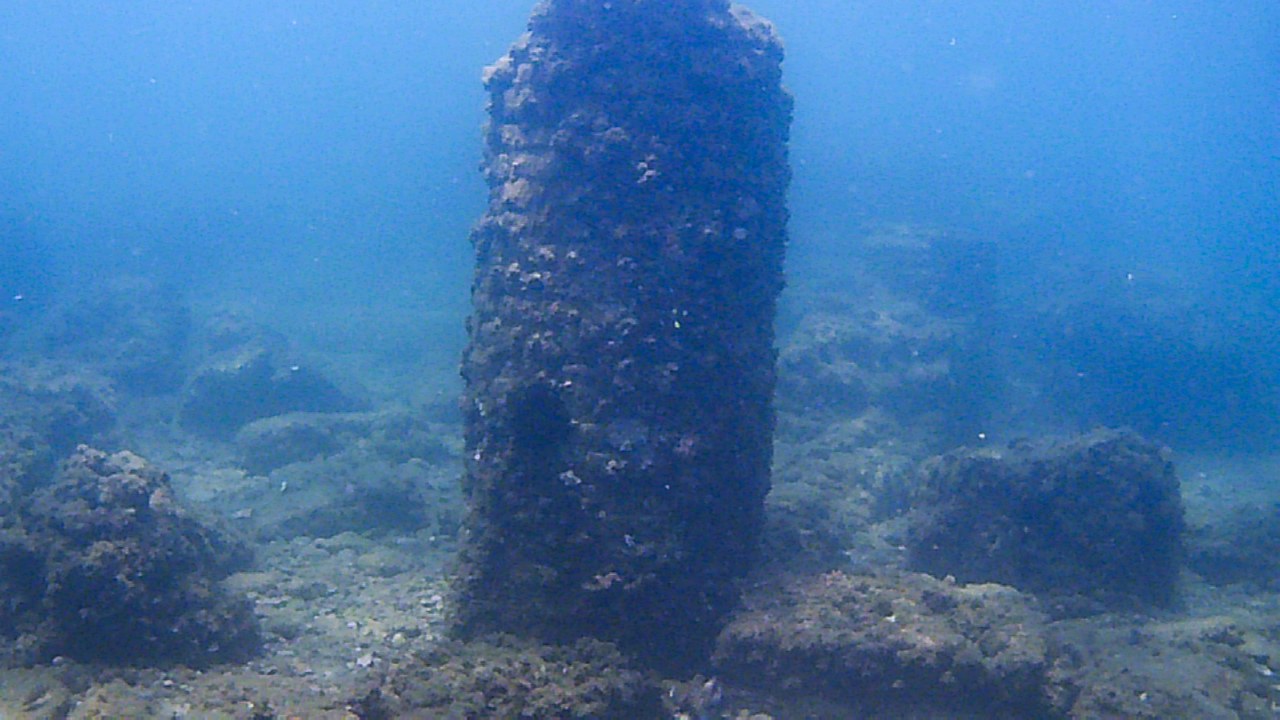
Portus Julius was an ancient Roman harbor near Baiae, and aerial photos taken in the 1940s revealed it lying on the sea floor, according to TheCollector. The first underwater survey in the 1960s produced the first map of the sunken city around it.
Divers today can see a paved road lined with buildings, a grotto built for Emperor Claudius and replicas of Roman statues. The originals are kept in the Museum of the Archaeological Park of Baia, inside the Aragonese Castle.
9. Dunwich: The Town the Sea Ate
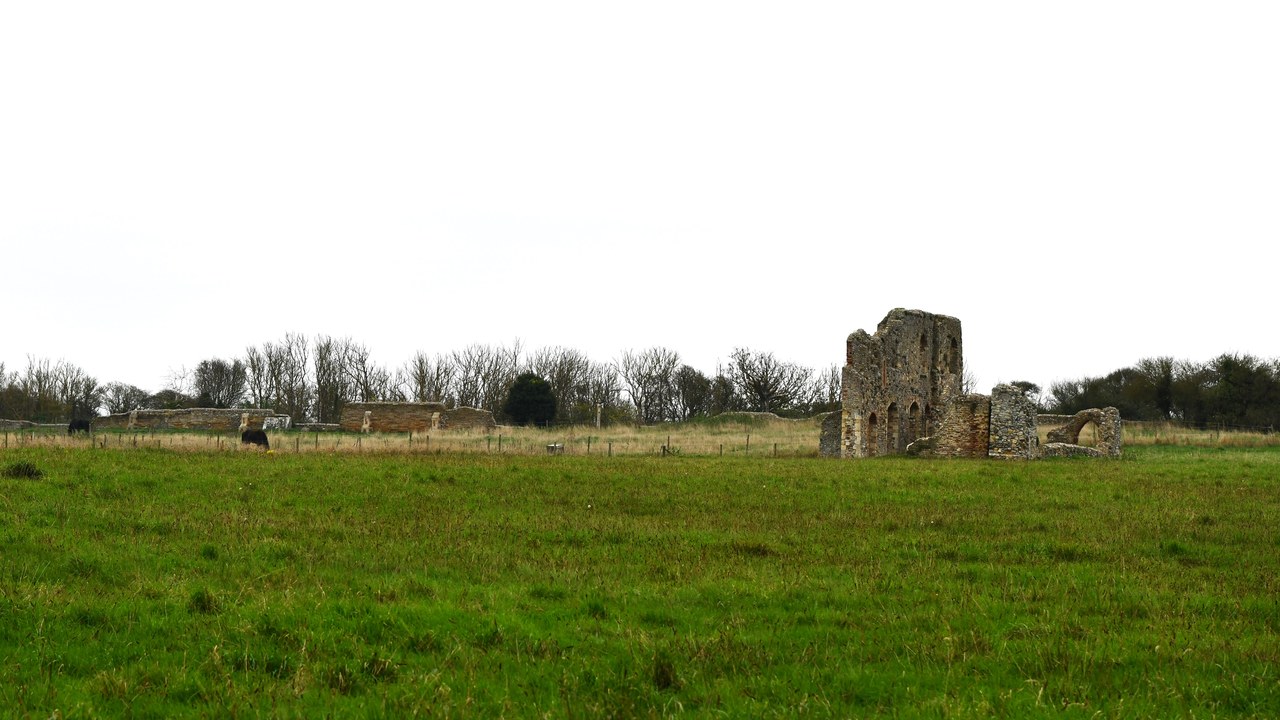
Dunwich was a major trading port on the Suffolk coast of England that grew to rival London in size and status in the 13th century, according to HeritageDaily. It had eight churches, monasteries, two hospitals and a guildhall.
A massive storm surge in 1286 and later storms eroded the coastline and destroyed its harbor, collapsing its economy. Over the centuries the sea swallowed the rest of the town, though the ruins of the Greyfriars friary and a leper hospital chapel still stand on the cliffs.
10. Dwarka: Krishna’s Legendary City
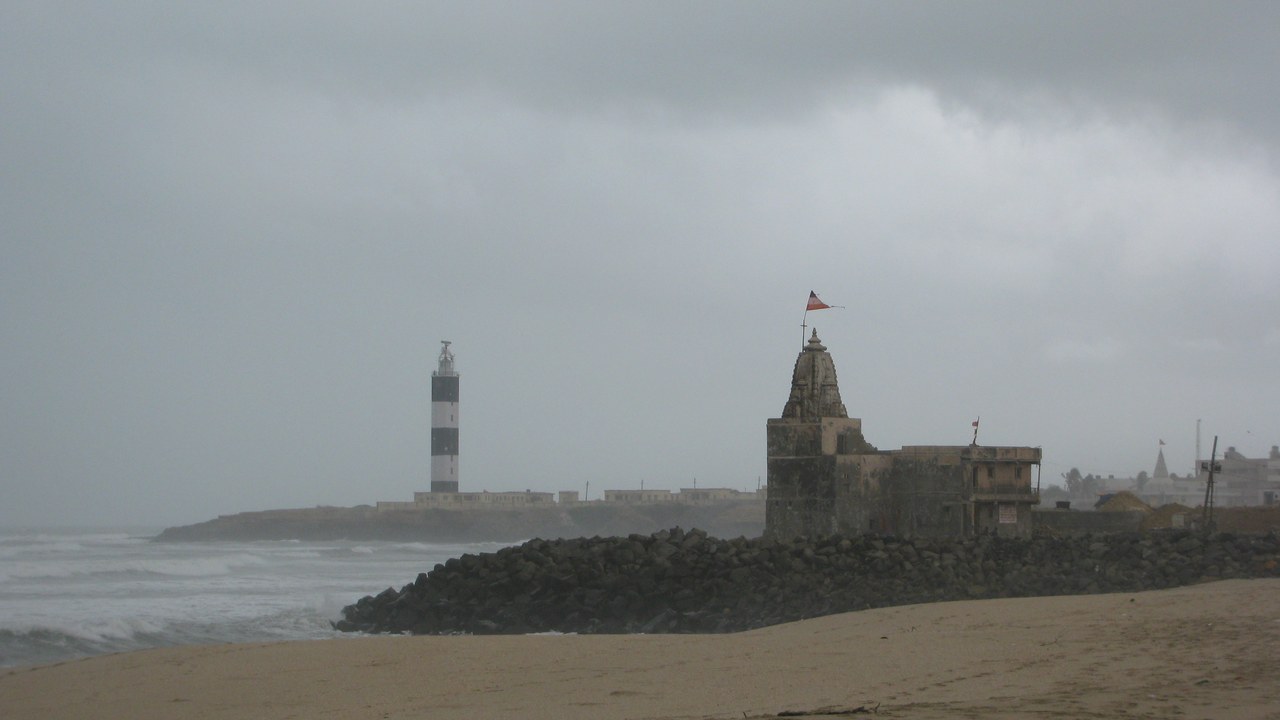
In the epic Mahabharata, the fortified city of Dwarka is tied to the kingdom of Krishna and was swallowed by the Arabian Sea after his death, as TheCollector explains. Archaeologists have searched on land and offshore for evidence of it.
A 1963 excavation dated finds on land to the 2nd century B.C., while another team dated the earliest settlement to the 14th century B.C. In 2001, oceanographers found remains 120 feet underwater, along with sculptures, pottery and beads, though dates for the site remain debated.
More from Morning Overview
- The Justice Department asked courts to undo approvals for three offshore wind farms, one already making power
- Over 20 trillion gallons of rain fell on the Four Corners states and Nevada in two weeks
- 11 engines built to run well past 200,000 miles
- Two Kentucky residents died when a small plane crashed at Missouri’s Lake of the Ozarks, and the NTSB is investigating
