
Every major fossil discovery adds a new branch to the story of where humans came from. Over the past two centuries, finds in Africa, Asia and Europe have revealed a surprising number of ancient human relatives. Here are 11 species and fossils that changed how scientists understand the human family tree.
Read next on Morning Overview: A handful of car transmissions are so tough that mechanics say they almost never die
1. Lucy: The World’s Most Famous Fossil
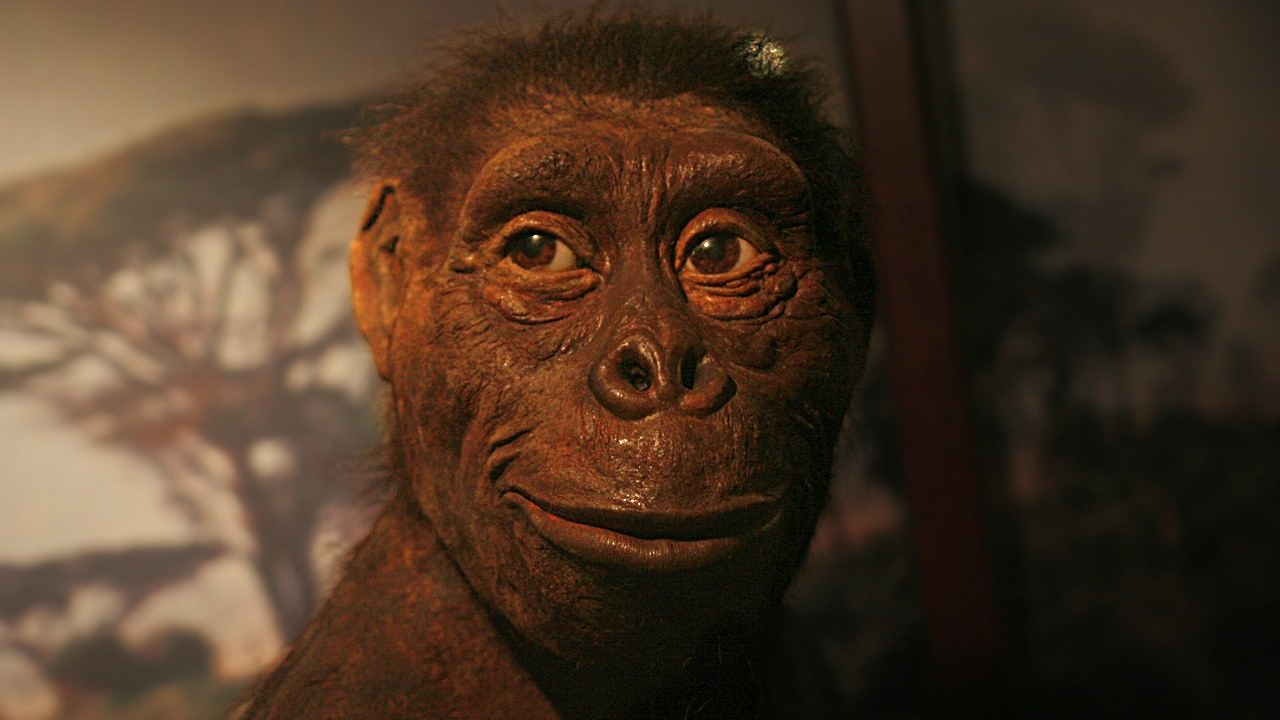
Lucy, found at Hadar in Ethiopia, is the best-known fossil of Australopithecus afarensis, according to the Smithsonian’s Human Origins Program. The species lived between about 3.85 and 2.95 million years ago.
Australopithecus afarensis survived for more than 900,000 years, about three times as long as Homo sapiens has existed so far. Lucy’s skeleton showed that early humans walked upright long before they developed large brains, reshaping ideas about how human evolution unfolded.
2. Turkana Boy: A Remarkably Complete Skeleton
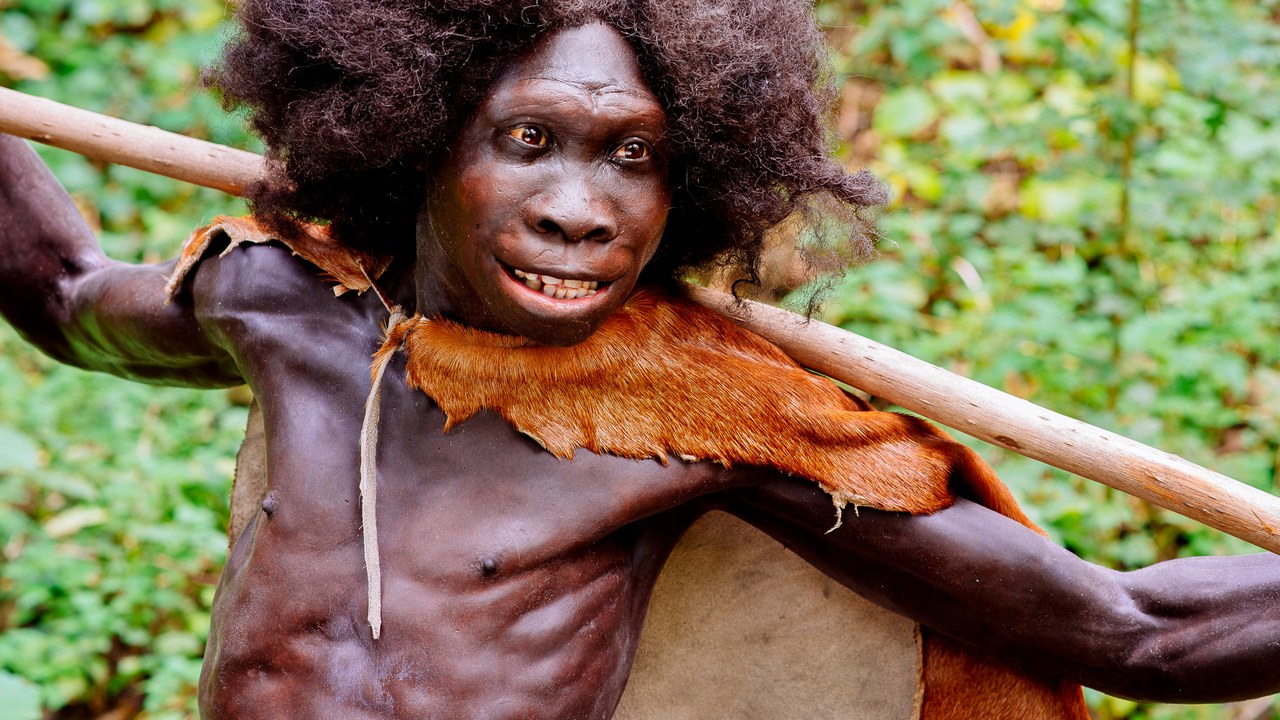
The Smithsonian calls the Turkana Boy the most complete fossil individual of Homo erectus, a well-preserved skeleton about 1.6 million years old, according to its Human Origins Program.
The skeleton was found near Lake Turkana in Kenya and belonged to a young individual. Its body proportions looked surprisingly modern, with long legs suited to walking and running. That gave scientists a rare full picture of what Homo erectus looked like.
3. Peking Man: Peking Man and Java Man

Peking Man, found in China beginning in the 1920s, and the Java fossils first dug up in the 1890s are the classic examples of Homo erectus, according to the Smithsonian.
The Java skull cap was the first early human fossil recognized outside Europe. Together, these finds showed that early humans had spread across Asia long before modern humans appeared. Homo erectus became one of the longest-lasting human species, and its fossils are still studied around the world.
4. Homo naledi: A Cave Full of Fossils
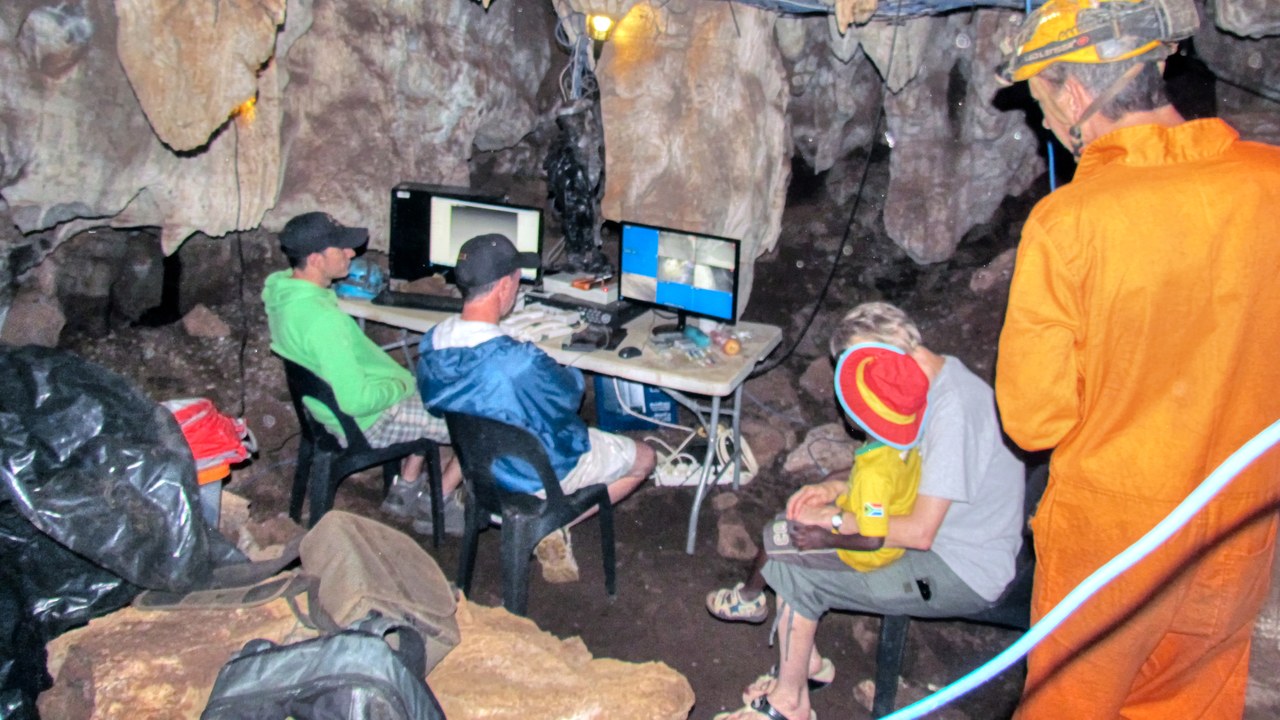
Homo naledi fossils from the Dinaledi Chamber of South Africa’s Rising Star Cave form the largest collection of a single hominin species found in Africa, according to the Smithsonian. The species lived about 335,000 to 236,000 years ago.
Explorers had to squeeze through extremely narrow passages to reach the chamber. Homo naledi stood about 4 feet 9 inches tall and mixed primitive and modern traits. Its relatively recent age surprised researchers, since it overlapped in time with early members of the lineage that led to modern humans.
5. Homo floresiensis: The Hobbit of Flores

Nicknamed the Hobbit, Homo floresiensis stood about 3 feet 6 inches tall, according to the Smithsonian. The nearly complete female skeleton known as LB-1 was found in Liang Bua cave on Flores, Indonesia.
The species hunted small elephants and coped with Komodo dragons on its island home. Its tiny size may have resulted from island dwarfism, an evolutionary process linked to long isolation and limited food. The discovery showed that human evolution was more varied than once thought.
6. Australopithecus africanus: The Southern Ape of Africa
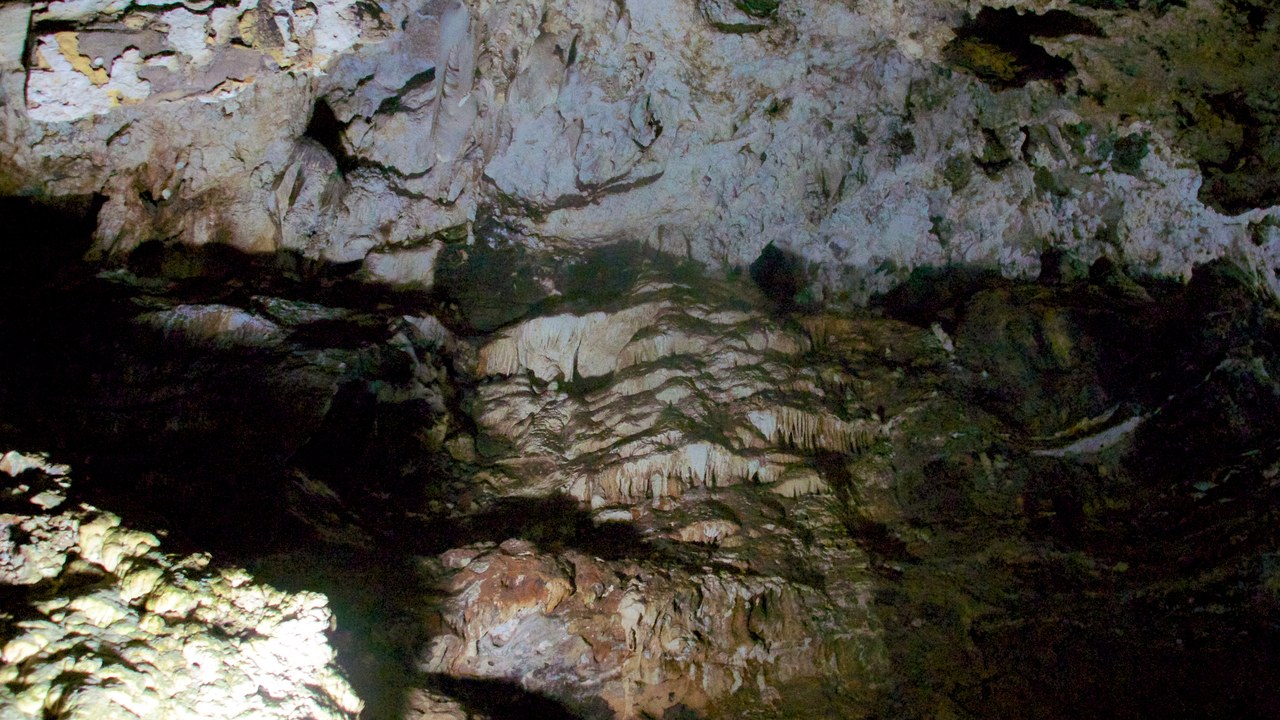
Australopithecus africanus was named after the Taung Child, found in 1924, which the Smithsonian says was the first fossil to establish that early humans lived in Africa.
Raymond Dart described the find and named the species, but it took years for scientists to accept his conclusions. Most fossils of this species have since come from Sterkfontein, a cave site in South Africa. The species helped shift the search for human origins to Africa.
7. Little Foot: Little Foot
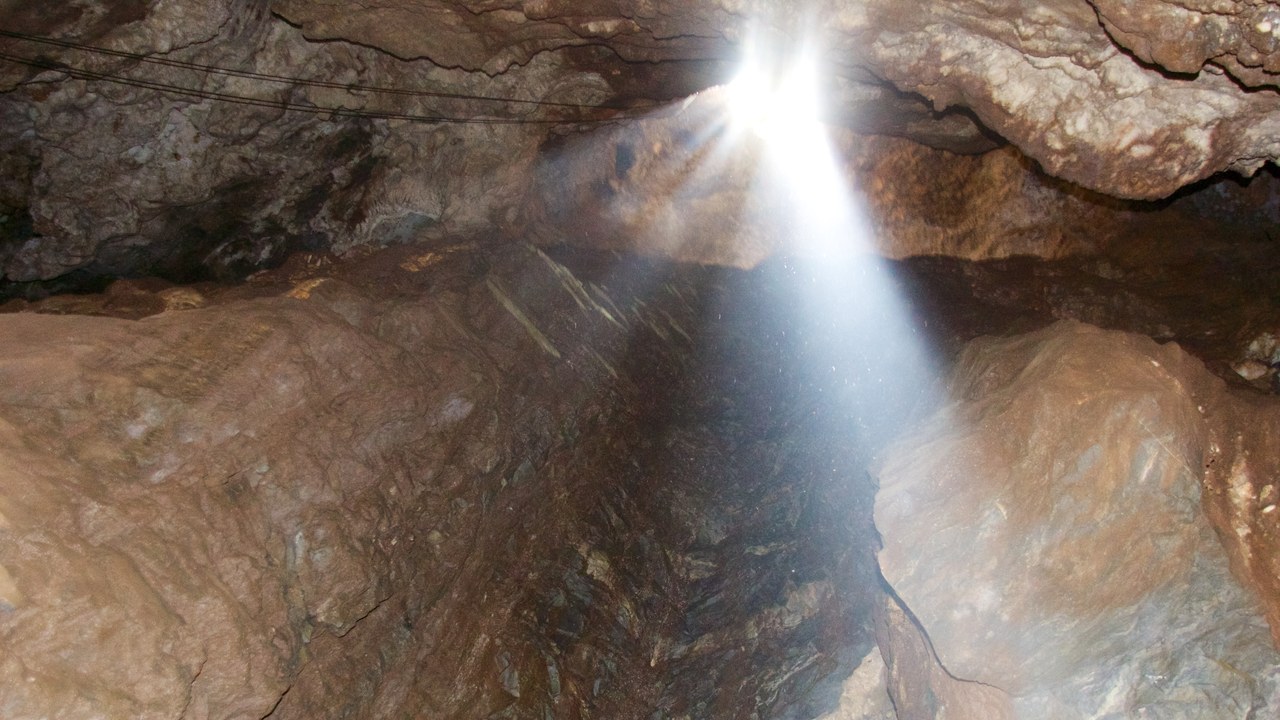
In 1994, Ron Clarke found four early human foot bones in boxes of fossils from Sterkfontein, according to the Smithsonian. Little Foot turned out to belong to a 3.3-million-year-old partial skeleton still largely embedded in cave sediment.
Freeing the skeleton from the rock took many years of careful work. It became one of the most complete early human skeletons ever found. The Sterkfontein Caves are part of a region in South Africa known for yielding many important hominin fossils.
8. Ardi: Ardi
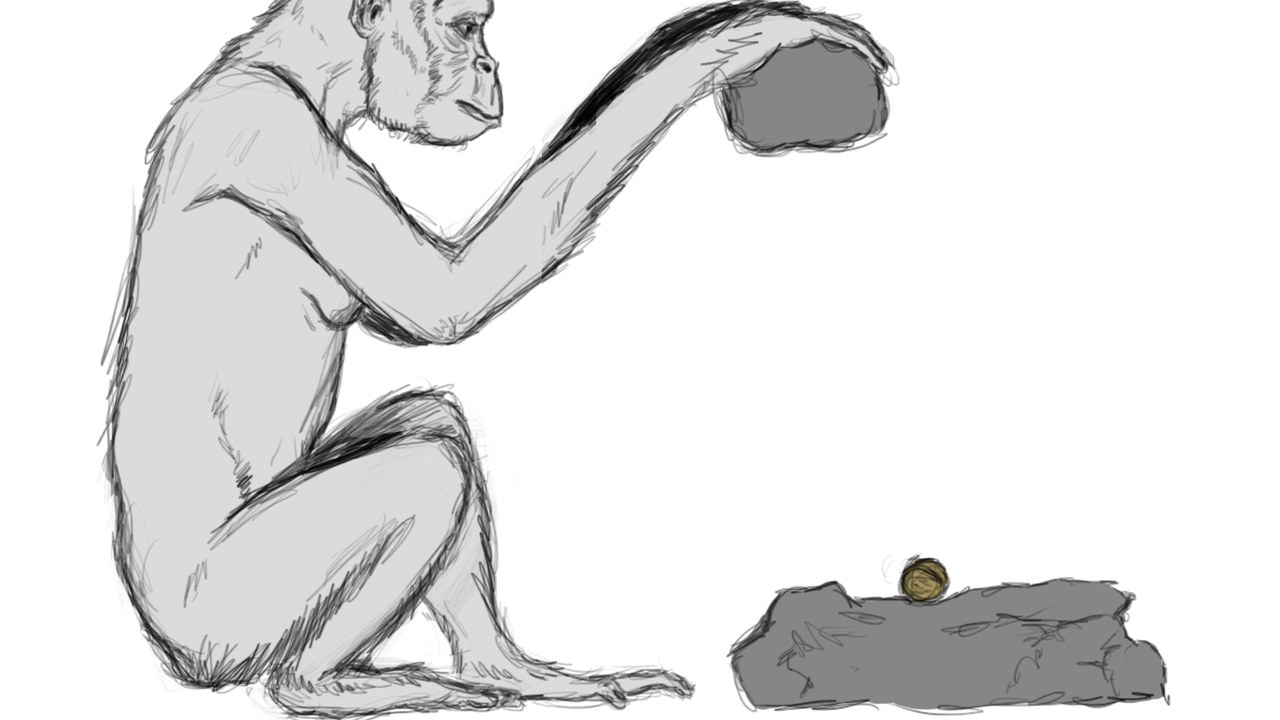
Ardi, a partial female skeleton of Ardipithecus ramidus first found in 1994 and announced in 2009, lived about 4.4 million years ago in Ethiopia, according to the Smithsonian.
Ardi combined human and other primate traits, including feet that could still grasp branches. The find suggested that early human ancestors lived in wooded settings rather than open grasslands. It pushed detailed knowledge of human evolution back by more than a million years before Lucy.
9. Toumaï: Toumaï
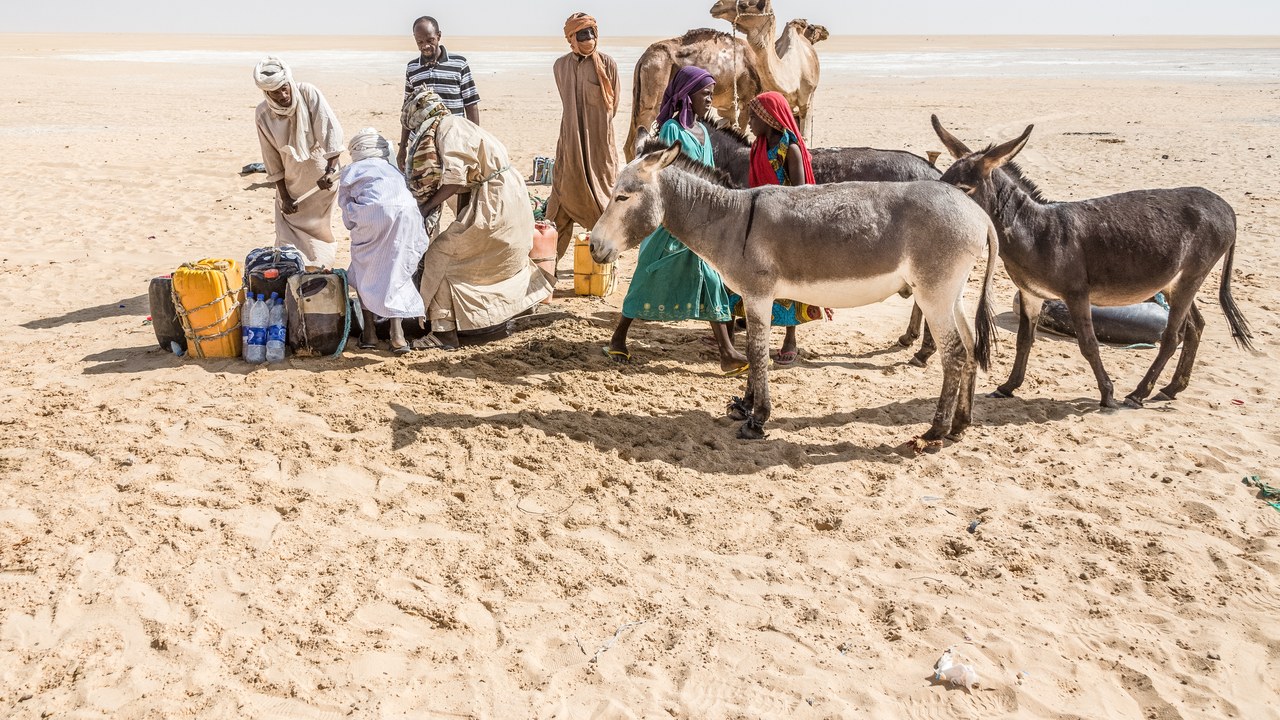
Sahelanthropus tchadensis, known from a skull found in Chad in 2001, lived 7 to 6 million years ago, according to the Smithsonian. The find showed that the earliest humans ranged beyond East and South Africa.
The fossil was nicknamed Toumaï, a word meaning hope of life in a local language. It is among the oldest known members of the human family. Its discovery in the desert of central Africa widened the area where scientists search for human origins.
10. Neanderthal 1: Where the Neanderthals Got Their Name

When the Neanderthal 1 skull was found in Germany’s Neander Valley in 1856, scientists had never seen anything like its low forehead and heavy browridges, according to the Smithsonian. The species is named after that valley.
The find came just a few years before Charles Darwin published On the Origin of Species, and it fueled debate about human ancestry. Neanderthals lived across Europe and Asia and were close relatives of modern humans. A museum now stands near the discovery site.
11. Gibraltar 1: An Overlooked Find in Gibraltar
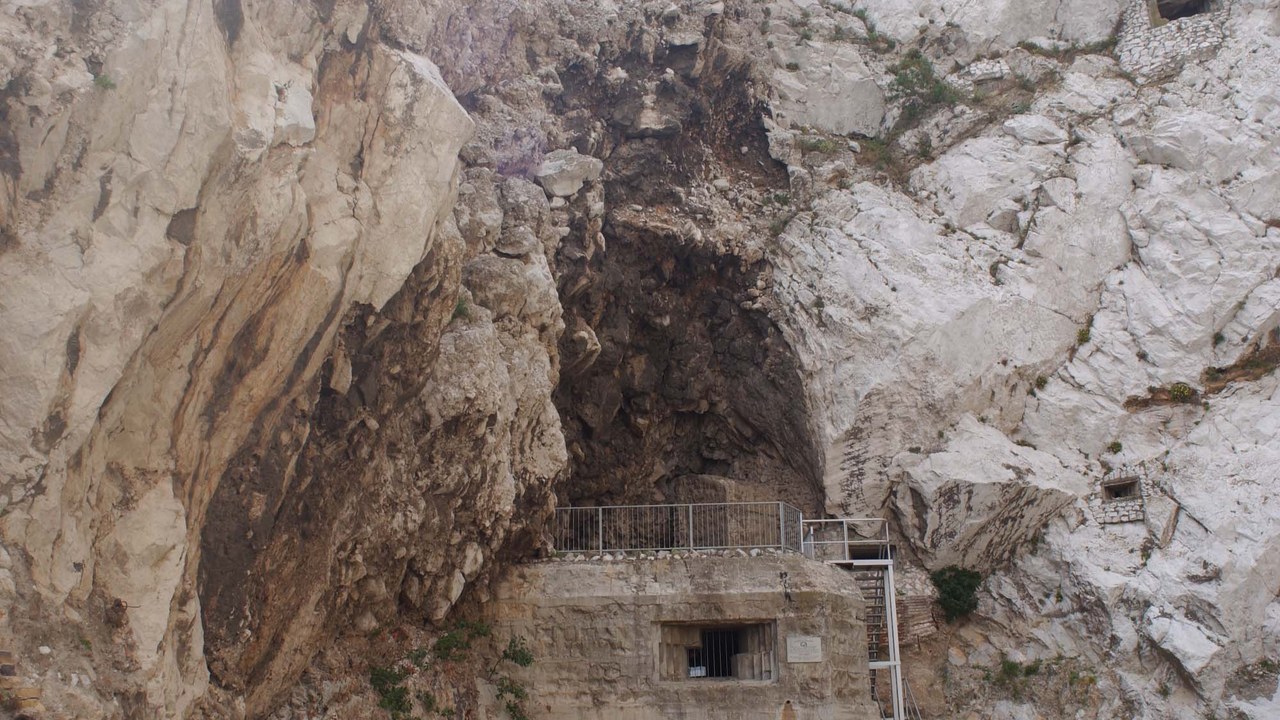
A skull found in 1848 at Forbes’ Quarry in Gibraltar was only recognized as a Neanderthal years after the 1856 Neander Valley find, the Smithsonian notes.
That means the first Neanderthal fossil ever found was not the one that gave the species its name. Gibraltar later became known as one of the last places Neanderthals lived. Its caves and cliffs remain important sites for research on these ancient humans and their way of life.
More from Morning Overview
- The Justice Department asked courts to undo approvals for three offshore wind farms, one already making power
- Over 20 trillion gallons of rain fell on the Four Corners states and Nevada in two weeks
- 11 engines built to run well past 200,000 miles
- Two Kentucky residents died when a small plane crashed at Missouri’s Lake of the Ozarks, and the NTSB is investigating
