
In the hills of southeastern Turkey, a cluster of Stone Age sites is changing what archaeologists thought they knew about the first villages. Monumental stone circles, carved pillars and early fired clay suggest people were building, gathering and experimenting long before farming towns spread. These pictures follow the story from the region’s famous hilltops to the museums where the finds now sit.
Read next on Morning Overview: A $1 billion gas plant planned for Superior, Wisconsin, has been abandoned
Göbekli Tepe: A New Clue From Next Door
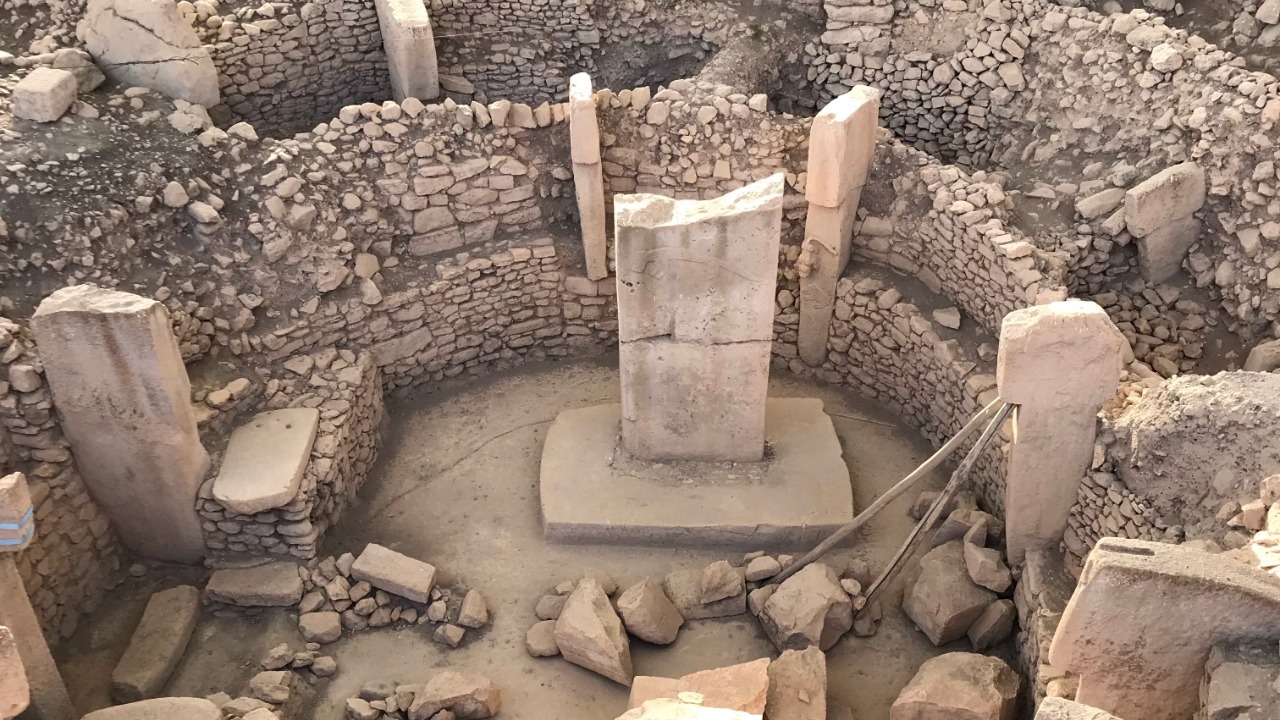
Göbekli Tepe, the hilltop site of carved stone pillars near Şanlıurfa, made this corner of Turkey famous, and new work in the same region keeps adding to the picture. A study in the journal Antiquity, described in a Koç University release, examined clay fragments from Çemka Höyük, a settlement occupied between about 10,800 and 8700 BC.
The finds came from a building level dated to around 9350 BC, which places them among the earliest known fired clay containers in South-west Asia. Microscopy and X-ray analysis suggest they were fired at about 600 to 700°C, deliberately rather than by accident.
Karahan Tepe: The Sister Site
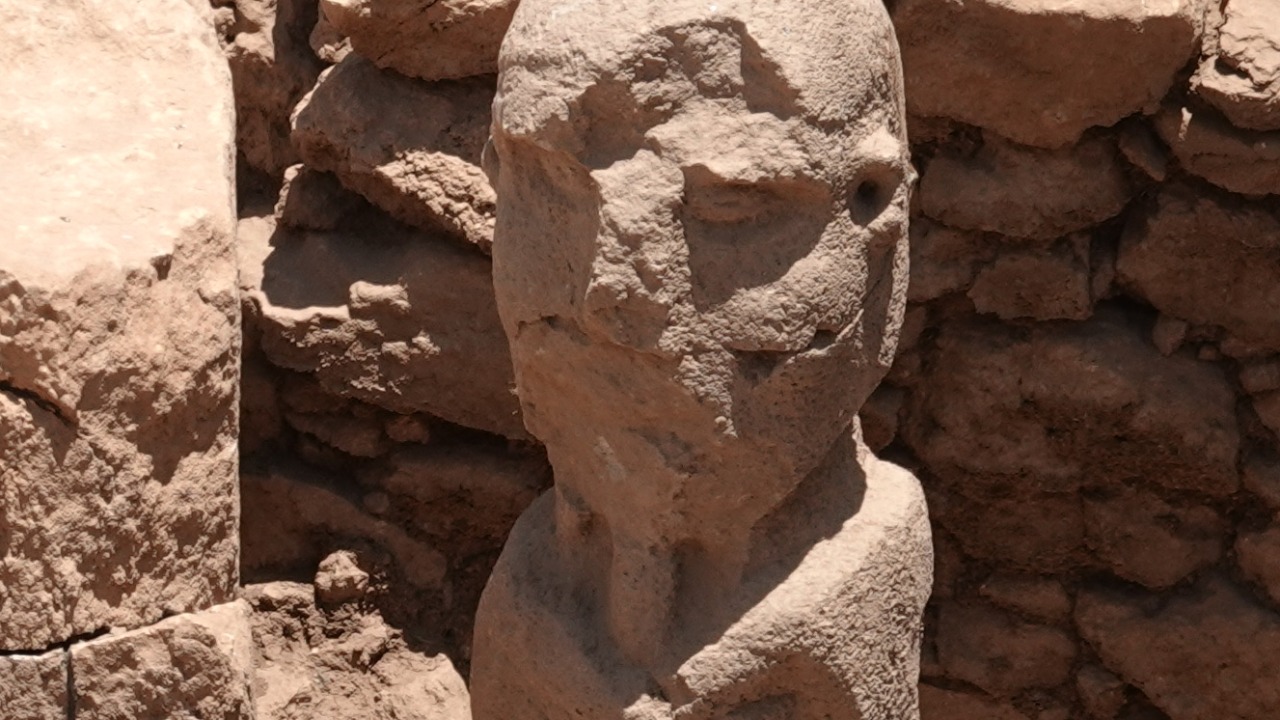
Karahan Tepe sits about 46 kilometers east of Göbekli Tepe and is often called its sister site. According to its Wikipedia entry, archaeologists have uncovered T-shaped stone pillars there as well and believe the two sites are related.
Discovered in 1997, it may be among the earliest known human villages, with dates estimated between 10,000 and 9500 BC, possibly predating Göbekli Tepe’s construction by centuries. It is one of about a dozen similar sites now being investigated in the region, which together are reshaping ideas about when people first settled down.
Şanlıurfa: The City at the Center
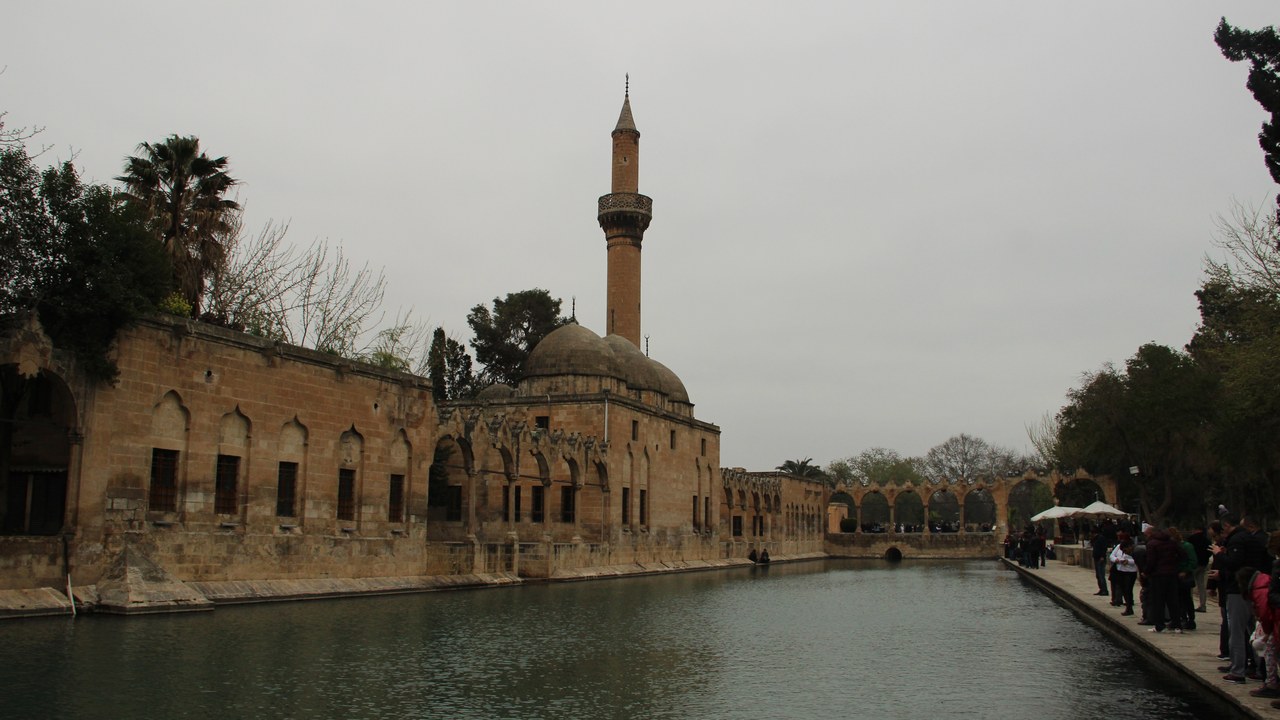
Şanlıurfa, often called Urfa, is the provincial capital that anchors this archaeological landscape. As its Wikipedia entry notes, the city sits on a plain about 80 kilometers east of the Euphrates, with extremely hot, dry summers and cool, moist winters.
About 12 kilometers northeast of the city lies Göbekli Tepe, founded in the 10th millennium BC and often described as the world’s oldest known temple. The city itself has a long history of its own, which makes Urfa both a modern hub and a gateway for researchers and visitors heading to the Stone Age hilltops.
Nevalı Çori: A Village Now Under Water
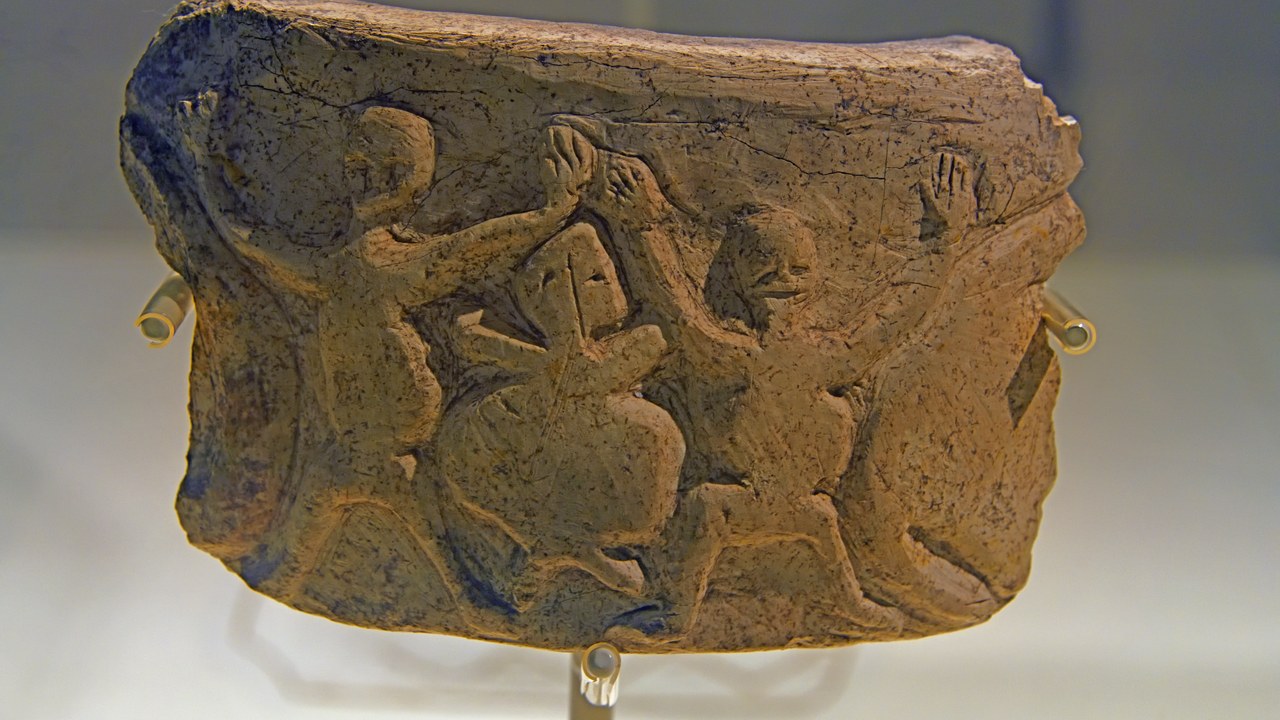
Nevalı Çori was an early Neolithic settlement on the middle Euphrates, dated to roughly 8400 to 8100 BC, according to its Wikipedia entry. It is part of the group known as the Taş Tepeler, or Stone Hills, sites, and it is known for some of the world’s oldest temples and monumental sculpture.
The oldest domesticated einkorn wheat was found there. The site was excavated from 1983 to 1991 in a rescue effort before the Atatürk Dam reservoir flooded the valley, which is why much of what is known about it now comes from records and museum collections.
Çayönü: Early Farmers by the Tigris
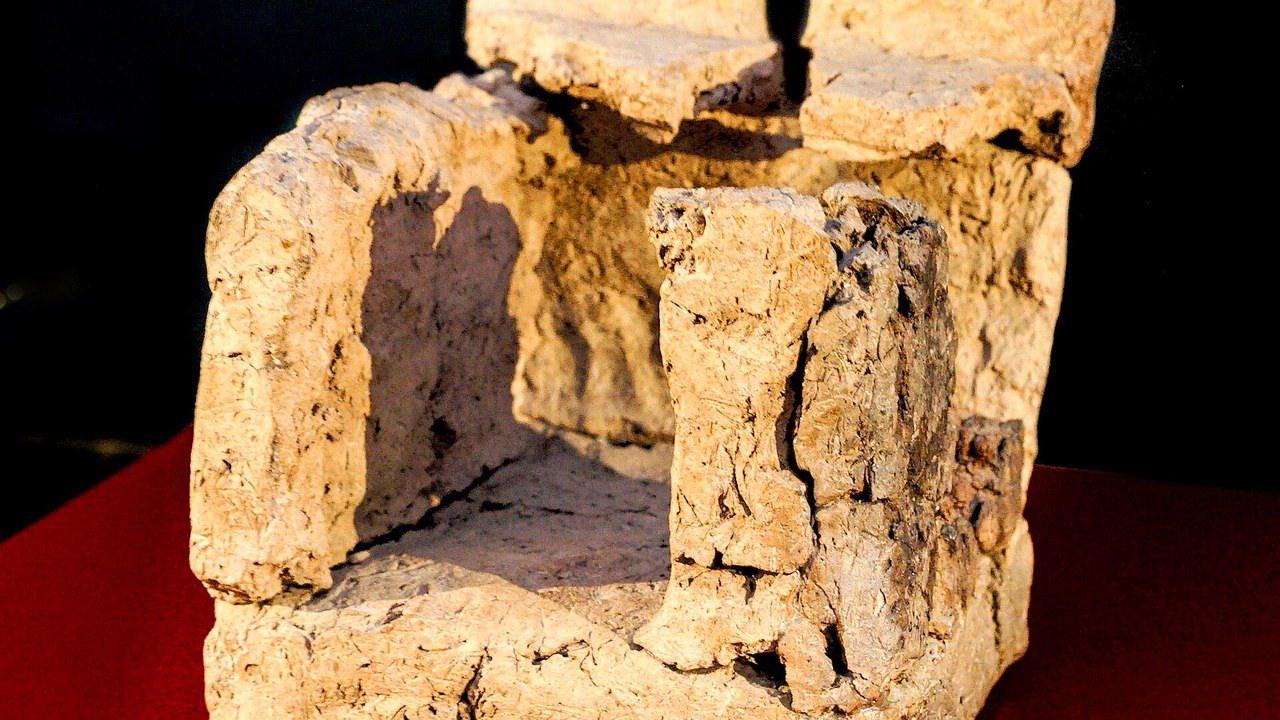
Çayönü, in Diyarbakır province about 140 kilometers northeast of Şanlıurfa, is a Pre-Pottery Neolithic B settlement that prospered from around 8630 to 6800 BC. As its Wikipedia entry describes, it lies at the foot of the Taurus Mountains near a tributary of the upper Tigris.
It is an early example of agriculture and belongs to the same Taş Tepeler monumental tradition as Göbekli Tepe, though its builders used decorated stelae without the characteristic T-shape. Its early buildings were single-room structures, round or with rounded corners, offering a view of how settled life evolved over two millennia.
Pre-Pottery Neolithic A: Naming the Era
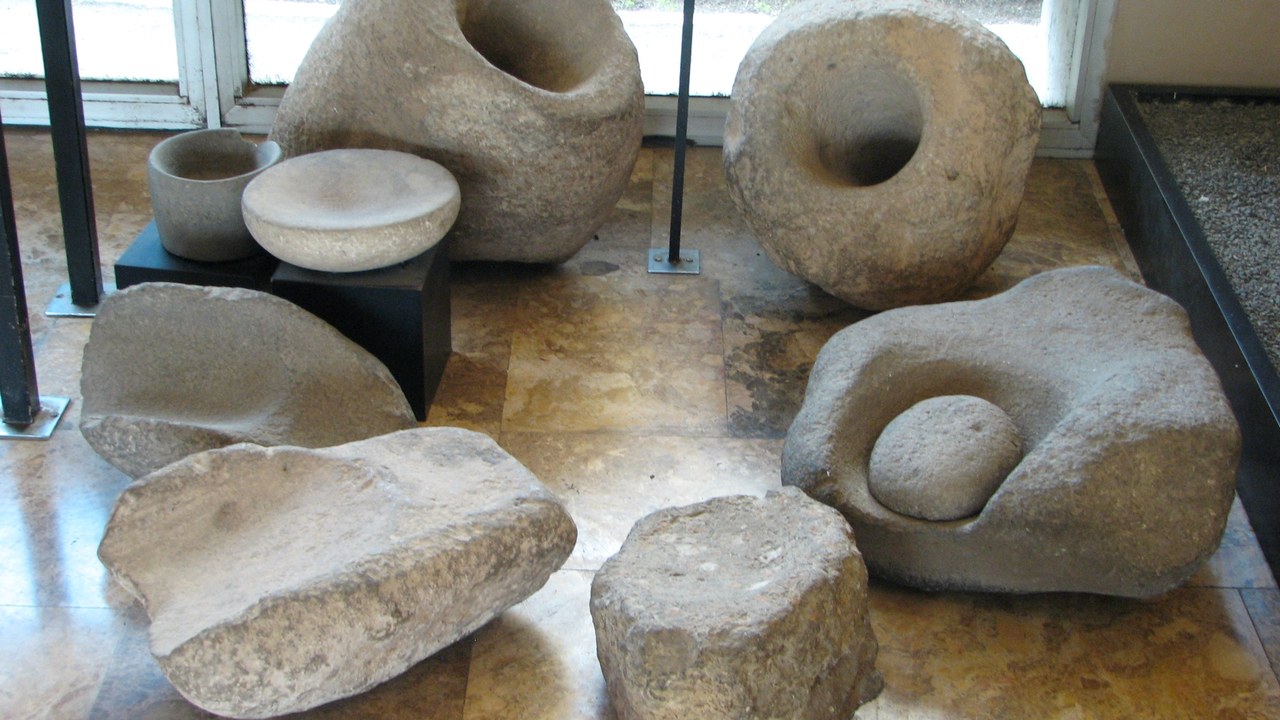
Archaeologists call the first stage of this period the Pre-Pottery Neolithic A, dated to about 10,000 to 8800 BC, as its Wikipedia entry explains. Its remains are found across the Levant and Upper Mesopotamia, part of the Fertile Crescent.
The era is marked by small circular mud-brick dwellings, the cultivation of crops, the hunting of wild game and burials beneath house floors. The term was first defined by archaeologist Kathleen Kenyon at Jericho, and the southeastern Turkish sites now supply some of its most dramatic monuments.
Urfa Man: The Oldest Life-Sized Statue
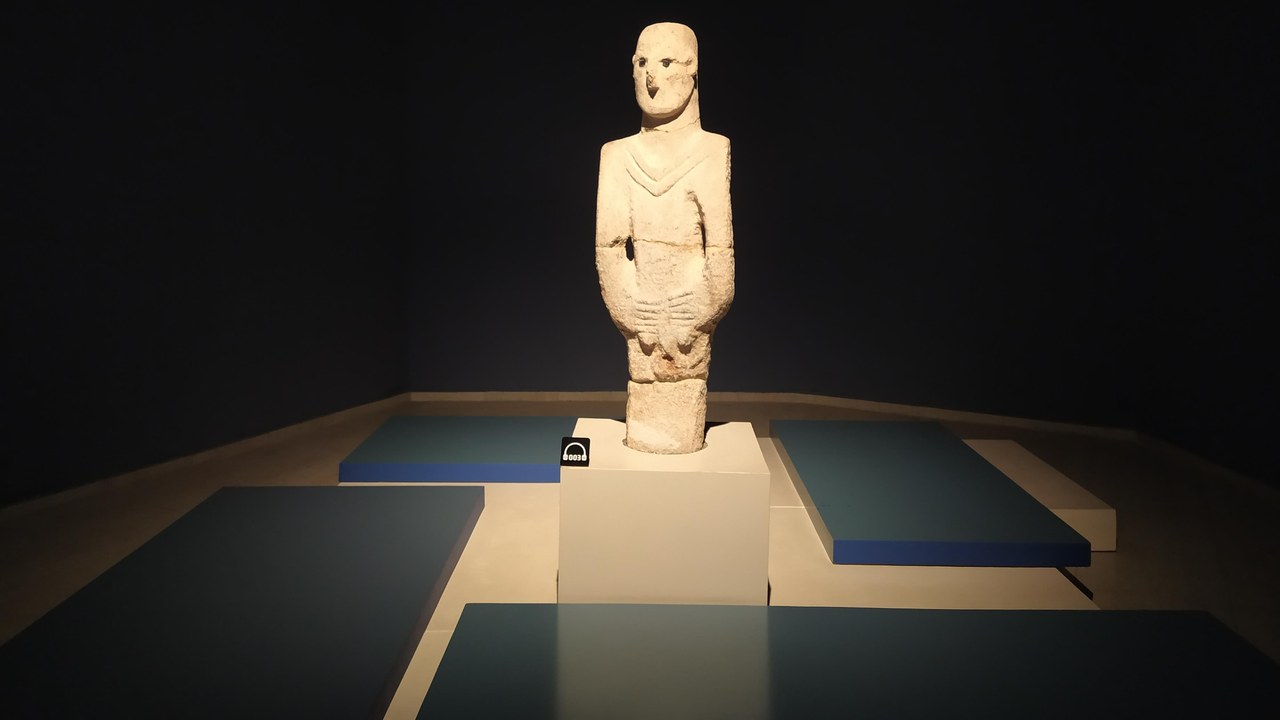
The Urfa Man, also known as the Balıklıgöl statue, was found during construction work in Urfa and is dated to around 9000 BC. According to its Wikipedia entry, it has been considered the oldest naturalistic life-sized sculpture of a human.
It belongs to the Taş Tepeler tradition and is roughly contemporary with Göbekli Tepe and Nevalı Çori. The exact find spot was never properly recorded, though it may have come from a nearby Pre-Pottery Neolithic A site. The statue now ranks among the most striking objects from the region.
Pottery: Before Pots Were Common
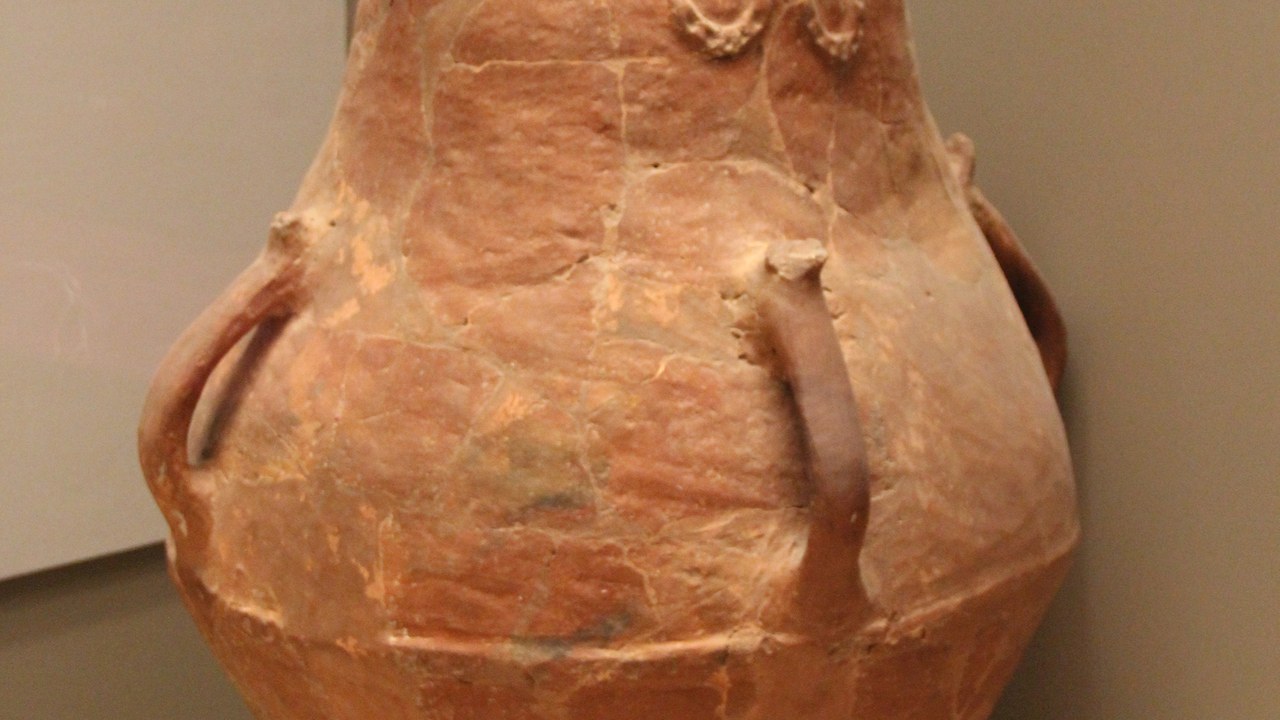
Pottery, the craft of forming clay objects and firing them at high temperatures into hard, durable vessels, is so familiar that its absence defines this whole era. Its Wikipedia entry notes that in archaeology the term often refers specifically to vessels.
In South-west Asia, pottery became widespread around 7000 BC, more than 2,000 years after the first villages appeared. That gap is why the early fired clay from Çemka Höyük matters: it shows people experimenting with ceramic containers long before they became part of everyday life.
Şanlıurfa Archaeology and Mosaic Museum: Where the Finds Are Shown
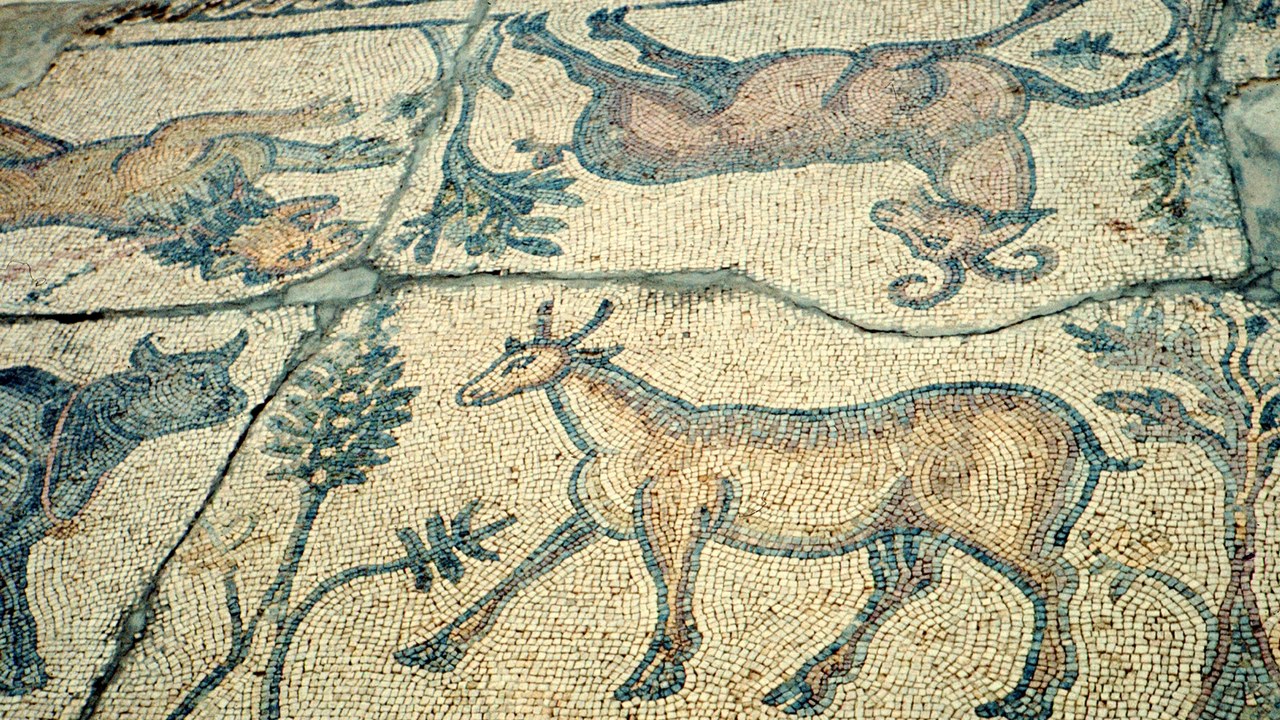
The Şanlıurfa Archaeology and Mosaic Museum holds material from Edessa, as ancient Şanlıurfa was known, along with finds from Göbekli Tepe and Karahan Tepe, according to its Wikipedia entry. Its collections also include objects recovered in dam reservoir areas around the region.
The city’s first museum opened in 1969, and before that, finds were displayed in elementary-school rooms. Today the museum gives visitors a chance to see carved pillars, statues and tools without traveling out to every remote hilltop site in the province.
Einkorn wheat: One of the First Crops
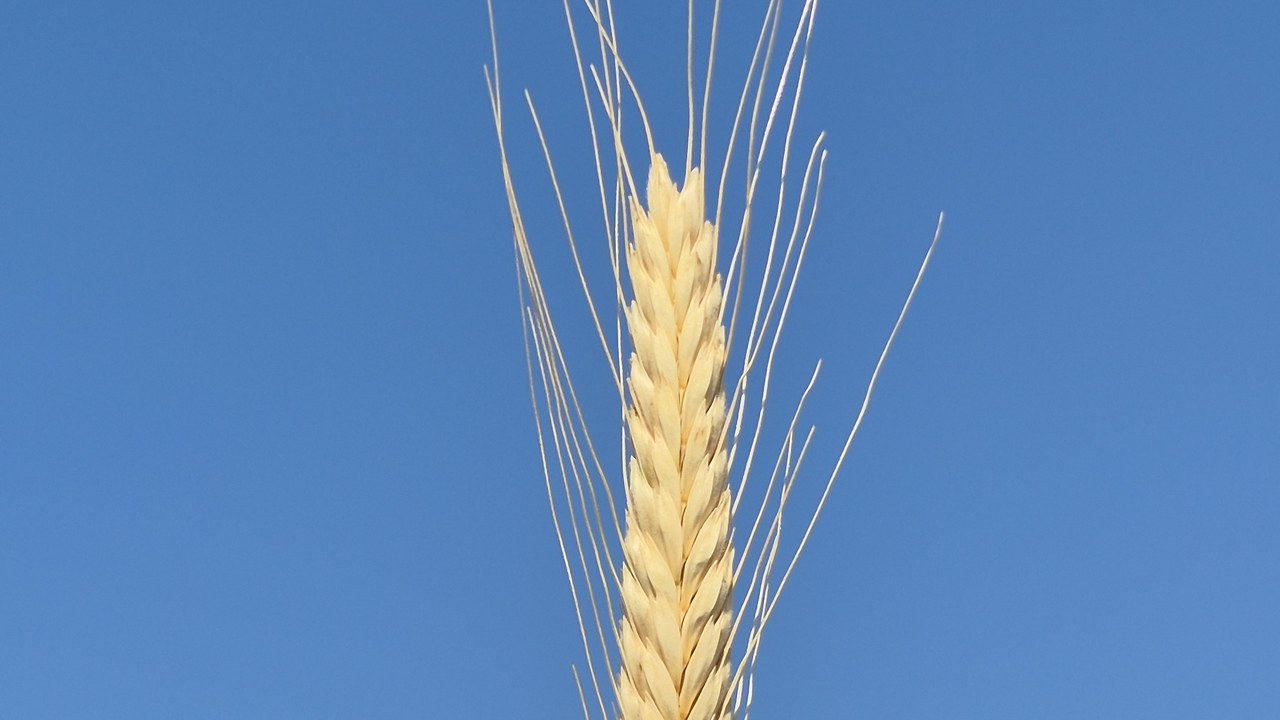
Einkorn, one of the earliest forms of wheat people cultivated, grows wild in the hill country of the northern Fertile Crescent and Anatolia. According to its Wikipedia entry, it was first domesticated roughly 10,000 years ago, and DNA evidence points to the area near Karaca Dağ in southeast Turkey.
That is the same landscape as the Stone Age hilltop sites, where a number of early farming villages have been found. The oldest domesticated einkorn was recovered at Nevalı Çori, and from this northern corner of the Fertile Crescent its cultivation later spread to the Caucasus, the Balkans and central Europe.
Çatalhöyük: A Town of Packed Houses
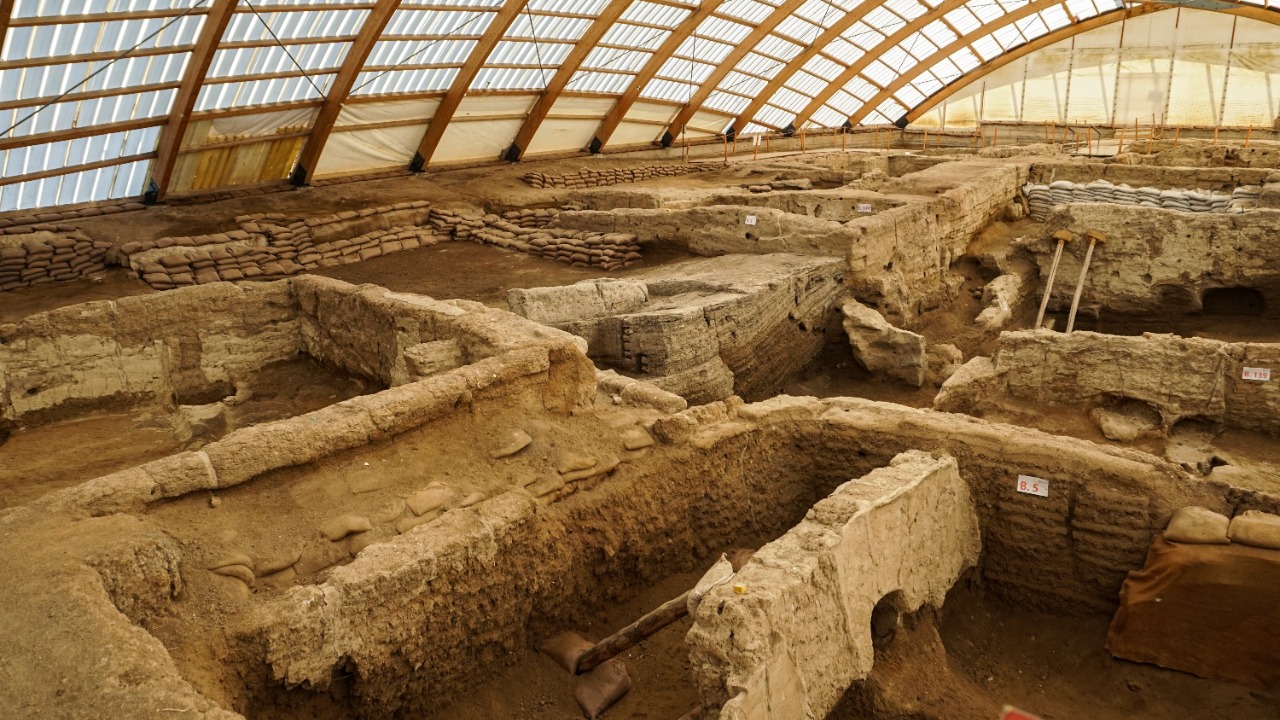
Çatalhöyük, on the Konya Plain about 140 kilometers from the volcano Mount Hasan, is one of the best-known Neolithic settlements anywhere. According to its Wikipedia entry, it is notable for its large size and apparently egalitarian social structure.
It was designated a UNESCO World Heritage Site in July 2012. Its eastern mound covers about 12.5 hectares and rises about 20 meters, layered by centuries of occupation. It shows what village life looked like a few thousand years after the earliest hilltop sanctuaries.
Harran: An Ancient City Nearby
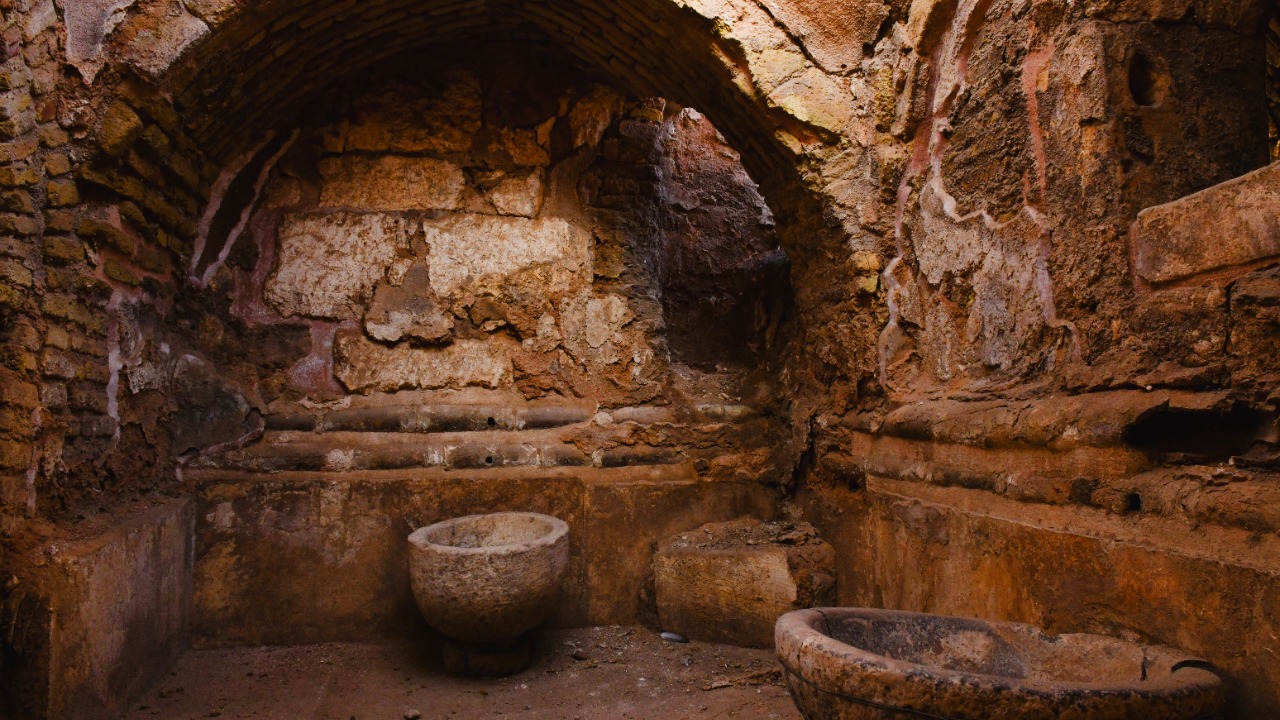
Harran, about 40 kilometers southeast of Urfa, was founded sometime between the 25th and 20th centuries BC, possibly as a merchant colony of traders from Ur, as its Wikipedia entry explains. It grew into a major Mesopotamian commercial and religious center.
Its fame came partly from the moon-god Sin, whose temple there drew prominent rulers. Harran is far younger than Göbekli Tepe, but it shows how the same landscape kept attracting settlement for thousands of years after the first villages took shape.
More from Morning Overview
- Zero Motorcycles unveiled an electric motorcycle targeted at under $8K and a street-legal dirt bike at EICMA
- New FCC rules on how people can stop robocalls and texts take effect Nov. 25
- Neanderthals in Spain carved a wooden object that matches nothing archaeologists have ever found
- The FAA wants $2.39 million from a flight school it says flew a Cessna about 280 times with an unapproved part
