
A handful of enormous concrete and earthen walls decide how much water and power much of the western United States gets. Built mostly between the Great Depression and the 1970s, these dams light cities, irrigate millions of acres and hold back floods. Many are now under strain from drought, aging spillways and the fish runs they cut off.
Read next on Morning Overview: A $1 billion gas plant planned for Superior, Wisconsin, has been abandoned
Hoover Dam: The Depression-Era Giant
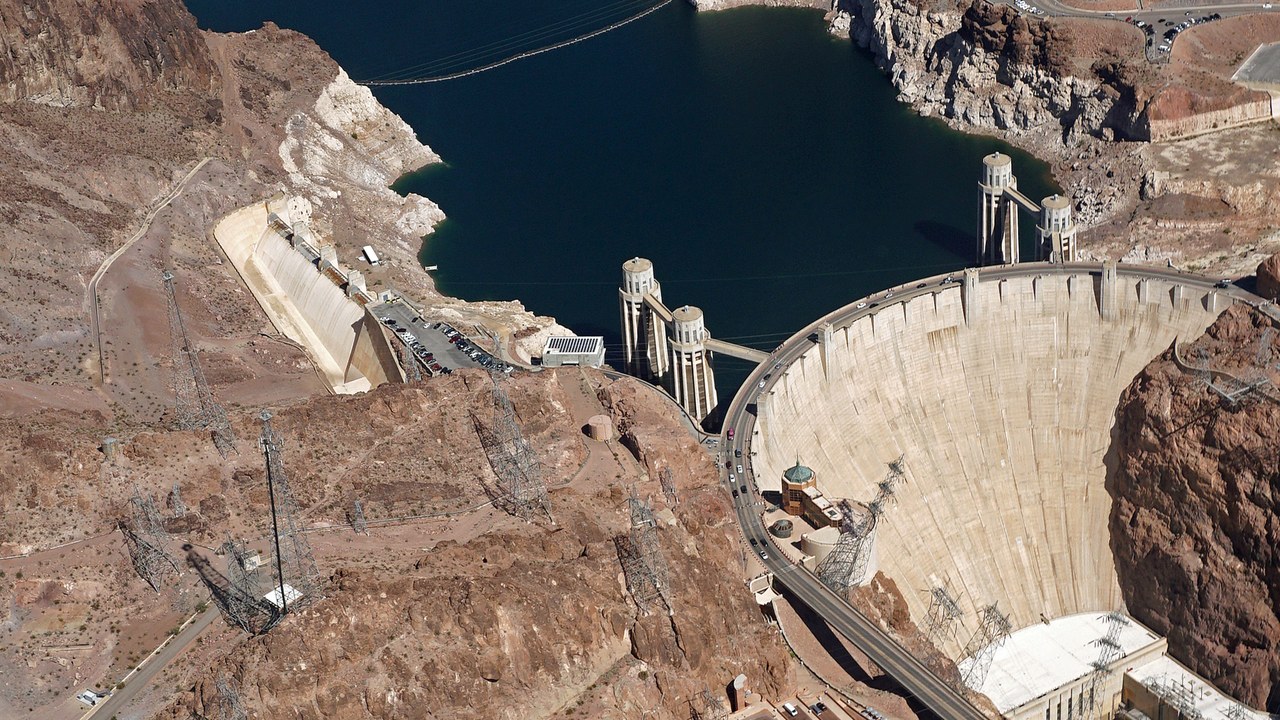
Hoover Dam is a concrete arch-gravity dam in the Black Canyon of the Colorado River on the Nevada-Arizona line, built between 1931 and 1936. Such a large concrete structure had never been attempted, and the work by thousands of laborers cost more than 96 lives.
It impounds Lake Mead about 30 miles southeast of Las Vegas, and its generators supply public and private utilities in Nevada, Arizona and California. Congress authorized it in 1928 to control floods, provide irrigation water and produce power. Today it draws about 7 million tourists a year, and U.S. Route 93 crossed its crest until a bypass opened in 2010.
Grand Coulee Dam: America’s Biggest Power Plant
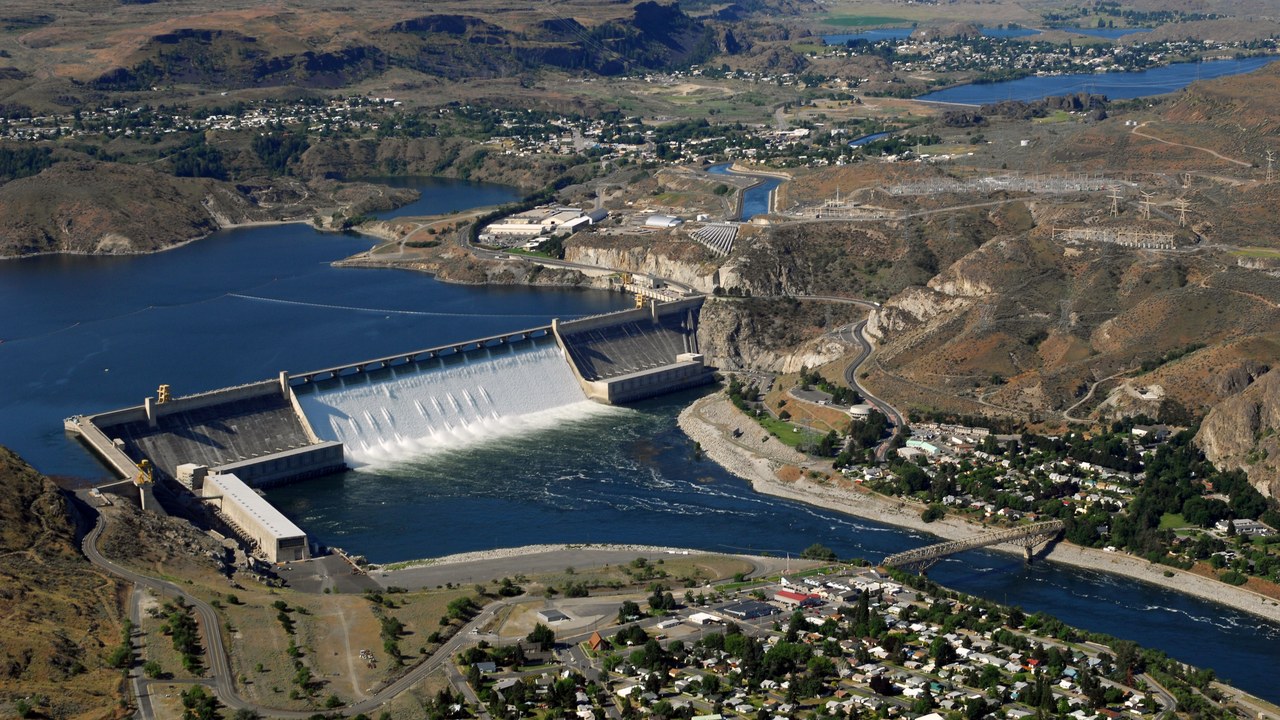
The Grand Coulee Dam is a concrete gravity dam on the Columbia River in Washington, built between 1933 and 1942. Its third powerhouse, finished in 1974, makes it the largest power station in the United States by nameplate capacity, at 6,809 megawatts.
Its power fed Northwest industry during World War II, and its reservoir, Franklin Delano Roosevelt Lake, irrigates about 671,000 acres. The costs were real: more than 3,000 people, including Native Americans whose land was flooded, had to relocate, and because the dam has no fish passage, salmon can no longer reach the upper river.
Glen Canyon Dam: The Dam That Made Lake Powell
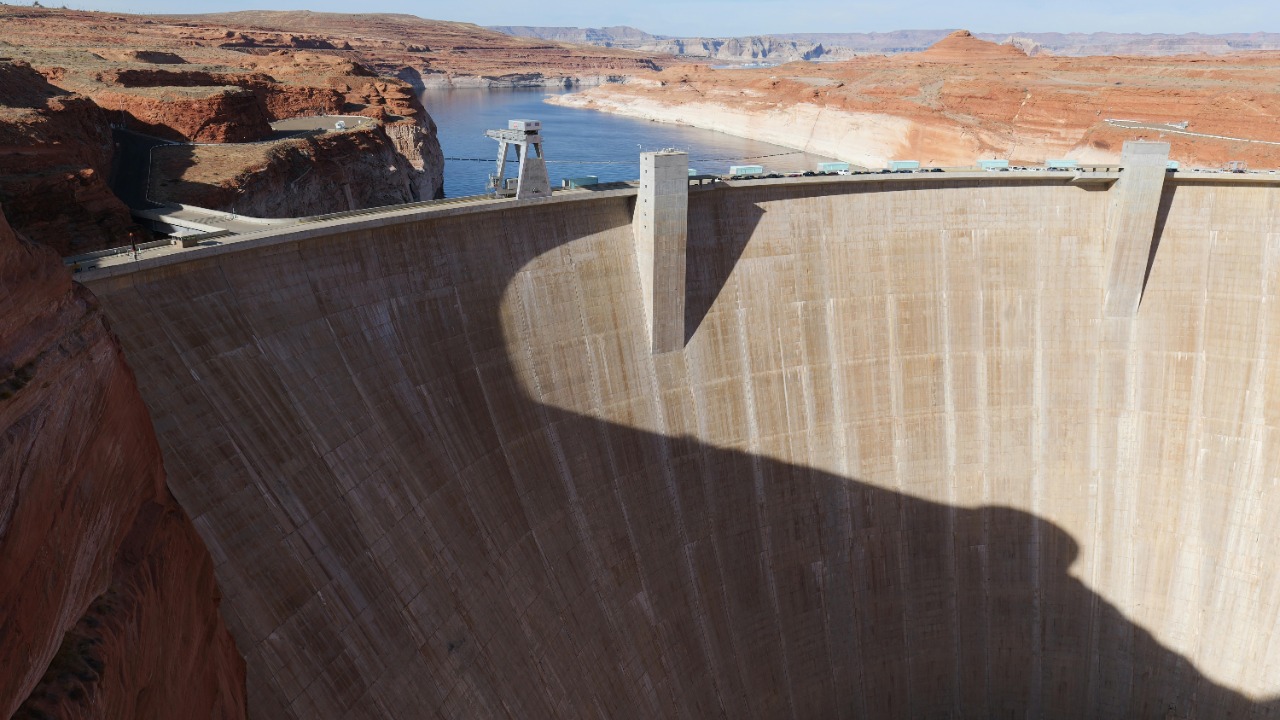
Glen Canyon Dam is a 710-foot concrete arch-gravity dam on the Colorado River near Page, Arizona, built by the Bureau of Reclamation from 1956 to 1966. It forms Lake Powell, one of the largest man-made reservoirs in the country, with a capacity of more than 25 million acre-feet.
The dam guarantees water deliveries to the Lower Basin states of California, Nevada and Arizona during droughts and stores extra runoff in wet years, while also producing hydropower. It drowned the sandstone gorges of Glen Canyon and became a catalyst for the modern environmental movement; groups including the Sierra Club have called for draining Lake Powell.
Oroville Dam: The Tallest Dam in the Country
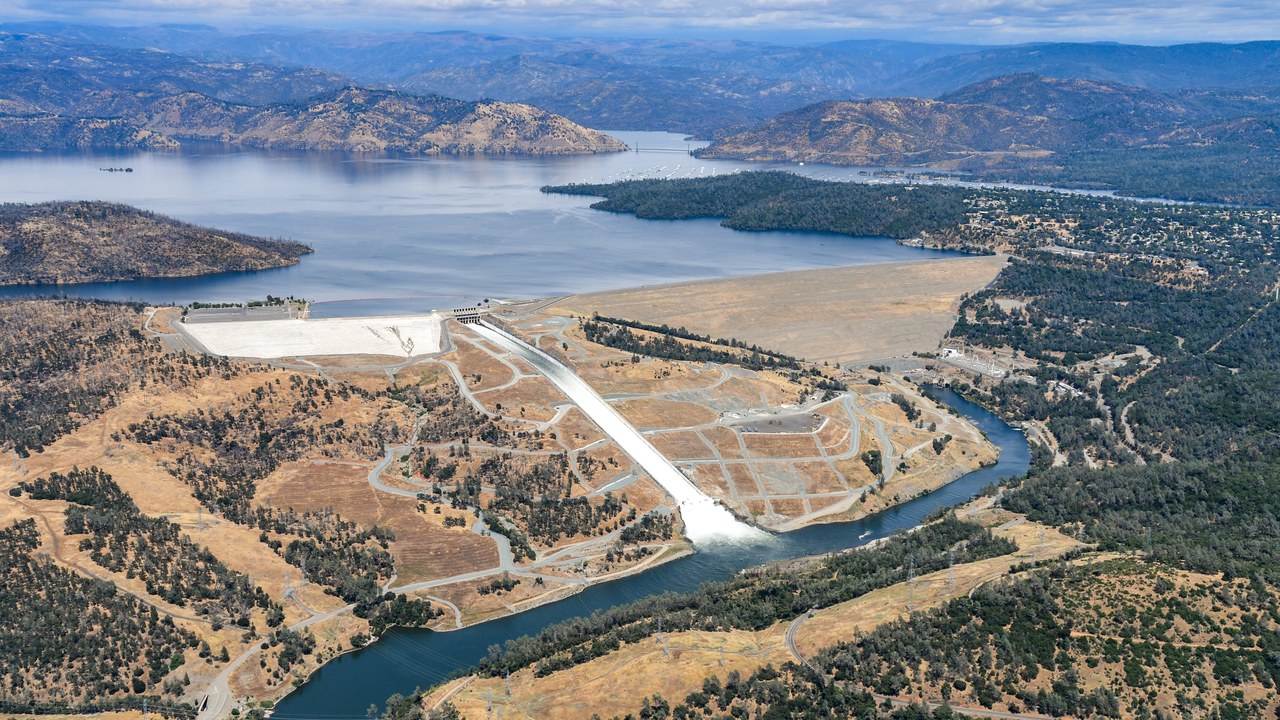
At 770 feet high, Oroville Dam is the tallest dam in the U.S., an earthfill embankment on the Feather River in Northern California. It holds Lake Oroville, the state’s second-largest reservoir, and anchors the California State Water Project.
Water released from Oroville supplies San Joaquin Valley farms and Southern California cities, and the dam prevented more than $1.3 billion in flood damage between 1987 and 1999. In February 2017, its main and emergency spillways threatened to fail, forcing the evacuation of 188,000 people. The main spillway was rebuilt by November 2018 and tested in 2019.
Bonneville Dam: The Corps’ Columbia Gateway
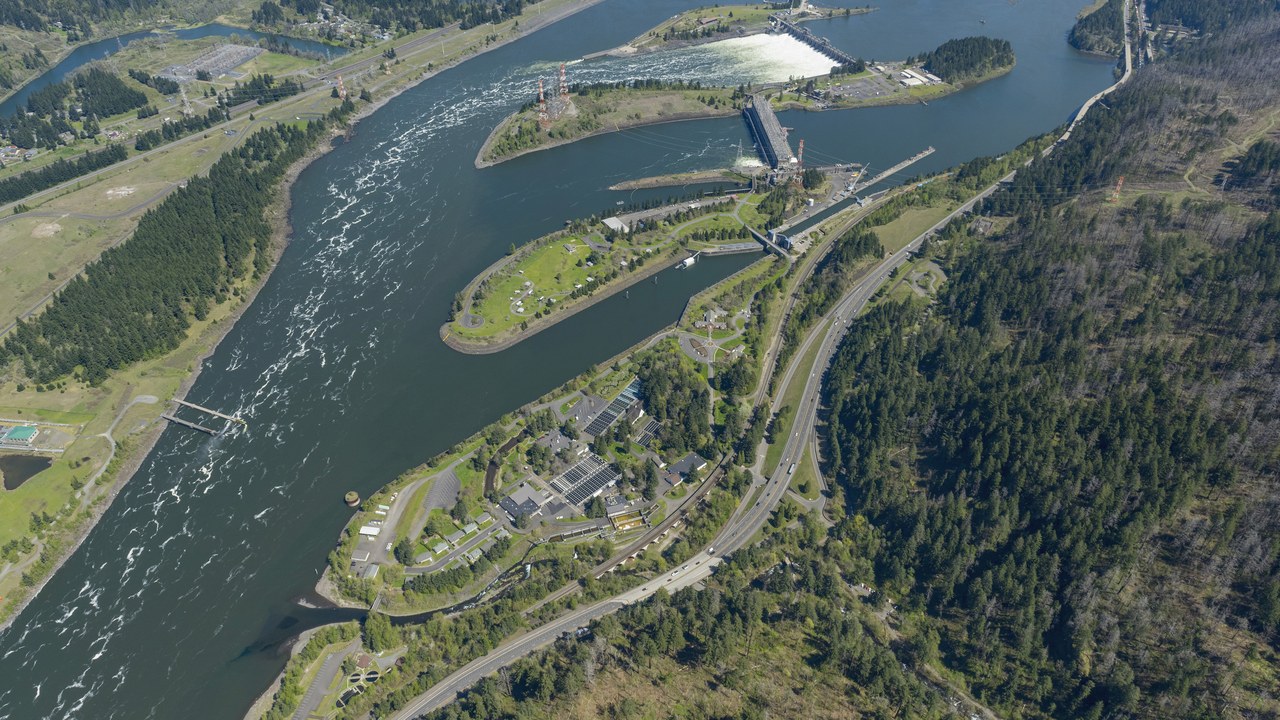
Bonneville Lock and Dam spans the Columbia River between Oregon and Washington, about 40 miles east of Portland in the Columbia River Gorge. Built by the Army Corps of Engineers, it exists mainly for electricity and river navigation.
When built in the 1930s, it was the nation’s largest water impoundment project of its type. Its original navigation lock, opened in 1938, was then the highest single-lift lock in the world, raising ships 60 feet. The reservoir behind it, Lake Bonneville, submerged both the river’s cascades and the old navigation lock that once bypassed them.
Shasta Dam: California’s Biggest Reservoir
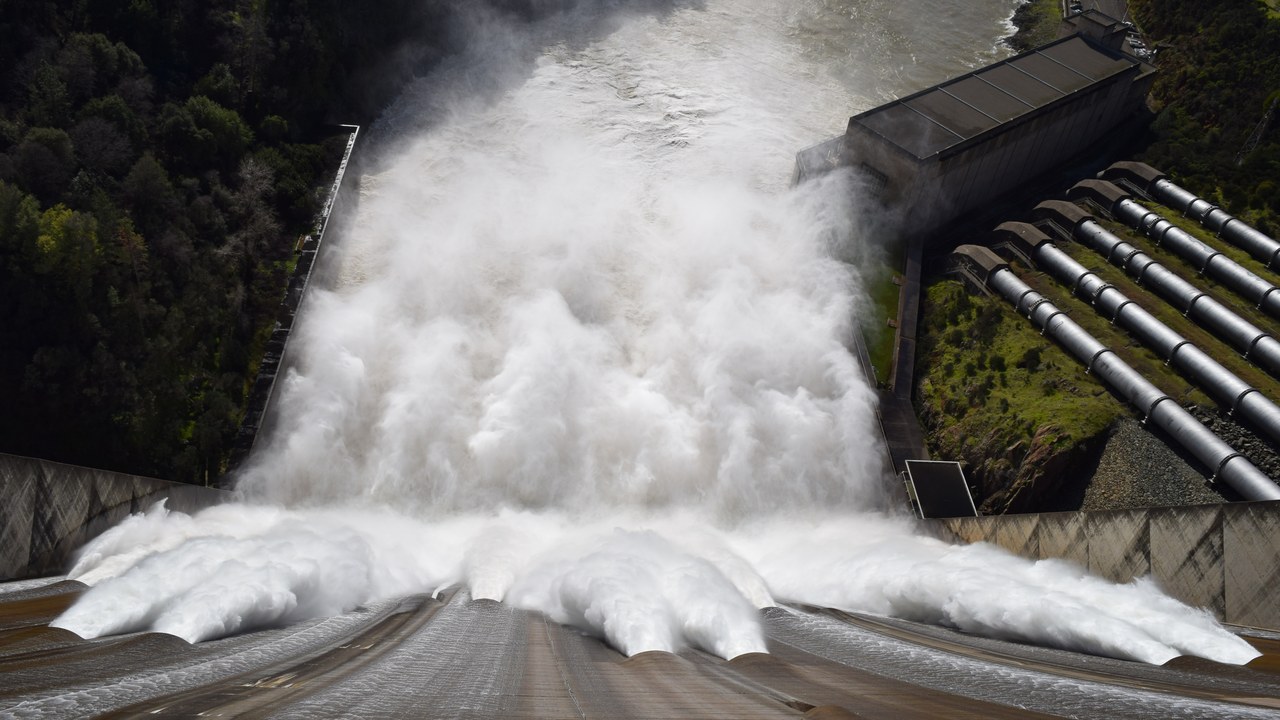
Shasta Dam is a 602-foot concrete arch-gravity dam on the Sacramento River, the eighth-tallest in the country. It creates Shasta Lake, California’s largest reservoir at about 4.5 million acre-feet, used for water storage, flood control and hydropower.
The project began as a state plan, but bonds failed to sell in the Depression and the federal Bureau of Reclamation took it over. Finished in 1945, 26 months ahead of schedule, it powered California war factories. It also flooded sacred tribal lands, and a proposal to raise the dam for more storage is opposed by tribes and fish advocates.
Fort Peck Dam: A Dam Nearly Four Miles Long
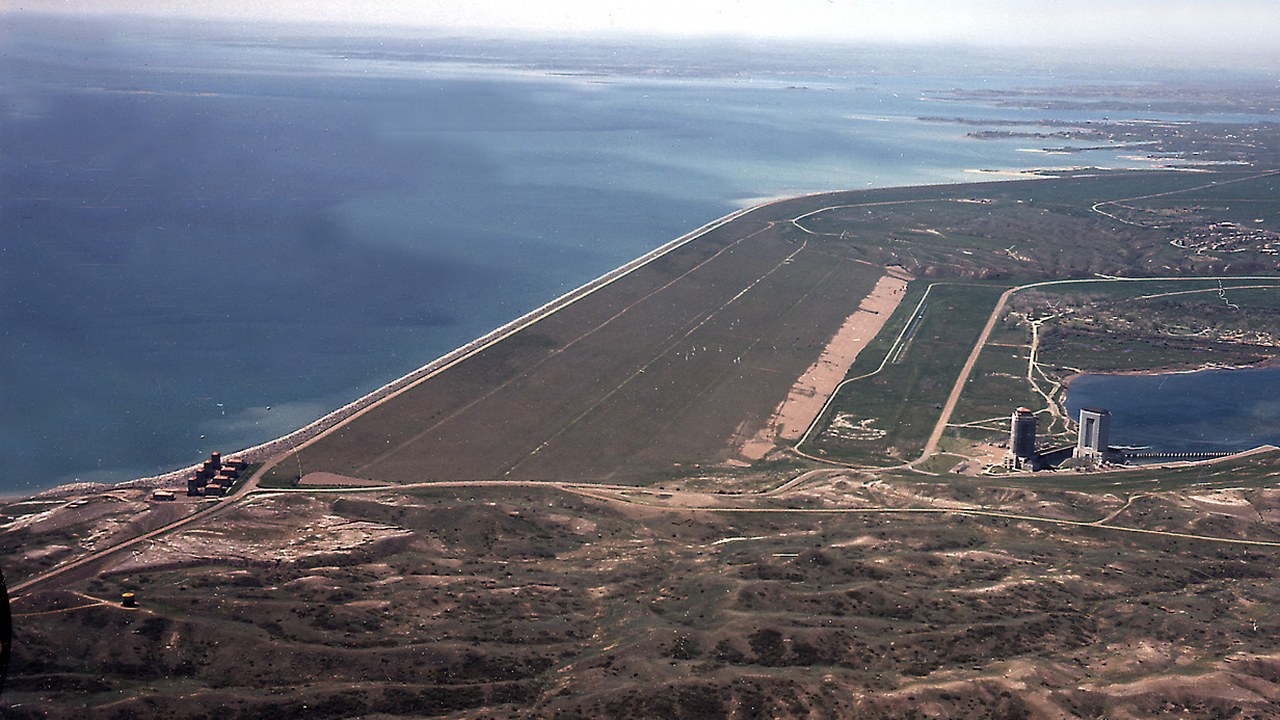
Fort Peck Dam is the highest of six major dams on the Missouri River, in northeast Montana. At 21,026 feet long and over 250 feet tall, it is the largest hydraulically filled dam in the United States.
Its reservoir, Fort Peck Lake, is the fifth-largest artificial lake in the country, more than 130 miles long with 1,520 miles of shoreline, longer than California’s coast. The lake hit a record low in February 2007, and during the 2011 Missouri River floods the dam released almost 66,000 cubic feet per second, nearly double its previous record.
Lake Mead: A Reservoir at Record Lows
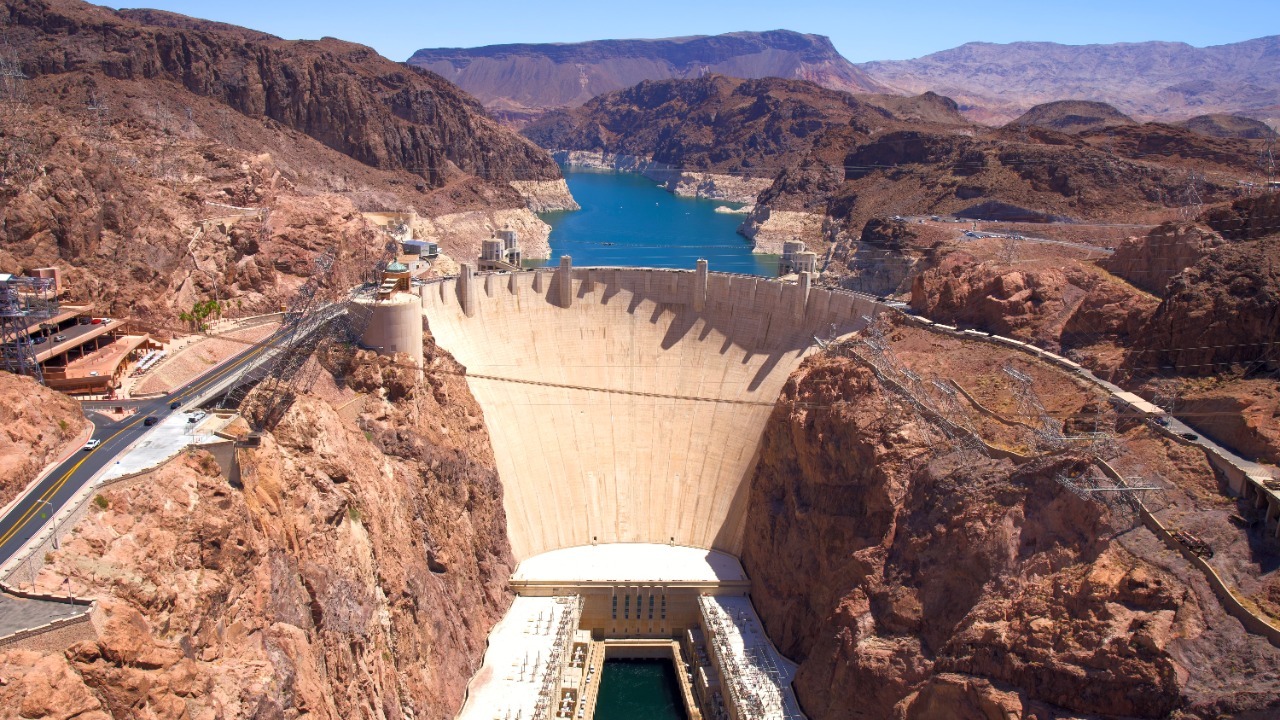
Lake Mead, formed by Hoover Dam, is the largest reservoir in the U.S. by water capacity, supplying Arizona, California, Nevada and parts of Mexico and serving nearly 20 million people. Full, it would hold 28.23 million acre-feet across 247 square miles.
It has not been full since 1983 because of drought and rising demand. Conservation measures raised it 16 feet by December 2024, but on August 7, 2026, it fell to its lowest level since it first filled, and it stood at an elevation of only 1,037.16 feet as of October 22, 2026.
Lake Powell: Losing Space to Sediment
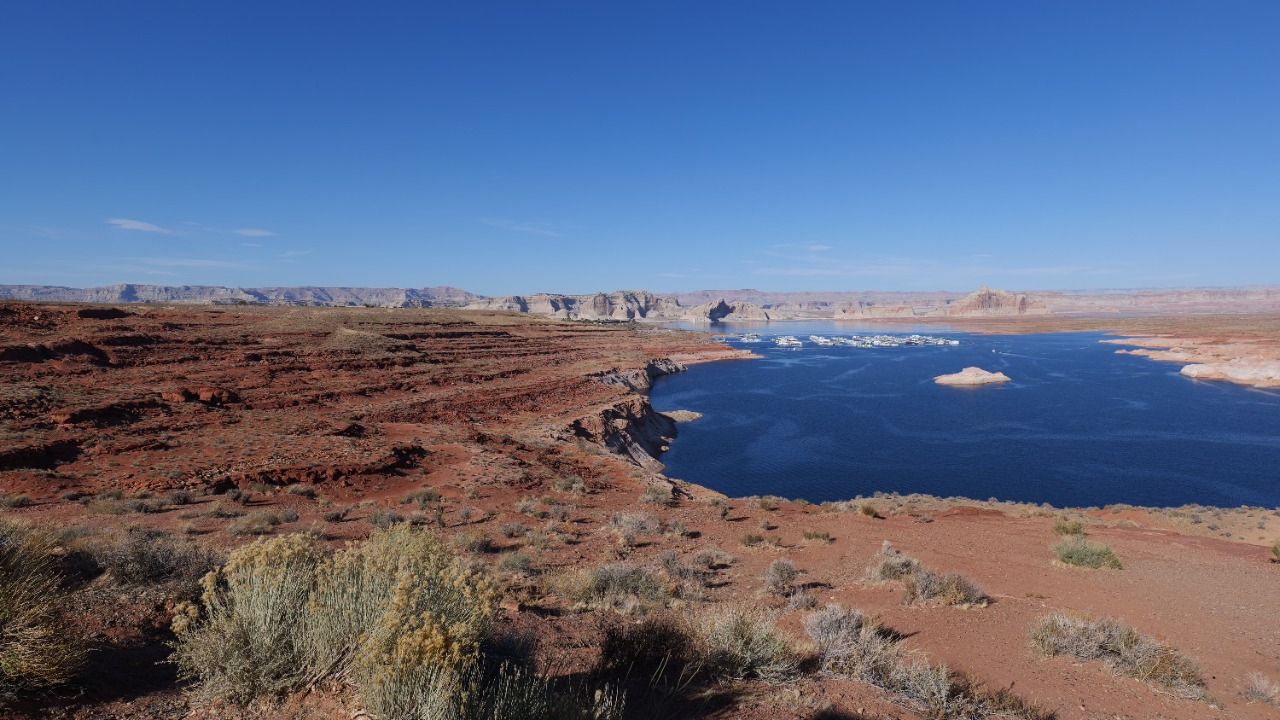
Upstream, Lake Powell holds 24,322,000 acre-feet when full, second only to Lake Mead, though Mead has dropped below Powell several times this century. It serves as the storage tank the Upper Basin states use to meet their Colorado River Compact obligations to the Lower Basin.
Under the compact, Colorado, Utah, Wyoming and New Mexico must deliver at least 7.5 million acre-feet a year downstream. Powell is also slowly filling with silt: federal researchers found it lost an average of about 33,270 acre-feet of storage, roughly 11 billion gallons, each year between 1963 and 2018.
Bureau of Reclamation: The Agency Behind the Dams
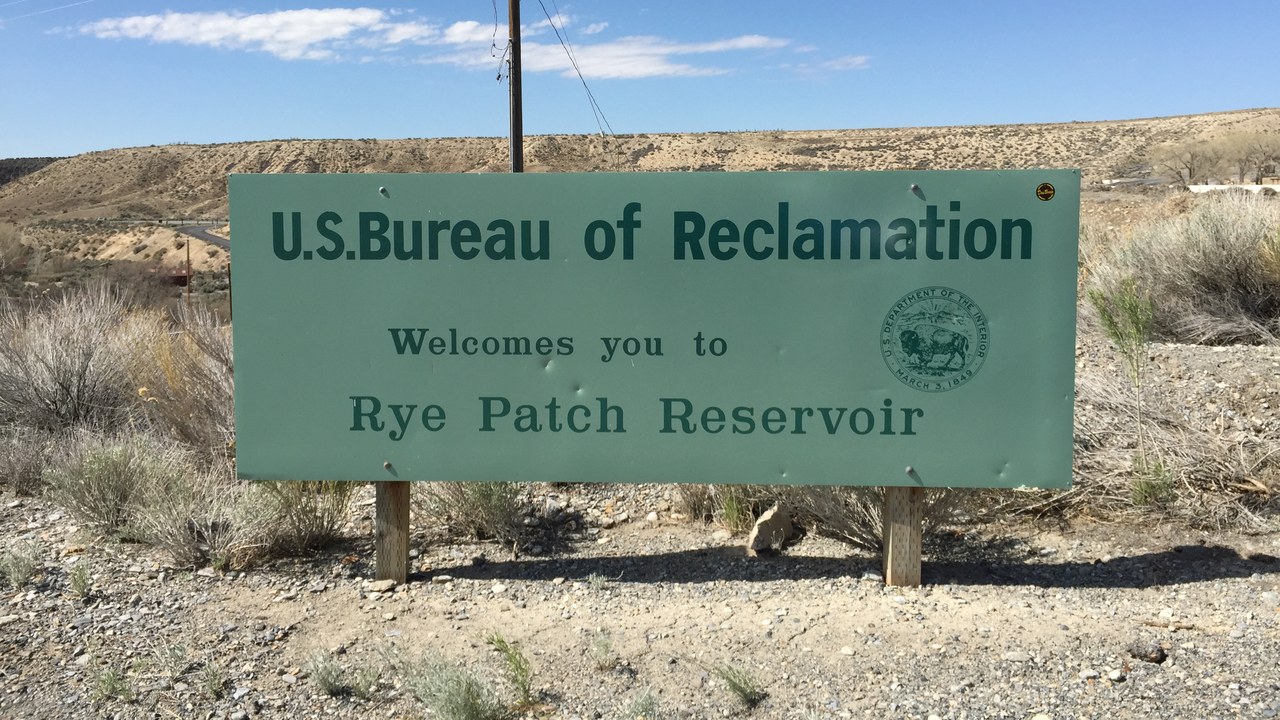
The Bureau of Reclamation is a federal agency that oversees water projects it built across the western United States, including diversion, delivery and storage for irrigation, water supply and hydropower. It is the country’s largest wholesaler of water.
The bureau delivers water to more than 31 million people and irrigation water to one in five Western farmers, covering 10 million acres of farmland. It began on June 17, 1902, as the Reclamation Service inside the U.S. Geological Survey, funded at first by federal land sales. Its projects include Grand Coulee, Glen Canyon, Shasta and Hungry Horse.
Chief Joseph Dam: The Second-Biggest Power Producer
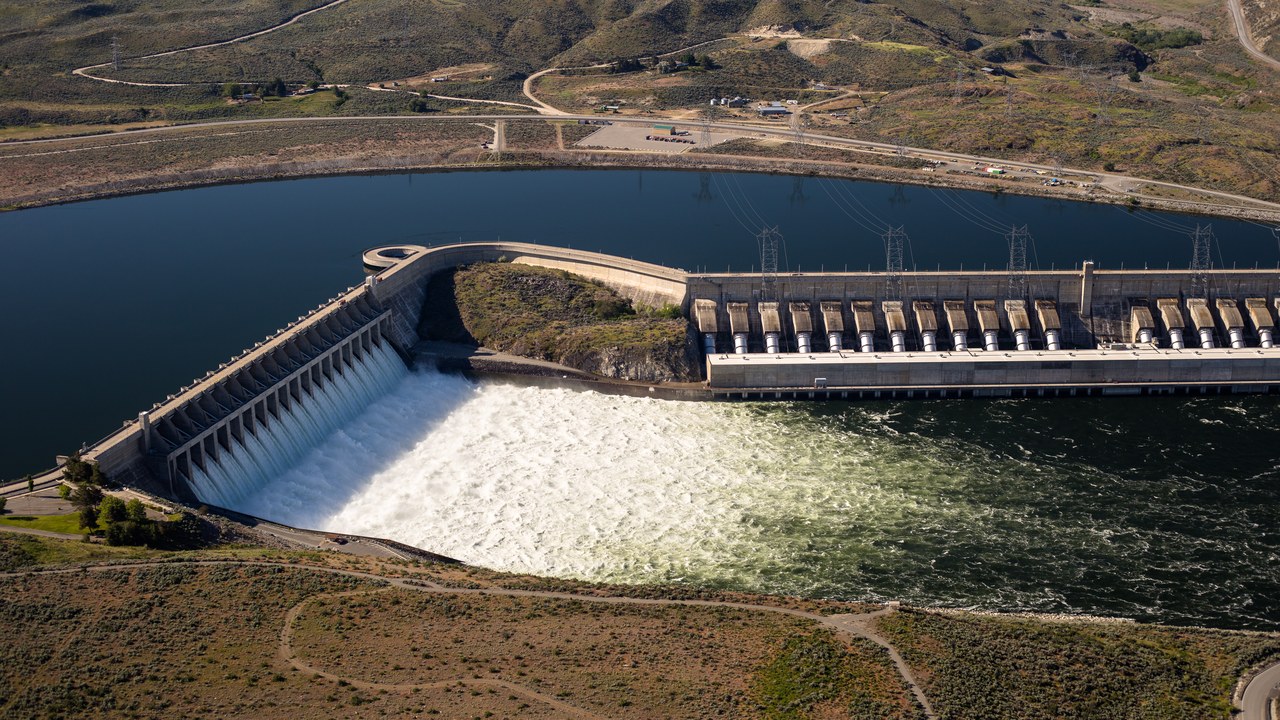
Chief Joseph Dam is a concrete gravity dam on the Columbia River near Bridgeport, Washington, about 545 miles upriver from the Columbia’s mouth. It is run by the Army Corps of Engineers, and its power is sold by the Bonneville Power Administration.
Built from 1950 to 1955 and expanded with ten more turbines in the 1970s, it reached 2,620 megawatts, making it the second-largest hydroelectric producer in the country. Like the dams immediately above and below it, it has no fish ladder, and it is named for the Nez Perce chief who spent his last years in exile nearby.
Hungry Horse Dam: A Spillway Shaped Like a Drain
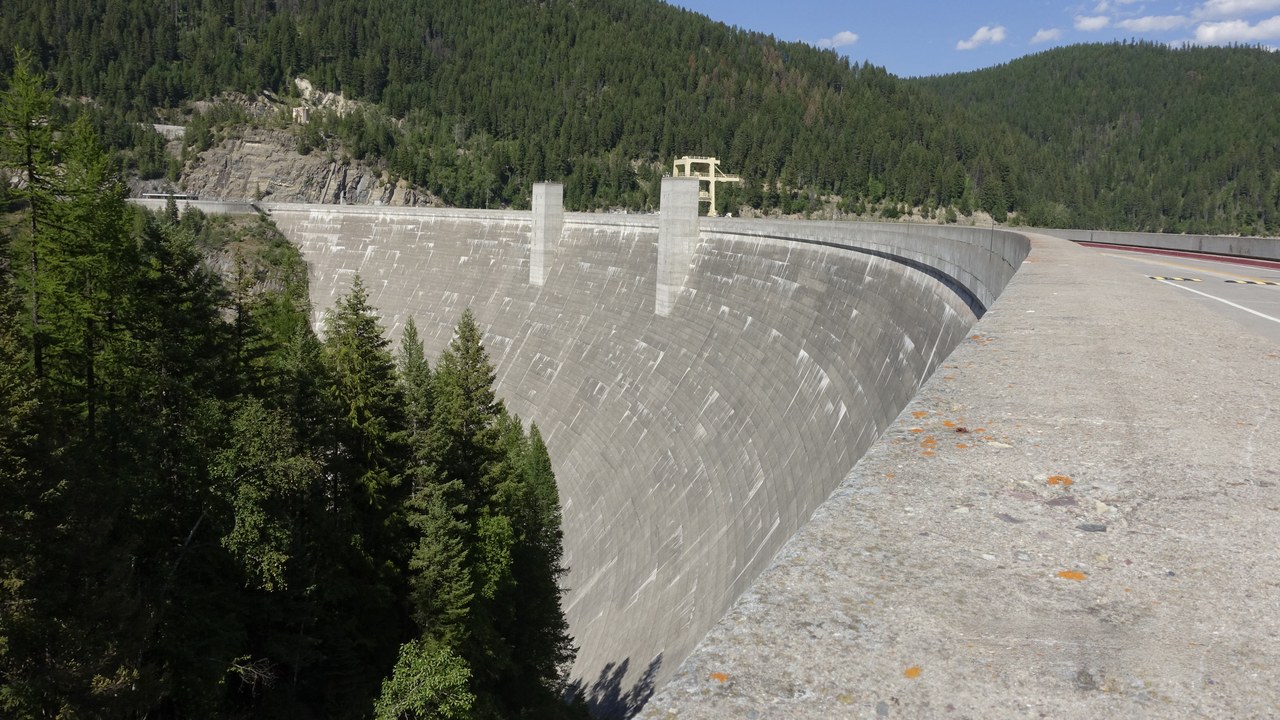
Hungry Horse Dam is an arch dam on the South Fork Flathead River in northwest Montana, about 15 miles from Glacier National Park’s west entrance. Operated by the Bureau of Reclamation, it is used mainly for hydropower and flood control.
At 564 feet, it was the second-highest concrete dam in the world when completed in 1953. Its most unusual feature is its spillway, the highest morning glory structure in the world: a circular overflow intake controlled by a 64-by-12-foot ring gate.
More from Morning Overview
- Zero Motorcycles unveiled an electric motorcycle targeted at under $8K and a street-legal dirt bike at EICMA
- New FCC rules on how people can stop robocalls and texts take effect Nov. 25
- Neanderthals in Spain carved a wooden object that matches nothing archaeologists have ever found
- The FAA wants $2.39 million from a flight school it says flew a Cessna about 280 times with an unapproved part
