
World War II proved that the ship carrying the airplanes mattered more than the ship carrying the biggest guns. Carriers fought battles in which the opposing fleets never saw each other, and a single strike could decide a campaign. Here are 17 World War II aircraft carriers that fought for the seas, from the Big E to Japan’s Zuikaku.
Read next on Morning Overview: A $1 billion gas plant planned for Superior, Wisconsin, has been abandoned
1. USS Enterprise (CV-6): The Big E
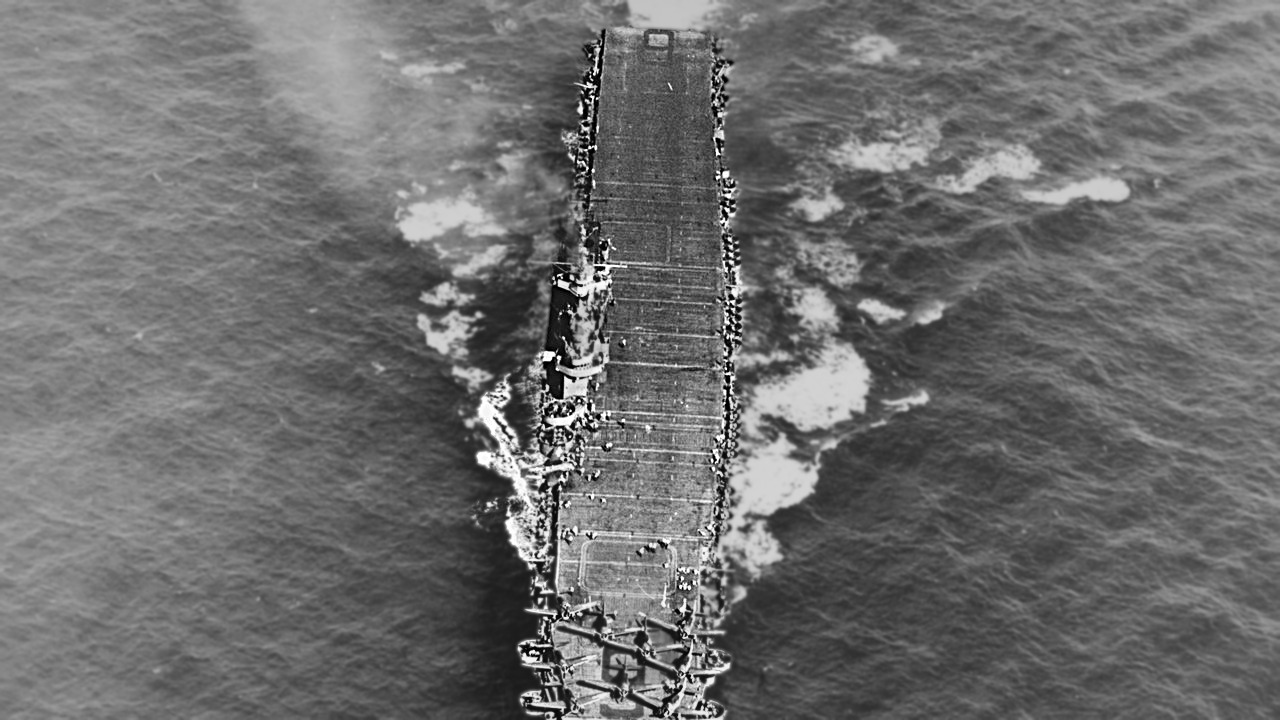
Nicknamed the Big E, USS Enterprise was the only Yorktown-class carrier to survive World War II, according to its Wikipedia entry. Launched in 1936, she took part in more major actions against Japan than any other U.S. ship.
That record earned her 20 battle stars, the most of any American warship in the war. Her air groups fought at Midway, around Guadalcanal and in the great carrier battles of 1944, and she came home after surviving repeated bomb and kamikaze hits.
2. USS Yorktown (CV-5): The Carrier Lost After Midway
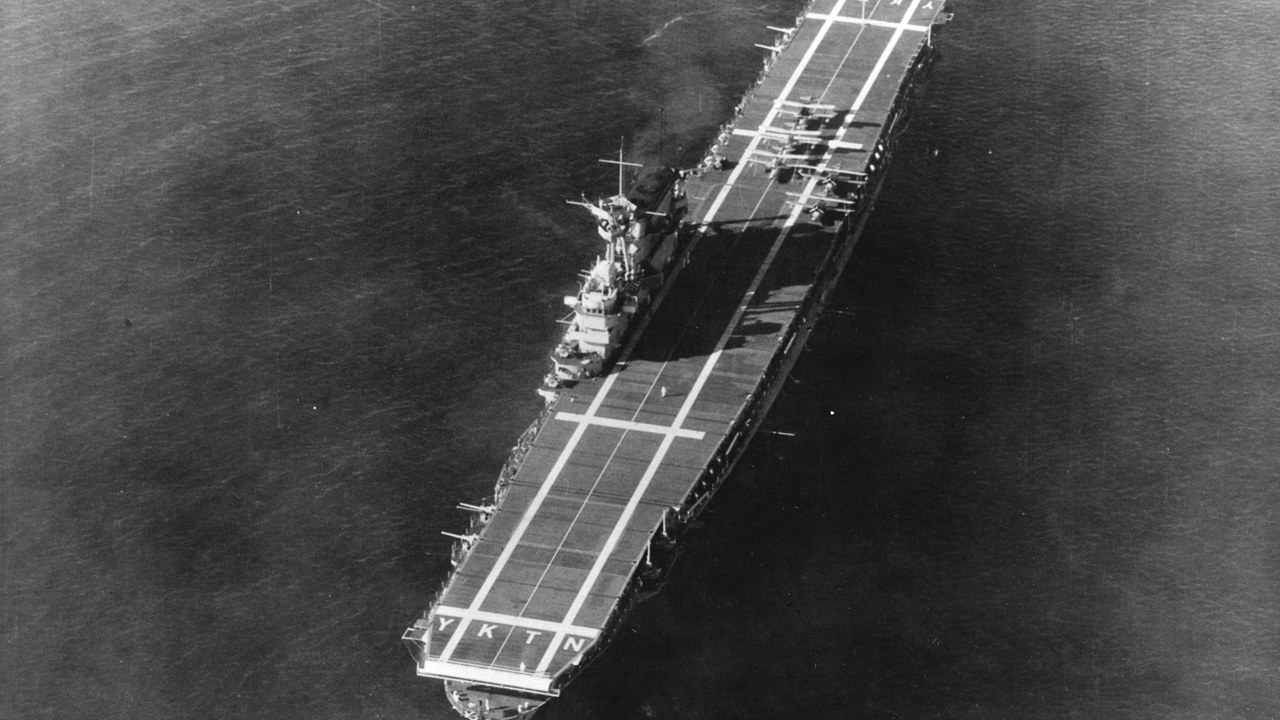
Commissioned in 1937, USS Yorktown was the lead ship of the three-ship Yorktown class, as its Wikipedia history records. These large vessels were among the first American carriers designed as carriers from the start.
Yorktown was badly damaged at the Battle of the Coral Sea, rushed back into action and then hit again at Midway in June 1942. She sank after the battle. Her wreck was found deep in the Pacific on May 19, 1998.
3. USS Hornet (CV-8): The Ship That Launched the Doolittle Raid
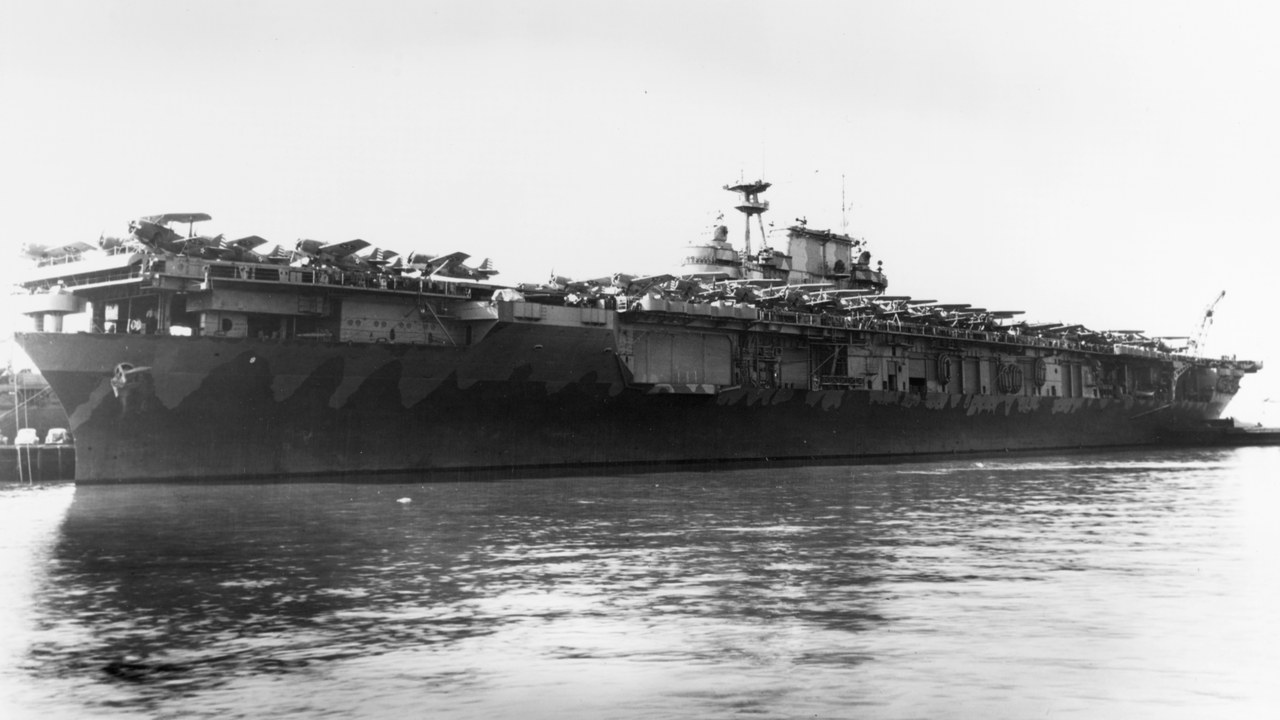
USS Hornet was commissioned a month before the attack on Pearl Harbor, according to its Wikipedia entry. In April 1942 she carried Army B-25 bombers across the Pacific and launched the Doolittle Raid on Tokyo.
The raid did little physical damage but lifted American morale and shook Japan’s leaders. Hornet also fought at Midway that June. She was sunk in the Battle of the Santa Cruz Islands in October 1942, barely a year after joining the fleet.
4. USS Lexington (CV-2): Lady Lex
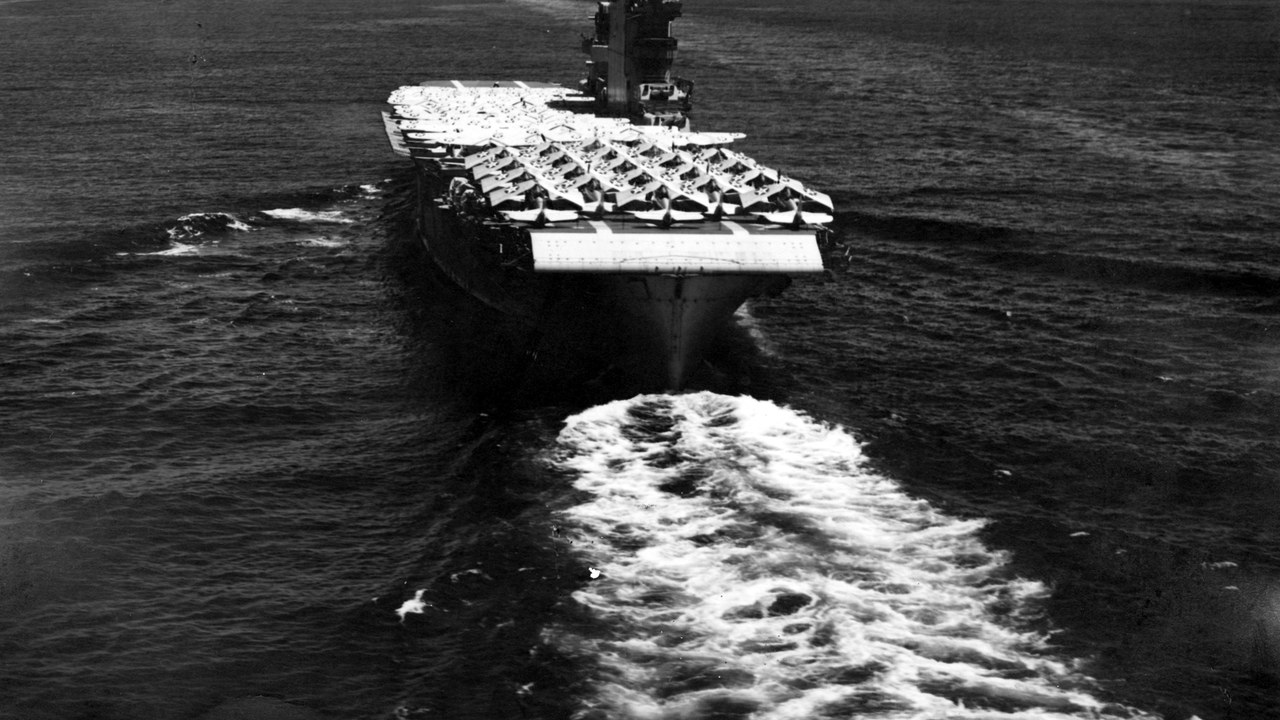
USS Lexington, nicknamed Lady Lex, was laid down as a battlecruiser and converted into one of the Navy’s first aircraft carriers under the 1922 Washington Naval Treaty, its Wikipedia entry explains. She entered service in 1928.
Her huge battlecruiser hull made her one of the largest carriers of her day and a training ground for the Navy’s early carrier tactics. Lexington was lost at the Battle of the Coral Sea in May 1942, the first big carrier clash in history.
5. USS Saratoga (CV-3): Sister Sara
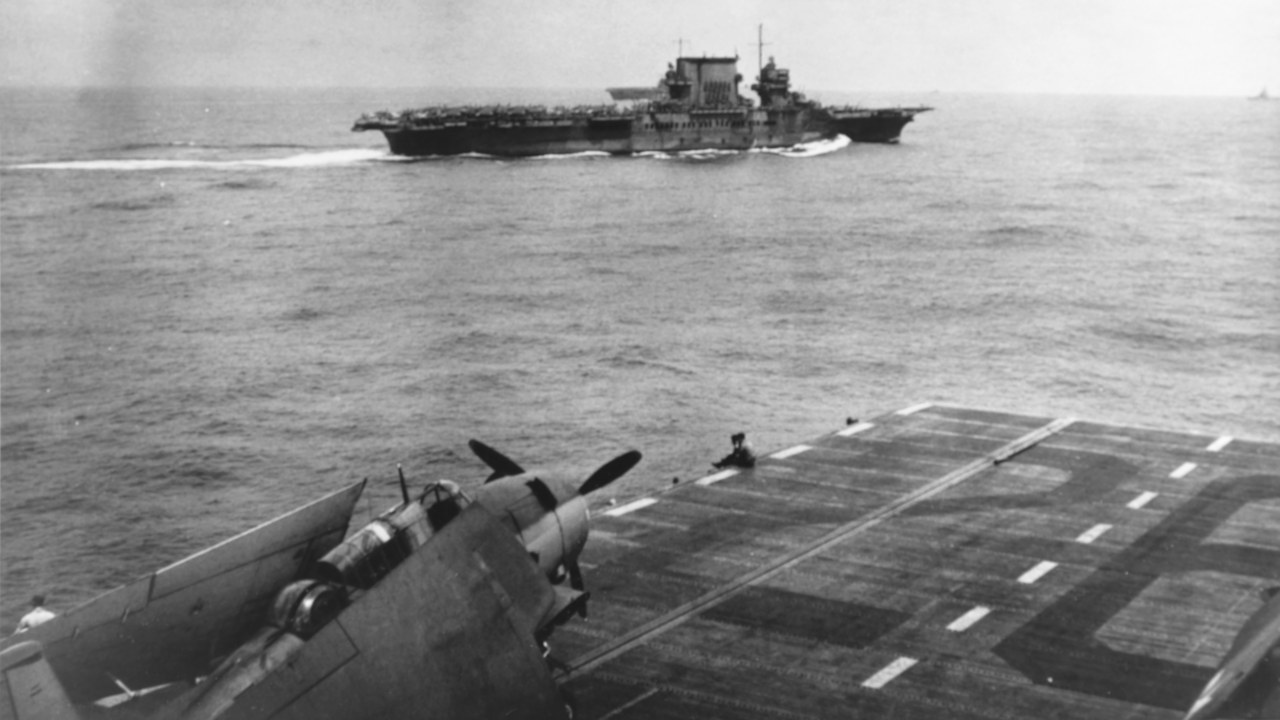
USS Saratoga, Lexington’s sister ship, was also converted from a battlecruiser hull and entered service in 1928, according to its Wikipedia entry. Crews called her Sister Sara.
She was torpedoed twice and hit by kamikazes, yet she survived the entire war. In 1944 she joined the British carrier Illustrious for a strike on Sabang in the Dutch East Indies. After the war she ended her career as a target in the 1946 atomic bomb tests at Bikini Atoll.
6. USS Wasp (CV-7): The Small Carrier Built From Leftover Tonnage
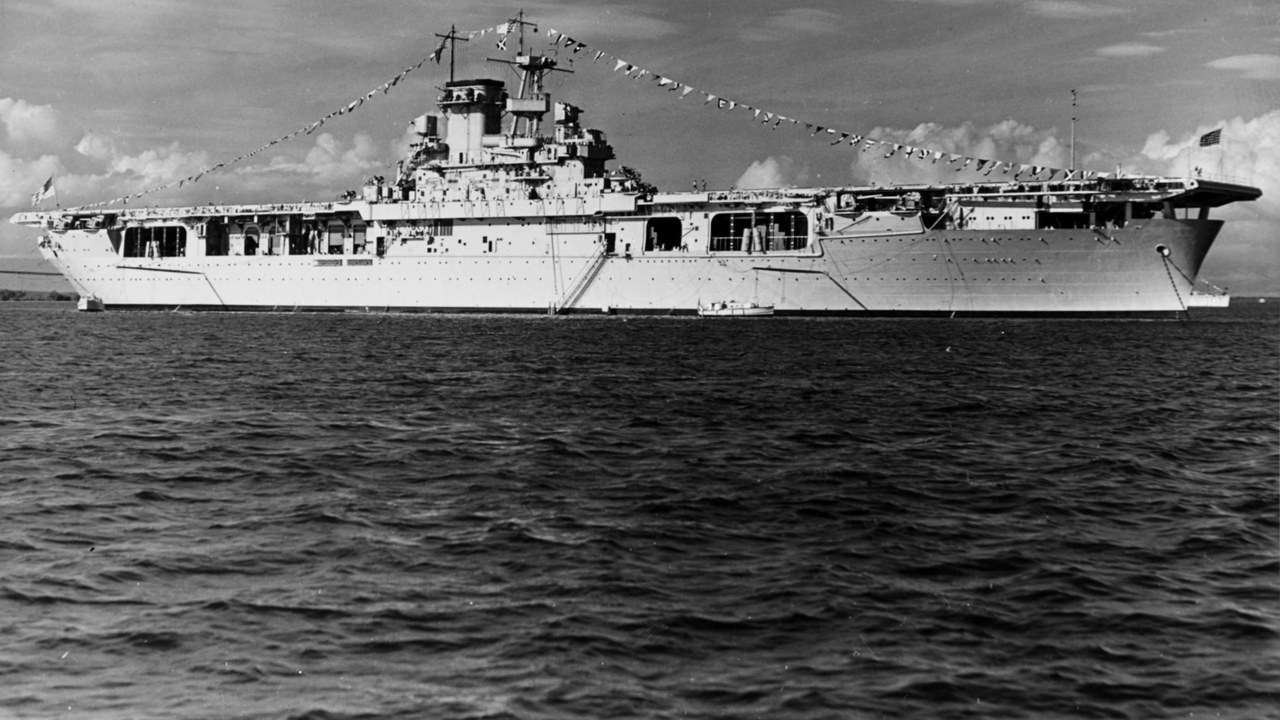
USS Wasp was a reduced-size version of the Yorktown design, built to use up the carrier tonnage that treaty limits still allowed, according to its Wikipedia entry. She was commissioned on April 25, 1940.
Wasp ferried fighter planes to besieged Malta before heading to the Pacific to support the Guadalcanal landings. On Sept. 15, 1942, the Japanese submarine I-19 hit her with torpedoes, and the burning carrier was scuttled the same day.
7. USS Essex (CV-9): The Lead Ship of the Essex Class
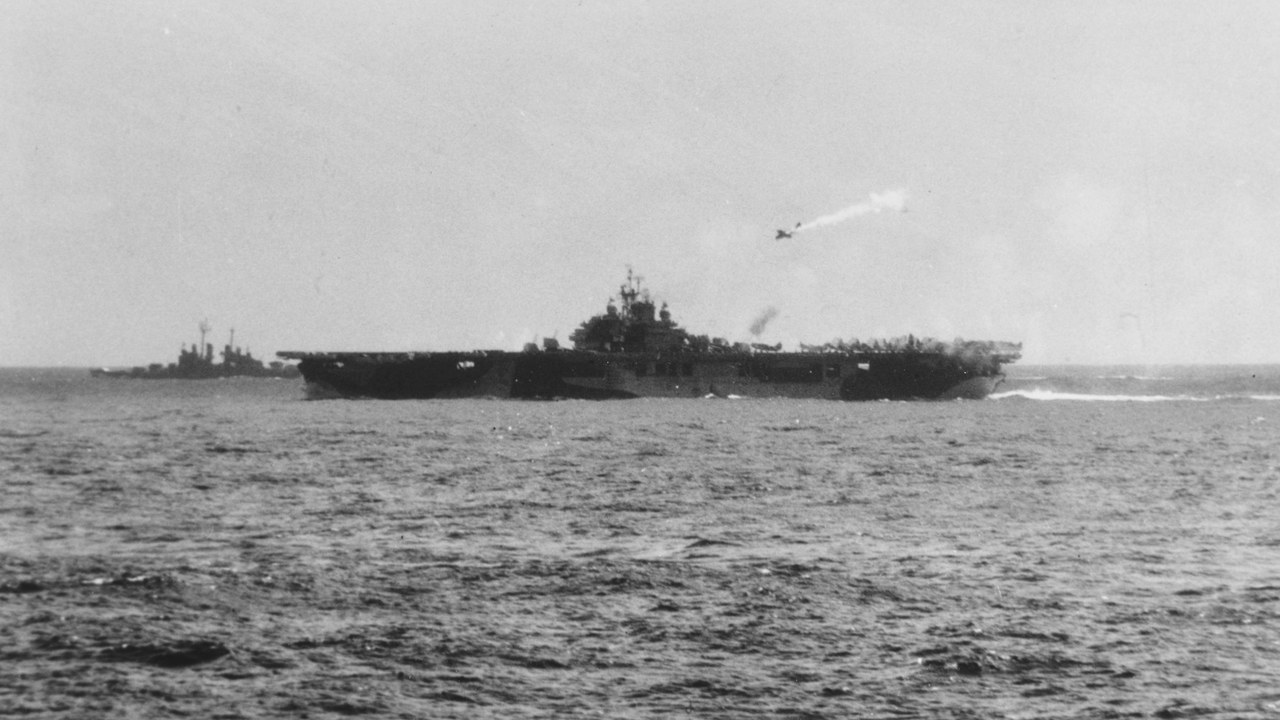
USS Essex was the lead ship of the 24-ship Essex class, the backbone of the Navy’s carrier fleet by the end of the war, as its Wikipedia entry notes. She was commissioned in December 1942.
Essex fought across the Pacific and earned the Presidential Unit Citation and 13 battle stars. She was decommissioned shortly after the war, then modernized and recommissioned in the early 1950s for service during the Korean War.
8. USS Intrepid (CV-11): The Fighting I

USS Intrepid, known as the Fighting I, was an Essex-class carrier commissioned in August 1943, according to its Wikipedia entry. She fought in the Battle of Leyte Gulf in 1944.
Intrepid was hit by torpedoes and kamikazes during the war and returned to service each time. She later served through the Cold War and the space program, and today she is the Intrepid Museum on the Hudson River in New York City.
9. USS Yorktown (CV-10): The Fighting Lady
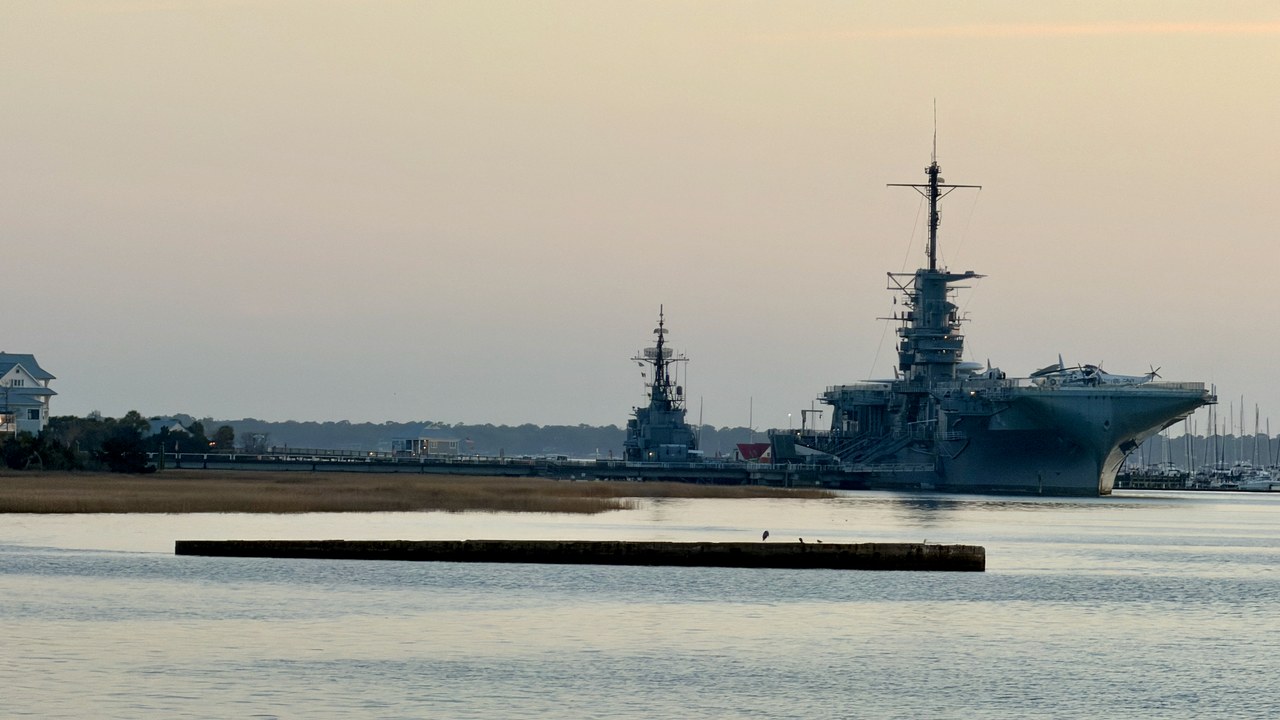
USS Yorktown was renamed during construction to honor the carrier lost at Midway, according to its Wikipedia history. Known as the Fighting Lady, she was commissioned in April 1943.
She is one of 24 Essex-class carriers built during World War II and fought across the central Pacific with the fast carrier task forces. Yorktown is now a museum ship at Patriots Point in Mount Pleasant, South Carolina, across the harbor from Charleston.
10. USS Hornet (CV-12): The Hornet That Brought Astronauts Home
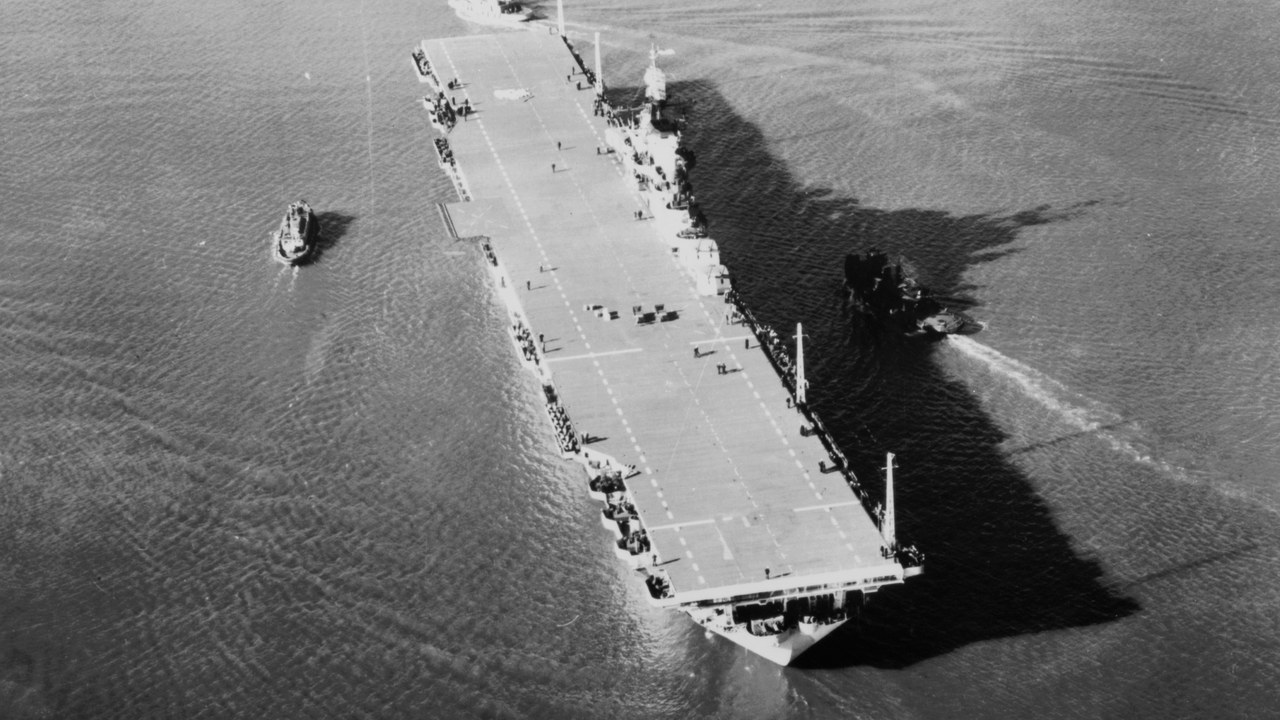
This USS Hornet was completed in late 1943 and assigned to the Fast Carrier Task Force, the Navy’s main offensive force in the Pacific, as its Wikipedia entry notes. She took the name of the Hornet lost at Santa Cruz.
Her fighting record in the final years of the war was long, but her most famous job came later. In 1969 she recovered the Apollo 11 and Apollo 12 crews after splashdown. She is now a museum in Alameda, California, on San Francisco Bay.
11. USS Franklin (CV-13): The Carrier That Would Not Sink
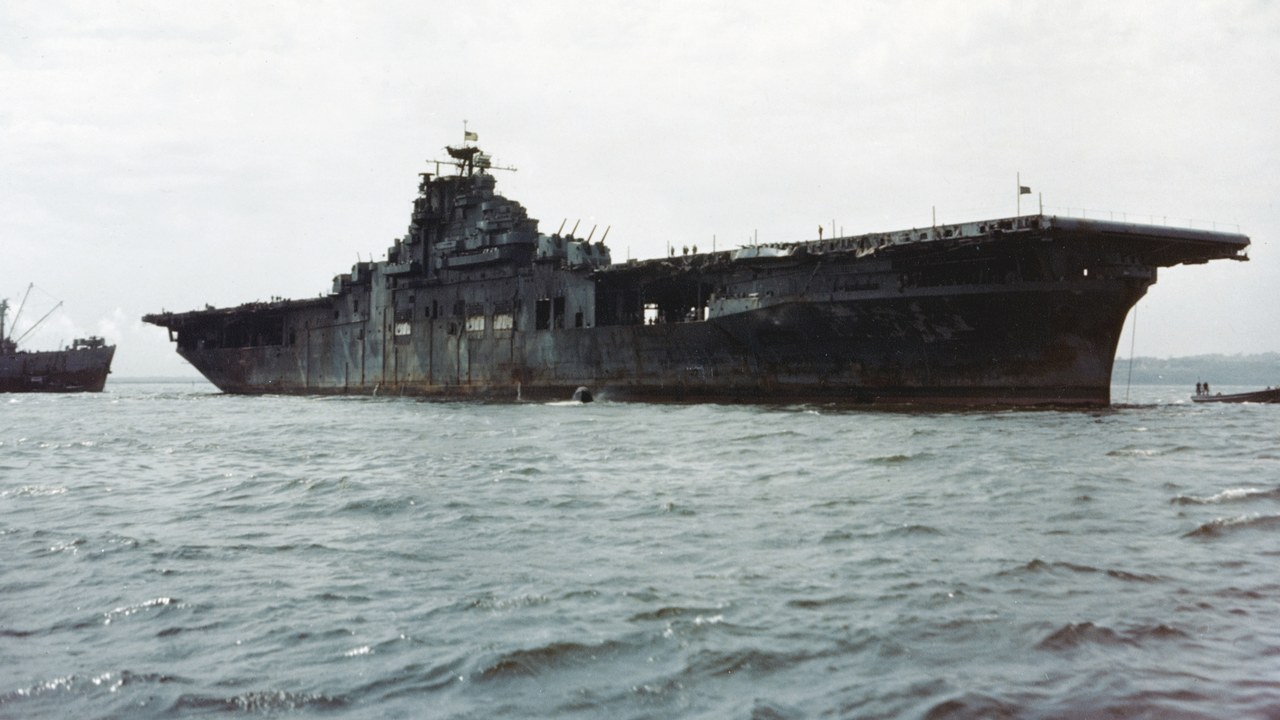
USS Franklin, nicknamed Big Ben, was badly damaged in March 1945 when a single Japanese dive bomber hit her with two bombs while she launched strikes on the Japanese mainland, according to its Wikipedia entry.
The bombs set off fuel and ammunition on her crowded flight deck, and more than 800 crew members were killed, according to the U.S. Navy Memorial. Survivors fought the fires for hours and saved the ship, which limped back to New York. She never returned to combat.
12. USS Lexington (CV-16): The Blue Ghost
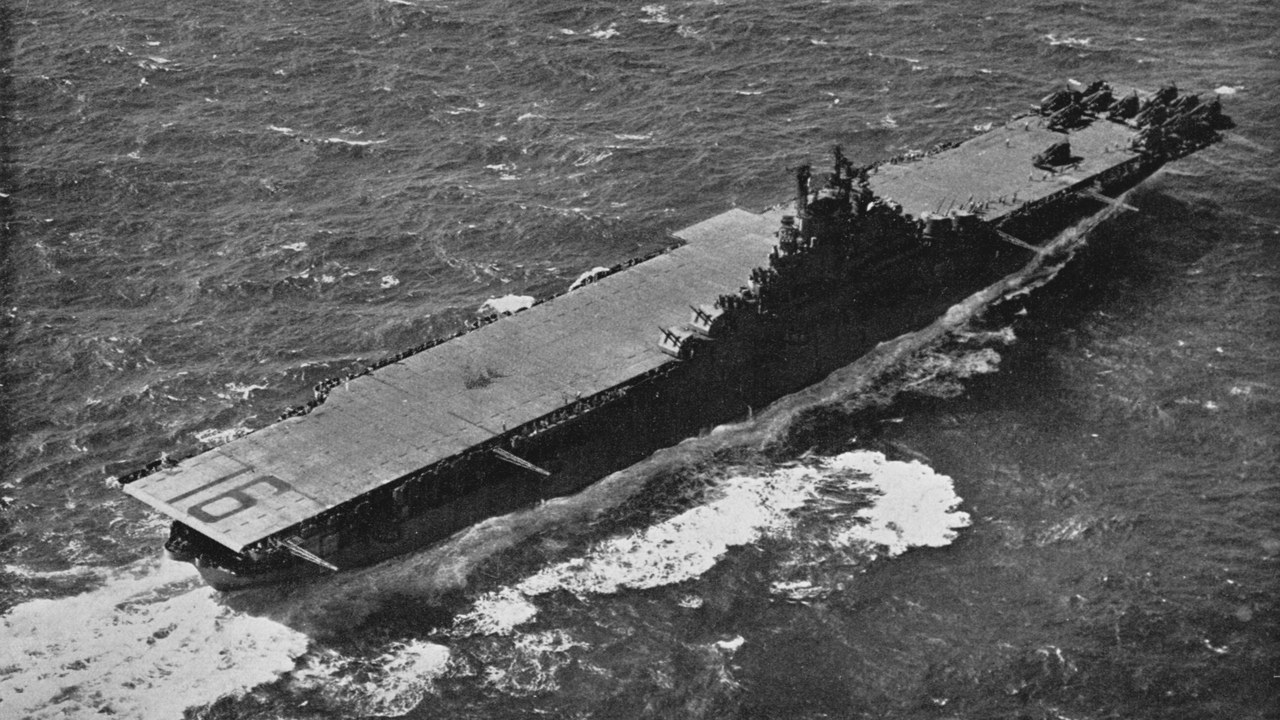
USS Lexington was renamed during construction to honor the lost Lexington (CV-2), its Wikipedia entry explains. Originally meant to be named Cabot, the Essex-class carrier was commissioned in February 1943.
Japanese propaganda reported her sunk more than once, which helped earn her the nickname Blue Ghost. She stayed in service until 1991, much of it as a training carrier, and is now a museum ship in Corpus Christi, Texas.
13. HMS Ark Royal: The Royal Navy’s Modern Ark
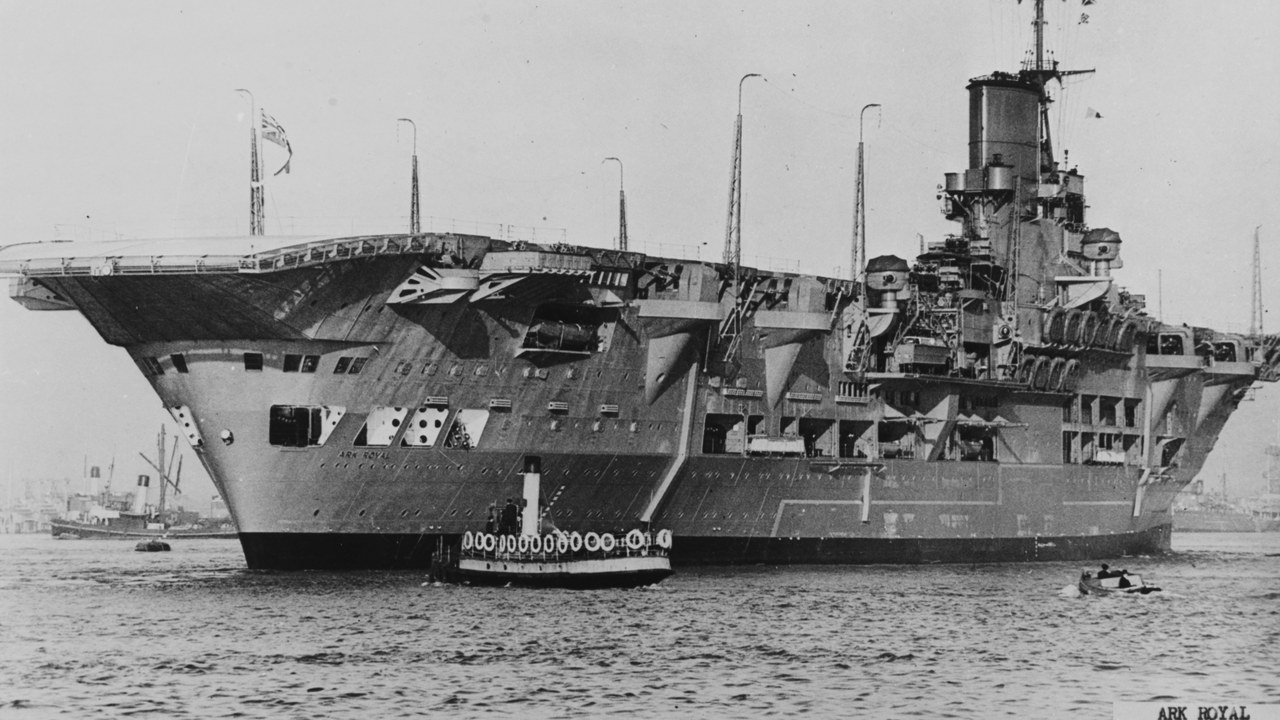
HMS Ark Royal was the first ship whose hangars and flight deck were an integral part of the hull, according to its Wikipedia entry. She was built by Cammell Laird at Birkenhead and completed in November 1938.
Her aircraft helped cripple the German battleship Bismarck in May 1941, setting it up for the British fleet to finish. A few months later, on Nov. 14, 1941, she was sunk by the German submarine U-81 near Gibraltar.
14. HMS Illustrious: The Carrier That Struck Taranto
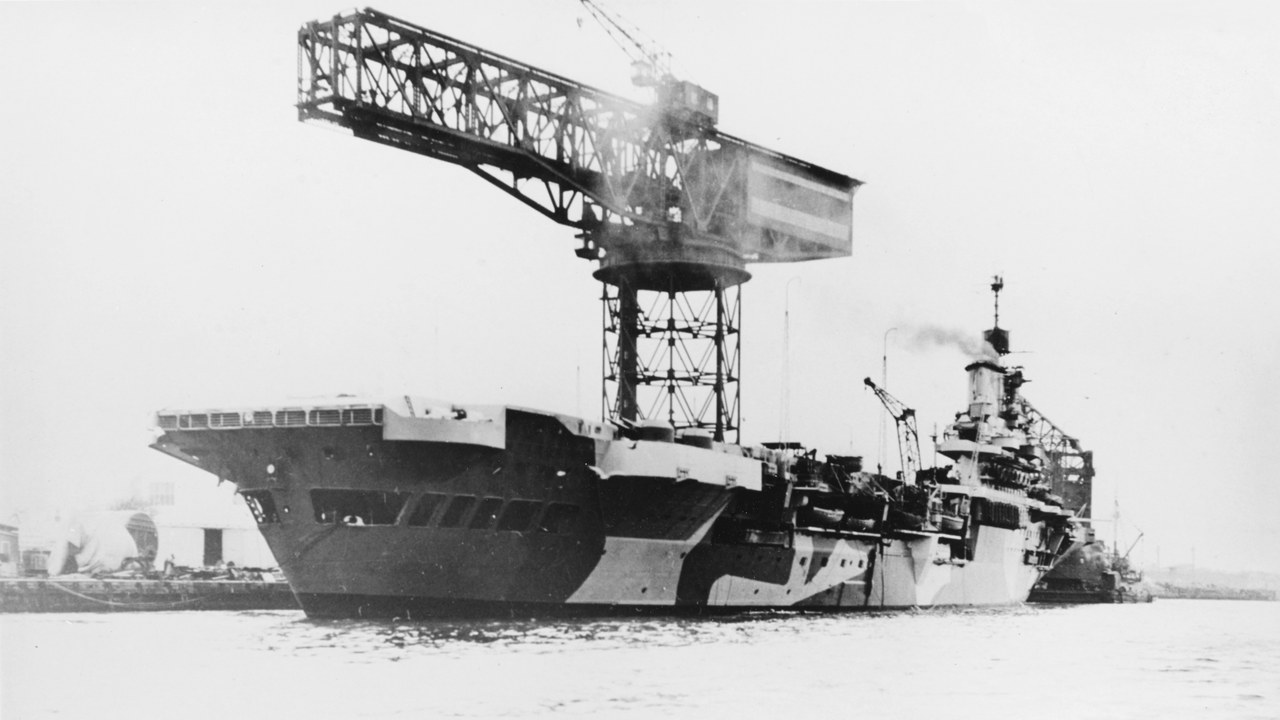
HMS Illustrious served with the British Mediterranean Fleet, and her aircraft sank one Italian battleship and badly damaged two others at the Battle of Taranto in late 1940, according to its Wikipedia entry.
That raid by slow biplane torpedo bombers showed how carrier aircraft could hit a fleet in harbor. In January 1941 German dive bombers hit Illustrious several times, but her armored flight deck helped her survive and she returned to fight later in the war.
15. Akagi: The Flagship at Pearl Harbor
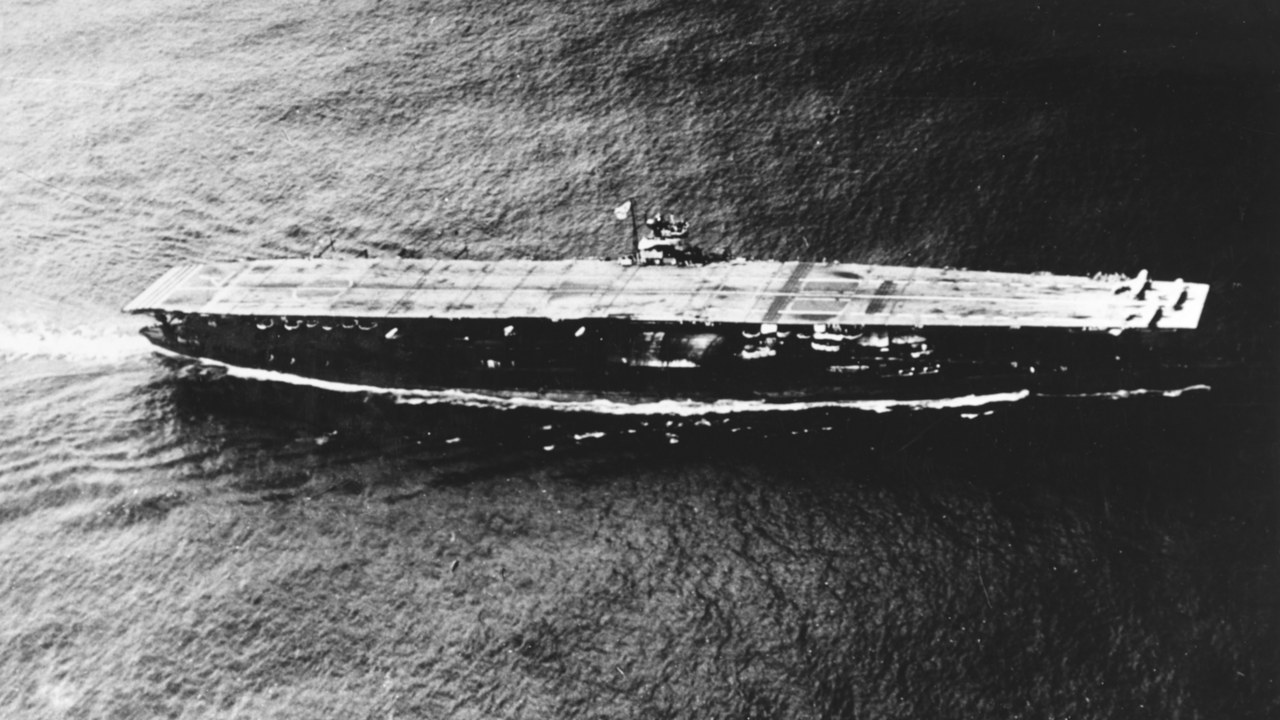
Akagi was laid down as an Amagi-class battlecruiser and converted into a carrier under the Washington Naval Treaty, its Wikipedia entry explains. She was rebuilt from 1935 to 1938 to merge her three flight decks into one.
Akagi served as the flagship of Japan’s carrier strike force at the attack on Pearl Harbor in December 1941. Six months later she was lost at the Battle of Midway, along with three other Japanese fleet carriers.
16. Kaga: The Battleship That Became a Carrier
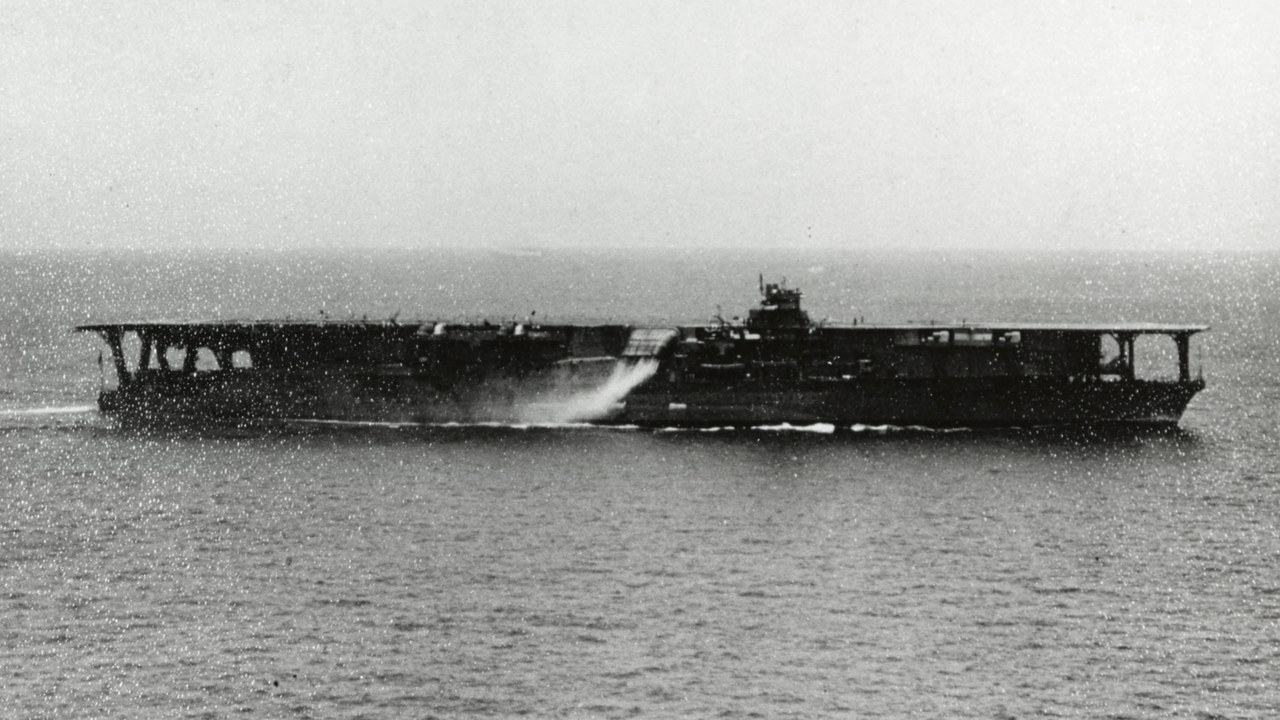
Kaga was originally meant to be a Tosa-class battleship, according to its Wikipedia entry. She was converted into a carrier to replace the battlecruiser Amagi, which the 1923 Great Kanto earthquake had wrecked.
Kaga was rebuilt from 1933 to 1935 to raise her speed and handle heavier aircraft. Her planes struck Pearl Harbor and supported Japan’s early advances, and she was sunk at the Battle of Midway in June 1942.
17. Zuikaku: The Auspicious Crane
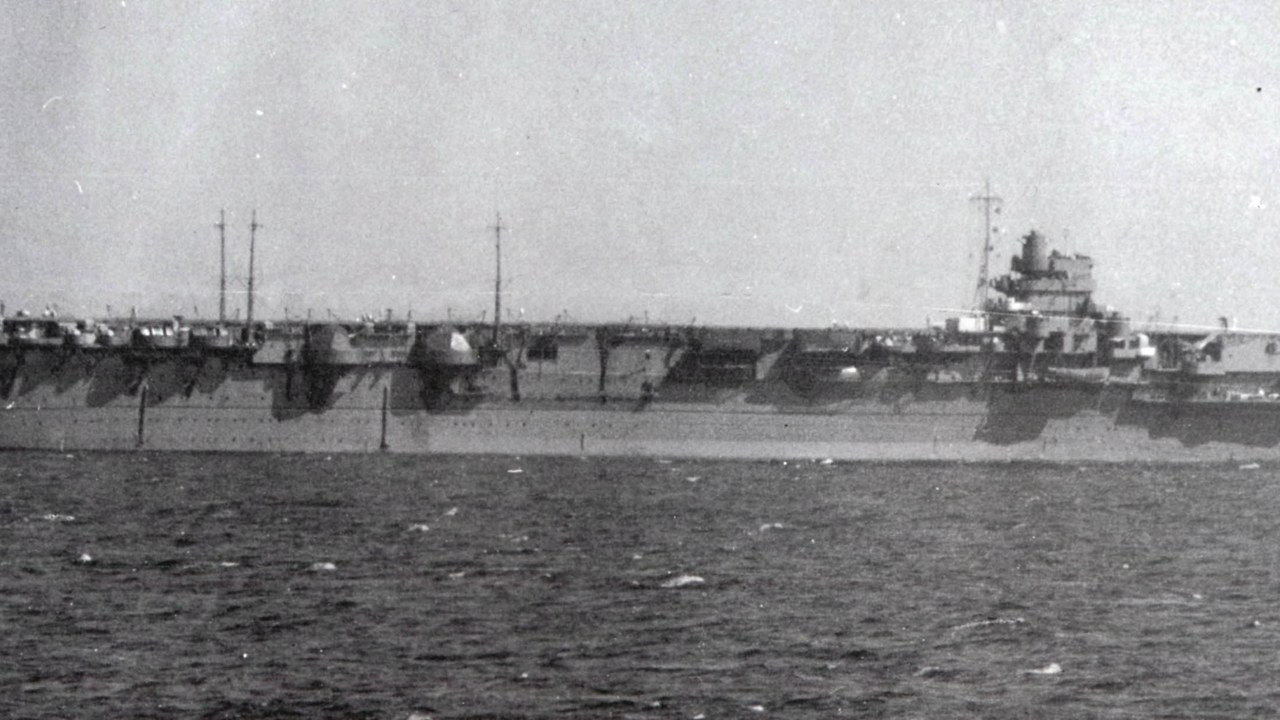
Zuikaku, whose name means Auspicious Crane, was the second and last Shokaku-class carrier and was commissioned in September 1941, according to its Wikipedia entry. Her aircraft struck Pearl Harbor that December.
She fought in most of the major carrier battles of the Pacific War and was the last surviving carrier of the Pearl Harbor attack force. She was sunk by American air attack in the Battle of Leyte Gulf on Oct. 25, 1944.
More from Morning Overview
- Zero Motorcycles unveiled an electric motorcycle targeted at under $8K and a street-legal dirt bike at EICMA
- New FCC rules on how people can stop robocalls and texts take effect Nov. 25
- Neanderthals in Spain carved a wooden object that matches nothing archaeologists have ever found
- The FAA wants $2.39 million from a flight school it says flew a Cessna about 280 times with an unapproved part
