
The largest dams on Earth turn the force of mighty rivers into electricity for tens of millions of people. Their concrete walls hold back reservoirs the size of small countries and power everything from cities to aluminum smelters. Here are ten colossal dams that harness the world’s mightiest rivers.
Read next on Morning Overview: Winter weather advisories cover I-80, I-70 and the Bighorns with up to 15 inches of snow
1. Three Gorges Dam: The World’s Largest Power Station
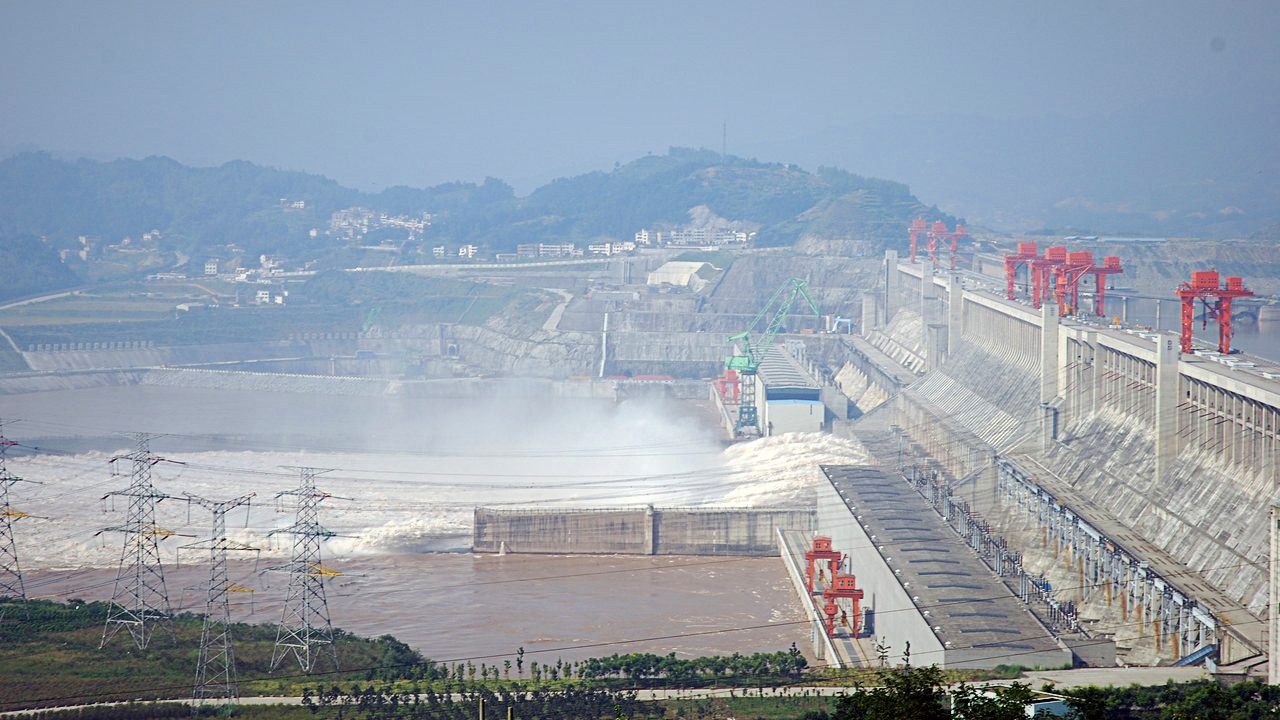
China’s Three Gorges Dam is the world’s largest power station by installed capacity at 22,500 megawatts, and it produced nearly 112 terawatt-hours after the 2020 monsoons, according to the Three Gorges Dam entry.
The dam spans the Yangtze River and took more than a decade to build. Its reservoir displaced more than a million people, and its huge size has drawn both praise for clean power and criticism for its environmental impact. A ship lift lets vessels bypass the dam.
2. Itaipu Dam: A Record for Total Energy
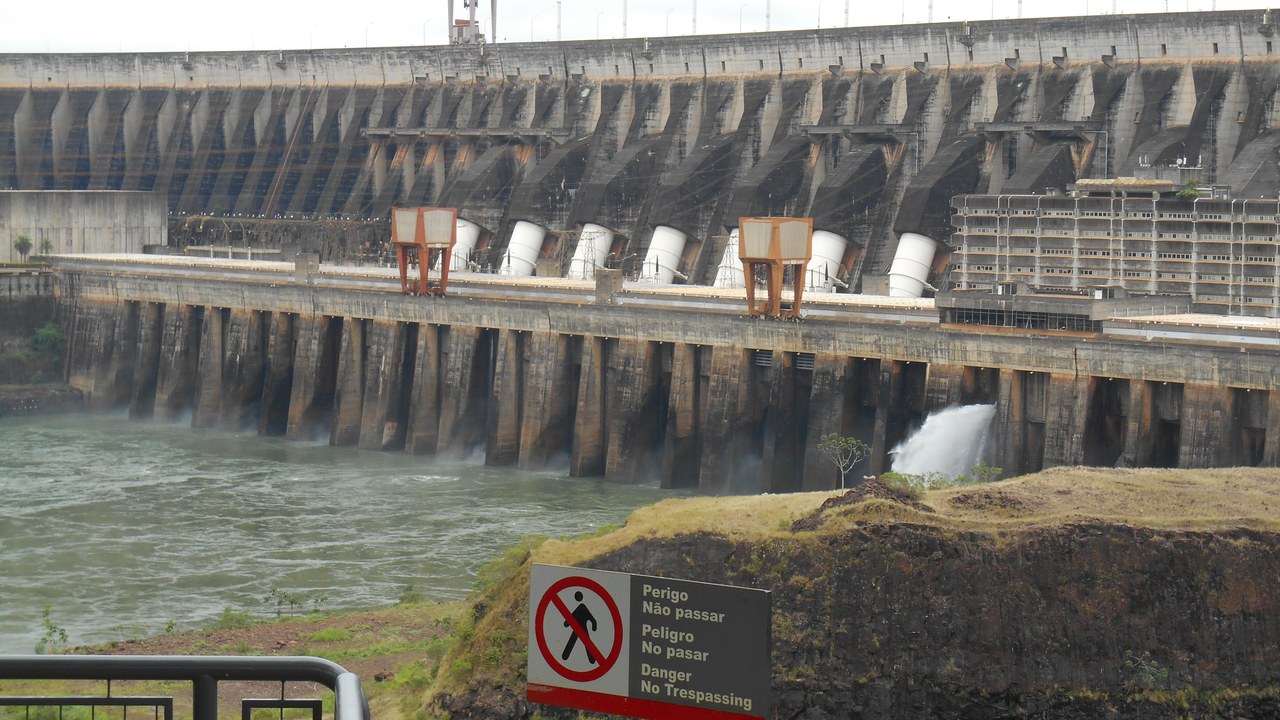
Itaipu’s 20 generating units of 700 megawatts each give it 14,000 megawatts, and it has generated more energy than any single plant in history, over 3.1 billion megawatt-hours, according to Itaipu Binacional.
The dam sits on the Paraná River on the border of Brazil and Paraguay, and the two countries share its output. It supplies a large share of Paraguay’s electricity and a significant portion of Brazil’s. Itaipu is often listed among the modern wonders of the world, and the power plant offers guided tours to thousands of visitors each year.
3. Belo Monte Dam: A Giant on the Xingu
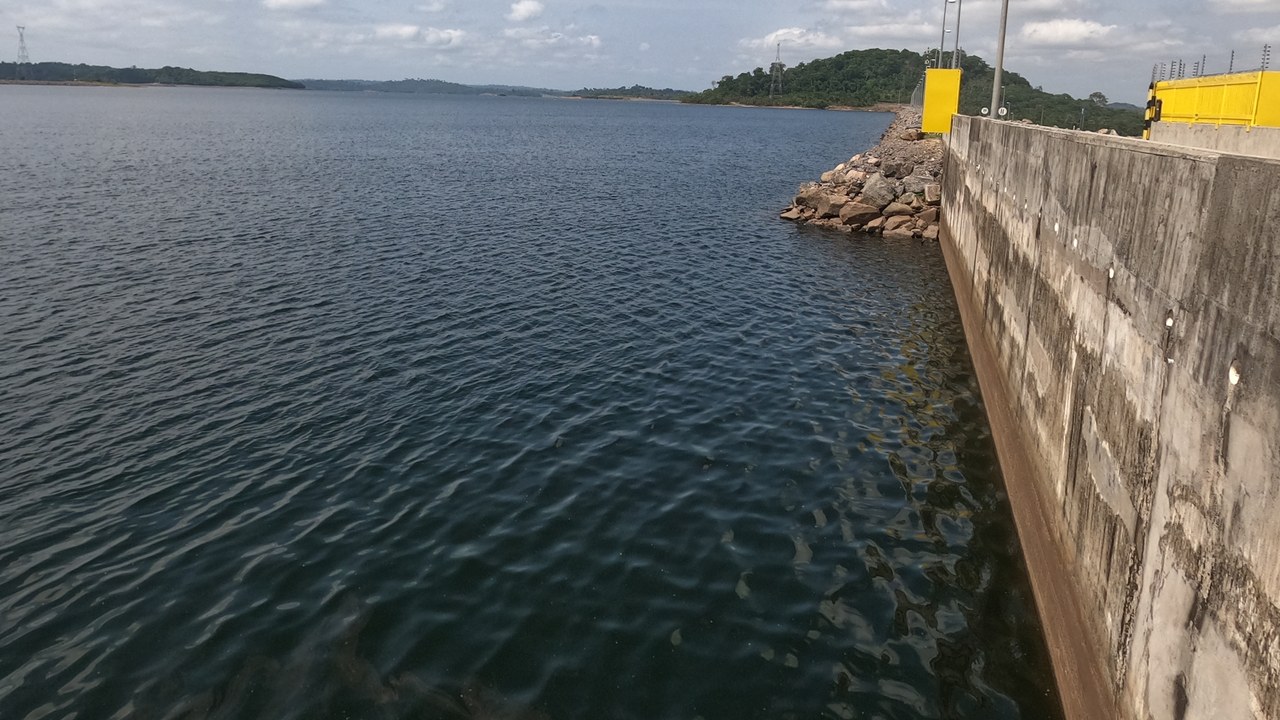
Brazil’s Belo Monte complex on the Xingu River reached 11,233 megawatts in November 2019, making it the fifth largest in the world by installed capacity, according to the Belo Monte Dam entry.
The project was controversial because it affected Indigenous communities and the river’s flow. Its output varies with the seasons, since the Xingu carries far less water in the dry months. The plant was designed as a run-of-river project with a smaller reservoir than most giant dams, which reduces flooding but makes output more dependent on rainfall.
4. Tucuruí Dam: The First Big Amazon Dam
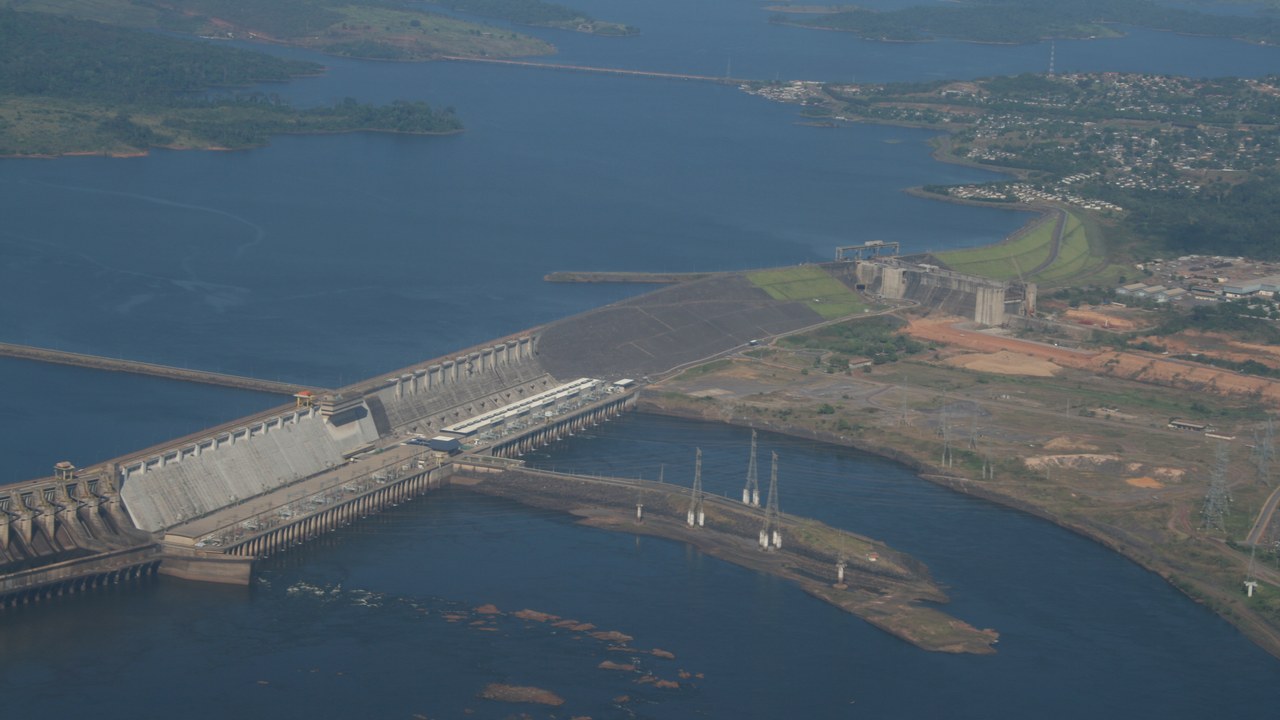
Tucuruí on the Tocantins River has 8,370 megawatts from 25 units and was the first large hydroelectric project in the Brazilian Amazon, according to the Tucuruí Dam entry.
The dam supplies power to aluminum and mining operations in the region as well as to cities. Its reservoir flooded a large area of rainforest when it was built in the 1980s. An expansion completed in the 2000s nearly doubled its capacity. Its ship locks also opened a long stretch of river to commercial navigation.
5. Guri Dam: Venezuela’s Power Source
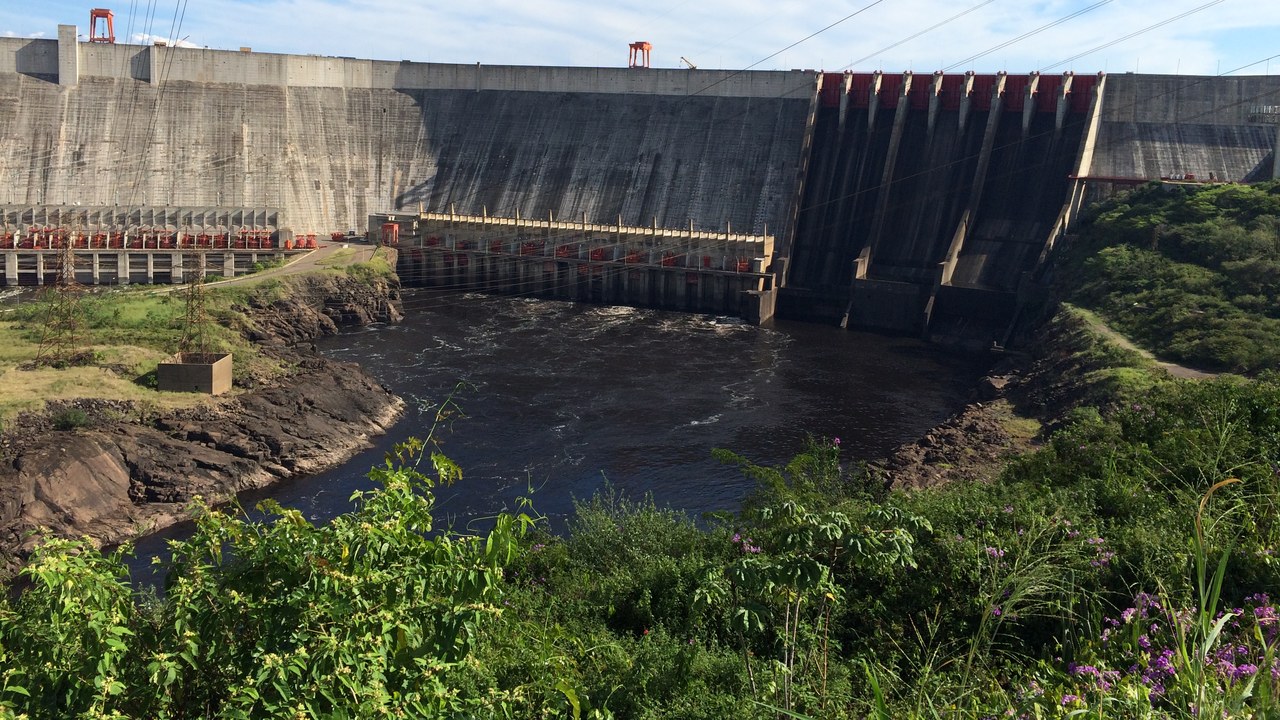
Venezuela’s Guri Dam is 7,426 meters long and 162 meters high and holds back a reservoir covering 4,250 square kilometers, according to the Guri Dam entry.
Guri supplies most of Venezuela’s electricity, which leaves the country vulnerable when droughts lower the reservoir. Failures at the plant have caused nationwide blackouts in recent years. The dam was completed in stages between the 1960s and 1980s. Its official name honors Simón Bolívar, the leader of South American independence, and it remains one of the largest hydropower plants in the Americas.
6. Grand Coulee Dam: America’s Largest Hydropower Plant
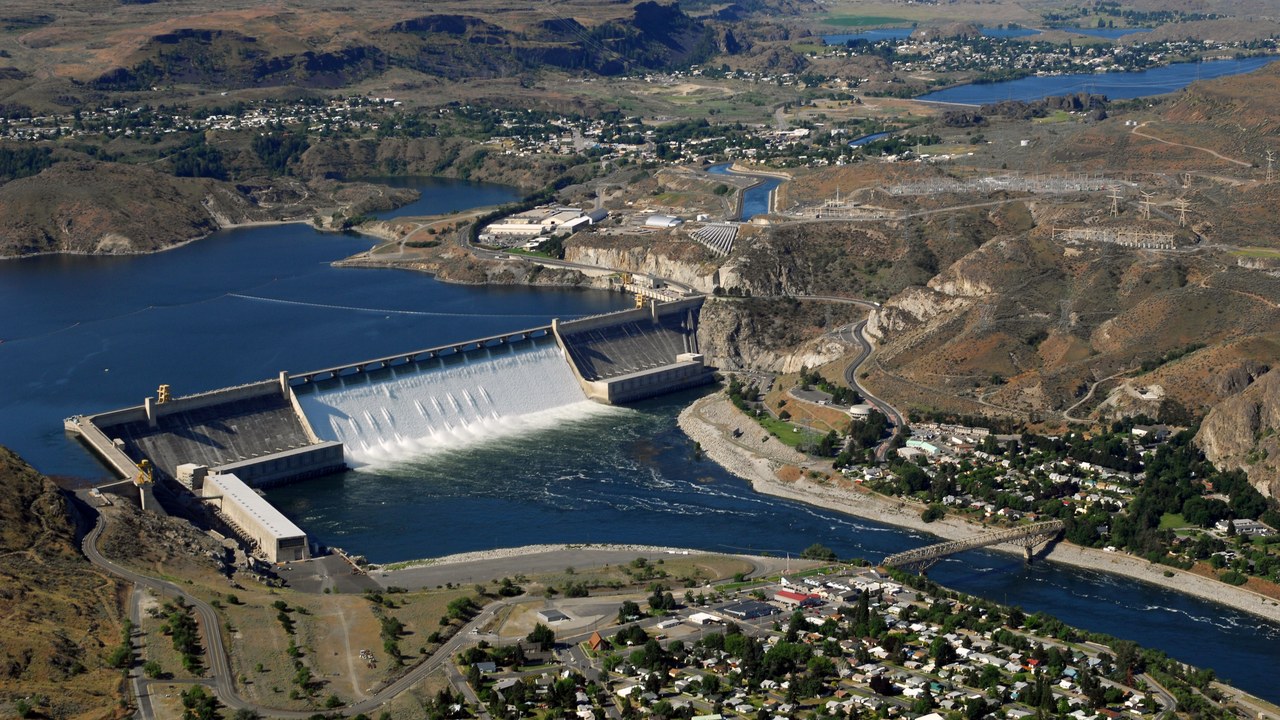
When its last generator came online in 1980, Grand Coulee became the largest hydropower complex in the United States at more than 6,809 megawatts, according to the Bureau of Reclamation.
The dam on the Columbia River in Washington state also supplies irrigation water to farms across the region. Its construction during the Great Depression provided thousands of jobs. It is still one of the largest concrete structures ever built, and its visitor center draws tourists to see the spillway and the laser light shows held on summer nights.
7. Krasnoyarsk Dam: Power for an Aluminum Smelter
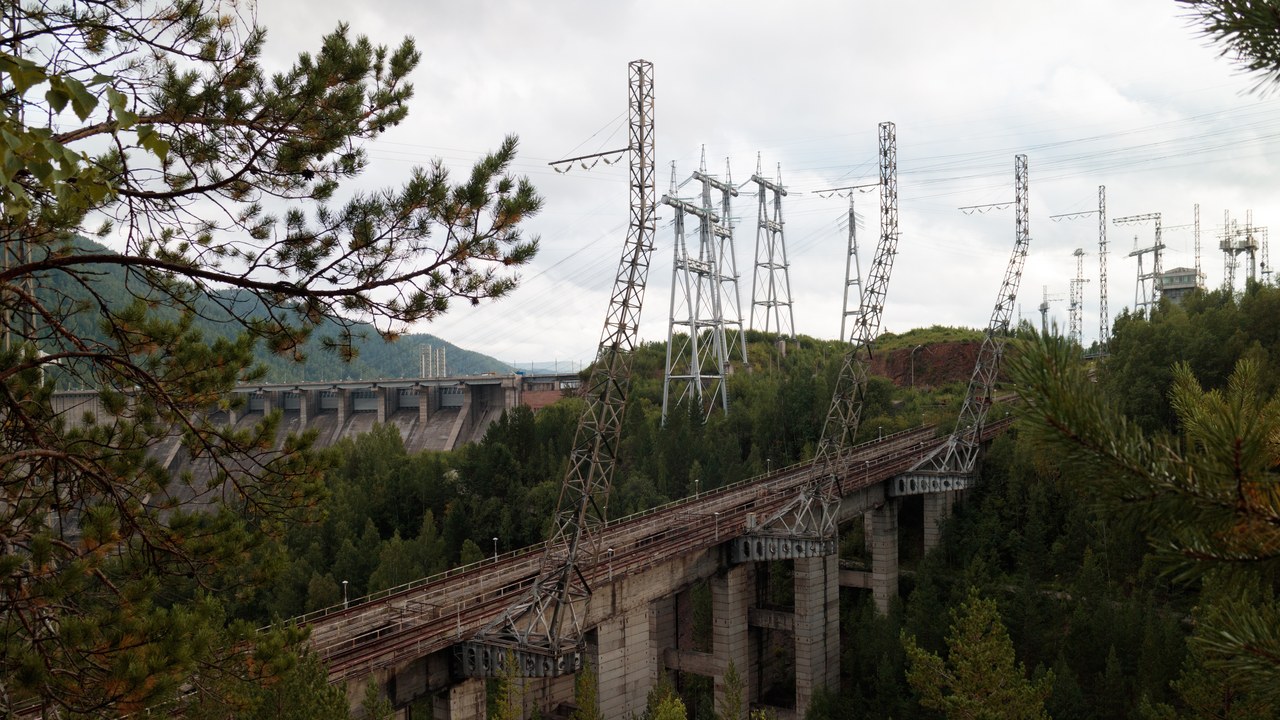
Russia’s 124-meter Krasnoyarsk Dam on the Yenisey River supplies about 6,000 megawatts, mostly to an aluminum smelter, according to the Krasnoyarsk Dam entry.
The dam is famous for its unusual inclined ship lift, which carries vessels up and down the dam in a giant water-filled tank. Its image appears on Russia’s 10-ruble banknote. The plant was completed in the early 1970s. Its reservoir stretches for hundreds of kilometers along the Yenisey, one of the largest rivers in Siberia. Few dams are as photogenic.
8. Tarbela Dam: The Biggest Earth-Filled Dam
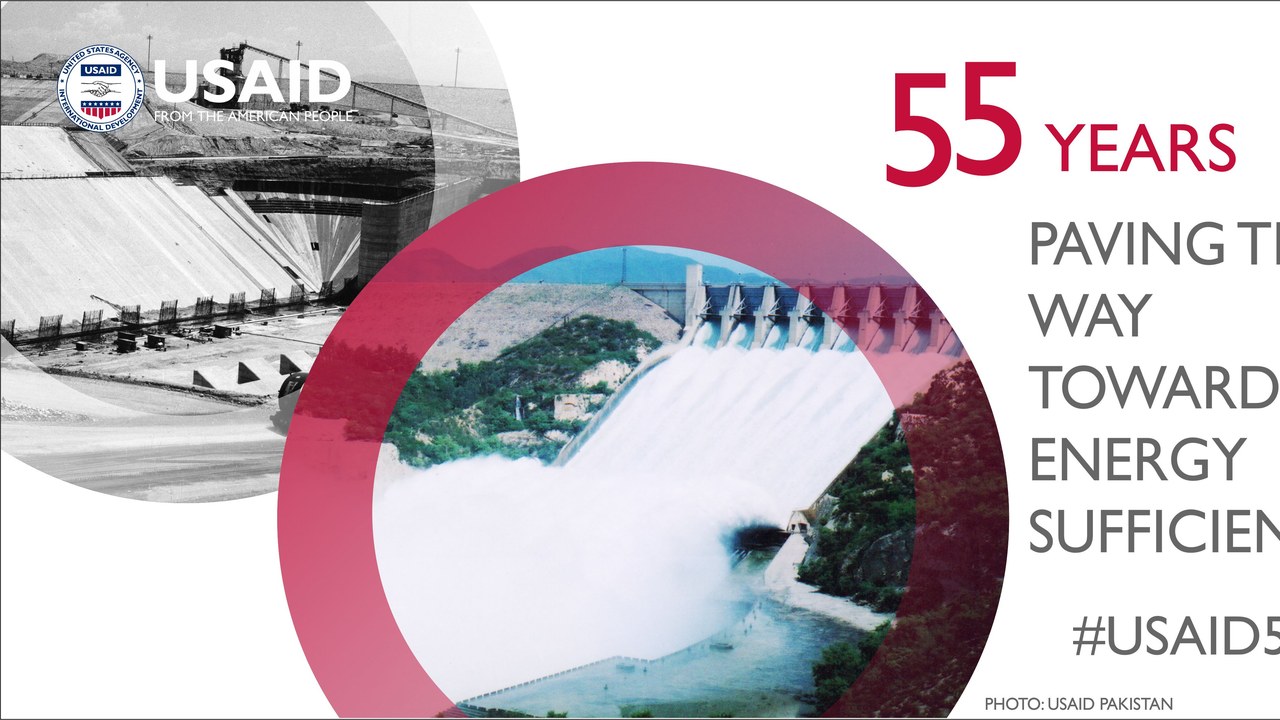
Pakistan’s Tarbela Dam on the Indus River is the largest earth-filled dam in the world, standing 143 meters above the riverbed, according to the Tarbela Dam entry.
Tarbela stores water for irrigation as well as generating power, making it vital to Pakistan’s agriculture. Silt carried by the Indus is gradually filling its reservoir, a long-term challenge for engineers. The dam was completed in 1976 with funding support from the World Bank, and new power units have been added in recent years to boost its output.
9. Hoover Dam: A Depression-Era Icon
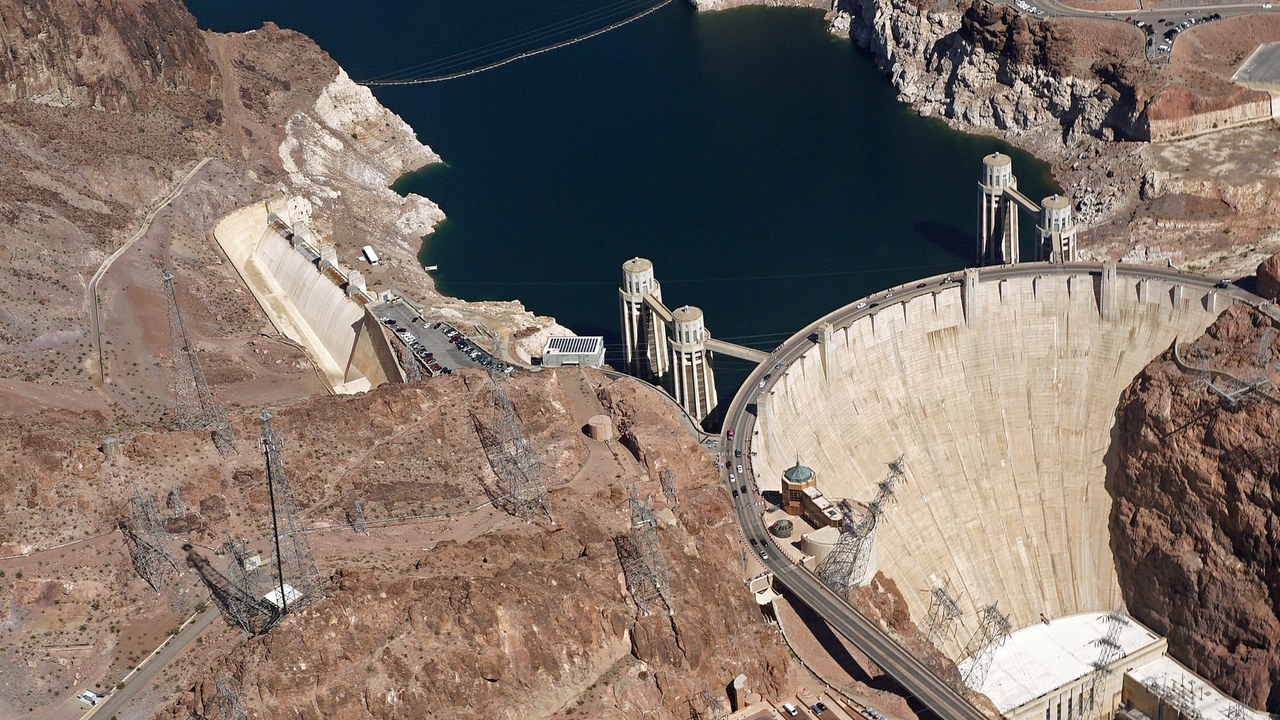
Hoover Dam was the world’s largest hydroelectric installation from 1939 to 1949 and still generates about 4 billion kilowatt-hours a year, enough for 1.3 million people, according to the Bureau of Reclamation.
The dam on the Colorado River between Nevada and Arizona created Lake Mead, the largest reservoir in the United States by capacity. Drought has lowered the lake in recent years, reducing the dam’s output. Hoover Dam draws millions of visitors a year, and tours take them deep inside the structure to see its giant generators.
10. Glen Canyon Dam: Holding Back Lake Powell
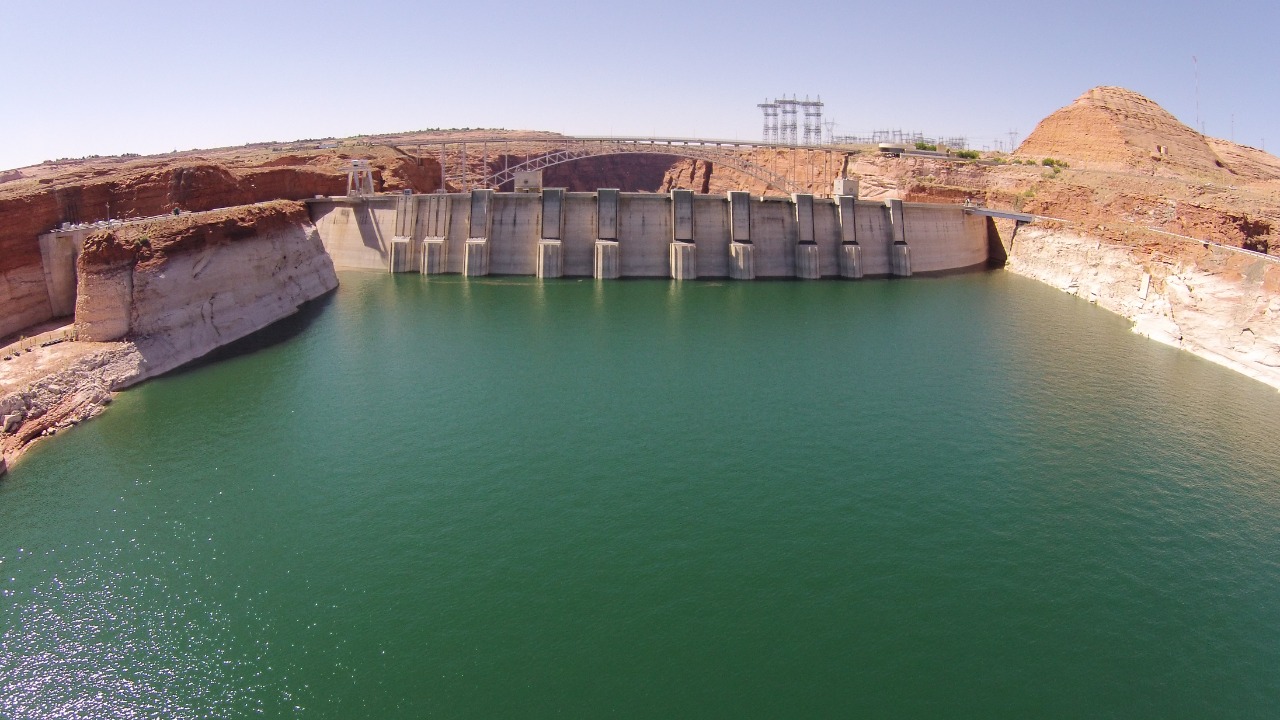
Glen Canyon Dam rises 710 feet above bedrock and was built to supply water and power for millions of people in the West, according to the Bureau of Reclamation.
The dam created Lake Powell on the Colorado River in Arizona. Like Lake Mead downstream, Lake Powell has dropped sharply during the long drought, raising concerns about future power generation. The dam was completed in 1966 after years of controversy. Its construction flooded Glen Canyon, a decision environmental groups still lament, and it remains a major tourist draw on the Arizona-Utah border.
More from Morning Overview
- Two Kentucky residents died when a small plane crashed at Missouri’s Lake of the Ozarks, and the NTSB is investigating
- A handful of car transmissions are so tough that mechanics say they almost never die
- Melting permafrost is setting off a newly identified kind of catastrophic landslide, scientists say
- Cadillac cut the price of its cheapest EV, which goes up to 317 miles on a charge
