
The rush to build giant data centers for artificial intelligence has a power bill that researchers are only now starting to measure. A new study puts the electricity used by the biggest US facilities on par with an entire state. Here is what the numbers show, where that power comes from and why it is reshaping the energy industry.
Read next on Morning Overview: Melting permafrost is setting off a newly identified kind of catastrophic landslide, scientists say
Hyperscale data center demand: As Much Power as a State
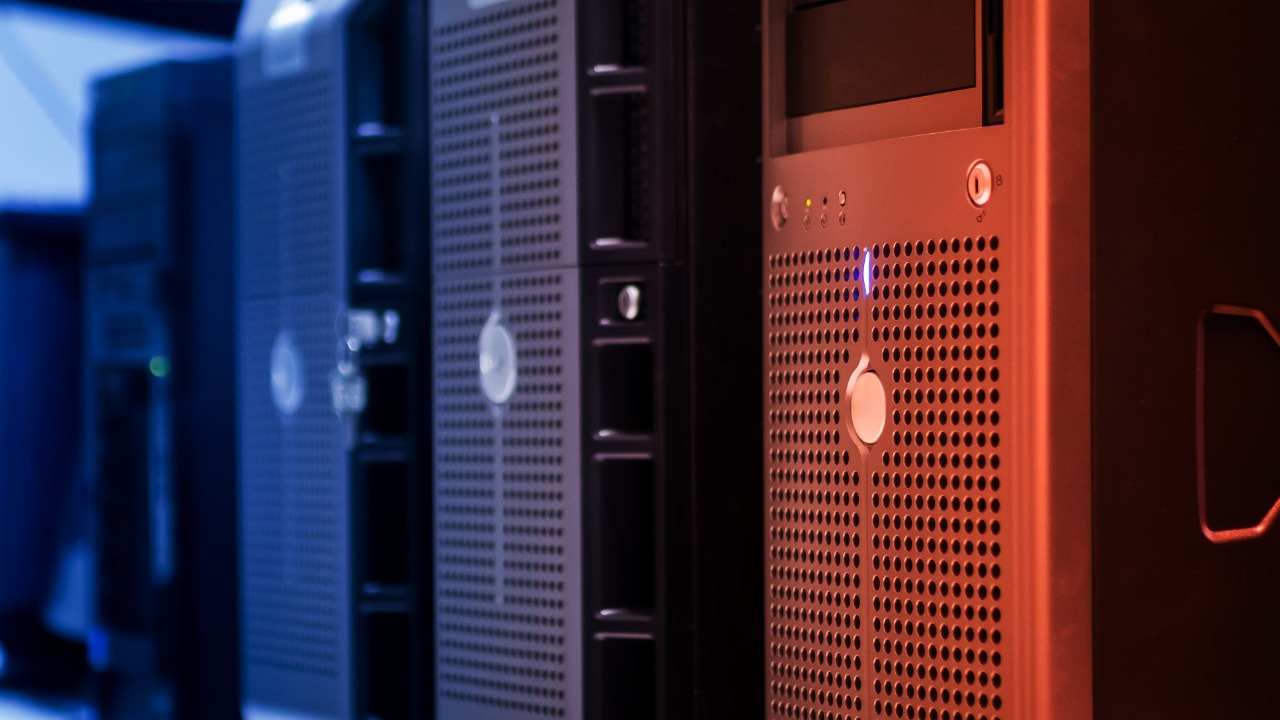
Hyperscale data centers in the United States used an estimated 68 to 99 terawatt-hours of electricity over a recent 12-month period, according to Ars Technica’s report on a new study. That is roughly 1.5 to 2.2 percent of all US electricity use, about 2 percent at the midpoint, on par with the total used by Wisconsin or Indiana.
The researchers tallied energy use for 403 hyperscale facilities operating between May 2024 and April 2025. They could not separate AI computing from more traditional data services, but the study provides a clear baseline to track going forward. For comparison, a Lawrence Berkeley National Laboratory report put total US data center use at 76 terawatt-hours in 2018 and 192 terawatt-hours in 2024.
Mostly fossil power: Mostly Fossil Power
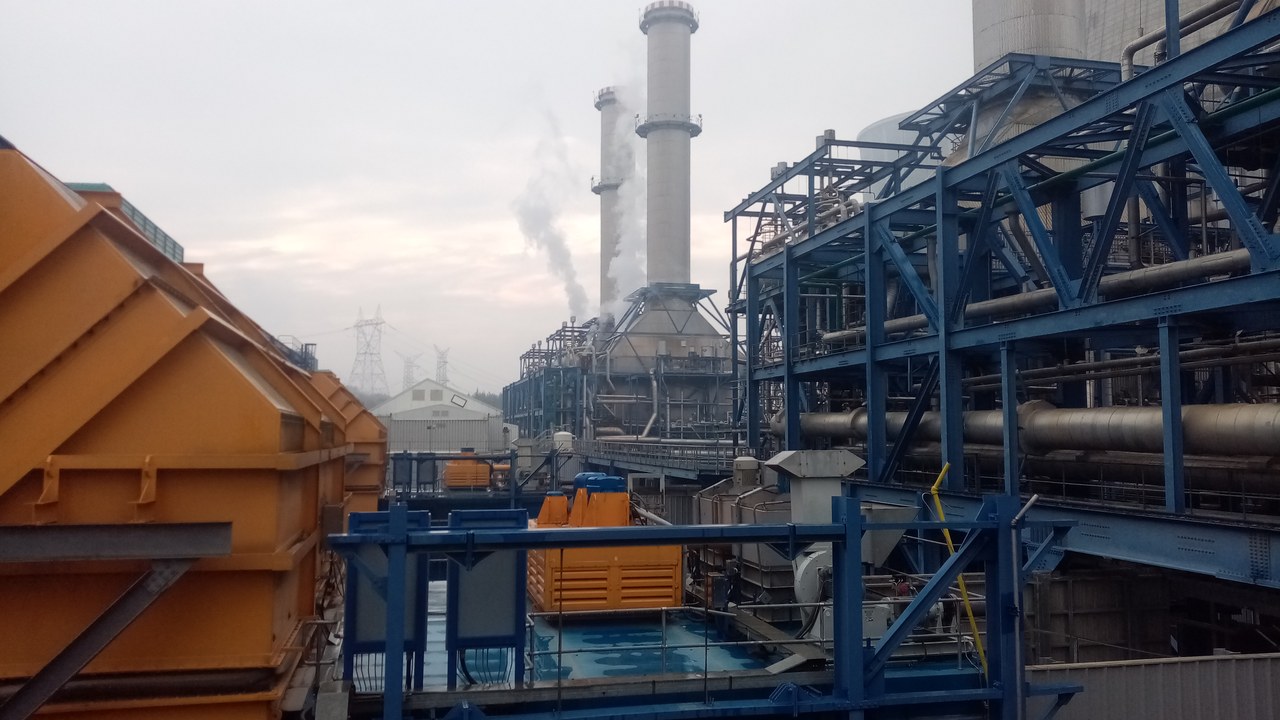
These data centers are not located in places with especially clean electricity. About 54 percent of the power they used came from fossil fuel plants, mostly natural gas, with 25 percent from renewables and 21 percent from nuclear, according to Ars Technica.
Their energy mix was only slightly cleaner than the US average. Applying each region’s grid emissions to the facilities produced an estimate of 21 to 31 million metric tons of carbon dioxide for the year, around 0.5 percent of total US fossil fuel carbon emissions. The rapid construction boom has left little time to plan how to supply that electricity cleanly or with minimal impact on ratepayers.
More than many countries: More Than Most Countries
Collectively, the 403 hyperscale facilities likely consumed about 82 terawatt-hours of electricity in a year, roughly 1.8 percent of US consumption, according to The Verge’s coverage. That is more than the annual electricity use of about 148 nations, a majority of the countries in the world.
Those nations include Austria, Israel and Venezuela, The Verge reports. Hyperscale facilities are massive structures spanning millions of square feet, and developers are racing to build more of them, in large part to support generative AI. The researchers say the findings show there is a lot of work left to cut pollution tied to AI’s reliance on fossil fuels.
Nature Sustainability study: How the Researchers Counted

The figures come from a new paper in the journal Nature Sustainability. Lead author Gianluca Guidi and his team used satellite imagery to identify 403 hyperscale data centers in the US and estimated each facility’s power use from its electrical capacity, according to The Verge.
They then used Environmental Protection Agency data to approximate how much carbon pollution each data center would have produced from its local grid. Guidi told The Verge that AI’s environmental footprint is not a fixed property of the technology: the same computing infrastructure can have very different consequences depending on the electricity system that supports it.
Nuclear’s reversal: A Lifeline for Nuclear Power
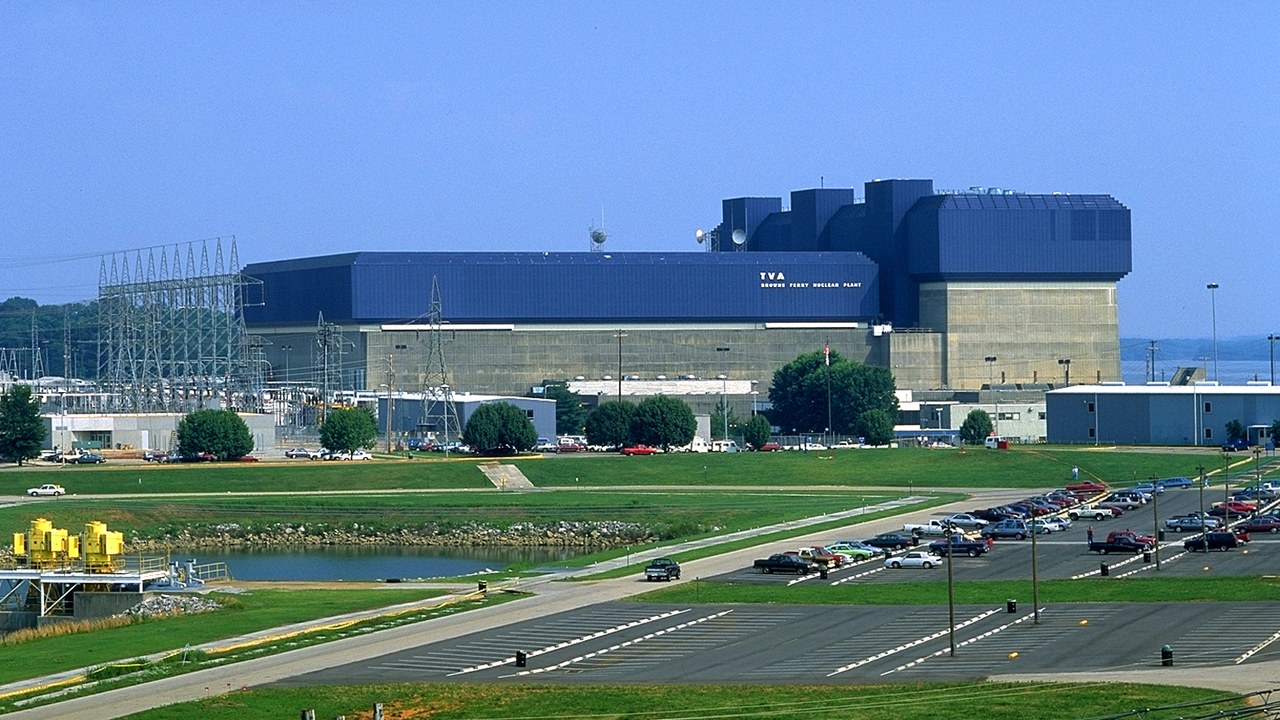
The data center boom has dramatically reversed the fortunes of the nuclear industry, according to The Verge. Constellation Energy, the largest operator of nuclear plants in the US, has signed deals to supply power to tech companies, including a 20-year agreement with Meta for the output of its Clinton plant in Illinois.
On its third-quarter earnings call, Constellation CEO Joe Dominguez said he did not share Wall Street’s worry that Democratic election wins would slow data center construction. He called the market reaction to the election results an overreaction. Nuclear plants that once faced closure are now prized for steady, carbon-free power that data centers can buy around the clock.
More from Morning Overview
- Over 20 trillion gallons of rain fell on the Four Corners states and Nevada in two weeks
- 11 engines built to run well past 200,000 miles
- Two Kentucky residents died when a small plane crashed at Missouri’s Lake of the Ozarks, and the NTSB is investigating
- A handful of car transmissions are so tough that mechanics say they almost never die
