
Regulators on three continents are rewriting what a new car may contain, and each shift answers a hazard that officials have documented. Some familiar conveniences are being outlawed, while certain safety systems are becoming compulsory. Here are nine changes that will reshape showroom floors in the coming years.
Tech news worth reading: Get Techpresso, the daily email with the most interesting tech news and insights, read by 400,000+ professionals from Google, Apple and OpenAI.
We may earn a commission if you sign up.
1. Hidden flush door handles: Hidden Handles Banished
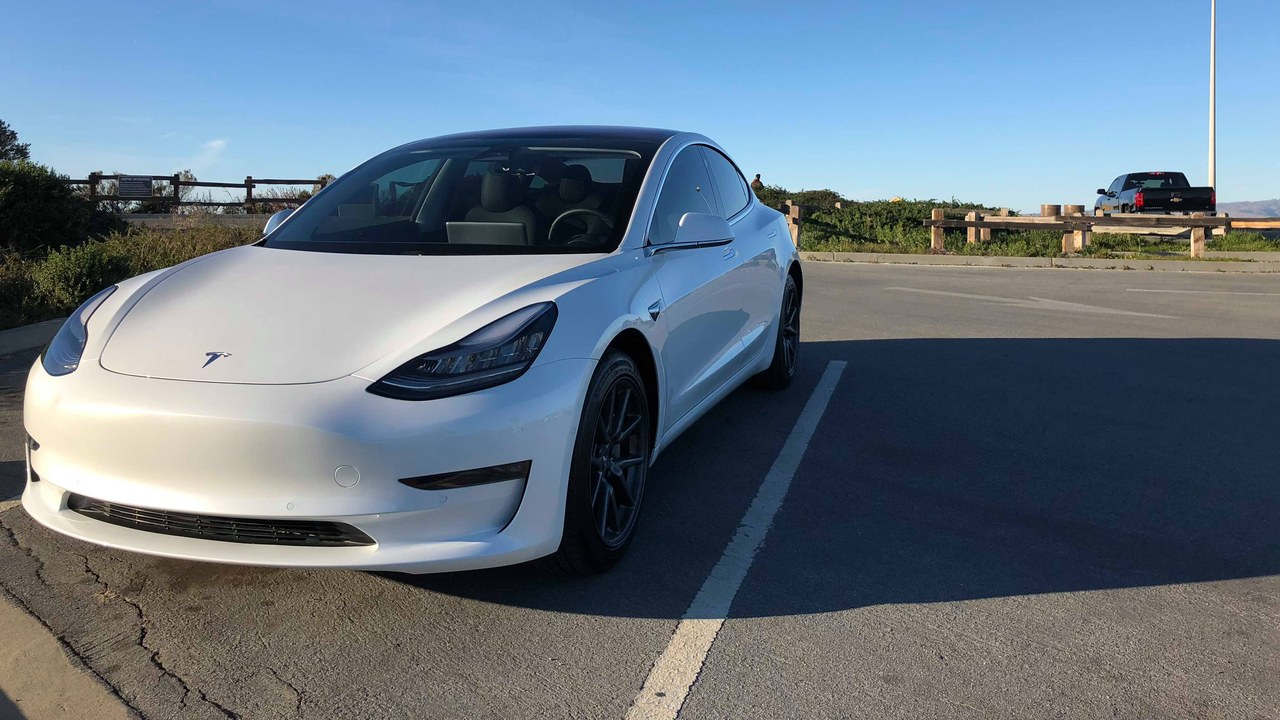
China’s door handle ban takes effect on January 1, 2027, and it requires every new car to carry a mechanical release both inside and outside. Flush handles that pop out only under electric power are the target, since they can leave rescuers and occupants unable to open a door after a crash.
The rule applies to the Chinese market, but global automakers build for several regions at once. A design that is illegal in the world’s largest car market tends to lose its appeal elsewhere too, which makes this a likely turning point for sleek styling. Until then, buyers in affected markets should expect fewer sculpted handles and more visible mechanical pulls.
2. Electronic-only interior door releases: Trapped Without Power
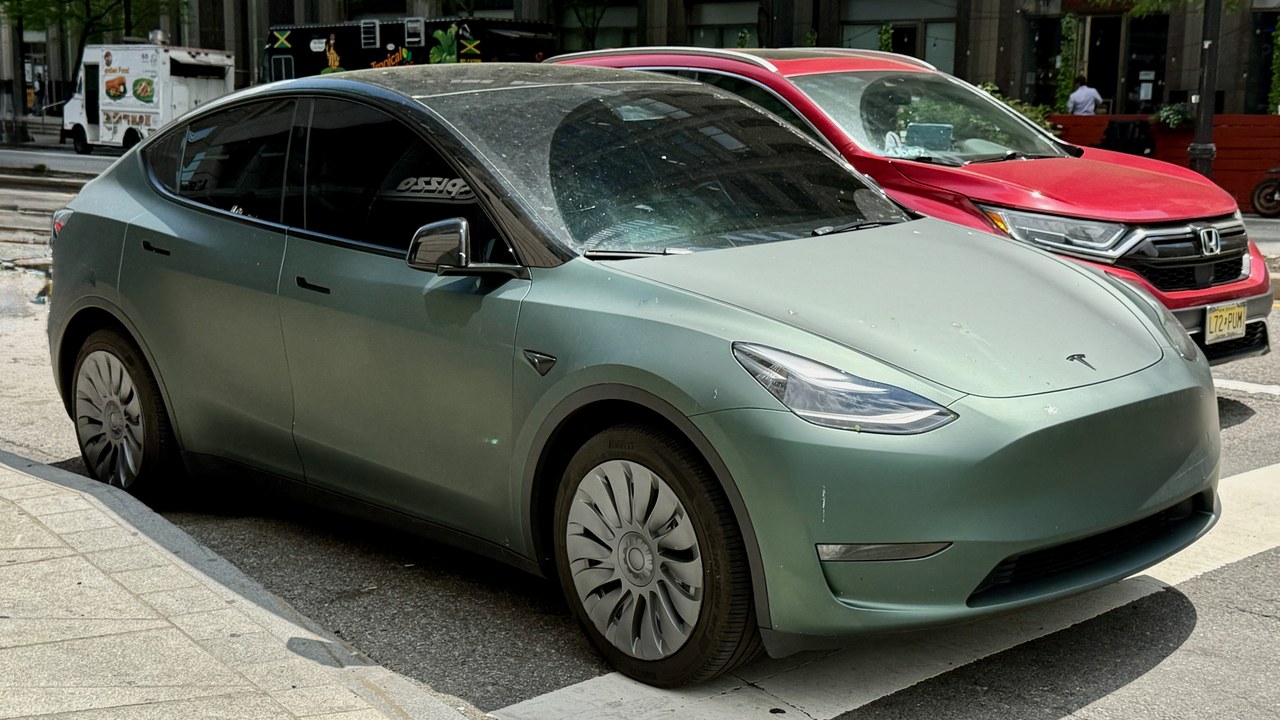
Bloomberg tallied trapped occupant reports, finding 140 cases of people stuck inside cars and 15 deaths linked to electronic door releases. China’s rule answers that record by demanding mechanical releases that are clearly marked and easy to find in the dark.
Switch-operated latches work well until the battery fails or a crash cuts power. Safety advocates see the new requirement as a basic backstop, and it explains why mechanical fallbacks are moving from optional extras to legal necessities. Rescue crews have long asked for exactly this kind of simple, power-independent exit, and manufacturers are now designing around it.
3. Touchscreen-only controls: Knobs Return To Cars
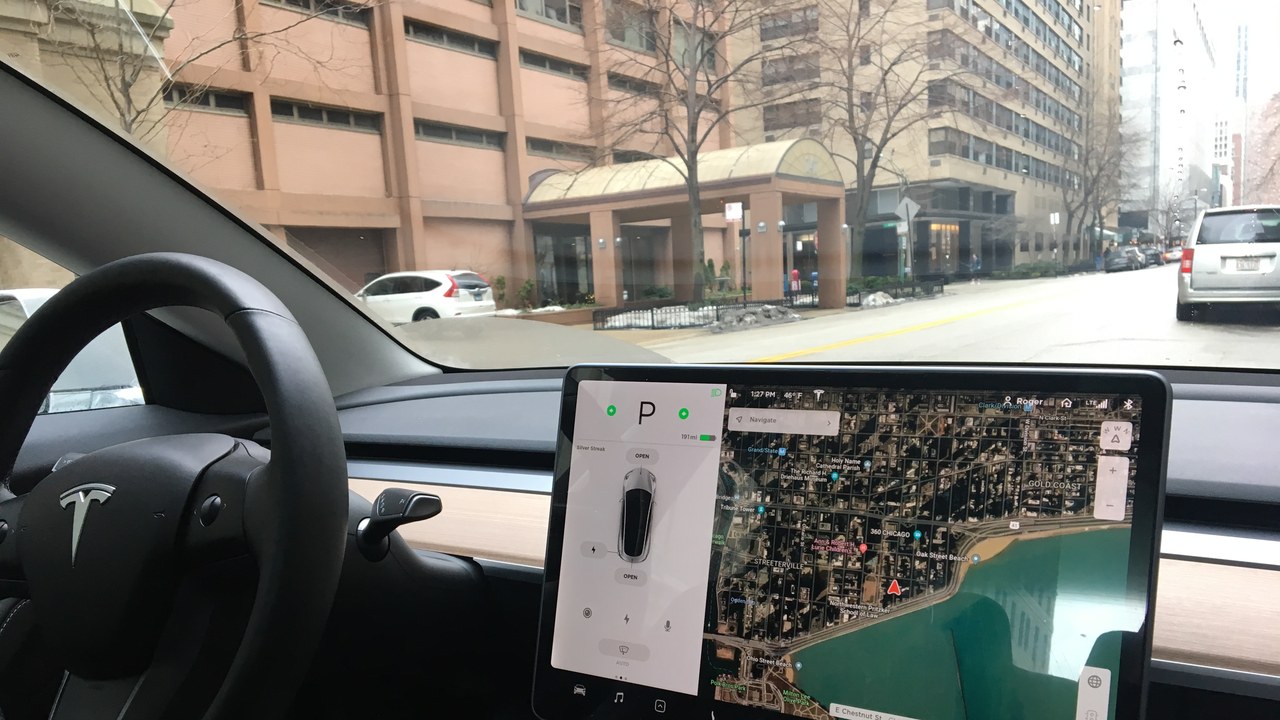
Under its 2026 protocol, Euro NCAP’s physical controls rule holds back a five-star rating unless turn signals, hazard lights, wipers, the horn and SOS calling have real buttons or stalks. Burying those functions in a touchscreen menu now costs a car its top score.
Euro NCAP is a rating body, not a lawmaker, yet the stars drive sales and fleet purchasing. Automakers that chased minimalist dashboards are therefore bringing back knobs and switches rather than risk a lower safety badge. Drivers who find touchscreen menus distracting while moving are the likeliest to welcome the change.
4. Dropping AM radio: AM Radio Stays
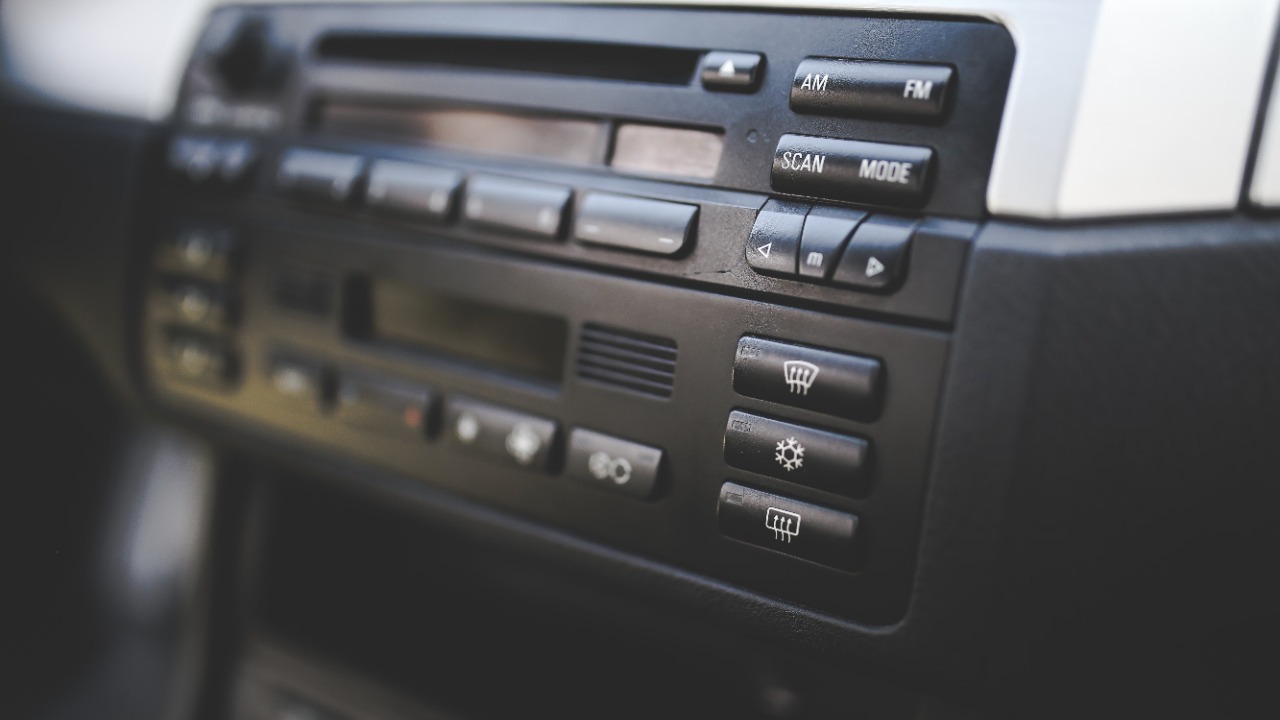
The House passed the AM radio mandate on September 16, 2026, after drivers noticed that Ford’s Lightning, Mach-E and the 2024 Mustang had briefly shipped without AM reception. Lawmakers framed the broadcast band as an emergency alert channel.
The bill still needs to clear the rest of the legislative process before it binds automakers. Supporters point to rural listeners and disaster warnings, while carmakers have argued that electric drivetrains interfere with AM signals and streaming offers alternatives. For now, shoppers can simply check a spec sheet before assuming that a favorite station will come through the speakers.
5. Rear seat belt reminders: Back Seat Alarms
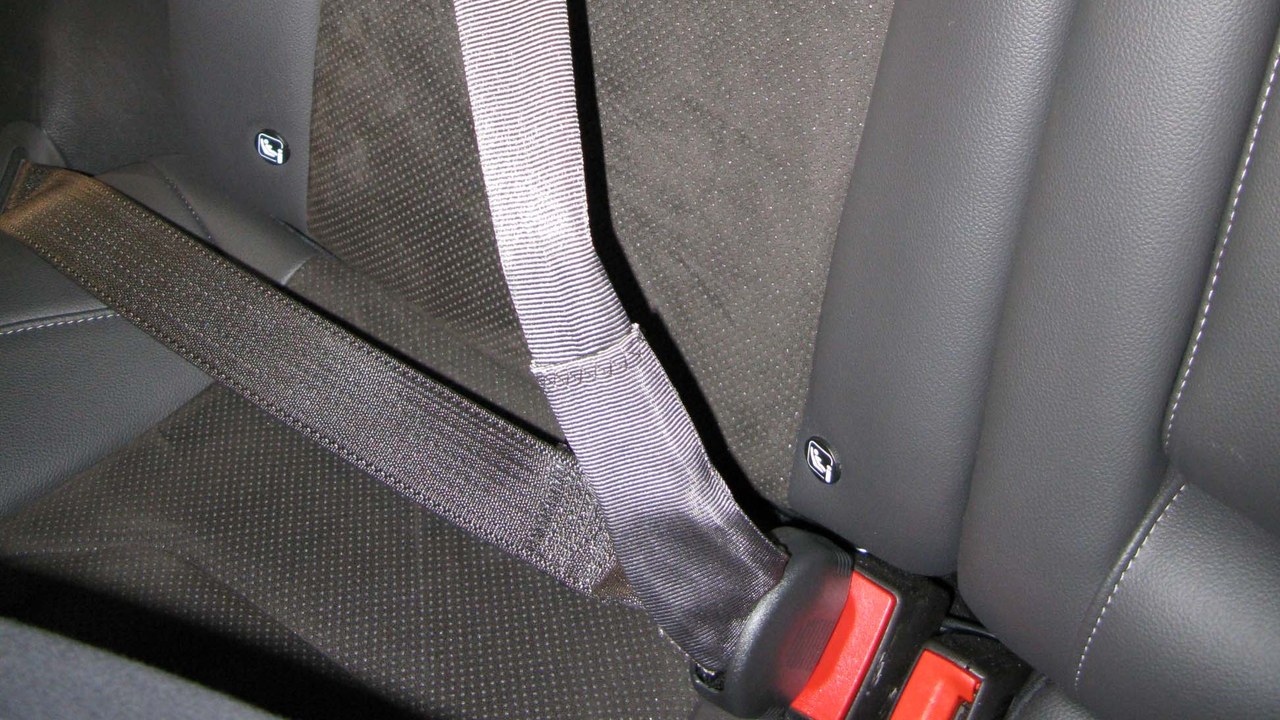
NHTSA now requires rear seat belt alarms in all new cars beginning in September 2027. The agency expects the warnings to prevent at least 50 deaths a year by nudging back-seat passengers to buckle up, a group that often skips the habit.
Front seats have carried belt reminders for years, leaving the back as the weak spot. Because rear occupants are frequently teenagers and adults on short trips, a persistent chime is a cheap fix with a measurable benefit. Parents of older children and rideshare passengers are among those who stand to benefit most from the change.
6. Easy-to-ignore front belt chimes: Louder Front Chimes
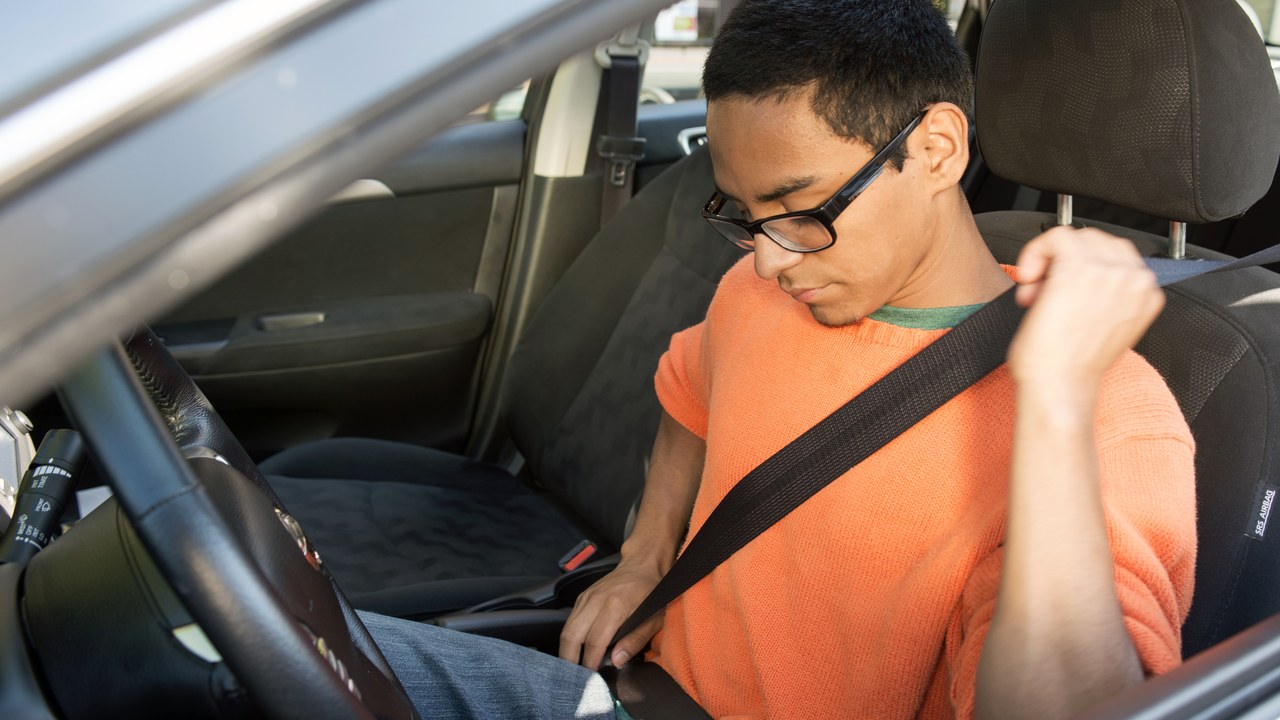
Stricter front seat belt warnings are due by September 2026, combining continuous visual alerts with two-stage chimes that are harder to tune out. NHTSA points to 2022, when half of the 25,420 occupants killed were not wearing belts.
Many current systems chime briefly and then fall silent, which drivers learn to ignore. The new standard aims to keep reminding until the belt is fastened, targeting the stubborn minority who account for a large share of fatalities. Safety researchers consistently rank belt use as one of the cheapest ways to save lives on the road.
7. Rear-seat child reminders: Reminders For Parents
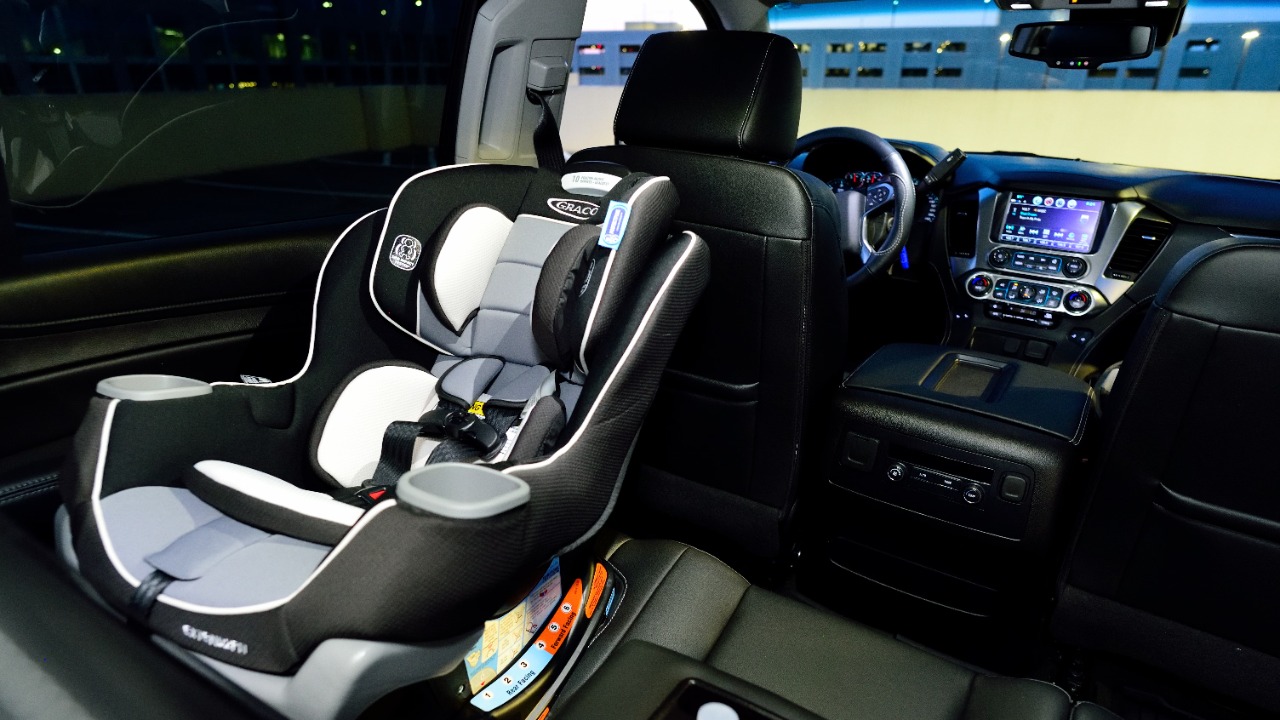
The same law that mandates impairment detection also requires rear seat child reminders that alert parents when a child may have been left behind. Roughly 1,000 children have died of vehicular heatstroke since 1990, according to the figures cited in coverage.
Such deaths are often called a tragedy of distraction rather than neglect, which is why a prompt at turn-off can matter. The reminder is simple technology, and it joins other duties the statute places on every new vehicle. Pairing the alert with a visible cabin prompt gives a tired driver one more chance to check the back seat.
8. Outdated headlight rules: Lighting Rules Rewritten

NHTSA opened its first lighting standard rewrite in more than 25 years, aiming to reduce glare and permit automatic high beams. Public comments on the proposal are due by November 9, 2026, after which the agency can move toward a final rule.
Adaptive headlights have long been sold in Europe and Asia while American rules lagged. Updating the standard could let modern beam technology reach domestic buyers, though the final language will decide how much glare relief drivers actually see. Industry groups and safety advocates are both expected to weigh in before the comment window closes.
9. Chinese connected-car software: Foreign Software Blocked
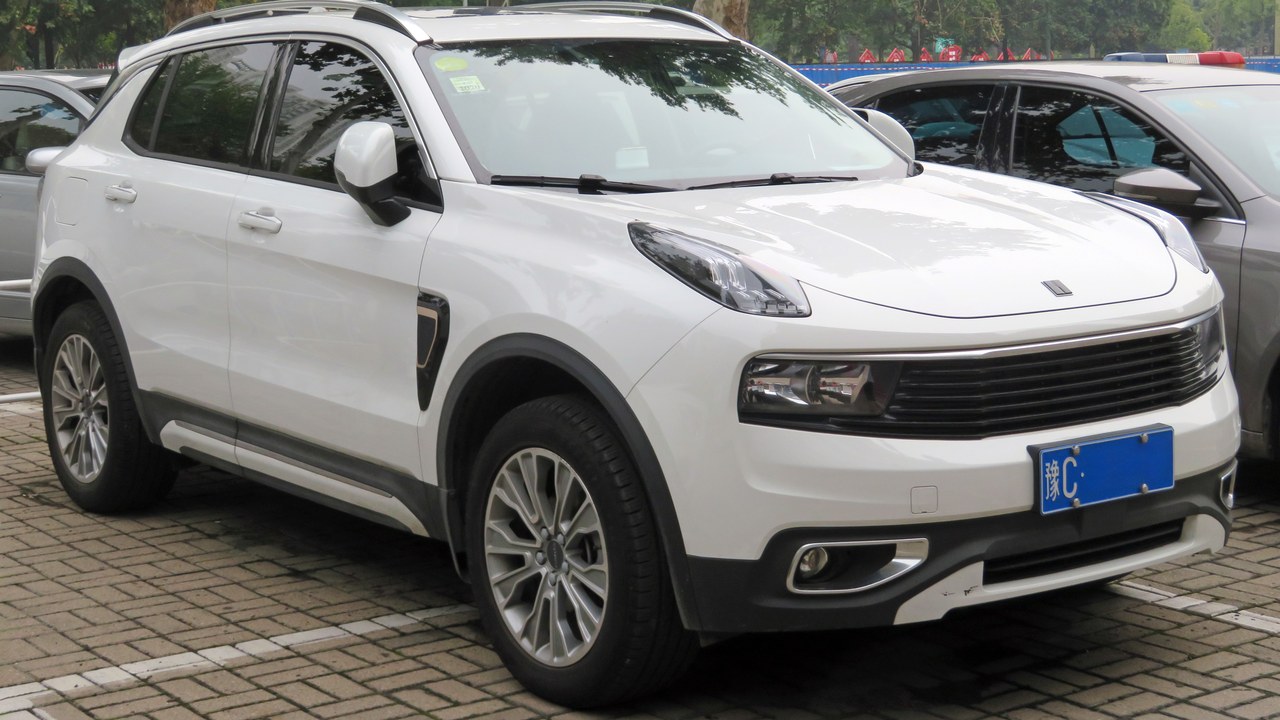
A Commerce Department rule on connected vehicle software bars Chinese- or Russian-linked code from model year 2027 and linked hardware from model year 2030. Officials cite national security concerns over cameras, microphones and location data inside modern cars.
Automakers must now audit suppliers deep in their software chains, which is a significant compliance burden. The staggered dates give industry time to adapt, but they also signal that a vehicle’s digital origins matter as much as its engine. Shoppers may eventually see this surface as disclosures about where a car’s software was written and updated.
Tech news worth reading: Get Techpresso →
We may earn a commission if you sign up.
More from Morning Overview
- Doctors warn a silent liver disease now affects one in three American adults
- The FBI told the rest of ShinyHunters to surrender after a 24-year-old was arrested
- Two passengers died at an Ohio toll plaza, and the NTSB now wants the cash lanes shut
- Long use of a common prostate pill is tied to a higher chance of glaucoma
