
Mitsubishi spent decades building a following in America with sporty coupes, rugged utility vehicles and a rally-bred sedan. The brand also kept an Illinois factory busy until the final car rolled out. Here are eleven models that show what American drivers once found appealing about the company.
AI, explained every day: The Deep View is the go-to daily newsletter for 600,000+ founders, knowledge workers and professionals who want to stay up to date with artificial intelligence.
We may earn a commission if you sign up.
1. Mitsubishi Starion: Sports Coupe on a Budget
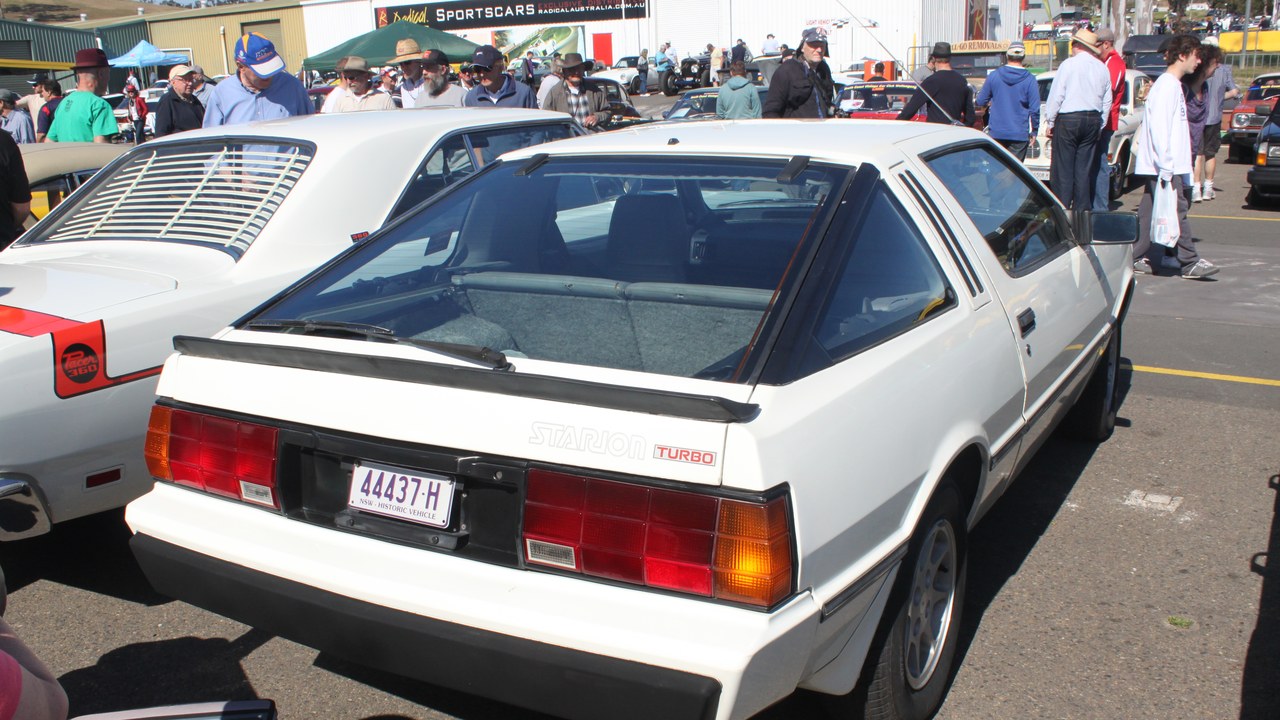
The Starion cost $12,000 in Mitsubishi’s first 1982 American lineup, which was sold through 70 dealers in 22 states. The brand started small in America.
A turbocharged sports coupe was a bold way to introduce a new name to buyers. It established an early image of performance for the company, one that the later coupes and rally-inspired cars would continue to build on. The Starion also hints at the ambitions the company had when it first approached the American market.
2. Mitsubishi Galant: Built in Normal
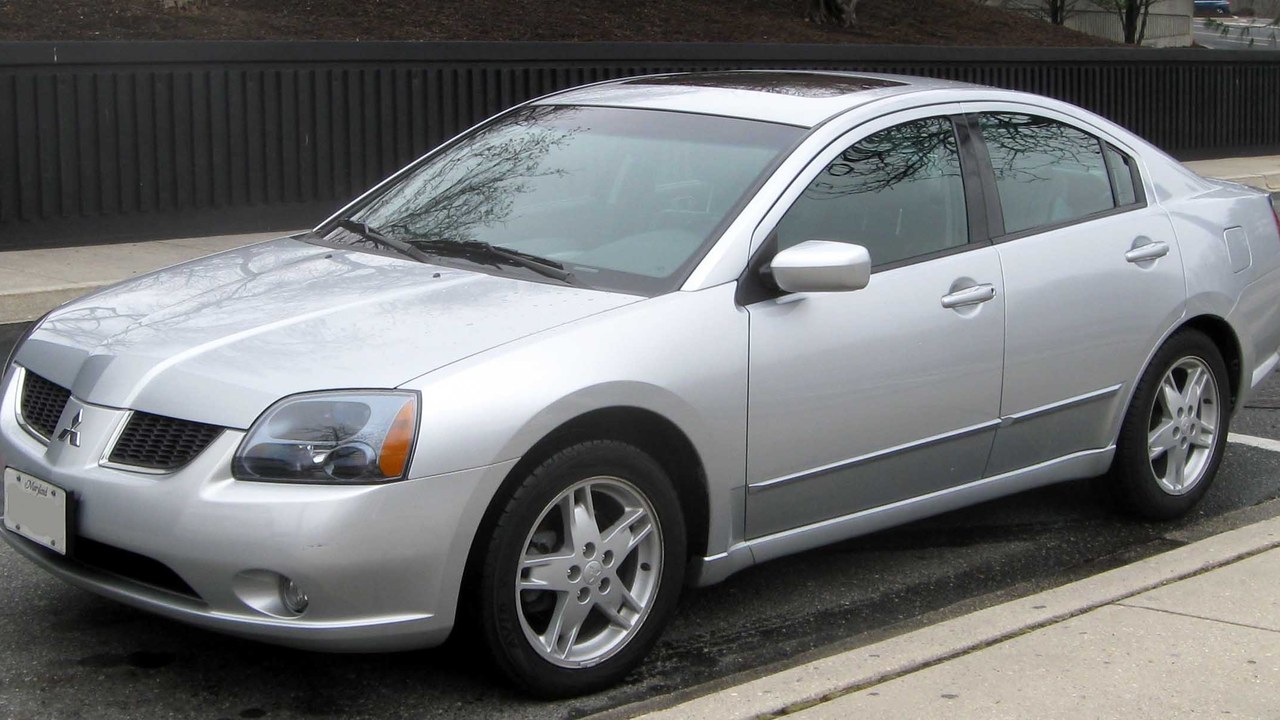
The Galant was made in Normal, Illinois, where extra sedans were built for export to fill unused capacity. The plant did more than serve the local market.
Using spare capacity for export sales helped keep the factory productive. The Galant gave the company a mainstream sedan with local roots, and it ties the Illinois story to the wider fortunes of the brand in North America. Regional factories like this one were important to local communities and to the brand’s reputation as an American manufacturer.
3. Mitsubishi 3000GT: Flagship Coupe
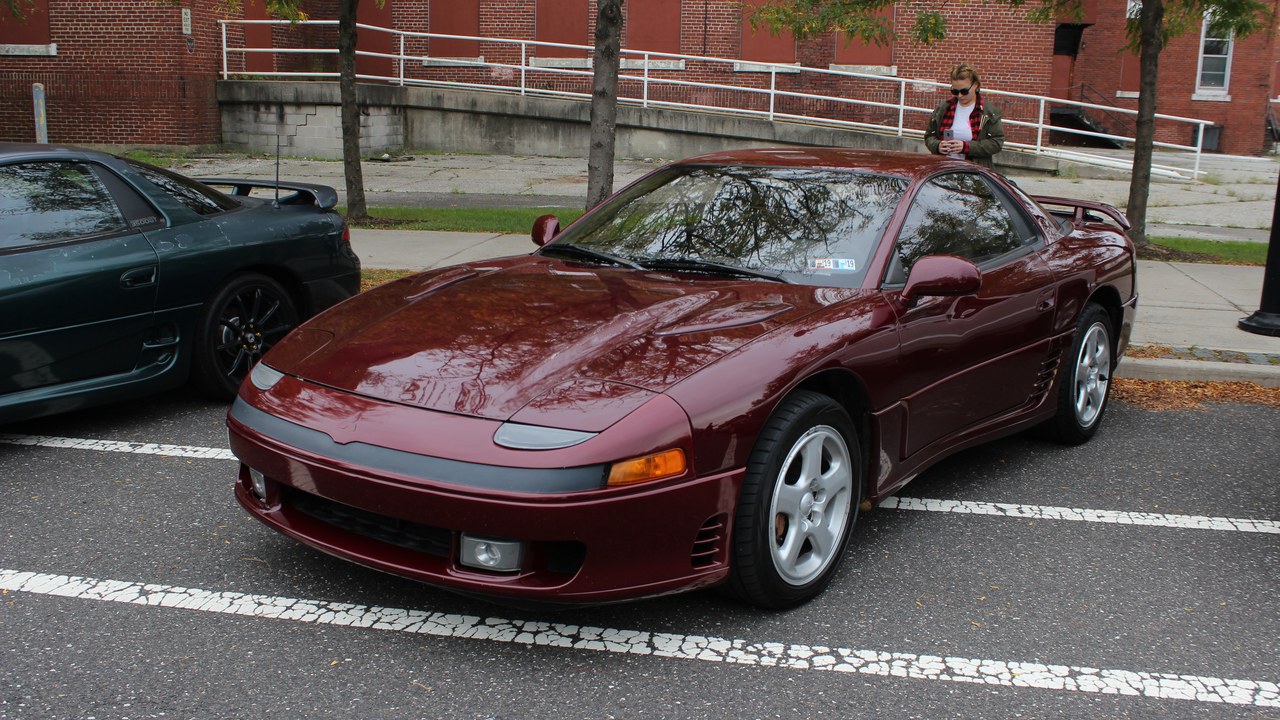
Mitsubishi’s sports-coupe flagship the 3000GT ran from 1990 to 1999. It spanned nearly the entire decade.
As the top performance model, it carried the brand’s technology showcase role in showrooms. The nine-year run suggests steady interest, and the car is now a popular classic among enthusiasts of 1990s Japanese sports coupes. Enthusiasts often point to it as a high point for Japanese sports coupes of that decade, and values among collectors reflect that view.
4. Mitsubishi Montero: Family-Sized Off-Roader
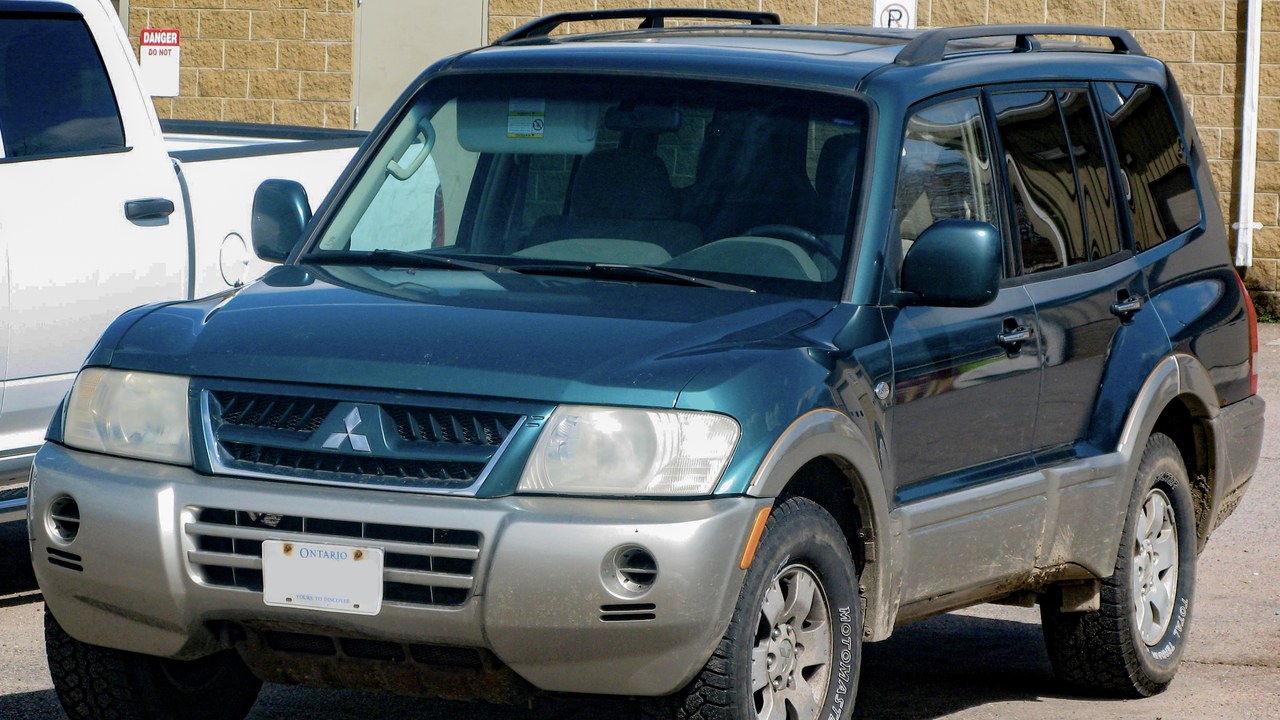
The 2005 Montero carried a 3.8-liter V6 with standard ActiveTrac 4WD. It offered four-wheel drive as a baseline feature.
Making the system standard gave the SUV an appeal to drivers who wanted capability in bad weather or on rough ground. It represents the more rugged side of the lineup at a time when SUVs were a big part of American sales. The model is a useful reminder that the brand once competed strongly in the full-size SUV segment.
5. Mitsubishi Lancer Evolution: Rally Hero Road Car
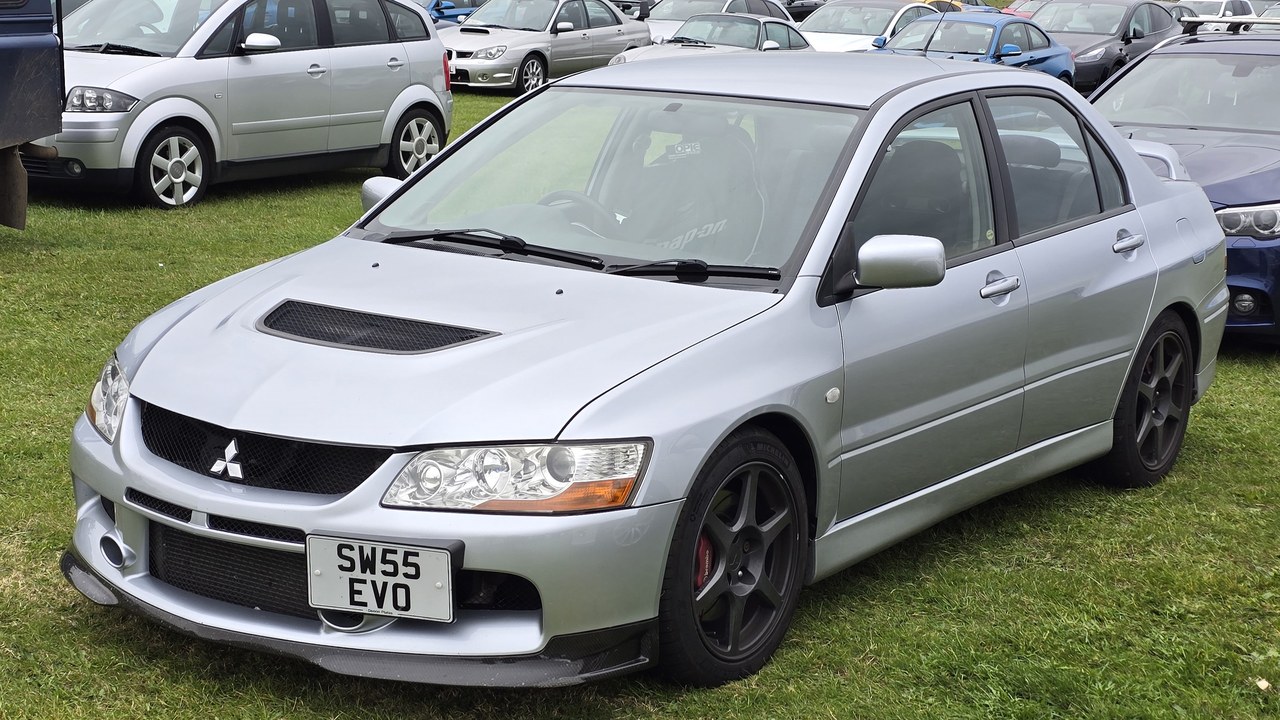
The 2006 Evo IX kept the turbocharged 2.0-liter 4G63 with MIVEC and Recaro front seats. The engine had a long history in the model.
Drivers bought the Evolution because it brought competition-bred hardware to a street sedan. Keeping a familiar engine while refining the package gave the Evo IX a reputation as a mature version of a well-loved formula. The result was a car that mixed daily practicality with the kind of performance that enthusiasts talked about for years.
6. Mitsubishi Lancer: Thirty Years of Rallying
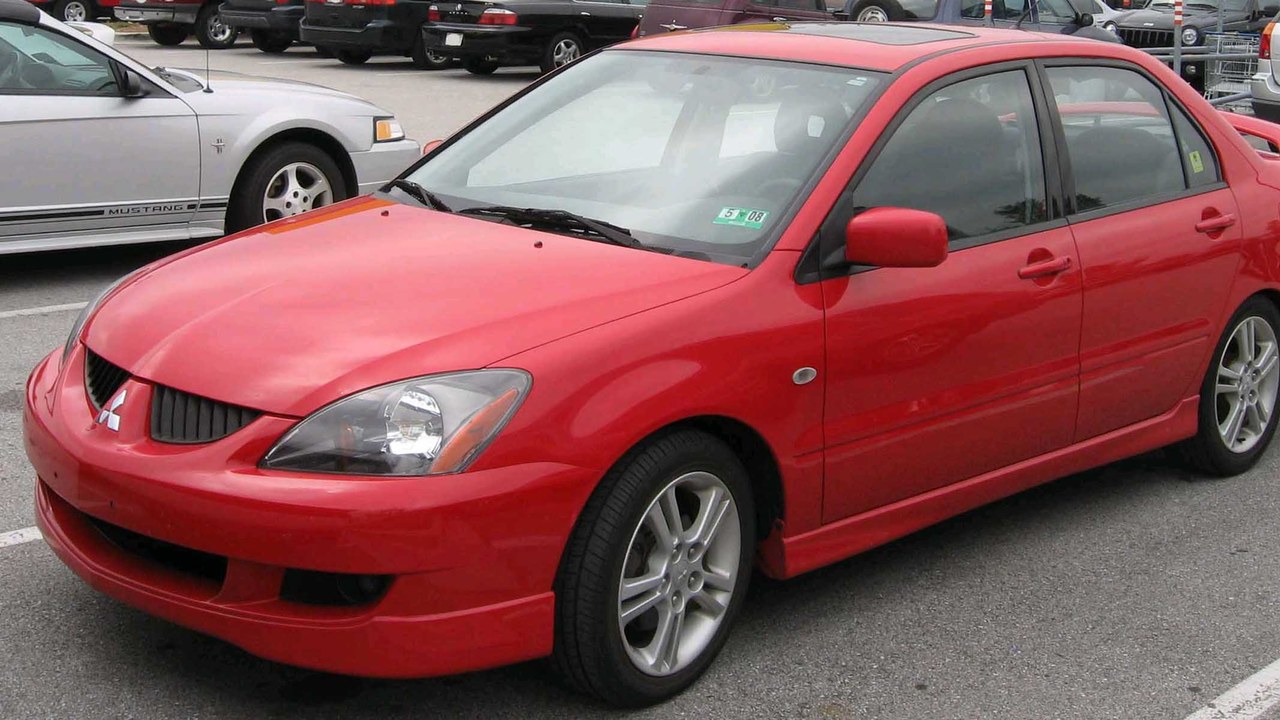
Mitsubishi touted the Lancer’s 30-year world rally history, and the 2005 Ralliart made up to 162 hp. The marketing leaned heavily on competition.
Rally credentials gave an ordinary compact sedan a more exciting identity. Even a mild Ralliart version benefited from that reputation, and it let many buyers feel connected to the more extreme Evolution models above them. It illustrates how racing success can improve the standing of even a modest family car.
7. Mitsubishi Outlander: Lancer Platform, Crossover Body
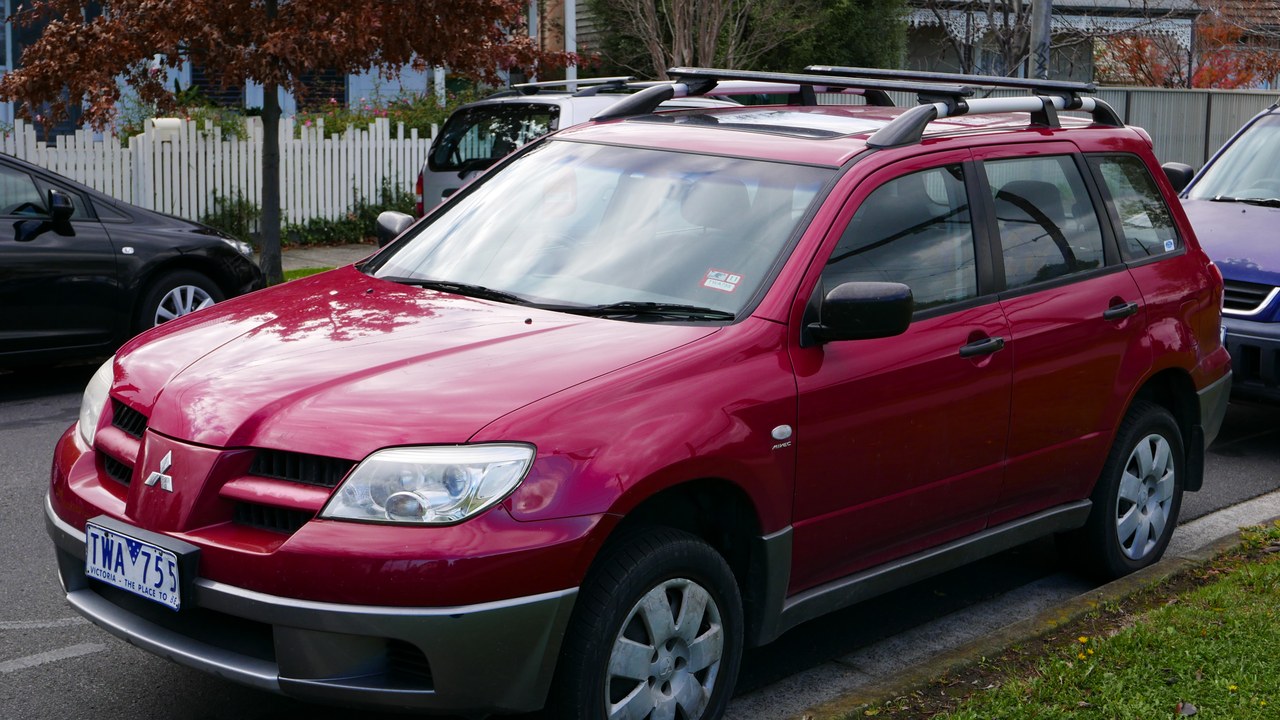
The 2005 Outlander was built on the Lancer platform with a 160-hp 2.4-liter MIVEC four. A familiar base underpinned a new type of vehicle.
Sharing a platform with a popular sedan kept costs under control and made the crossover feel car-like to drive. The Outlander became an important part of the lineup as buyers shifted toward taller vehicles. The approach was sensible, and it helped the model become one of the better-known names in the later lineup.
8. Mitsubishi Eclipse: End of the Line for a Coupe
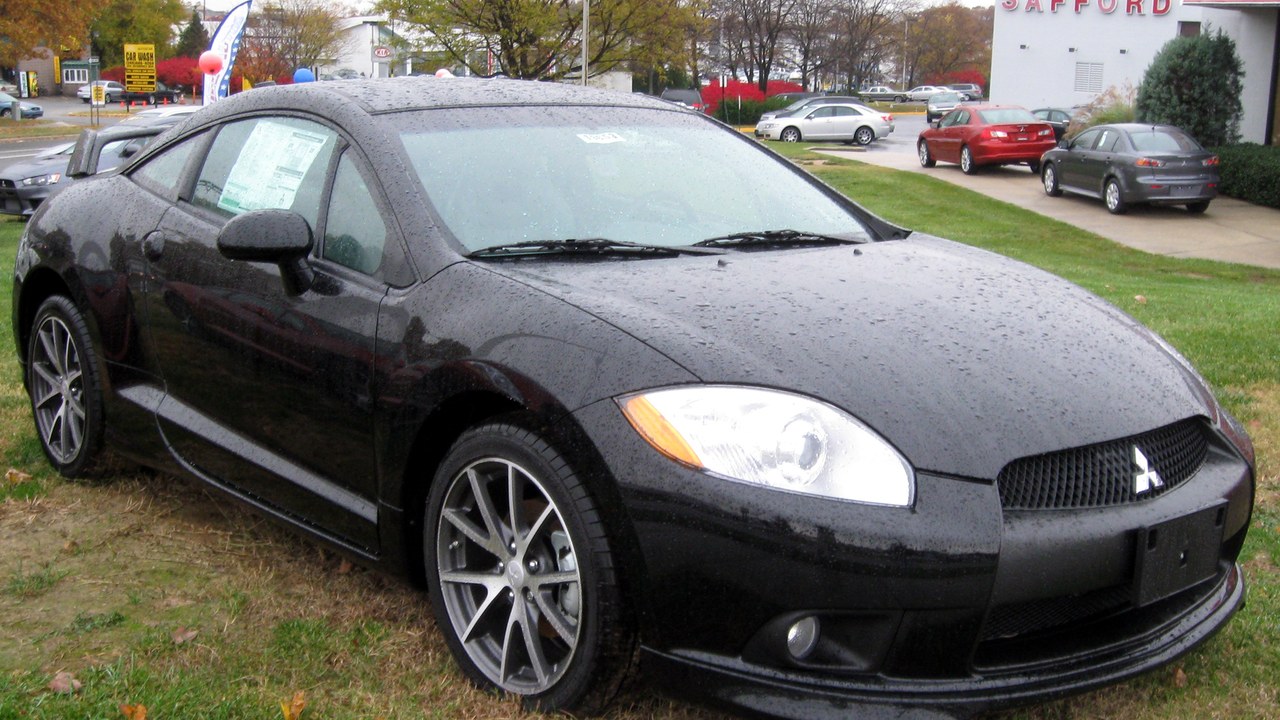
The Eclipse ended production after the 2012 model year, and its final GT coupe and Spyder had a 265-hp V6. The sporty line closed with its most powerful version.
The Eclipse had been a long-running favorite with young American buyers. A special edition marked its legacy, and the name’s retirement reflected a wider industry move away from affordable two-door sports cars. Fans of the model remember it fondly as an affordable and stylish choice that stood out in traffic.
9. Mitsubishi i-MiEV: Early Electric Arrival
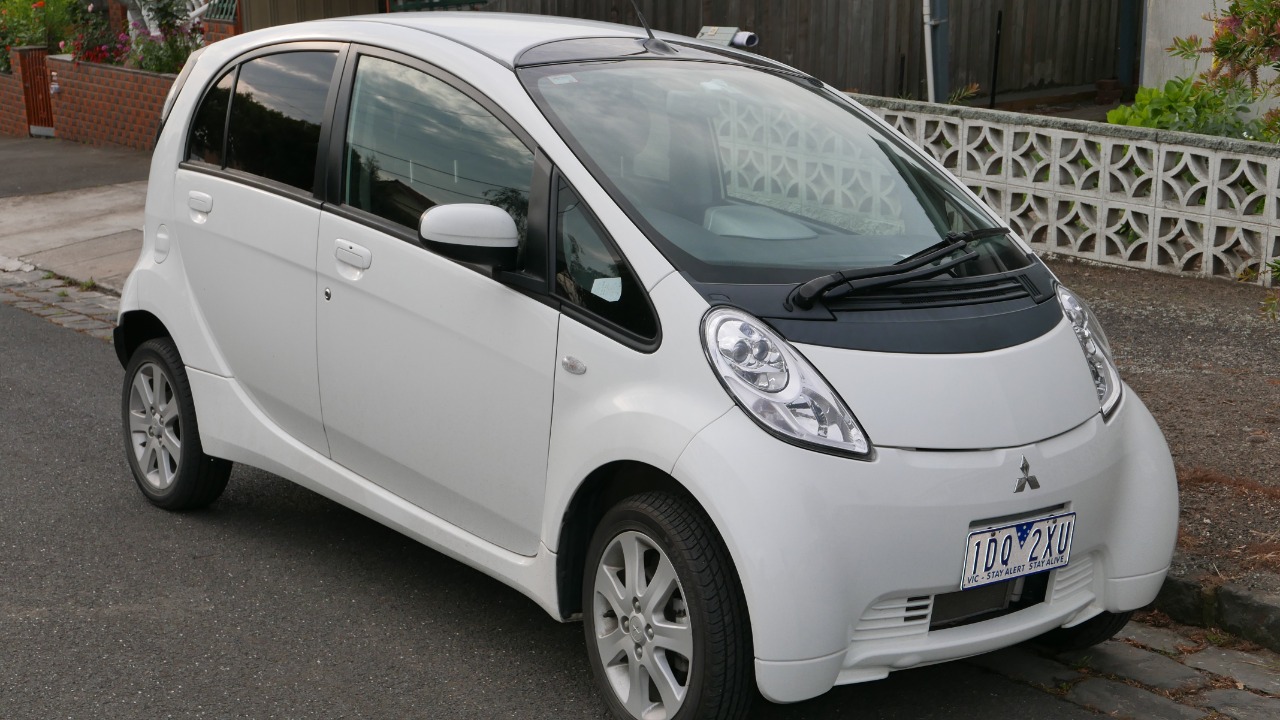
Mitsubishi’s small electric hatchback reached American buyers in December 2011 at $29,125 with a 62-mile EPA range. It was among the first modern mass-market electric cars on sale.
The short range limited its usefulness, but the car showed the company’s willingness to experiment with new technology. It remains an interesting early chapter in the story of electric vehicles in America. It was an early signpost for the electric vehicles that came to dominate later conversations about the future of cars.
10. Mitsubishi Outlander Sport: The Last One Out
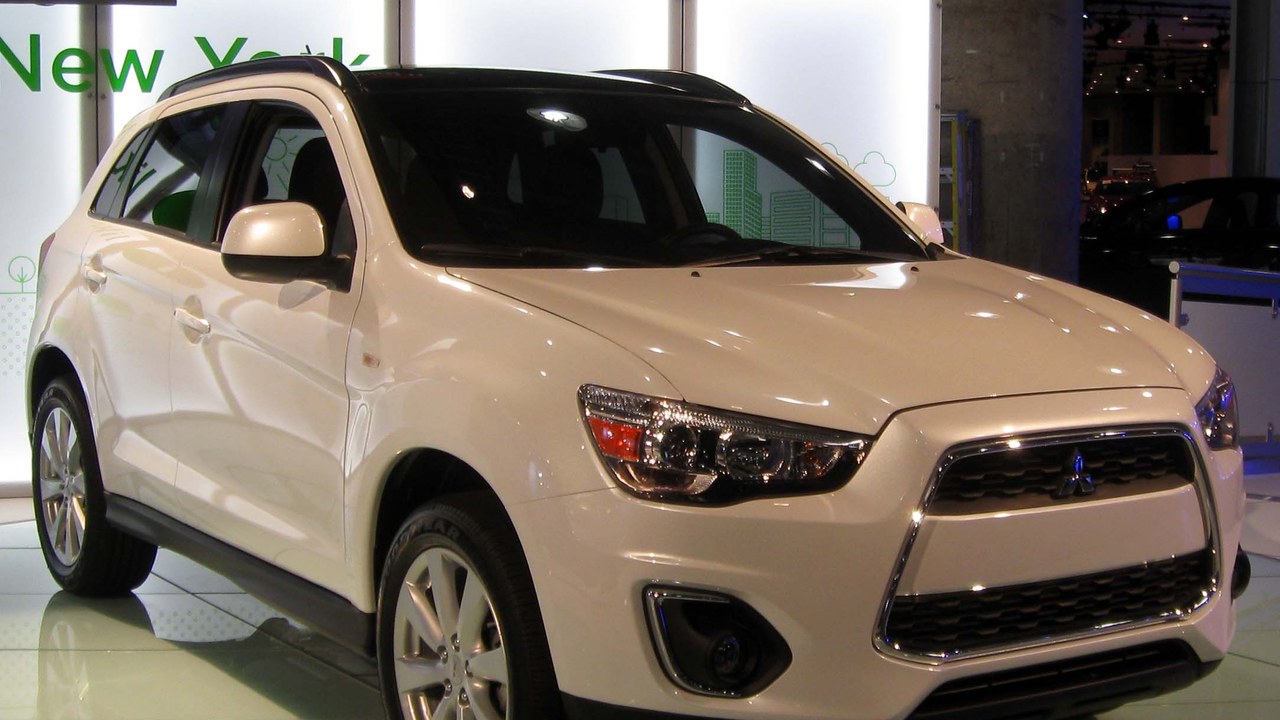
The Outlander Sport was the last model built at the Normal, Illinois, plant, which ended car production in November 2015. The factory closed its car line with a crossover.
This is the final entry in the Illinois story the headline describes. The plant had built sedans, coupes and utility vehicles, and its closing marked the end of the company’s long manufacturing presence in the area. For a brand that once built cars locally, the closing of the plant is a defining moment in its American story.
11. Mitsubishi Mirage: Small Car, Big Change
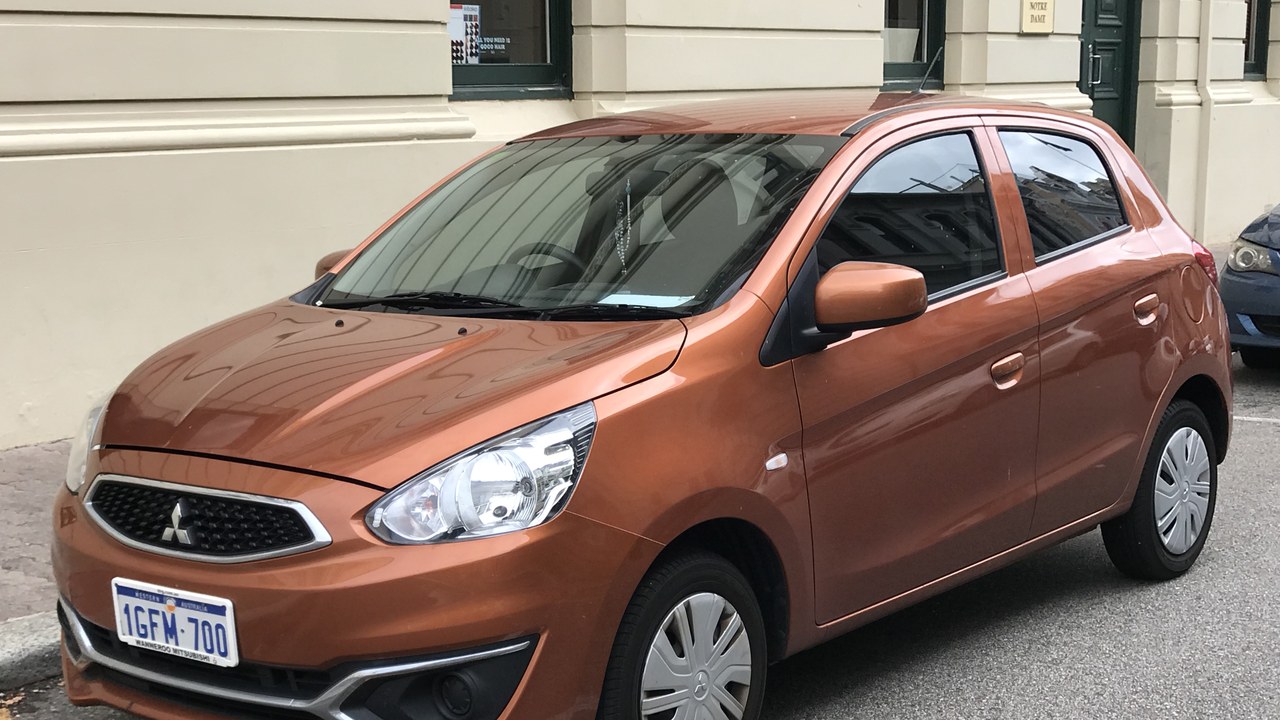
Mitsubishi now says production of the Mirage hatchback has ended. The tiny car was the last of a long line of affordable models.
The announcement closes a chapter for budget-minded buyers who relied on the brand for simple, economical transport. It also fits the wider picture of a brand whose American presence has been shrinking. Its departure leaves a smaller lineup, and the end of the Mirage is likely to surprise few observers of the industry.
AI, explained every day: Get The Deep View →
We may earn a commission if you sign up.
More from Morning Overview
- Seven of Earth’s nine planetary boundaries are breached, and all seven are worsening
- The NSA says three phone features should be off whenever you aren’t using them
- Hurricane Hunter radar shows four warning signs that a tropical cyclone is about to strengthen, a University of Miami study found
- Tropical Storm Rachel is dumping up to 12 inches on four Mexican states on its way to major hurricane strength
