
Before Japanese manufacturers took over showrooms, Britain supplied much of the world’s most admired motorcycles. These machines won races, set speed records and starred in films, and several became cultural symbols. Here are twelve British bikes that carried that reputation up to the moment Honda changed everything.
Tech news in one quick read: Get the most interesting stories in startups, tech and programming, each with a short TLDR, in one daily email from TLDR.
We may earn a commission if you sign up.
1. Brough Superior SS100: The Ultimate Brough
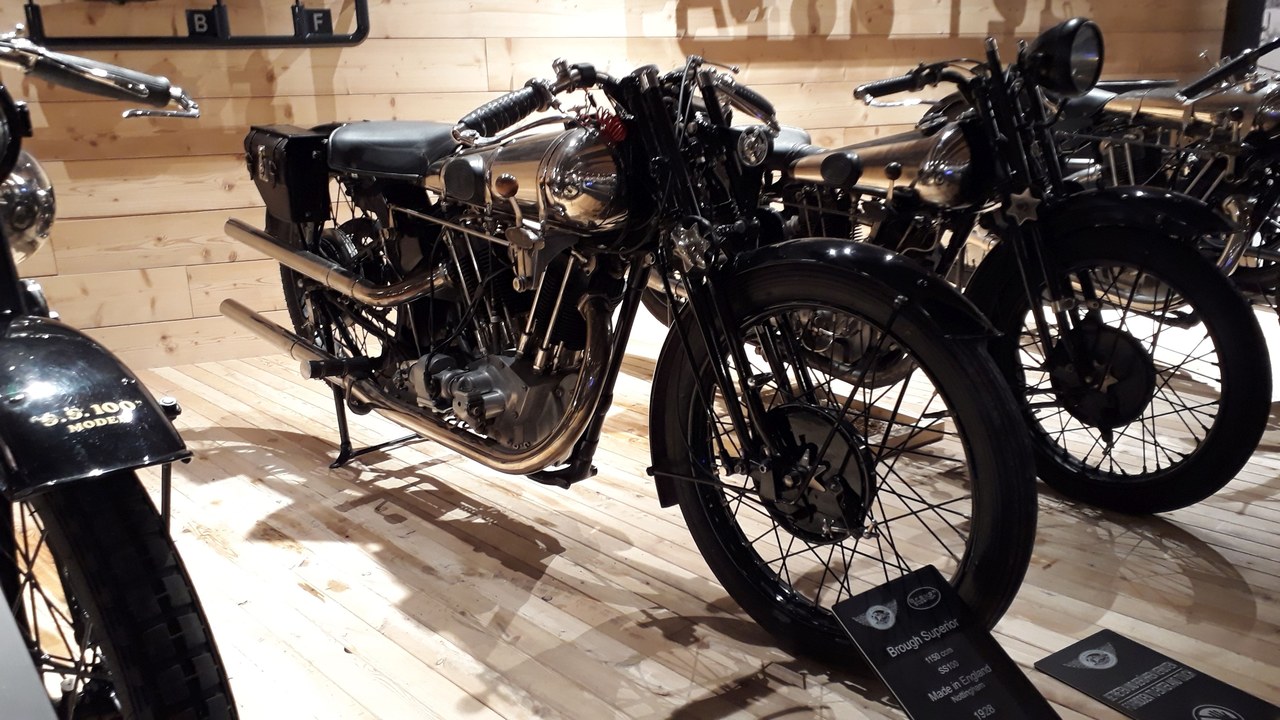
Hagerty calls the Brough Superior SS100 the ultimate Brough Superior, and T.E. Lawrence owned several of them before dying after a crash on one.
That link to Lawrence gave the marque a reputation that reached well beyond motorcycling circles. Hand-built and expensive, the SS100 stood at the very top of the British hierarchy, and its mystique has only grown with the passage of time. Collectors still pay serious money for surviving examples, and the combination of hand craftsmanship and a dramatic story keeps its place at the head of British motorcycling history.
2. Ariel Square Four: Four Cylinders in a Square
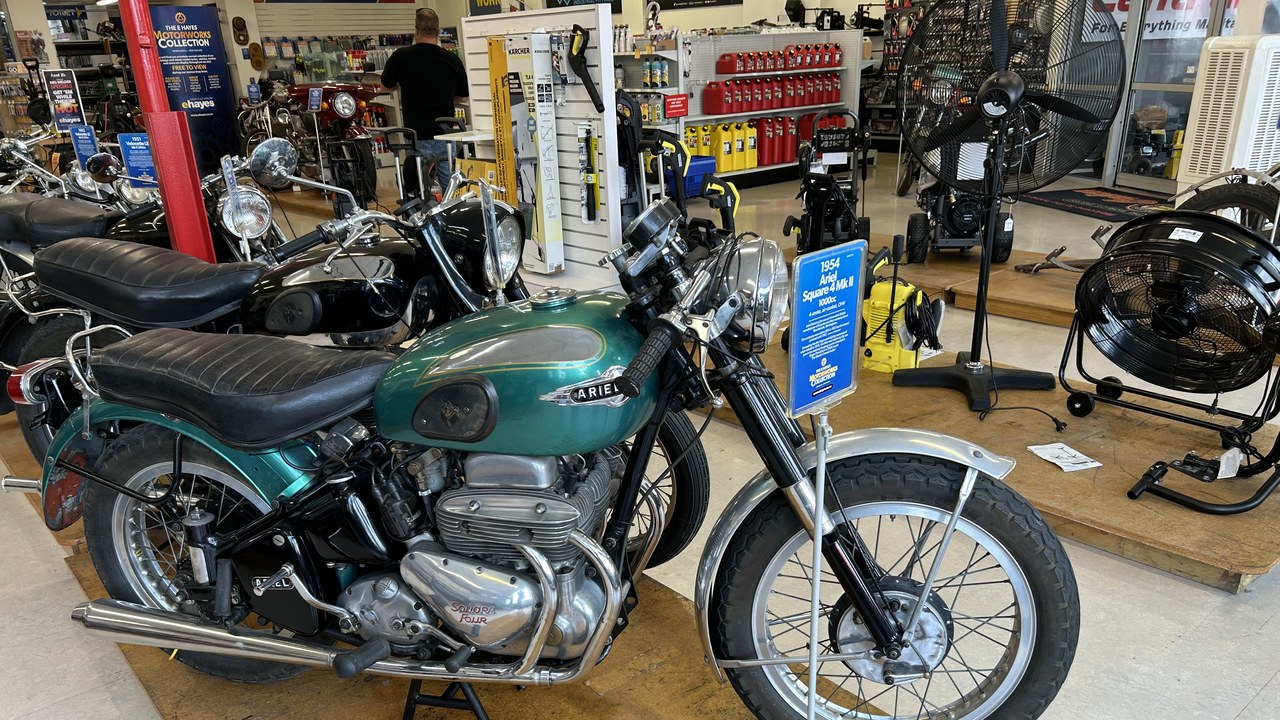
Launched in 1931, the Ariel Square Four went on to sell more than 15,500 units before its production ended.
A four-cylinder engine was an unusual choice for a British road bike of that period, and the square layout set it apart again. A sales figure in the thousands over several decades shows a respectable niche following, even if the design never became common. It remains a favorite among enthusiasts who appreciate unusual engineering, and its survival in clubs and collections shows how much affection the bike still commands among owners.
3. BSA Gold Star: A Lap Worth Naming
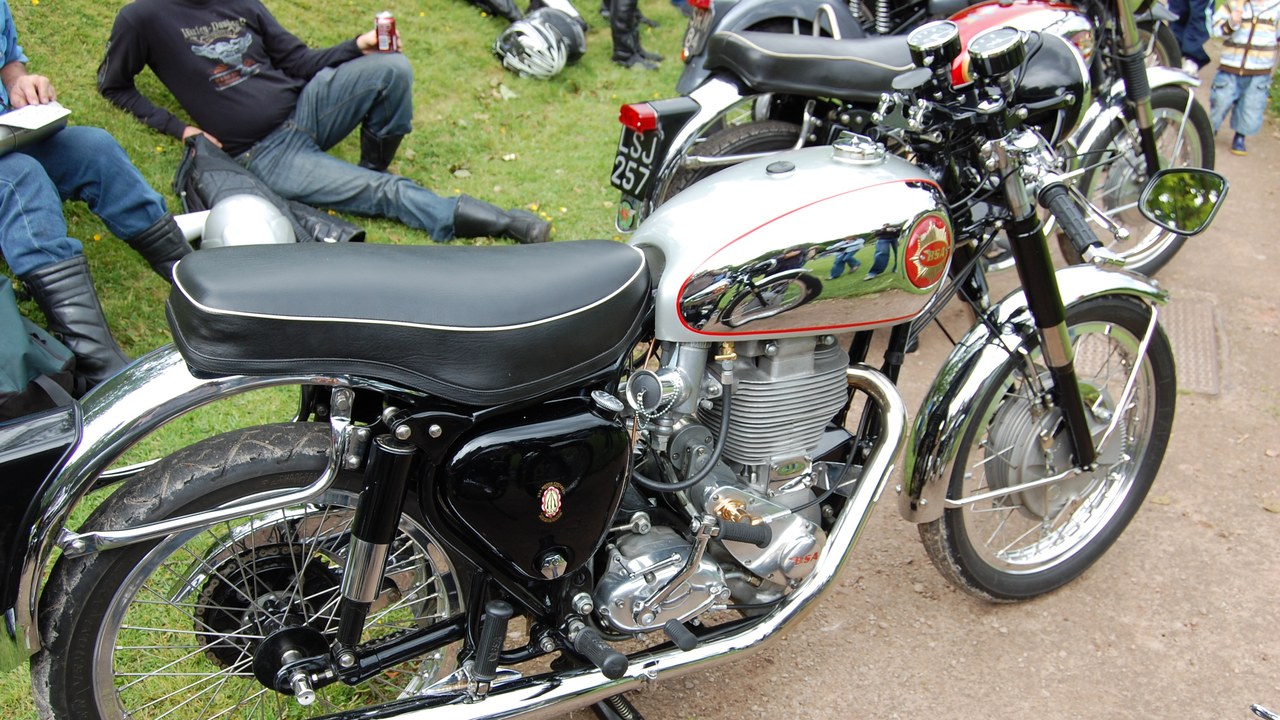
The BSA Gold Star took its name from Wal Handley’s 100-mph Brooklands lap in 1937, and it later dominated the 1956 Clubmans TT, with the DBD34 version topping 110 mph.
Few road bikes carry a name earned on a racetrack so directly. The Gold Star became the machine of choice for club racers, and its blend of everyday usability and track speed gave it lasting appeal among collectors. Many British enthusiasts still point to it as the finest all-round single of its era, and surviving bikes remain prized at shows and in vintage events across the country.
4. Vincent Black Shadow: Fastest Production Machine
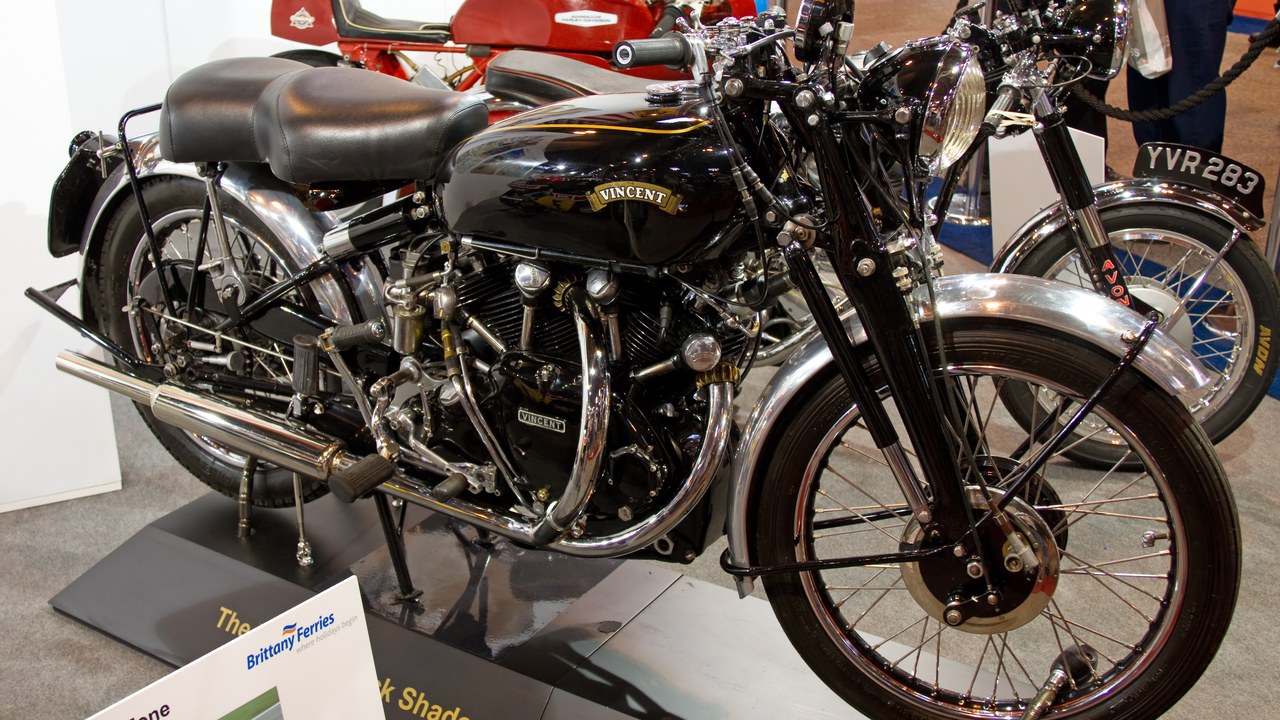
Launched in 1948, the 998cc Vincent Black Shadow was, according to Bennetts classic superbike review, the world’s fastest production motorcycle until production ended in 1955.
Holding that title for years, in an era when British makers competed fiercely, shows how far ahead Vincent engineering was. The Black Shadow remains one of the most coveted classics, and its dark finish and big twin engine suit that image. Few machines of any kind could claim such a title, and it reflects how strongly British makers dominated performance motorcycling before foreign competition arrived.
5. Triumph Thunderbird 6T: Brando’s Ride
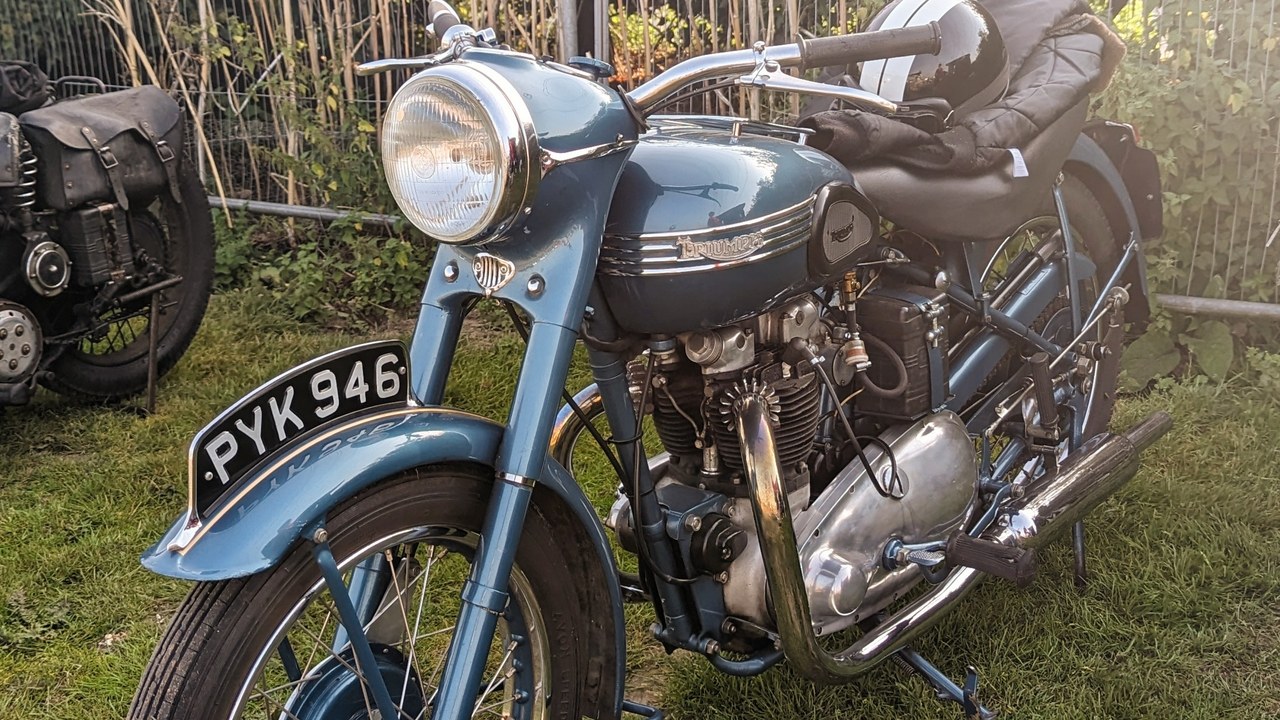
The 1950 Triumph Thunderbird 6T is the bike that Marlon Brando’s character rode in The Wild One film, which fixed it in popular memory.
Film exposure can make a motorcycle famous in a way that sales brochures never manage. The Thunderbird became shorthand for rebellion on two wheels, and Triumph benefited from an image of leather jackets and open roads that persisted for decades. The film made leather jackets and motorcycles the uniform of an entire youth image, and it left an impression on how people thought about motorcycling for years afterward.
6. Norton Manx: Racer’s Choice
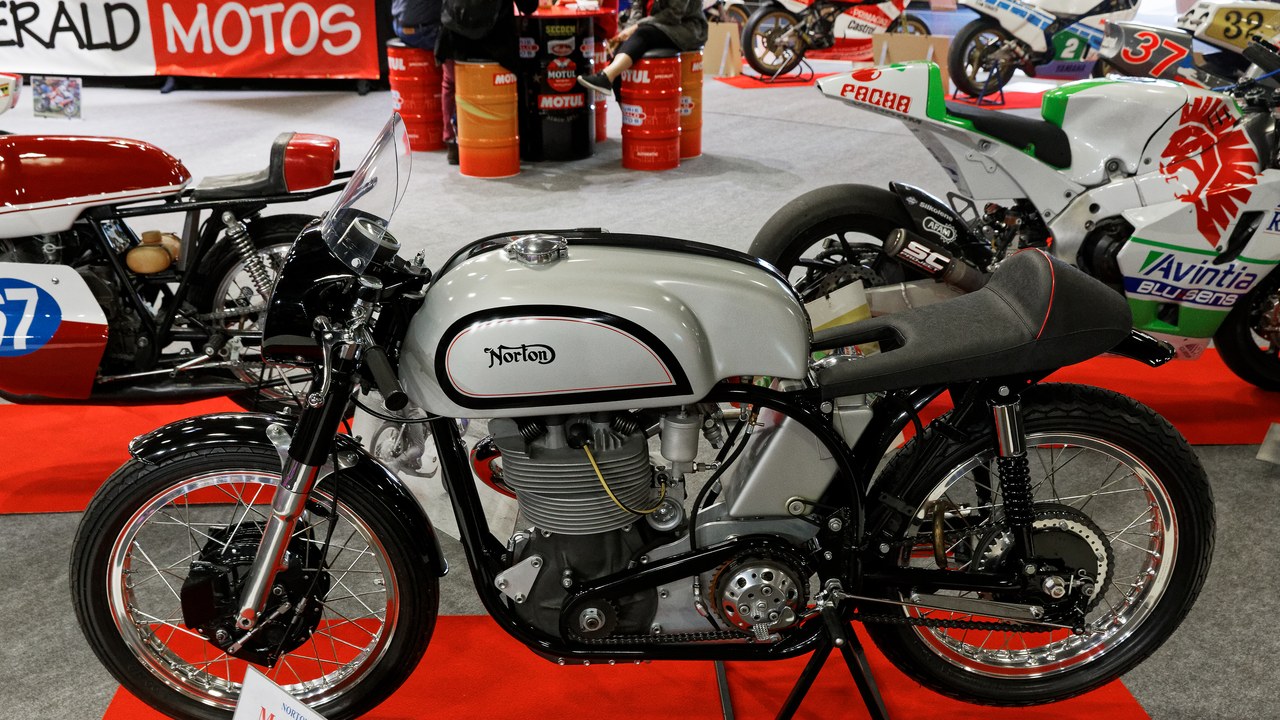
Hagerty notes that nearly all the great racers of the 1950s and ’60s rode a Manx Norton, and its Manx Norton racing pedigree explains the model’s inclusion here.
A single machine turning up under so many champions says more about its quality than any single trophy could. The Manx was a purpose-built racer, not a road bike, and that focus made it the benchmark for single-cylinder competition. Many of those riders learned their craft on the Manx, and its tuned, lightweight design influenced the racing scene far beyond the tracks where it was originally used.
7. Velocette Venom: Twenty-Four Hours at Speed
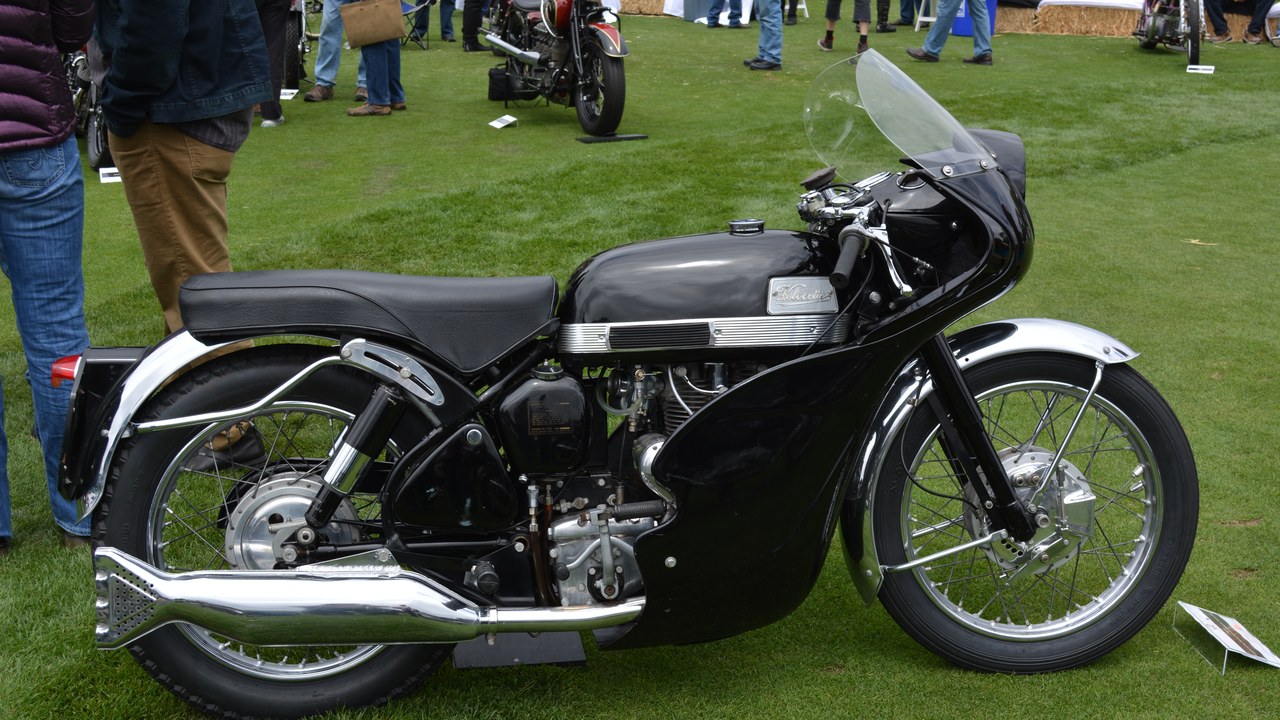
In 1961 a Velocette Venom Clubman set a 24-hour world average speed record of 100.05 mph, and a 24-hour endurance record like that tests reliability as much as pace.
Averaging over 100 mph for a full day required both a quick engine and parts that did not fail. The Venom proved that a small British maker could rival larger names, and it remains a favorite among riders who value sweet handling. It was never the biggest or flashiest bike, but those qualities helped the Venom build a loyal following among riders who prized quality over headline power.
8. Triumph Bonneville T120: Salt Flat Namesake
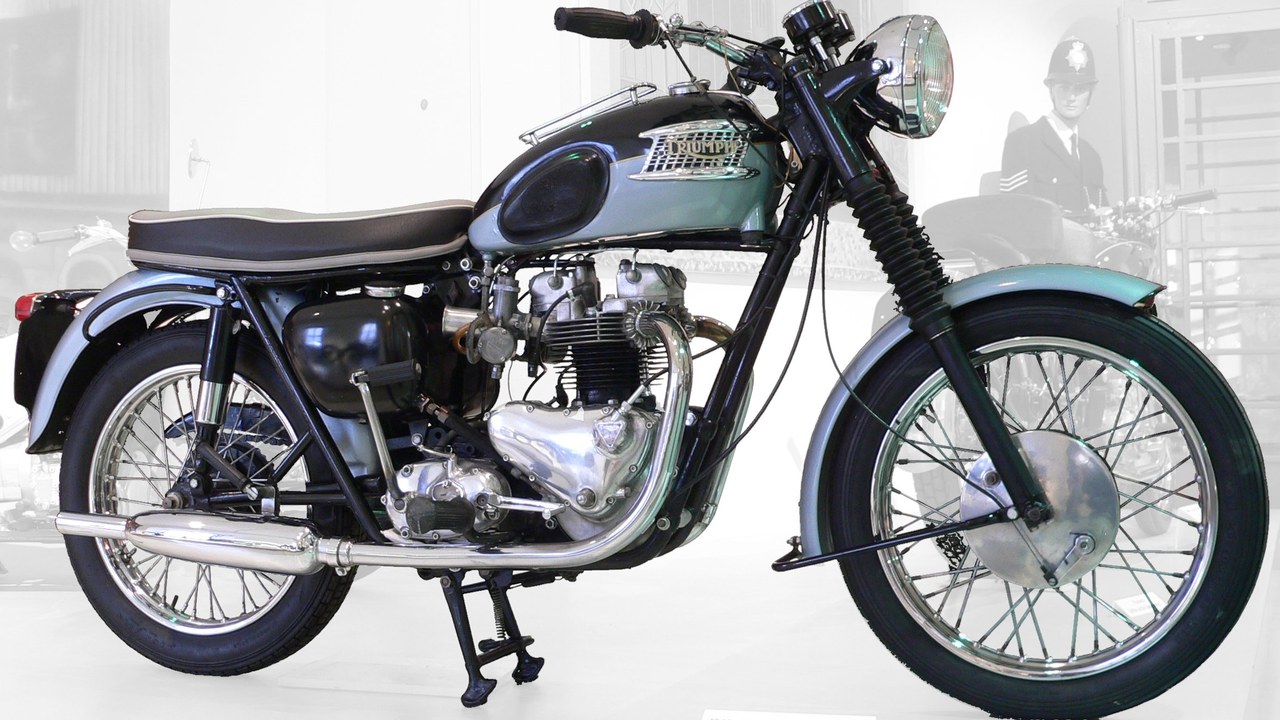
Launched in 1959, the Triumph Bonneville T120 was named for the Utah salt flats and marketed as the World’s Fastest Motorcycle in its advertising.
The name linked an everyday twin to land speed record culture, which was a clever bit of branding. The Bonneville became Triumph’s best-known model, and the name has been revived repeatedly because it still evokes that confident, fast image. Later generations of the model carried the name forward, and the original twin remains the reference point for the classic look that modern Triumphs still try to echo today.
9. Triumph TR6 Trophy: Escape on a Triumph
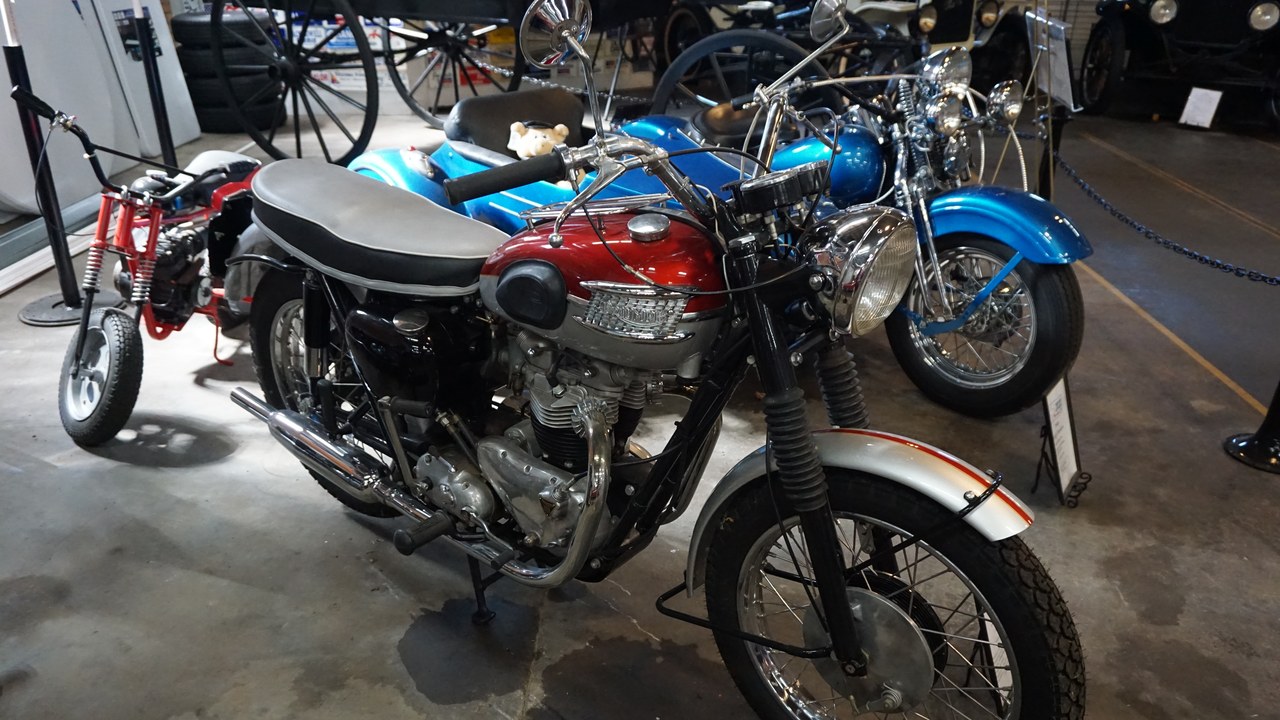
A 650cc TR6 Trophy, disguised as a German BMW R75, carried Steve McQueen in The Great Escape, producing one of cinema’s most remembered motorcycle scenes.
The stunt works because the Triumph was a capable and reliable machine for off-road jumping, even in costume. McQueen’s own love of motorcycles helped cement the association, and the TR6 Trophy still benefits from that screen presence. Even viewers who know nothing about motorcycles tend to remember the sequence, which has given the model far more fame than most workaday road bikes manage to earn.
10. Norton Commando: Smooth Twin by Design
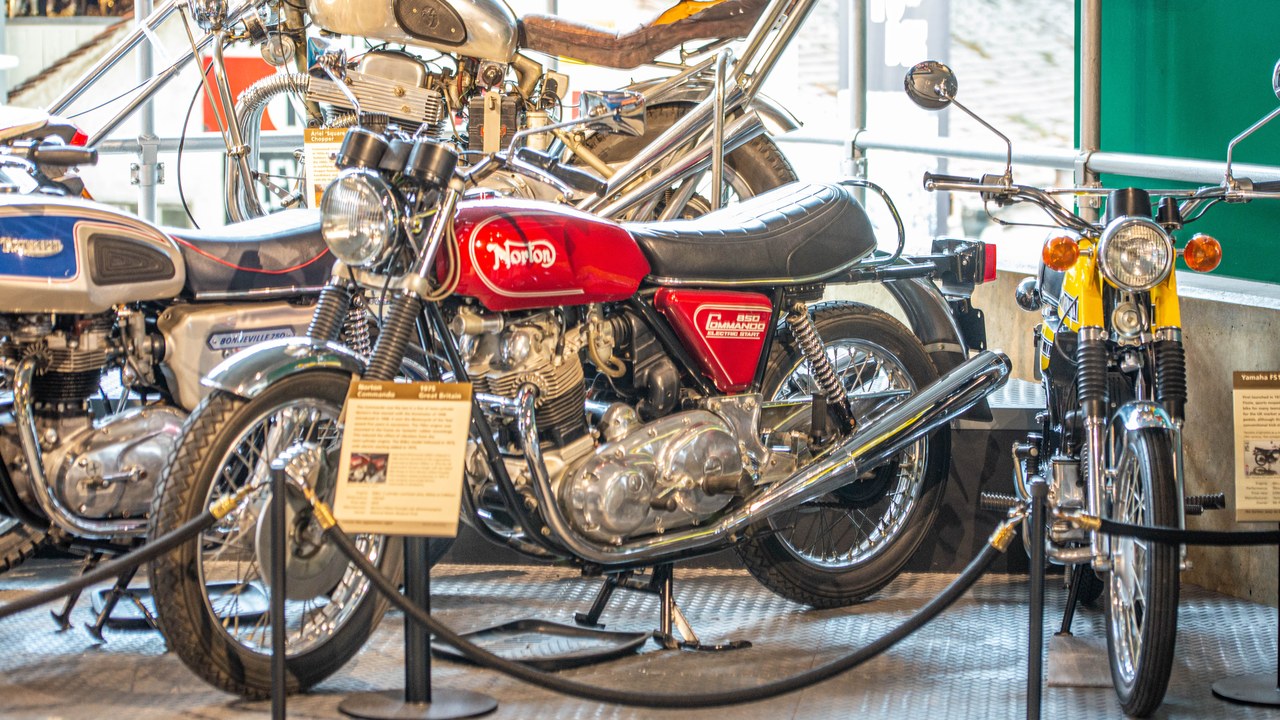
The Isolastic-framed Commando 750 won the MCN Machine of the Year award five years running, from 1968 to 1972.
The Isolastic frame was meant to isolate the rider from engine vibration, a common complaint with big British twins. Five straight awards suggest the magazine’s readers and testers were convinced, making the Commando one of the last British triumphs at the top. Vibration was a daily annoyance on big twins, so a solution that actually worked mattered to everyday owners, not just to engineers interested in clever frames.
11. Triumph Trident: Overshadowed by Honda
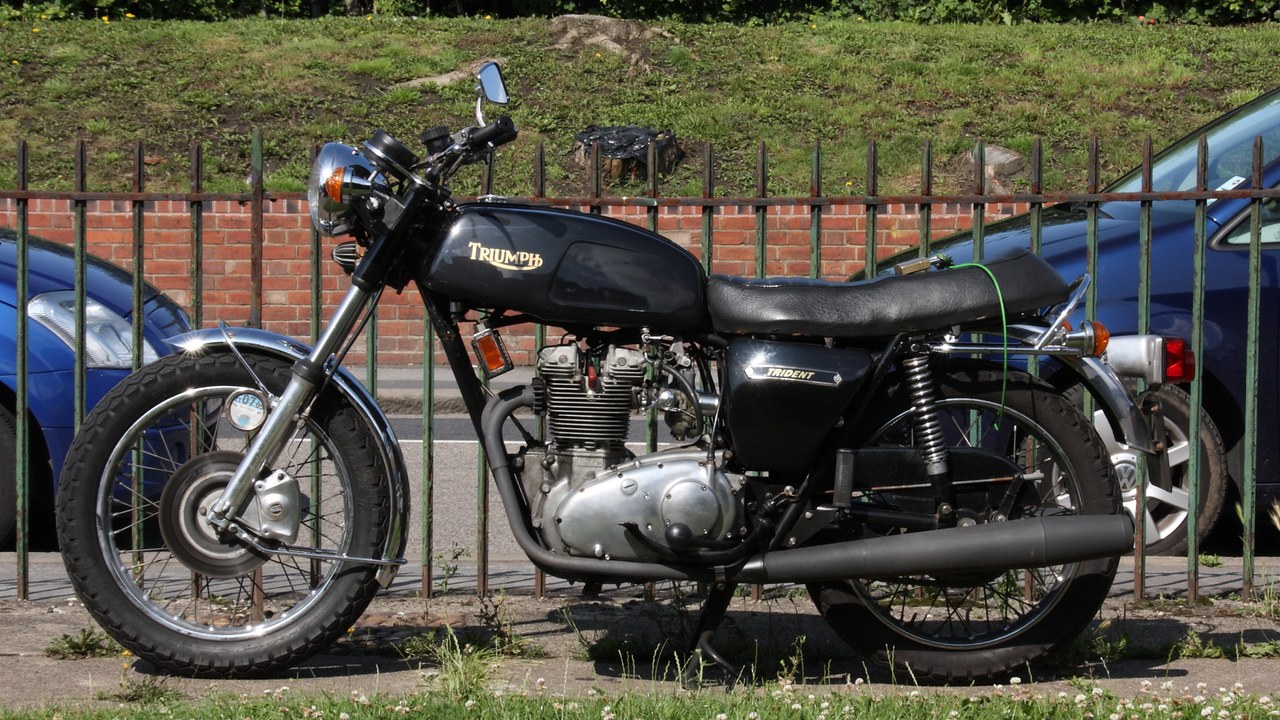
Introduced in summer 1968, the 750cc Triumph Trident triple was, as Bennetts triple coverage puts it, quickly overshadowed by Honda’s CB750.
The timing was cruel, since the Trident was a well-engineered machine that arrived just before a competitor changed the market. It marks the point where the story shifts from British dominance to a long and difficult retreat. For Triumph, the triple was an ambitious engineering step, and enthusiasts today often remember it as a fine bike that simply arrived at the wrong moment in history.
12. BSA Rocket 3: Factory Team at Daytona
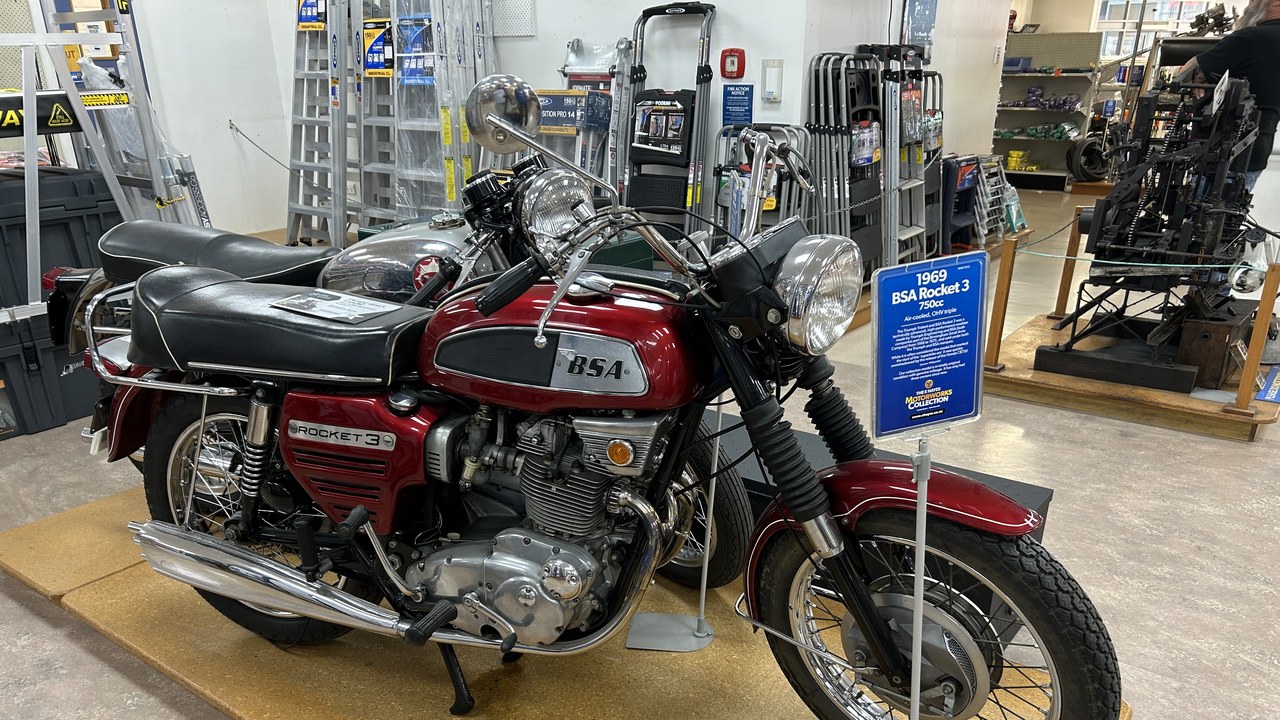
BSA’s factory team raced the Rocket 3 triple at Daytona, and Dick Mann took a 1971 Daytona win on one.
Success at a major American race gave the triple real prestige and showed the design could compete at the highest level. The victory still came as Japanese makers were gaining ground, so it reads today as a final high note for the British industry. Related triples were sold under both the BSA and Triumph names, and both shared a fate that illustrates how quickly the competitive picture shifted around that period.
Tech news in one quick read: Subscribe to TLDR →
We may earn a commission if you sign up.
More from Morning Overview
- NOAA now gives this winter a 75% chance of the strongest El Nino since 1950
- Doctors warn a silent liver disease now affects one in three American adults
- The FBI told the rest of ShinyHunters to surrender after a 24-year-old was arrested
- Two passengers died at an Ohio toll plaza, and the NTSB now wants the cash lanes shut
