
Nissan’s Z car began as an affordable sports coupe and grew into one of the most enduring nameplates in the sports car world. Each generation changed the formula in its own way, with bigger engines, new bodies and some long gaps. Here are ten Z cars that show how the line evolved.
Save more, waste less: The Cool Down’s newsletter sends smart, simple changes that help you and the planet in your everyday life.
We may earn a commission if you sign up.
1. Datsun 240Z: The Bargain That Started It
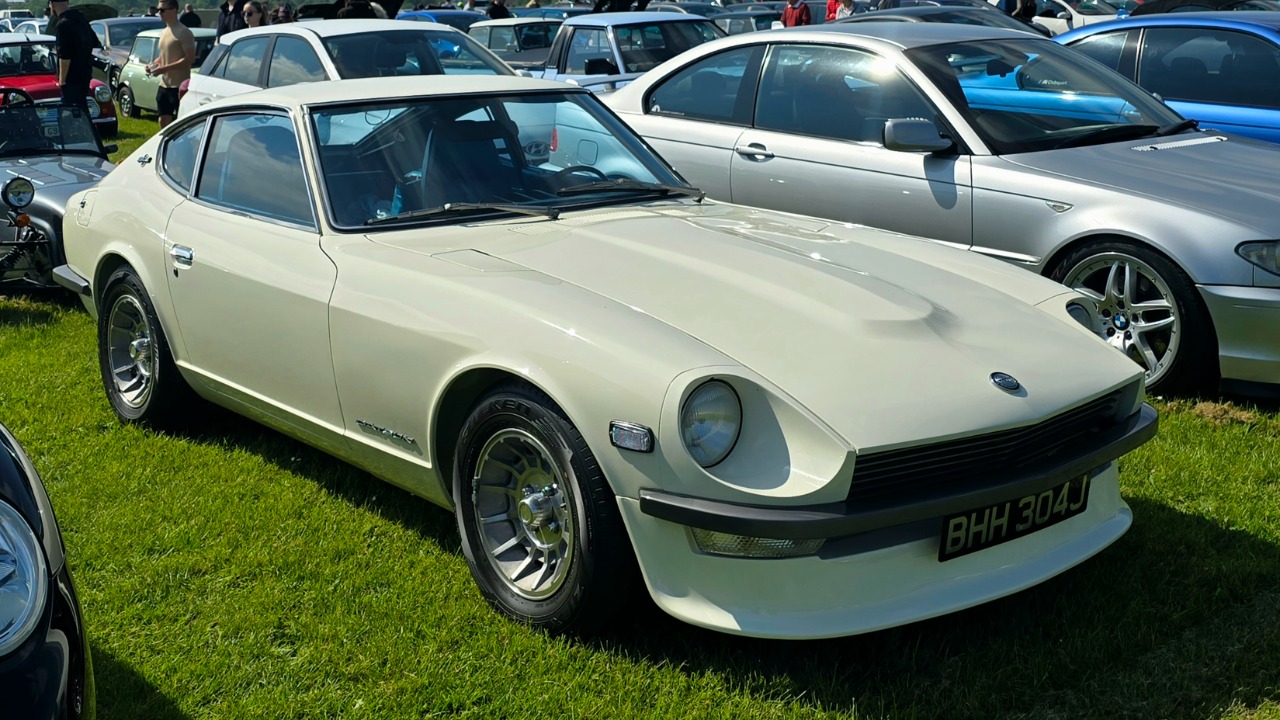
The Datsun 240Z reached North America on October 22, 1969 as a 1970 model, with a starting price of $3,626 and a 150-horsepower 2.4-litre six. The price was strikingly low for the performance.
That combination of looks, speed and affordability gave the Z its reputation from the first day. It created a template of an accessible sports car that every later generation has tried to honor, with varying degrees of success. Many enthusiasts still describe it as the car that brought real sports performance within reach of ordinary drivers.
2. Datsun 260Z: Growing to 2.6 Litres
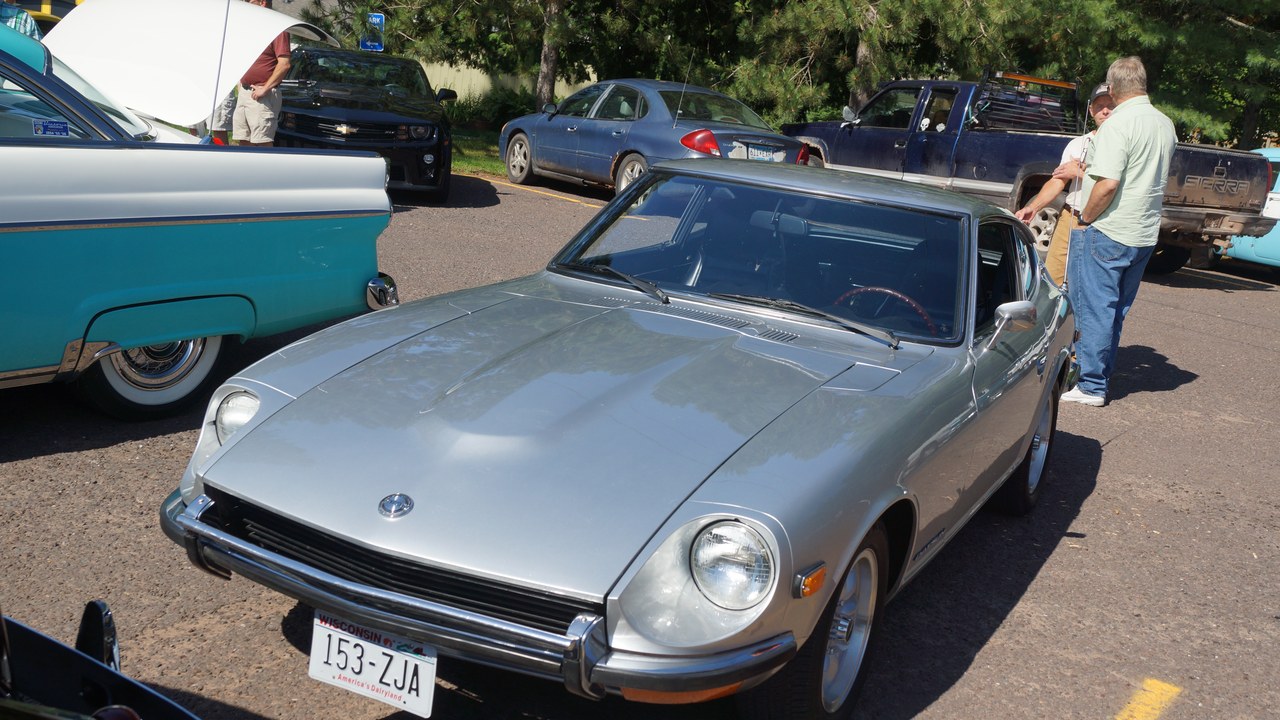
For 1974 the engine grew to 2.6 litres, the name changed to 260Z and a 2+2 model appeared. The car became a little larger in more than one sense.
Adding a 2+2 body widened the appeal to buyers who needed rear seats. The change also shows the company reacting to a market that wanted more space and more power than the original coupe offered, one step at a time. It was a modest evolution, yet it helped keep the model fresh through the mid-1970s.
3. Datsun 280Z: The 2.8-Litre Step
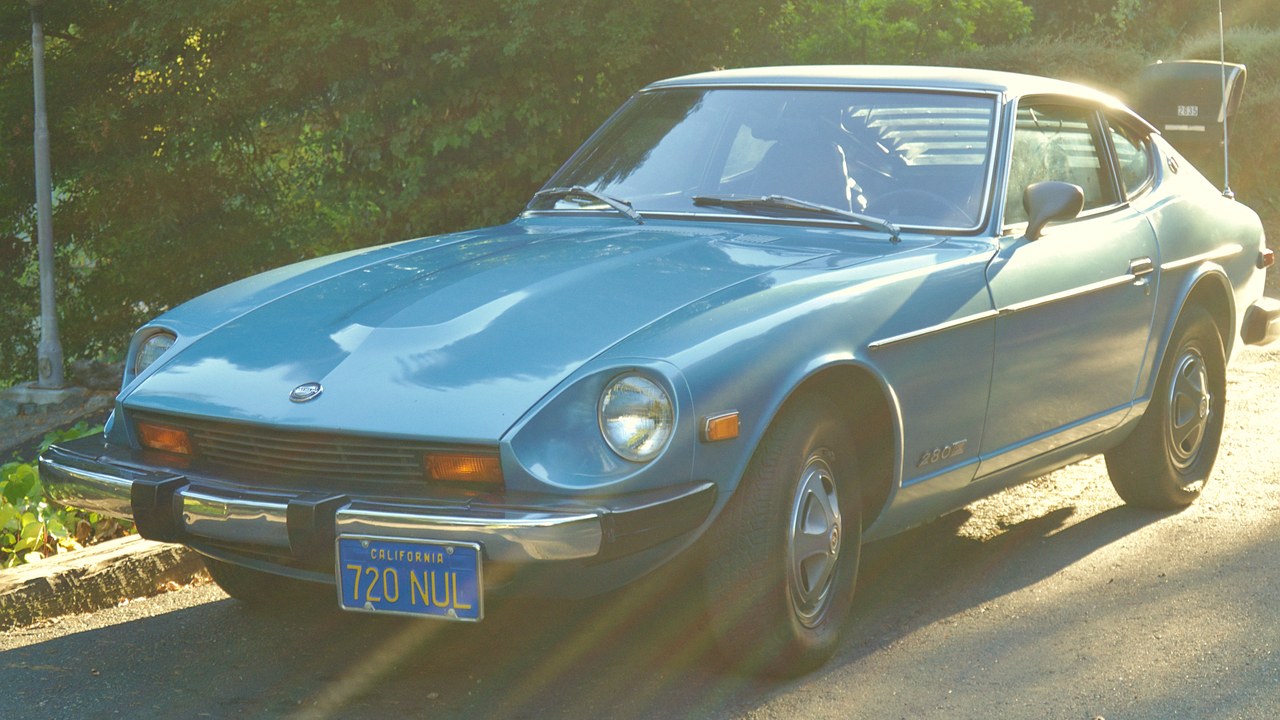
For 1975 the engine grew again to 2.8 litres and the car became the 280Z. The name followed the displacement, as with the model before it.
Each increase in engine size was a straightforward way to keep the car competitive without redesigning it. The 280Z continued the same formula, and it bridges the earliest Z cars and the more luxurious versions that came afterwards. Collectors now pay close attention to which version of the early cars they are buying, since the differences can be significant.
4. Datsun 280ZX: Record First Year
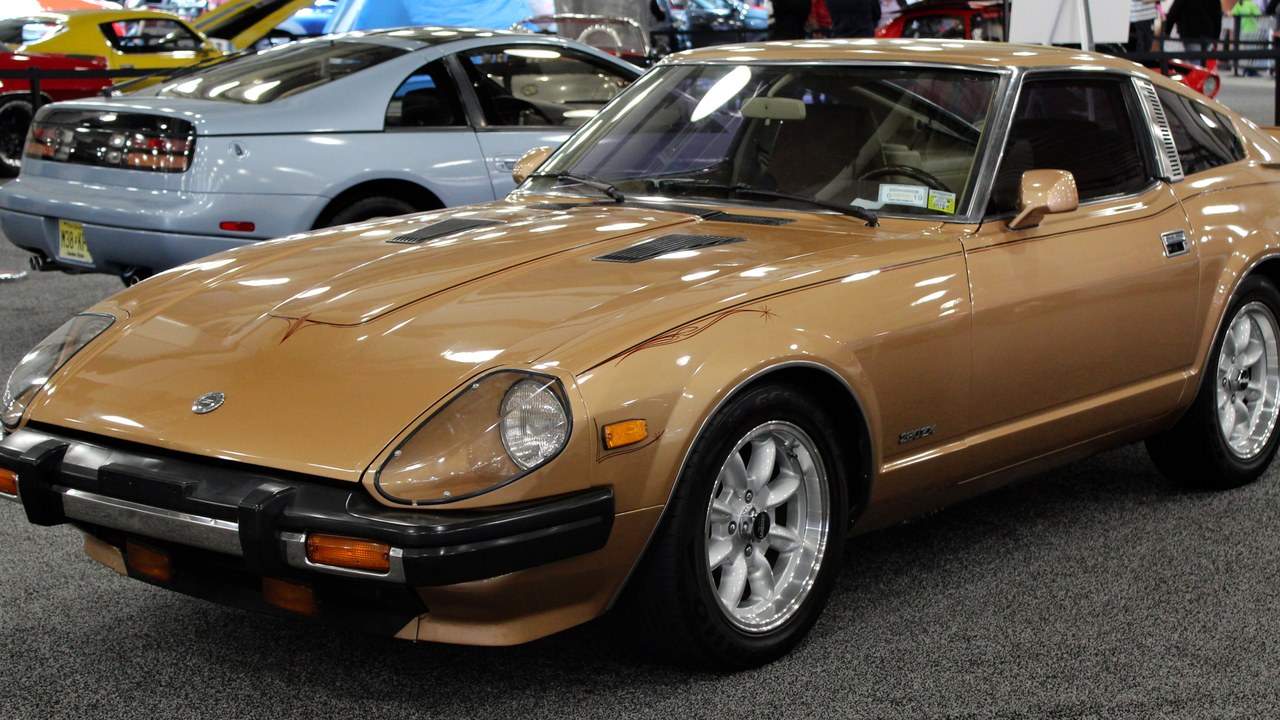
The Datsun 280ZX set a Z-car sales record of 86,007 units in its first year. No earlier Z had sold in such numbers over a first twelve months.
The ZX turned the sporty coupe into something more comfortable and refined, and buyers responded. It proves the Z could succeed by shifting toward grand touring, even if some of the early purists missed the lighter, simpler feel. Strong early sales are the clearest evidence that the new direction suited what drivers were asking for.
5. Nissan 300ZX (Z31): America’s Favorite Sports Car
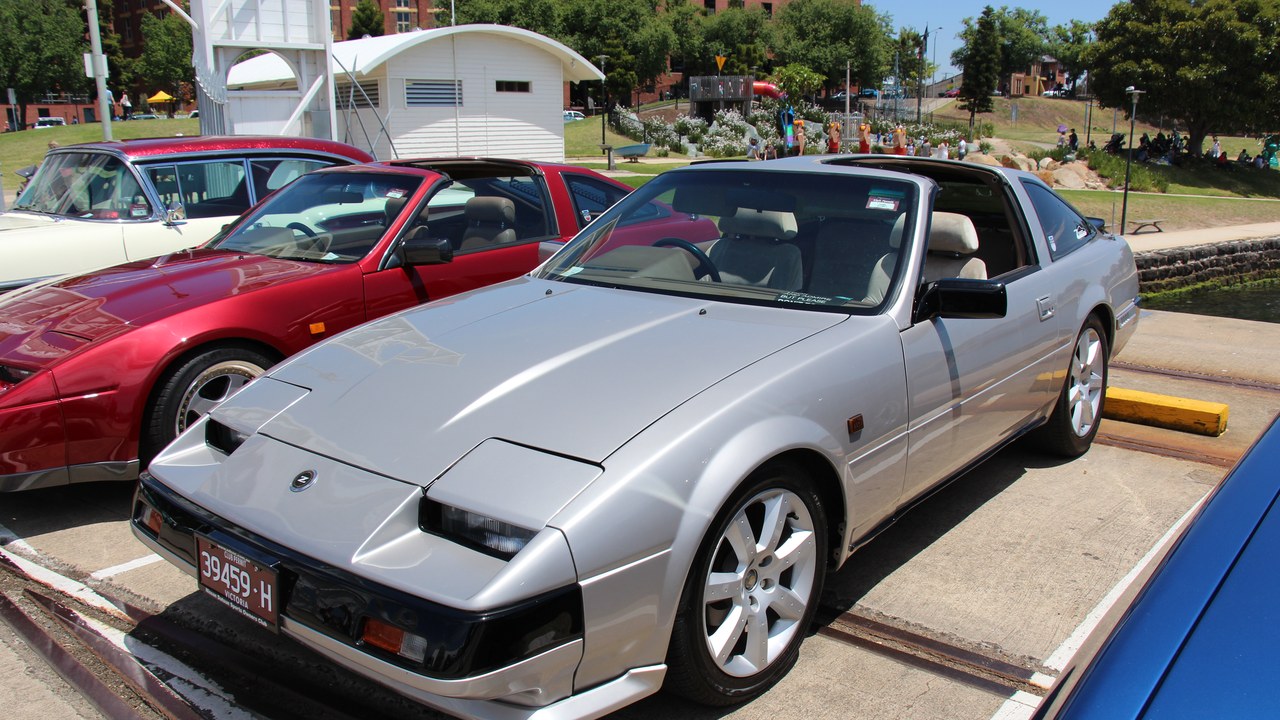
With the Z31, a 3.0-litre V6 replaced the inline-six, and the 1984 Z was the best-selling sports car in America. It was a major commercial achievement.
Dropping the long-serving six marked a real engineering change for the line. Being the top seller in its class confirms how firmly the Z had rooted itself in the American market by the middle of the 1980s. It also signals how far the Z had moved from its original lightweight inline-six roots in only a few years.
6. Nissan 300ZX (Z32): Twin-Turbo Peak
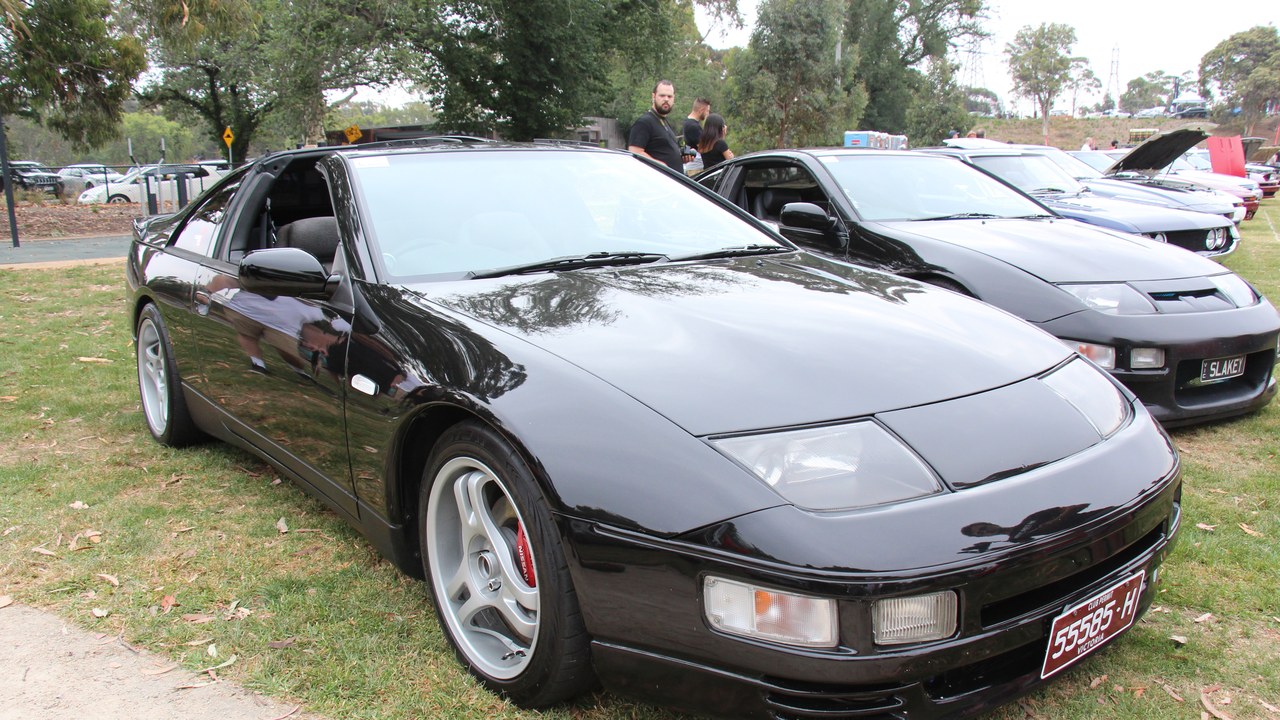
The Z32 300ZX had a twin-turbo V6 making 300 hp, and North American sales ended in 1996 at over 80,000 units. The car left the market on a high note.
A turbocharged flagship brought genuine supercar-level ambition to the family, but the end of sales in 1996 started a long absence from showrooms. That gap makes the Z32 a definitive high point for many enthusiasts. Fans of the era frequently rank this generation among the most technically advanced Japanese sports cars of its time.
7. Nissan 350Z: Return After a Hiatus
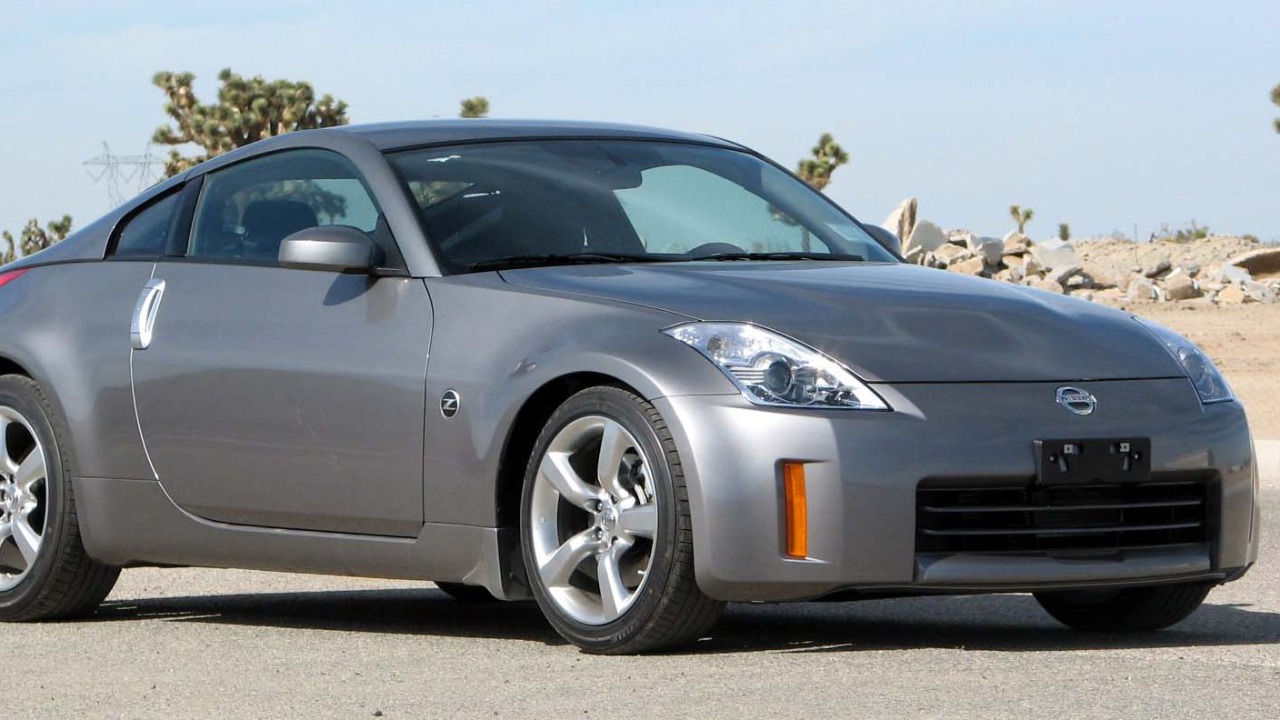
Released in the summer of 2002 after the Z’s American hiatus, the 350Z launched with 287 bhp. It brought the nameplate back to a market that had missed it.
Reviving the Z after years away showed that the brand still had pull among sports car fans. The 350Z returned to the original recipe of a straightforward, rear-drive coupe at a sensible price instead of chasing exotic ambitions. Many fans welcomed the comeback with enthusiasm, and the model sold well enough to justify further generations.
8. Nissan 370Z: Late-2008 Debut
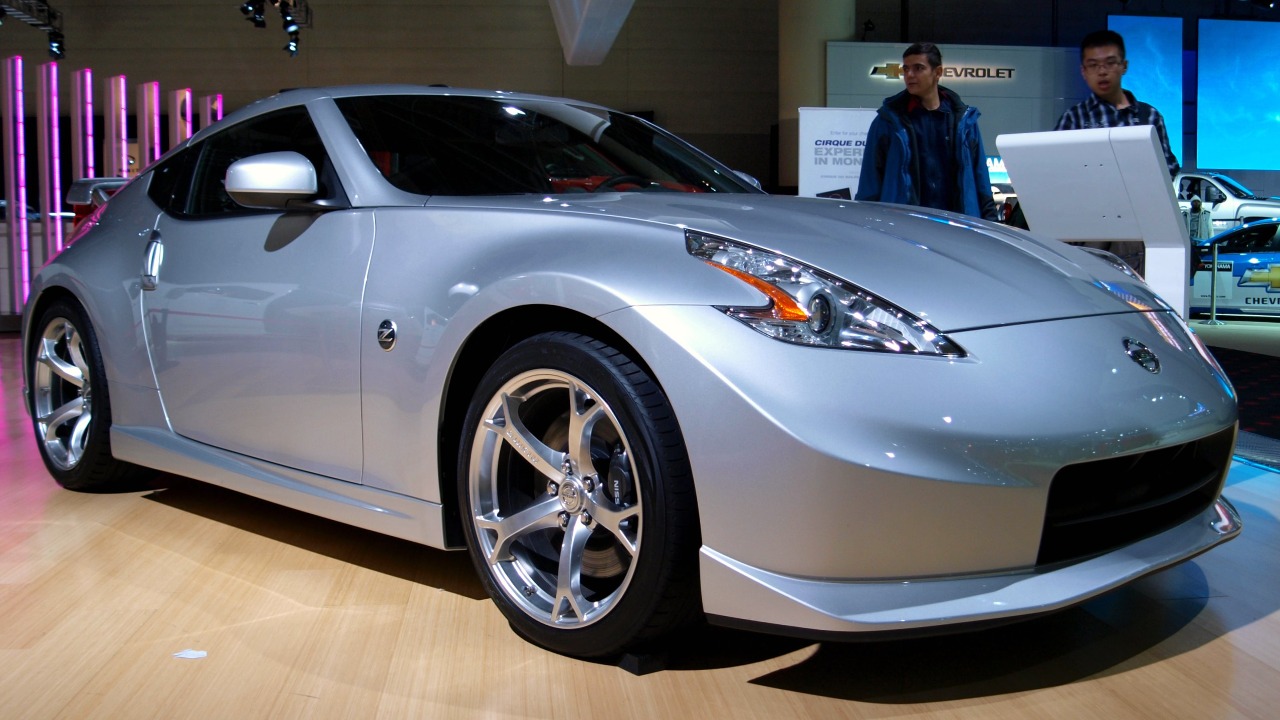
The 370Z was introduced on December 30, 2008 as a 2009 model, making 328 to 350 hp. The range of output depended on the version.
Arriving at the very end of the year, it carried the same philosophy forward with a power gain. It served as the foundation for the Z lineup for a long time and kept the badge alive through a challenging period for sports cars. That spread in output reflects the different versions on offer, and it shows the model catering to more than one type of driver.
9. Nissan Z (RZ34): Back to Turbo Power
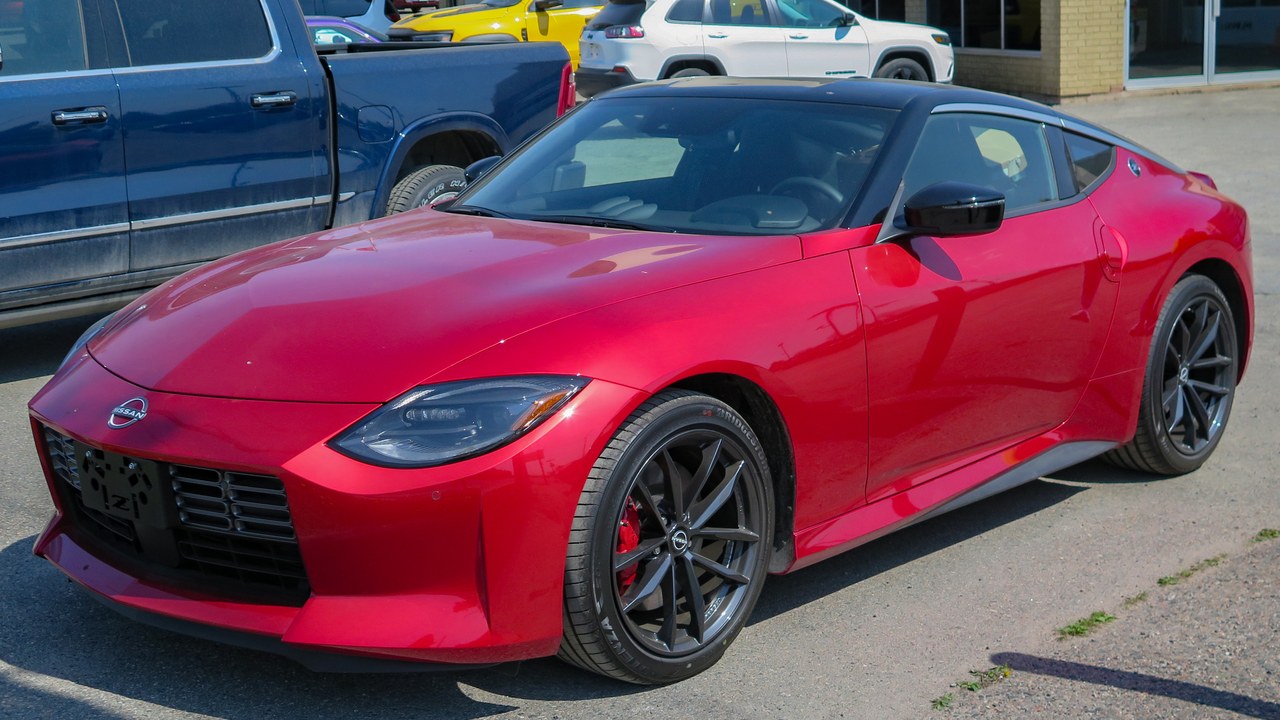
Today’s Nissan Z is rated at 400 horsepower and 350 lb-ft of torque from a twin-turbo engine. It marks a return to forced induction for the line.
The current car combines modern power with the long-established coupe shape and keeps the formula alive in an era when fewer affordable sports cars are built. It is the most recent expression of an idea that started in 1970. Its steady performance figures make the current Z a direct descendant of the cars that built the nameplate.
10. Nissan Z NISMO: The 420-Horsepower Z
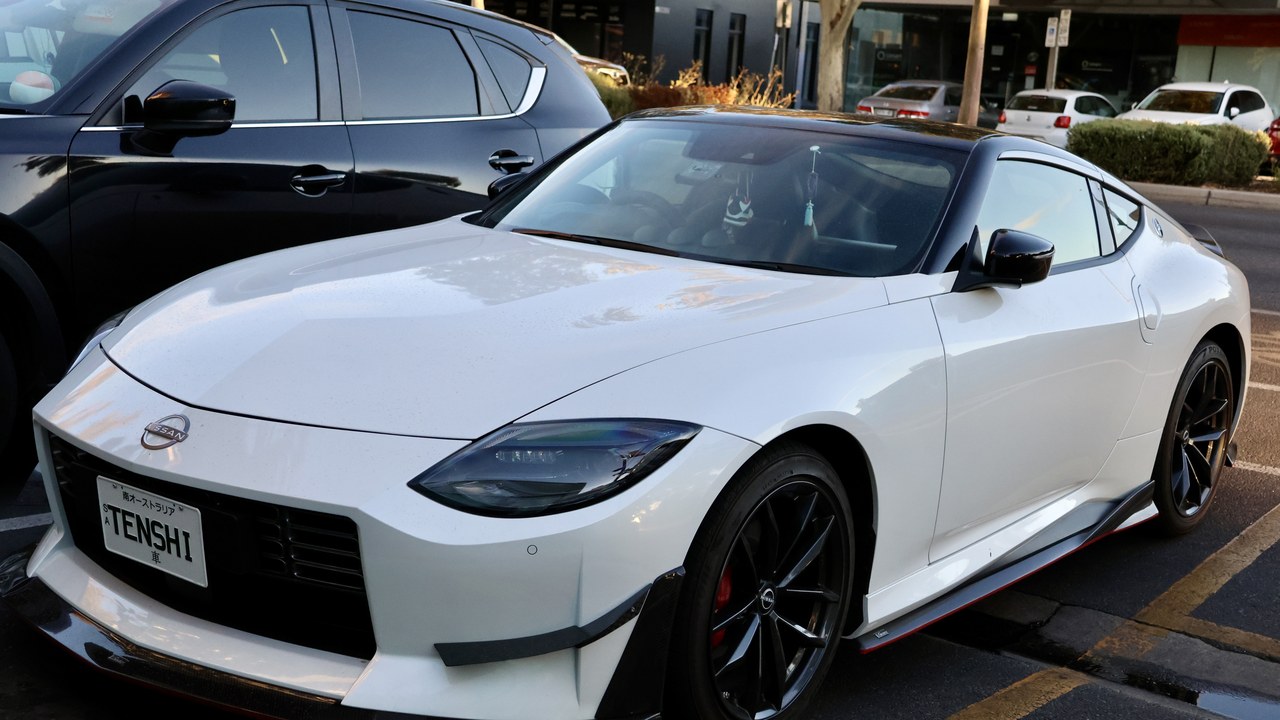
The NISMO version raises output to 420 horsepower and 384 lb-ft, and it comes only with a nine-speed automatic. It sits at the top of the current range.
The decision to offer only an automatic marks a notable departure from tradition, though it matches the car’s track-focused ambitions. As the most powerful Z in this list, it caps a lineage that began at a very modest price. Enthusiasts may still prefer a clutch pedal, yet the NISMO remains a serious and well-equipped performance coupe.
Save more, waste less: Subscribe to The Cool Down →
We may earn a commission if you sign up.
More from Morning Overview
- Lake Powell sank to a record 3,517 feet, nearing the level that stops Glen Canyon Dam’s turbines
- Seven of Earth’s nine planetary boundaries are breached, and all seven are worsening
- The NSA says three phone features should be off whenever you aren’t using them
- Hurricane Hunter radar shows four warning signs that a tropical cyclone is about to strengthen, a University of Miami study found
