
Studebaker spent its last decades chasing a market that kept slipping away, even as its designers kept turning out distinctive cars and trucks. The lineup ran from a wraparound-window coupe to a fiberglass sports car and a Canadian-built finale. Here are twelve Studebakers, in roughly the order they arrived.
Tech news worth reading: Get Techpresso, the daily email with the most interesting tech news and insights, read by 400,000+ professionals from Google, Apple and OpenAI.
We may earn a commission if you sign up.
1. Studebaker Starlight coupe: A Coupe Facing Two Ways
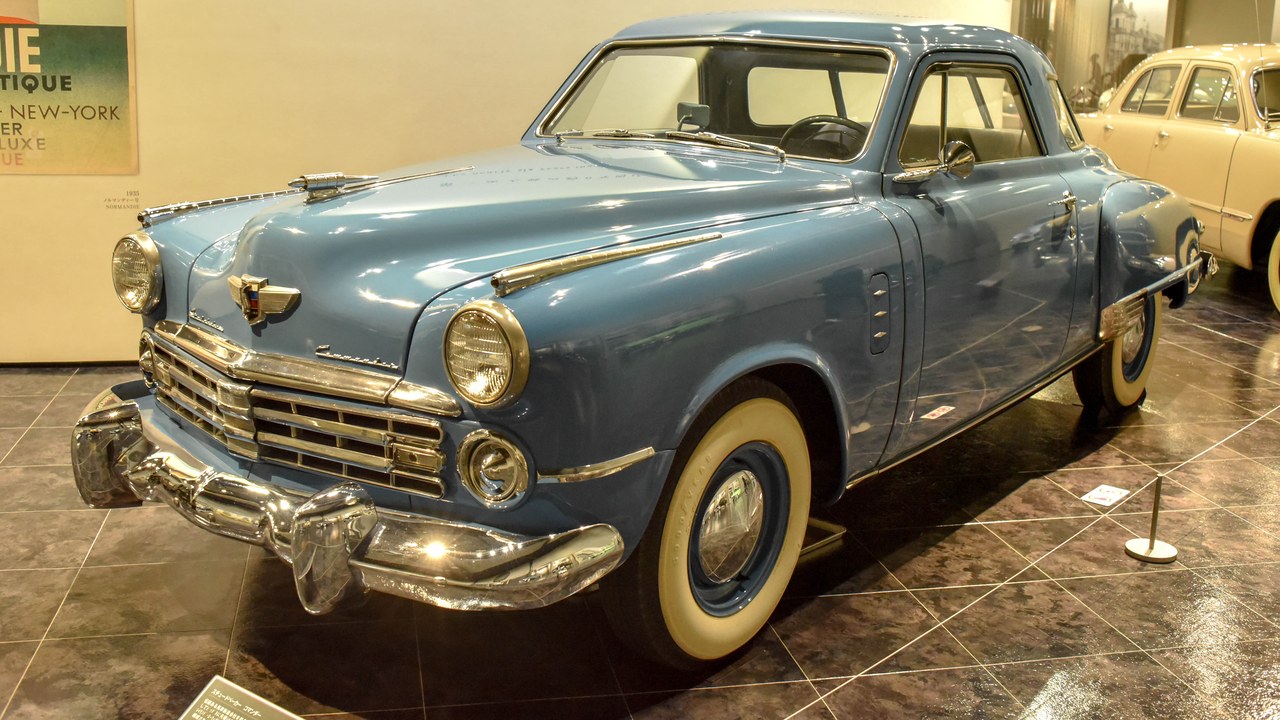
Arriving for 1947, Virgil Exner’s wraparound-rear-window coupe drew a famous critics’ quip, “Which way is it going?” The line summed up how unusual the shape looked beside its rivals.
The joke stuck because the design was bold for its day. It showed a smaller independent willing to look different from the larger Detroit makers, a habit that earned attention but never quite delivered the sales the company needed. Collectors still enjoy the story, and the coupe remains one of the most recognizable early postwar shapes. Its styling influence reached well beyond the single model that introduced it.
2. Studebaker Champion (1950 bullet-nose): Bullet Nose Up Front
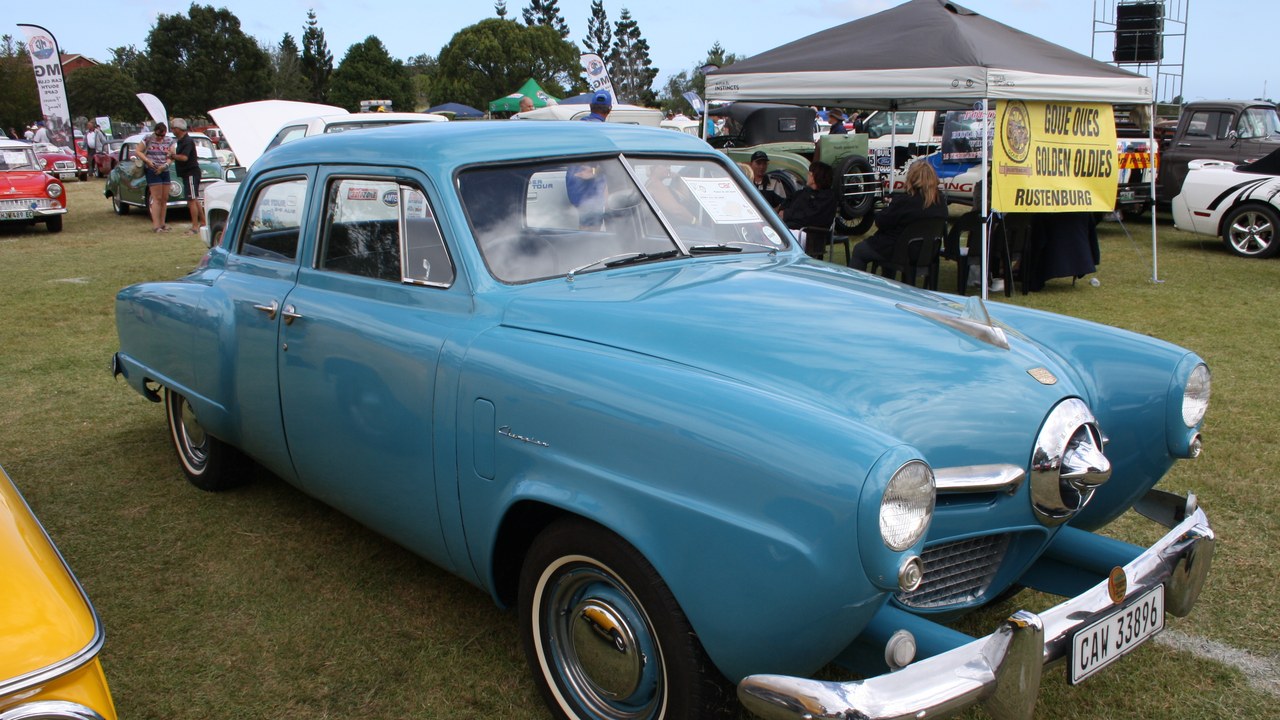
For 1950 and 1951, every Studebaker received the bullet nose spinner front end, a pointed central grille piece that gave the whole line a single, easily recognized face.
Styling gimmicks like this were a common way for independents to stand out in a crowded postwar market. The look was polarizing, though, and it showed how much the company leaned on appearance to compete with far bigger rivals. Owners and enthusiasts still treat the look as the signature of the early fifties Studebaker, and the nose remains an easy way to identify these cars at a glance today.
3. Studebaker 2R pickup: Best-Selling Studebaker Trucks
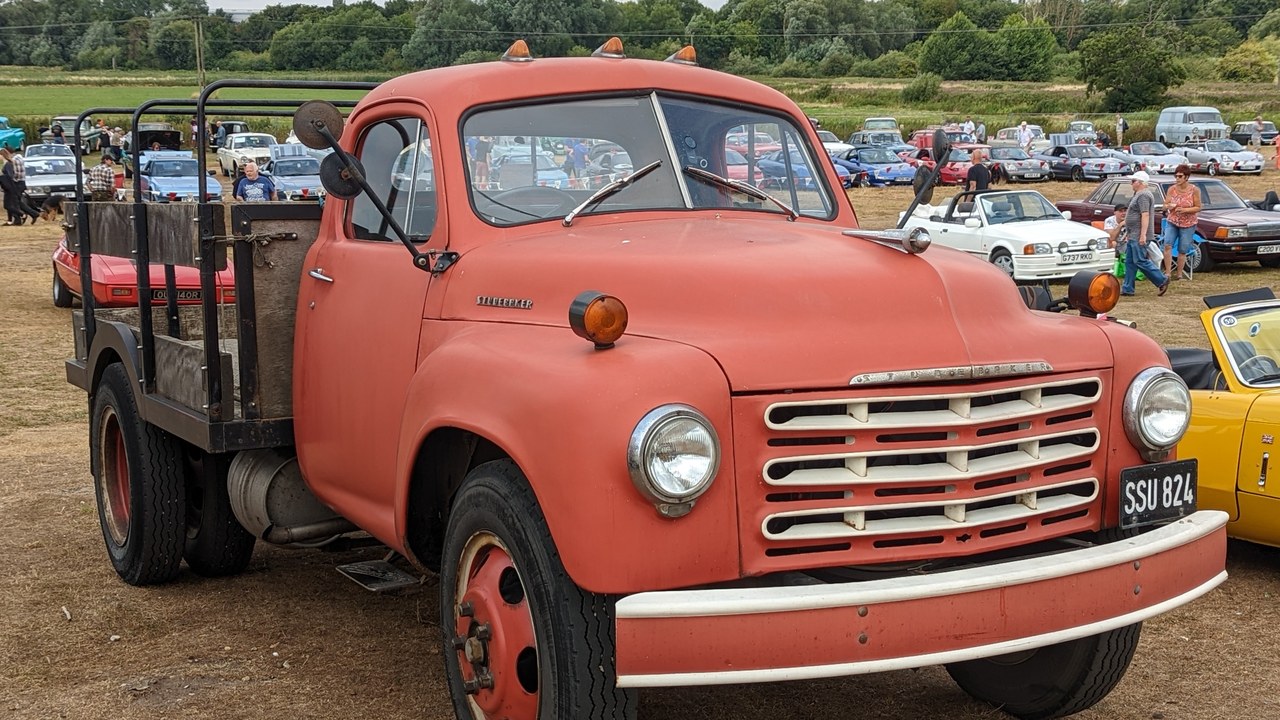
Styled in the Loewy studio, the 2R trucks became the best-selling Studebaker trucks ever, with almost 250,000 built over five years.
Trucks were a quiet bright spot in a company mostly remembered for its cars. A strong run like this shows that Studebaker could still build something buyers wanted in volume, even while its passenger-car business grew harder to sustain. The success also reminds readers that the company’s story was never only about struggling sedans. Its truck line was respected, and it helped carry the firm through years when passenger cars faced stiff competition.
4. Studebaker Starliner: Loewy’s Masterstroke Hardtop
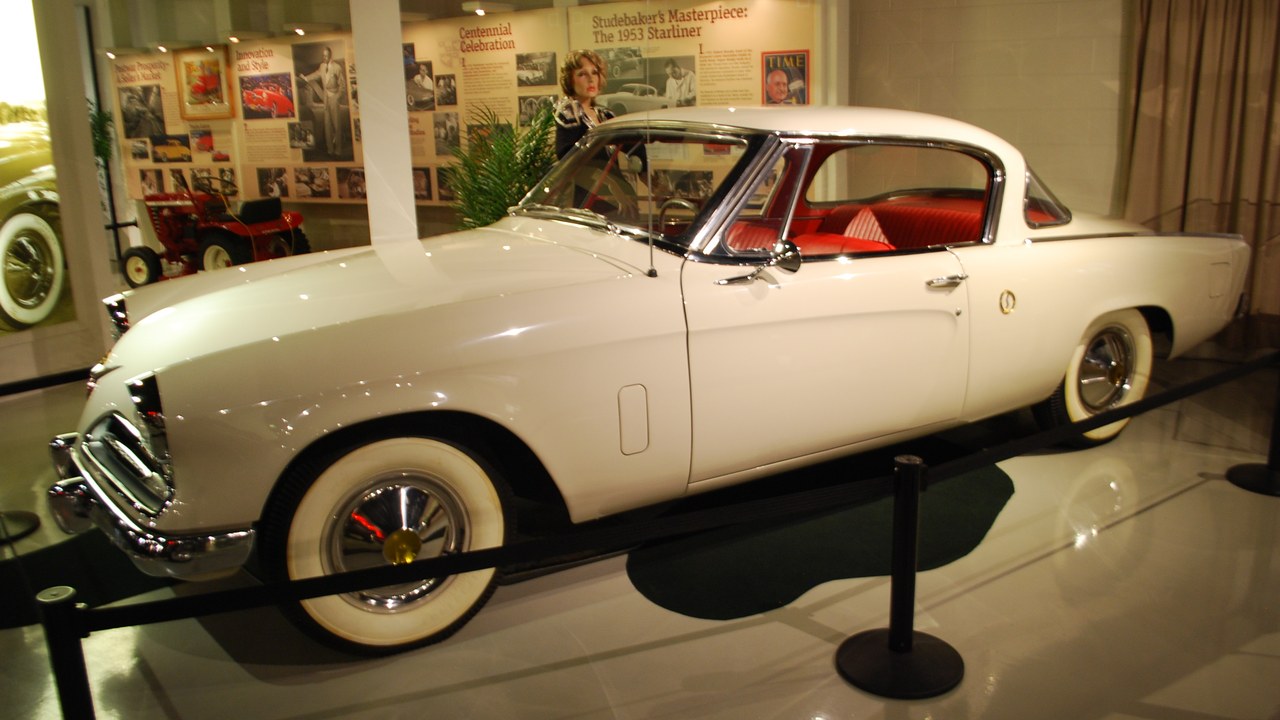
The 1953 hardtop was a Loewy studio masterstroke, and its basic body lived for more than a decade, a long life by the standards of the day.
That longevity cut both ways. A handsome shape kept the cars looking fresh for years, yet stretching one body across so many seasons also reflected a company that could not afford frequent, costly redesigns. The result is a body style that collectors still praise for its clean lines and light, airy greenhouse. It remains among the most admired shapes the company ever produced, and it shows what a small design team could accomplish.
5. Studebaker Golden Hawk: Supercharged Hawk Power
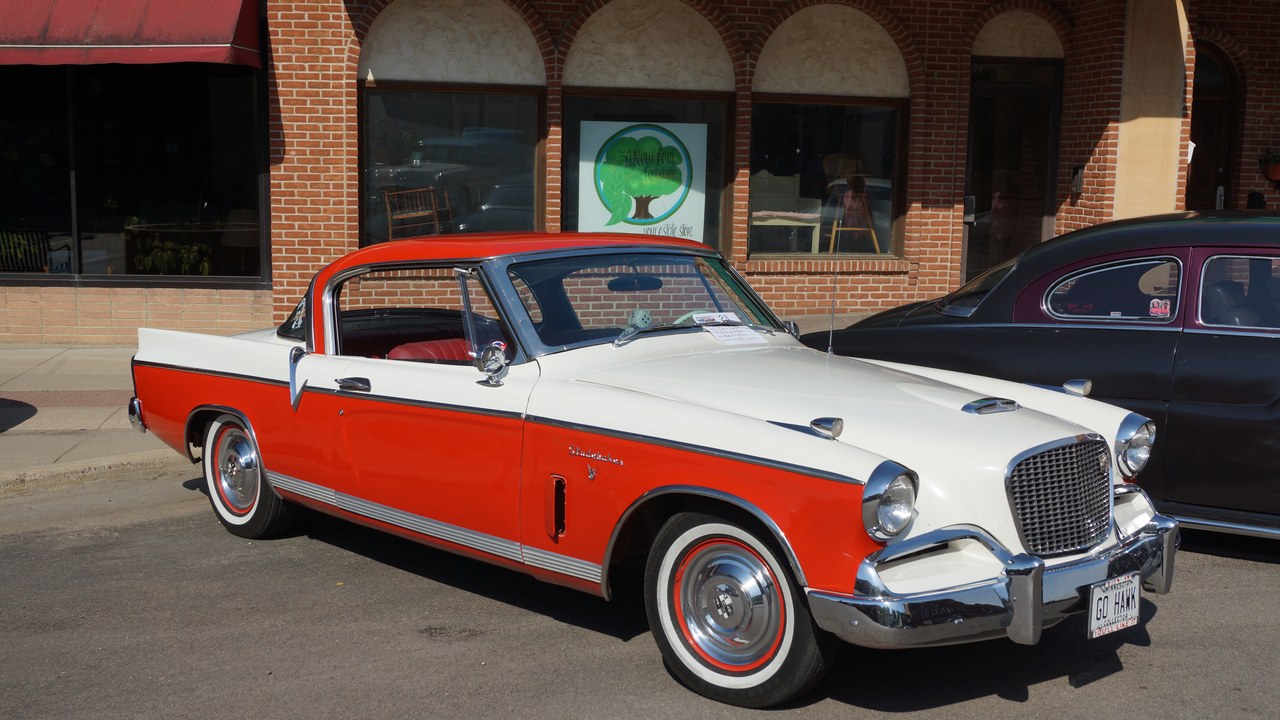
By 1957, the Golden Hawk’s 289 V8 wore a McCulloch supercharger and made 275 horsepower, a serious figure for a family-sized coupe.
Forced induction gave the Hawk a performance image that Studebaker rarely enjoyed elsewhere in its lineup. It was an inventive way for a small manufacturer to chase speed without the budget for an entirely new engine. The power figure is easy to find in car guides because it tied directly to the engine’s output, and the formula pointed toward the supercharged performance cars the brand would flirt with again later.
6. Studebaker Lark: The Rescue That Fell Short
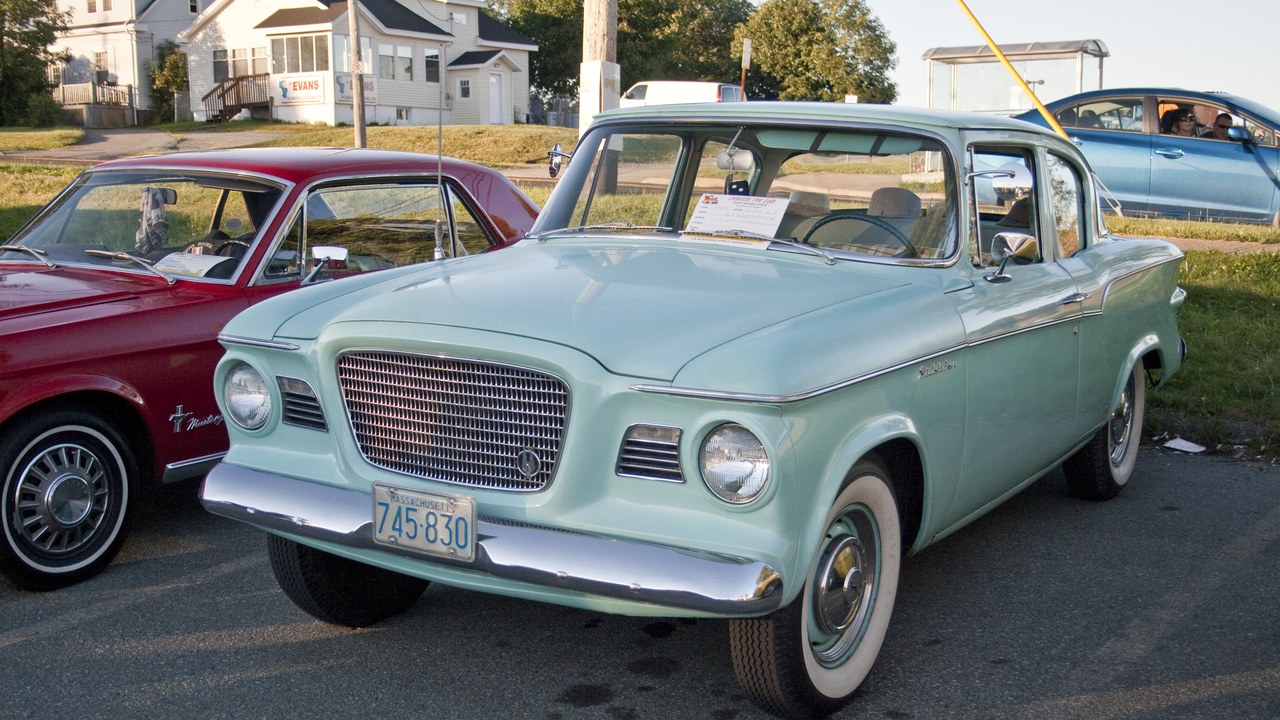
Introduced in fall 1958 to rescue the company’s finances, the Lark was a first for its size to offer a V8.
The compact bet bought Studebaker some time, but it could not reverse the longer slide. Rescue models rarely work when the underlying problems are scale and cost, and the Lark came to stand for a clever idea with limited staying power. It is also an example of how a smaller company can respond cleverly to shifting tastes, since buyers were beginning to want a more manageable car without giving up the option of a stronger engine.
7. Studebaker Champ: A Pickup From a Sedan
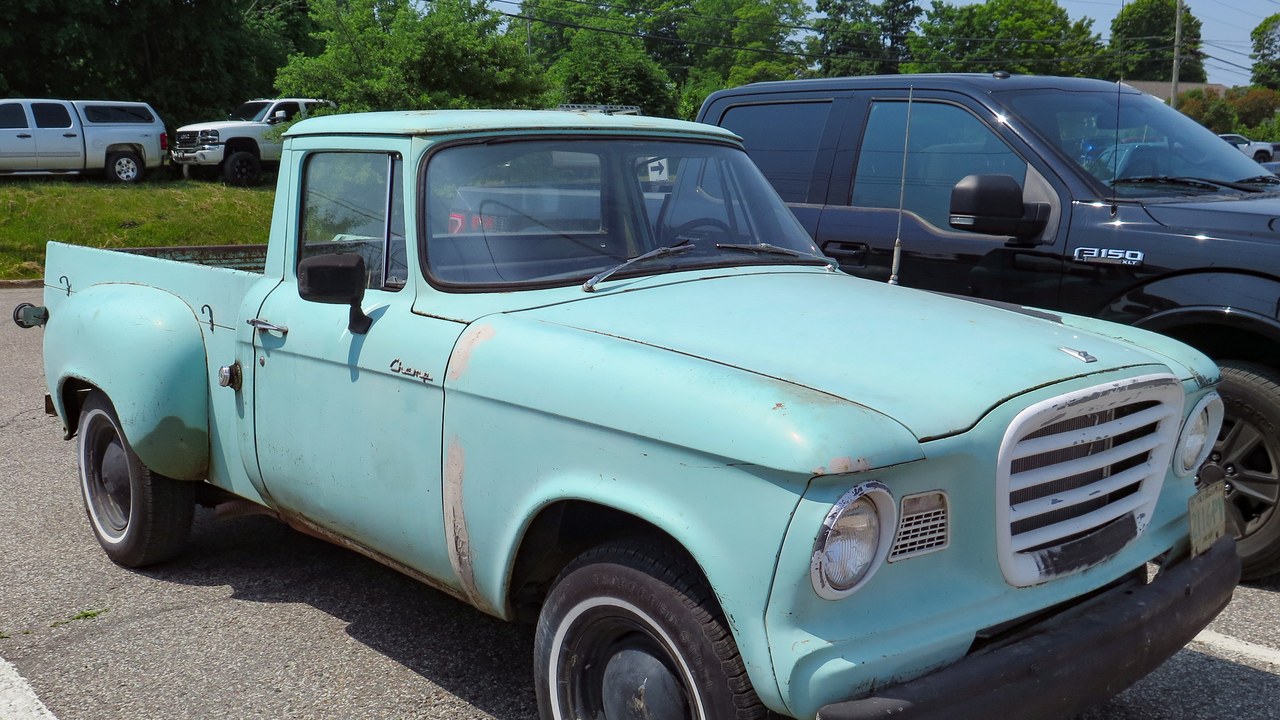
The 1960 Champ pickup drew on the Lark four-door’s body to create its cab, borrowing sheet metal from the passenger car.
Sharing parts between cars and trucks is a standard cost-saving move, and it suited a company watching every dollar. The approach also gave the Champ a more car-like look than the heavy-duty pickups around it. Few brands treated a car and a truck as close relatives so openly, and the result remains a quirky chapter in the story of American pickups that collectors still enjoy talking about.
8. Studebaker Gran Turismo Hawk: Stevens Restyles the Hawk
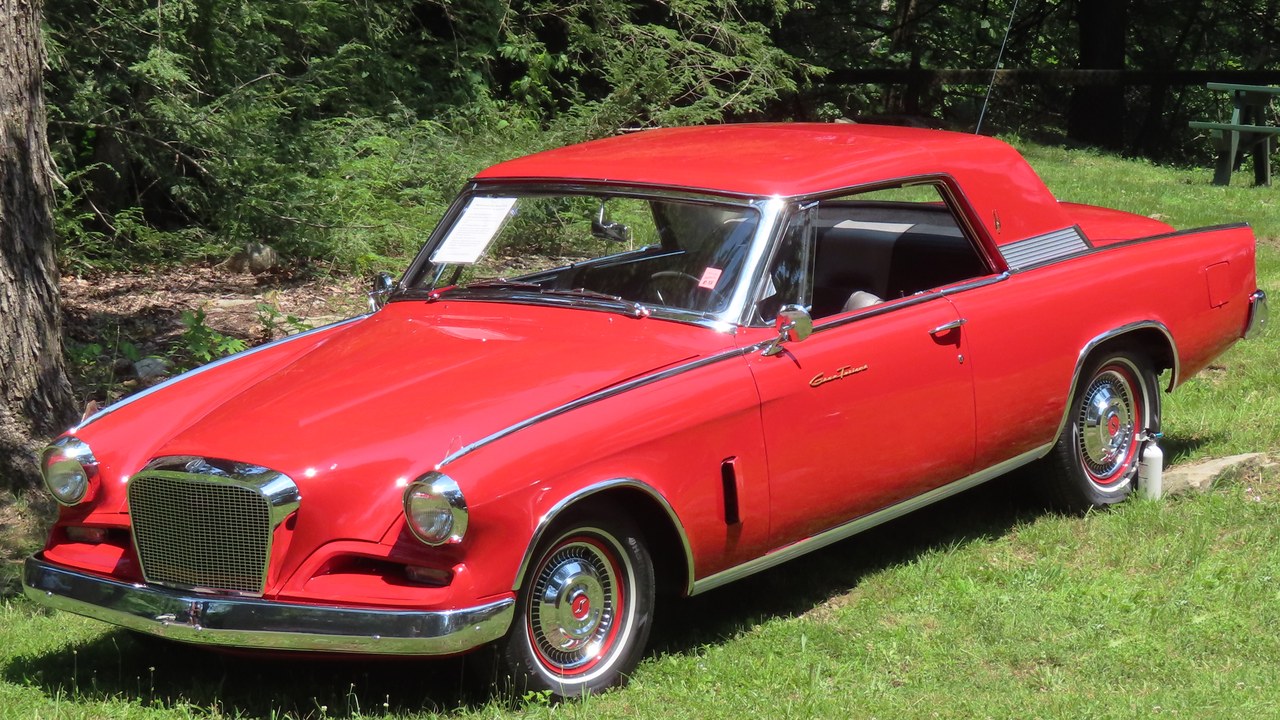
Brooks Stevens restyled the Hawk for 1962, and the result, the Gran Turismo Hawk, survived until production ended in December 1963 with the rest of Studebaker’s US output.
The car therefore marks the end of a long American chapter. Its refined, squared-off look still draws collectors today, and the timing makes it a fitting symbol of the brand’s final years in its home country. Looking back, the Gran Turismo Hawk is often seen as the best final form of a design family that began years earlier.
9. Studebaker Wagonaire: A Roof That Leaked
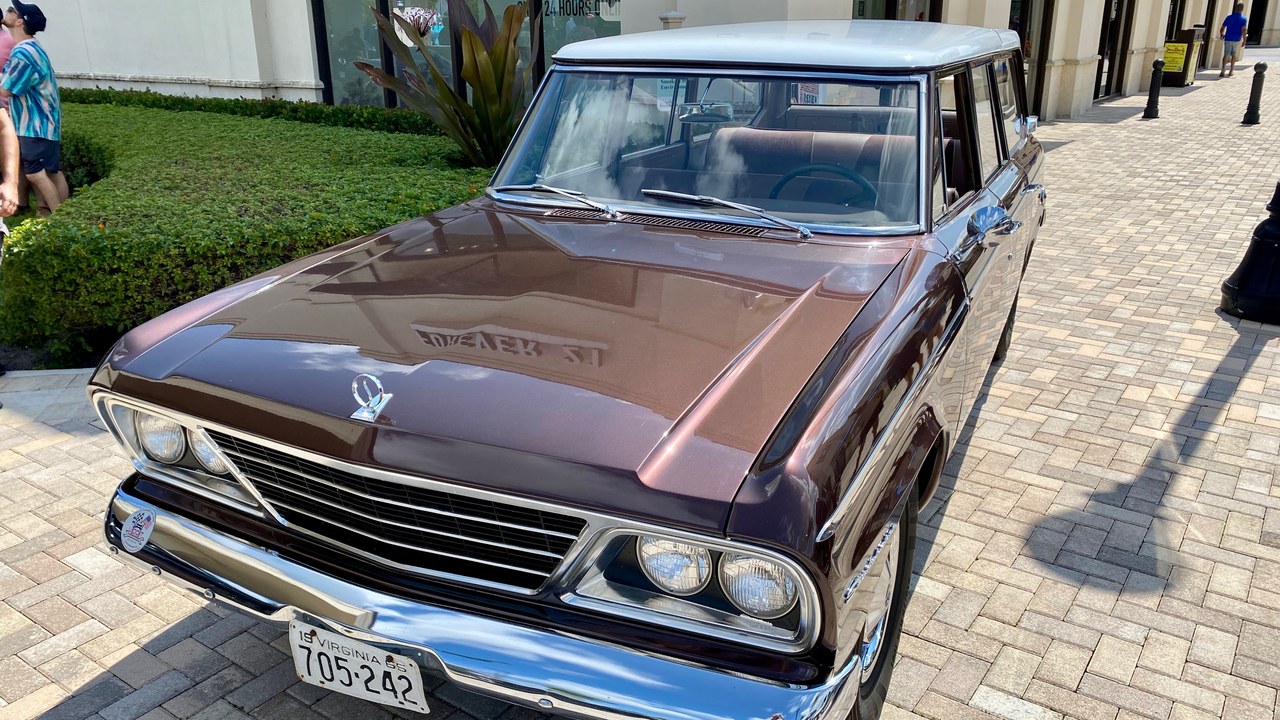
Introduced in 1963 with a novel sliding roof, the Wagonaire proved so leak-prone that a fixed-roof version was added mid-year.
Innovation without enough testing time can sink a good idea. The sliding roof was clever and practical, but a struggling company had little room for expensive teething troubles, and the quick retreat showed how tight the margins had become. Even so, the Wagonaire is remembered fondly as a creative answer to hauling tall loads, and its approach anticipated later wagons that would make flexible cargo space a selling point.
10. Studebaker Avanti: Fiberglass Too Late
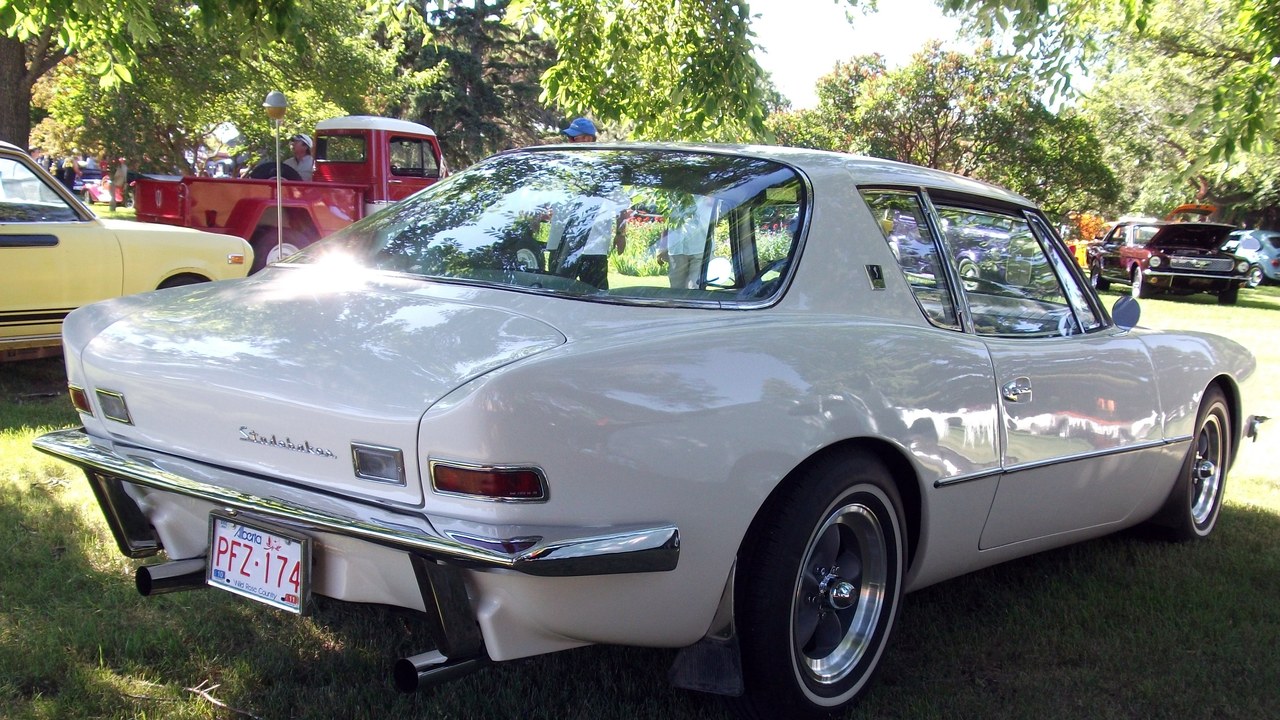
The 1963 Avanti was a fiberglass coupe packing a 289-cubic-inch V8 that made 240 hp, yet it came too late to save the company.
Its sleek, forward-looking shape has aged far better than the firm that built it. The Avanti is often cited as a bold last attempt, proof that strong design alone could not rescue a business already running out of time. Shape and construction both pointed toward the future, which makes its commercial failure a poignant detail in the larger story of a company that ran out of time.
11. Studebaker Daytona: Last From South Bend
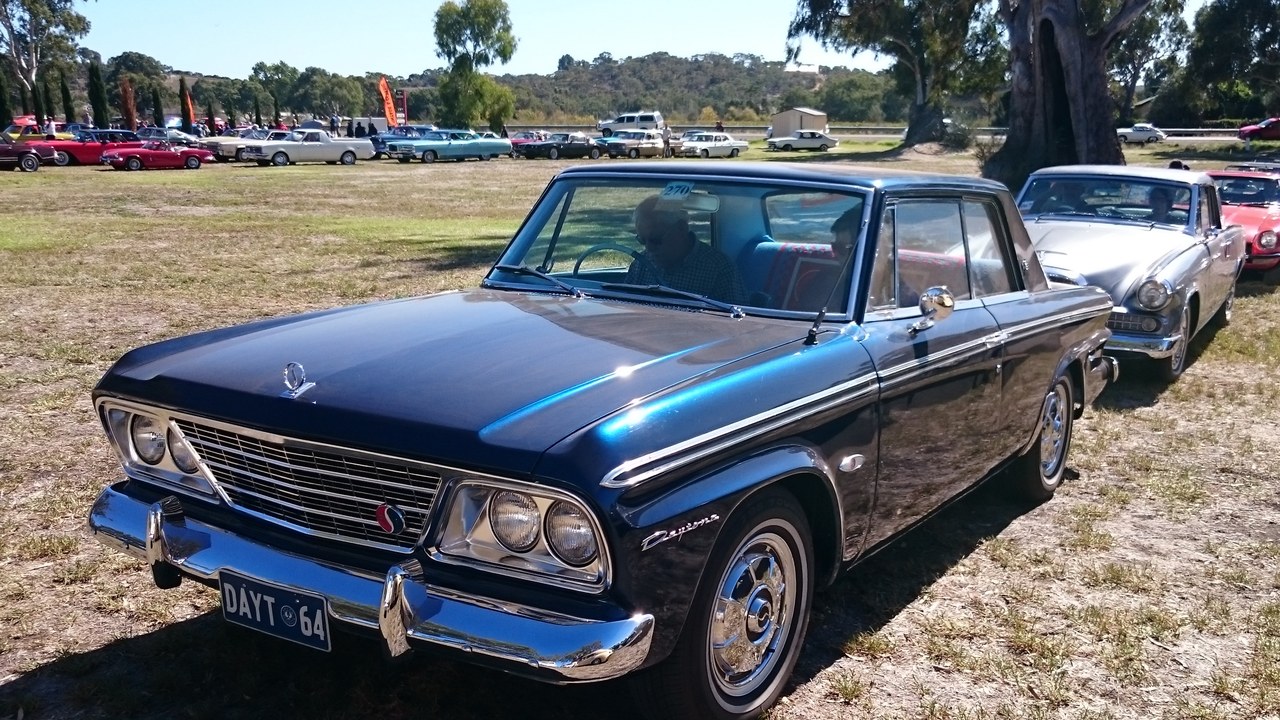
A 1964 Daytona was the last regular-production Studebaker to roll off the South Bend assembly line.
South Bend had been the company’s home for generations, so the final car there closed a long manufacturing story. Production did continue elsewhere afterward, which is why the Canadian cars that followed carry a distinct place in the brand’s ending. The detail matters because the brand did not simply vanish in a single day. Its ending unfolded in stages, with different plants and models closing at different moments over a short stretch of years.
12. Studebaker Commander (1966): The Final Week in Hamilton
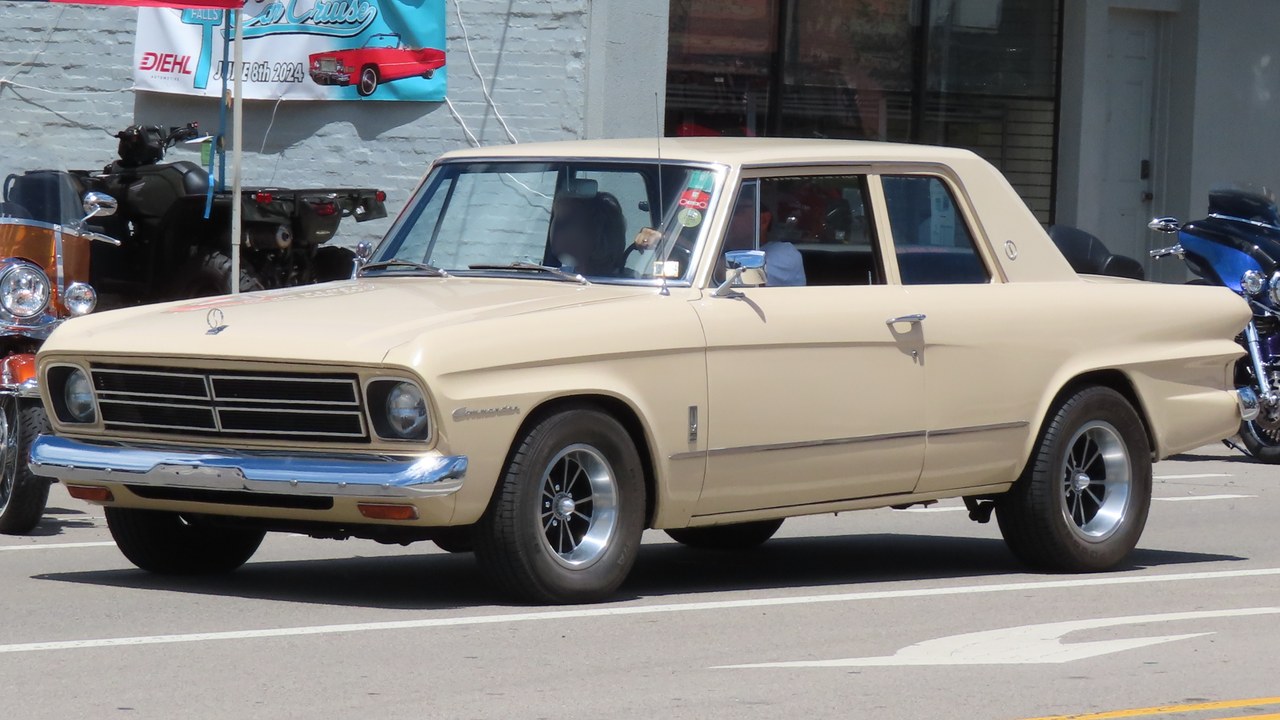
Built in Hamilton on March 10, 1966, during the last week of Studebaker production, the Commander preserved by Canada’s national science museum is among the very last of the marque.
Production in Canada outlasted the American plants, and this surviving car documents that quiet final stretch. A museum example gives the brand’s ending a physical record that remains easy to visit and study. For anyone tracing how the marque ended, this car is a rare, well-documented witness, and its date and place of manufacture are recorded in the museum’s catalog.
Tech news worth reading: Get Techpresso →
We may earn a commission if you sign up.
More from Morning Overview
- The NSA says three phone features should be off whenever you aren’t using them
- Hurricane Hunter radar shows four warning signs that a tropical cyclone is about to strengthen, a University of Miami study found
- Tropical Storm Rachel is dumping up to 12 inches on four Mexican states on its way to major hurricane strength
- The FTC says Lens.com doubled the price shoppers saw in Google ads
