
Rolls-Royce has spent a century building cars meant to be the benchmark for quiet, effortless travel. The range runs from the pre-war Phantom to a modern electric coupe, with stops for state cars, an SUV and some genuine engineering firsts. Here are fourteen models, in chronological order, that mark the turning points.
The tech news worth your time: 400,000+ professionals from Google, Apple and OpenAI read Techpresso, a daily email with the most interesting tech news and insights.
We may earn a commission if you sign up.
1. Rolls-Royce Phantom I: The Name Arrives
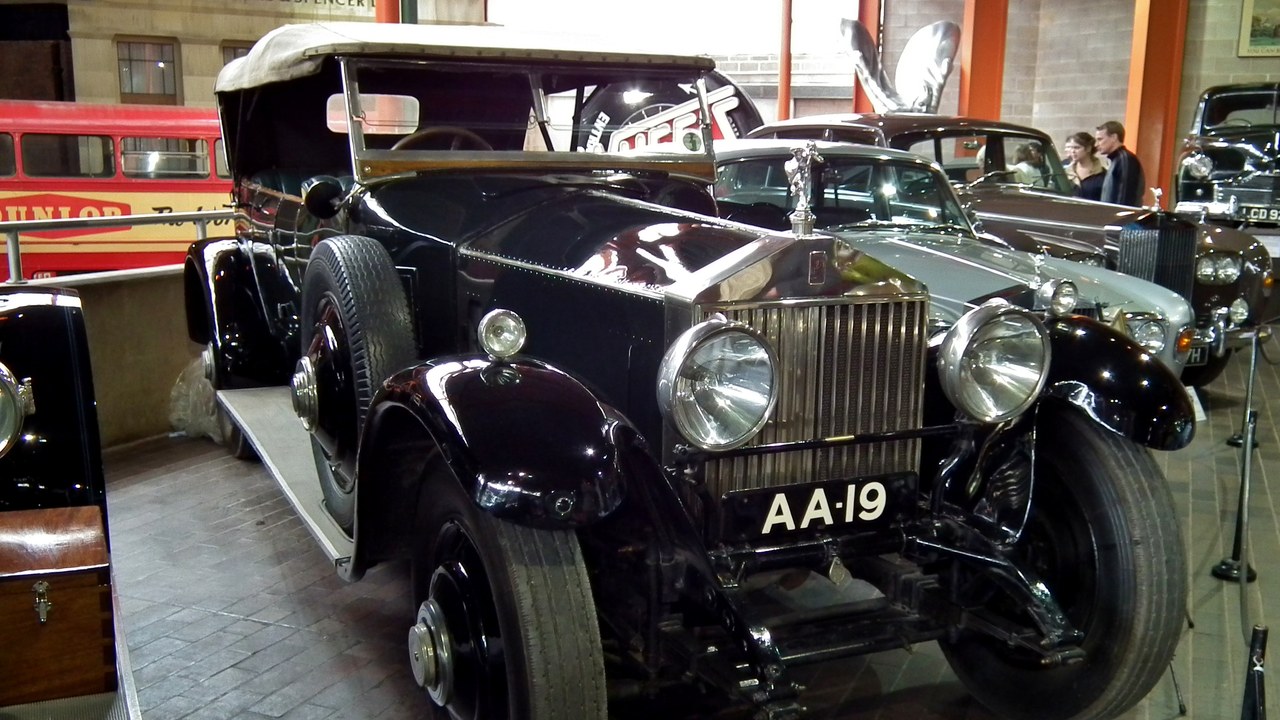
The Phantom name first reached the public through a newspaper announcement in The Times on May 2, 1925, which Rolls-Royce records as the first use of the title. That notice launched a badge the company has kept alive ever since.
A nameplate that lasts that long is rare in the car trade. It explains why every later Phantom is judged against the original idea of a large, quiet and superbly finished flagship, even when little else carries over.
2. Rolls-Royce Phantom III: V12 Power and Independent Springs
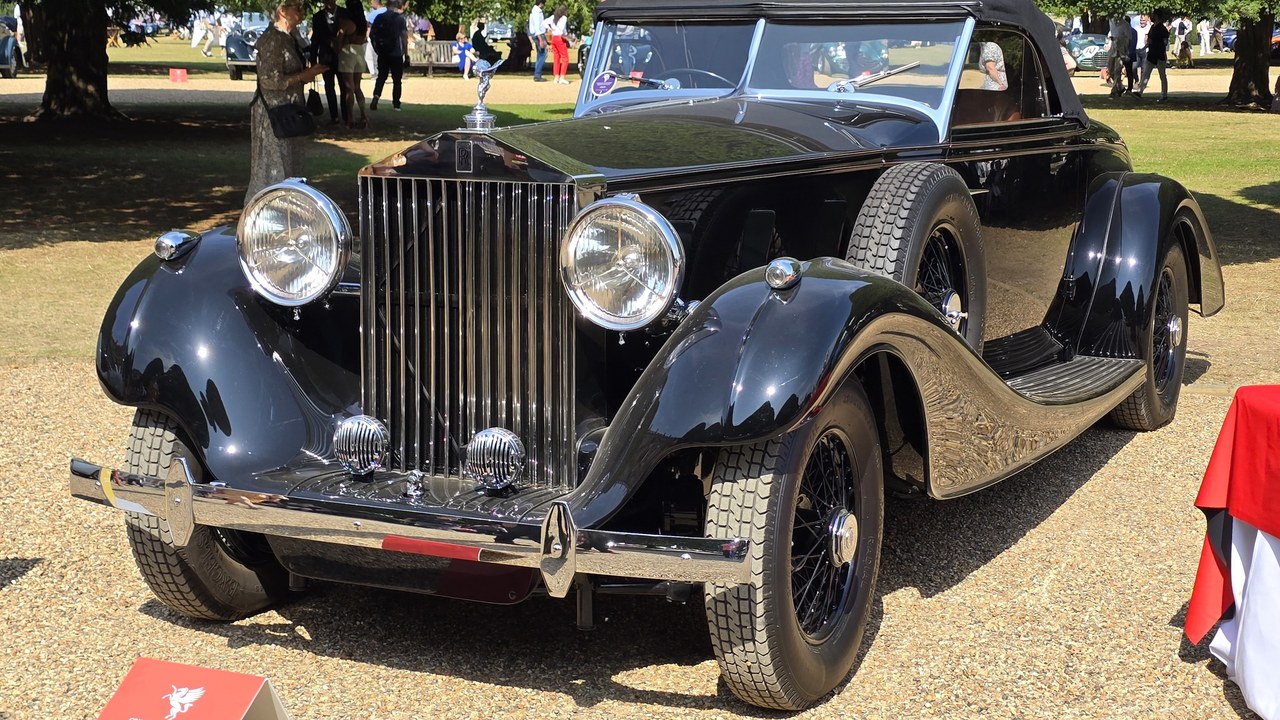
Arriving in 1936, the third Phantom brought the first V12 Phantom and also the first Phantom with independent front suspension. Two major mechanical changes landed in the same model.
Smoother power and a more controlled ride suited the buyers who rode in the back. The car shows how the firm treated refinement as an engineering problem to be solved, not only a matter of leather and wood. For a car of the mid-1930s, pairing that engine with a more sophisticated front end was an ambitious combination, and it set the tone for later models.
3. Rolls-Royce Silver Wraith: Postwar Chassis Only
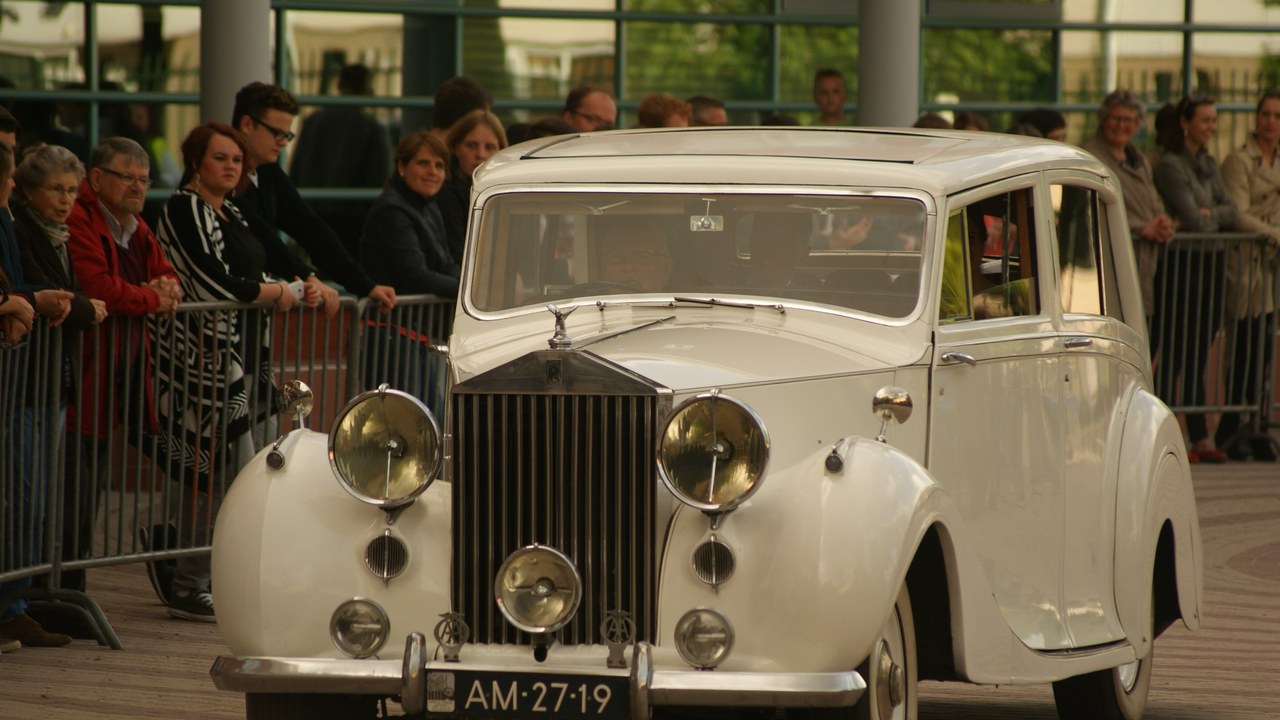
Launched in 1946, the Silver Wraith was the first postwar Rationalised Range model, and it was sold as a rolling chassis. Customers took the bare platform to a coachbuilder of their choice.
That arrangement kept the old tailoring tradition going while the company simplified its range after the war. A buyer could still specify a body from a favored craftsman, which kept each finished car personal. The Silver Wraith therefore sits at the start of a new chapter, with the old craft of the bespoke body continuing under a tidier postwar range.
4. Rolls-Royce Silver Dawn: A Complete Car at Last
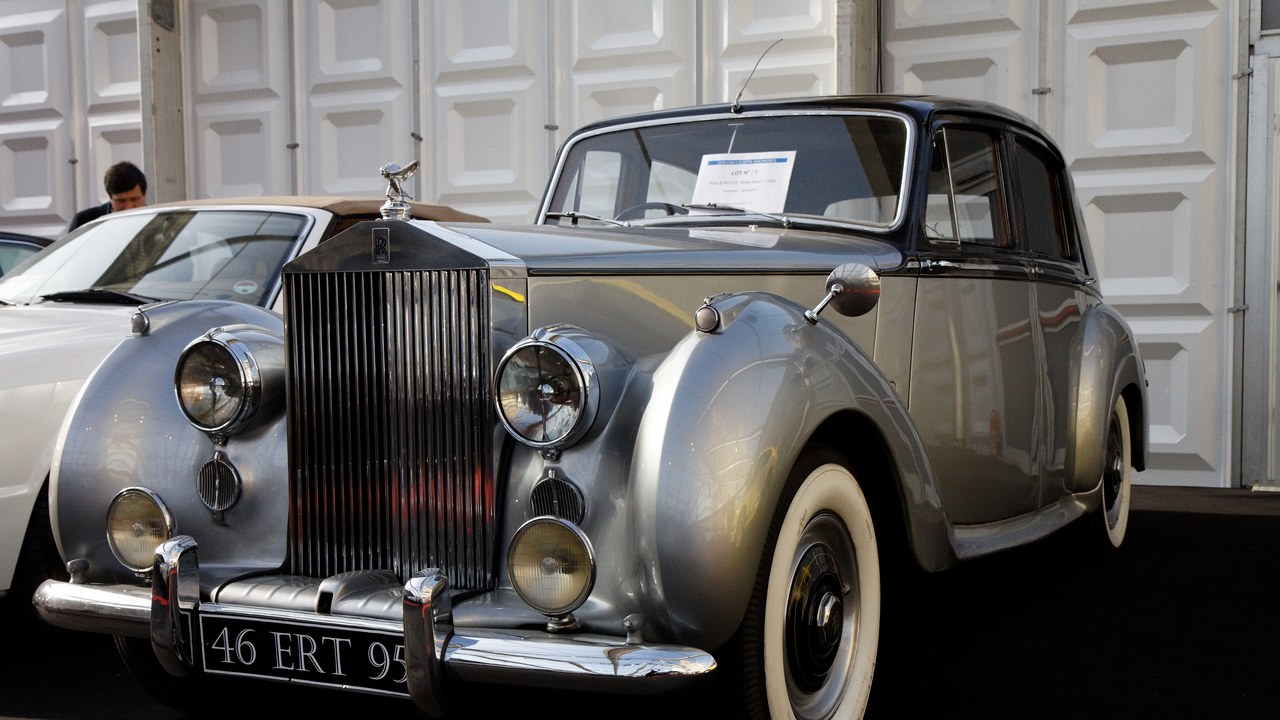
When the Silver Dawn arrived in 1949, the first complete car the company offered, buyers no longer had to commission bodywork elsewhere. It was a notable change for a maker long tied to coachbuilders.
Selling a finished, ready-to-drive car widened the audience beyond clients with an established coachbuilder. It set a pattern for how the firm would sell cars for decades afterwards, and it makes the Dawn a quiet milestone.
5. Rolls-Royce Silver Cloud: Eleven Years of Elegance
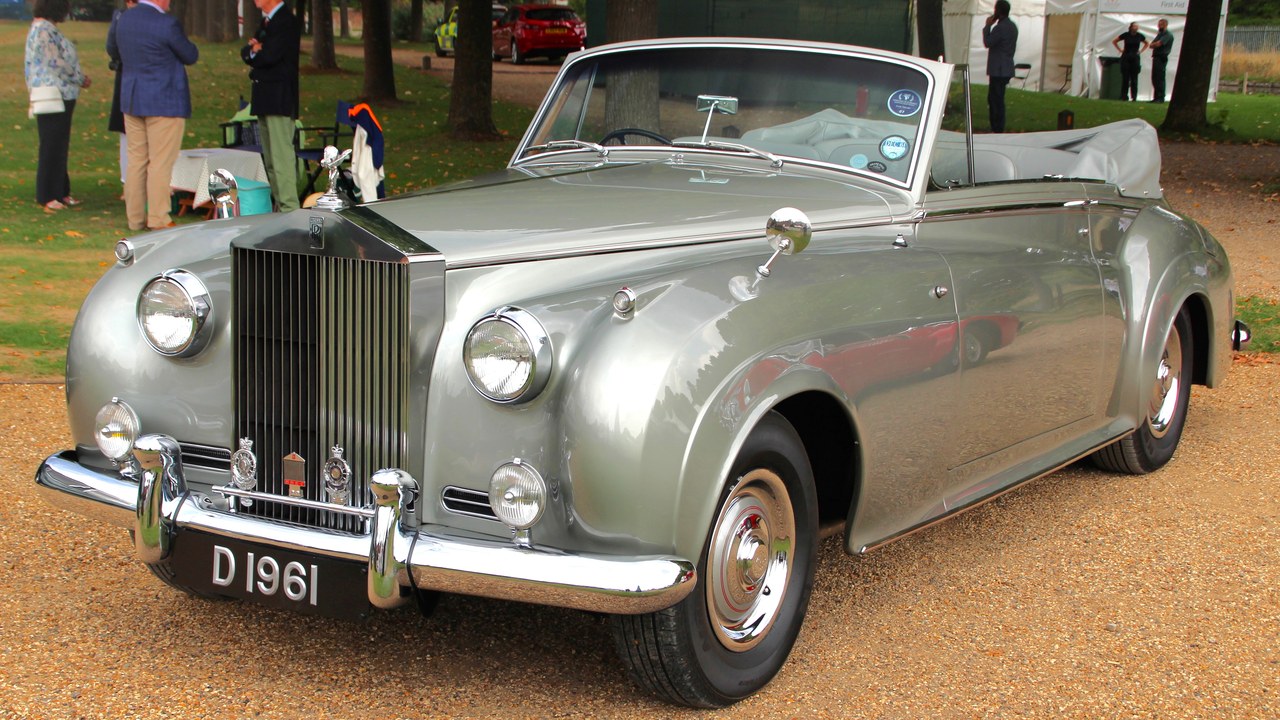
The Silver Cloud was built from 1955 to 1966, a long run that spanned a good part of the postwar boom. Few luxury models of the period stayed in production for as long.
That longevity helps explain the car’s lasting reputation as a defining image of mid-century British motoring. Collectors still seek it out, and its proportions are often cited when designers talk about classic luxury saloons. The model also bridges the early postwar years and the arrival of the monocoque cars, so it is a handy reference point for anyone tracing the story.
6. Rolls-Royce Phantom V: Royal Household Favorite
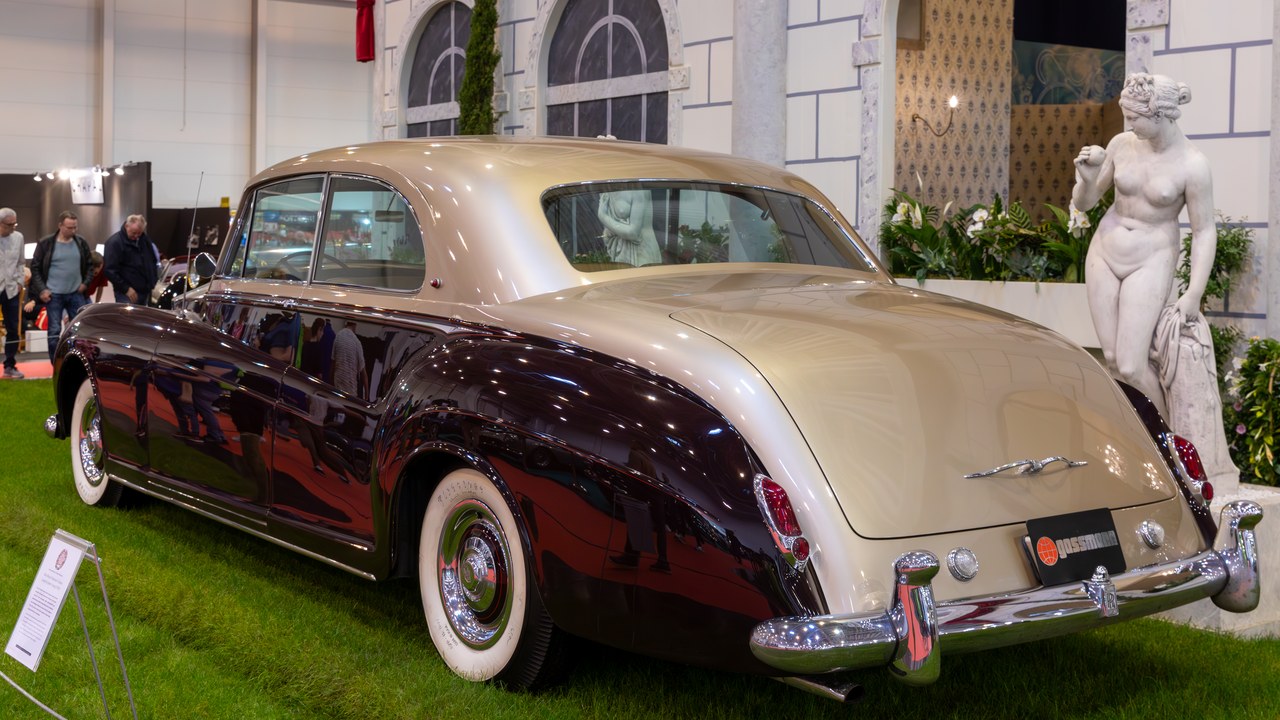
Only 832 Phantom Vs were built over 13 years from 1959, and the Canberra state cars made for the Royal Household sit among them. Rarity and ceremony define this model.
A run that small means almost every example has a story, and the royal connection lifted the car far beyond ordinary showroom status. The figure of 832 also gives the headline its anchor and shows how exclusive the Phantom line could be.
7. Rolls-Royce Silver Shadow: Monocoque Arrives
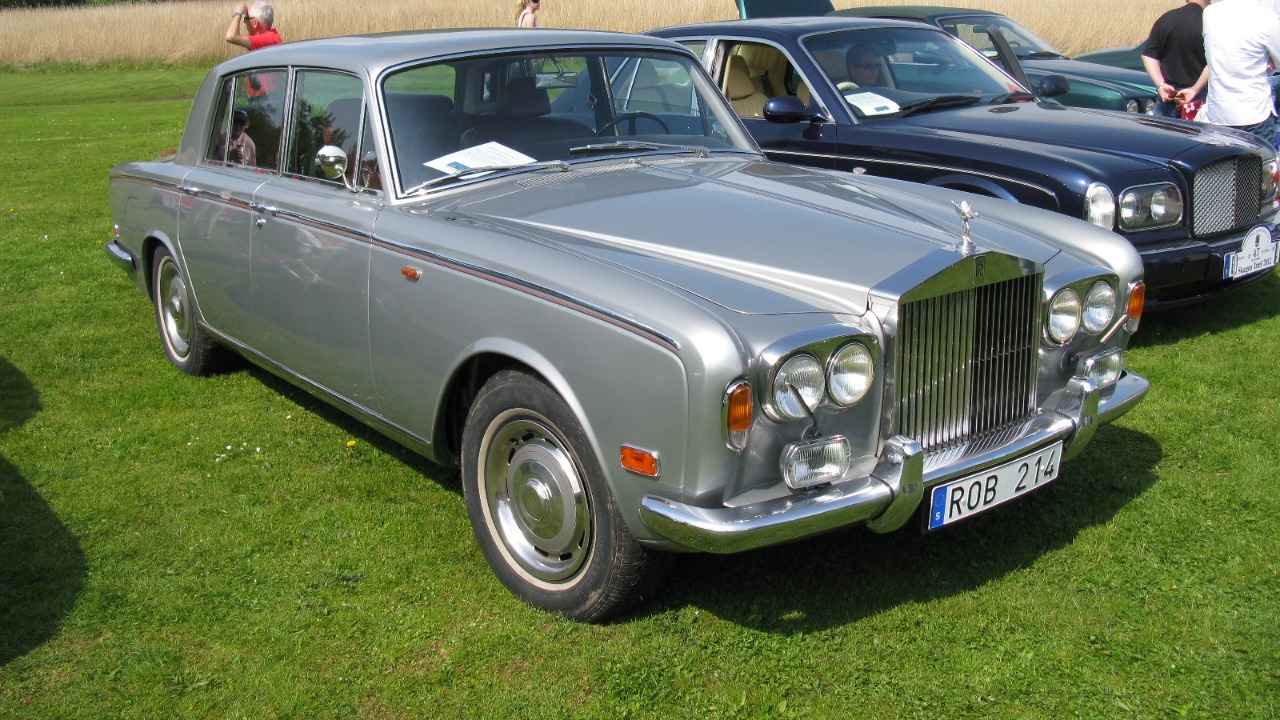
The 1965 Silver Shadow was the first offered only as a complete car and the first with monocoque construction. Both changes broke from the traditional body-on-chassis approach.
Unitary construction made the car lighter and more modern to drive, and it widened the firm’s reach to a bigger group of owners. For many buyers, the Shadow is the model that brought the marque into the modern era. Together with the car’s smoother ride and quieter cabin, that shift made the Shadow far easier to build in numbers than its predecessors.
8. Rolls-Royce Phantom VI: The Last Coachbuilt
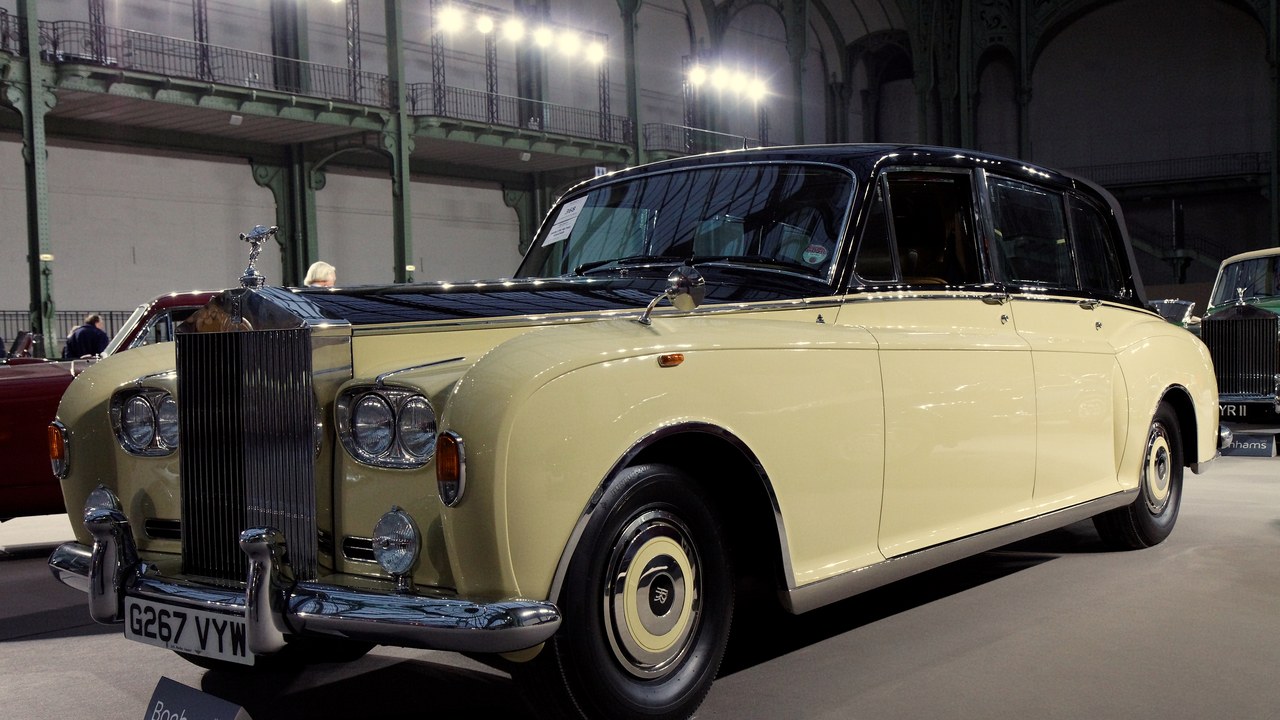
Built from 1968 to 1993, the Phantom VI was the last coachbuilt Rolls-Royce before the 2017 Sweptail. It lasted for twenty-five years, an unusually long time in production.
The VI carried the old craft tradition into an age of mass manufacturing, serving buyers who still wanted a body built to order. Its place at the end of that line gives the car a historic standing beyond its sheer longevity. Enthusiasts regard it as the end of an era, and the later Sweptail revived the idea only as a rare, one-off commission for a single client.
9. Rolls-Royce Corniche: Open-Air Staying Power
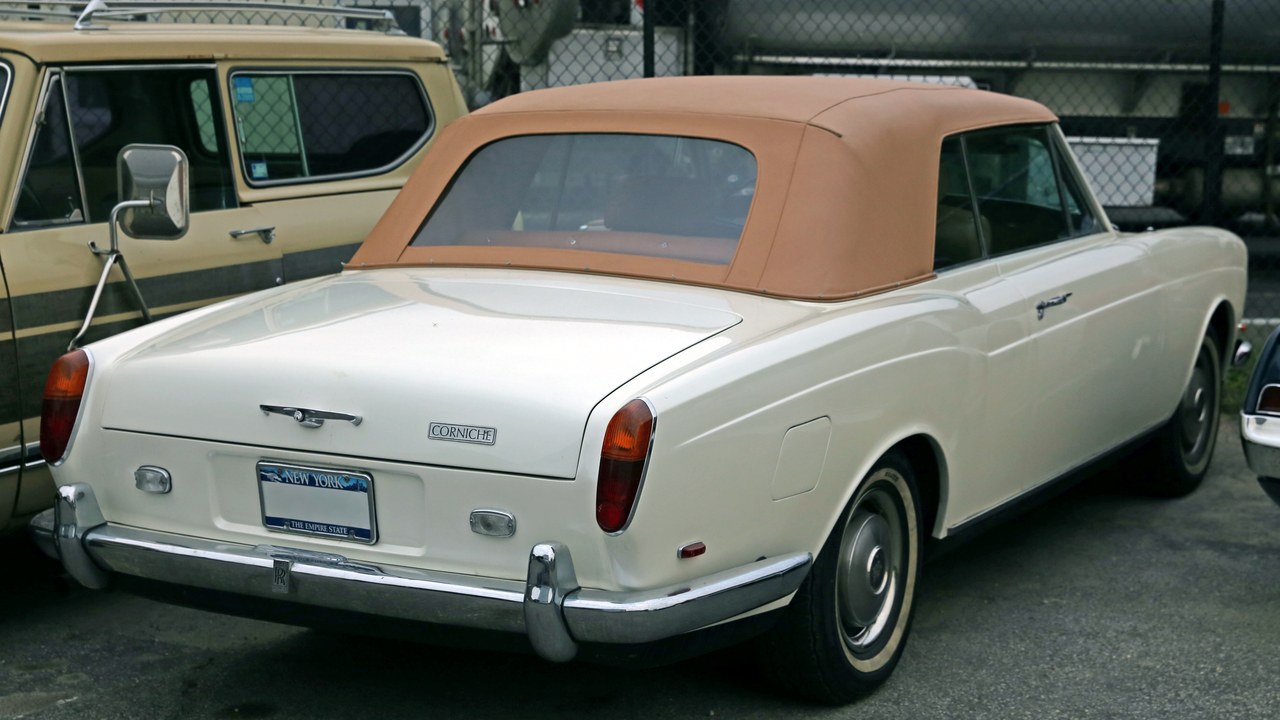
The Corniche stayed in production from 1971 to 1996, which is a quarter of a century on sale. That is a long career for a model aimed at wealthy drivers who wanted fresh air.
Such durability suggests steady demand for an open Rolls-Royce through several decades of changing taste. The car turned up as a reliable seller for the company at a time when the rest of the lineup went through big shifts. Open-top versions of the marque have always carried a particular glamour, and this one remained a familiar sight on fashionable roads for years.
10. Rolls-Royce Phantom VII: Midnight Handover
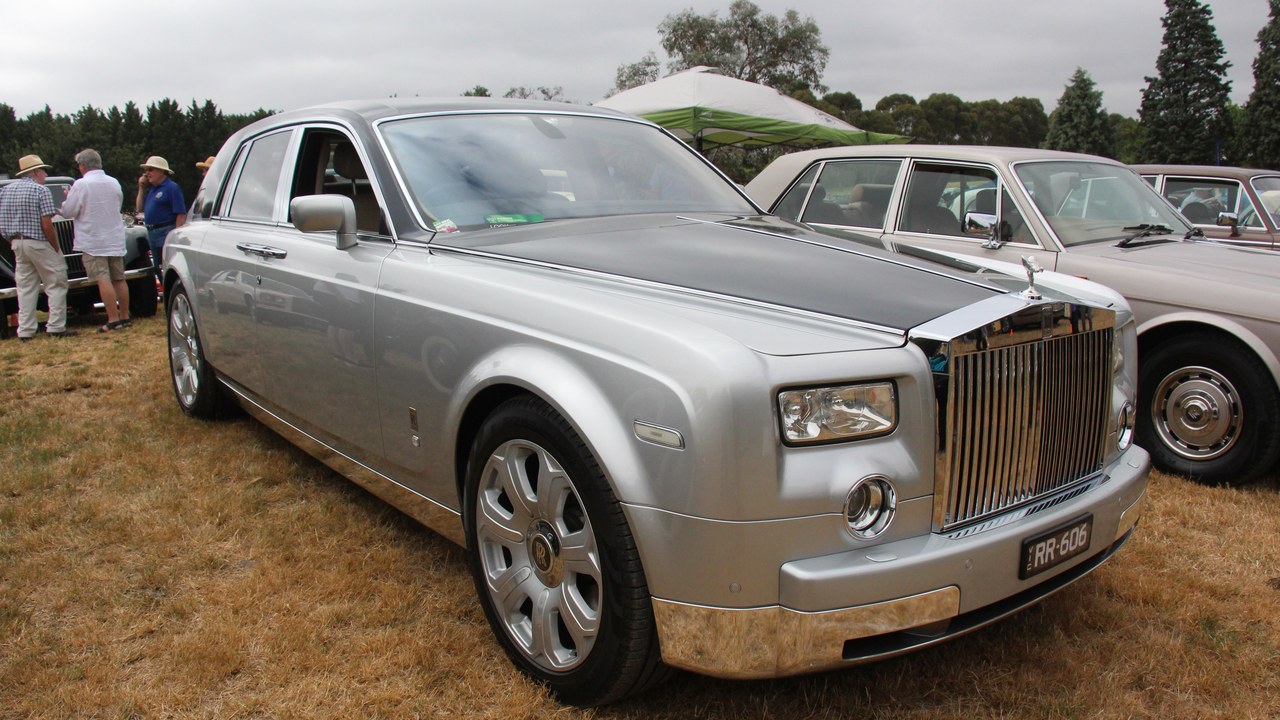
The first Phantom VII was handed over at one minute past midnight on January 1, 2003, and Rolls-Royce counts it as the first Phantom built entirely in-house. The timing was deliberate theater.
This was the company’s fresh start under modern ownership, and the carefully chosen minute turned a delivery into an event. It marked the point from which today’s Rolls-Royce story effectively begins and sets up every model that follows.
11. Rolls-Royce Ghost: Best-Seller Since 1904
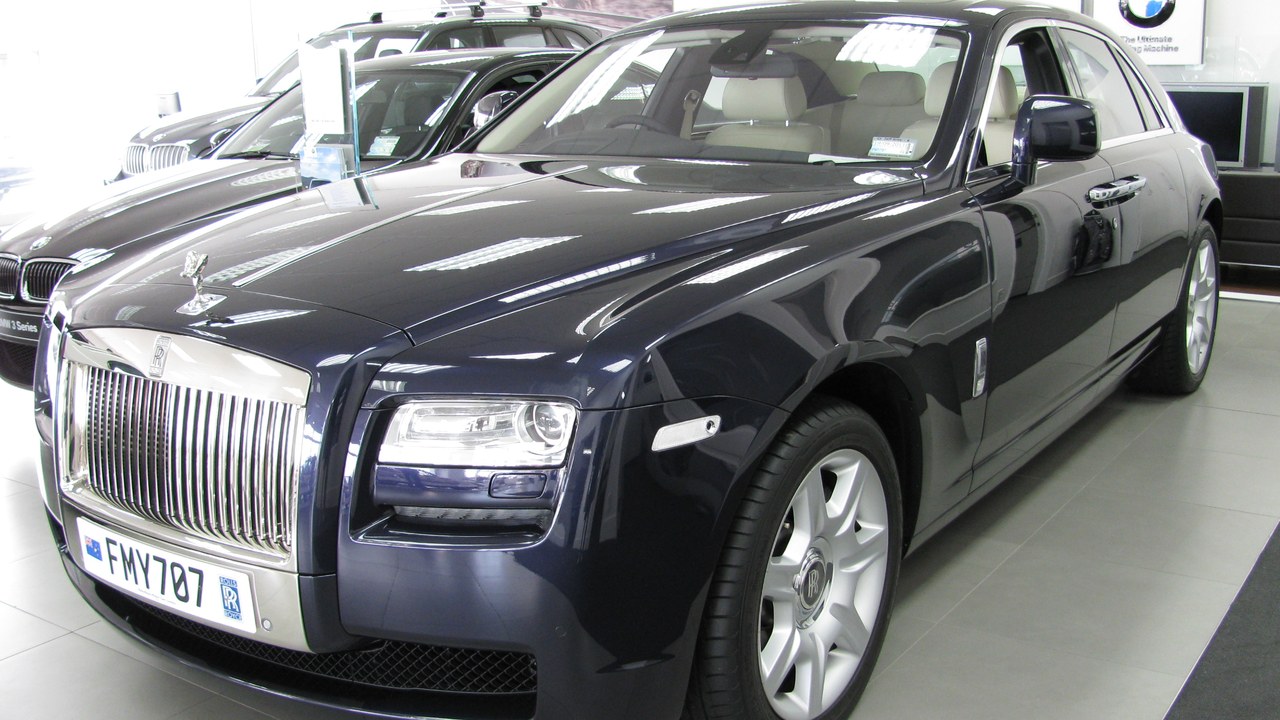
Rolls-Royce calls the 2010 Ghost its best-selling model since the company was founded in 1904. That claim covers more than a century of production.
The Ghost opened the brand to younger and more active owners who wanted to drive rather than be driven. Its commercial success showed that a smaller, more approachable Rolls-Royce could sell in large numbers without cheapening the badge. Whatever the exact balance of old and new buyers, the car proved that the badge could stretch beyond its traditional customer without losing its character.
12. Rolls-Royce Wraith: Power in a Grand Tourer
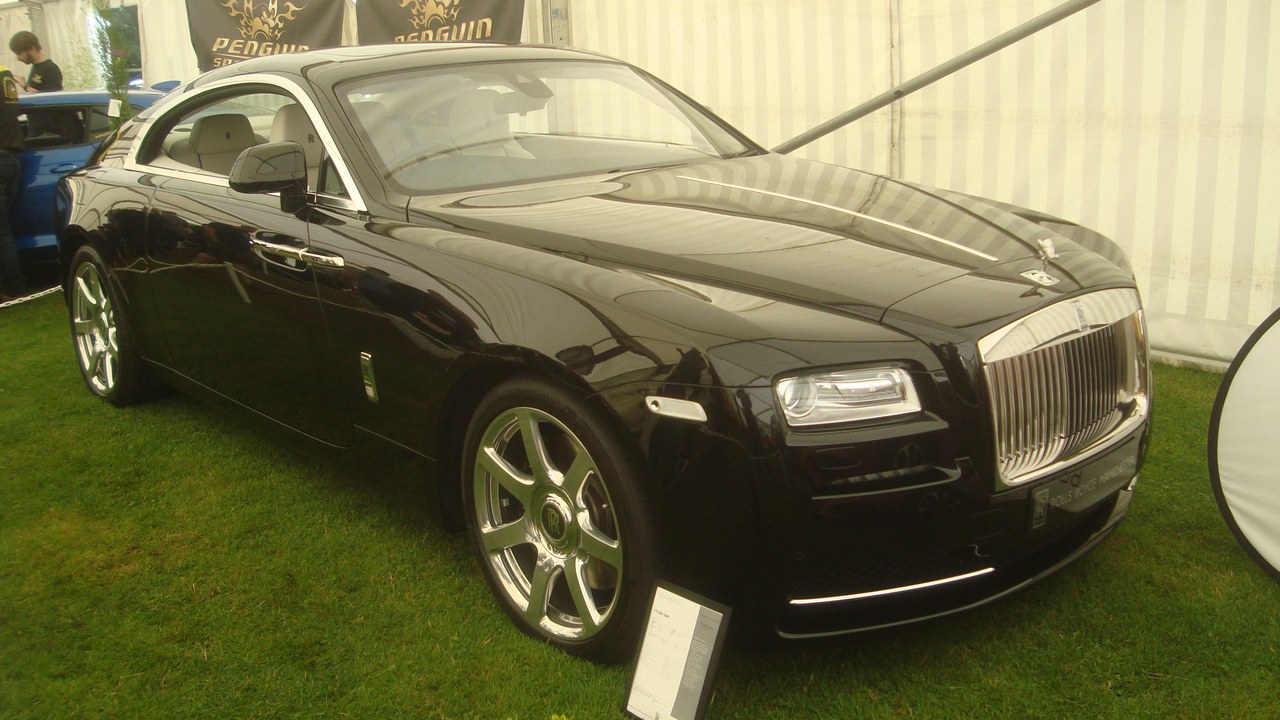
The 2013 Wraith was a gran turismo that Rolls-Royce billed, alongside the Dawn, as the most powerful car in its lineup. Performance became part of the pitch.
A big coupe built for fast journeys gave the range a sportier voice. It signaled that the company saw drivers, and not only chauffeured passengers, as a serious market for the badge. Whether buyers wanted the speed or simply the status, the pairing of the Wraith and the Dawn gave the company a confident new voice in the market.
13. Rolls-Royce Cullinan: The SUV Question
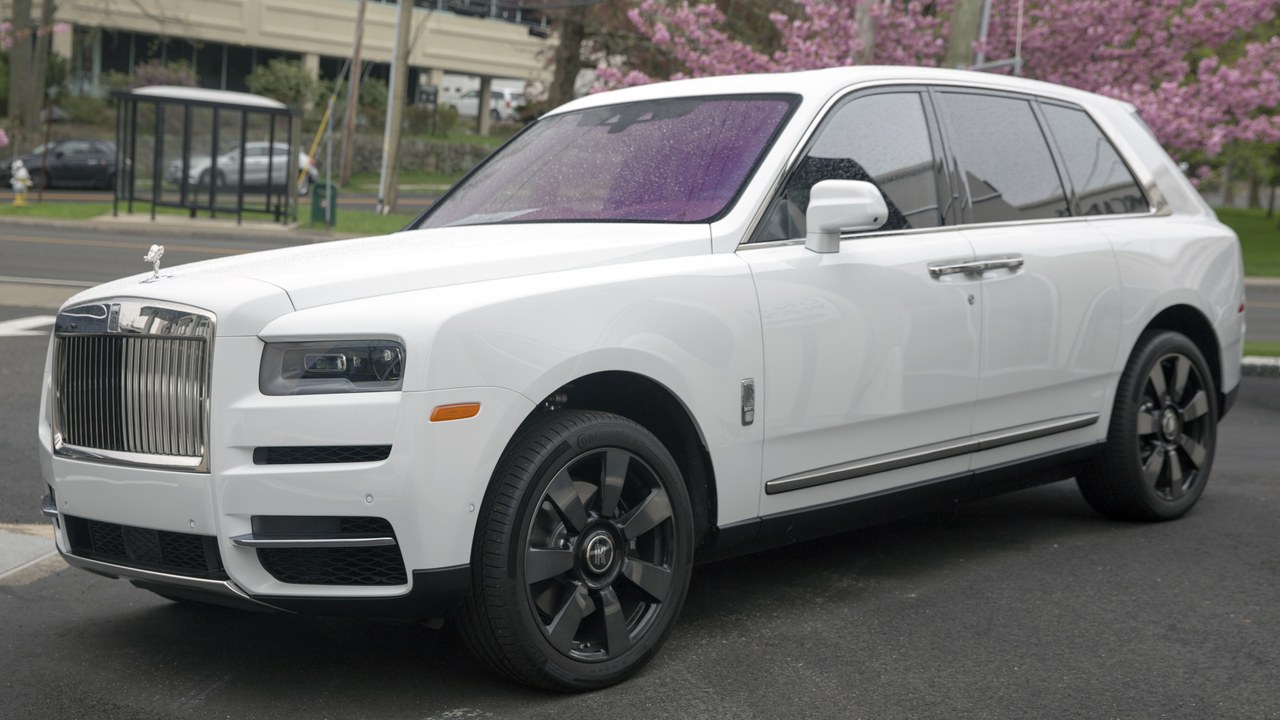
Launched in 2018, the Cullinan is what the company calls the Rolls-Royce of SUVs. It brought the brand into the high-riding segment that dominates luxury sales.
Purists worried about the move, but the model reflects where wealthy buyers were heading. It also showed the firm could apply its quiet-ride philosophy to an entirely different body style without abandoning its principles. The success of such tall luxury vehicles across the industry made the decision look sensible in hindsight, and rivals followed with models of their own.
14. Rolls-Royce Spectre: The First Electric
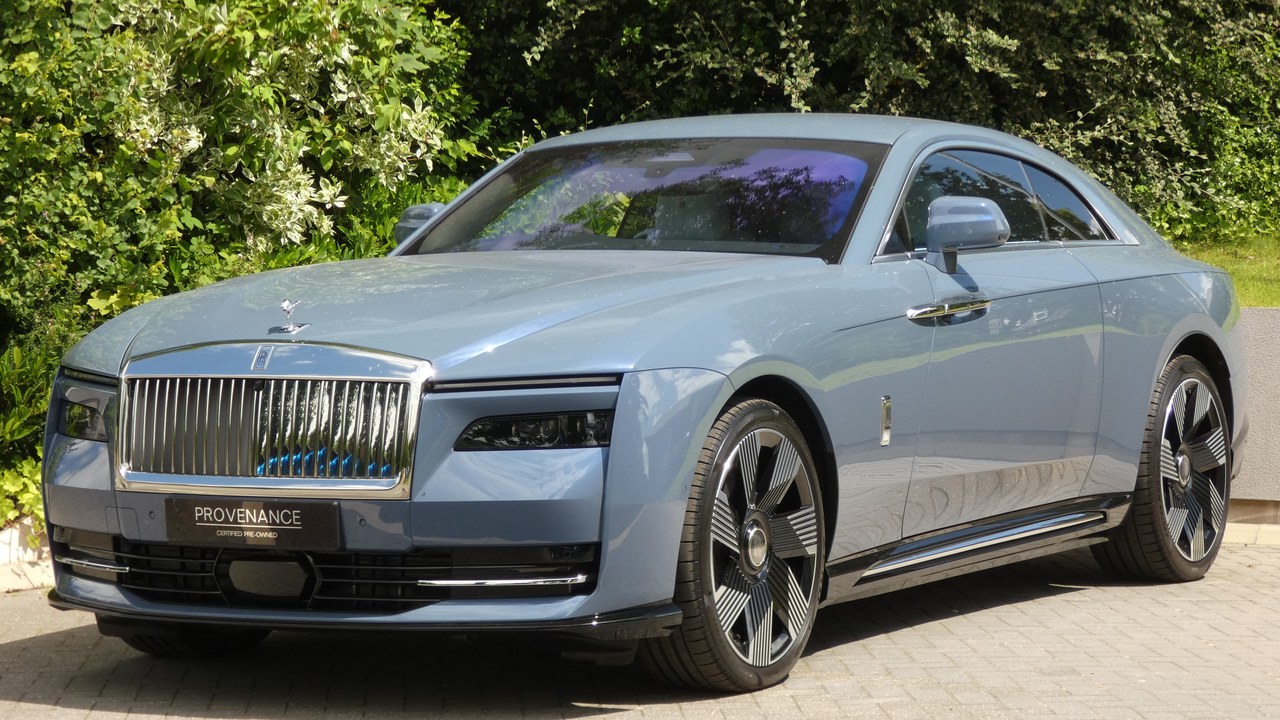
The Spectre is the first all-electric Rolls-Royce, arriving ahead of a pledge that every new model will be fully electric from 2030. It closes this list with a break from tradition.
Silent running suits a brand built on hush, so the switch may be less drastic than it sounds. The pledge also means that the Spectre is likely a preview of what future Rolls-Royce buyers will drive. Whether the pledge is met on schedule will be worth watching, though the Spectre already shows the direction the company has chosen for its future cars.
The tech news worth your time: Subscribe to Techpresso →
We may earn a commission if you sign up.
More from Morning Overview
- Hybrids have 15% fewer problems than gas cars, while EVs and plug-in hybrids have about 80% more, Consumer Reports finds
- Regulators cleared the first U.S. small modular reactor, 4 months early
- Lake Powell sank to a record 3,517 feet, nearing the level that stops Glen Canyon Dam’s turbines
- Seven of Earth’s nine planetary boundaries are breached, and all seven are worsening
