
Saturn launched as a fresh start for General Motors, with its own plants, its own dealers and a loyal early following. The brand ran from compact sedans to crossovers, then wound down as the company reorganized. Here are nine Saturns and related cars, ending with the final one built.
The day in tech, in one email: TLDR is the daily newsletter with links and TLDRs of the most interesting stories in startups, tech and programming.
We may earn a commission if you sign up.
1. Saturn S-Series: The First One Built
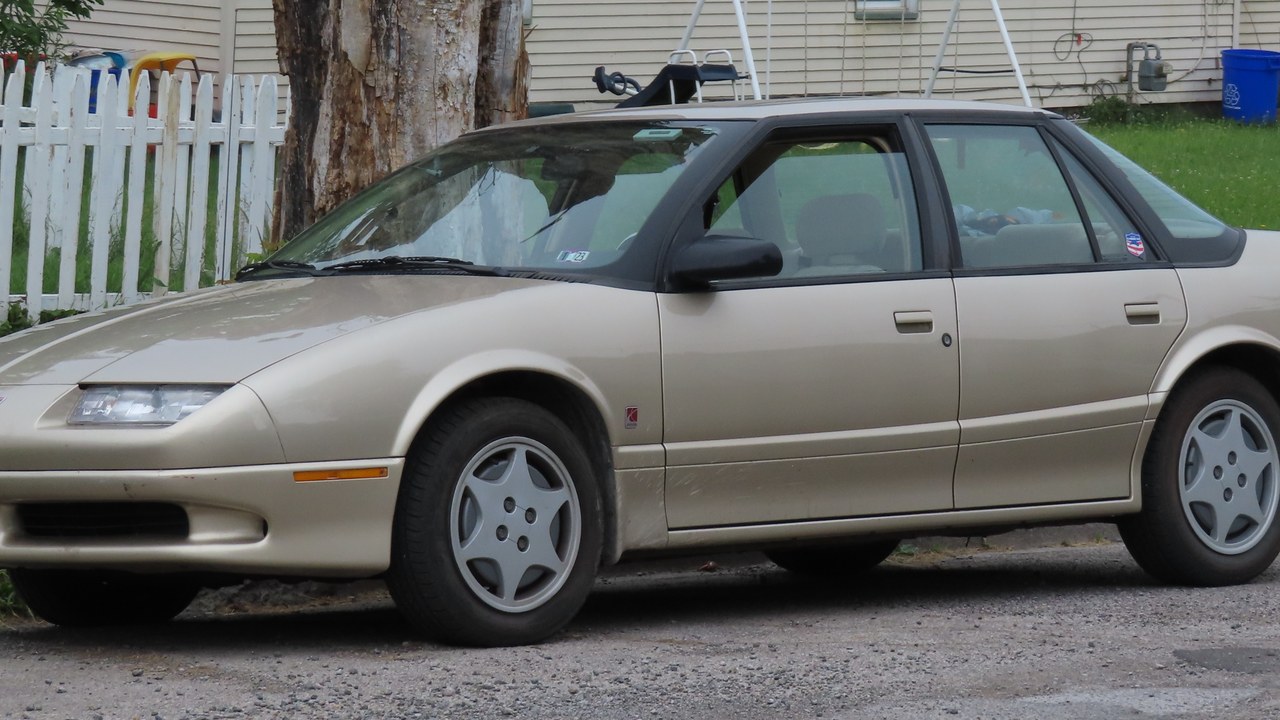
The first Saturn, a red 1991 SL2, was completed July 30, 1990, and the S-Series line ran three generations through 2002 at Spring Hill, Tennessee.
That long run made the S-Series the backbone of the brand during its best years. The cars were modest, but the factory, the dealer experience and the fresh identity were what made buyers pay attention to a new nameplate. Early buyers valued no-haggle pricing and polymer body panels, which helped the brand feel different from competitors and gave Saturn an identity that carried it through the following decade.
2. General Motors EV1: The Electric Outlier
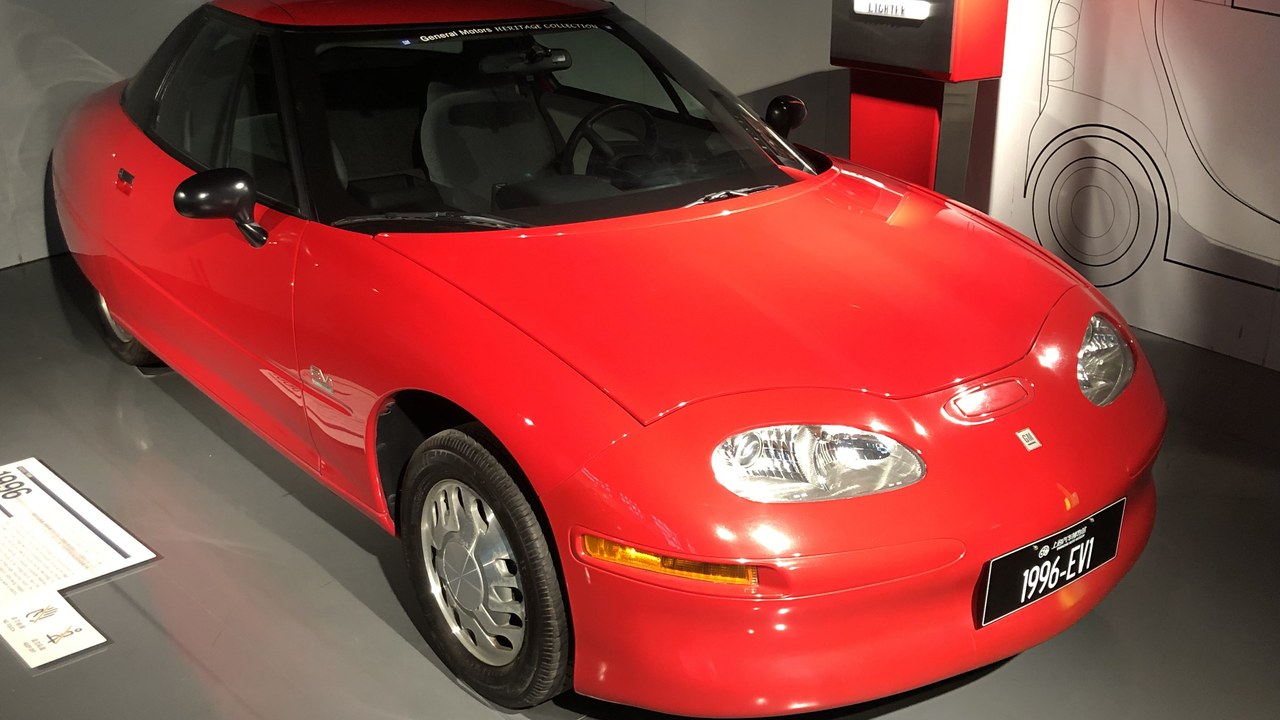
GM began leasing the electric EV1 in 1996, and the Smithsonian’s 1997 car, the last of the first series, which was leased in California from 1998 to 2000.
The EV1 sits on this list as a related GM oddity rather than a Saturn badge. It shows the era’s experiments with battery power, and a surviving example gives visitors a clear look at how early that effort was. Its inclusion also highlights how experimental GM could be in the nineties, with the company testing ideas that later returned in different form across the industry. Leasing instead of selling kept the cars under the maker’s control.
3. Saturn L-Series: Midsize Miss From Delaware
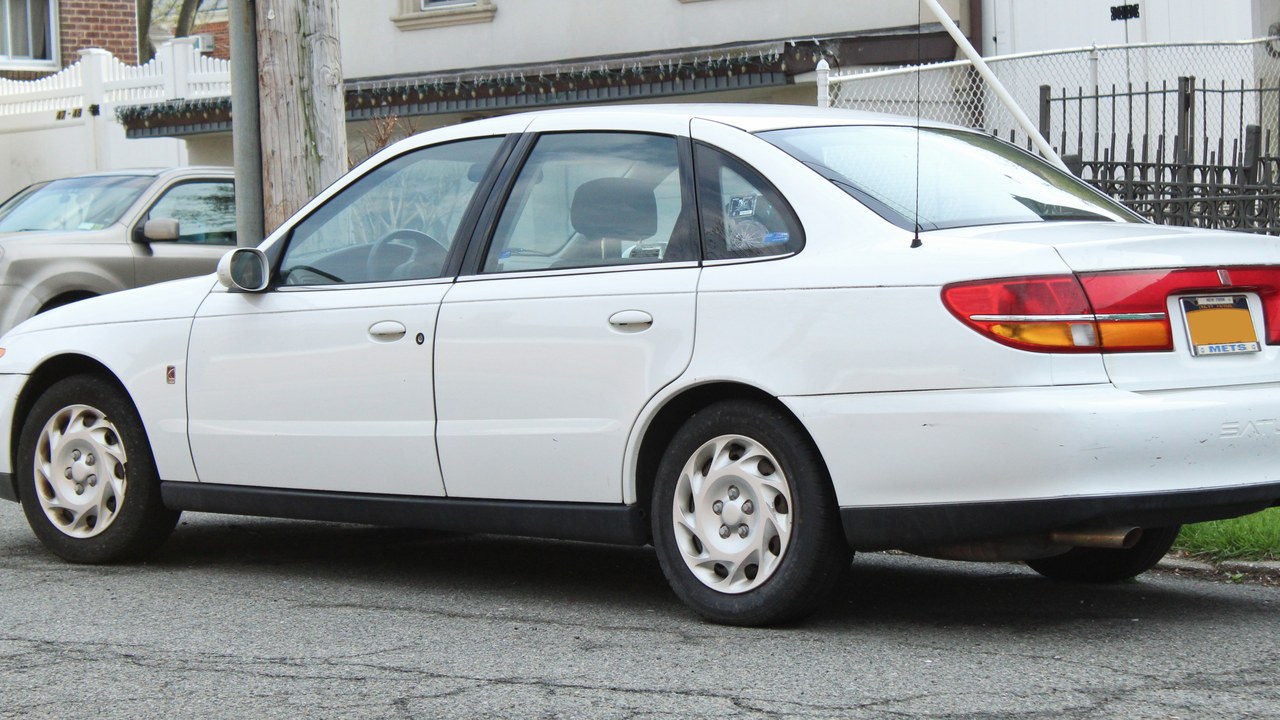
Built in Wilmington, Delaware, the midsize L-Series was discontinued after 2005 due to poor sales.
The L-Series gave the brand a bigger car, but it never matched the appeal of the original small sedans. Its short life is a reminder that moving upmarket is harder than it looks when buyers already associate a name with something else. Nameplates succeed when buyers see a clear purpose, and the L-Series struggled to establish one. That lesson applied to the brand more broadly as the lineup widened beyond its original small-car focus.
4. Saturn Vue: The Very Last Saturn
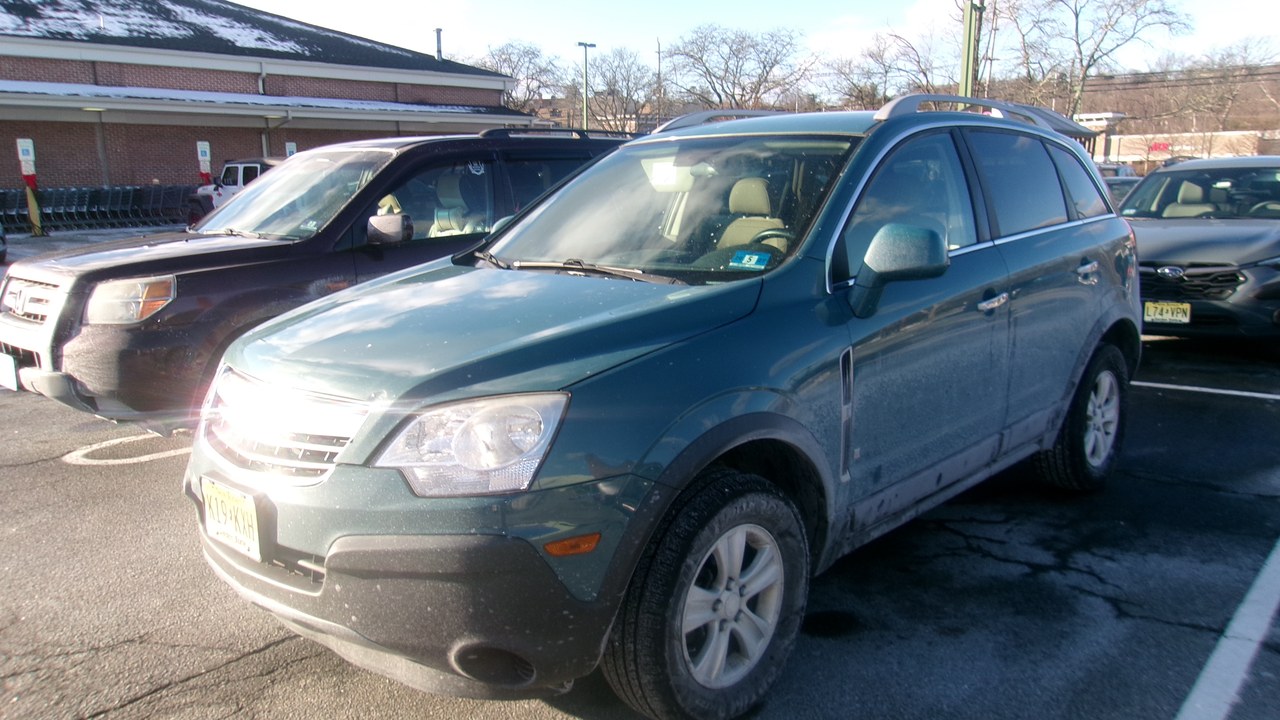
The 2010 Vue compact SUV was the very last car with a Saturn badge to roll off the production line.
Dealerships were set to close by October 31, 2010, so the Vue marks the quiet end of the brand. A compact crossover is a fitting finale for a company that began by challenging the established small-car makers. The brand’s peak, with 286,003 vehicles delivered in 1994, was long behind it by then. The contrast shows how far the company had traveled from its early excitement to a final model produced in small numbers.
5. Saturn Ion: Replacing the S-Series
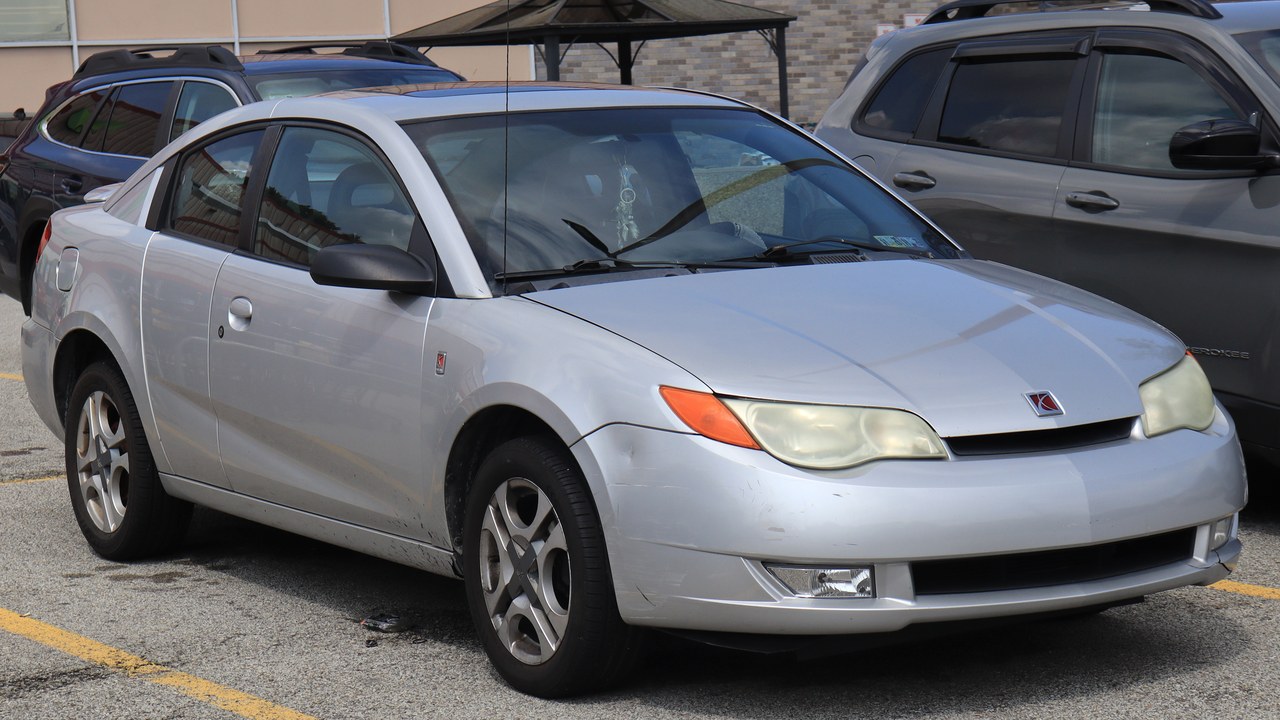
The Ion replaced the S-Series at Spring Hill from 2003 to 2007, and production was paused for three weeks in 2003 over dealer overstock concerns.
That pause was an early sign that demand was not keeping up with supply. The Ion carried the small-car role forward, but it never recaptured the enthusiasm that helped the first Saturn cars earn their loyal owners. Overstock problems are costly for dealers, which is why a pause in production mattered. The small sedan and coupe range remained part of the lineup, but the original spark was harder to rediscover.
6. Saturn Relay: A Minivan in Disguise
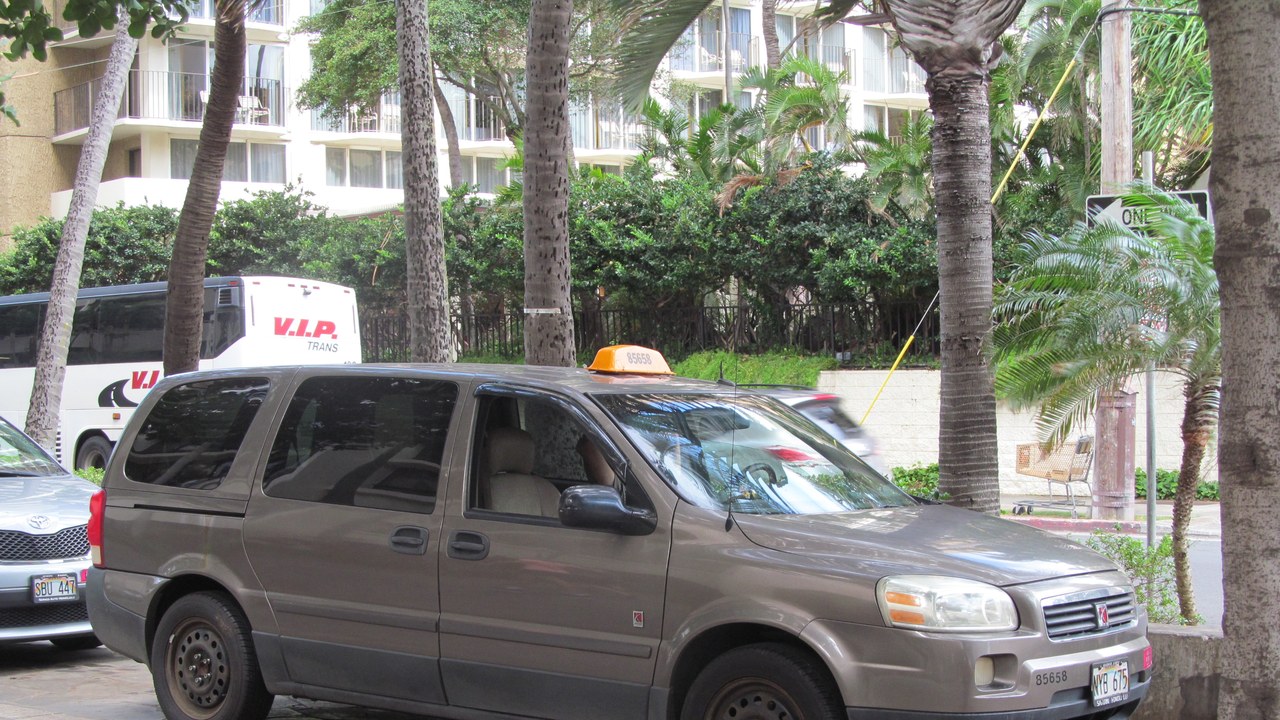
Built in Doraville, Georgia, for the 2005 to 2007 model years, the Relay minivan was a rebadged Buick Terraza and Chevrolet Uplander, and its US sales peaked at 15,758 in 2005.
Badge engineering helped GM fill showrooms without developing every model from scratch. It also blurred what made Saturn distinct, since customers could find nearly the same vehicle under several other nameplates. For shoppers the Relay was a practical family vehicle, and its numbers show it found real buyers. For the brand, though, it blended into GM’s wider minivan lineup rather than standing apart.
7. Saturn Sky: Roadster on a Solstice
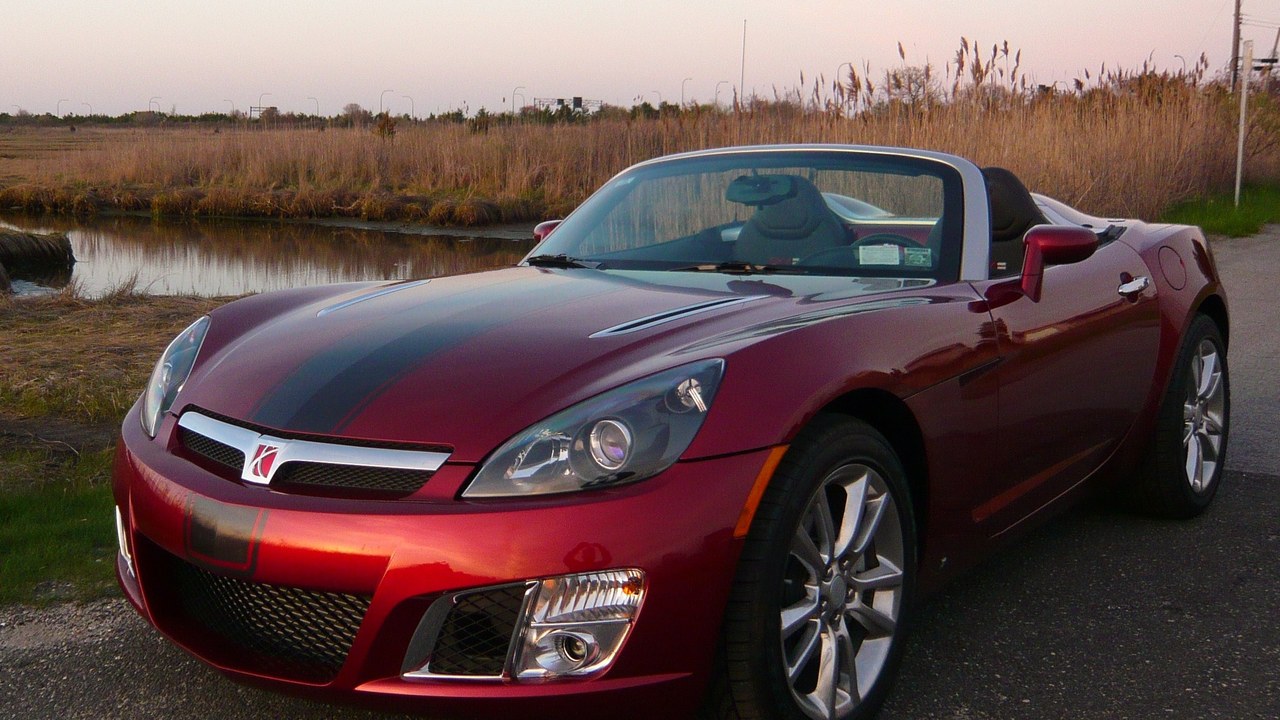
Saturn’s roadster arrived for 2007 on the Pontiac Solstice’s platform, built in Wilmington, Delaware, and only 34,415 were made before it ended with the 2010 models.
A small total makes the Sky a modest collectible today. It added some genuine excitement to a lineup known for practical cars, even though the sports-car market was too narrow to keep it going. The Sky also shows the brand could still build something stylish late in its life. Sharing a platform with the Solstice kept costs down, but a niche roadster rarely delivers the volume a mainstream brand needs.
8. Saturn Aura: Malibu’s Cousin
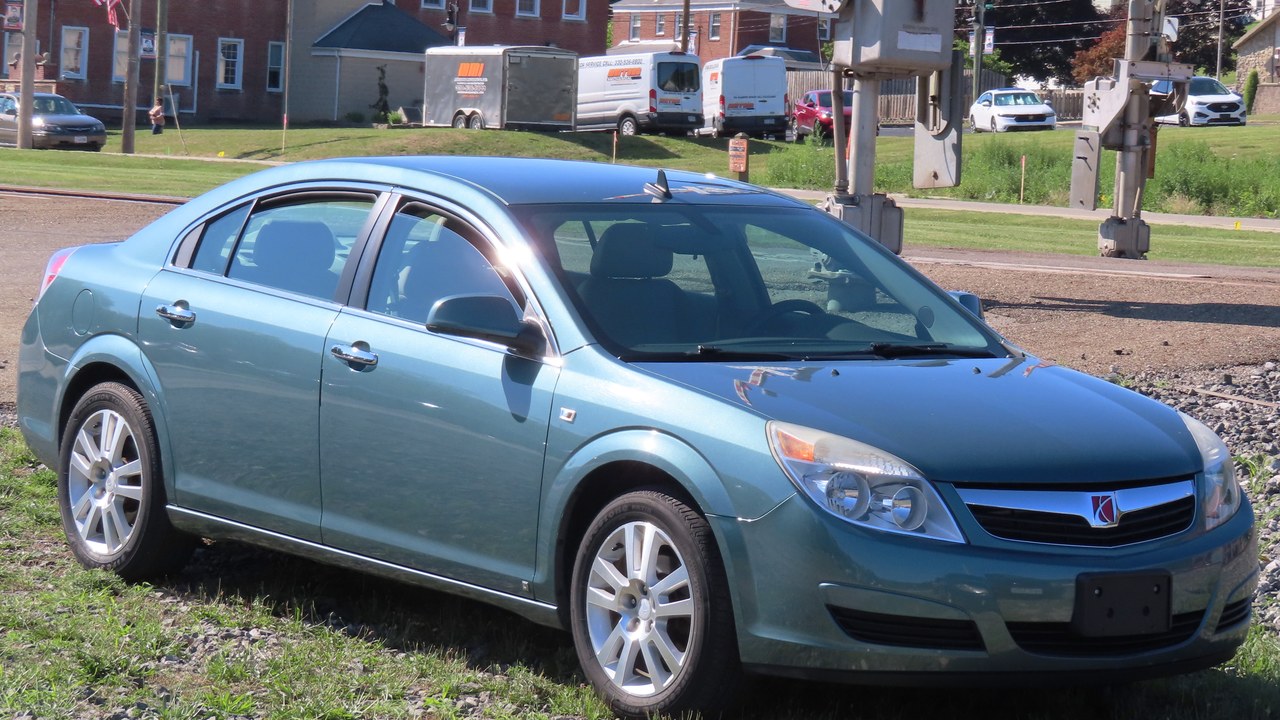
Built from 2007 to 2009, the Aura midsize sedan was a close Malibu relative and succeeded the L-Series.
The Aura earned a warmer reception than the car it replaced, thanks to a more polished design and stronger shared engineering. The timing was poor, as the brand was already heading toward its end. The sedan also gave dealers a competitive midsize car at last, with styling that looked current next to its rivals. Shared engineering helps a company spread development costs, which is why GM relied on it so heavily. Reviewers often credited the Aura with giving Saturn its most competitive sedan in years.
9. Saturn Outlook: Sharing a Big Platform
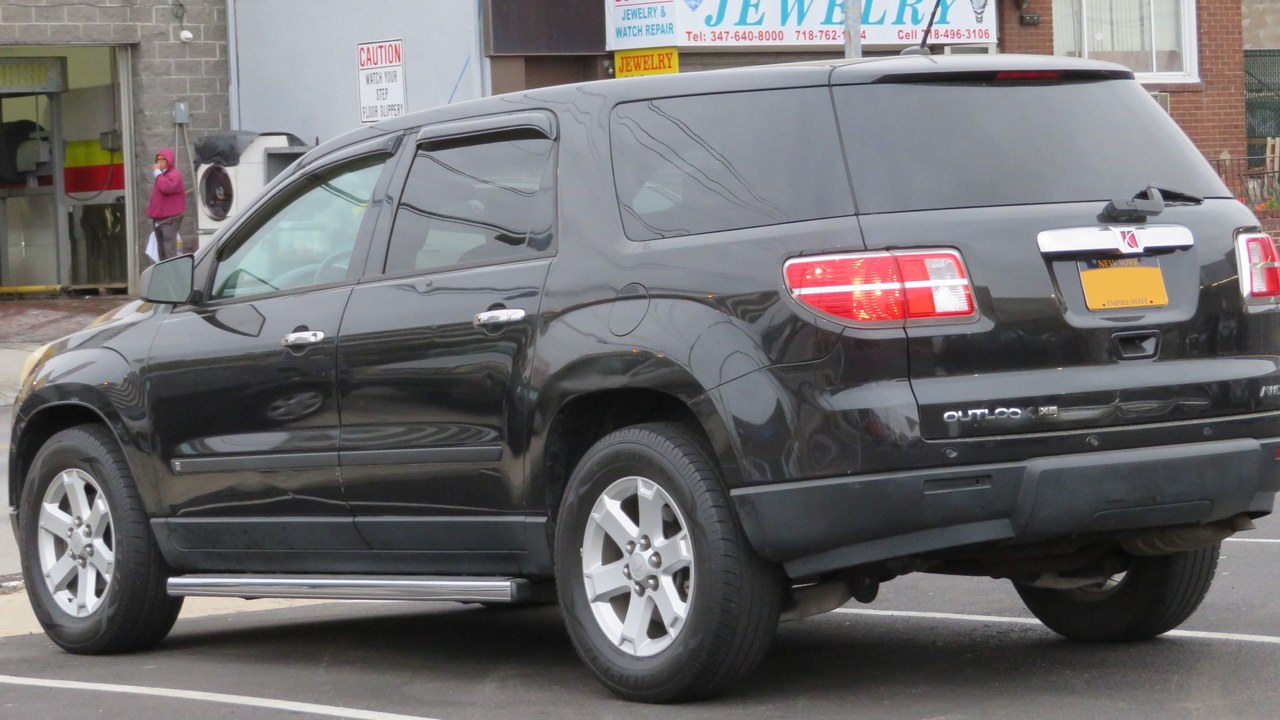
The 2007 to 2010 Outlook shared its platform with the Buick Enclave, GMC Acadia and Chevrolet Traverse.
Three-row crossovers were where many families were moving, so the Outlook put Saturn in a popular segment. Its shared underpinnings made it capable and roomy, but also another example of how much the brand now overlapped with its siblings. Crossovers were the future of the family vehicle, yet the Outlook arrived while the brand’s future was being decided elsewhere. It remains a strong example of the final lineup’s quality.
The day in tech, in one email: Get TLDR →
We may earn a commission if you sign up.
More from Morning Overview
- Hurricane Hunter radar shows four warning signs that a tropical cyclone is about to strengthen, a University of Miami study found
- Tropical Storm Rachel is dumping up to 12 inches on four Mexican states on its way to major hurricane strength
- The FTC says Lens.com doubled the price shoppers saw in Google ads
- Common allergy, bladder and sleep pills tied to sharply higher dementia odds
