
Honda built its reputation one motorcycle at a time, from tiny commuters to long-distance tourers and race-bred sport bikes. Each model below shifted what ordinary riders expected to buy, whether through price, engine design or sheer numbers. Here are eleven Hondas that earned a place in that story.
The tech news worth your time: 400,000+ professionals from Google, Apple and OpenAI read Techpresso, a daily email with the most interesting tech news and insights.
We may earn a commission if you sign up.
1. Honda Super Cub: The Clutchless Everyman
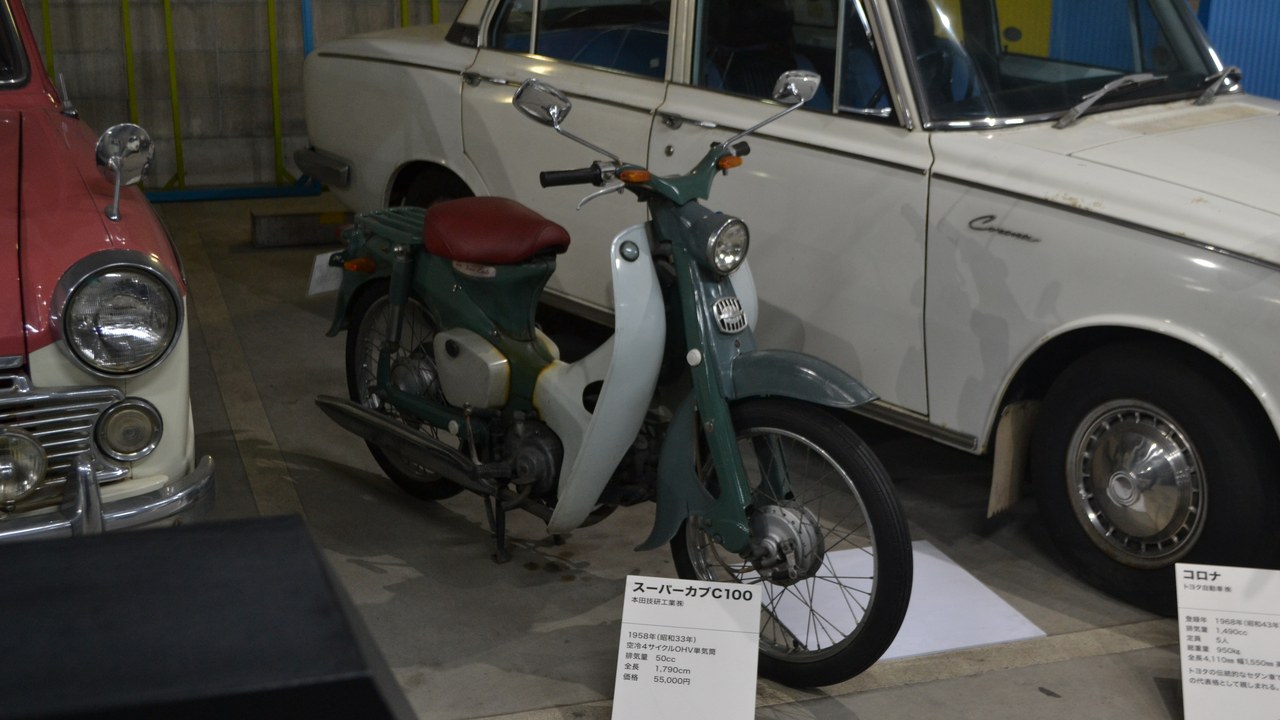
Honda launched the Super Cub in 1958 around a clutchless 49cc four-stroke engine, and its 100 million units built is a total far above the Gold Wing’s 700,000 or any other model on this list.
With no clutch lever to manage, the Super Cub was easy for beginners to learn, which helps explain why it spread into so many markets and stayed in production for generations. Its simplicity is the whole point, and the numbers show how well that worked. It is the clearest example on the list of a design built for ordinary people, and every later Honda that targeted newcomers owes something to that approach.
2. Honda CB750: Superbike for Everyone
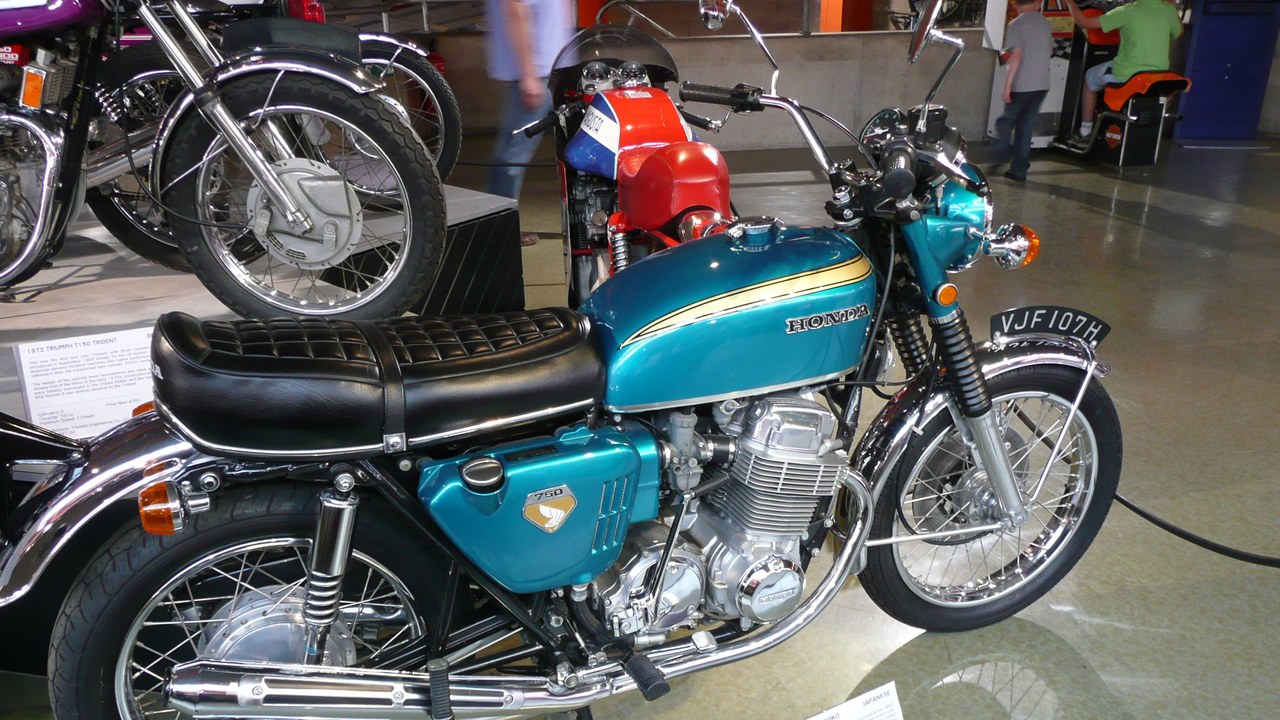
The CB750 reached showrooms in July 1969 at a $1,495 MSRP, and demand was so strong that Honda had to lift output from 1,500 bikes a year to 3,000 a month.
That price made a powerful, modern four-cylinder machine attainable for far more buyers than a specialist import ever managed. The scramble to build enough of them is part of why the CB750 is still treated as a turning point for the whole motorcycle industry. Rivals soon had to answer with their own large multi-cylinder machines, and the name has carried weight with enthusiasts ever since the first examples reached customers.
3. Honda Gold Wing GL1000: Touring Gets Serious
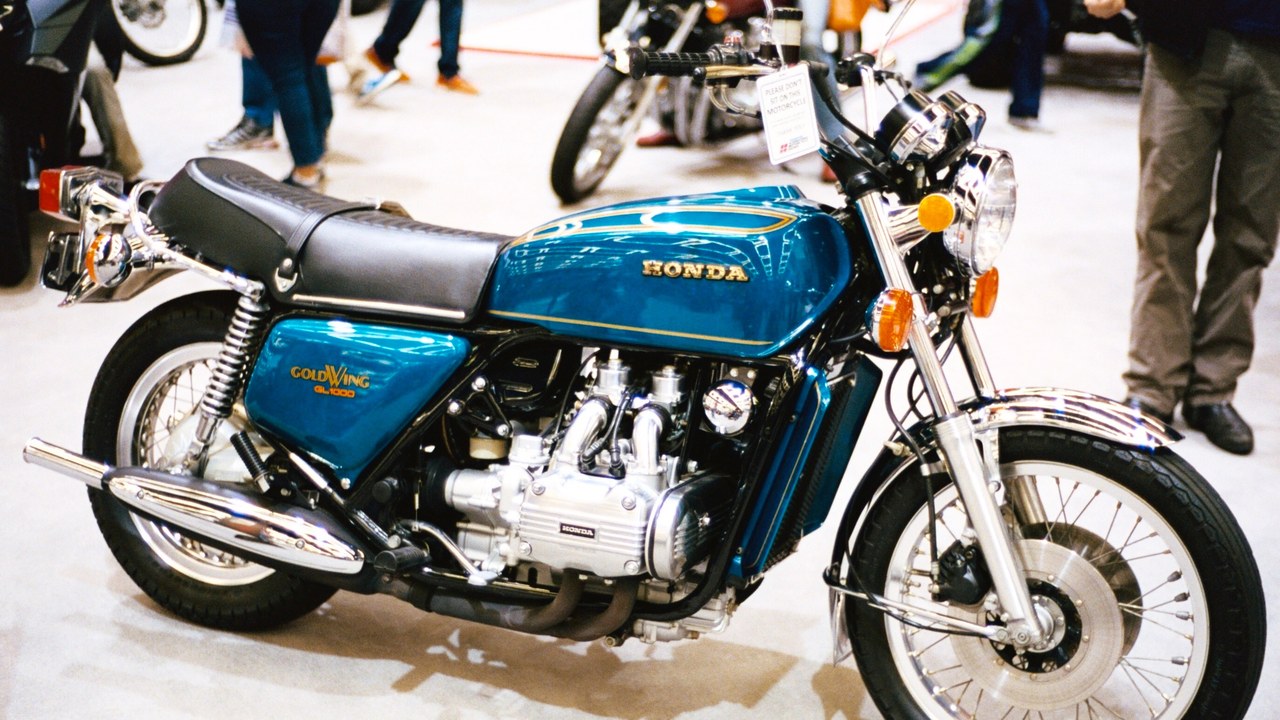
Debuting in September 1974 and arriving on American sale in 1975, the GL1000 started a line that, according to Gold Wing production figures, passed 700,000 bikes built by 2017.
Few motorcycle nameplates last long enough to reach a number like that. The Gold Wing turned long-distance touring from a niche pursuit into a mainstream reason to buy a big bike, and the model remains a reference point for comfortable highway riding. Riders who covered long distances took to the bike quickly, and the model became a template that many later touring machines from other makers were measured against.
4. Honda CB77 Super Hawk: Small Sport Bike, Big Reputation
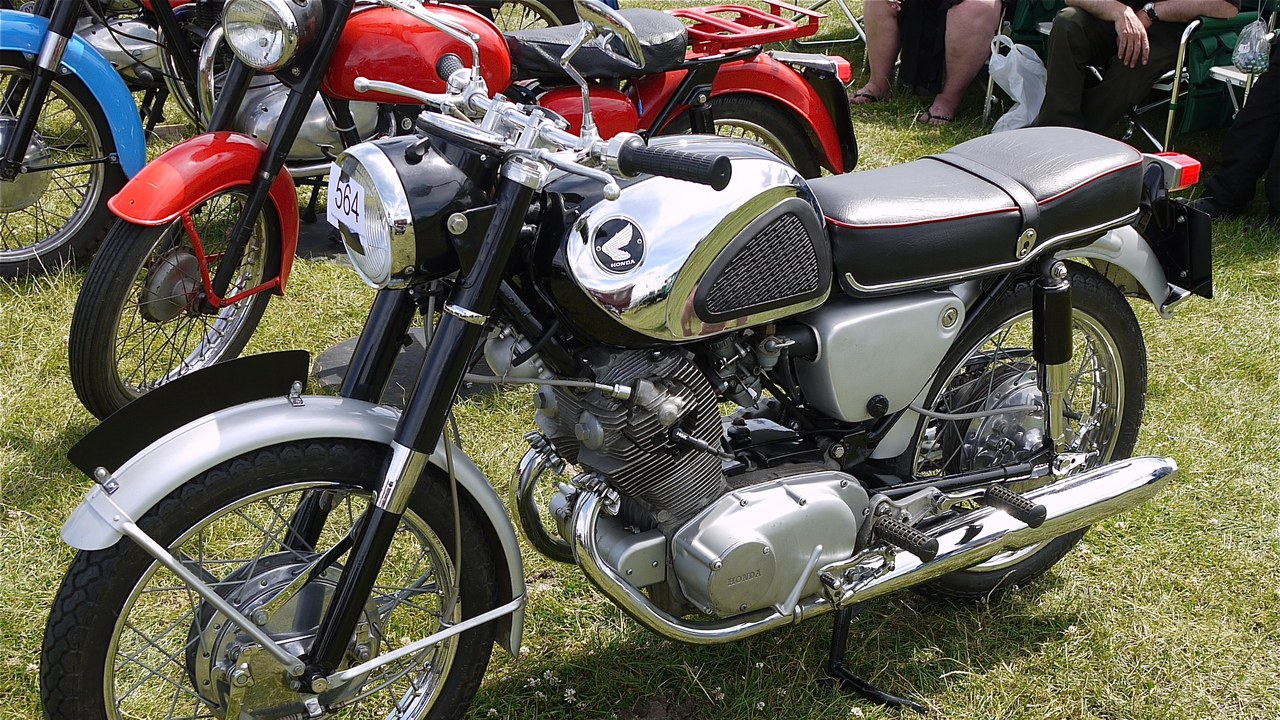
Among Honda’s earlier sport machines, the CB77 Super Hawk engine displaced 305cc, which put it in the sporting end of the lightweight class of its day.
The research on this model is thin, so its place on the list rests mostly on that engine size and the sport label. Even so, the Super Hawk shows Honda pushing past basic transport and toward bikes that enthusiasts actually wanted to ride hard. It sits among the lighter entries here, but it belongs because it shows the range of Honda’s output beyond the headline models that usually dominate such lists.
5. Honda Rebel: Cruising on a Budget
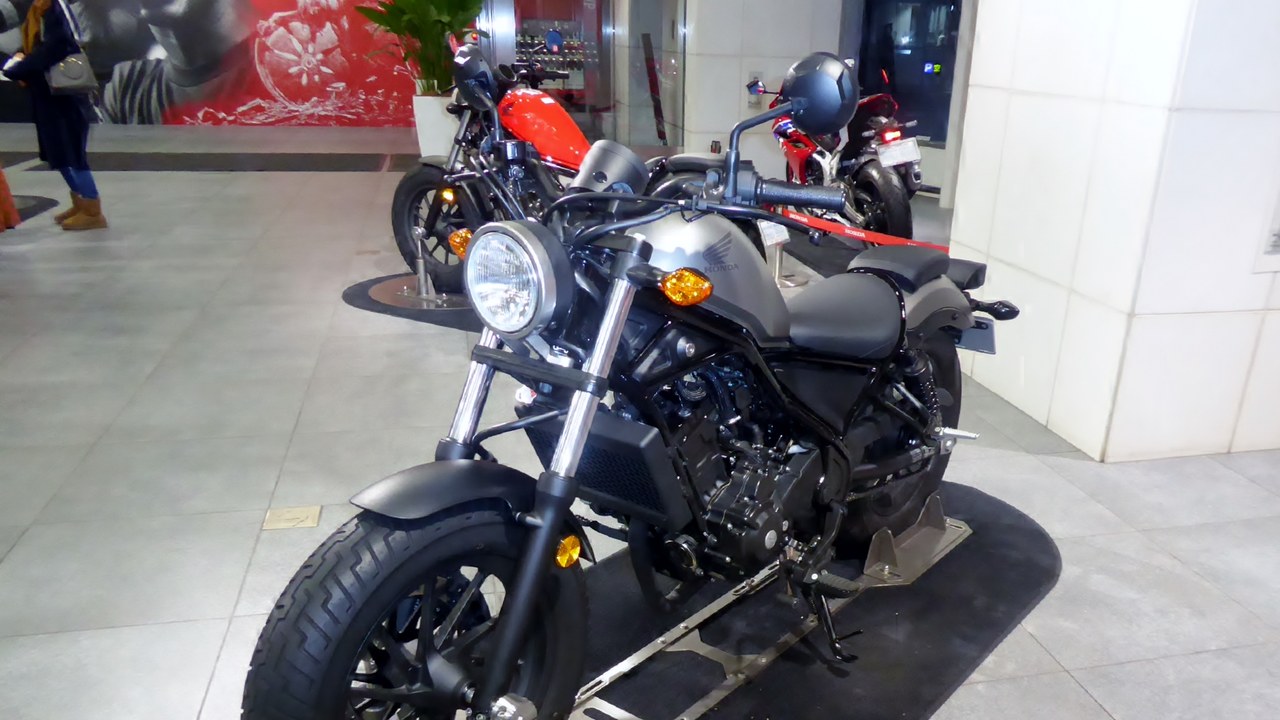
The Rebel cruiser in its CMX250C form uses a 234cc Rebel engine, a modest displacement that keeps the bike light and approachable for new riders.
Cruiser styling usually comes with big, heavy machinery, so a small and friendly version fills a useful gap. The Rebel gives newcomers a low-stakes way into the cruiser world, and that accessibility explains its steady appeal among first-time owners. Its low weight and friendly manners are the main attractions, and many riders who started on one have gone on to larger bikes while staying fond of the model.
6. Honda Shadow: Four Decades of Easy Cruising
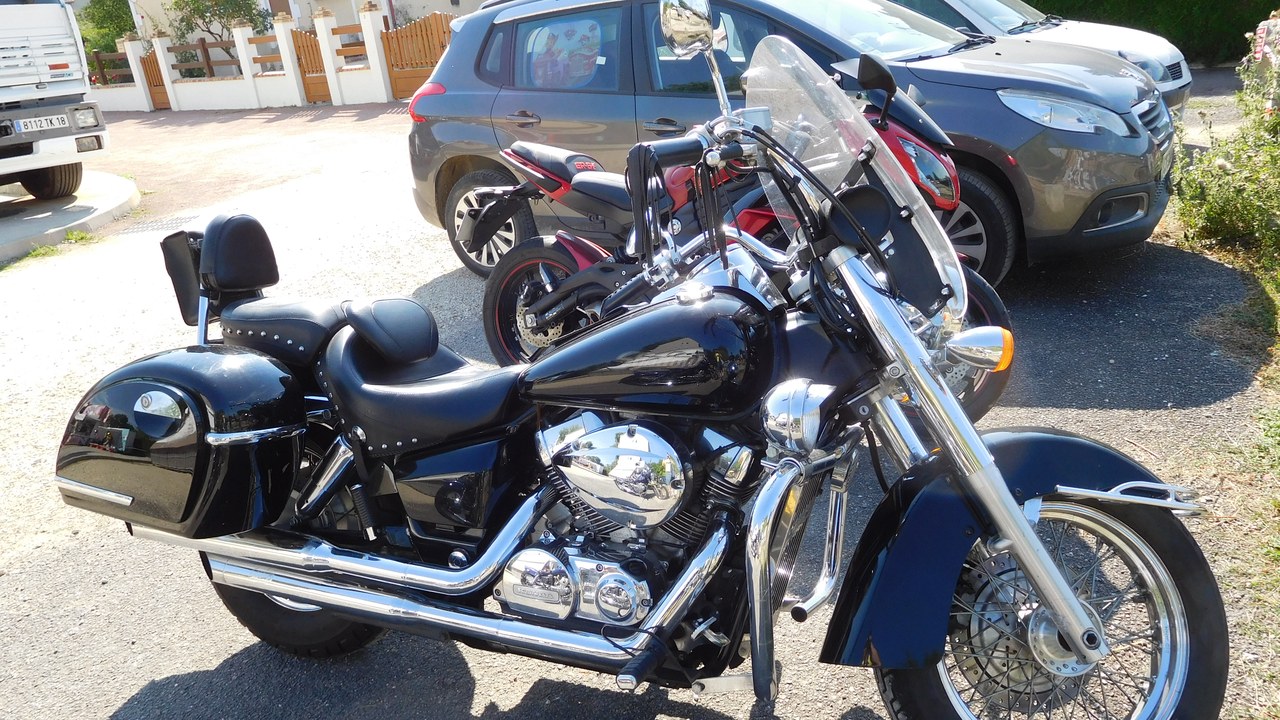
The Shadow arrived in 1983 as the VT500C, and the Shadow cruiser line has now run for more than 40 years.
Longevity like that suggests Honda found a formula riders kept returning to: relaxed ergonomics, dependable running and a look that borrowed from traditional cruisers. A nameplate does not survive that long on novelty alone, and the Shadow has plainly earned its slot. For a first cruiser, it has been an easy recommendation for years, and that quiet consistency says more about its worth than any single record or award.
7. Honda CBR600F: Racetrack Middleweight
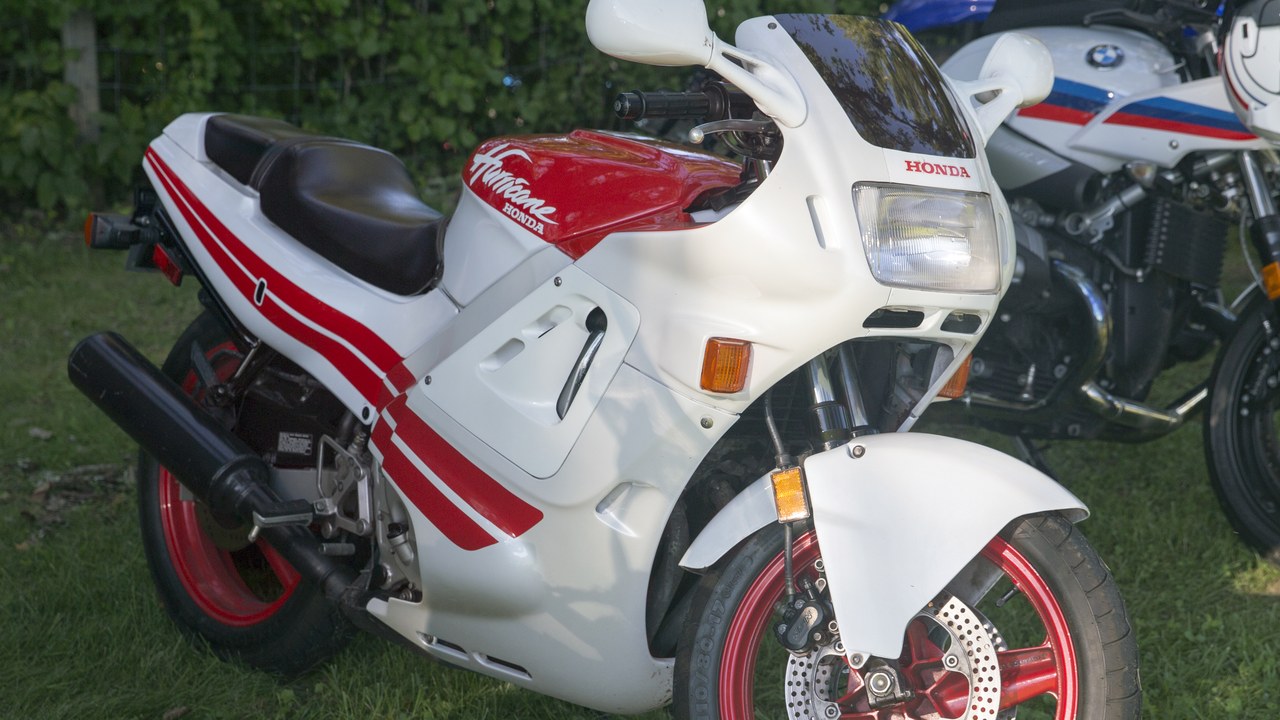
Announced at the end of 1986, the 598cc 16-valve CBR600F is credited by CBR600 racing results with dominating middleweight racing.
Middleweight sport bikes balance speed with usability, and the CBR600 line set a benchmark that rivals had to chase. Many riders found the format far more practical on public roads than a full-size superbike, which broadened the audience for serious sport machinery. The format has since become a staple of the sport bike world, and plenty of riders consider that kind of balance the sweet spot between thrills and daily practicality.
8. Honda CBR900RR FireBlade: Light and Compact
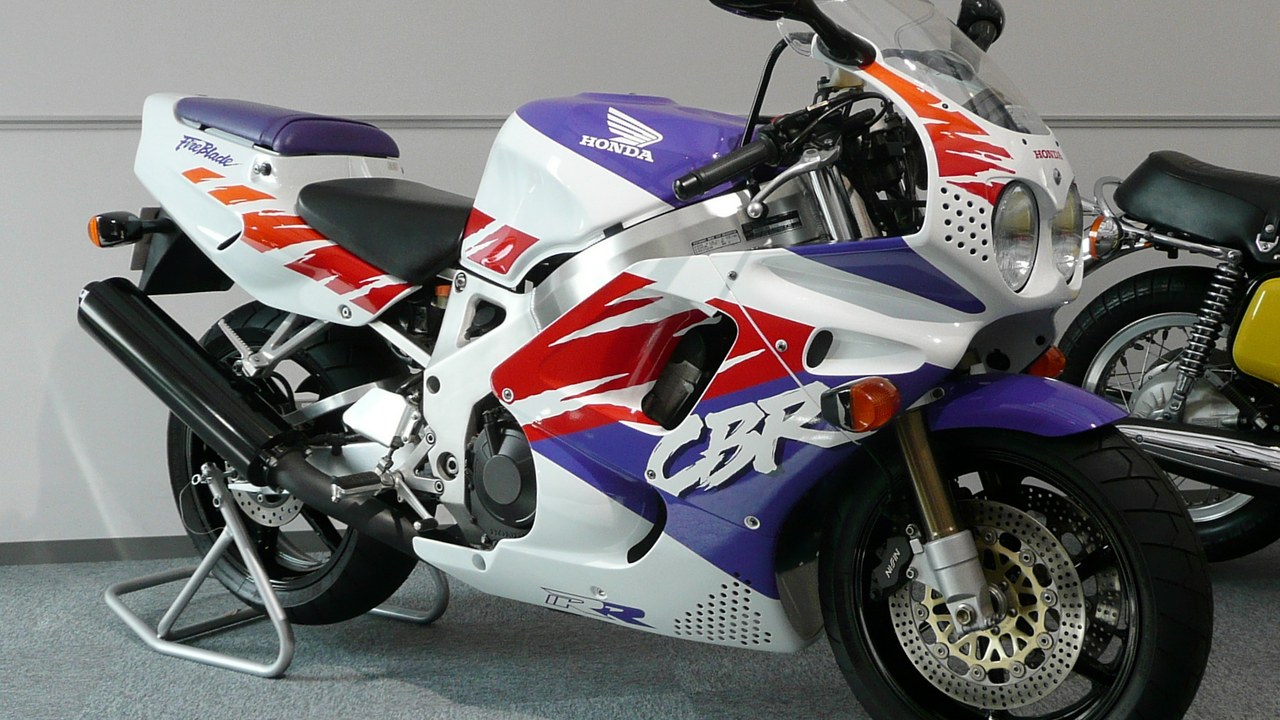
The 1992 CBR900RR FireBlade packed an 893cc engine into what FireBlade class comparisons describe as the lightest and most compact bike in its class.
Performance usually followed displacement and weight in those years, so a lean machine with a large engine changed expectations. The FireBlade showed that handling and low mass could matter as much as raw power, an idea that shaped superbike design that followed. Many later sport bikes chased the same recipe, so the influence extends beyond Honda itself and helps explain why the model keeps appearing in discussions of landmark designs.
9. Honda Africa Twin: Dakar Heritage
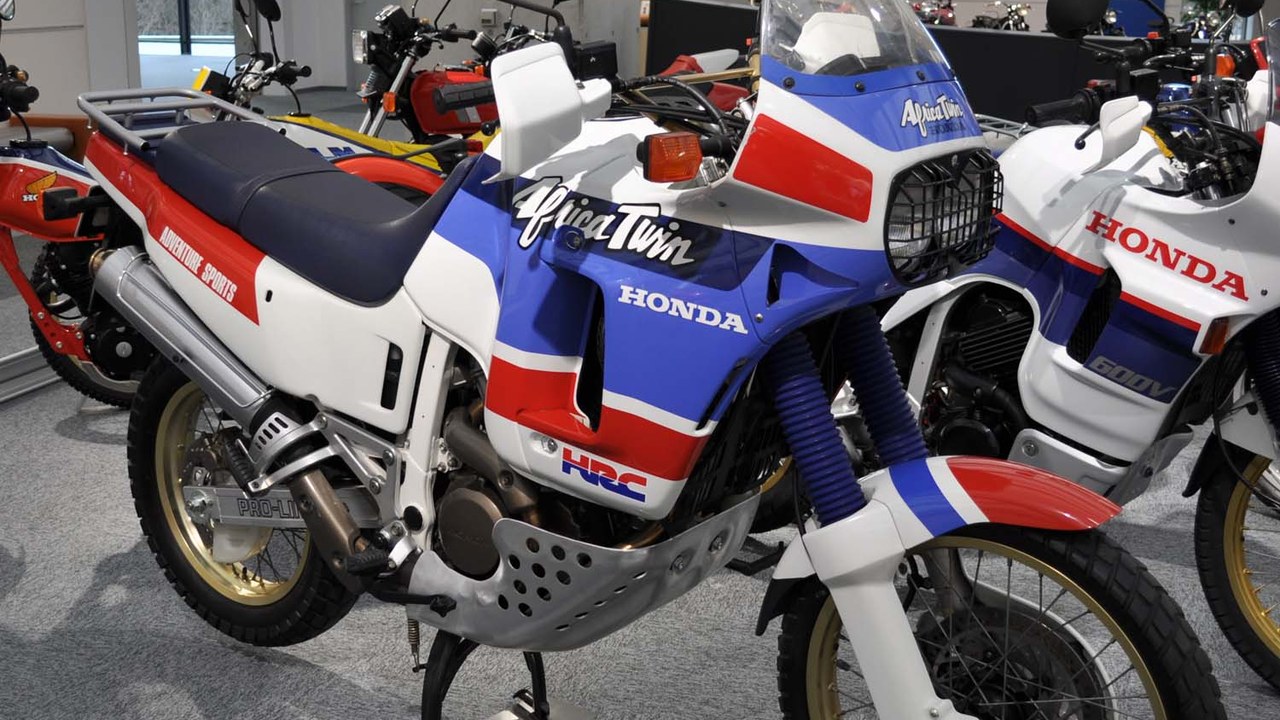
Launched in 1988, the XRV650 Africa Twin followed a predecessor that won four straight Dakar rallies, giving the road bike genuine desert-racing credentials.
Adventure motorcycles lean heavily on that sort of pedigree, since buyers want to believe the machine could cross a continent. The Africa Twin name carried real proof behind it, which helped establish the big dual-purpose category long before it became crowded. The Africa Twin has since returned in updated form, and its competition story remains central to how Honda describes the adventure bike it sells to riders today.
10. Honda VFR1200F: Dual Clutch Debut
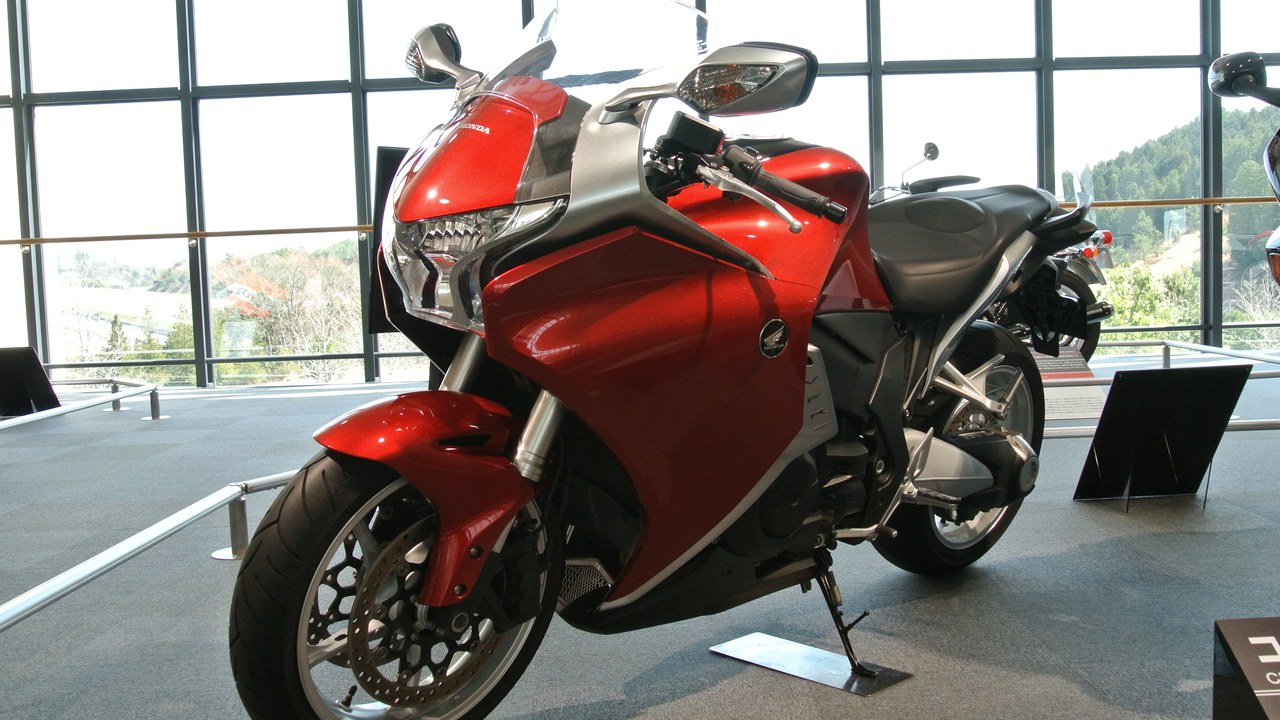
Honda’s 2010 VFR1200F introduced its Dual Clutch Transmission, and that technology has since appeared in 100,000 DCT bikes sold.
An automated gearbox on a sport-touring bike was a bold bet at launch, because enthusiasts often prefer shifting by hand. The sales figure suggests the idea found its audience, and the VFR1200F remains the model where Honda first proved it. For riders who dislike clutch work in traffic or on long trips, the system offered a genuine alternative, and its wider adoption across the range shows how seriously Honda took it.
11. Honda Grom: Mini Bike, Maximum Fun
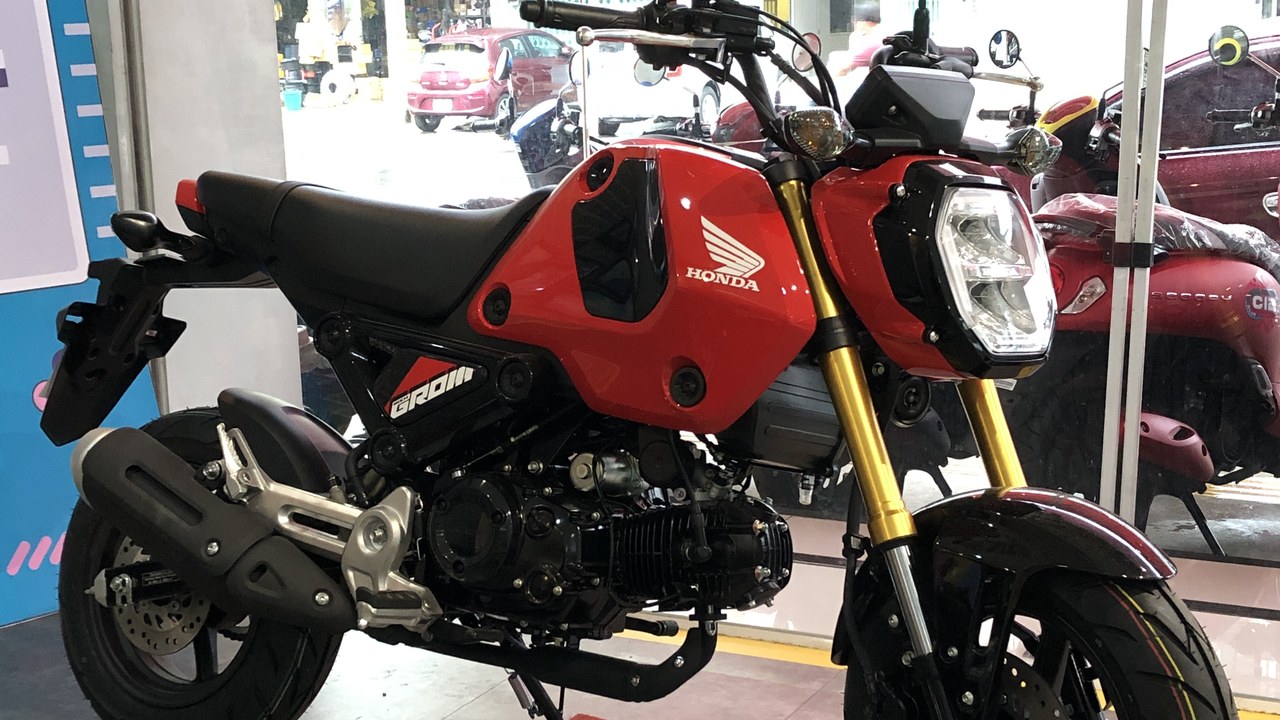
The Grom is Honda’s mini motorcycle, and its 125cc Grom engine gives it just enough power for city streets while keeping the frame tiny.
Small machines like this make riding cheap, playful and low in intimidation, which is why they attract younger riders and seasoned owners alike. Adding the Grom to a list of landmark Hondas recognizes that fun, not horsepower, can be a legitimate achievement. It also serves as a gateway machine, introducing a new generation to motorcycling at a price and size that suit small garages and short commutes.
The tech news worth your time: Subscribe to Techpresso →
We may earn a commission if you sign up.
More from Morning Overview
- Common allergy, bladder and sleep pills tied to sharply higher dementia odds
- NOAA now gives this winter a 75% chance of the strongest El Nino since 1950
- Doctors warn a silent liver disease now affects one in three American adults
- The FBI told the rest of ShinyHunters to surrender after a 24-year-old was arrested
