
Durability in motorcycling rarely comes from horsepower figures. It comes from unfussy engineering: engines that tolerate neglect, drivetrains that resist wear, and production runs long enough to fill the world with spare parts. Here are nine motorcycles whose designs, service records and touring histories explain why owners keep them going long after other bikes get parted out.
1. Honda Gold Wing: Continent-Crossing By Design
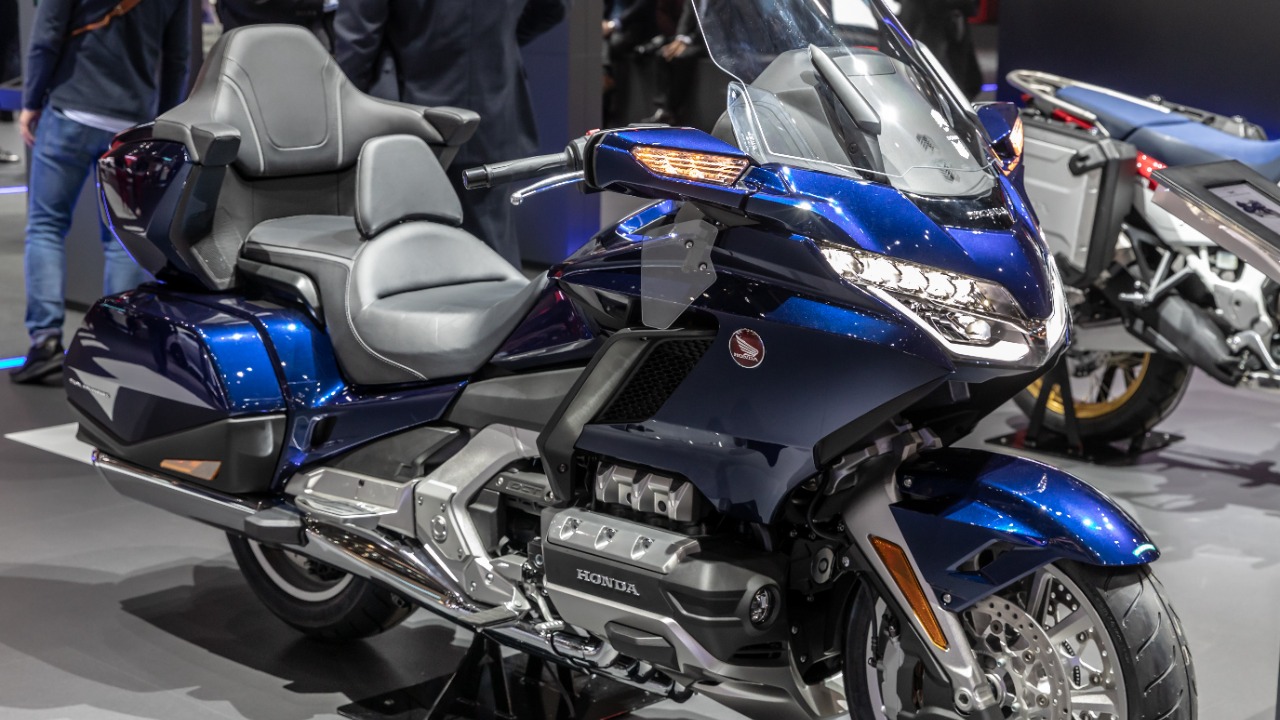
The Gold Wing arrived in 1975 with a liquid-cooled flat-four and shaft final drive, a layout Honda chose for smoothness and low maintenance rather than outright speed. The engine grew to a flat-six in 1988 and to 1,832 cc in 2001, but the core touring formula never changed. Shaft drive removes chain adjustment and lubrication from the maintenance list entirely.
The trade-off is mass. A modern Gold Wing weighs well over 800 pounds fuelled, which punishes riders in parking lots, on gravel and anywhere a bike has to be pushed backwards. Its complexity also means dealer service rather than driveway repairs.
2. Kawasaki KLR650: Simple On Purpose
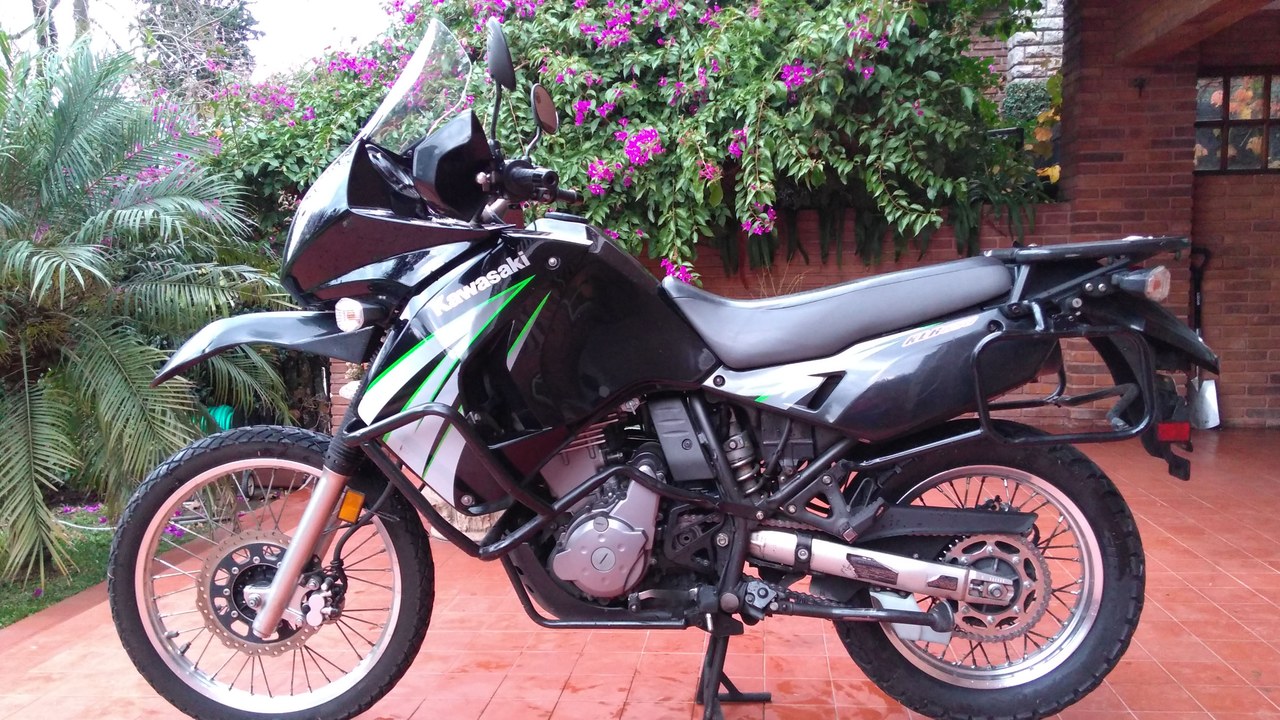
Kawasaki built the KLR650 around a single 651 cc liquid-cooled cylinder, a carburettor and a chain, then left the recipe largely alone from 1987 until 2018. That refusal to update produced an enormous used-parts supply and a service manual most owners can follow at home. Riders crossing continents chose it precisely because the dual-sport platform stayed predictable.
It is not without a known weak point: the balancer-chain adjuster lever, nicknamed the doohickey, is the failure owners preemptively replace. The bike is also heavy for genuine off-road work, softly sprung, and slow enough that sustained highway speeds feel like effort.
3. Honda CB series: The Standard That Stuck
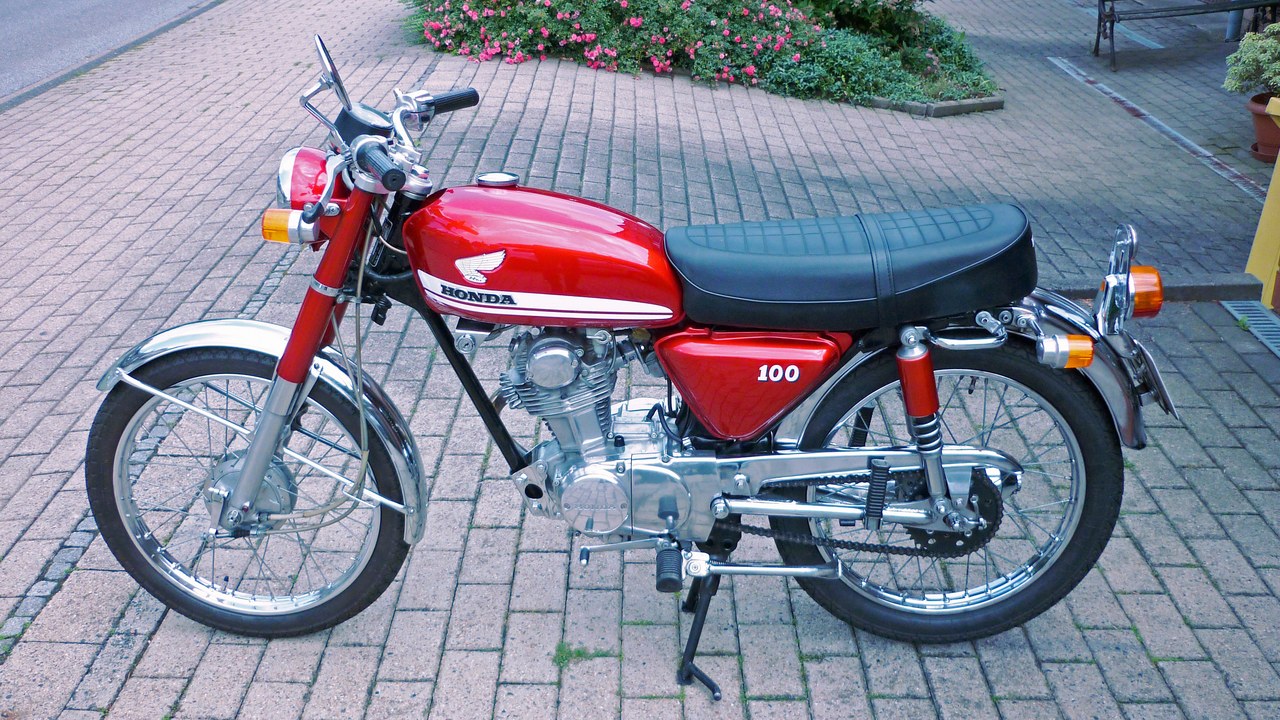
Since the late 1950s the CB badge has covered Honda standards of every size, from small commuter singles to the 1969 CB750 that put an inline-four, electric start and a front disc brake into ordinary hands. Air-cooled, overhead-cam and mechanically conventional, those engines were built in numbers that guarantee parts. Half-century-old CB750 examples still turn up running.
Age brings its own bill. Carburettor banks need balancing, 1970s wiring and charging systems corrode, and points ignitions demand attention no modern rider is used to. The reward is that almost nothing on the bike is beyond a competent home mechanic with a manual.
4. Yamaha V Star: No Radiator, No Chain
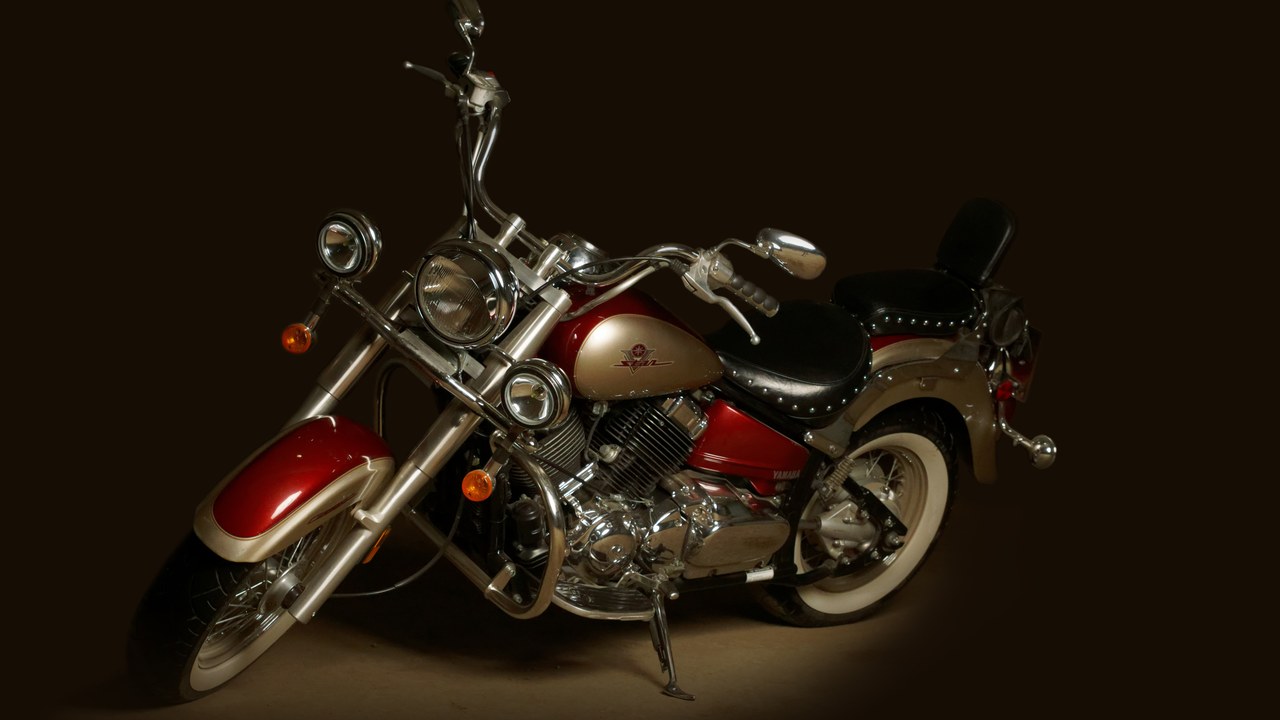
Sold as the DragStar in much of the world, Yamaha’s V Star 650 pairs an air-cooled 649 cc V-twin rooted in the Virago engine family with shaft final drive, a combination with very little to go wrong. There is no radiator to leak and no chain to replace. The cruiser’s simplicity is the whole argument for it.
Output in the region of 40 horsepower is the price. Highway passing becomes a plan rather than a reflex, and the low seat with forward controls suits cruising more than distance. Carburetted examples also need fuel-system attention if the bike sits unused for months.
5. Suzuki DR650: Unchanged And Unbothered
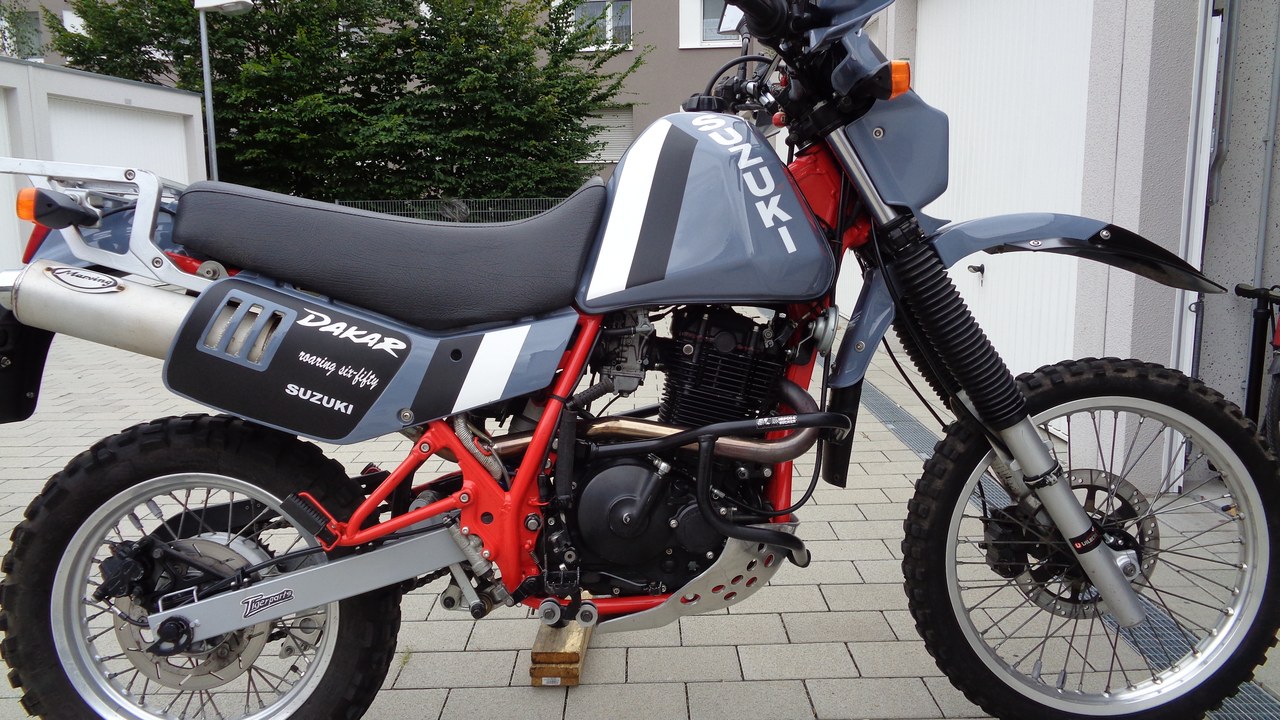
Suzuki’s DR650SE has been sold in essentially the same form since 1996: a 644 cc air- and oil-cooled single, a carburettor, a chain and a steel frame. Its systems stay mechanical enough that roadside diagnosis rarely needs a laptop. That longevity means the dual-purpose single shares parts across decades of model years, and independent shops know it cold.
Riders pay for that simplicity in refinement. Vibration builds at highway speed, the stock suspension is basic, the seat is unforgiving, and there is no wind protection at all. Owners commonly budget for a seat, a screen and revalved suspension before attempting a long trip.
6. BMW R1200GS: Built For The Far Side
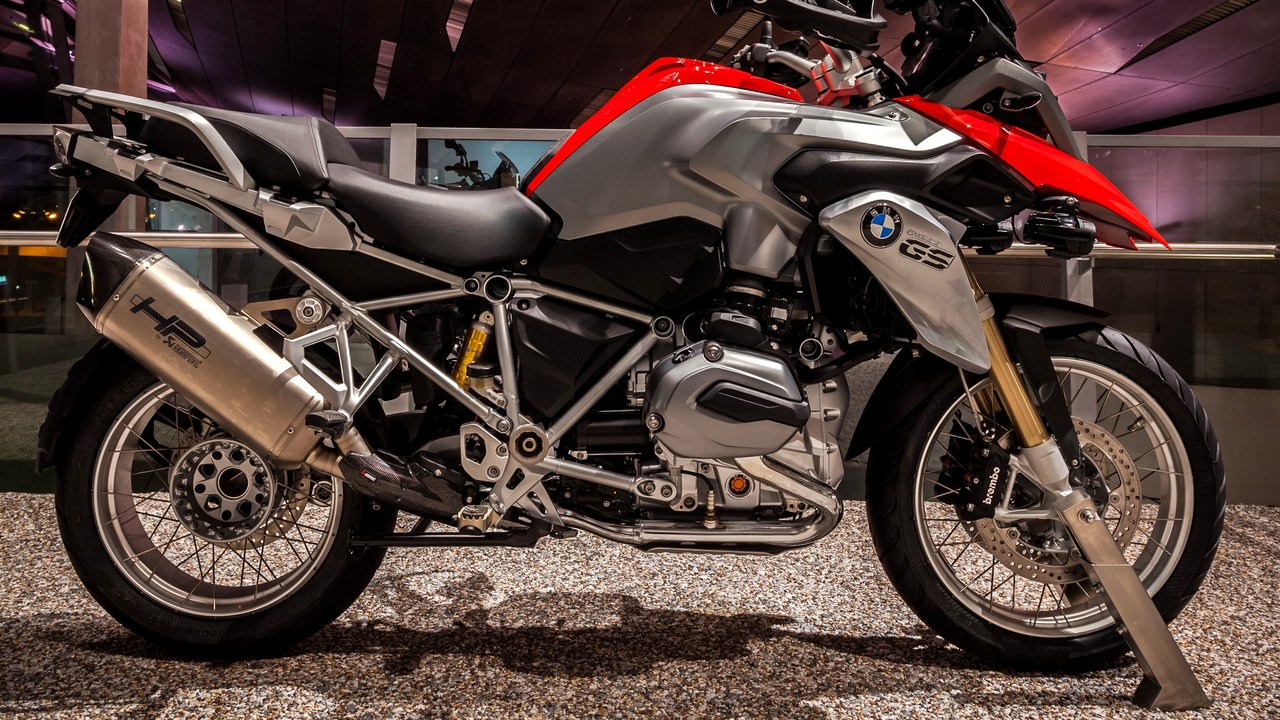
BMW’s R1200GS carried the boxer-twin adventure formula from 2004 to 2018, switching from air-and-oil cooling to partial liquid cooling in 2013. Shaft final drive and the Telelever front end were chosen for load-carrying and long service intervals rather than lightness. Ewan McGregor and Charley Boorman’s Long Way Down expedition ran GS Adventures from Scotland to Cape Town.
It is also the most complex machine here. Telelever, shaft drive and layered rider electronics concentrate serious repairs in specialist hands rather than a home garage, and dealer labour is priced accordingly. At roughly 500 pounds fuelled, the GS also rewards riders confident enough to hold it up on loose ground.
7. Harley-Davidson Sportster: The Long-Running V-Twin
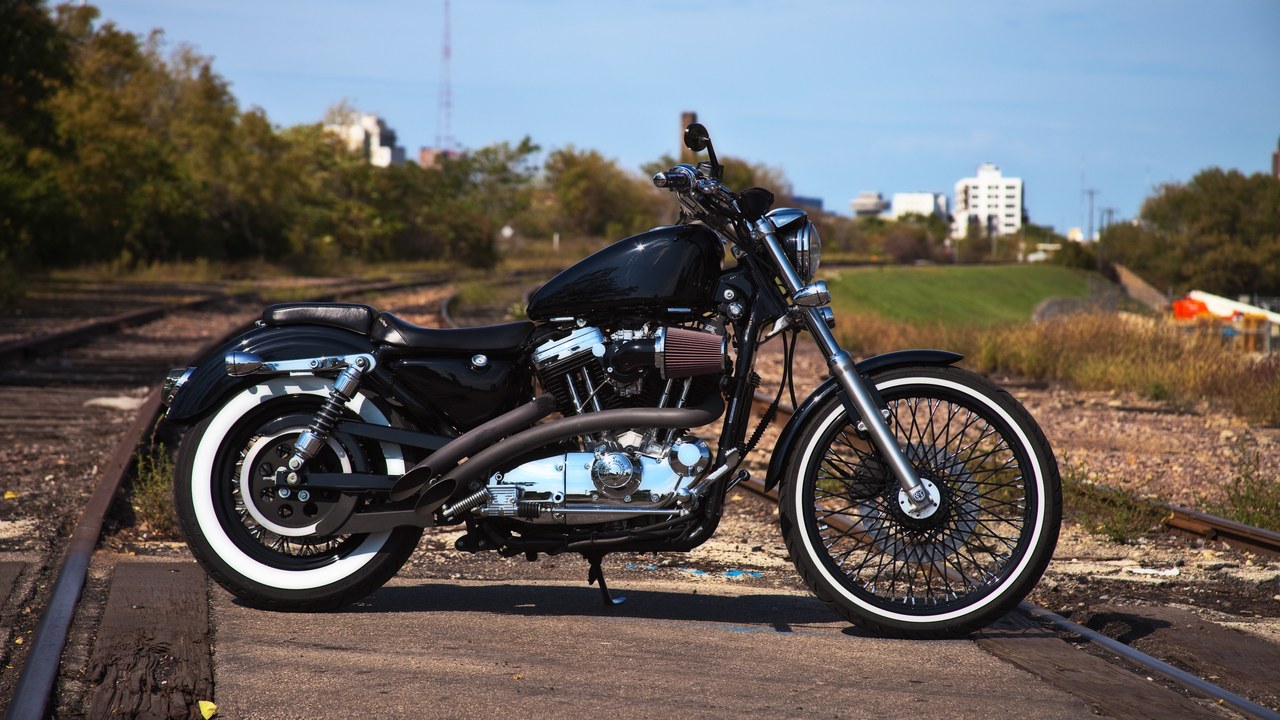
First built in 1957, the Sportster became Harley-Davidson’s longest-running model line, and the air-cooled Evolution V-twin fitted from 1986 onward is about as uncomplicated as a modern engine gets. Pushrods, two valves per cylinder and, on later bikes, a belt final drive keep the parts count low. Six decades of production left the Sportster platform swimming in aftermarket support.
Simplicity cuts both ways. Air cooling means real heat in stop-and-go traffic, suspension travel is short, and engines built before the 2004 rubber-mounted frame transmit vibration riders either accept or engineer around. Harley has since moved the Sportster name onto a liquid-cooled Revolution Max engine, leaving the air-cooled bikes to the used market.
8. Kawasaki Ninja 650: The Everyday Survivor
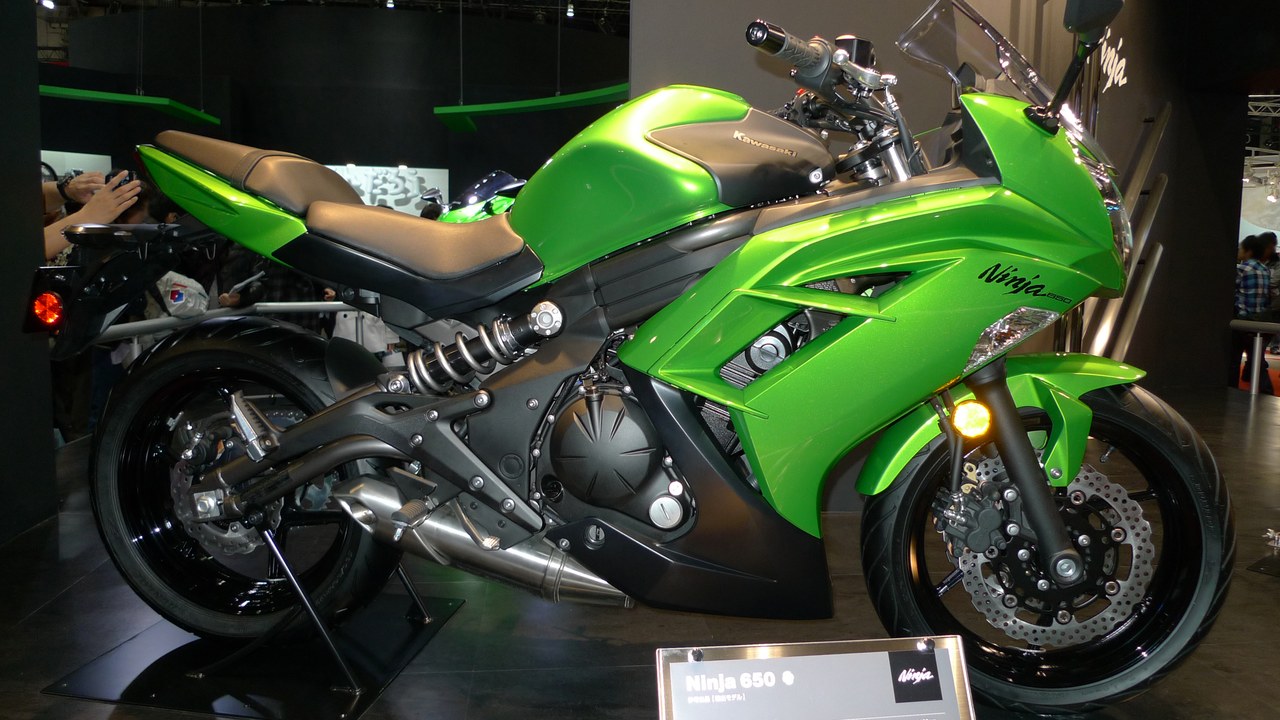
Introduced in 2006 as the ER-6f and Ninja 650R, the 649 cc parallel twin sits in a steel trellis frame with liquid cooling and fuel injection. The design targets commuters and first big bikes rather than track times, so it is tuned for mid-range and long service life. Two decades of continuous production keep Ninja 650 parts cheap and common.
The compromises are ordinary ones. Chain and sprocket maintenance returns on schedule, the fairing offers less weather protection than a true tourer, and the suspension is basic at the price. Riders who want a machine that survives daily commuting for years, rather than one that impresses on a spec sheet, tend to be satisfied.
9. Honda Africa Twin: Distance As A Spec
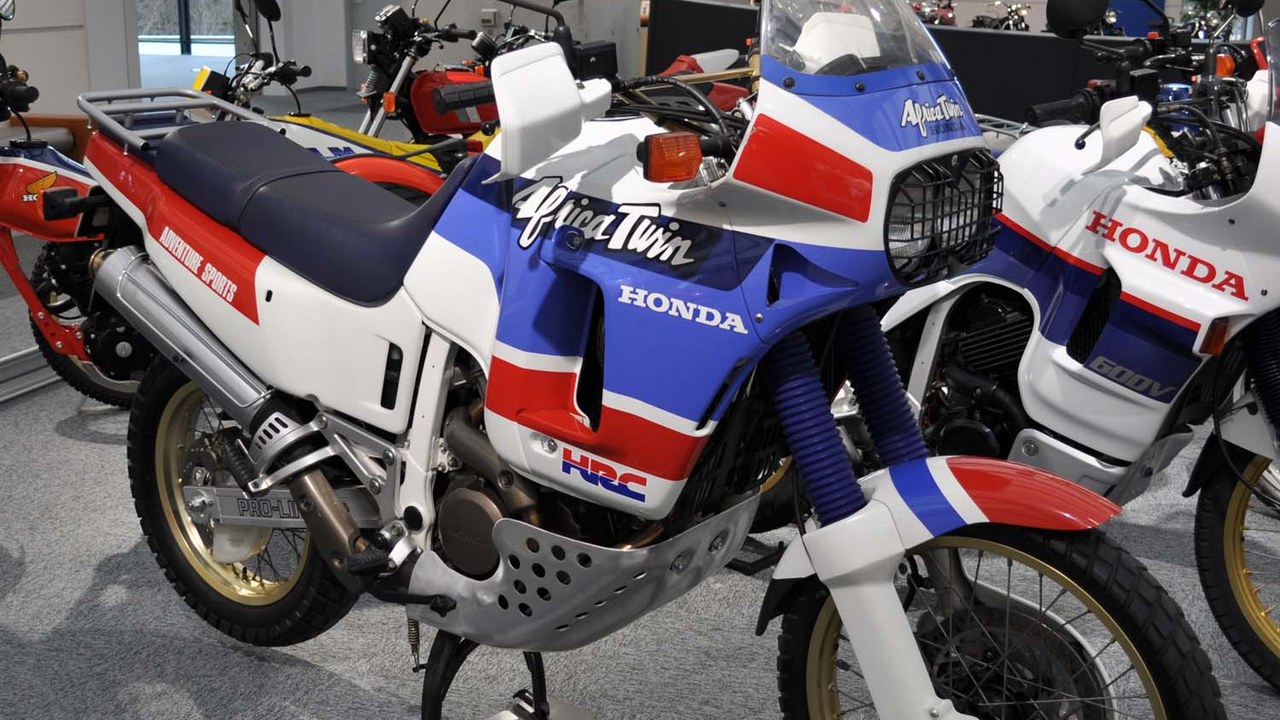
Honda revived the Africa Twin name in 2016 with the CRF1000L, a liquid-cooled parallel twin aimed squarely at riders leaving pavement behind, and enlarged it to 1,084 cc as the CRF1100L in 2020. The original XRV650 and XRV750 built the reputation between 1988 and 2003. Honda’s rally-derived adventure bike was engineered for repeated long-distance abuse.
It is a big machine to trust with that job. Seat height and weight make low-speed manoeuvres and pick-ups genuinely demanding, and the optional dual-clutch transmission adds hardware most independent mechanics will not touch. Chain drive also means the maintenance interval never disappears, whatever the terrain.
More from Morning Overview
- Scientists spotted a rare tusked whale alive at sea for the first time, then fired a crossbow at it.
- A Colorado wildfire forced level-three ‘leave now’ orders across Ouray County
- A skeleton beneath Petra’s Treasury was found clutching a chalice that resembles the Holy Grail
- 8 SUVs mechanics are quietly steering buyers away from in 2026
