Image Credit: Rutger van der Maar - CC BY 2.0/Wiki Commons
Hybrid drivetrains once carried a reputation for expensive mid-life failures, yet the oldest examples on American roads keep piling on mileage without drama. Regenerative braking, Atkinson-cycle engines and electric motors that never idle spread wear across fewer moving parts than a conventional automatic. Here are nine hybrids that earned that long-haul reputation.
1. Toyota Prius: The Template For Everything After
<p>Image Credit: Cxpr – CC BY-SA 4.0/Wiki Commons</p>
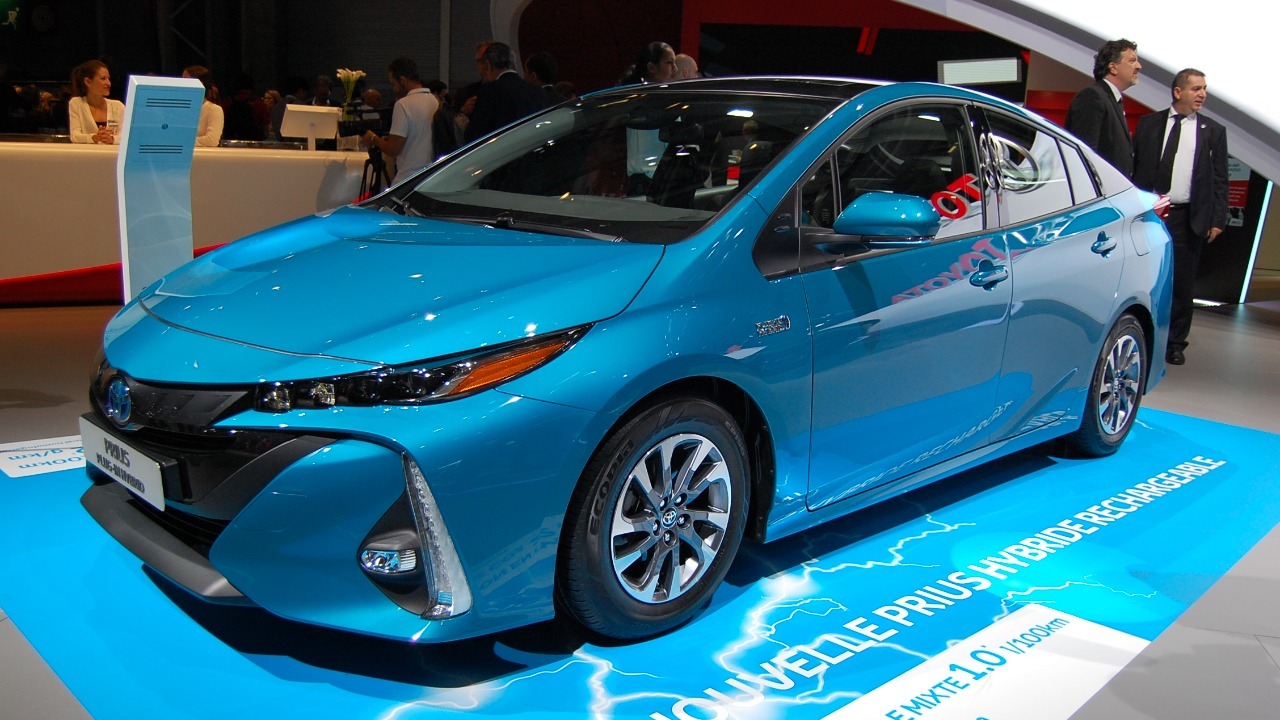
Toyota’s first mass-produced hybrid reached Japan in 1997 and export markets in 2000, and every generation since has been built around the same planetary power-split gearset at the heart of Hybrid Synergy Drive: no clutch packs, no torque converter, one set of gears shared by the engine, the generator and the drive motor.
Taxi and fleet operators adopted the car for exactly that simplicity. Regenerative braking handles most deceleration, so pads and rotors outlast those on a comparable gasoline sedan, and federal rules require hybrid components to be warranted for at least eight years or 100,000 miles.
2. Toyota Camry Hybrid: Midsize Miles Without Drama
Image Credit: Hdbdp4 – CC BY 4.0/Wiki Commons
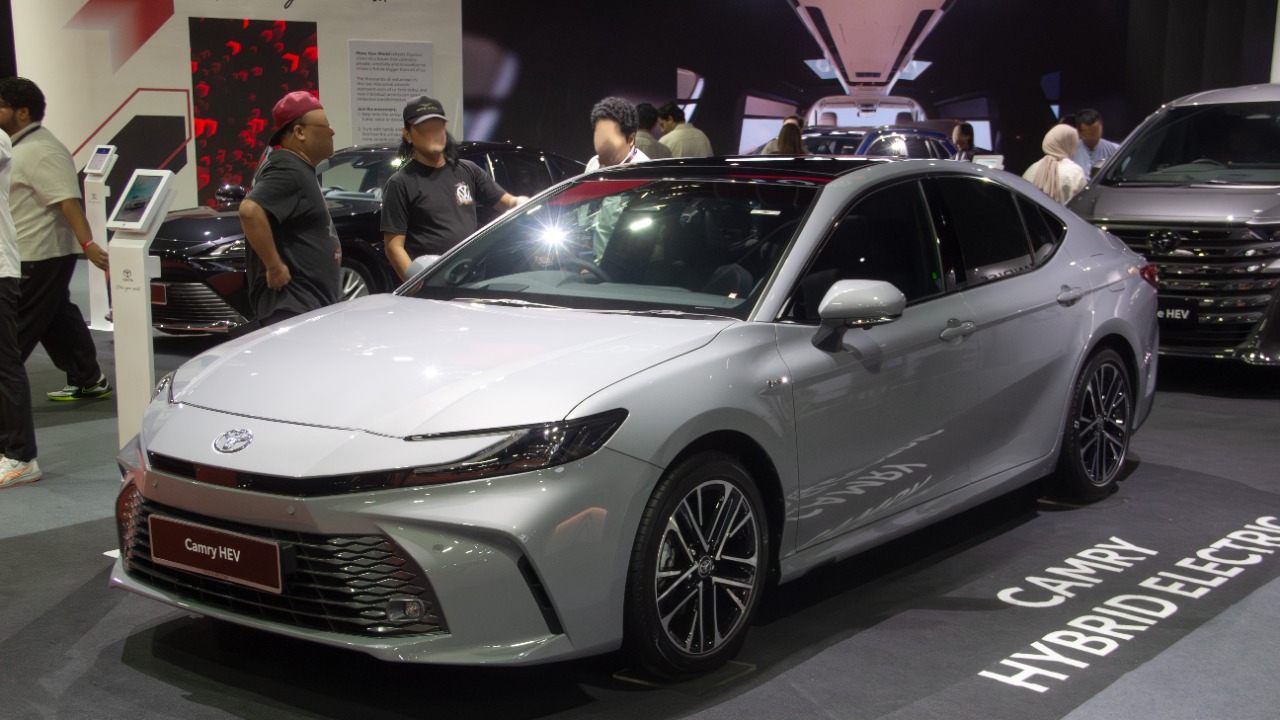
The hybrid version of Toyota’s midsize mainstay arrived for the 2007 model year, pairing an Atkinson-cycle four-cylinder with the same power-split arrangement used in the Prius. The Atkinson cycle trades peak power for thermal efficiency, and the electric motor covers the low-speed torque the engine gives up.
Over a long ownership period that division of labor matters: an engine rarely asked for full throttle and a brake system that seldom reaches its friction surfaces both age slowly. Used-car shoppers treat the hybrid as a lower-risk high-mileage bet than an equivalent turbocharged sedan.
3. Toyota Highlander Hybrid: Three Rows On Battery Assist
Image Credit: HJUdall – CC0/Wiki Commons
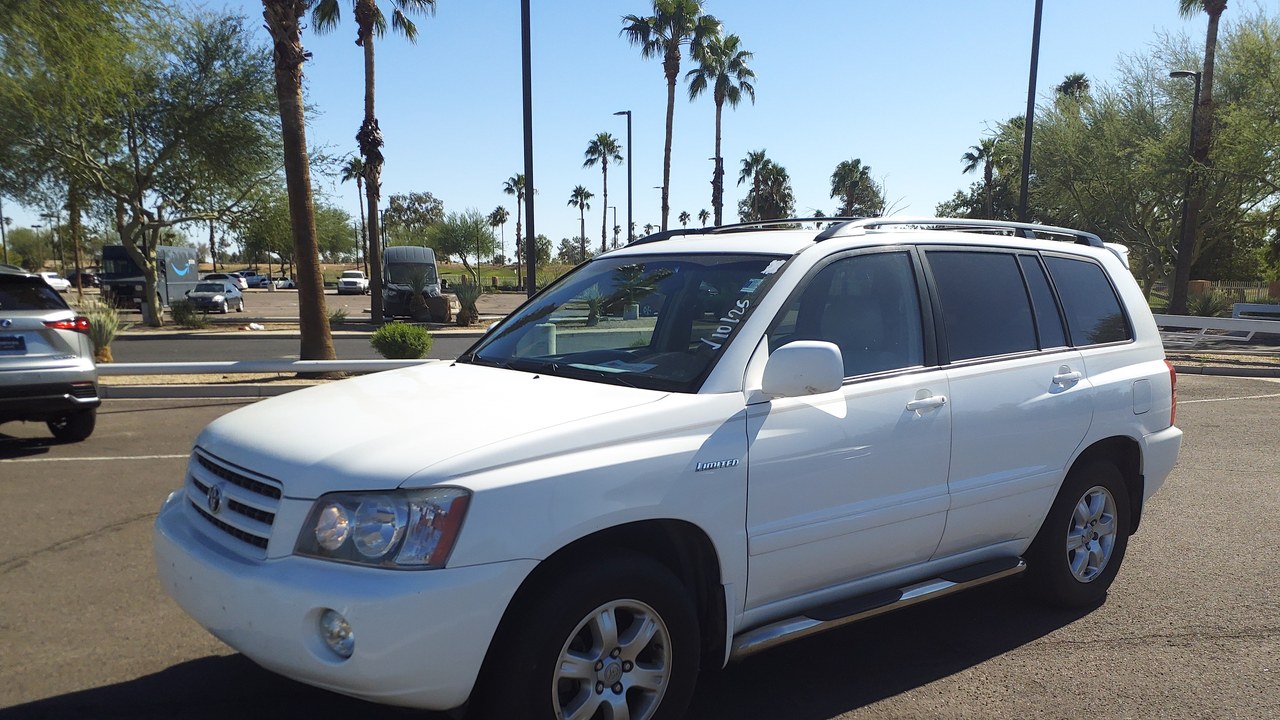
Toyota added a hybrid to its three-row crossover in 2005, one of the first seven-seat hybrids sold anywhere. All-wheel drive comes from a separate electric motor mounted on the rear axle rather than a driveshaft, transfer case and rear differential, deleting a mechanical path that normally needs fluid service and eventually seals.
Removing hardware removes failure points, which is why the model recurs in long-term family ownership. Weight still punishes tires and suspension bushings on any three-row vehicle, so the savings concentrate in fuel and brakes rather than a blanket exemption from maintenance.
4. Honda Accord Hybrid: The Two-Motor Alternative
Image Credit: Dinkun Chen – CC BY-SA 4.0/Wiki Commons
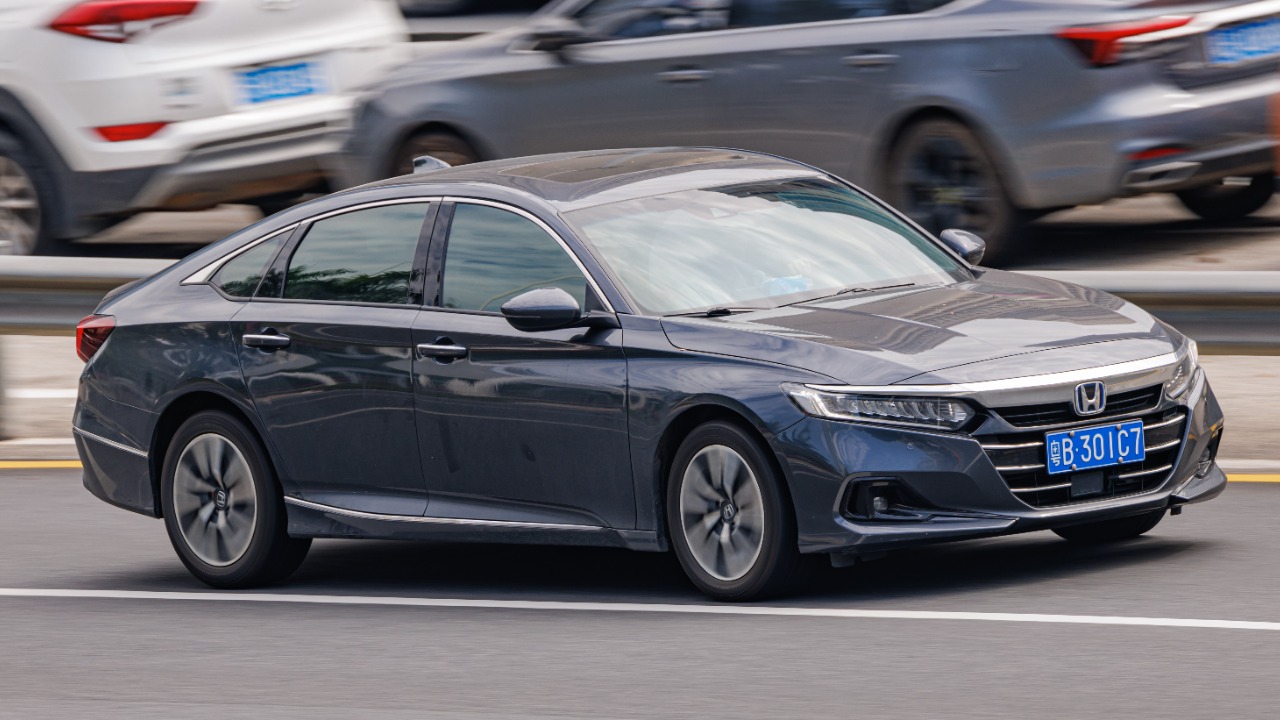
Honda took a different route with its two-motor hybrid system, which for most driving runs the gasoline engine as a generator while a separate electric motor turns the wheels. There is no conventional multi-speed automatic in the driveline at all; a lock-up clutch connects the engine to the wheels only at steady highway speeds.
That layout shifts wear away from the components that usually end a sedan’s service life. Because the traction motor handles acceleration, the engine avoids the repeated cold, high-load cycles that do most of the damage in stop-and-go commuting.
5. Toyota RAV4 Hybrid: Volume Is A Durability Feature
Image Credit: Charles01 – CC BY-SA 4.0/Wiki Commons
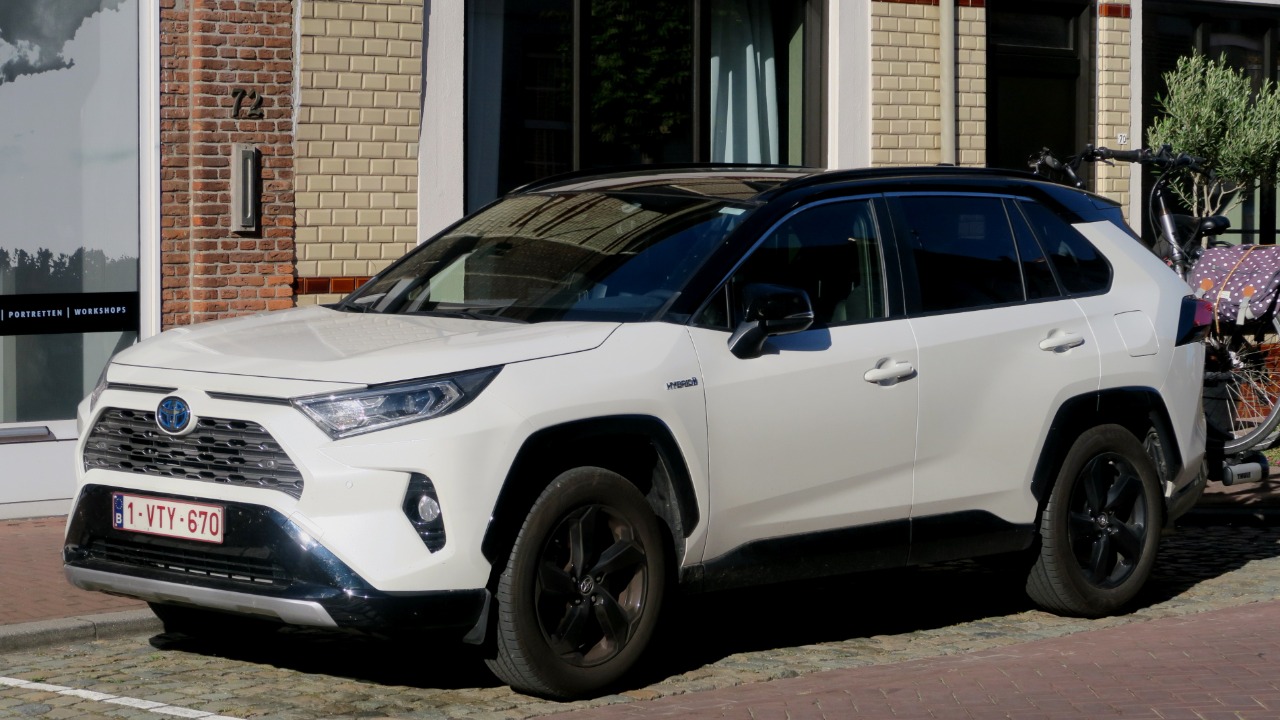
Sheer scale is the quiet advantage of Toyota’s compact hybrid crossover, which uses the same electric rear axle as the Highlander and has become one of the highest-volume hybrids on American roads. Parts supply, independent-shop familiarity and salvage availability all improve when millions of a mechanically identical drivetrain circulate.
A common drivetrain also means its failure modes are documented rather than mysterious. The hybrid battery, the component buyers fear most, is packaged under the passenger compartment and carries the federally mandated minimum coverage, longer in states following California’s emissions rules.
6. Ford Escape Hybrid: The Taxi Fleet Proof
Image Credit: Jengtingchen – CC BY-SA 4.0/Wiki Commons
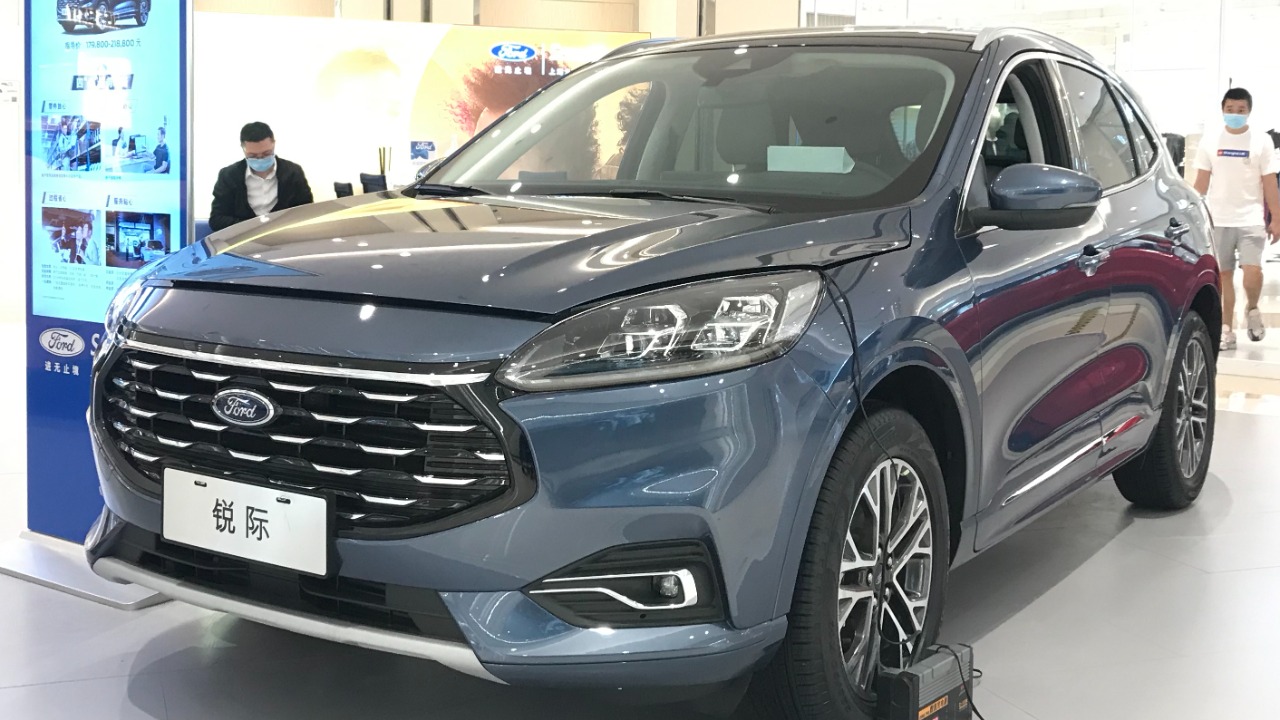
Ford launched the first hybrid SUV sold in North America for the 2005 model year, and New York City bought them in quantity for its taxi fleet. Taxi duty is the harshest realistic test of the technology: continuous stop-and-go traffic, an engine that shuts off at every light, and brake applications repeated all day.
Those cars accumulated mileage at a rate no private owner matches, and that fleet record is why the model appears on durability lists at all. Later Ford hybrids moved to different packs and transmissions, so the reputation belongs to specific generations rather than the nameplate.
7. Hyundai Sonata Hybrid: Warranty As A Buying Argument
Image Credit: HJUdall – CC0/Wiki Commons
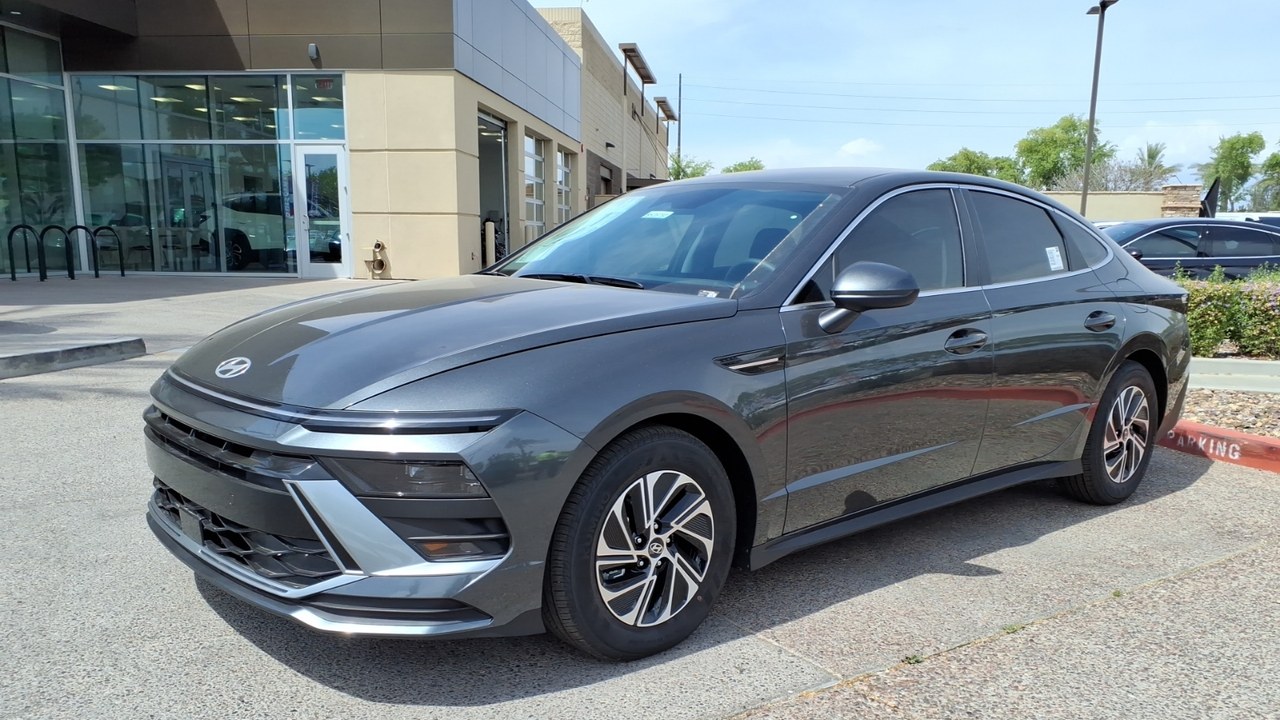
Hyundai built its hybrid around a conventional automatic transmission with an electric motor in place of the torque converter, a parallel layout unlike Toyota’s power split. Energy is stored in a lithium-polymer pack, a chemistry adopted while most rivals still used nickel-metal-hydride, and the long-running midsize sedan kept that architecture across generations.
Keeping a familiar gearbox cuts both ways: independent shops can service it like any automatic, but it remains a wear item a power-split hybrid does not have. Hyundai has long advertised hybrid-component coverage beyond the federal minimum, which softens the resale discount older hybrids carry.
8. Lexus RX Hybrid: Luxury Without The Luxury Repair Bill
Image Credit: Anders Dahnielson from Tranås – CC BY-SA 3.0/Wiki Commons
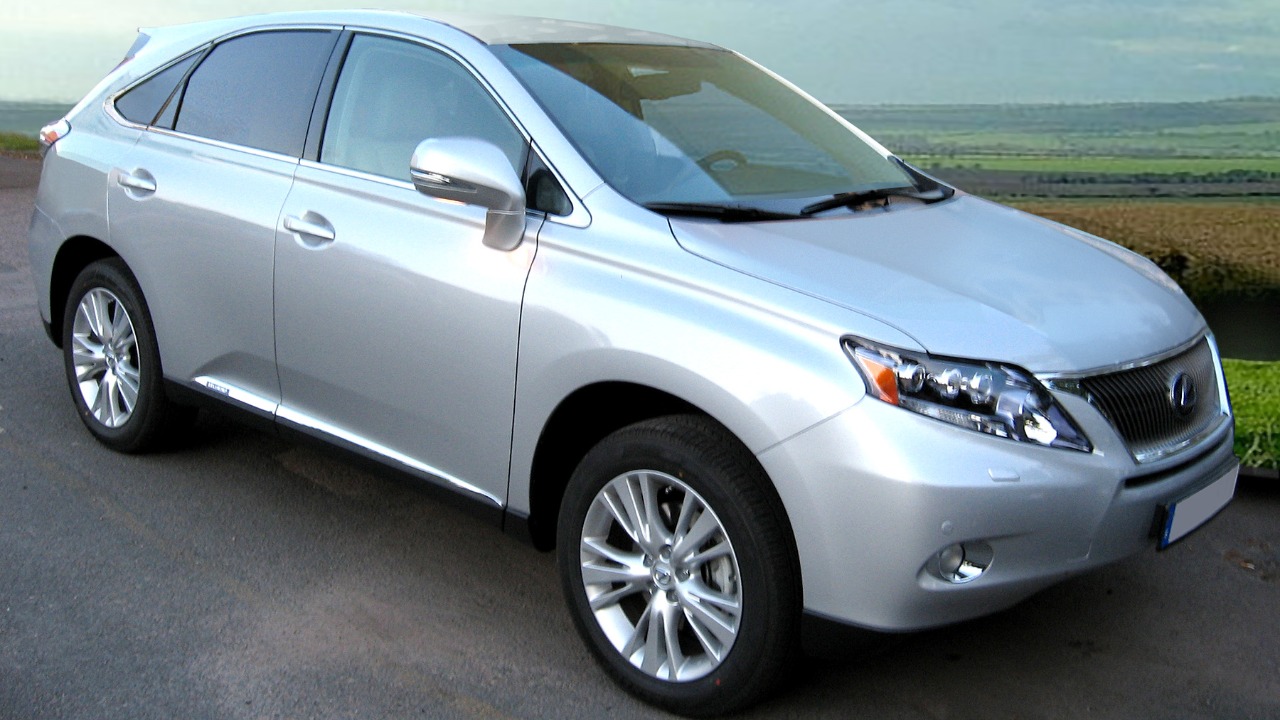
Lexus dropped a hybrid drivetrain into its best-selling luxury crossover for the 2006 model year, making it the first hybrid in the premium SUV segment. Beneath the badging sits Toyota’s power-split system with an added rear motor, so a vehicle sold on quietness and equipment runs the same well-understood hardware as far cheaper cars.
That overlap explains why aging examples dodge the costs that sink most used luxury vehicles. The expensive failures on older premium SUVs tend to involve air suspension, turbochargers and complex all-wheel-drive hardware, none of which this drivetrain needs to move the vehicle.
9. Toyota Avalon Hybrid: The Quiet Long-Distance Choice
Image Credit: Dinkun Chen – CC BY-SA 4.0/Wiki Commons
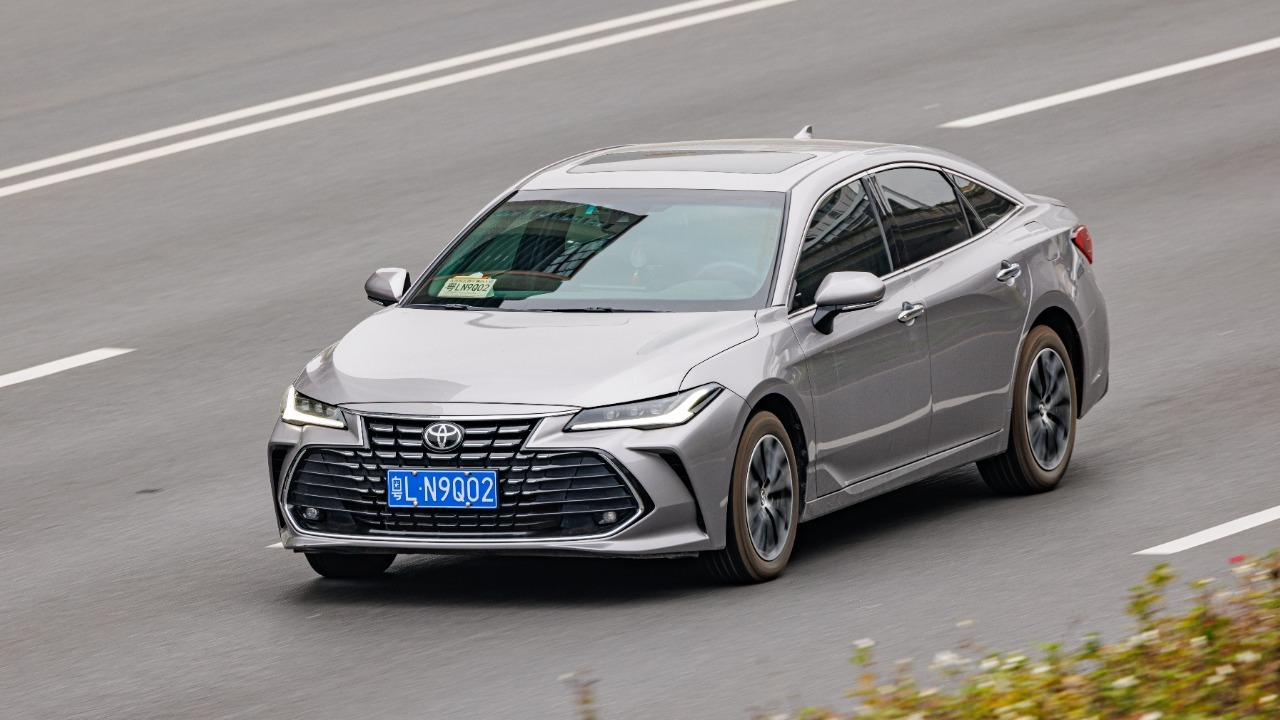
A hybrid option joined Toyota’s largest American sedan for the 2013 model year, transplanting the Camry’s drivetrain into a longer, heavier body. The bigger car spends more of its life at steady highway speed, where the engine sits in its efficient range and the electric motor mostly rests, the least stressful duty a hybrid system can be handed.
North American production ended in 2022, so every remaining example is a used purchase, and parts commonality with the Camry keeps them serviceable at ordinary shops. Highway-heavy histories also mean fewer cold starts per mile, and cold starts cause a disproportionate share of engine wear.
More from Morning Overview
Morning Overview is reader-supported. Some links in our articles are affiliate links, and we may earn a commission at no extra cost to you. As an Amazon Associate I earn from qualifying purchases. Full disclosure.