
Buyer’s remorse rarely arrives on the drive home. It builds slowly, through a transmission that never shifts smoothly, a repair bill that dwarfs the monthly payment, or a cabin that felt clever in the showroom and cramped by month three. Here are ten cars that earned that reputation, and the specific flaws behind it.
1. Chrysler 200: Nine Speeds, Zero Confidence
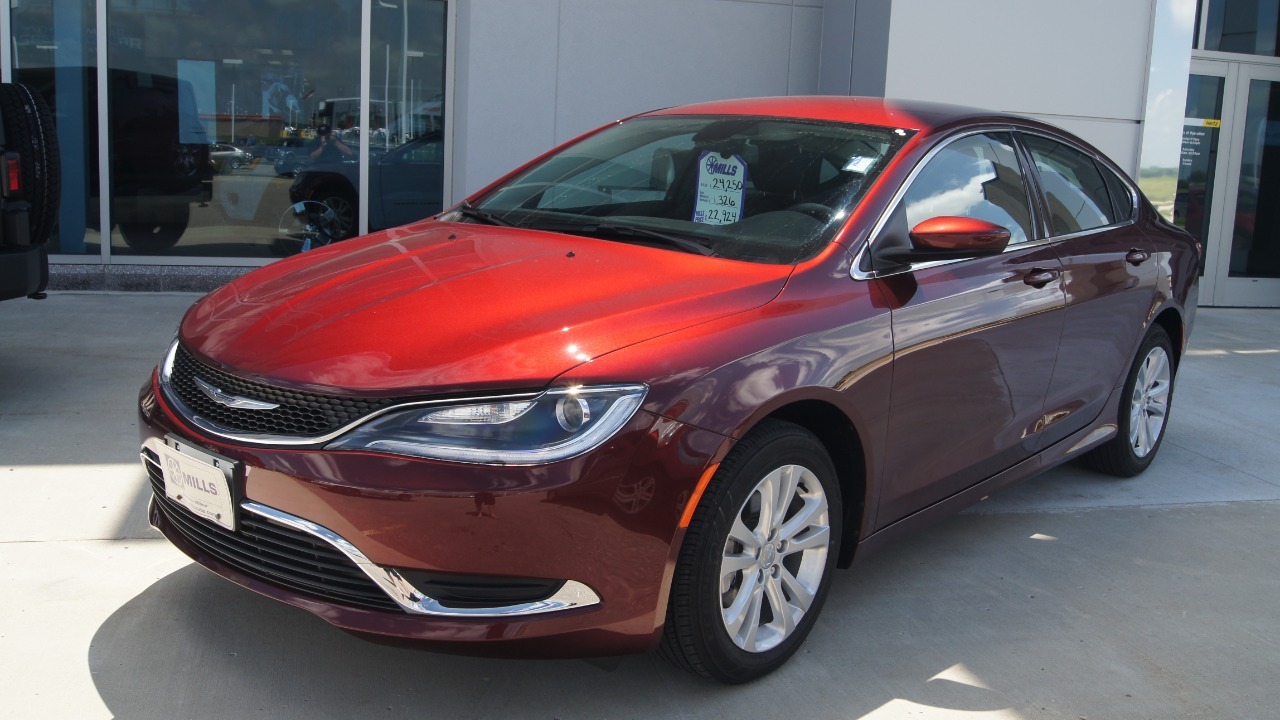
The second-generation Chrysler 200 sedan arrived for 2015 with a nine-speed automatic that became its defining flaw, delivering hesitant, clunky shifts that software updates and recalls never fully cured. Rear-seat space and outward visibility were also sacrificed to the swooping roofline.
Chrysler killed the car after the 2017 model year, and that short life did nothing for resale value. Buyers who expected a modern midsize sedan instead got one that felt unfinished, then watched it depreciate as the nameplate vanished from showrooms.
2. Dodge Journey: A Decade Without An Update
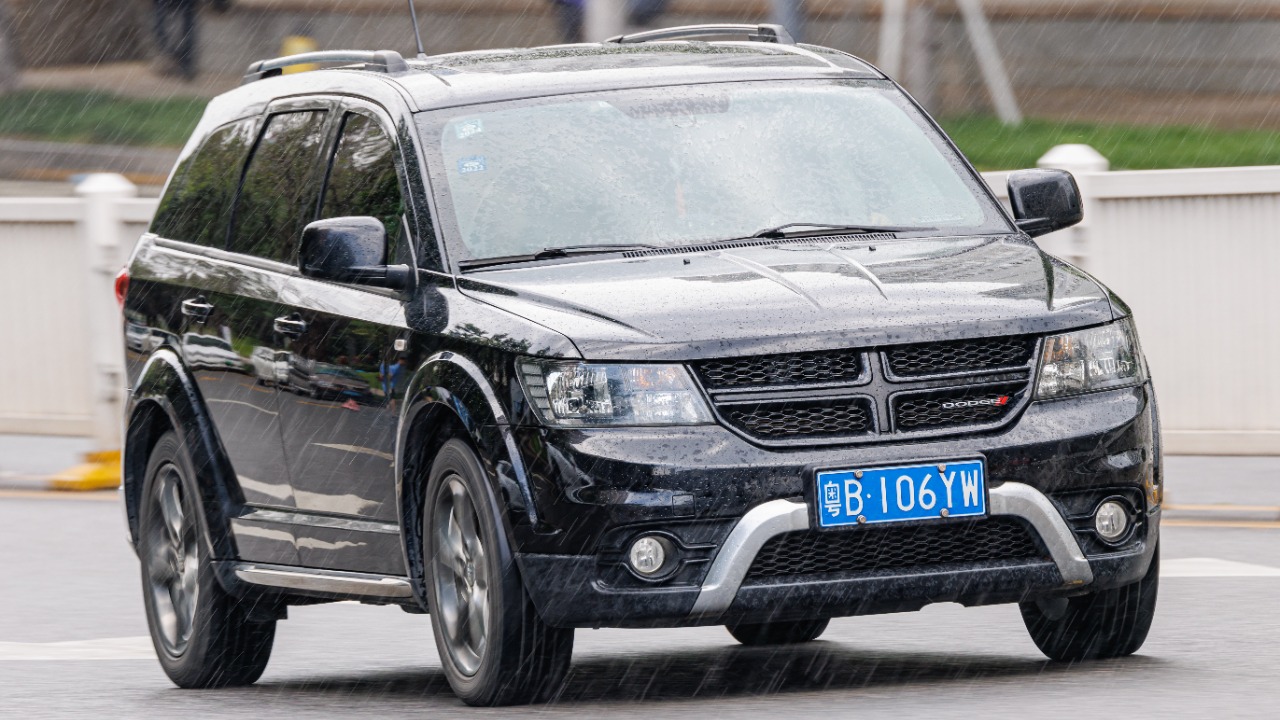
Few vehicles stayed on sale as long with as little change as the Dodge Journey, which ran from 2009 through 2020 on essentially the same bones. Base models paired a 2.4-liter four-cylinder with a four-speed automatic long after rivals had moved to six, eight or nine forward gears.
The result was sluggish acceleration, thirsty highway cruising and a dashboard from another era. Safety-equipment expectations moved on too, leaving late Journeys short on driver aids that competitors fitted as standard. A cheap sticker price pulled shoppers in; the aging hardware pushed them back out.
3. Fiat 500L: Charm Without The Follow-Through
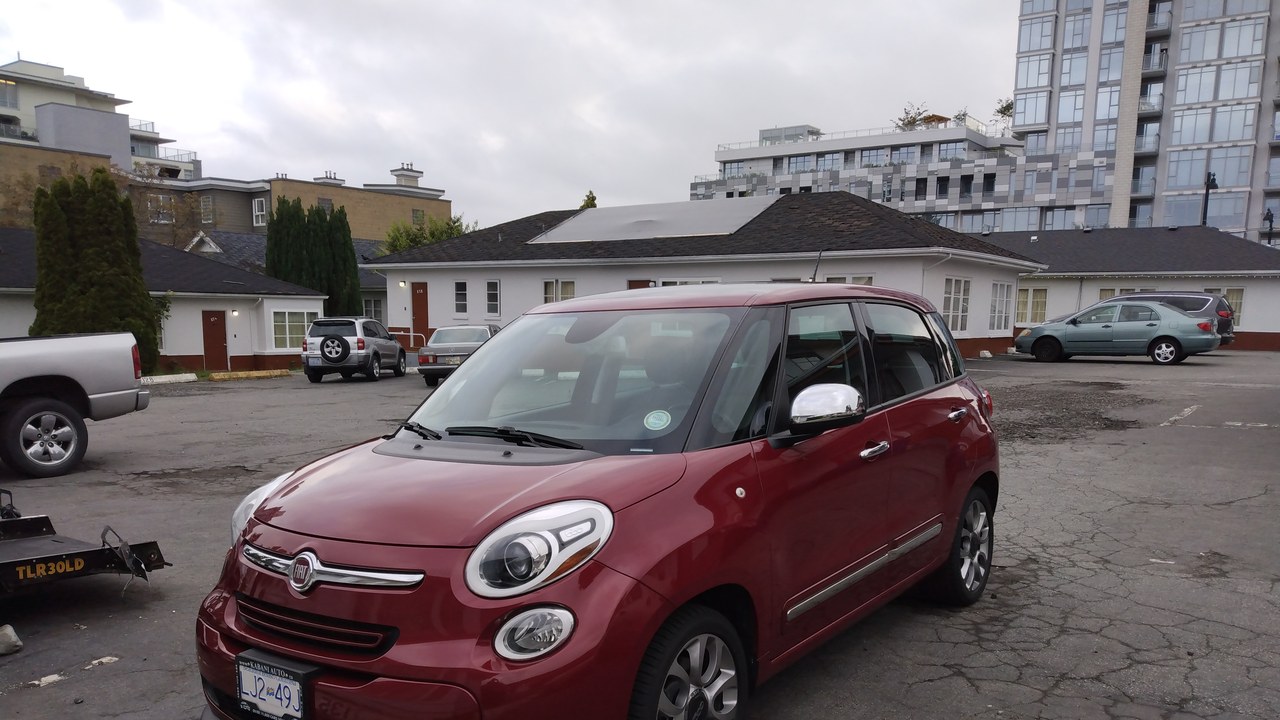
Fiat stretched its retro hatchback into a tall five-door with the Fiat 500L, a shape that looked playful in photographs and ungainly in a driveway. Sold in the United States from 2014, it drew persistent complaints about its automated transmission, its electronics and the durability of its interior trim.
The 500L left the American market after 2020 as Fiat’s lineup shrank to almost nothing, which turned parts availability and dealer support into a genuine worry for anyone still driving one. Shoppers drawn in by the styling frequently found the ownership experience nothing like the cheerful advertising.
4. Nissan Rogue (CVT era): The Belt That Broke Trust

Nissan committed early and completely to continuously variable transmissions, and the Nissan Rogue became the most visible example. Owners have reported shuddering, whining and overheating that can drop the crossover into a reduced-power limp mode, and a failed unit is typically a replacement rather than a modest repair.
Nissan extended warranty coverage on CVTs across some earlier model ranges, an admission that the hardware needed longer protection than the standard term. Because the Rogue sold in enormous volume, the frustration spread widely: families bought one for its space and price, then met a four-figure transmission estimate.
5. Mitsubishi Mirage: Cheap To Buy, Slow To Love
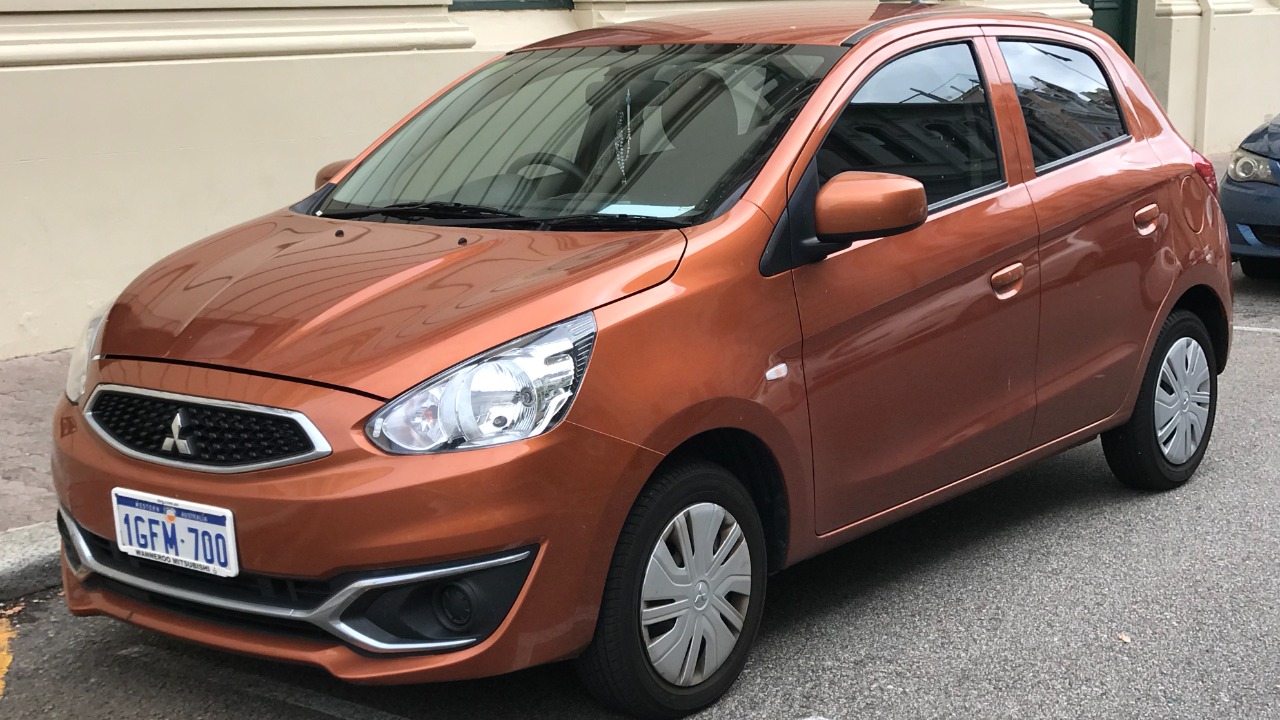
For years the Mitsubishi Mirage held the title of least expensive new car sold in the United States, powered by a 1.2-liter three-cylinder making well under 100 horsepower. Merging onto a fast highway requires planning, and the cabin stays loud enough at speed to make long trips tiring.
Fuel economy is genuinely excellent and the powertrain warranty is long, which is exactly why the paperwork gets signed. Disappointment tends to arrive later, on a first road trip or a first fully loaded climb. Mitsubishi has since dropped the Mirage from its American lineup entirely.
6. Jeep Compass (early): A Jeep Badge On A Car Platform
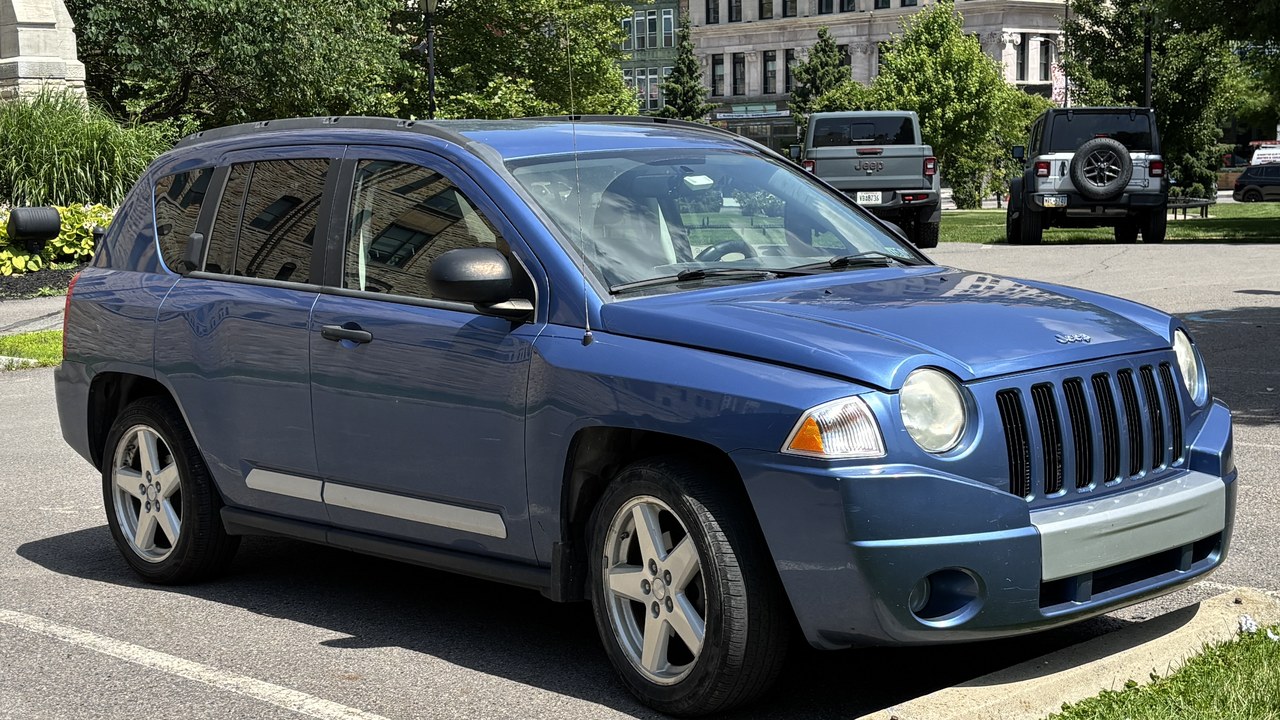
Introduced for 2007, the original Jeep Compass shared its front-drive compact platform with the Dodge Caliber, used a continuously variable transmission, and wore interior plastics that reviewers singled out immediately. Shoppers expecting traditional Jeep capability found a soft-roader sharing little with a Wrangler beyond the seven-slot grille.
A mid-life restyle borrowed Grand Cherokee cues and a Trail Rated Trailhawk version added real off-road hardware late in the run, but the reputation had already hardened. That first Compass sold on brand loyalty and a low payment, a combination that ages badly in a driveway.
7. Chevrolet Trax (first gen): Small Price, Smaller Substance
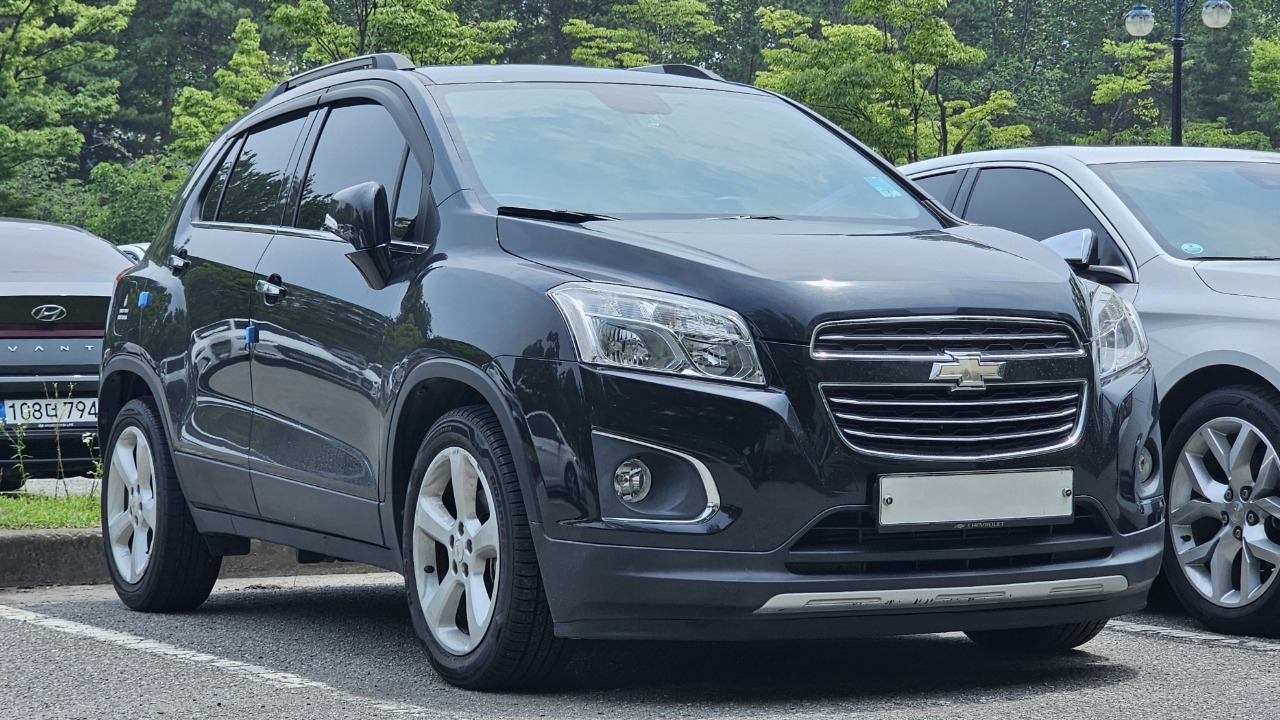
Built on the same underpinnings as the Buick Encore, the original Chevrolet Trax paired a 1.4-liter turbocharged four with a six-speed automatic. Acceleration was adequate rather than eager, road noise was a constant companion, and the hard plastics inside advertised the price point at every touch.
General Motors replaced it for 2024 with a longer, cheaper and far better-equipped second generation, which made the outgoing model look worse in hindsight and dented trade-in values. Anyone who paid crossover money for something barely roomier than a compact hatchback rarely describes the transaction warmly.
8. Land Rover Discovery Sport: The Dream Buy With A Bill
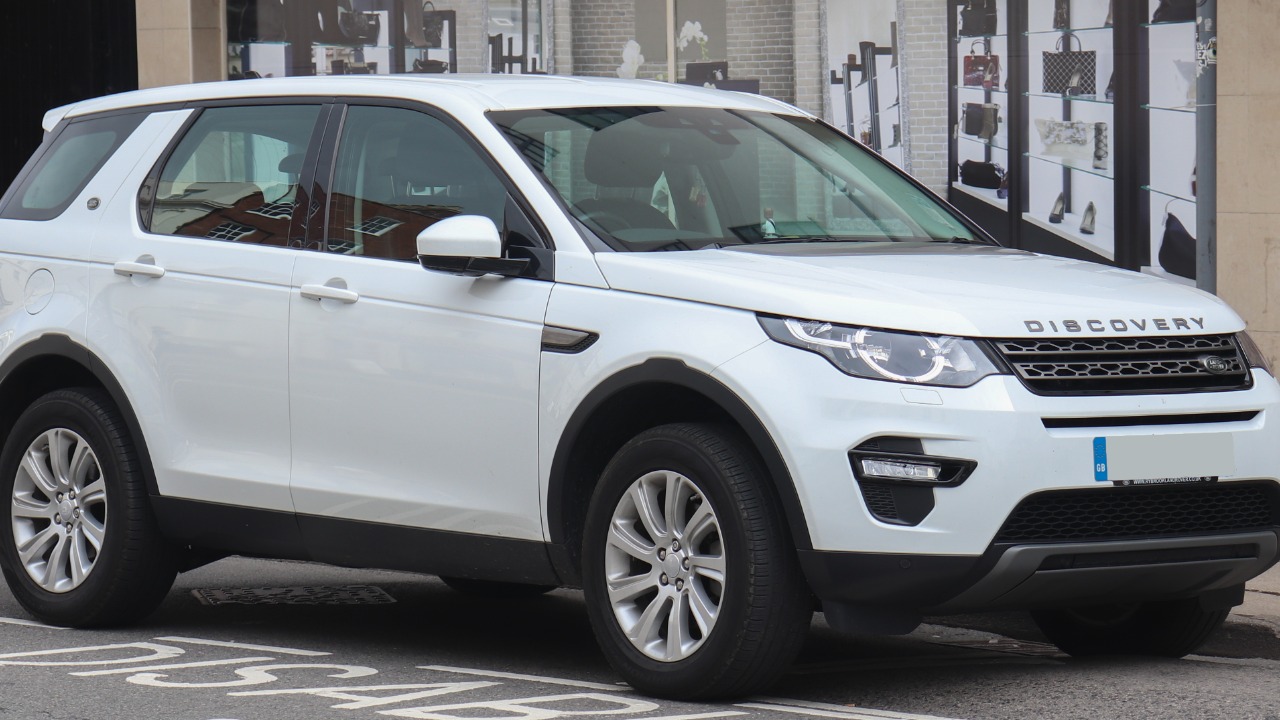
Land Rover replaced the boxy LR2 with the Land Rover Discovery Sport in 2015, adding optional third-row seats and the badge’s off-road pedigree at a price that put a luxury SUV within reach. The complications tend to surface after the factory warranty lapses: electrical faults, infotainment glitches and specialist labor rates.
Depreciation compounds the damage, because a steep slide in value collides with parts priced for a premium marque. A used example that looks affordable on the windshield and costs like a new one to keep running is the classic route from proud purchase to lingering resentment.
9. BMW X1 (first gen): Luxury Badge, Lasting Costs
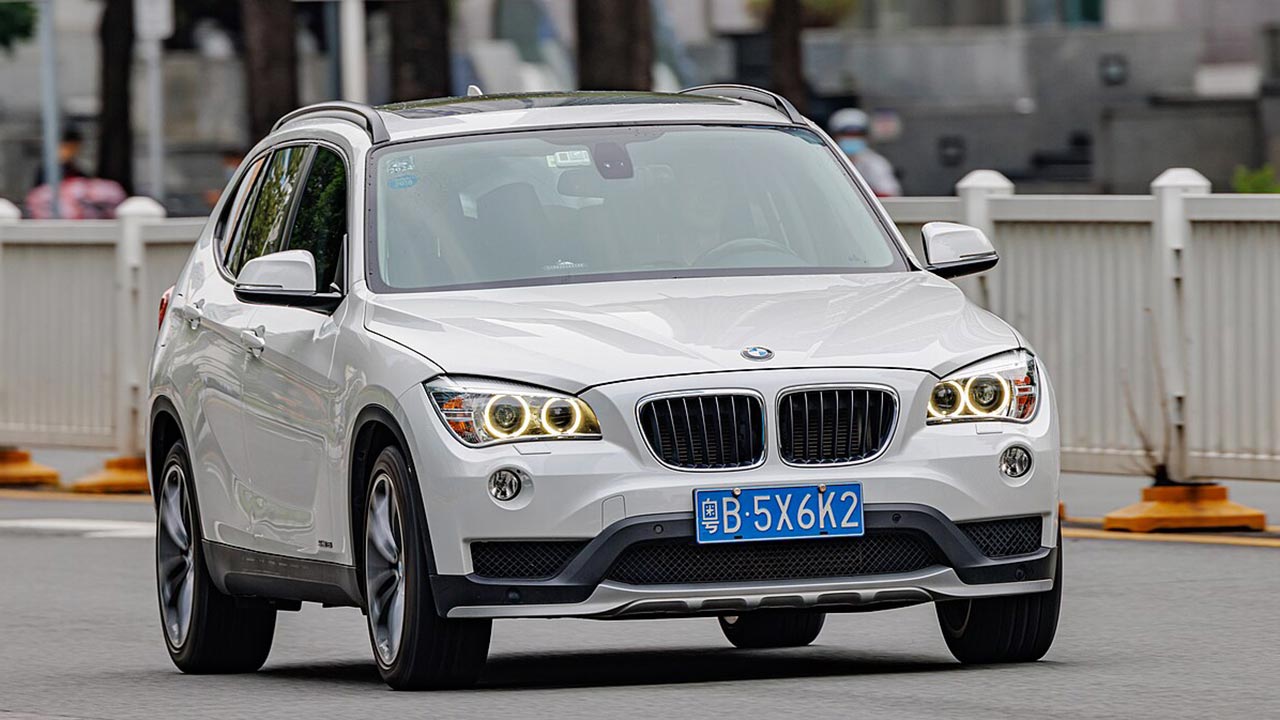
Entry-luxury pricing brought a new kind of shopper into the showroom, and the BMW X1 of that era used the N20 turbocharged four, an engine whose timing chain and plastic guides became a well-documented and labor-intensive weak point. Run-flat tires, premium fuel and dealer rates stack on top.
Very little about the driving disappoints; the chassis steers and rides the way a BMW should. The regret is financial, and it lands in roughly years four through eight, once maintenance coverage expires and repair estimates start arriving at figures the modest used purchase price never anticipated.
10. Volkswagen Jetta (older): German Feel, Uneven Record
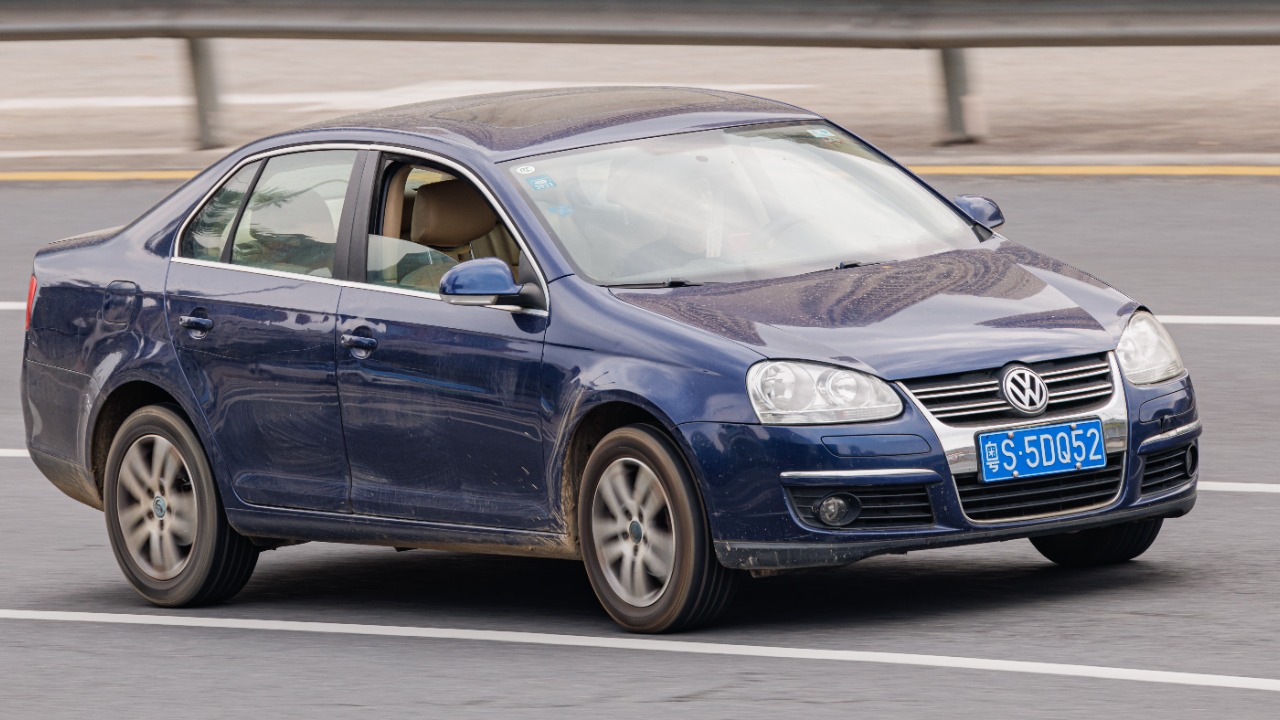
Earlier versions of the Volkswagen Jetta won people over with a solid European driving feel that mainstream rivals rarely matched at the price. The sixth generation, launched for 2011, came larger and cheaper but decontented for America, with a torsion-beam rear axle and rear drum brakes on base cars.
Electrical gremlins, ignition coils and window regulators turned into familiar line items on repair invoices, while diesel versions later carried the shadow of the emissions scandal. Volkswagen has improved considerably since, but those middle Jetta years converted a lot of enthusiasts into cautious, warranty-reading shoppers.
More from Morning Overview
- 7 SUVs built to cruise past 300,000 miles without a major repair
- A magnitude-6.0 earthquake struck southern Mexico near El Progreso.
- The sun launched material at 3.3 million miles an hour, and Earth is in its path
- The NSA is telling every phone owner to switch off Wi-Fi, Bluetooth and NFC in public.
