
Crossovers took over American driveways so completely that several automakers walked away from the family car entirely. The sedans that survived did not win on nostalgia; they won on lower running costs, easier loading, better handling and prices that undercut the equivalent tall-riding alternative. Here are twelve worth a serious look.
1. Toyota Camry: The Default Choice
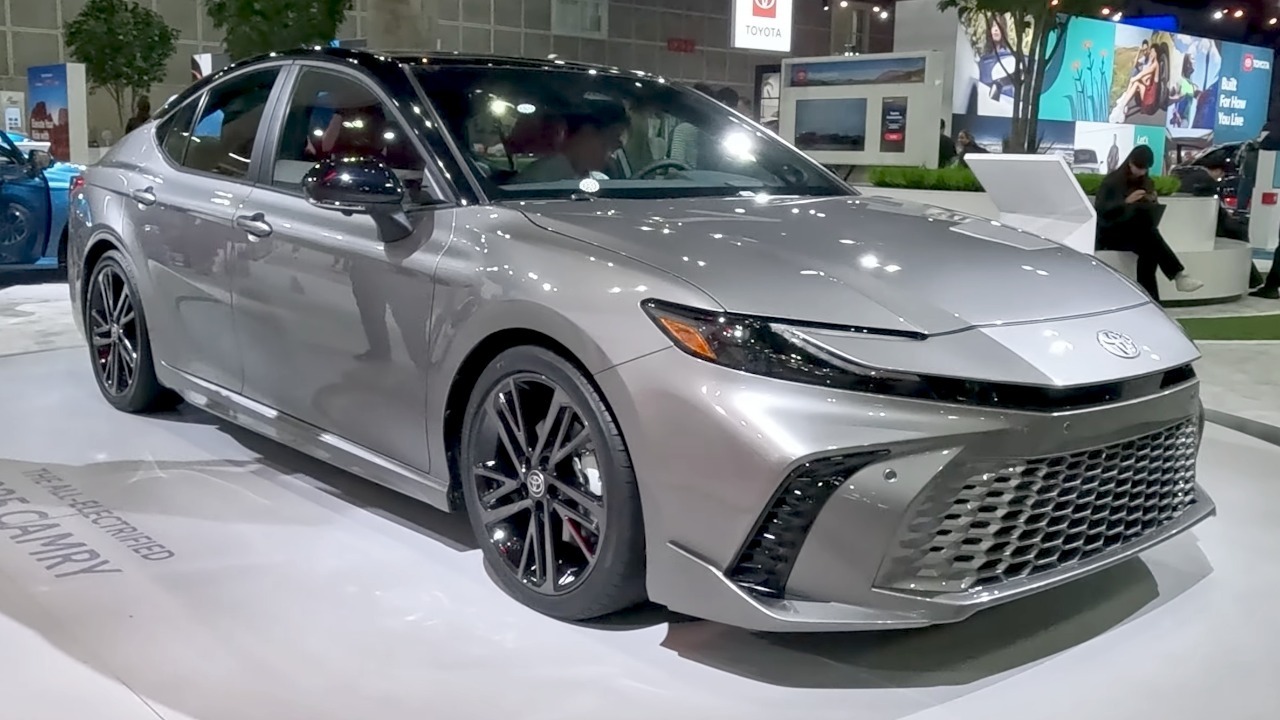
Few nameplates have earned their reputation as quietly as the Toyota Camry, a midsize sedan that has been built and sold continuously since the early 1980s. Its length of service matters more than any single specification: parts are everywhere, independent mechanics know it cold, and hybrid versions have been offered for years.
The trade-off is excitement, or the lack of it. Buyers who want a commanding seating position will still gravitate toward a crossover. What the sedan returns instead is a lower center of gravity, less weight to haul around and a shape that slips through air more easily.
2. Honda Accord: Built for the Driver
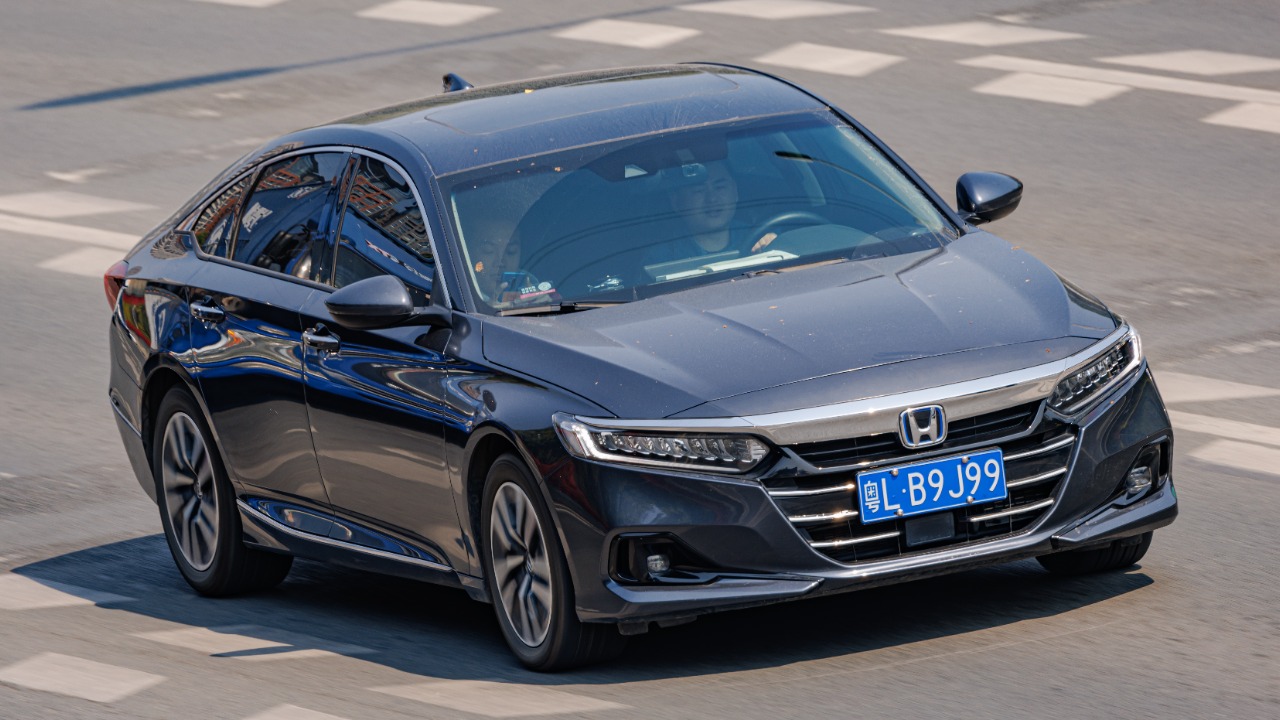
Honda built the Honda Accord around driving feel in a way most of its rivals did not, and the payoff shows up in the steering, the seating position and the way the chassis settles on a highway. Successive generations have kept the recipe intact rather than chasing fashion.
Practicality survived alongside that. A trunk that opens into a low, flat load floor is easier to load a suitcase into than a tall crossover hatch, and the sedan’s roofline costs less at the fuel pump. Rear-seat legroom in recent generations rivals vehicles a class above.
3. Toyota Corolla: Sold Nearly Everywhere
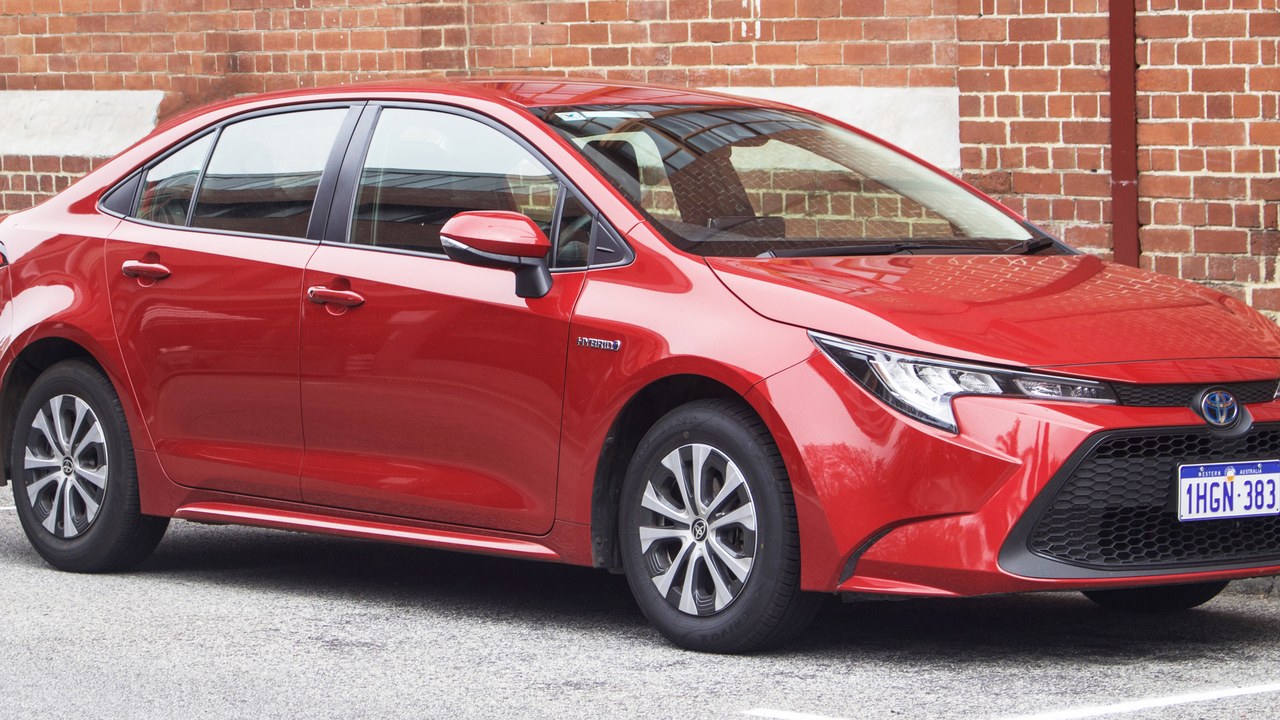
Volume is its own kind of argument. The Toyota Corolla has been in production since 1966 and has been sold in well over a hundred countries, which means a used one is rarely more than a short drive from a shop that has fixed dozens of them.
Compact dimensions that once felt like a compromise now read as an advantage in a parking garage. A hybrid version brings the running costs down further. What a buyer gives up is cargo height and towing capacity, neither of which most commuters ever use.
4. Honda Civic: Holds Its Value
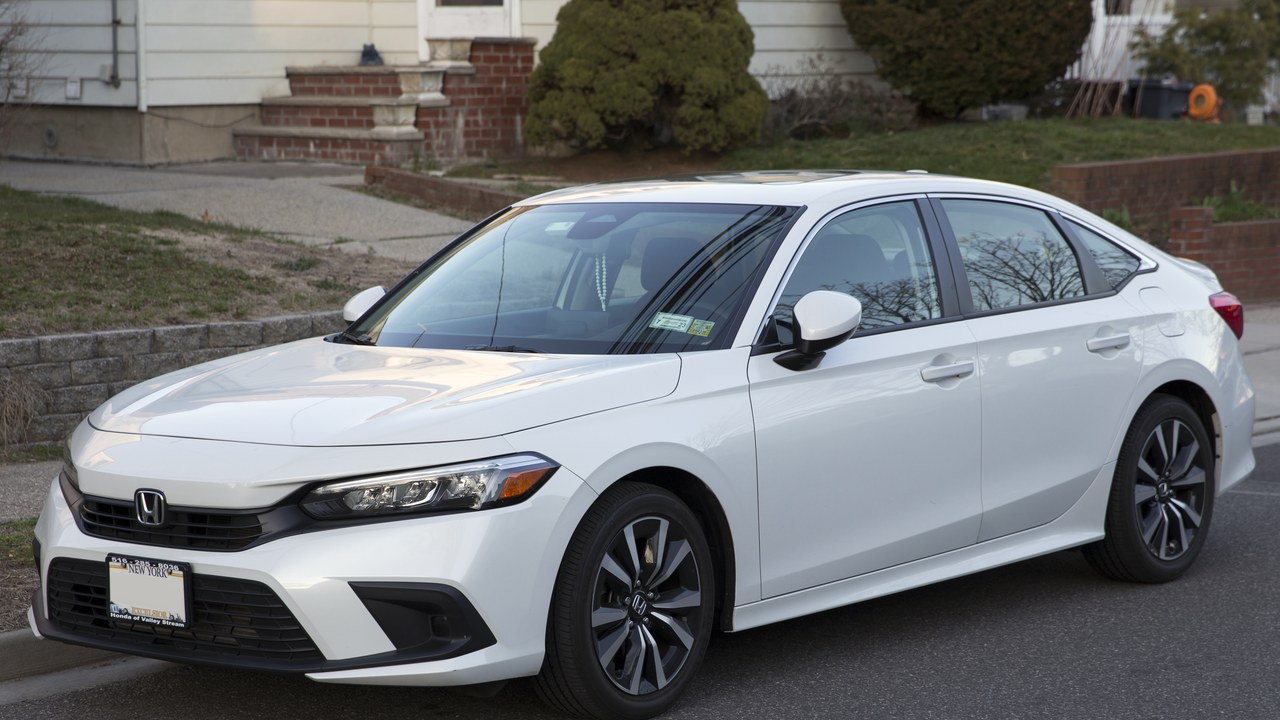
Resale is the argument owners of the Honda Civic tend to make first, and the logic is simple: a car that plenty of buyers actively want secondhand holds its price better than one that only fleets bought. Decades of continuous production have left an enormous used supply at every trim and age.
Owners describe it as small until they try to fill it. Folding rear seats and a deep trunk swallow more than the exterior suggests. Anyone hauling plywood or a large dog will still want something taller, and that is a genuine limit worth naming.
5. Lexus ES: Luxury Without the Bills
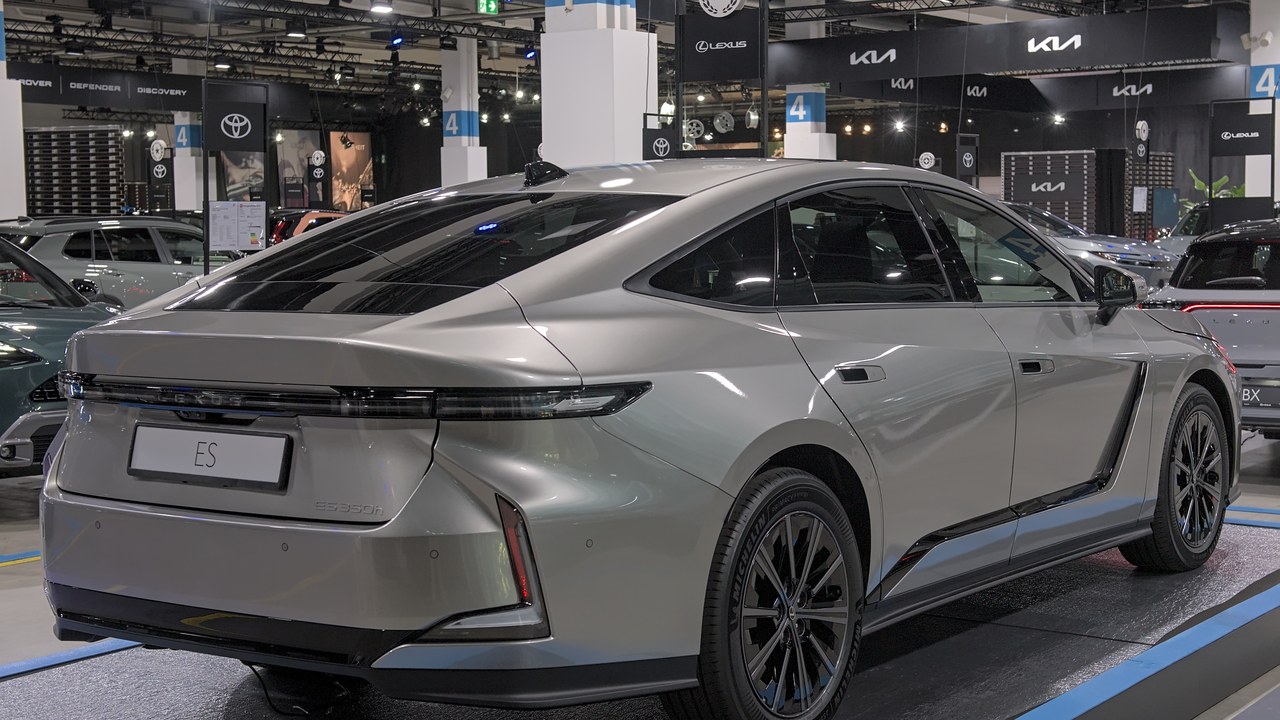
Luxury usually arrives with a maintenance bill attached, which is what makes the Lexus ES unusual. It shares its underpinnings and much of its mechanical hardware with Toyota’s mainstream sedans, so the parts that break are ordinary parts, while the cabin, the sound insulation and the ride quality are not.
A hybrid drivetrain has been offered for years, pairing quiet running with low fuel use. Enthusiasts complain that the ES prioritizes isolation over engagement. For a buyer who spends two hours a day in traffic, that criticism reads more like a feature.
6. Mazda 6: Style on a Budget
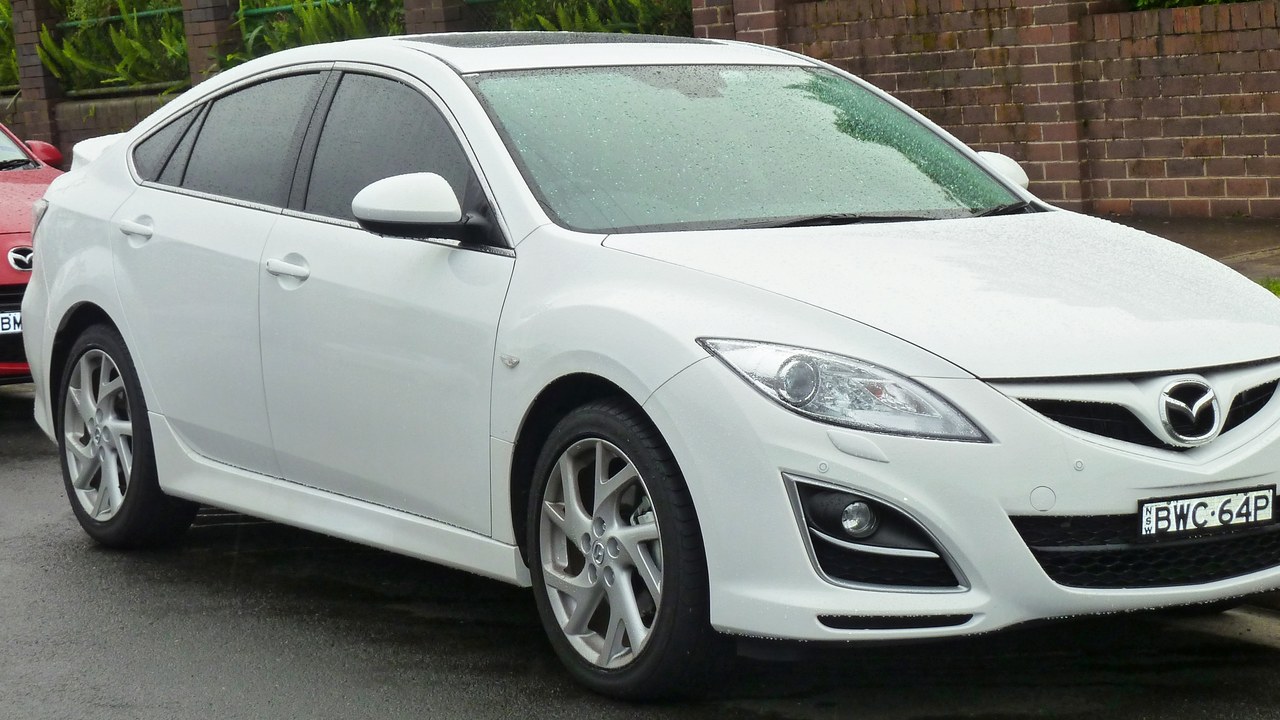
Styling rarely survives a decade, but the Mazda 6 managed it, wearing a shape that still looks expensive next to cars costing considerably more. Mazda paired that with a chassis tuned for feel rather than numbers, giving the sedan a personality most of the segment abandoned.
Production for North America ended, so the case here is a used-car case. That cuts both ways: prices are reasonable, but the dealer network is thinner than Toyota’s and some trim pieces are harder to source. Mechanically it remains a conventional, well-understood four-cylinder sedan.
7. Subaru Legacy: Traction Comes Standard
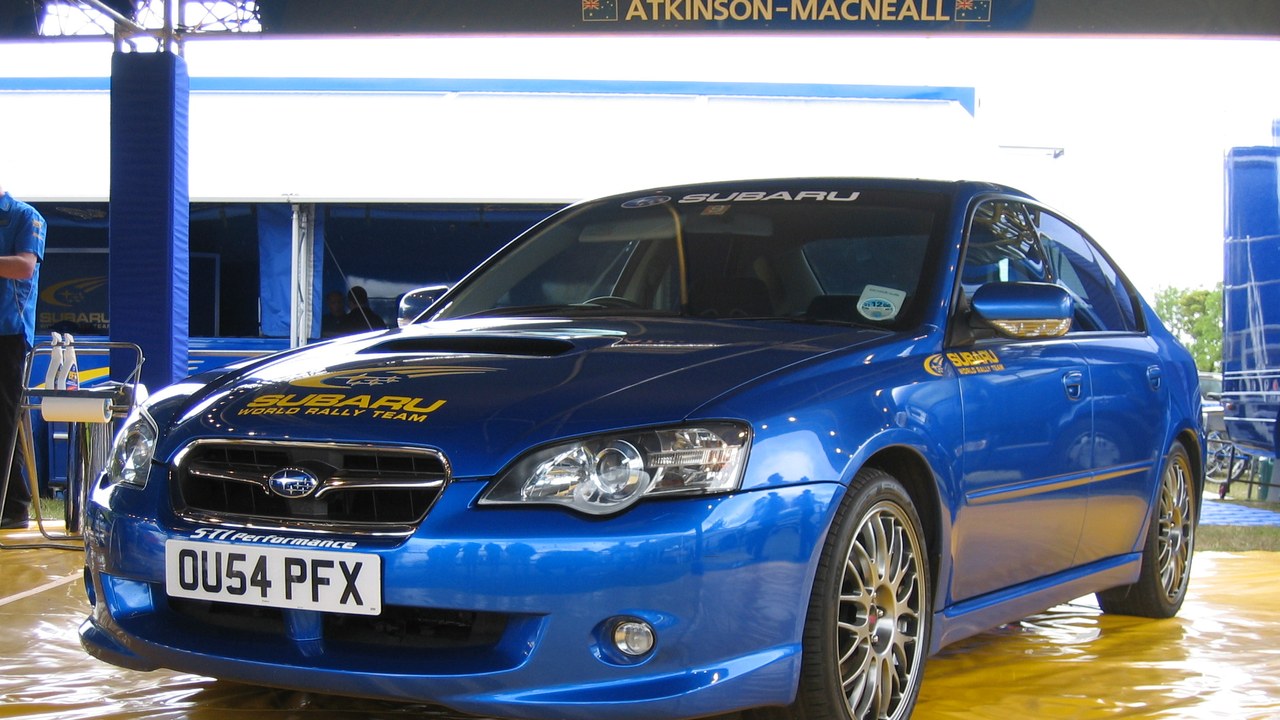
Bad weather is the usual reason people move to a crossover, and the Subaru Legacy removes it. All-wheel drive has been standard on the sedan for generations, which means a driver gets winter traction without the extra height, extra mass and extra fuel consumption a taller vehicle brings.
The boxer engine sits low in the chassis, keeping the center of gravity down. Subaru has wound the sedan down in North America, so shoppers are mostly looking at used examples. Head-gasket history on older generations is worth a mechanic’s inspection.
8. Nissan Altima: The Volume Play
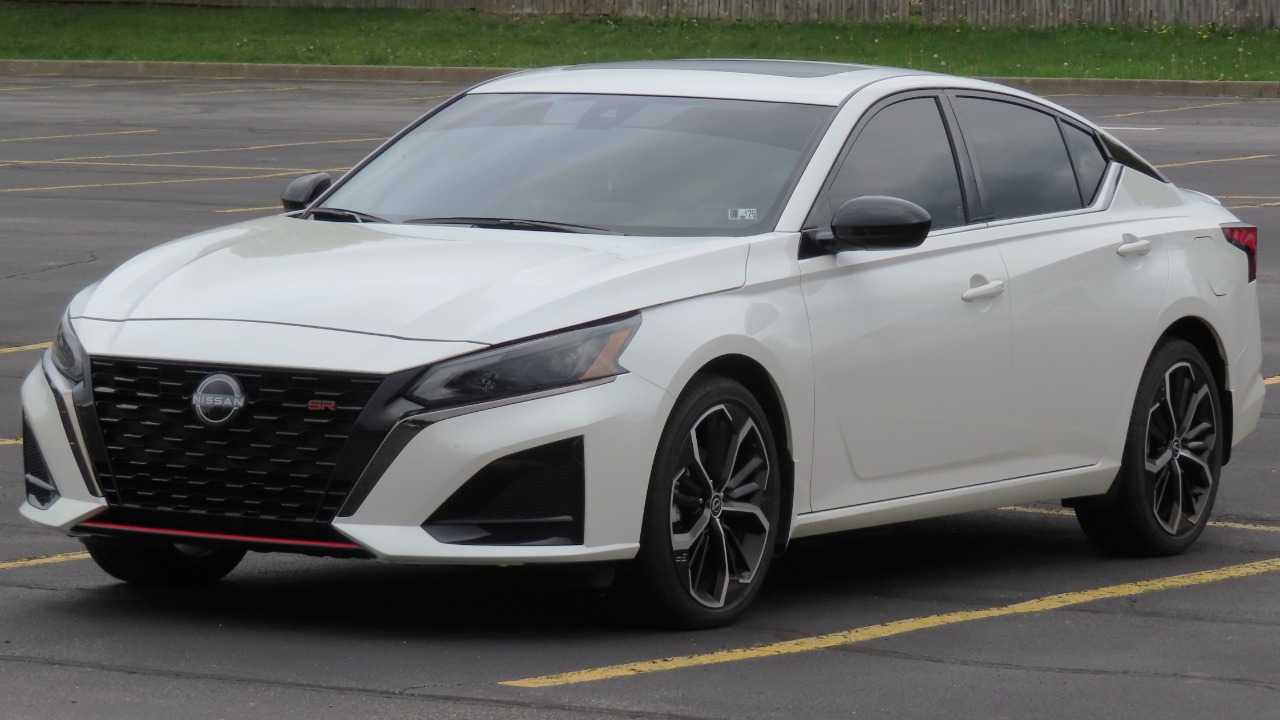
Sheer numbers built the case for the Nissan Altima, a midsize sedan Nissan has produced in the United States across multiple generations and sold in enormous quantities to commuters and rental fleets alike. That volume is why a used one is cheap and why almost any shop can service it.
Later versions offered all-wheel drive, an unusual answer in the class. The continuously variable transmission is the sticking point buyers should research, since maintenance history matters more here than on most rivals. Comfortable seats and a quiet highway cruise remain the reason people keep coming back.
9. Toyota Avalon: Room Without the Height
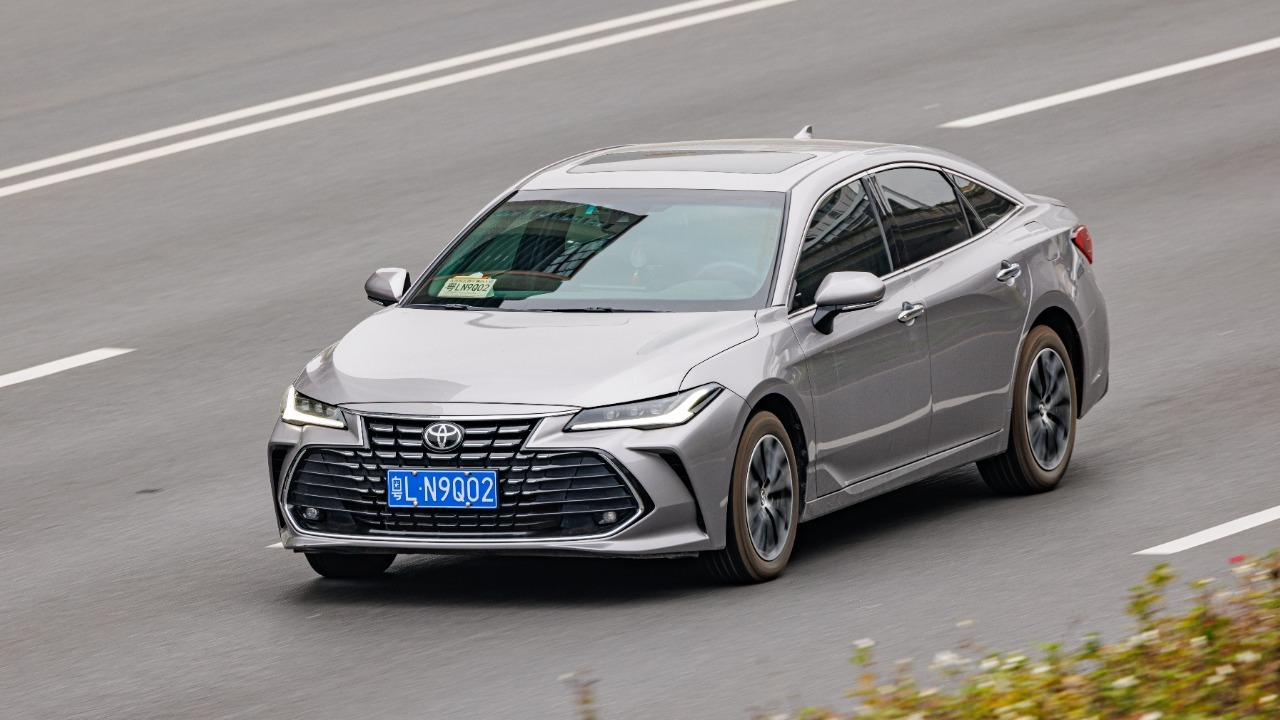
Size without a lift kit is the pitch. The Toyota Avalon was Toyota’s full-size sedan for North America, offering back-seat room and trunk space that embarrass plenty of crossovers while keeping the low, planted stance that makes a long highway day less tiring.
Toyota ended the nameplate, folding its buyers toward the Crown and a larger Camry, so this is a used purchase. The upside is that a well-kept Avalon is often owned by exactly the sort of careful driver who kept the service records. Its fuel use is also lower than a comparably roomy SUV’s.
10. Hyundai Sonata: The Warranty Argument
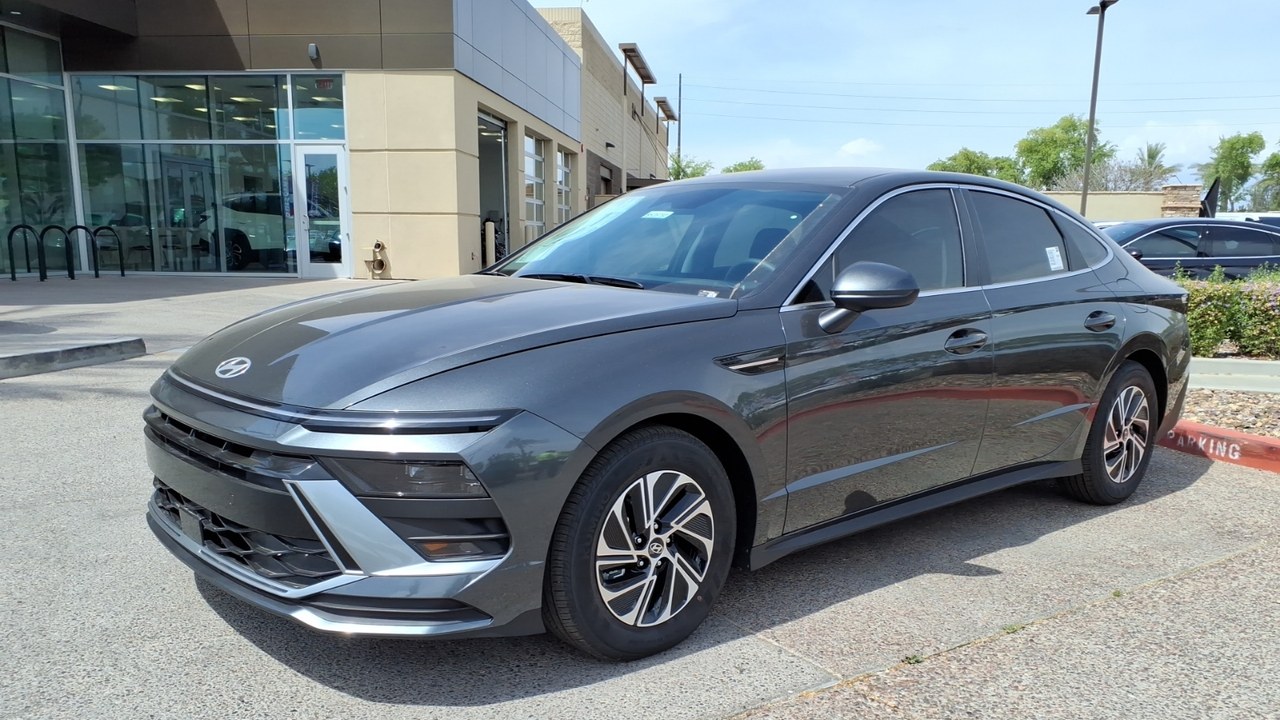
Warranty coverage is the lever Hyundai pulled, and the Hyundai Sonata is where it lands hardest in the sedan aisle. A long powertrain warranty on a new car is worth real money to a buyer who plans to keep it, and it changed how shoppers judged the brand’s risk.
Hybrid versions have been part of the lineup for several generations. Styling swings sharply between redesigns, which helps some model years and hurts others on the used market. Buyers should check which engine a particular car carries before signing anything, because the range has varied considerably.
11. Kia K5: Sedans Can Still Look Good
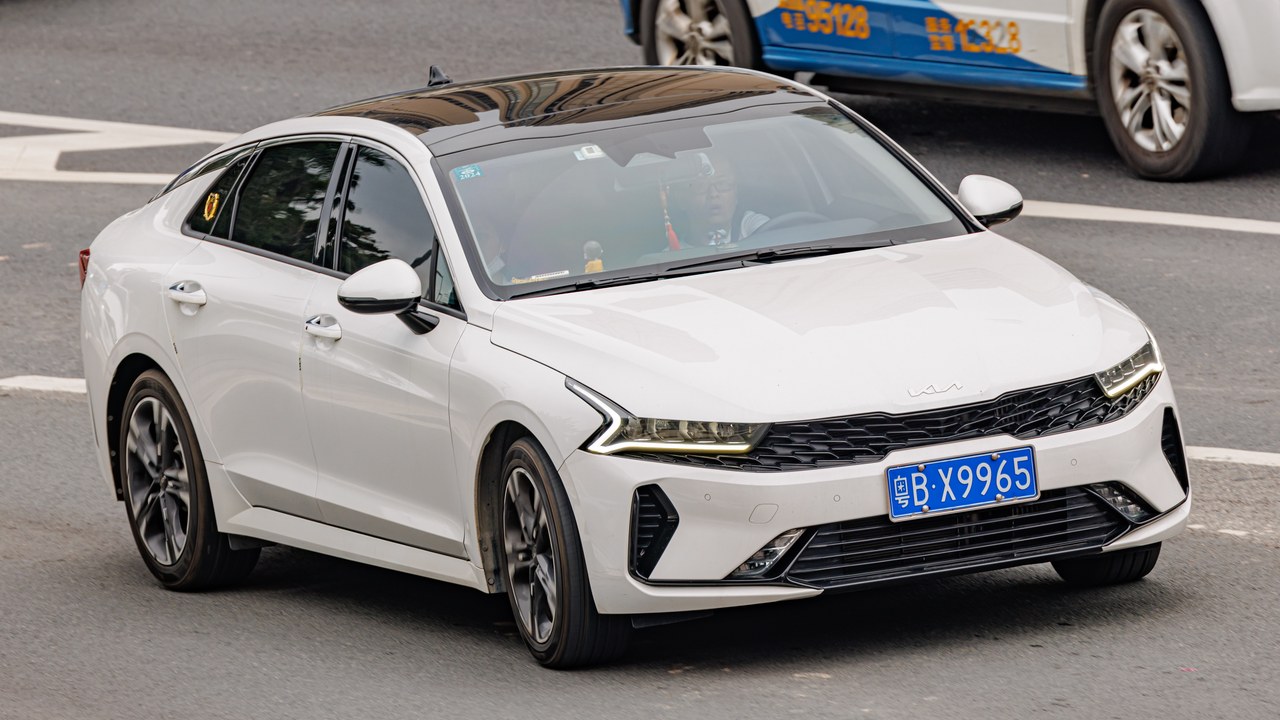
Nobody expected a midsize sedan to be the best-looking car in a Kia showroom, but the Kia K5 arrived with a fastback roofline, a wide stance and detailing that reads far more expensive than its sticker. It replaced the Optima name rather than the formula.
An all-wheel-drive version exists for buyers who want winter capability without the height. The sloping roof costs some rear headroom, the classic penalty for a shape like this. Kia’s warranty and a competitive entry price do most of the closing work in the showroom.
12. Chevrolet Malibu: Gone but Everywhere
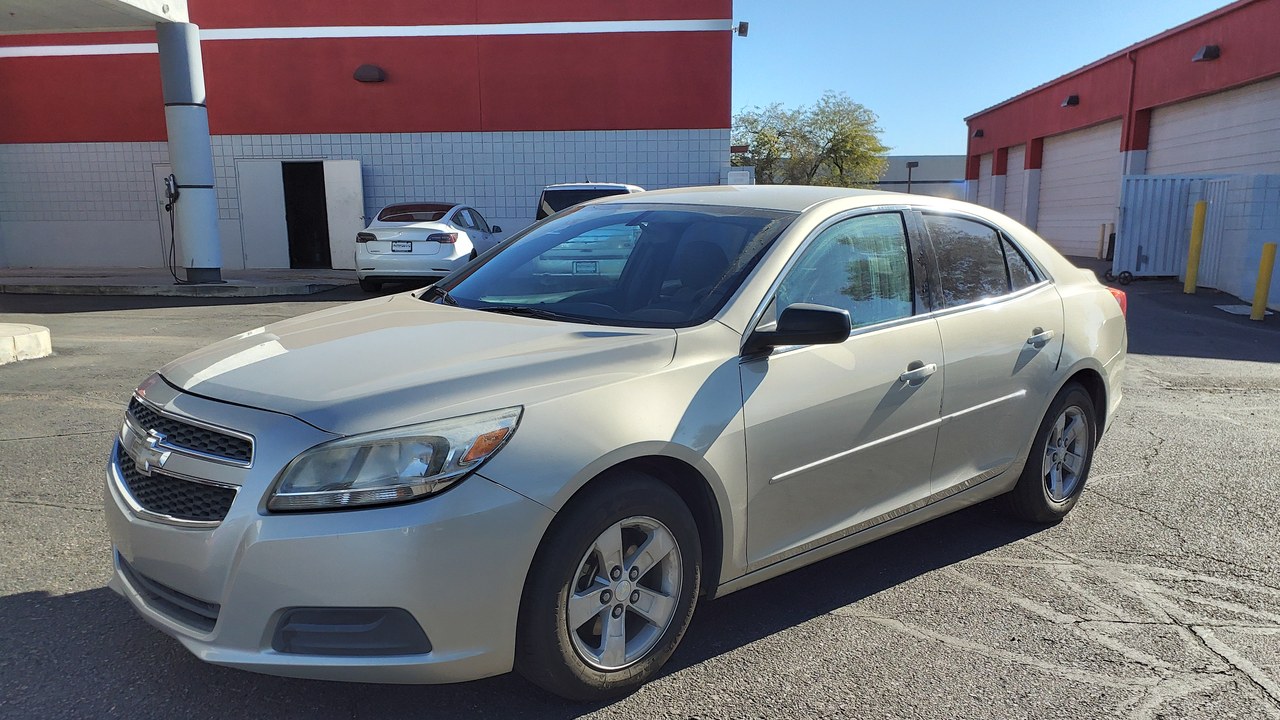
General Motors stopped building the Chevrolet Malibu, ending one of the longest-running nameplates in American motoring and leaving Chevrolet without a mainstream sedan in its showrooms. That decision is precisely why the Malibu belongs here: production ended, but hundreds of thousands of them did not evaporate.
Used lots are full of late examples with modest mileage and rental-fleet histories, which keeps asking prices soft. A buyer trades brand cachet for room, a usable trunk and running costs a comparable crossover cannot match. Service parts remain widely available through any Chevrolet dealer.
More from Morning Overview
- A wildfire near Ouray swelled past 18,000 acres, putting Colorado towns on alert
- The Pentagon’s newest UFO files describe a fish-scaled, potato-shaped object on camera
- Scientists spotted a rare tusked whale alive at sea for the first time, then fired a crossbow at it.
- A Colorado wildfire forced level-three ‘leave now’ orders across Ouray County
