
Every carmaker eventually builds a model it would rather forget. Some were rushed to market with flaws that ended in recalls, lawsuits and federal investigations; others simply looked wrong, sold badly, or lingered on dealer lots long after their moment passed. Here are ten of the most infamous, and what actually went wrong with each.
1. Ford Pinto: The Fuel Tank Reckoning
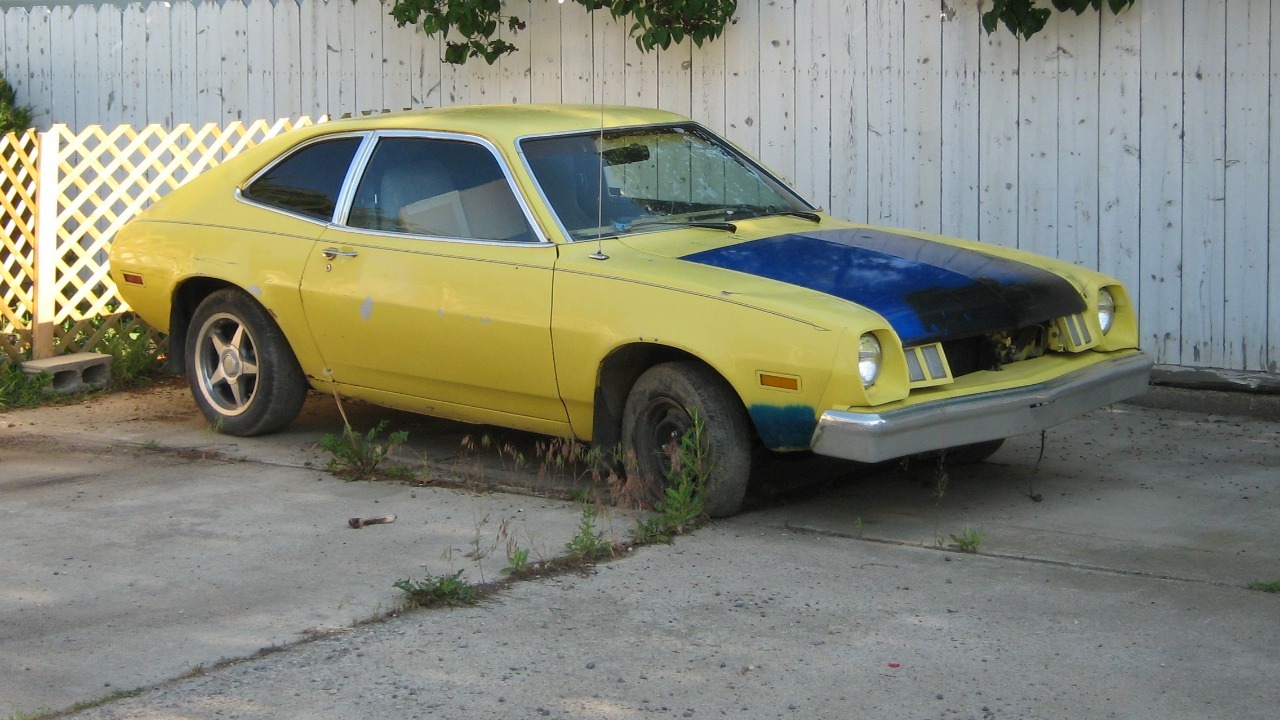
Ford’s subcompact arrived for 1971 and sold in huge numbers before its rear-end crash behavior became a national story. A 1977 magazine investigation alleged the company had weighed the cost of a fuel-tank fix against likely injury claims, and in 1978 Ford recalled roughly 1.5 million Pintos and Mercury Bobcats to add tank shielding.
The engineering picture is more contested than the folklore suggests: later academic reviews argued the fire fatality rate was not far out of line with other subcompacts of its era. What stuck was the narrative. Ford was tried and acquitted on reckless homicide charges in Indiana, and the name became shorthand for a company gambling with safety.
2. Chevrolet Vega: Rust Beat The Warranty
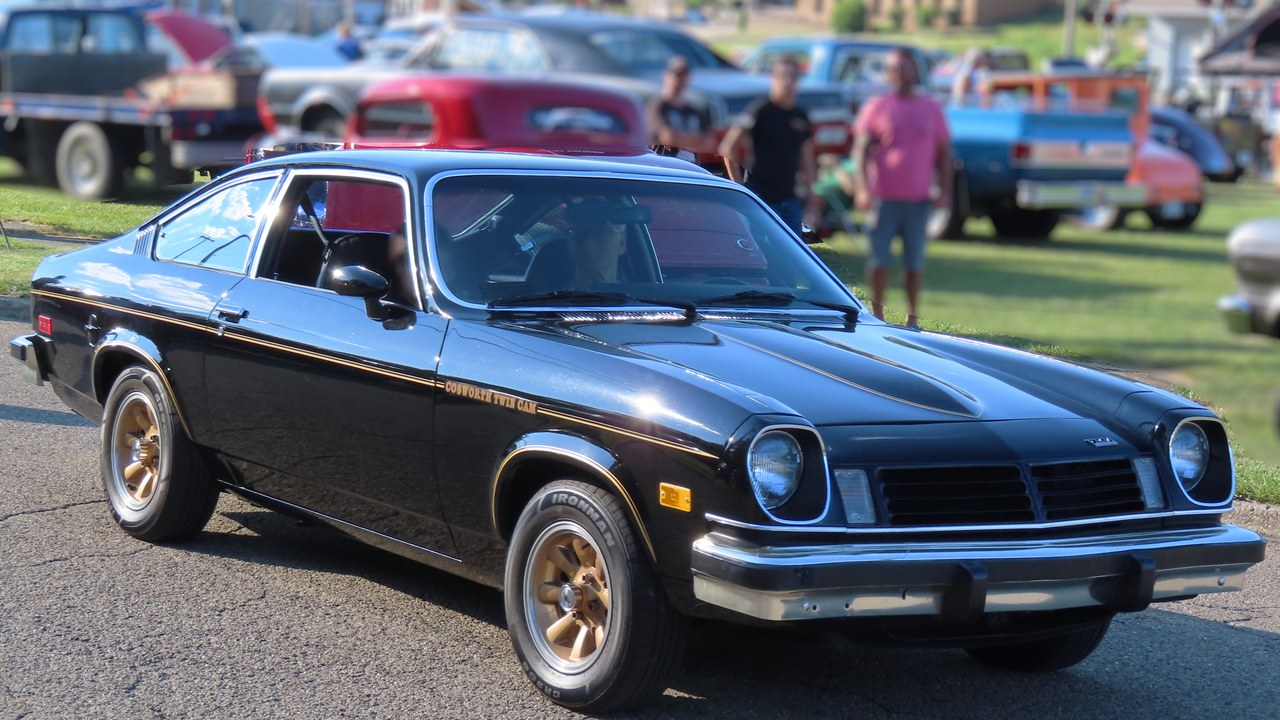
Chevrolet’s answer to imported economy cars took Motor Trend’s Car of the Year award for 1971, then spent the rest of the decade living down its build quality. Fenders on early cars rusted notoriously fast, and the die-cast aluminum block in the Vega’s four-cylinder engine proved intolerant of overheating, prone to warping and to burning oil well before high mileage.
General Motors kept patching it, revising the cooling system and extending the engine warranty before retiring the car after 1977. The damage was to trust rather than to any single sales chart: buyers who had been persuaded to try a domestic small car walked straight to the import dealers, and stayed there.
3. Yugo GV: The Cheapest Car In America
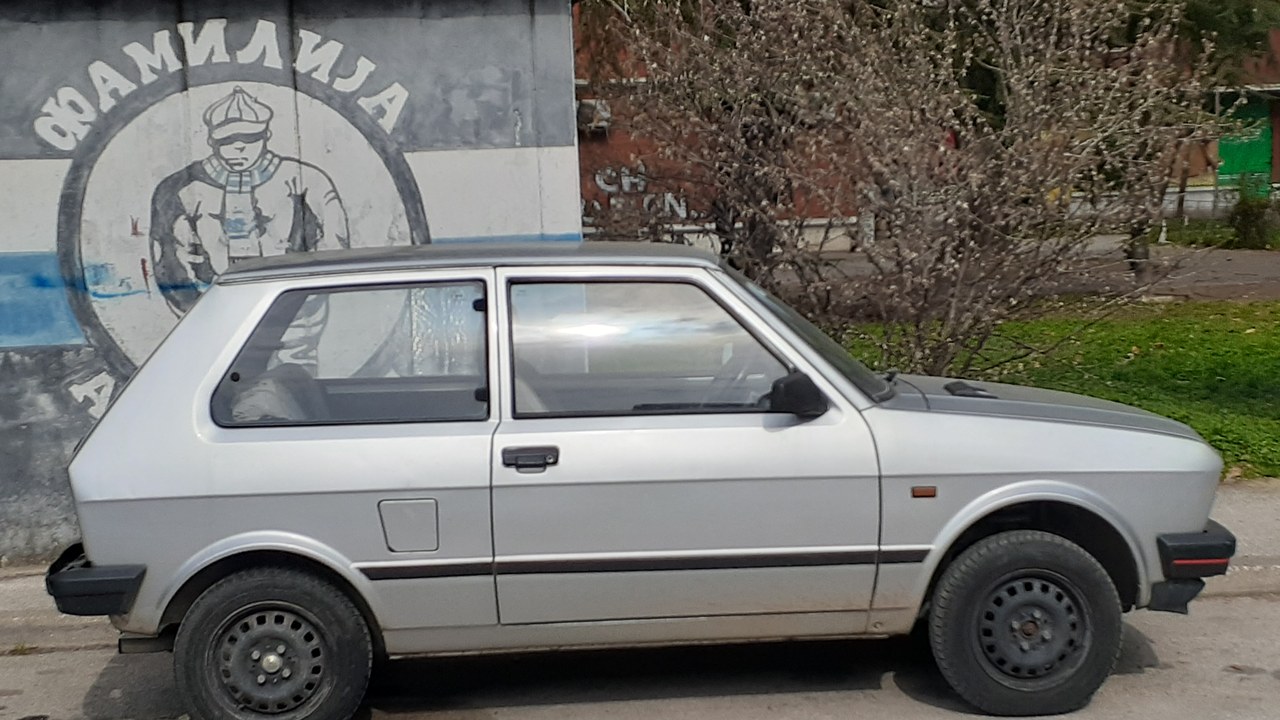
Built in Yugoslavia on an aging Fiat design, the Yugo reached American showrooms in 1985 at $3,990, undercutting every rival by a wide margin. Malcolm Bricklin’s import venture sold briskly for two seasons, but the Zastava-built hatchback quickly collected complaints about electrical faults, brittle trim and repair bills that could approach what the car had cost.
Sales collapsed, and United Nations sanctions on Yugoslavia ended the imports in 1992. The car survives mainly as a punchline in worst-vehicle lists, though its cautionary lesson is narrower than the jokes imply: a price that low usually reflects what has been left out, not a bargain someone else missed.
4. DeLorean DMC-12: Stainless Steel, Borrowed Time
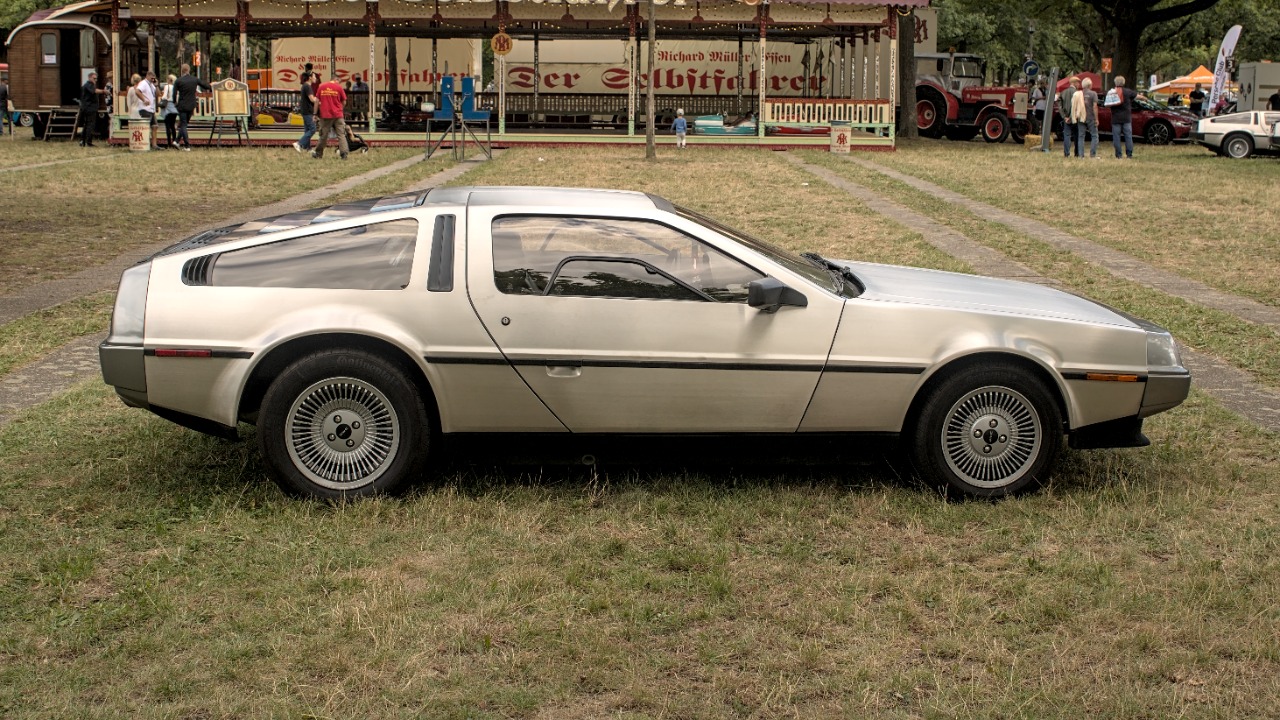
Gullwing doors and unpainted stainless panels made John DeLorean’s coupe unforgettable long before Hollywood adopted it. The engineering underneath was less remarkable: a 2.85-liter V6 shared with mainstream European sedans left the Northern Ireland-built sports car slower than its looks promised, and build quality suffered as production ramped up at the new Dunmurry factory.
Around 9,000 cars were built before the company collapsed into receivership in 1982, taking a large slice of British government investment with it. DeLorean was arrested that year on drug-trafficking charges and later acquitted after arguing entrapment, but the venture never recovered, and the car ended up worth more as a film prop than as a business.
5. Pontiac Aztek: Styling That Became A Punchline
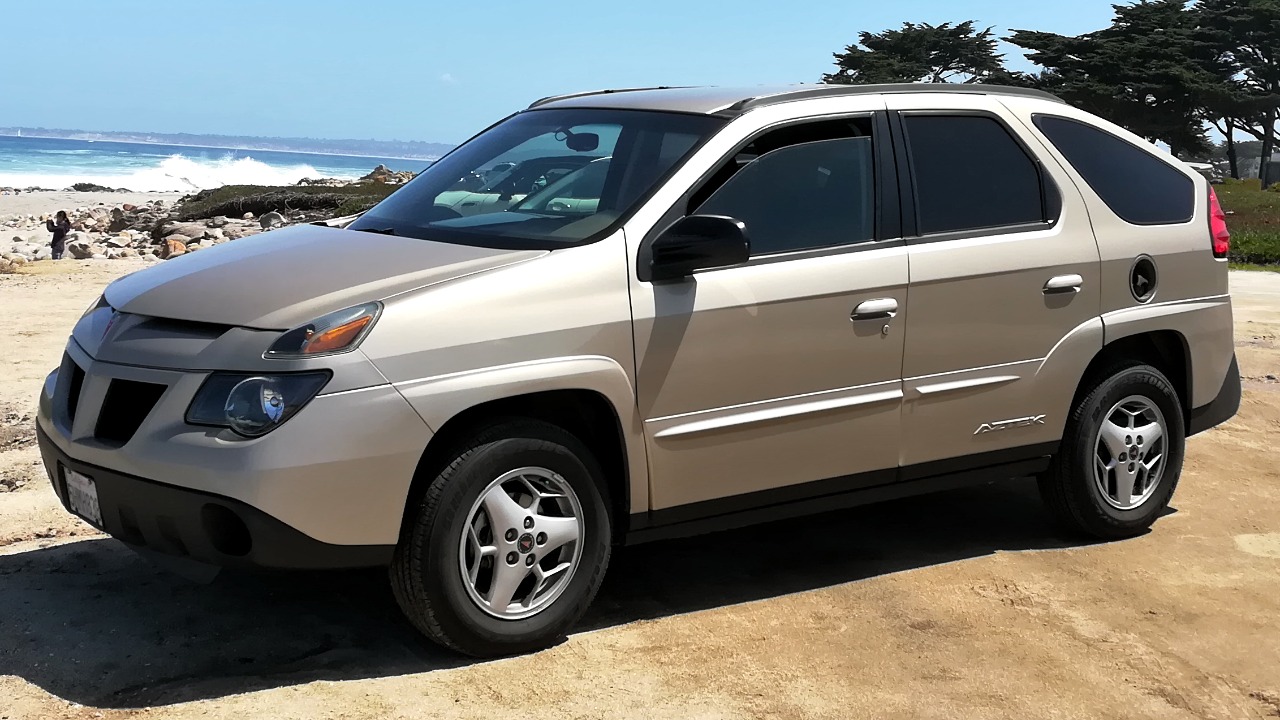
Pontiac aimed the Aztek at younger buyers in 2001 with a camping-tent option, a removable cooler in the console and a body assembled from angles that seemed to disagree with one another. Reviewers savaged the look immediately, and the minivan-based crossover never approached the volumes General Motors had projected before it was dropped after 2005.
The mechanical package was unremarkable rather than bad, which is part of the lesson: a competent vehicle can still fail on appearance alone. Its afterlife has been kinder. Television exposure turned the Aztek into a cult object, and tidy survivors have found an audience among the people who once did the laughing.
6. Chevrolet SSR: A Convertible Pickup Nobody Ordered
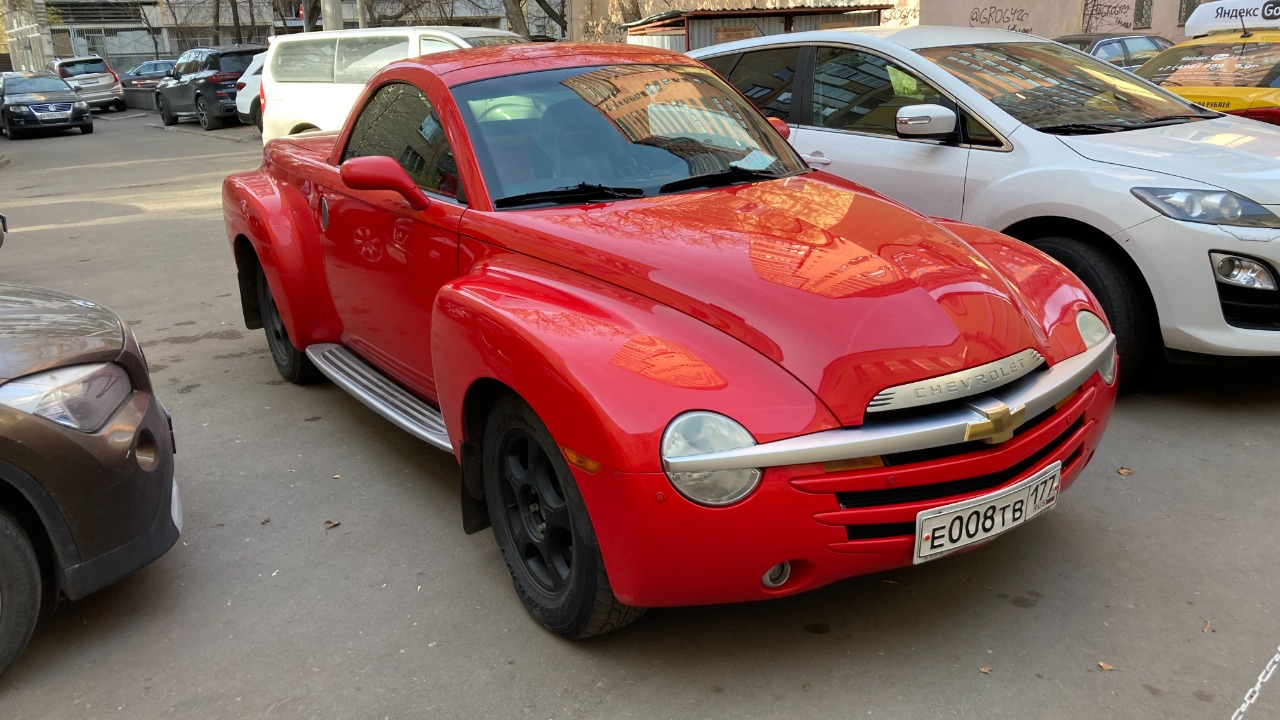
A retro roadster with a pickup bed sounded novel in 2003: power retractable hardtop, a truck frame borrowed from the TrailBlazer, and a price near the top of Chevrolet’s range. The first cars paired that considerable weight with a 5.3-liter V8, and the hardtop convertible pickup was quickly criticized for offering neither sports-car pace nor useful hauling.
General Motors answered in 2005 by fitting the larger LS2 V8, which fixed the performance complaint but not the pricing one. Sales stayed thin, and production ended in 2006 when the plant building it closed. It remains an example of a concept car approved for production without anyone establishing who would buy it.
7. Cadillac Cimarron: A Cavalier In A Tuxedo
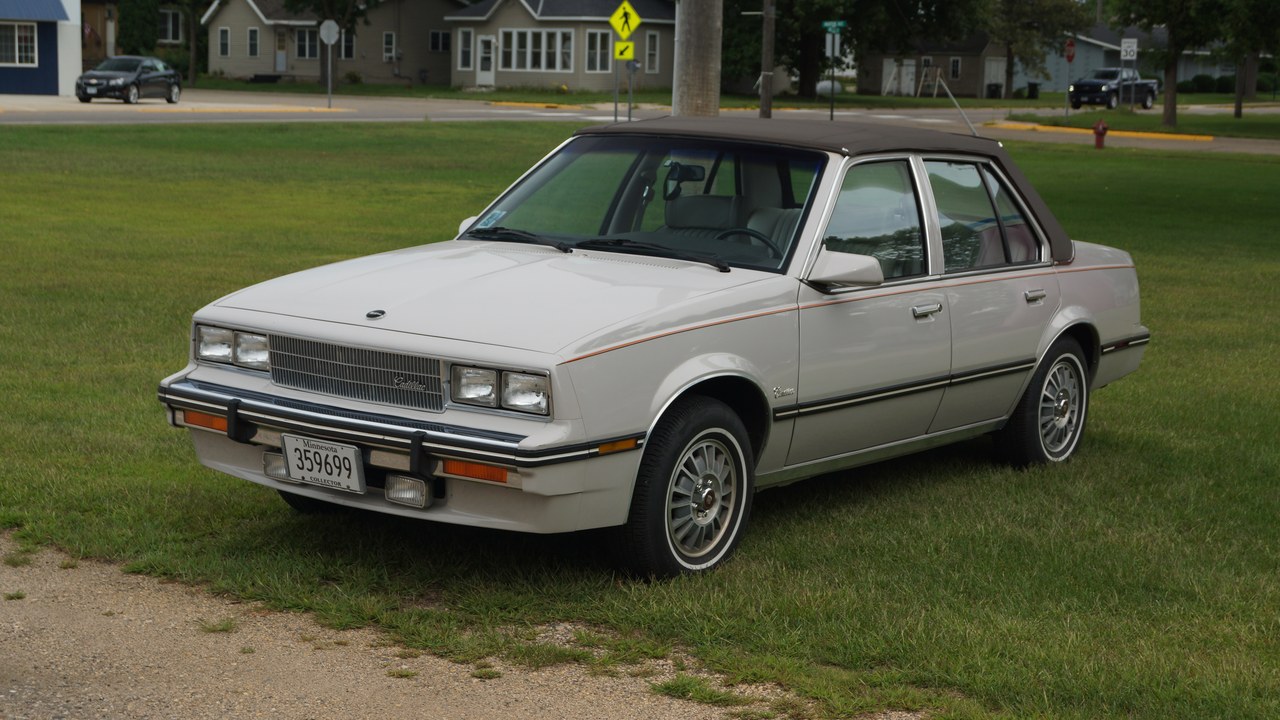
Badge engineering has rarely been so visible. Cadillac’s 1982 answer to compact German sedans was a reworked version of the corporate J-body that also produced the Chevrolet Cavalier, and buyers spotted the shared doors and proportions at once. The compact J-body sedan asked a substantial premium over its Chevrolet twin and launched with a four-cylinder engine and a manual gearbox.
Later versions gained a V6, but the reputation had set, and the car was discontinued after 1988. Its real cost was not the model itself: Cadillac spent two decades rebuilding an argument that its cars were engineered rather than decorated, which is why the name still surfaces whenever the practice is debated.
8. Ford Edsel: The Launch That Named A Failure
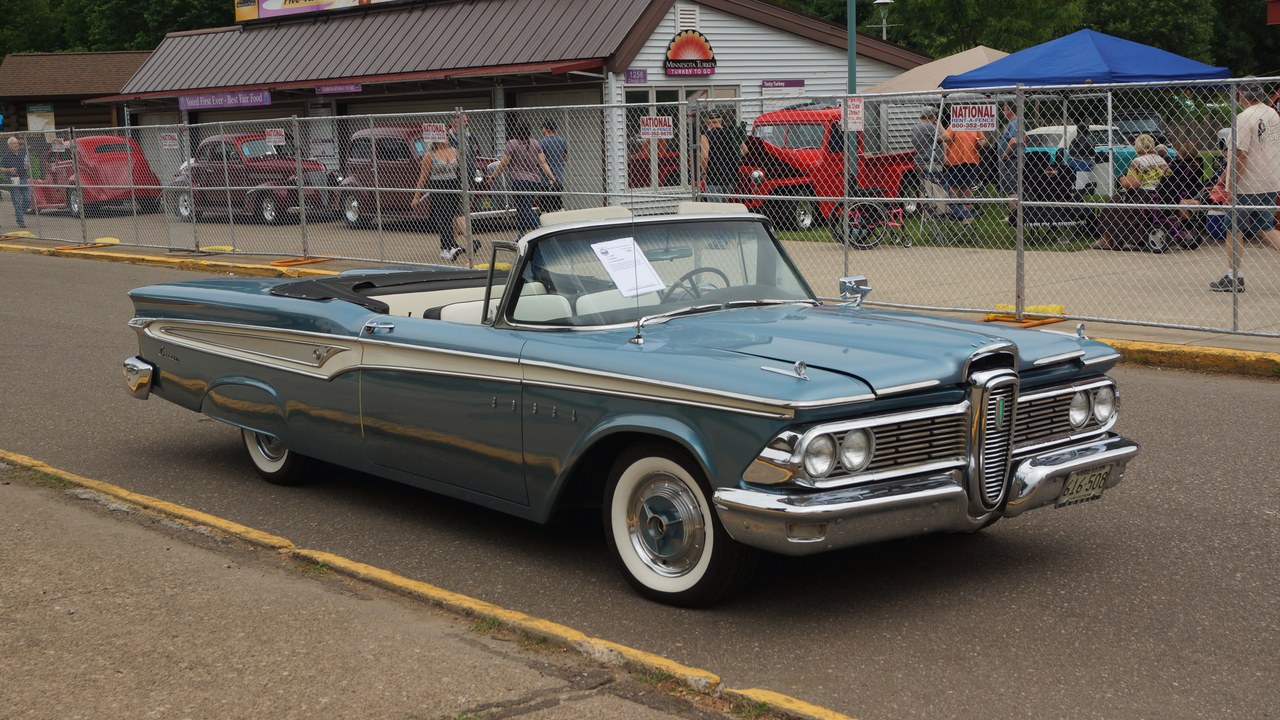
Ford spent years on research and promotion before introducing its new division in September 1957, complete with a vertical grille nobody could ignore. The timing was catastrophic: a sharp recession hit the medium-priced segment the Edsel line had been designed to occupy, and the cars overlapped awkwardly with Ford and Mercury models already sitting in the same showrooms.
Production stopped in November 1959, with total output well under 120,000 cars and reported losses widely put at around $250 million. The commercial damage was eventually absorbed. The linguistic damage was permanent, since the name entered American English as the standard label for an expensive, heavily promoted product the public declined to buy.
9. AMC Gremlin: Sketched On An Airsickness Bag
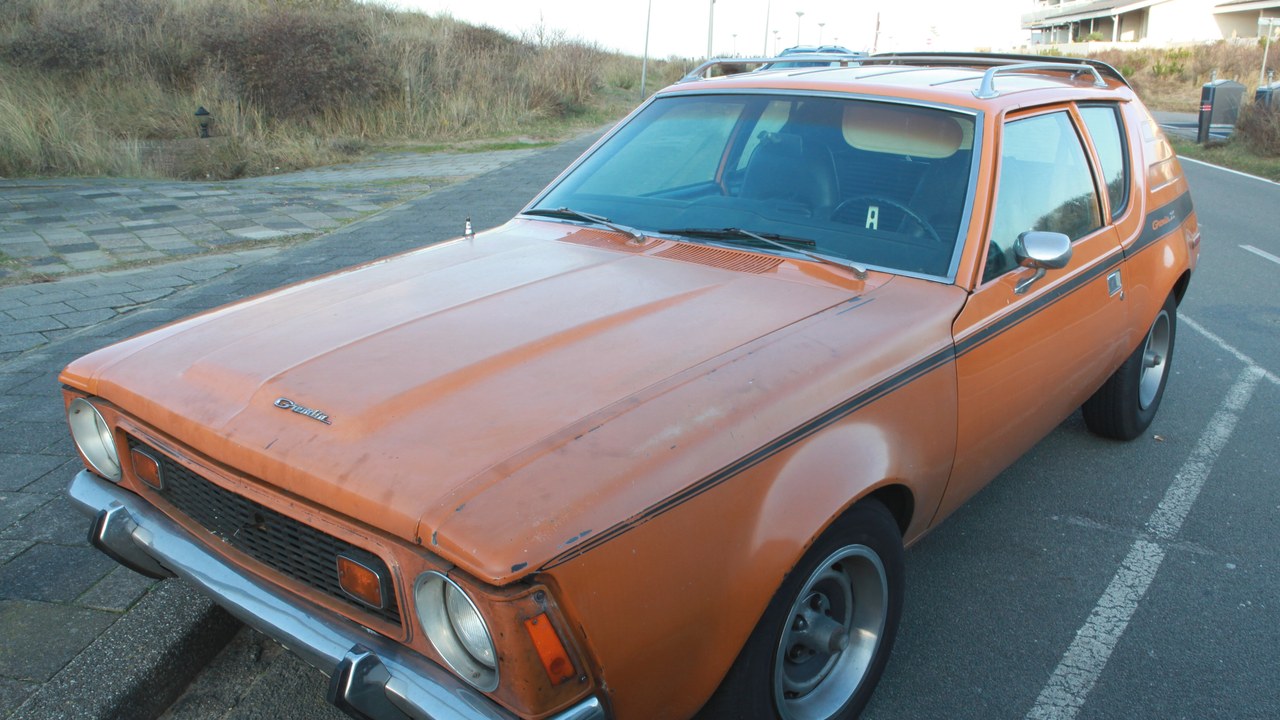
American Motors beat its Detroit rivals to the subcompact market by launching the Gremlin on April 1, 1970, using a shortened Hornet platform with the tail cut off behind the rear wheels. Designer Richard Teague worked out the chopped-tail economy car on an airline sickness bag, and the result kept a heavy six-cylinder engine in a car built to save fuel.
It sold well through the 1970s and helped keep a struggling company solvent, which complicates its place here. What has not aged well is the shape. Retrospective worst-car lists return to the Gremlin often, and its silhouette now stands in for an era when American manufacturers improvised small cars from large ones.
10. Chrysler PT Cruiser: A Decade Past Its Moment
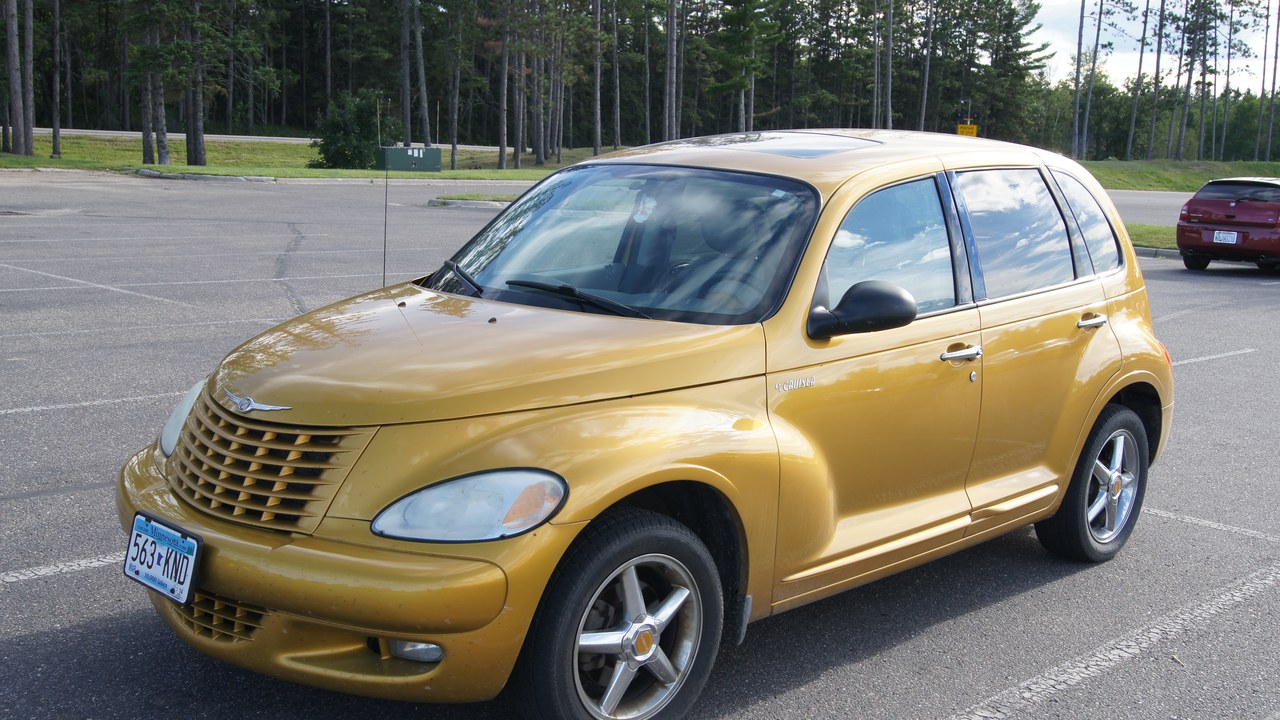
The PT Cruiser opened in 2000 to genuine demand, with waiting lists and dealers charging above sticker for a car that looked like nothing else on the road. A regulatory quirk helped: the tall retro hatchback was classified as a light truck in the United States, which flattered the company’s fleet fuel-economy math.
Then it stayed, with only modest updates, until production ended in 2010. Novelty styling ages badly when nothing beneath it is renewed, and years of discounting turned an initial hit into a used-lot commonplace. The lesson was about timing rather than design: retro sells briefly, and the follow-up matters far more than the debut.
More from Morning Overview
- The Pentagon’s newest UFO files describe a fish-scaled, potato-shaped object on camera
- Scientists spotted a rare tusked whale alive at sea for the first time, then fired a crossbow at it.
- A Colorado wildfire forced level-three ‘leave now’ orders across Ouray County
- A skeleton beneath Petra’s Treasury was found clutching a chalice that resembles the Holy Grail
