
Sports cars carry a reputation for fragility, yet a handful of them pile up mileage that would embarrass an ordinary commuter sedan. The pattern behind the survivors is unglamorous: simple naturally aspirated engines, long production runs, and parts networks deep enough to keep repairs routine. Here are eight of them that stay on the road long after the odometer stops impressing anyone.
1. Mazda MX-5 Miata: Subtraction As A Survival Strategy
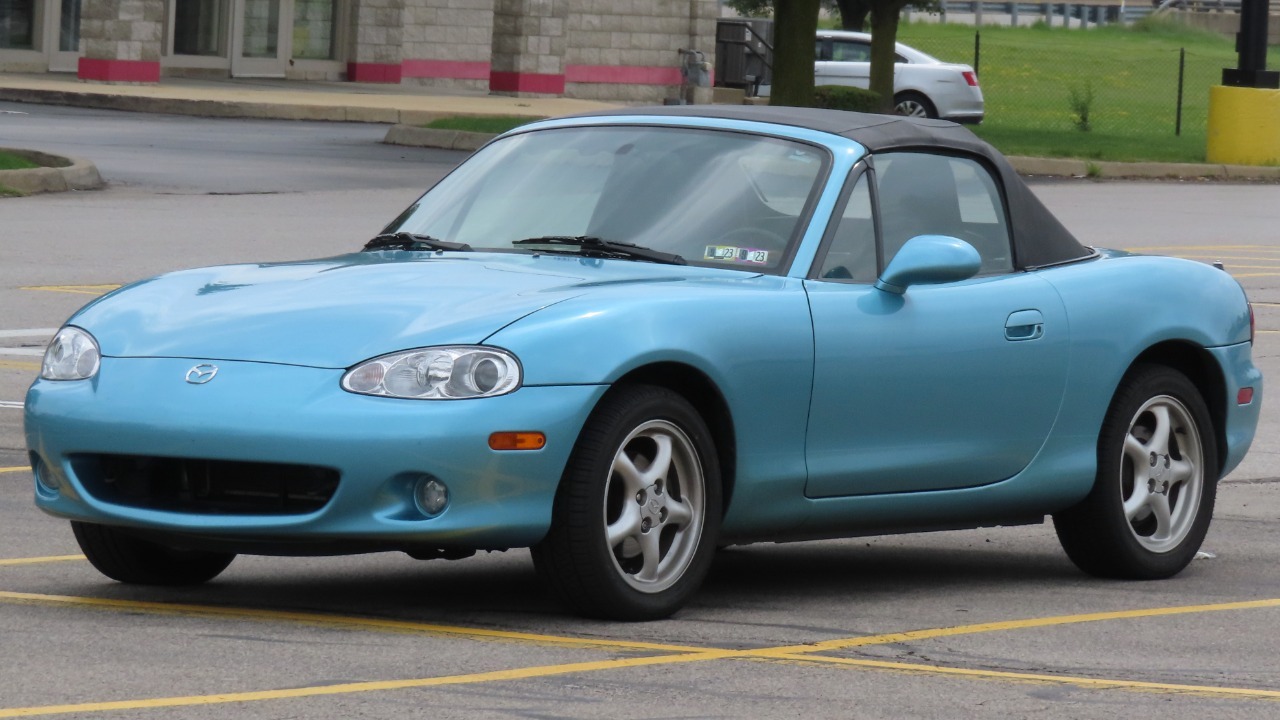
Mazda engineered the MX-5 around subtraction rather than output, and that choice explains its endurance. The first-generation car weighed roughly a ton and drew fewer than 120 horsepower from a naturally aspirated four-cylinder lifted from Mazda’s economy range, so the drivetrain loafs at highway speed instead of straining. Guinness records recognize it as the best-selling two-seat roadster ever built, and that volume built a parts supply almost no rival enjoys.
Rust, not mechanical failure, is what usually ends a high-mileage example, and the rear wheel arches and rocker panels are where it begins. Cars kept dry underneath tend to leave an owner with only cheap, well-documented problems.
2. Porsche 911: Six Decades Of Refinement
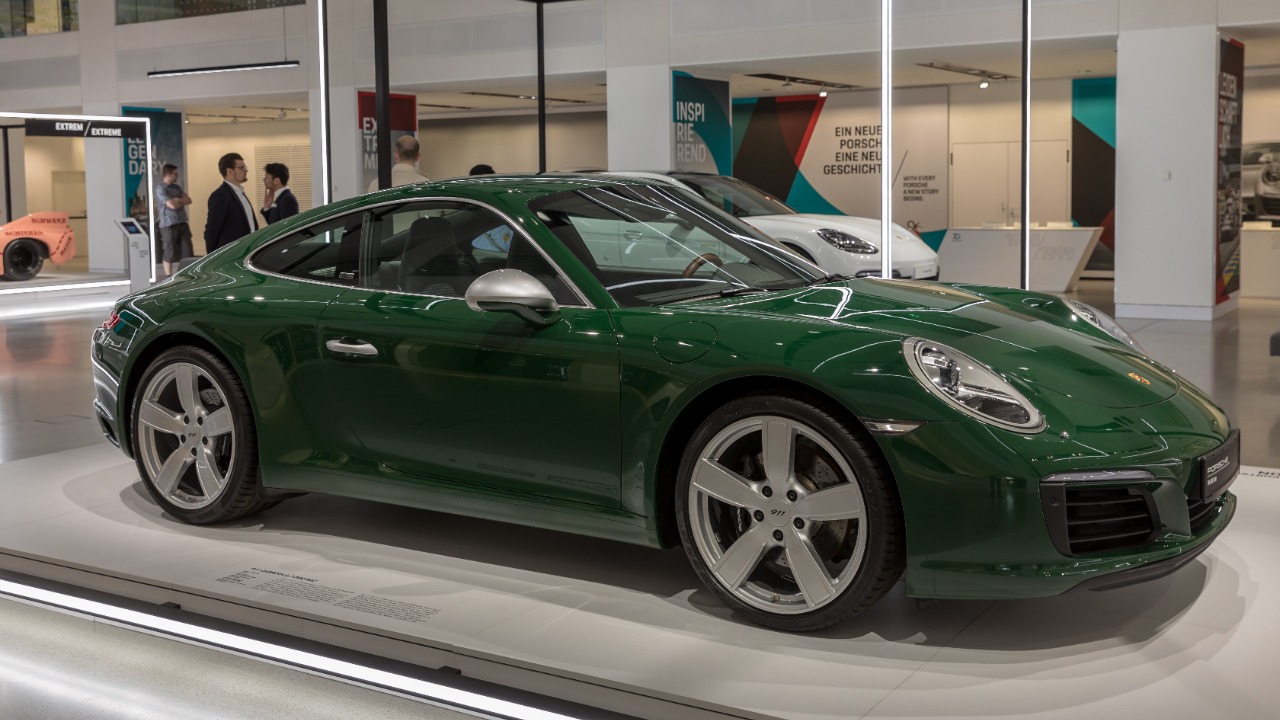
Few cars have been improved as relentlessly as the 911, which has run in continuous production since 1964. Each generation kept the rear-engine flat-six layout, so fixes discovered on one car carried forward into the next, and Porsche still reproduces components for models long out of production. That continuity is why an older 911 remains a repairable machine rather than an orphan, and why high odometer readings are treated as normal within the community.
The accessible end of the range is the water-cooled era, and it carries the model’s best-known weakness: the intermediate-shaft bearing used in the M96 and M97 engines. A documented bearing history matters more than mileage when judging one of these cars.
3. Chevrolet Corvette: An Engine Shared With Half The Fleet
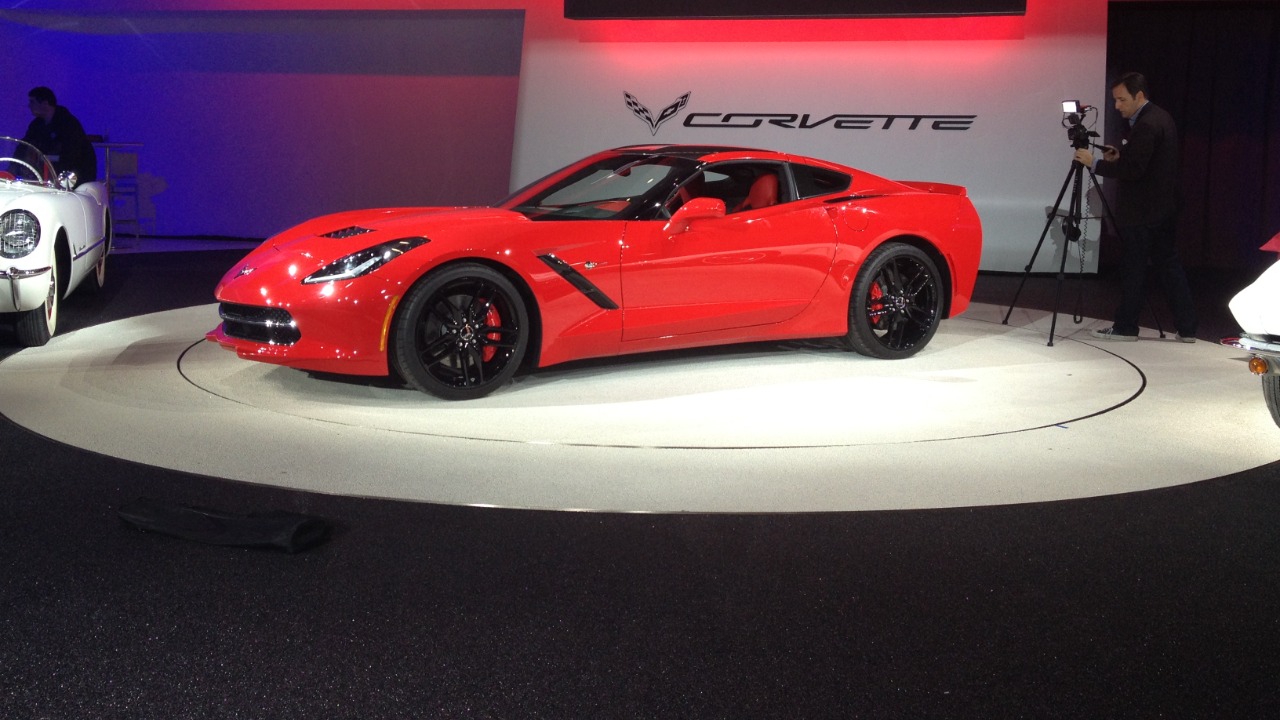
Cheap parts, not exotic engineering, keep the longest-running American sports car running. The C5 and C6 generations use GM’s pushrod small-block, an architecture with two valves per cylinder, a single camshaft and no turbochargers, produced in enormous numbers across trucks and sedans as well as sports cars. Any competent shop can work on one, and a replacement component is rarely more than a phone call away.
The composite body panels do not rot, which removes the usual reason to retire an old car. Attention instead goes to targa roof seals, worn suspension bushings and interior trim, all of which are inconveniences rather than reasons to scrap a chassis.
4. Nissan 370Z: One Engine, One Long Run
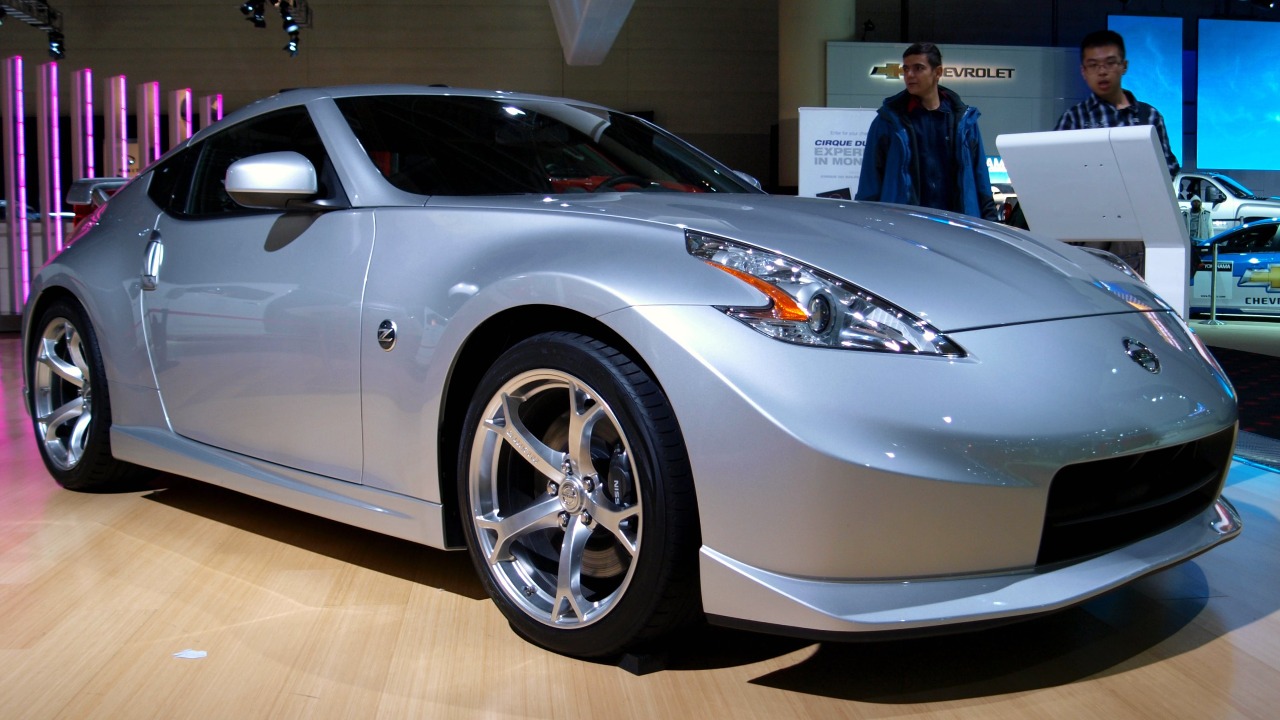
Nissan resisted the urge to reinvent the Z, and buyers of used examples benefit from that stubbornness. The 370Z ran from 2009 into the 2020s with the VQ37VHR V6 under the hood, a naturally aspirated 3.7-liter member of the VQ family that Nissan and Infiniti had already deployed across a wide range of models. A decade of near-identical production means components interchange freely and no year is an orphan.
Hard use is the variable that separates a good example from a tired one, since sustained track work drives oil temperatures up and wears synchronizers in the manual gearbox. A service record showing regular fluid changes is worth more than a low reading on the dash.
5. Ford Mustang: Volume Beats Exotica
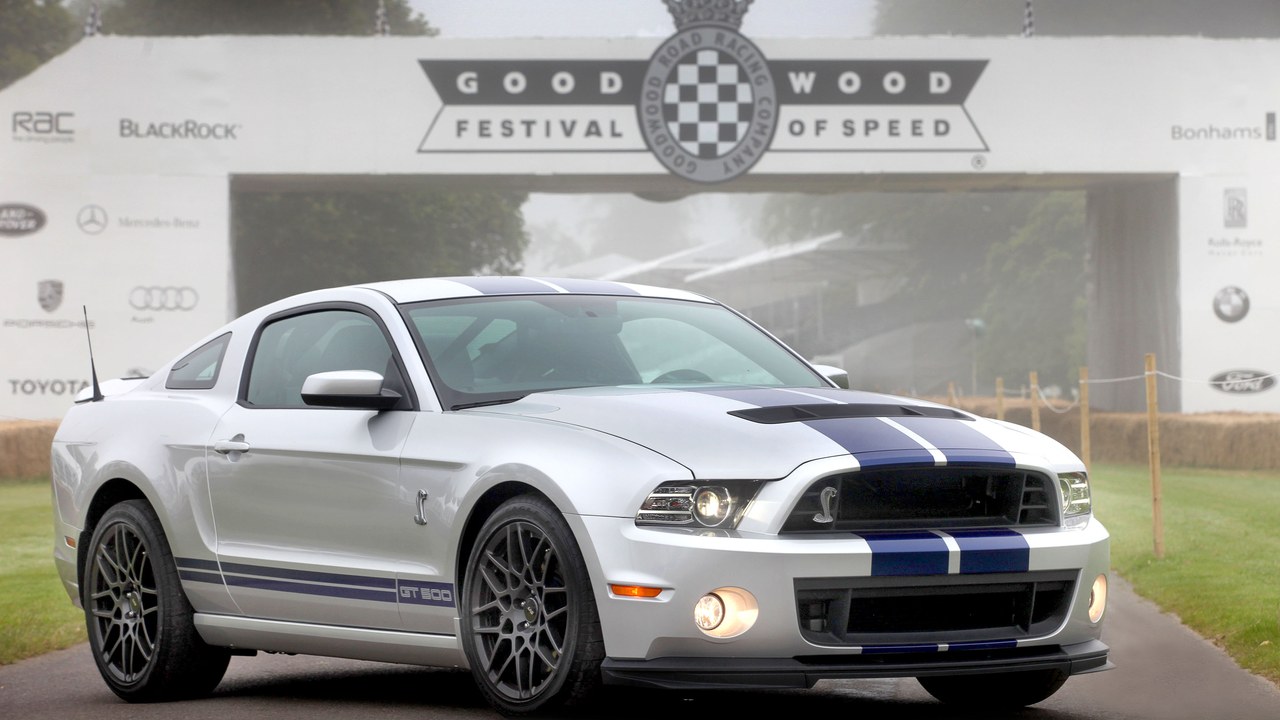
No sports car has a deeper parts ecosystem than the original pony car, in production since 1964 and built in numbers that keep salvage yards, aftermarket suppliers and independent specialists stocked. The modern V8 versions use overhead-cam engines that Ford also installed in trucks and full-size sedans, which spreads development and repair knowledge far beyond the enthusiast world and keeps labor rates ordinary.
Generation matters more than mileage here. The 1996 to 2003 modular V8 became notorious for ejecting spark plugs, and the later three-valve heads for shearing them during removal, so a cylinder head history is the first thing worth establishing.
6. Subaru BRZ: A Coupe Built By Two Companies
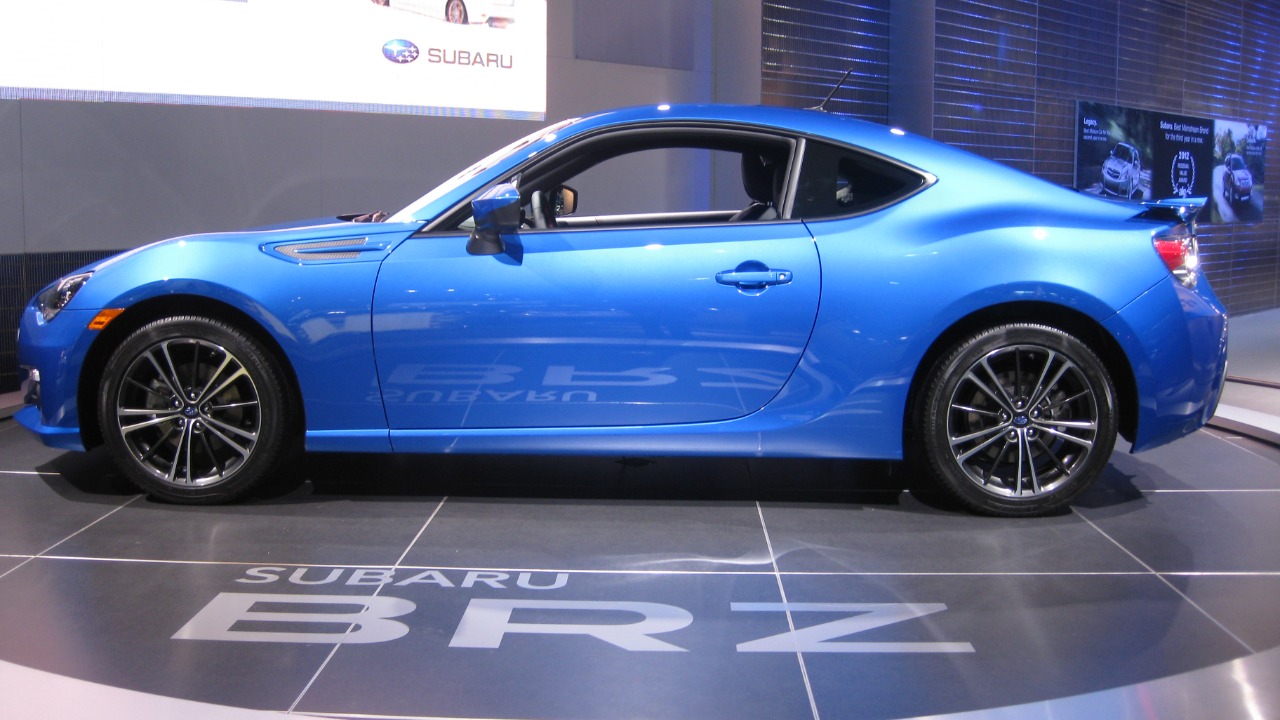
Two manufacturers underwrite the Subaru BRZ, which Subaru builds at its Gunma plant under a joint program with Toyota. The first-generation car pairs a naturally aspirated flat-four with rear-wheel drive and a curb weight kept deliberately low, avoiding turbochargers, complex all-wheel-drive hardware and the heat loads that shorten the life of more ambitious drivetrains.
The known blemish is a recall covering engine valve springs on early cars, which is documented and correctable rather than terminal. Because the platform draws a modifying crowd, evidence of restraint by previous owners is a better indicator of condition than the odometer.
7. Toyota GR86: Simplicity With A Dealer Network
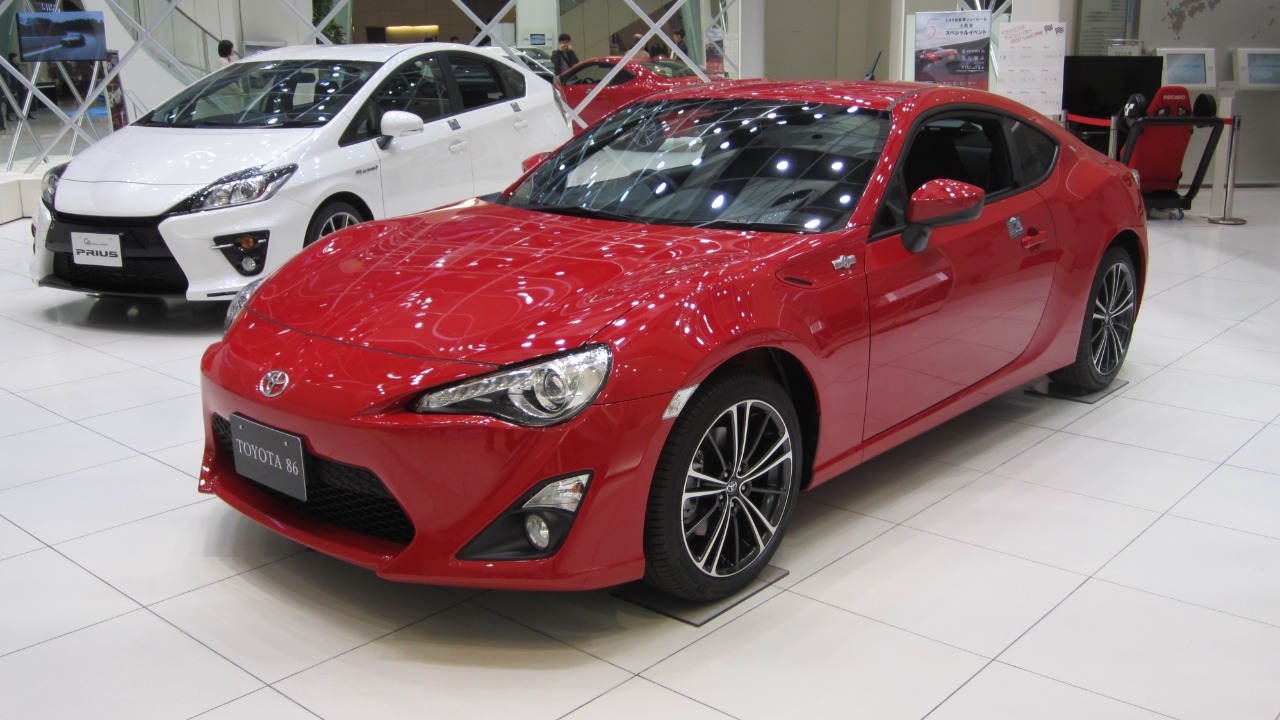
Sold in turn as the GT86, Scion FR-S, 86 and now the GR86, Toyota’s rear-drive coupe has kept the same recipe through two generations: a naturally aspirated boxer engine, rear-wheel drive and modest weight. The second generation grew to 2.4 liters without adding forced induction, so the maintenance list stays short and the servicing runs through an ordinary Toyota dealer rather than a specialist.
The compromise is a chassis good enough to invite abuse. Many examples have seen track days, autocross runs or aftermarket work, which puts clutch, brake and suspension inspection ahead of mileage when a buyer is separating a careful car from a punished one.
8. Chevrolet Camaro: A Corvette Engine In A Cheaper Suit
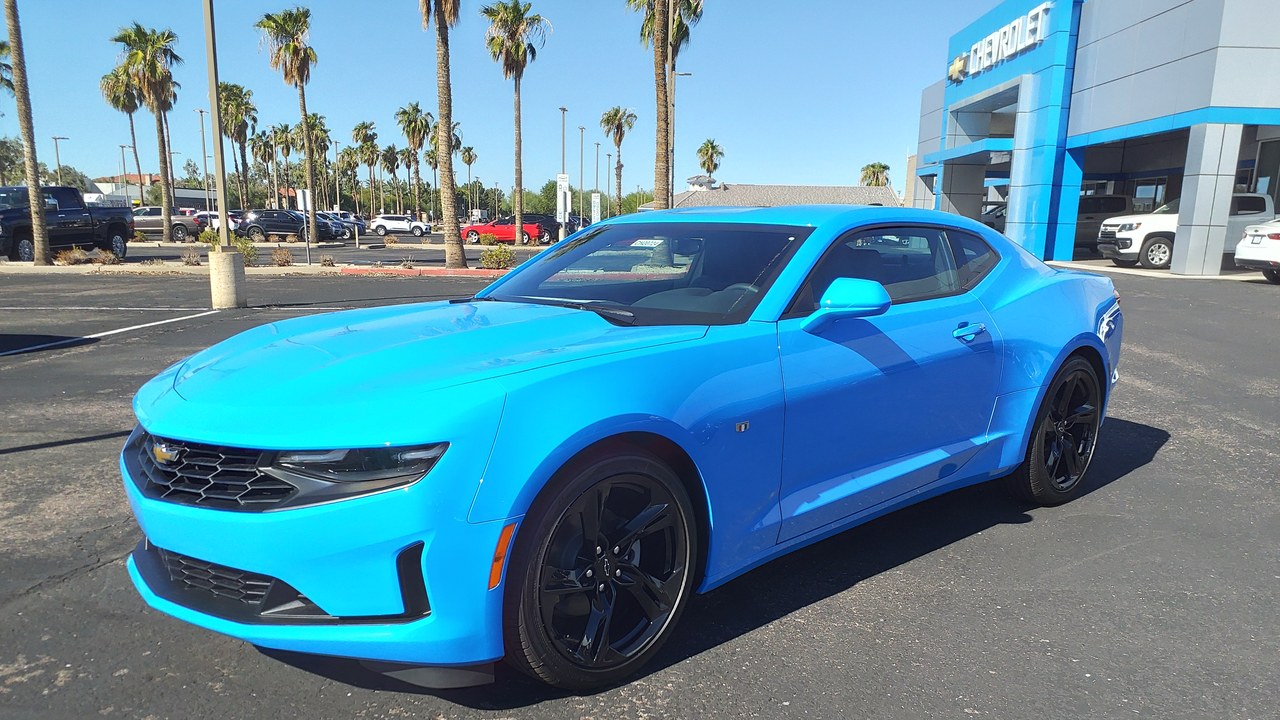
Under the V8 versions of the sixth-generation Camaro sits the same pushrod small-block family that powers the Corvette, mounted on a platform GM also used for the Cadillac ATS. That parts commonality across performance and luxury lines keeps components available and repairs conventional, and the engine architecture avoids the turbochargers and complex valvetrains that make many modern performance cars costly at high mileage.
Production of the generation ended in 2024, so every example is now a used purchase. The car’s persistent criticism concerns outward visibility and cargo space rather than durability, which is a livability complaint rather than a mechanical one.
More from Morning Overview
- A Colorado wildfire has exploded past 87,000 acres with no containment
- A wildfire near Ouray swelled past 18,000 acres, putting Colorado towns on alert
- The Pentagon’s newest UFO files describe a fish-scaled, potato-shaped object on camera
- Scientists spotted a rare tusked whale alive at sea for the first time, then fired a crossbow at it.
