Family haulers get bought for a decade of car seats and soccer runs, then quietly keep working long after the kids move out. A handful of vans and van-shaped wagons earned that reputation through simple engineering, long production runs and fleets that ran them into the hundreds of thousands of miles. Here are nine that stayed in service long after the children grew up.
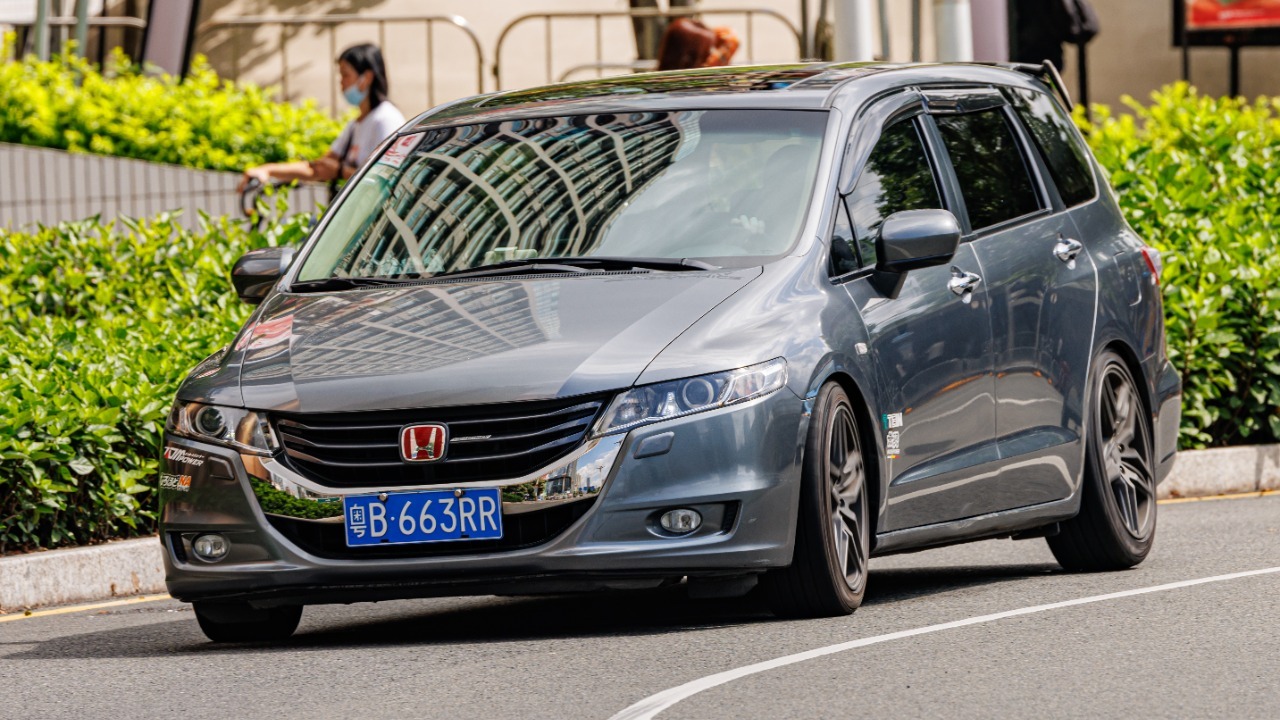
1. Honda Odyssey: Three Decades On The Same Job
<p>Image Credit: Dinkun Chen – CC BY-SA 4.0/Wiki Commons</p>
Honda launched the Odyssey for the 1995 model year as a modest four-cylinder wagon with swing-out doors, then rebuilt it around sliding doors and the J-series V6 that has powered every American version since. The nameplate has run continuously for three decades, and the Alabama-built vans have spent much of that time in daily commuter and shuttle service.
That durability has never been uncomplicated. Automatic transmissions in the early V6 vans failed often enough that Honda extended warranty coverage on them, and the power sliding doors remain a recurring repair line on high-mileage examples. Owners who budget for those two failure points tend to reach the high mileage the van is known for.
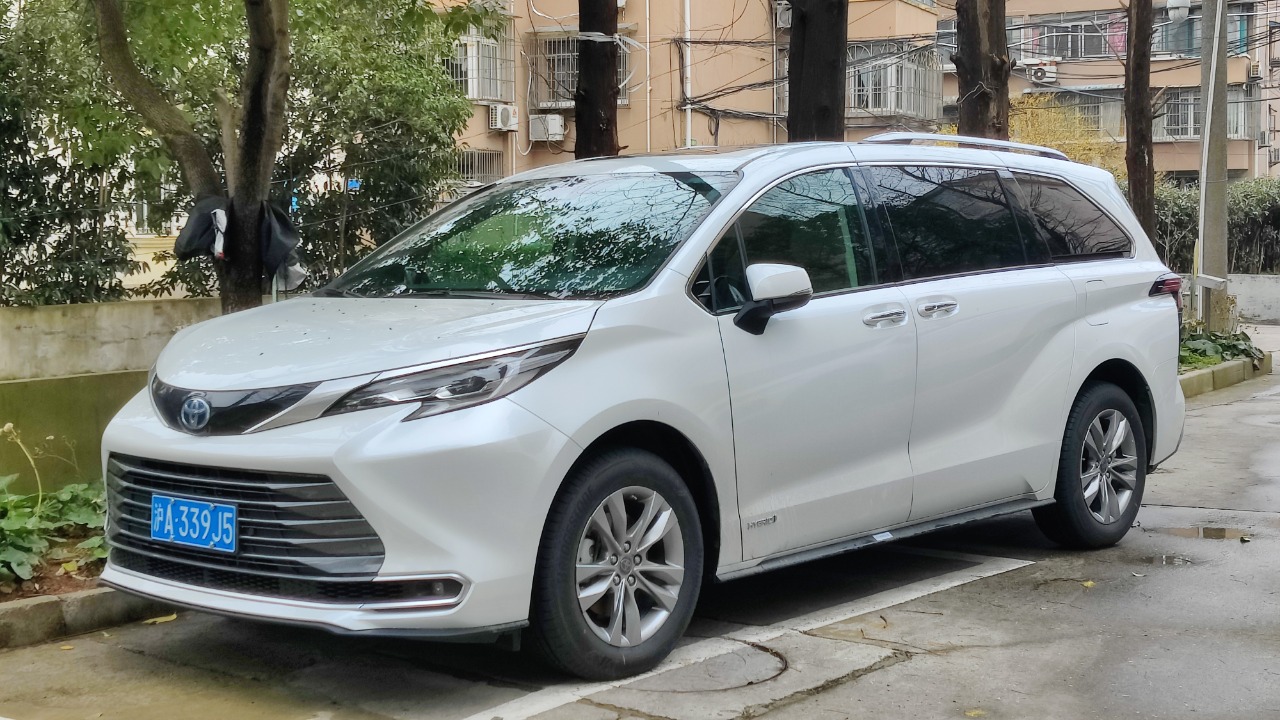
2. Toyota Sienna: All-Wheel Drive Without The Drama
Image Credit: Zotyefan – CC BY-SA 4.0/Wiki Commons
The Sienna replaced the Previa for 1998, an American-built van on a Camry-derived platform with a conventional front-mounted engine. Later generations added all-wheel drive and kept it long after Chrysler abandoned its own all-wheel-drive vans, and the current car dropped the V6 entirely for a hybrid four-cylinder sold in no other configuration.
Reliability that broad still came with asterisks. Some mid-2000s V6 Siennas drew oil-consumption complaints, and the early all-wheel-drive versions carried run-flat tires and no spare, an expensive surprise far from a dealer. The hybrid drivetrain removes both issues but adds a traction battery whose replacement cost is the open question on high-mileage examples.
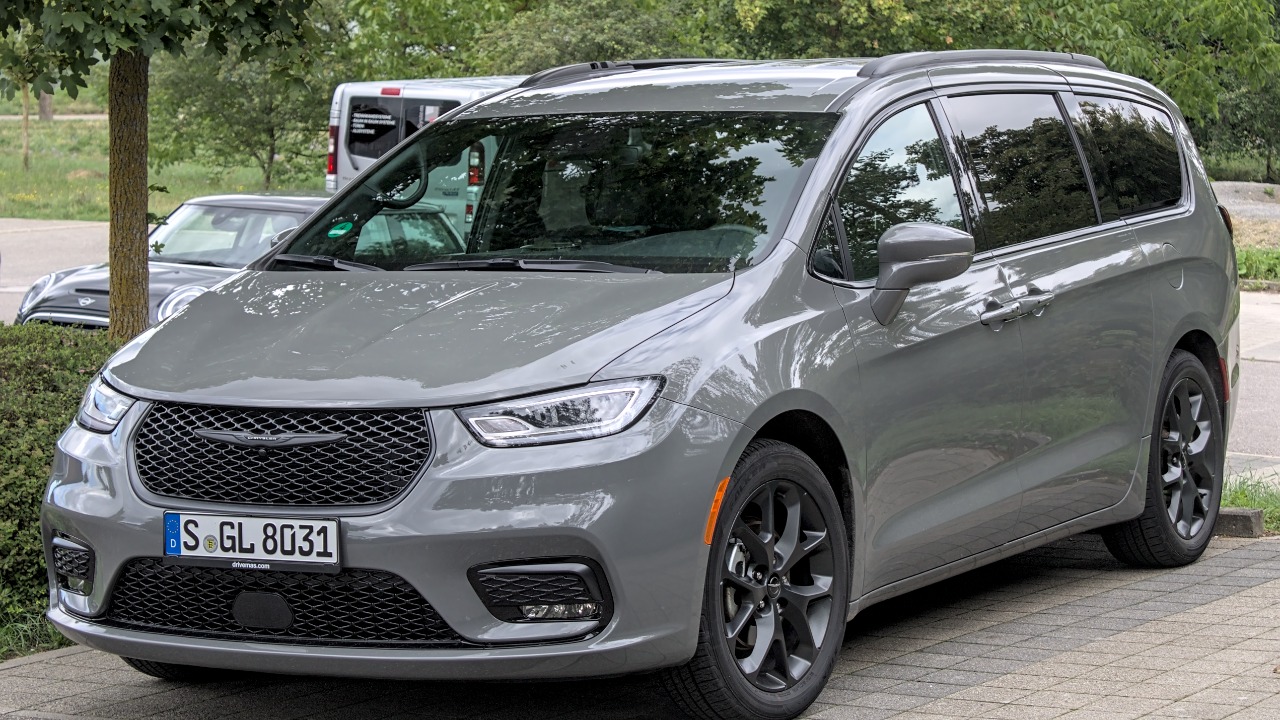
3. Chrysler Pacifica: The Comfortable One With Caveats
Image Credit: Alexander-93 – CC BY-SA 4.0/Wiki Commons
The Pacifica arrived for 2017 to replace the Town & Country, keeping Chrysler’s fold-into-the-floor Stow ‘n Go seating and adding a plug-in hybrid version with roughly 30 miles of electric range. It is assembled in Windsor, Ontario, on the same line that has built Chrysler minivans since the format was invented there.
The trade-offs are specific. Stow ‘n Go bins force thinner second-row cushions than a Sienna’s, and the hybrid gives up the folding second row altogether because the battery occupies that floor space. Chrysler also recalled early hybrids over a fire risk and advised parking them outside until repaired, a reminder that the newest van here has the shortest track record.
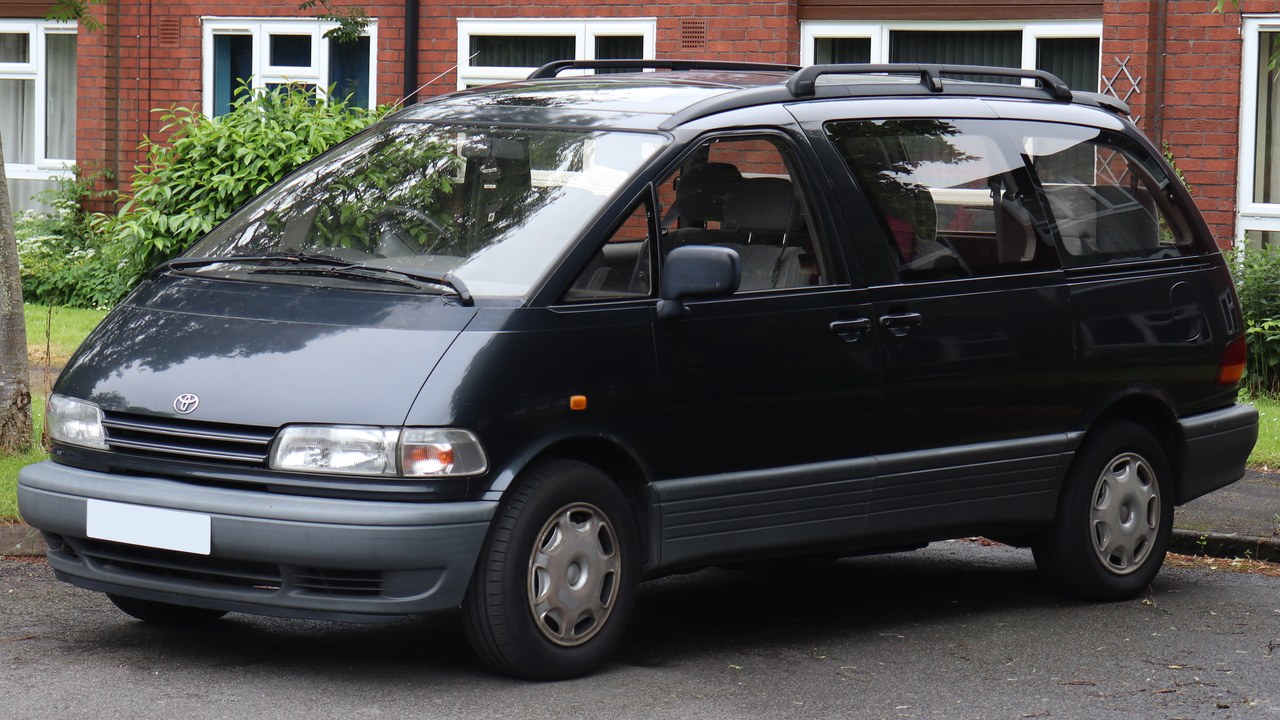
4. Toyota Previa: The Mid-Engine Egg
Image Credit: Vauxford – CC BY-SA 4.0/Wiki Commons
Between 1990 and 1997, North American buyers could order a Previa with its four-cylinder engine laid almost flat beneath the front seats, driving the alternator, water pump and air-conditioning compressor through a shaft running forward to the nose. That mid-engine layout gave the egg-shaped van a low center of gravity and a reputation for grinding out enormous mileage.
The same layout is why survivors are getting harder to keep on the road. Routine service means working through a floor hatch rather than under a hood, so shop labor runs high, and Toyota ended North American sales in 1997, handing the segment to the conventional front-drive Sienna.
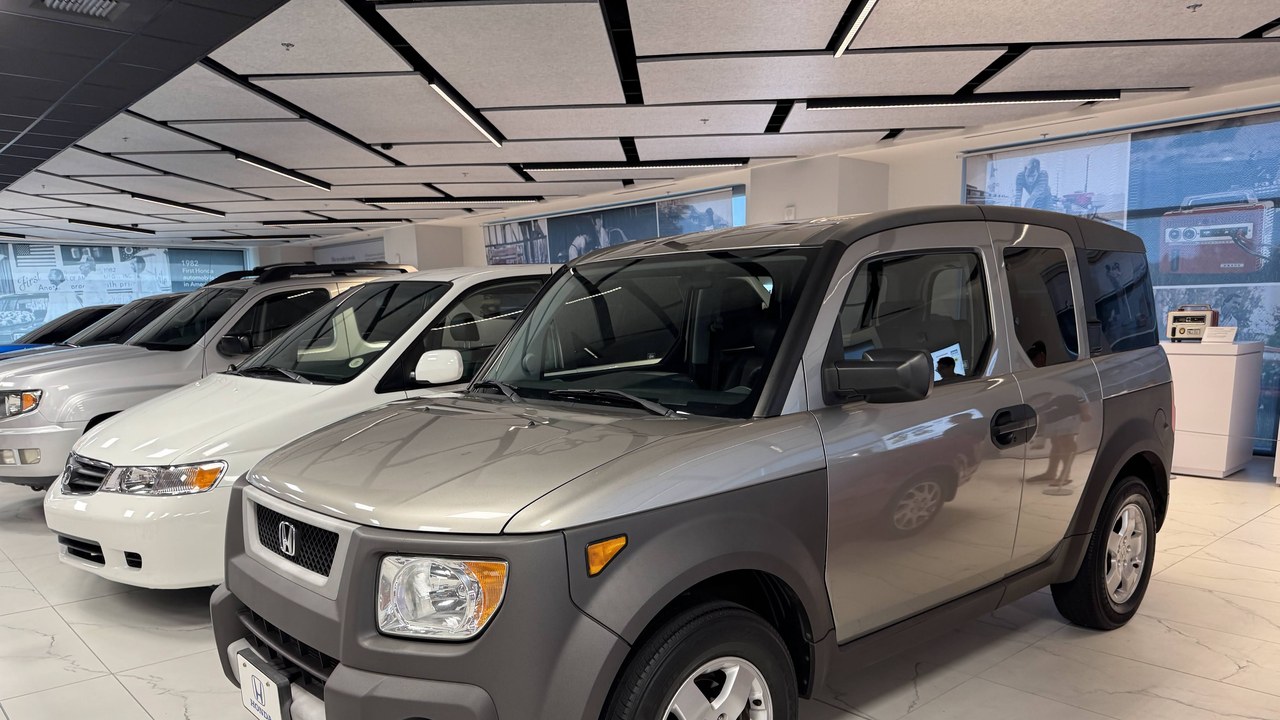
5. Honda Element: Built To Be Hosed Out
Image Credit: 24woe – CC BY-SA 4.0/Wiki Commons
Built from 2003 to 2011 on CR-V mechanicals, the Element paired Honda’s 2.4-liter four-cylinder with a boxy body, rear-hinged clamshell side doors and no center pillar. The cabin was designed to be hosed out, with a urethane-coated floor and seats that fold flat or lift against the walls, which is why many survive as gear wagons.
Practicality has limits here. The rear doors cannot open unless the front doors open first, seating stops at four, and Honda ended production in 2011 after sales fell well short of the young buyers it was aimed at. Even so, the running gear is ordinary Honda hardware, which keeps a tired example worth repairing rather than scrapping.
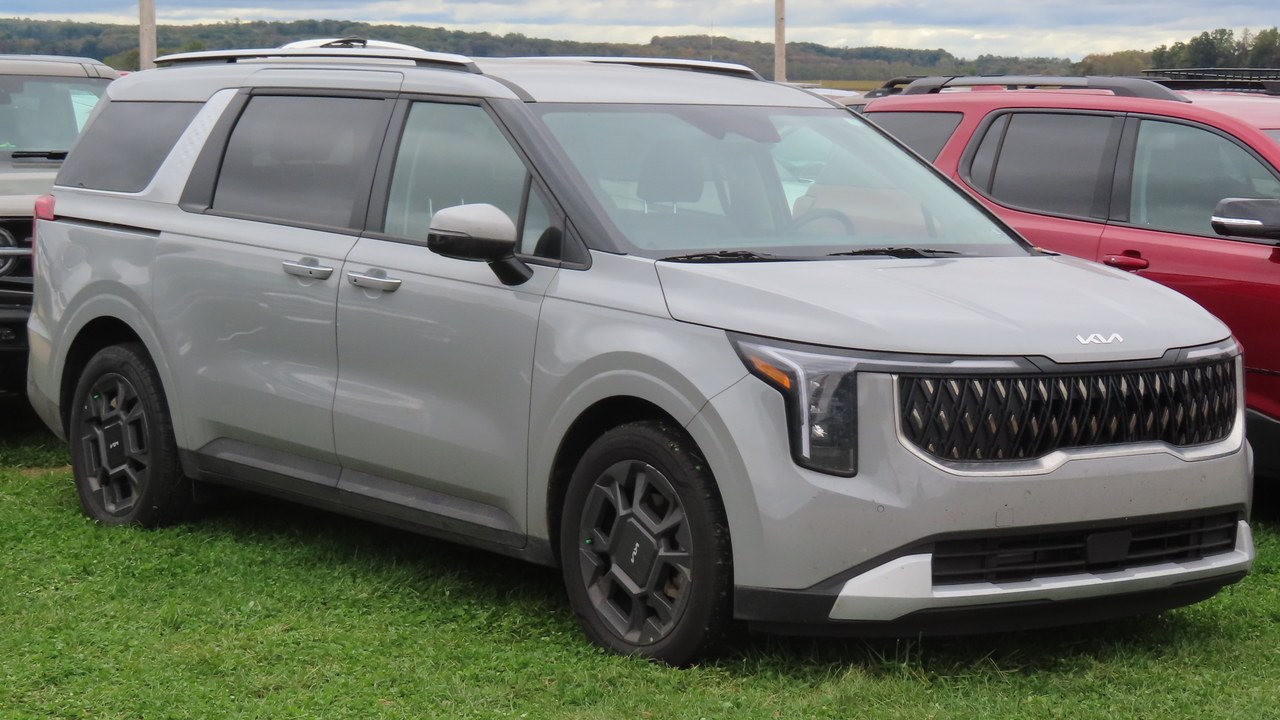
6. Kia Carnival: The Long-Warranty Newcomer
Image Credit: MercurySable99 – CC BY-SA 4.0/Wiki Commons
Kia renamed its minivan the Carnival in North America for 2022, replacing the Sedona with a longer body, a 3.5-liter V6 and, from 2025, a hybrid option. Kia backs it with a 10-year, 100,000-mile powertrain limited warranty for the original owner, far longer than the five-year powertrain terms its rivals offer.
The warranty is not a durability record. The Carnival has been on sale only a few years, its hybrid system fewer still, and the transferable portion of that coverage drops sharply for a second owner. Buyers treating it as a long-haul van are betting on Kia’s recent build quality rather than on decades of accumulated evidence.
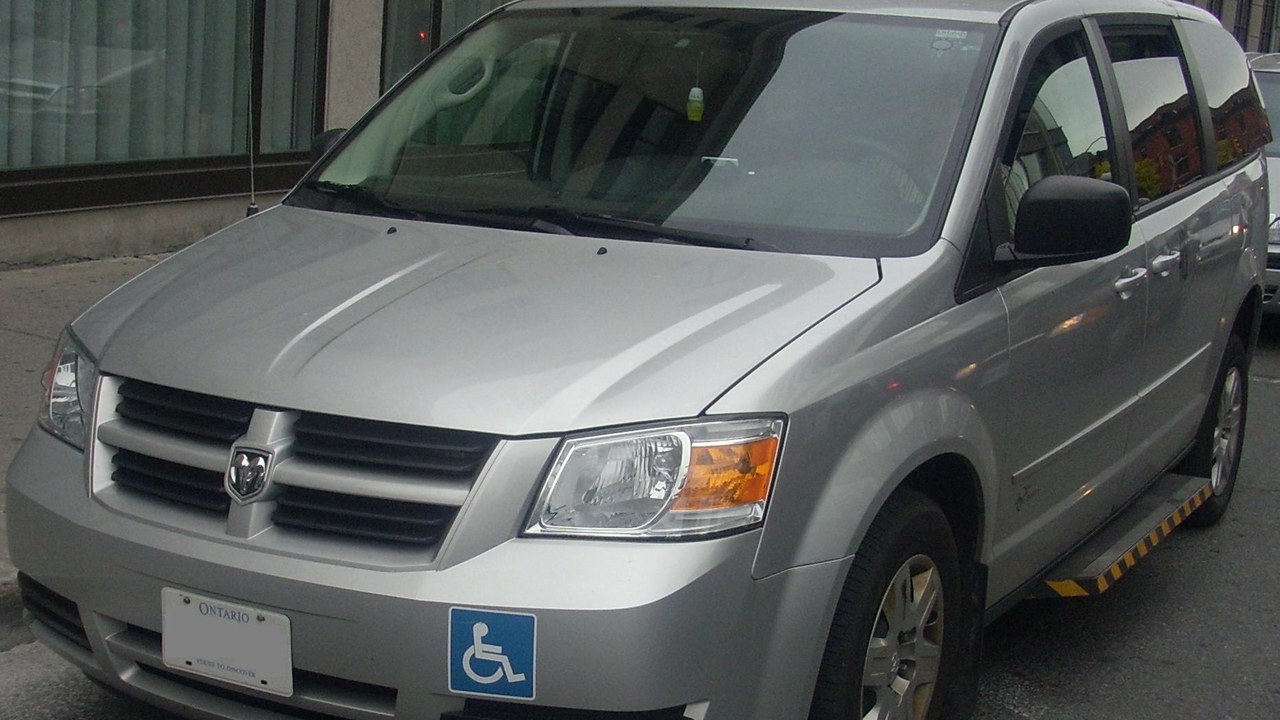
7. Dodge Grand Caravan: The Everyman Van In Every Fleet
Image Credit: Bull-Doser – Public domain/Wiki Commons
Dodge stretched the Caravan into the Grand Caravan in 1987 and kept selling it until 2020. The formula never got exotic: a pushrod or overhead-cam V6, front-wheel drive, and from 2005 the Stow ‘n Go seats that disappear into the floor. Taxi fleets, wheelchair converters and rental lots bought them by the thousand.
Longevity here is a function of parts supply rather than precision engineering. Chrysler’s early four-speed automatics were a notorious weak point, and the fold-flat seats trade cushioning for cargo space. What kept the vans running was ubiquity: any shop knows them, and used components are everywhere.
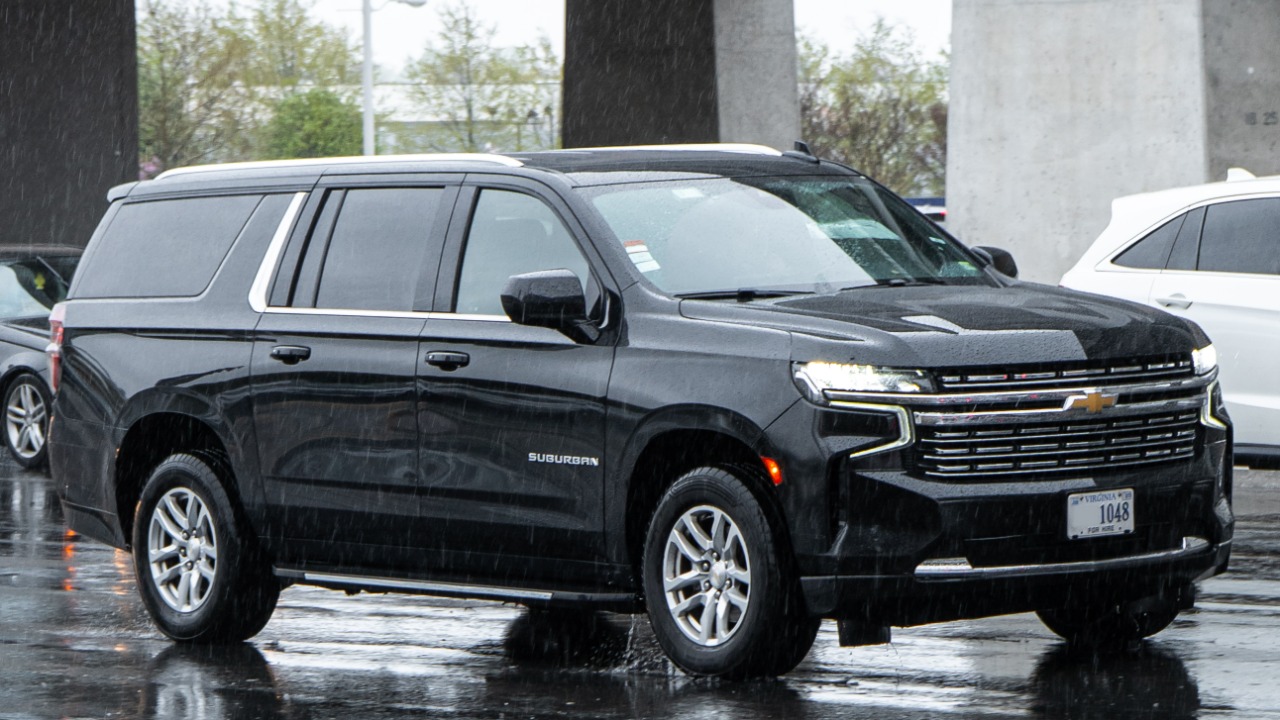
8. Chevrolet Suburban: The Nameplate That Outlived The Rest
Image Credit: OWS Photography – CC BY 4.0/Wiki Commons
The Suburban name has been in use since 1935, making it the longest-running automobile nameplate in continuous production. Body-on-frame construction, truck engines and a chassis shared with the pickup line mean parts are cheap and every shop has seen one. Government motor pools, airport shuttles and livery operators still buy them by the fleet.
The costs are the obvious ones. A Suburban is longer and thirstier than the front-drive vans here, it parks like the truck it is, and the newest generation’s independent rear suspension adds hardware the old solid axle never needed. The exchange is a drivetrain designed for towing that treats family duty as light work.
9. Ford Transit Connect: A Work Van In Family Clothes
Image Credit: Kolforn (Kolforn) I’d appreciate – CC BY-SA 4.0/Wiki Commons
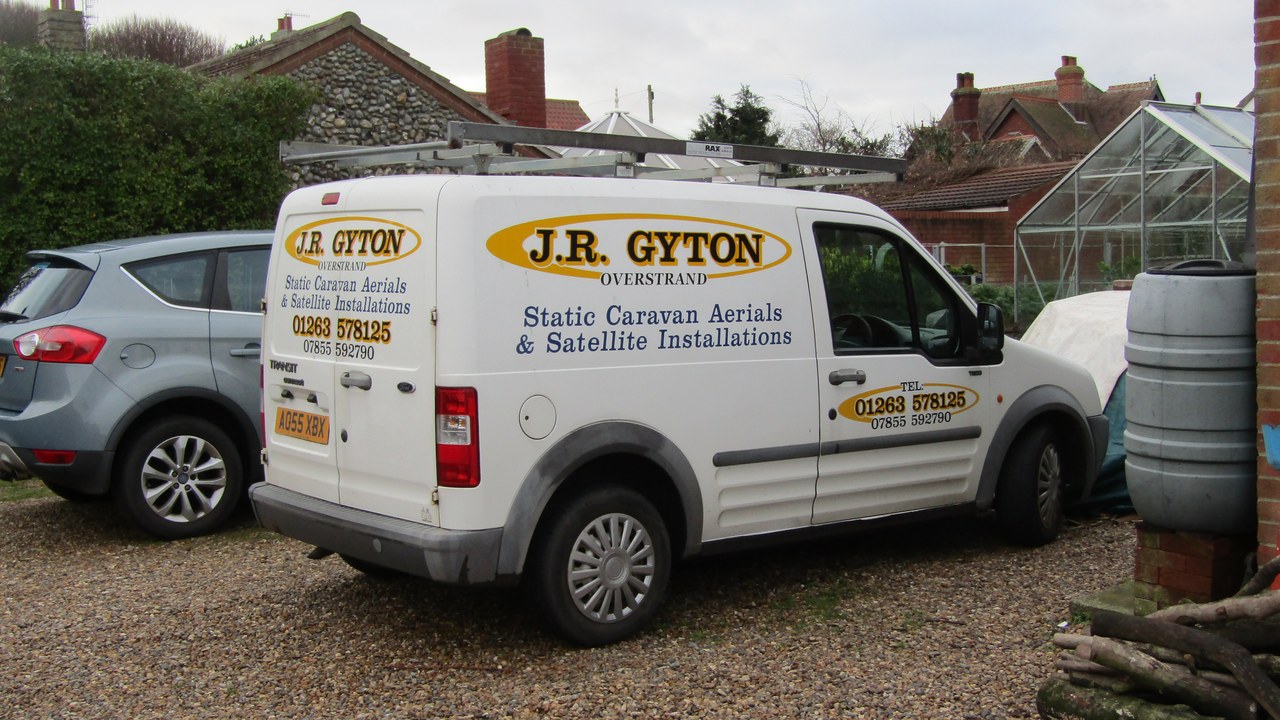
Europe got the Transit Connect in 2002; North America waited until 2010, when Ford imported the Turkish-built van in passenger form to satisfy tariff rules before conversion. Plumbers, florists and municipal fleets ran them on short, hard duty cycles, and the wagon version added windows and rear seats without changing the commercial underpinnings.
That commercial DNA cuts both ways. Ride quality, insulation and seat comfort trail every purpose-built minivan here, and Ford stopped selling the Transit Connect in North America after 2023, which narrows dealer support over time. The upside is a van engineered for daily loading and unloading rather than occasional vacations.
More from Morning Overview
Morning Overview is reader-supported. Some links in our articles are affiliate links, and we may earn a commission at no extra cost to you. As an Amazon Associate I earn from qualifying purchases. Full disclosure.