
Luxury sedans arrive with long option lists, and the second owner rarely pays for any of it. Complex electronics, proprietary parts and short model cycles push a used flagship’s price down faster than the badge suggests. Here are eight luxury cars whose resale value tends to fall hardest in the first few years of ownership.
1. BMW 7 Series: The Gadget Tax Comes Due
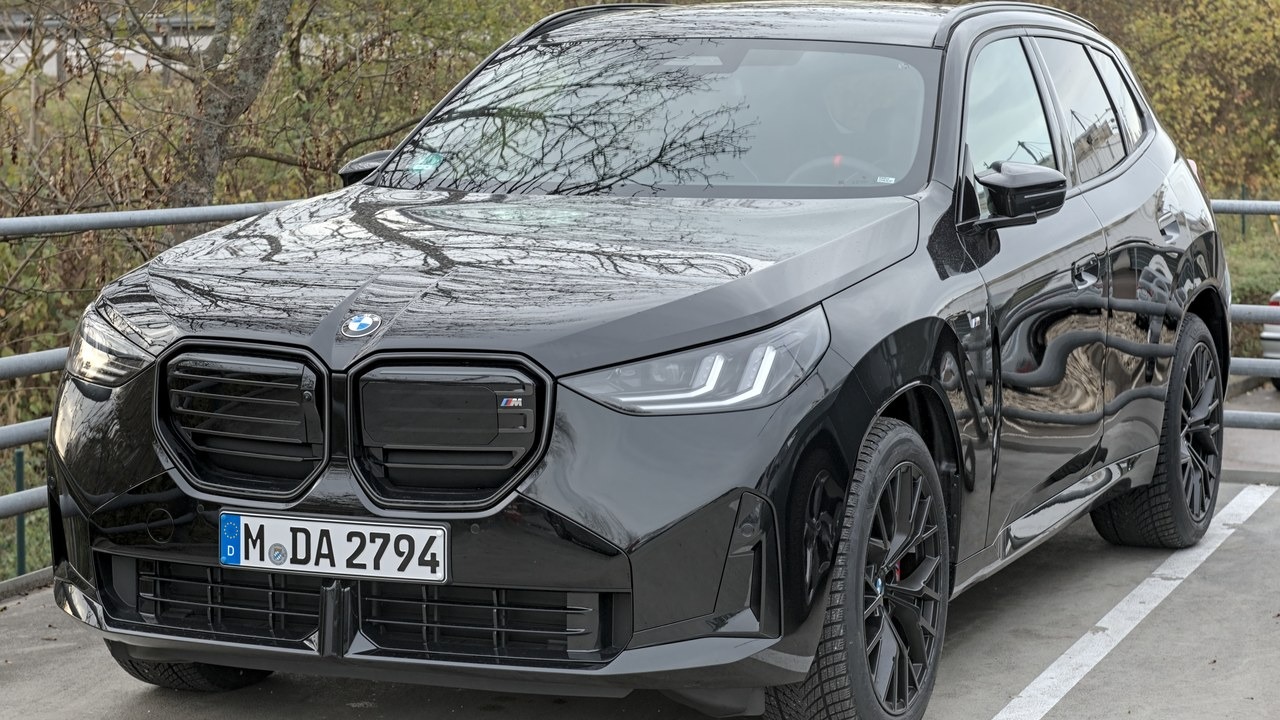
BMW builds the 7 Series as its technology showcase, which is exactly why the used market discounts it. Every gadget that justified the six-figure sticker, from rear-seat entertainment to air suspension, becomes an out-of-warranty liability once BMW’s flagship sedan moves into its next generation. Second owners shop on running costs, not on launch-day features.
The buyer pool shrinks accordingly. A used 7 Series competes for a small group of shoppers who want a large German sedan and can absorb dealer labor rates on a car carrying dozens of electronic modules. Sellers usually meet that reality with a lower asking price.
2. Mercedes-Benz S-Class: Yesterday’s Innovation, Today’s Discount
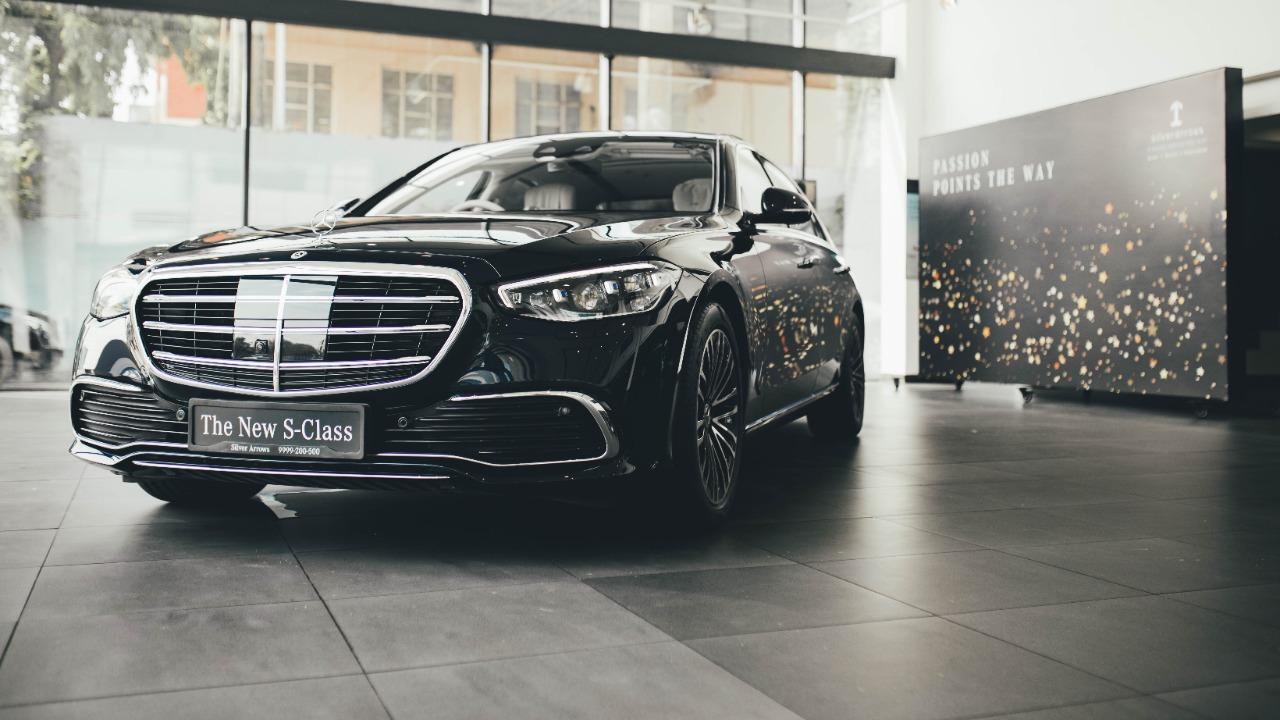
Mercedes introduces its newest driver aids on the S-Class first, then filters them down to cheaper models within a few years. That trickle-down is what erodes the price: the feature that made the S-Class flagship extraordinary in year one is standard on a compact sedan by year four, so the older car no longer commands a premium.
Maintenance does the rest. Air suspension struts, twin-turbo V8 service and dense electronics rarely stay cheap after the warranty lapses, and independent shops charge accordingly. Buyers who want the badge often stretch to a newer used example instead, leaving the previous generation to sell on price alone.
3. Audi A8: A Thin Market For A Big Sedan
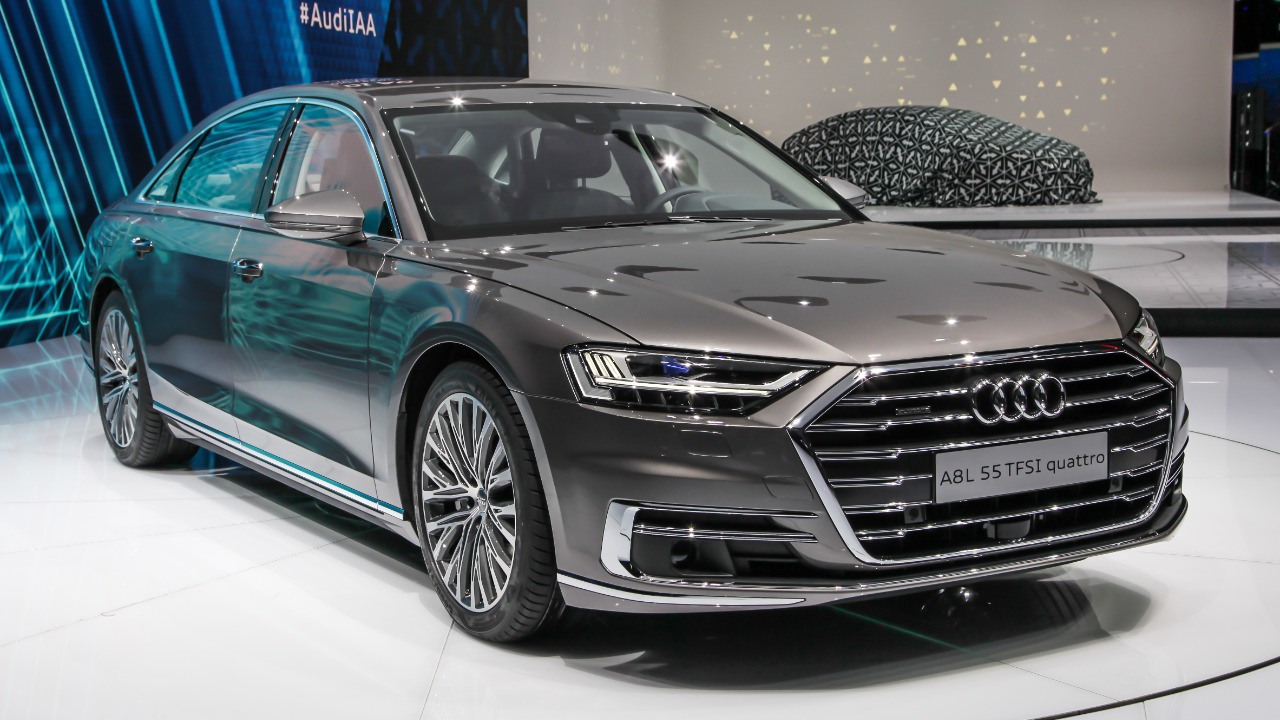
Few large sedans date as visibly as Audi’s aluminum-bodied flagship. The A8 sells on screens, matrix lighting and driver-assistance hardware, all of which look ordinary once the next facelift arrives, and none of which a used-car shopper will pay extra for. Its quattro drivetrain and air suspension also make it an expensive car to keep running once the warranty ends.
There is also a volume problem. Audi sells far fewer A8s than it does compact sedans and crossovers, so used listings compete against each other in a thin market where one motivated seller sets the going rate. Low demand plus high running costs is the standard recipe for a steep price slide.
4. Maserati Quattroporte: Exotic Badge, Ordinary Buyers
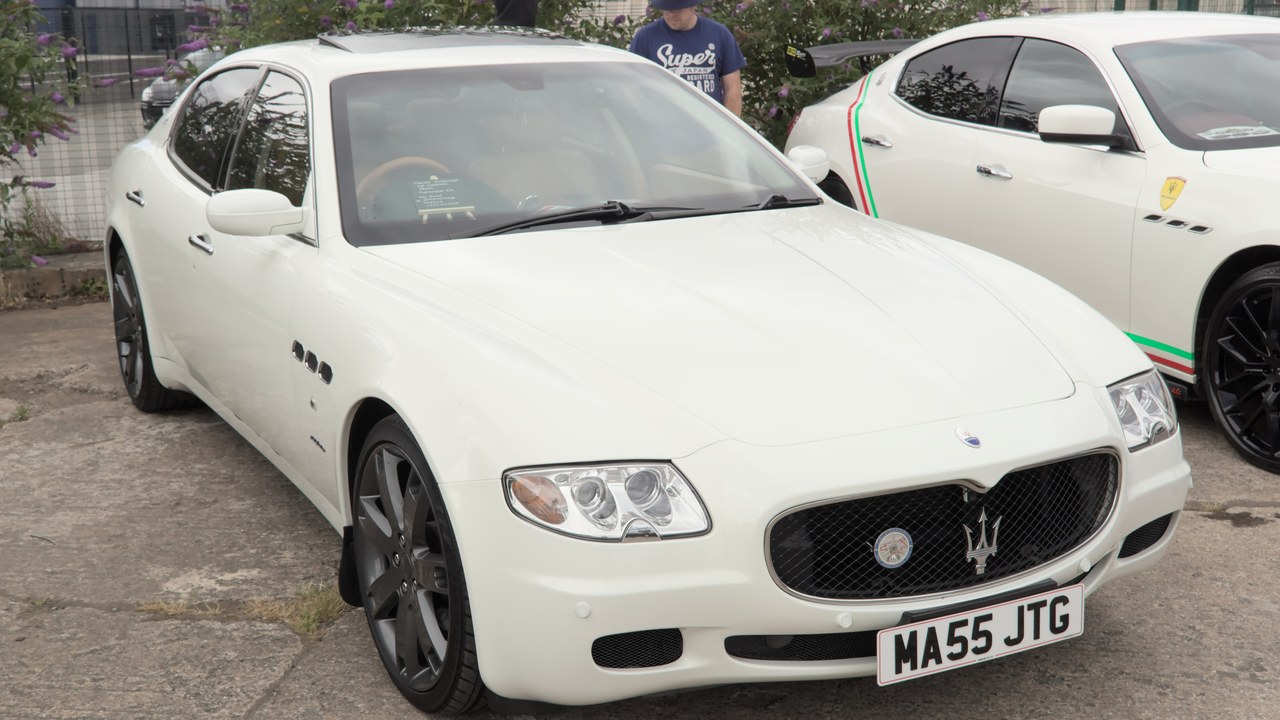
Exotic badges do not guarantee strong resale, and the Quattroporte is the standing example. Maserati’s four-door carries Italian performance engineering and a dealer network a fraction the size of its German rivals’, which means service appointments involve long drives and specialist rates. Prospective second owners weigh that against a used German sedan and negotiate hard.
Lease returns compound the discount. Luxury flagships are often leased rather than bought outright, so low-mileage examples land on the used market in waves and compete with one another. Add the risk of an expensive out-of-warranty repair, and the asking price has to fall before a buyer will take the car on.
5. Jaguar XJ: The Flagship That Ended
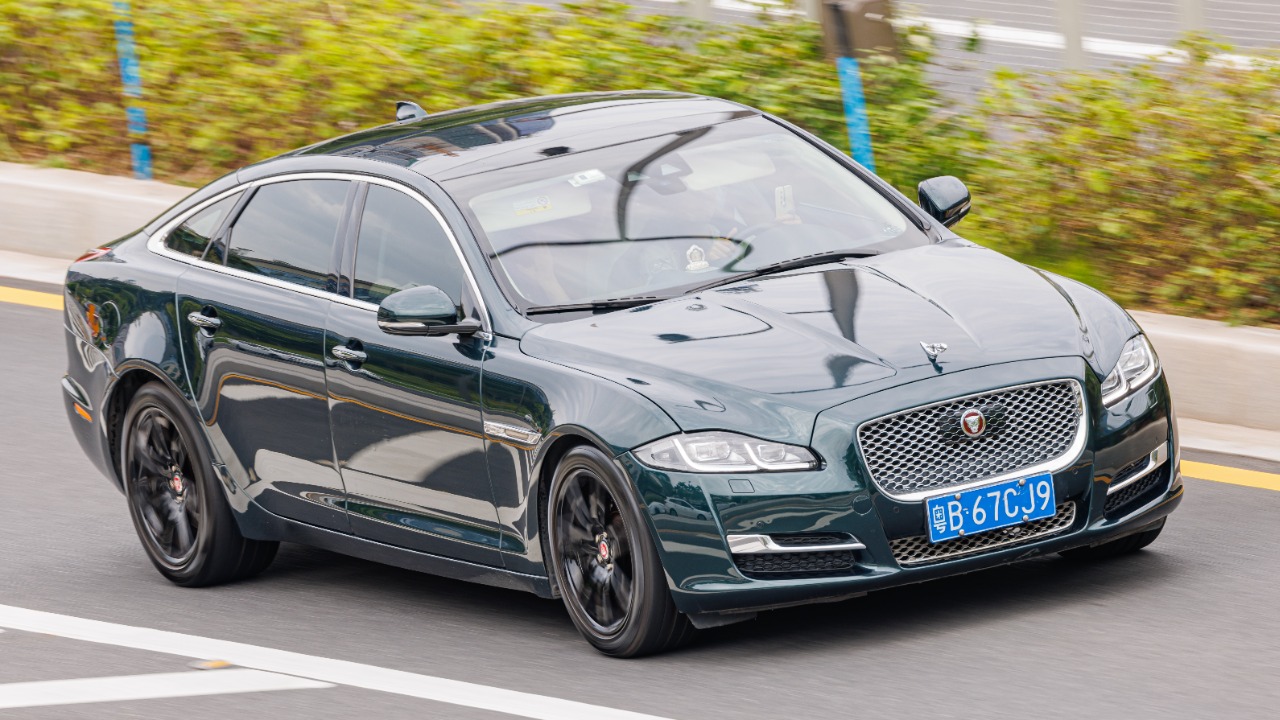
Jaguar’s last full-size sedan was an aluminum-bodied car built in small numbers against enormous German rivals. The X351 generation ran for roughly a decade with modest updates, so late cars look much like early ones and buyers see little reason to pay extra for a newer year. Add a brand reputation for costly electrical and suspension repairs, and used prices settle low.
Discontinuation seals it. Jaguar ended XJ production without a direct replacement, which removes the halo that keeps an outgoing flagship’s price supported and leaves owners inside a narrowing parts and service ecosystem. Enthusiasts get a striking car for a modest sum; the original buyer absorbed the difference.
6. Cadillac CT6: Orphaned Before Its Time
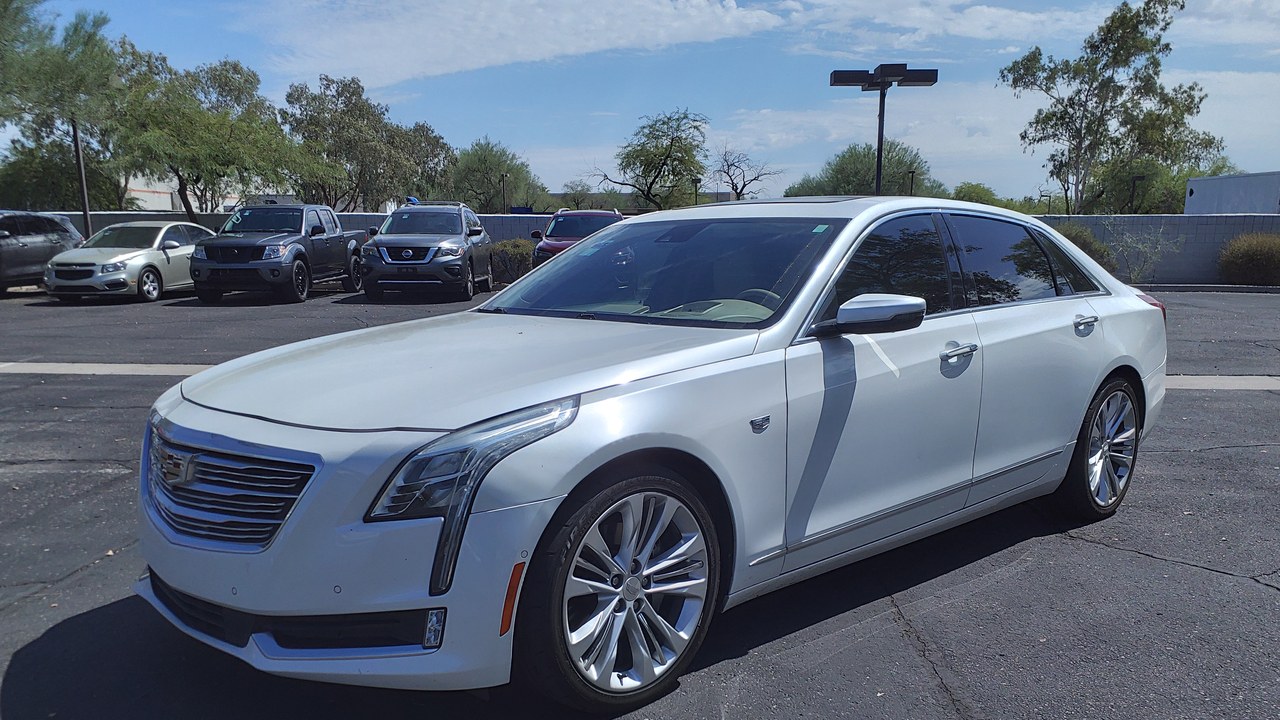
Cadillac’s CT6 was on sale for only a few model years in the United States before production ended, and a discontinued flagship is a hard car to resell. It arrived priced against German rivals without the badge equity to match, so it discounted when new and kept discounting used. Short production runs also mean fewer shops that know the car well.
The specification made it worse. Many examples left the factory with a twin-turbo V6 or plug-in hybrid drivetrain and a long list of electronics, and used buyers avoid orphaned powertrains with an uncertain parts pipeline. What is left is a capable large sedan trading well below what its first owner paid.
7. Lincoln Continental: A Revival Without Residuals
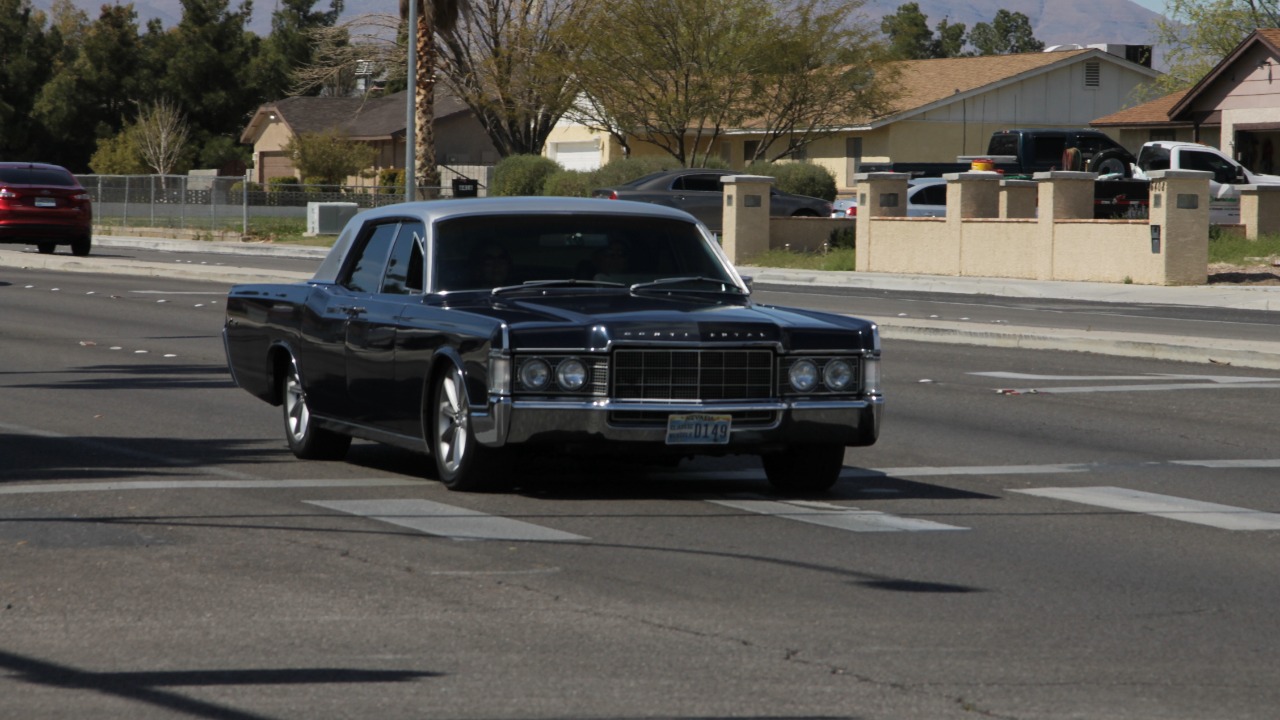
Reviving a famous badge does not guarantee residual value. Lincoln brought back the Continental nameplate as a front-wheel-drive flagship just as luxury buyers were migrating to SUVs, then ended production after a short run. A car that is no longer built loses the one thing that props up used prices, which is a current version for it to be compared against.
Options make it worse. Heavily optioned Black Label examples cost far more new, yet the second owner assigns almost no value to the upgrade package, so the expensive car and the plain one converge on a similar used price. The Continental is now a comfortable bargain, which is precisely the problem for whoever bought it first.
8. Porsche Panamera: The Options List Vanishes
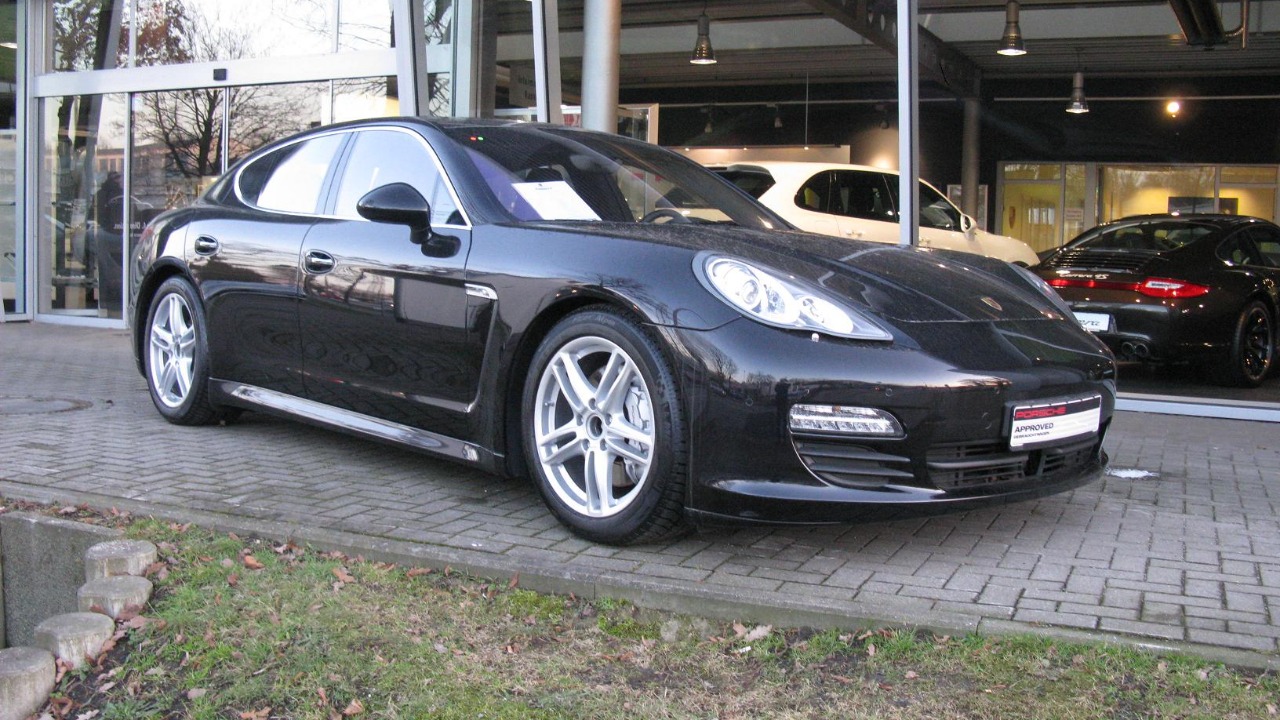
Porsche’s options list is where the money disappears. A new Panamera is routinely specified with tens of thousands of dollars of leather, ceramic brakes, rear-axle steering and custom paint, and the used market treats nearly all of it as free equipment. A heavily optioned car and a modest one land in a similar price band a few years later.
Depreciation is not uniform across the range. High-volume V6 cars in common colors sink hardest, while scarcer variants hold their value better, and Porsche’s sports cars behave differently again. The caveat for bargain hunters is that a cheap used Panamera still carries flagship running costs, including brakes, air suspension and tires priced for a two-ton performance sedan.
More from Morning Overview
