
Engine longevity is rarely an accident. It usually traces to specific decisions: an iron block, a timing chain instead of a belt, modest output from generous displacement, or a design left in production long enough for its weak points to be engineered out. Here are nine vehicles whose engines earned that reputation, and the mechanical reasons behind it.
1. Toyota Supra (2JZ): Iron Block, Closed Deck
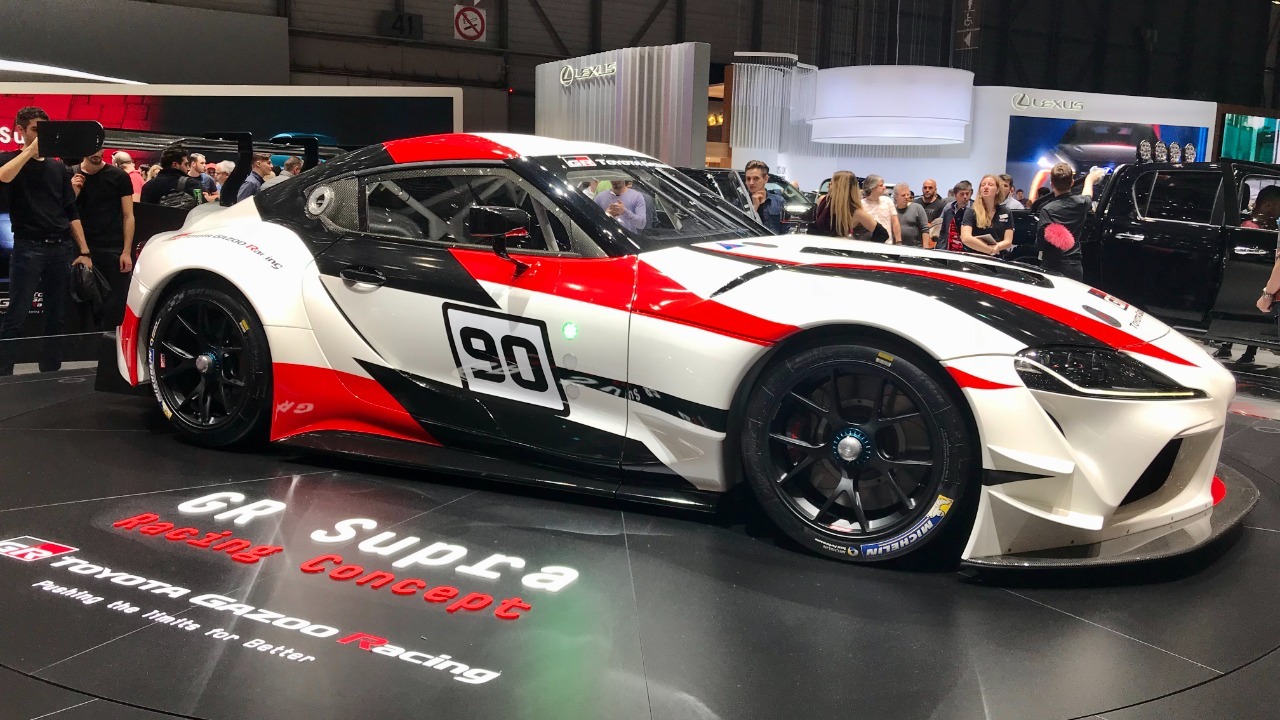
The fourth-generation Supra arrived in 1993 built around the 2JZ, a 3.0-liter inline-six with a cast-iron block and a closed-deck design far stronger than its factory output demanded. In twin-turbocharged 2JZ-GTE form it ran sequentially staged turbochargers and belt-driven twin overhead camshafts, and tuners soon found the bottom end would absorb boost pressures the showroom car never saw. That structural surplus is why the A80 Supra still fills drag-strip staging lanes.
The reputation now works against buyers: clean examples sell at collector prices, and many survivors were modified long ago, well past the specification that made the engine famous.
2. Lexus LS 400 (1UZ): Overengineered On Purpose
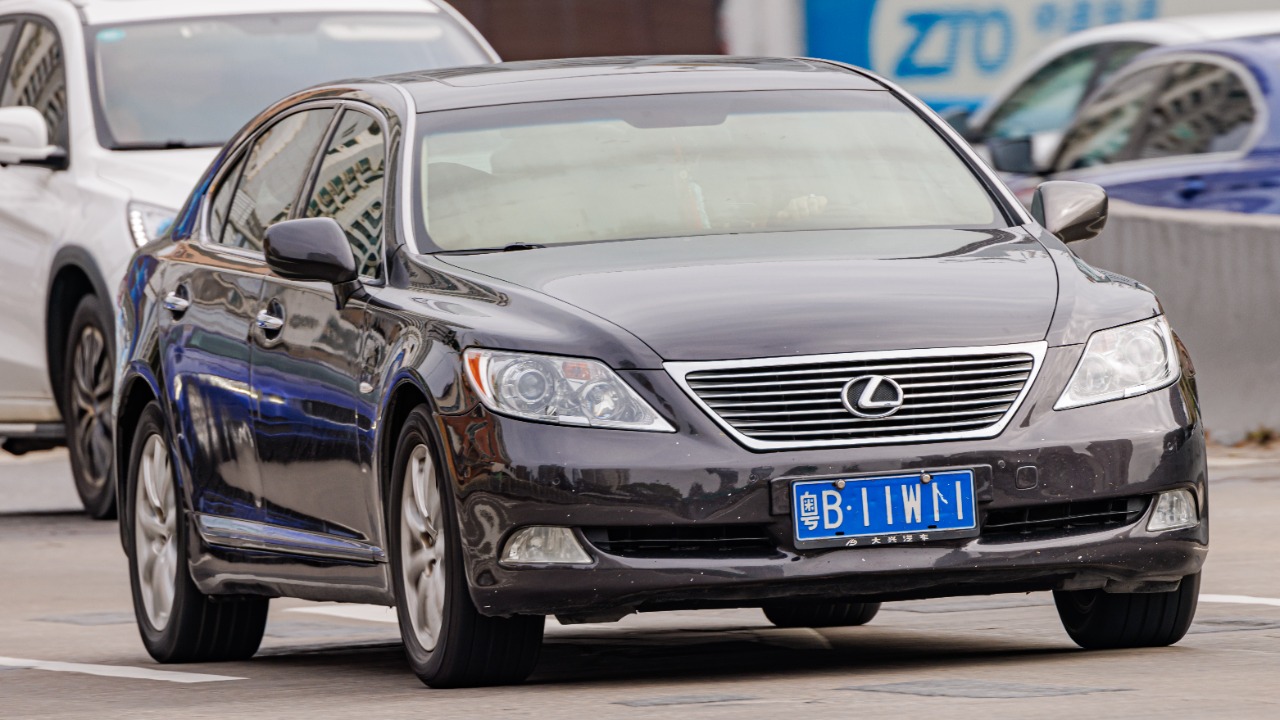
Lexus opened for business in 1989 with the LS 400 and the 1UZ-FE, an all-aluminum 4.0-liter V8 carrying four camshafts and 32 valves. Toyota held assembly tolerances unusually tight for a mass-produced engine, and the resulting smoothness became the centerpiece of the sedan’s launch advertising. Versions of the 1UZ stayed in production into the 2000s, which is part of why the first Lexus sedan remains a favorite donor for engine swaps.
One caveat rides along with the design, because the camshafts are belt-driven and that belt is a scheduled replacement rather than a lifetime part; neglected cars fail for reasons the engine never caused.
3. Honda Civic (B/K series): Two Families, One Reputation
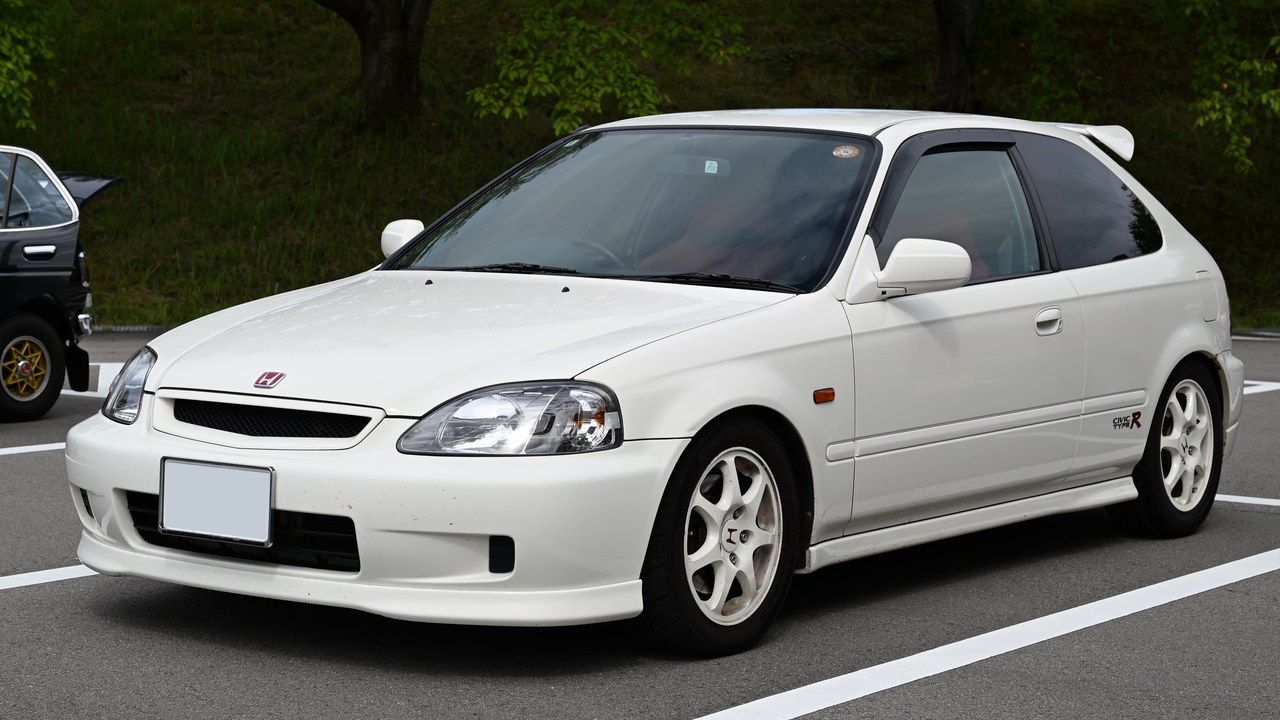
Honda’s B-series appeared at the end of the 1980s with dual overhead camshafts, variable valve timing and a redline that embarrassed far larger engines; the K-series replaced it in the early 2000s and swapped the timing belt for a chain. Both families pair an aluminum block with cast-iron cylinder liners, construction that tolerates the sustained high revolutions Honda designed them to reach. Decades of swaps into track cars and older chassis made the compact Honda a parts-bin standard.
The engines routinely outlast their surroundings, which is the practical catch: rust, tired suspension and a worn interior usually retire these cars while the powertrain is still healthy.
4. Toyota Corolla: Deliberately Unstressed
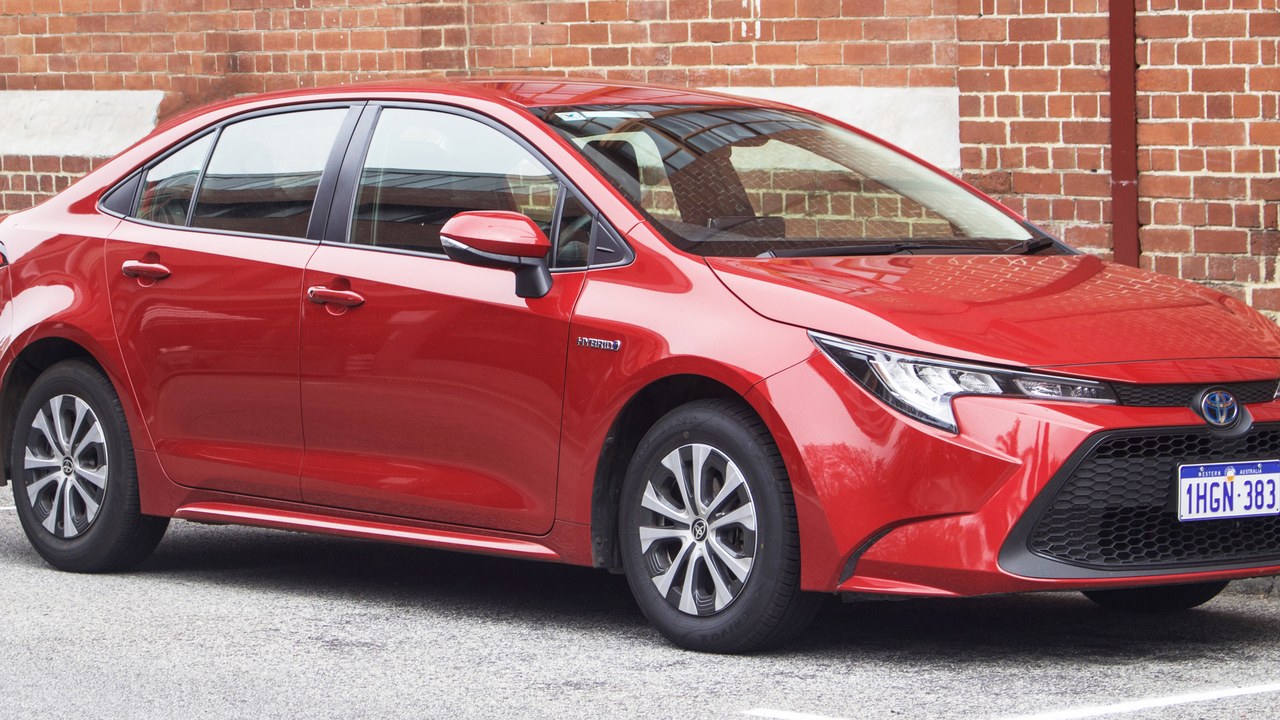
More than fifty million Corollas have left Toyota’s factories since 1966, and the company reached that number by keeping the engines deliberately unstressed. The A-series fours gave way to the 1ZZ and then the 2ZR, each producing ordinary output from ordinary displacement with no turbocharger anywhere in the range. Volume brings its own advantage, since almost every independent shop has serviced the Corolla nameplate many times over.
What the reliability costs is money at purchase rather than at the repair shop, because the used market prices the reputation in and genuinely cheap high-mileage examples are hard to find.
5. Toyota Land Cruiser: Built For Places Without Dealers
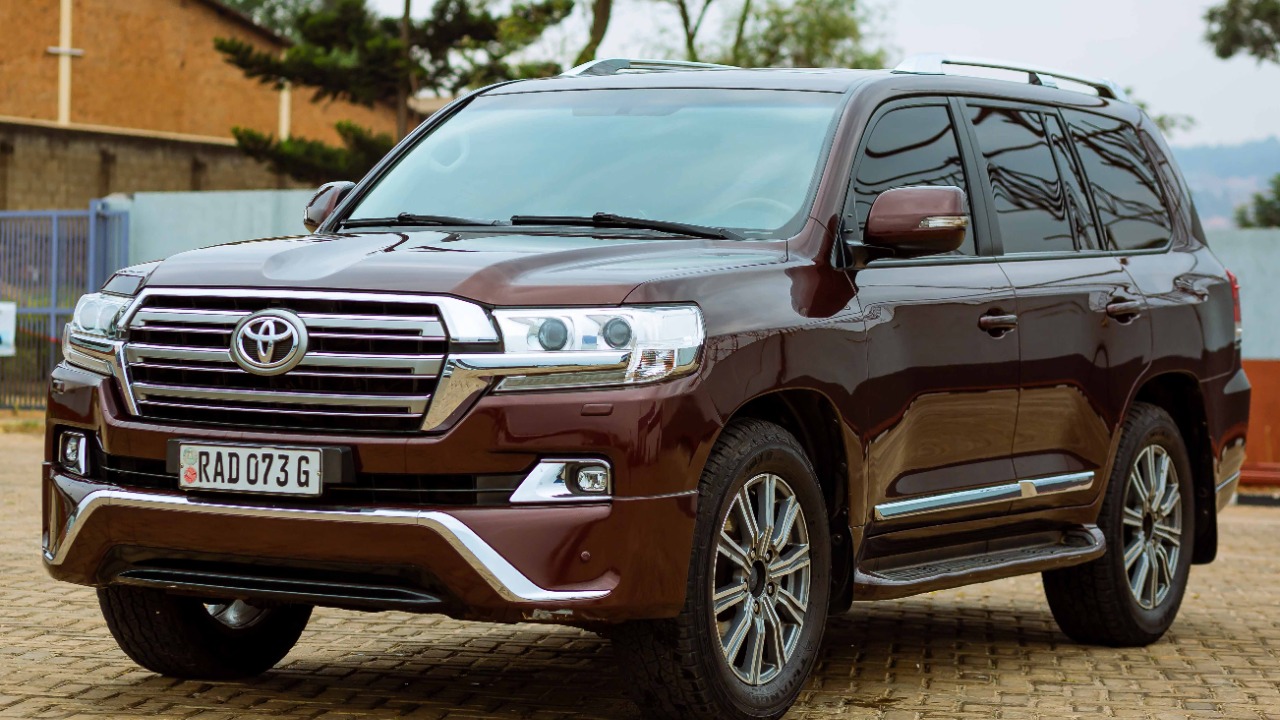
Toyota has assembled Land Cruisers since the early 1950s, and the engines behind the reputation are straight-sixes: the 4.5-liter 1FZ-FE gasoline unit of the 80 Series and the 4.2-liter 1HZ diesel that served the 70 Series for decades. That diesel is deliberately primitive, with an iron block, mechanical injection and no turbocharger, which leaves it serviceable far from any dealer network. Mining operations and aid fleets kept ordering the 70 Series long after it vanished from Western showrooms.
American buyers mostly saw the gasoline versions, since the toughest diesel variants were never federalized for sale in the United States and can arrive only as aged imports.
6. Honda Accord: The K24 Did The Work
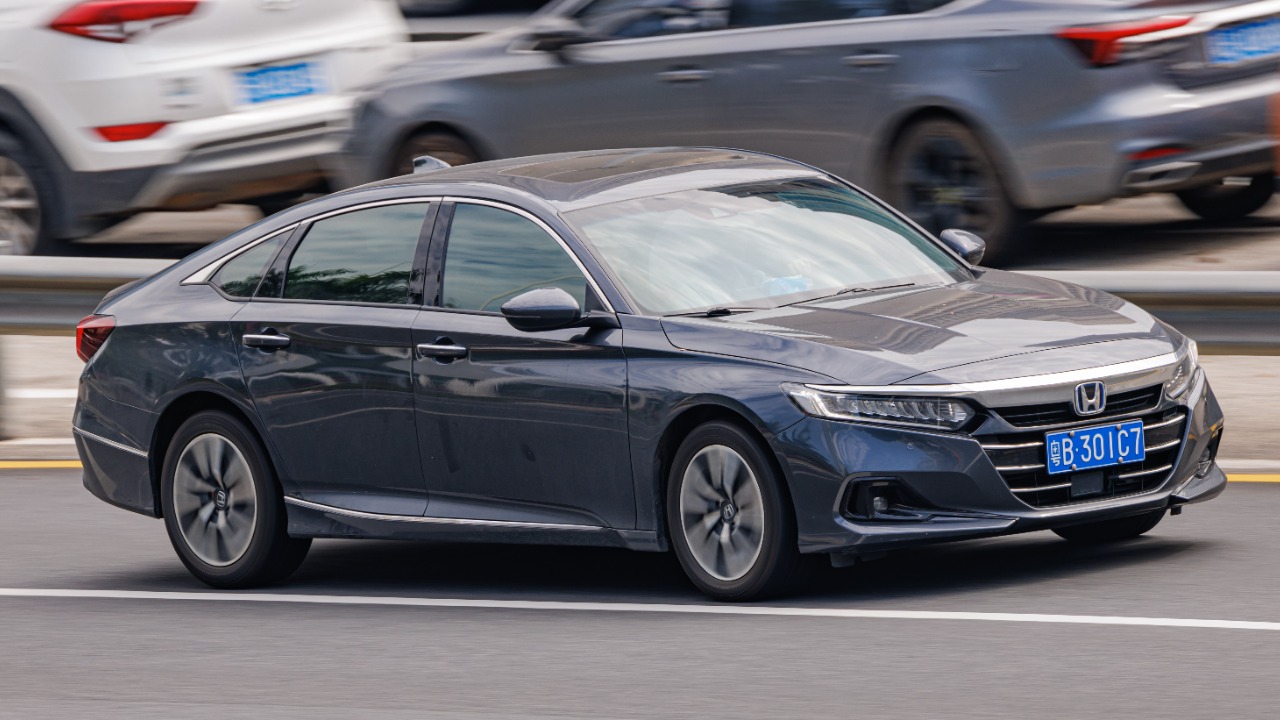
Underneath two decades of Accords sits the K24, a 2.4-liter four with an aluminum block, iron cylinder liners and a timing chain in place of a belt. The chain removes the scheduled replacement that ends neglected engines, and the same architecture turned up in CR-Vs, Elements and several Acura models, spreading the parts supply unusually wide. Assembly in Ohio since 1982 built a domestic service network around Honda’s Ohio-built sedan.
Anyone chasing that record should still inspect the transmission, suspension and cooling system, since those parts wear on a schedule while the engine largely does not.
7. Mercedes-Benz 300D (OM617): Five Cylinders, No Electronics
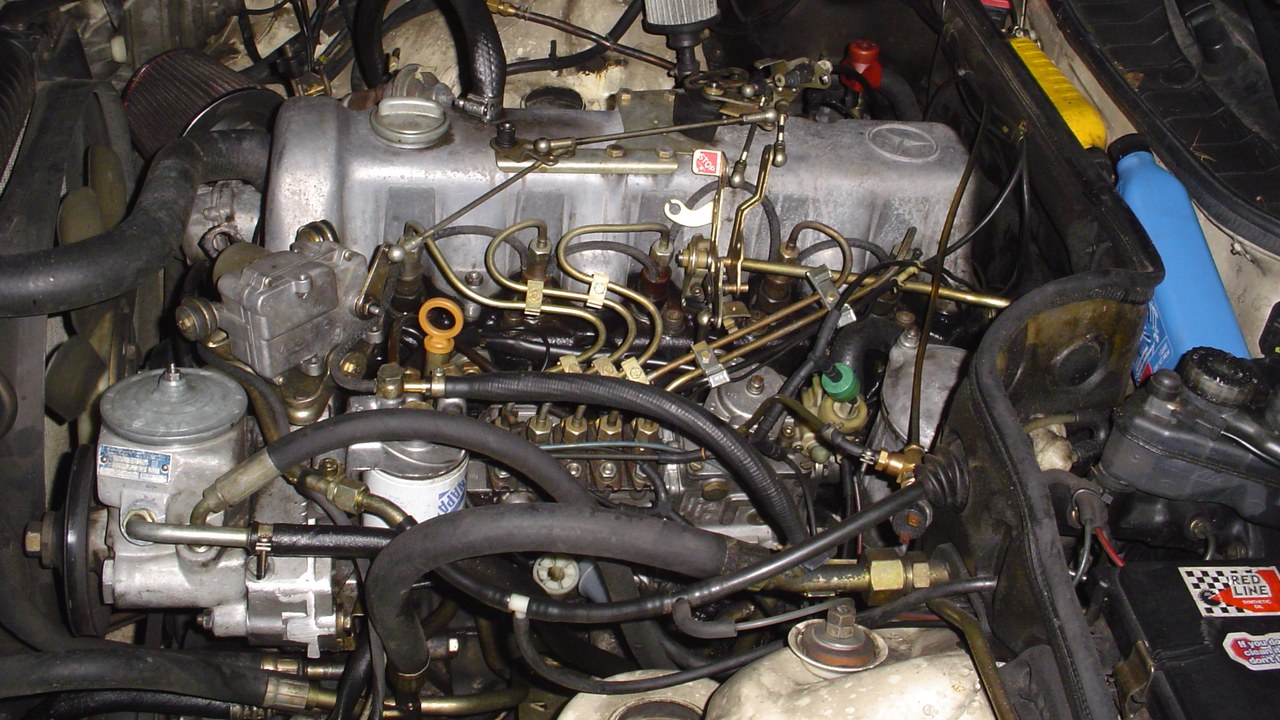
The OM617 is a 3.0-liter inline-five diesel Mercedes-Benz produced from the mid-1970s into the early 1990s, built around a cast-iron block, prechamber indirect injection and a mechanical pump needing no electricity to keep running. Output stayed modest even in the turbocharged version fitted to the 300SD, and that low specific output is the mechanical reason the bottom end survives. Long service in European taxi fleets is where the folklore around the five-cylinder diesel began.
Age is now the real expense. Rust, vacuum-operated accessories and injection-pump service cost far more than the engine itself ever will.
8. Volvo 240 (redblock): Nineteen Years, One Design
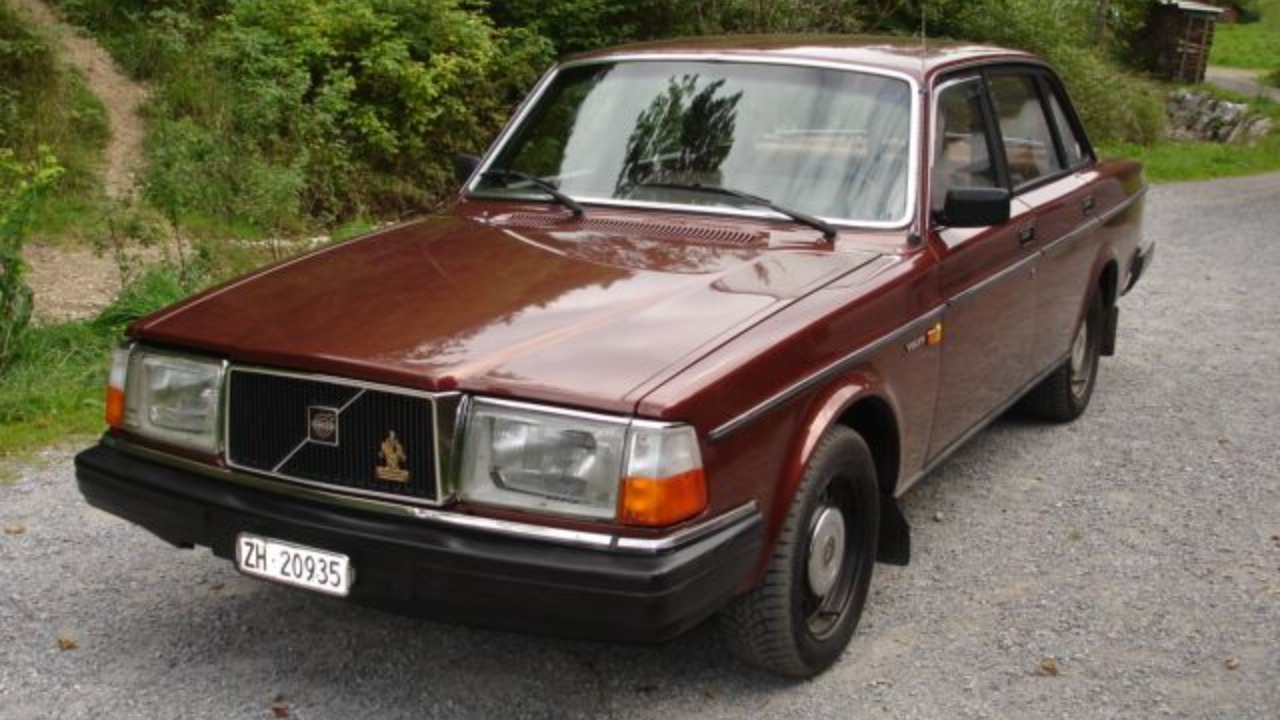
Between 1974 and 1993 Volvo produced close to three million 240s, most powered by a version of the iron-block four that owners call the redblock. The B21, B23 and B230 shared one overhead camshaft driven by a rubber belt, a low state of tune and a heavy block, and the fundamentals barely changed across nineteen model years. That stability means components from one year generally fit the Volvo 240 from another.
The belt remains a maintenance item on a fixed interval, and on cars this old the fuel injection, wiring and corrosion demand attention long before the engine does.
9. Toyota Camry: Shared Parts, Low Stress
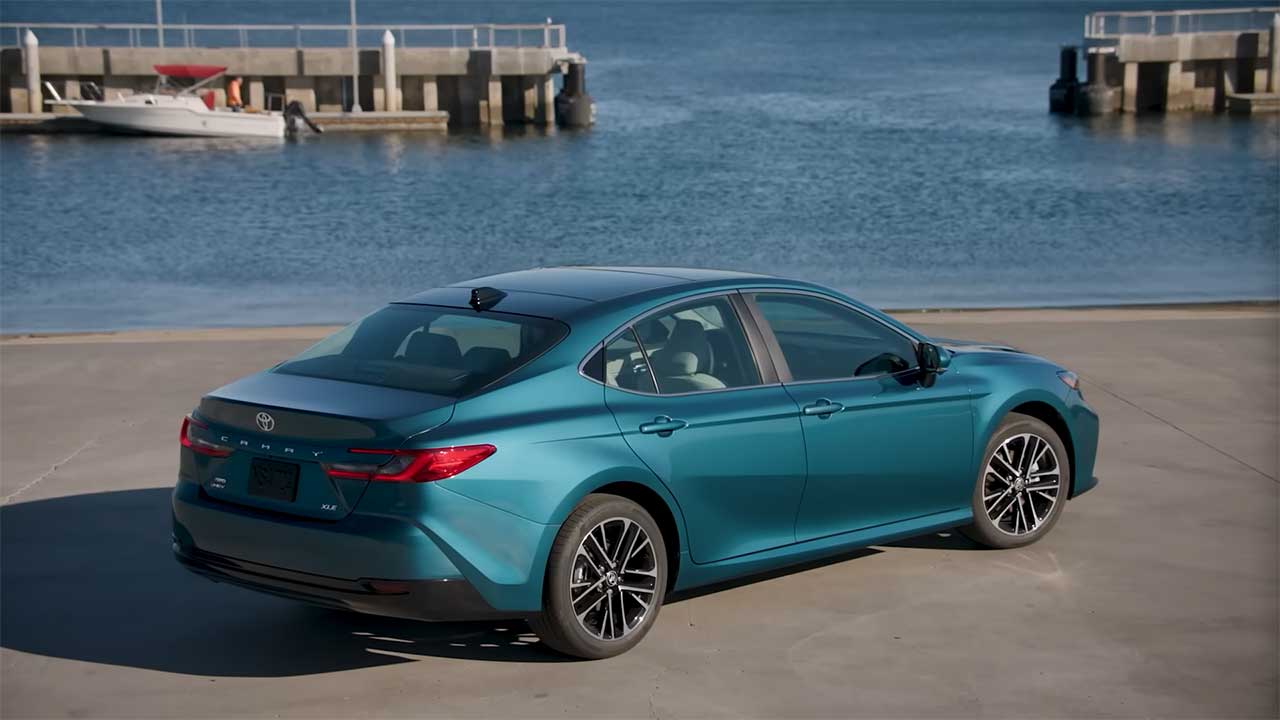
Toyota’s midsize sedan led American passenger-car sales for roughly two decades, and the engines under those hoods were shared across much of the company’s lineup. The 2AZ-FE and later 2AR-FE fours use aluminum blocks and timing chains rather than belts, while the 2GR-FE V6 also powers Highlanders, Siennas and Lexus models, which keeps parts common and mechanics familiar. None of them is highly stressed, and the Toyota Camry was engineered for indifference rather than excitement.
Ubiquity matters more to an owner than any specification, though it cuts both ways: diagnostic knowledge and used parts are everywhere, and high-mileage examples rarely sell cheaply.
More from Morning Overview
