
Cat registries track which breeds win the most devotion, and the Cat Fanciers’ Association publishes a ranked list based on registrations. Each breed in the top ten carries a distinct coat, temperament or history that explains part of its appeal. Here are ten breeds from the 2026 ranking, each paired with one defining trait.
AI, explained every day: The Deep View is the go-to daily newsletter for 600,000+ founders, knowledge workers and professionals who want to stay up to date with artificial intelligence.
We may earn a commission if you sign up.
1. Maine Coon: Repeat Champion
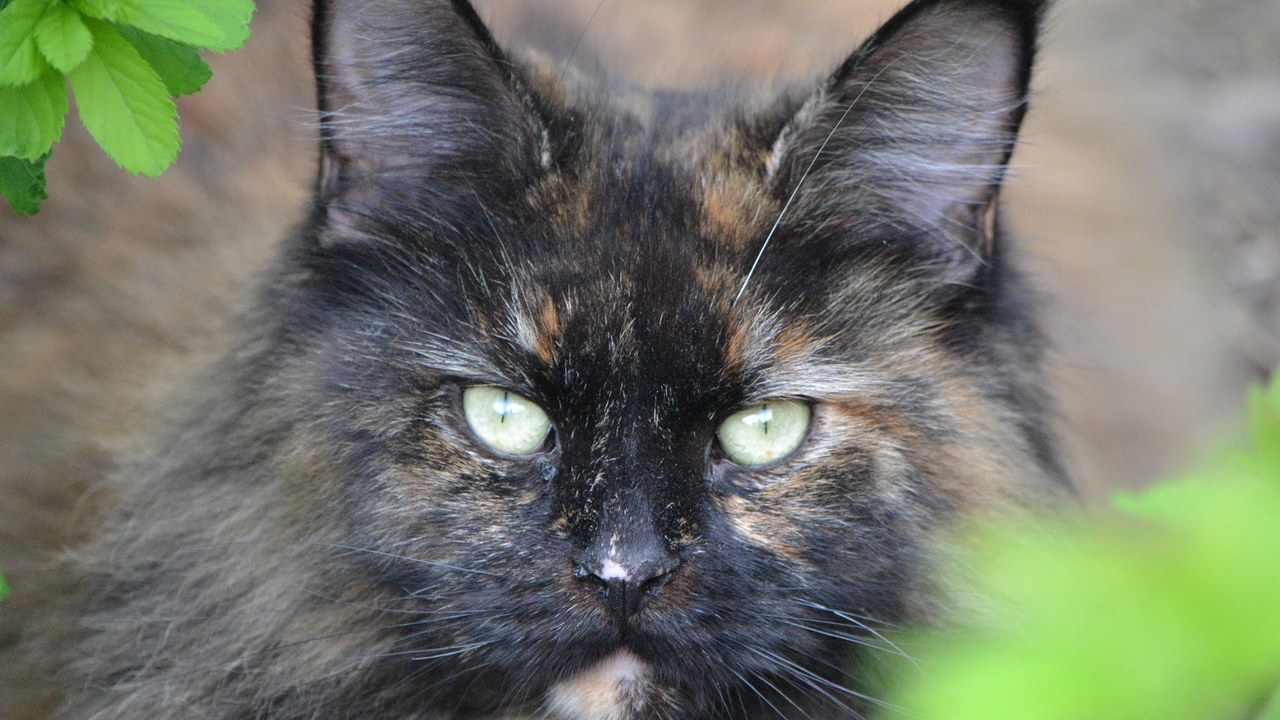
Ranked No. 1 by the CFA for the second year in a row, the large, gentle Maine Coon also won first place at the first U.S. cat show in 1895, according to an AOL feature.
That long record suggests the breed’s appeal is not a passing trend. Prospective owners should still plan for the space and grooming that a big, long-coated cat requires, since size and gentleness are the traits most often associated with this favorite. The rare, specific combination of size and temperament helps explain why the breed keeps drawing registrations year after year among fanciers.
2. Ragdoll: Blue Eyes On Laps
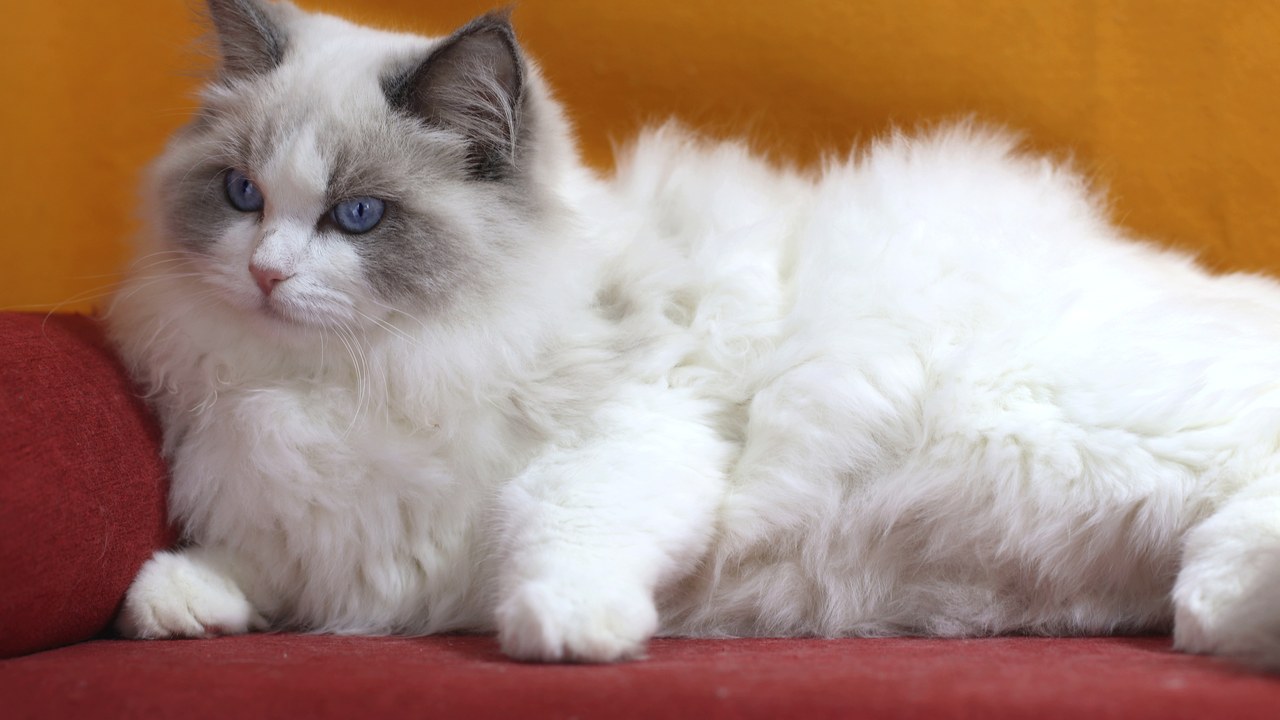
The Ragdoll holds the No. 2 spot, and AOL’s breed guide describes oval-shaped blue eyes and a soft, medium-long coat on a cat that is happiest lounging on a lap.
Those traits make the breed a natural fit for households wanting a calm companion. A medium-long coat will shed and tangle without regular brushing, so the soft look comes with a grooming routine owners should be ready to keep up. Anyone choosing between the top breeds might also ask a breeder about typical personality, since individual cats vary even within a well-known type.
3. Persian: Feline Beauty Standard
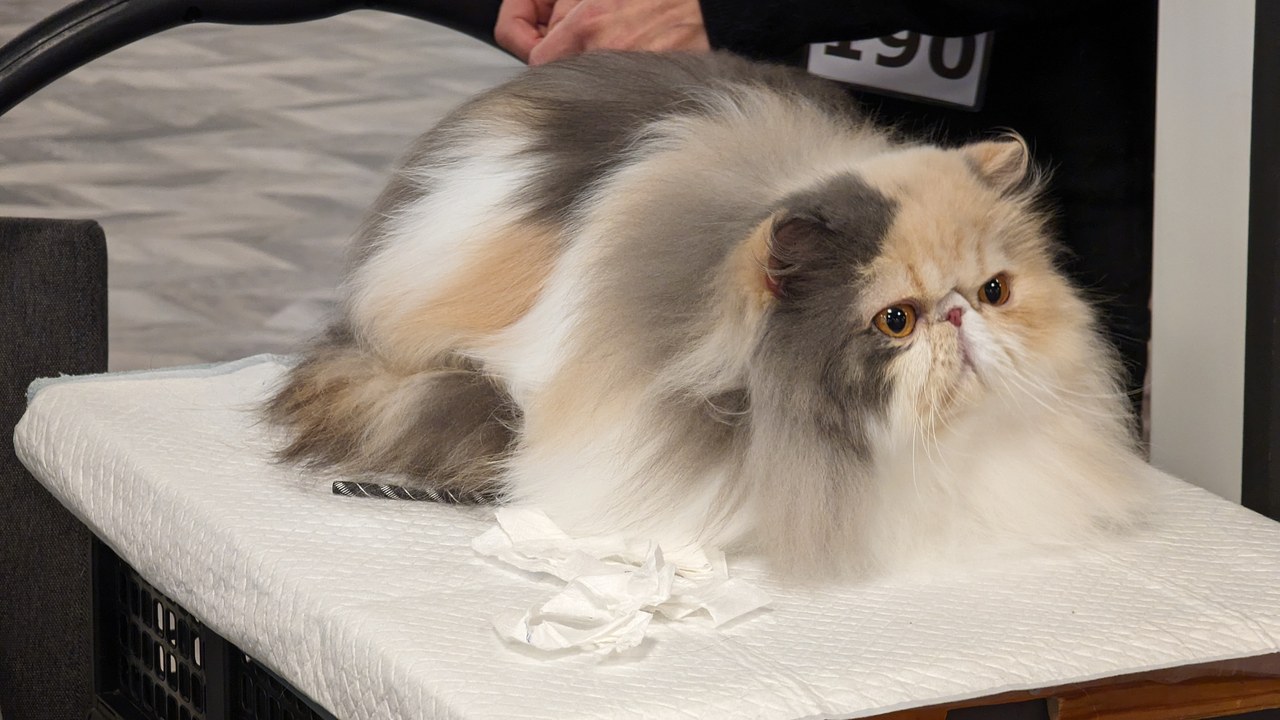
Third on the CFA list, the Persian is often considered the epitome of feline beauty, per the same AOL article, with a luxurious, flowing coat that needs regular grooming.
Care is the main trade-off for that appearance. Anyone drawn to the breed should expect daily attention to the coat as part of ownership, and the look that earns its reputation is rarely maintained without consistent effort. Time spent on the coat is also time spent bonding, which many owners of long-haired cats come to treat as a pleasant part of the day.
4. Exotic: Persian Roots, Easier Coat
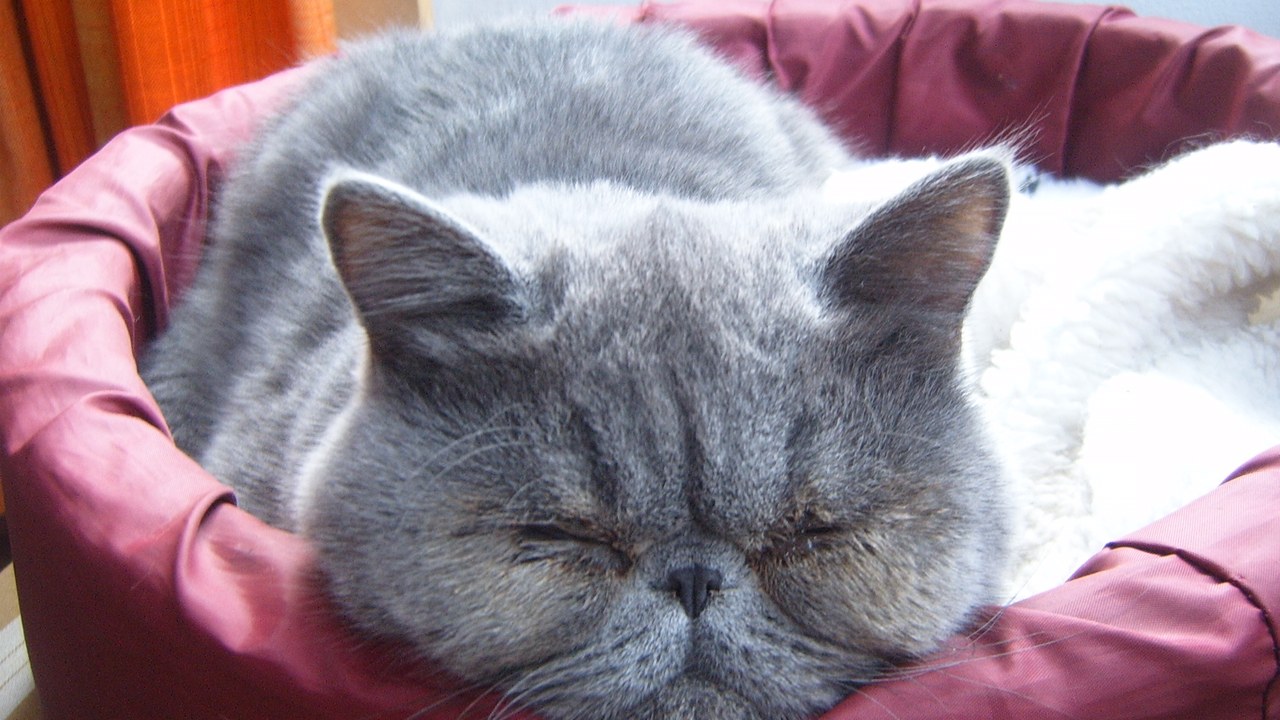
Fourth on the list, the Exotic was developed with Persian cats but carries a shorter, medium-length coat, and PetGuide’s summary describes it as adaptable and quiet.
For people who like the Persian look but dread long-haired upkeep, the Exotic offers a middle path. Its calm, adaptable nature suits apartments and quieter homes, although a shorter coat still benefits from routine brushing. Breeders and rescue groups can describe how the shorter coat behaves in practice, which helps families judge whether the trade-off fits their lifestyle.
5. Devon Rex: Curly Shorthair Leader
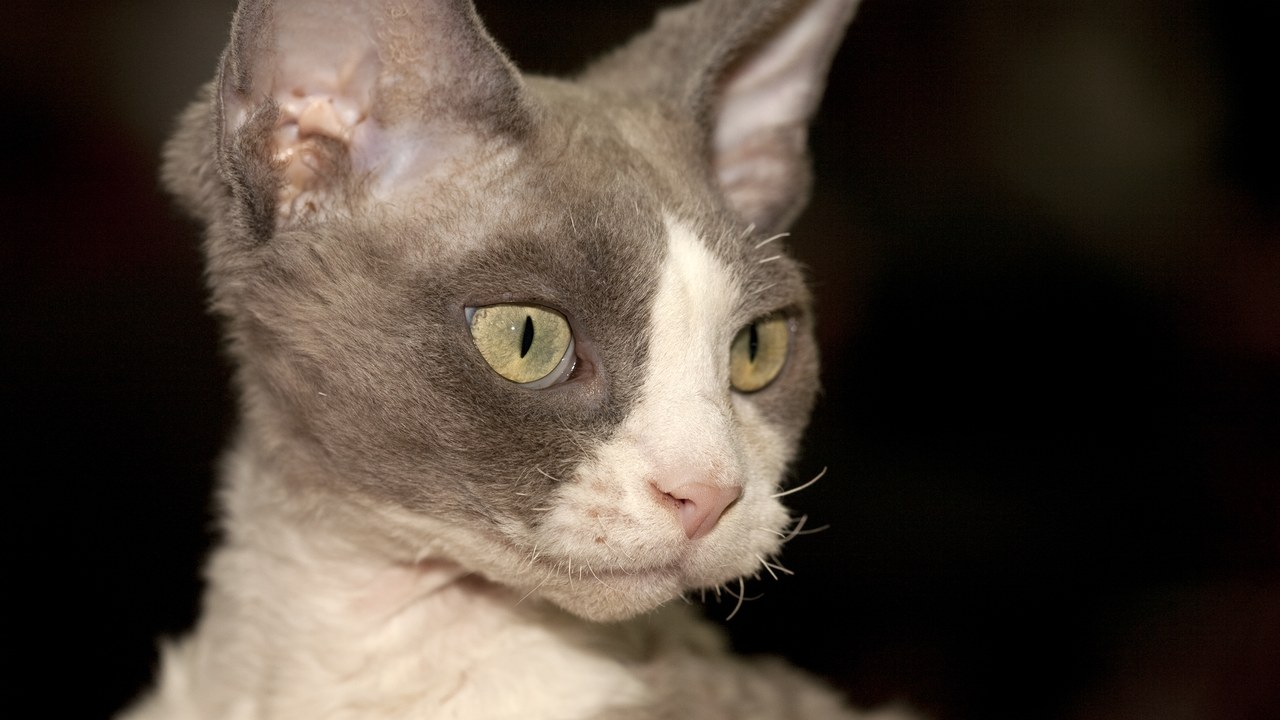
Fifth overall, the curly-haired Devon Rex has been the most popular shorthaired breed for five years, according to the CFA as relayed by PetGuide.
A multi-year lead among shorthairs shows steady demand rather than a single good season. The distinctive wavy coat is the visual hook, and buyers curious about the breed should meet adult cats first to see whether the look and temperament suit them. Because the breed is so unusual to look at, photographs rarely capture how much personality the cat shows in person, and a visit is worthwhile.
6. Abyssinian: Ticked Coat Explorer
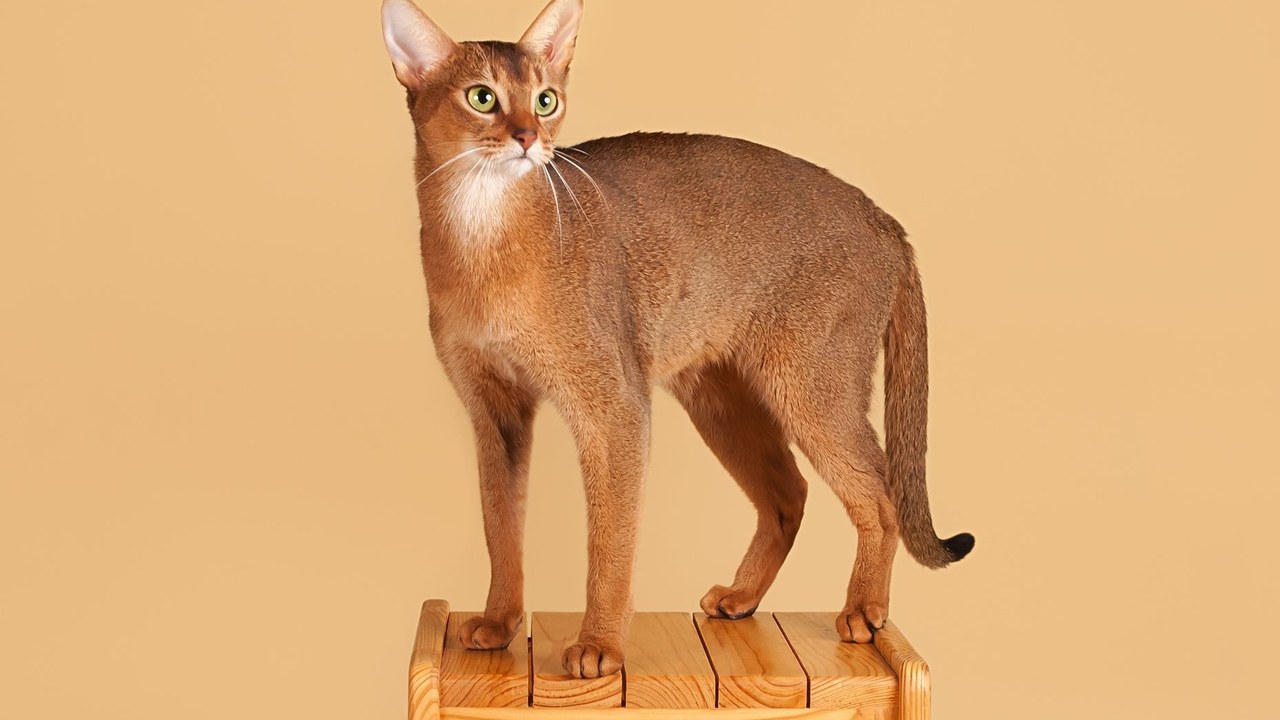
The Abyssinian, ranked No. 6, wears a ticked coat in which each hair carries several color bands, and PetGuide describes calls the breed smart, curious and active.
Energy and curiosity define daily life with this cat. Owners should supply climbing space, puzzle toys and interaction, because an intelligent, active animal left without stimulation tends to invent its own entertainment around the house. Allergy sufferers should spend time around the breed before committing, since coat type alone does not predict how a given person will react.
7. British Shorthair: Smiling Face
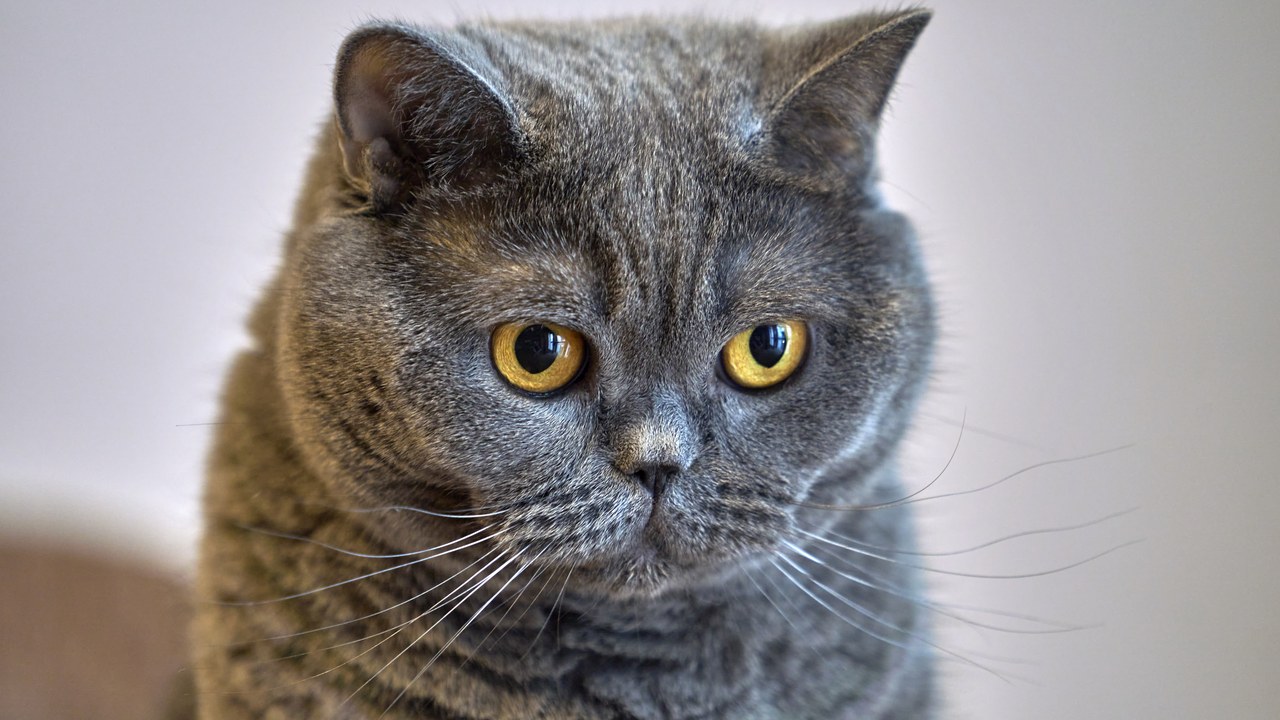
Seventh on the CFA list, the British Shorthair has a very dense coat, round eyes and prominent whisker pads that give it a smiling look, as the CFA’s own write-up explains.
The rounded features create an expression many people find charming. A dense coat sheds more than the sleek look implies, so households sensitive to cat hair should plan for regular brushing and cleanup. Seasonal shedding may increase when indoor heating changes, so a good brush and a quality vacuum are practical purchases for any home that welcomes one.
8. Siberian: Built For Winter
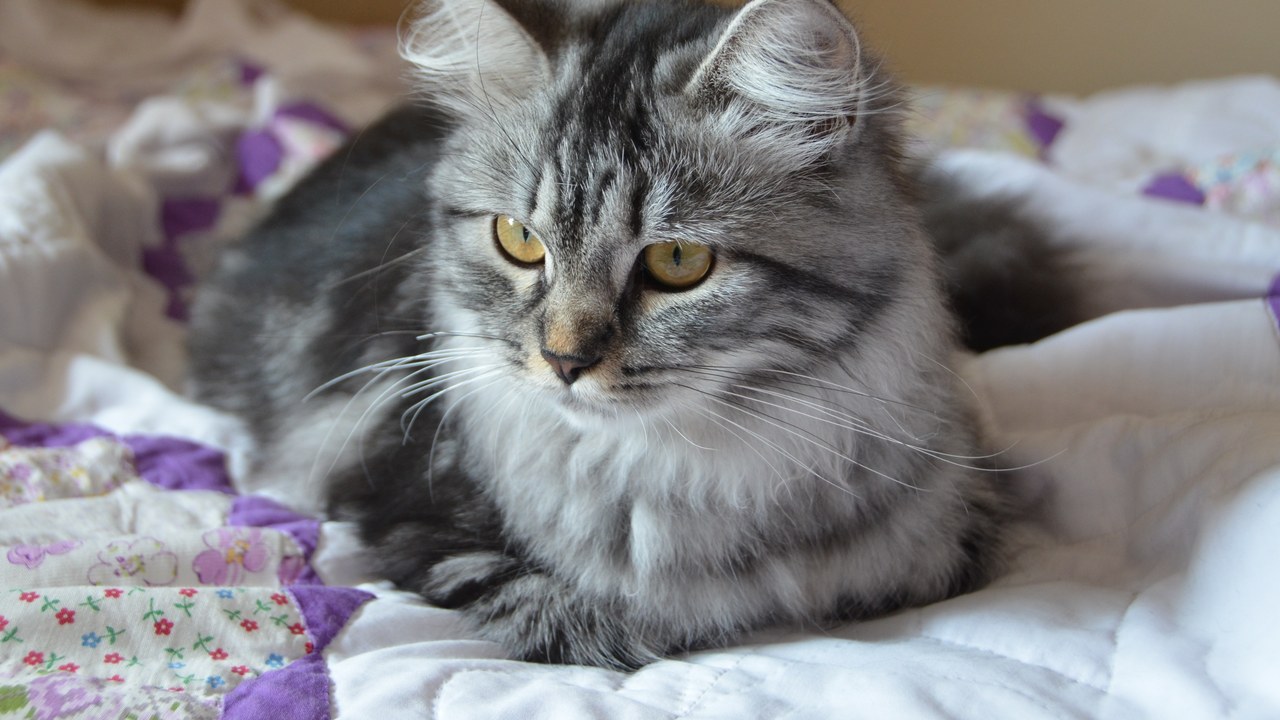
The No. 8 Siberian has a triple coat suited to harsh winters in its native Russia, a detail the CFA page highlights.
That layered coat reflects the climate in which the breed developed. Owners in warm homes should consider grooming needs, since a triple coat requires attention to prevent mats, and the breed’s origins explain much of its sturdy appearance. Adopters in the United States will find the breed less common in shelters than some others, so patience and research are useful when searching for a kitten or adult.
9. American Shorthair: Settler Cat Returns
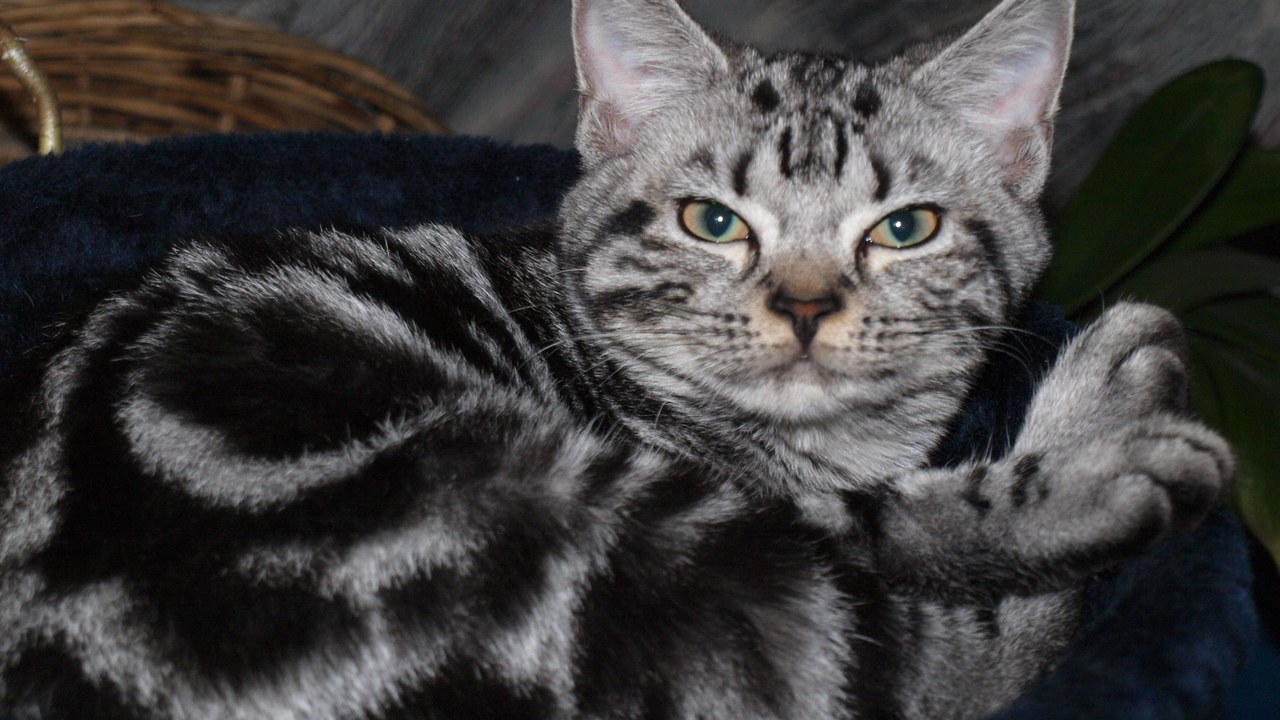
Ninth and back in the top 10, the American Shorthair is a muscular, self-sufficient hunter linked to cats brought over by early English settlers, per the CFA.
The breed’s return to the ranking shows renewed interest in a practical, traditional cat. Its self-sufficient reputation suggests an independent pet, though hunting instincts mean indoor owners may want to provide toys that satisfy that urge. Regular veterinary visits and a balanced diet keep a hardy cat in good shape, because strong constitution does not replace routine preventive care.
10. Russian Blue: Silver-Tipped Problem Solver
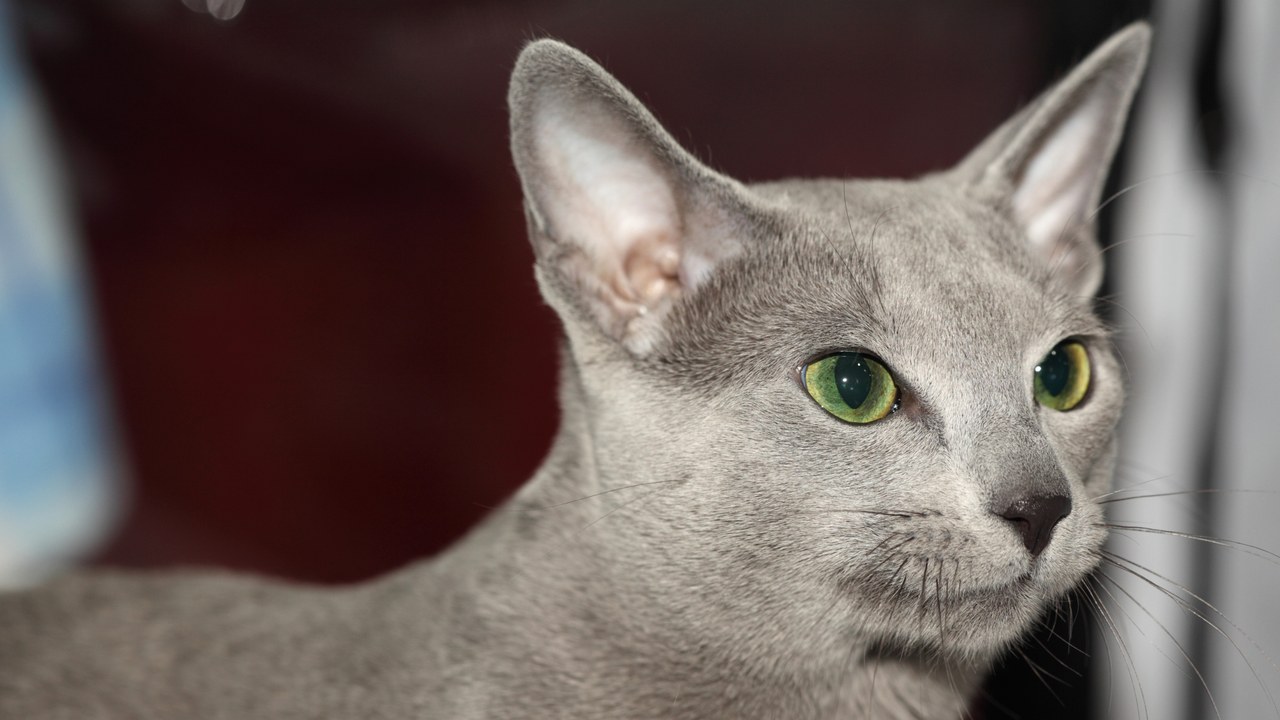
The Russian Blue closes the list at No. 10 with a silver-tipped coat that shines in sunlight, green eyes and problem-solving skills that the CFA calls legendary.
Intelligence is as notable here as appearance. Owners who enjoy interactive play will likely find a willing partner, and puzzle feeders or training games give a clever cat the mental workout that its reputation implies. Calm routines suit a breed known for being thoughtful, and sudden changes in the home may be easier on the cat when introduced gradually with plenty of reassurance.
AI, explained every day: Get The Deep View →
We may earn a commission if you sign up.
More from Morning Overview
- Doctors warn a silent liver disease now affects one in three American adults
- The FBI told the rest of ShinyHunters to surrender after a 24-year-old was arrested
- Two passengers died at an Ohio toll plaza, and the NTSB now wants the cash lanes shut
- Long use of a common prostate pill is tied to a higher chance of glaucoma
