
Two Japanese automakers have found traction with electric SUVs priced near $35,000, and the sales figures show it. The slides track the Toyota and Subaru gains, a Korean rival’s 2027 pricing, and the market average they undercut. Together they suggest affordability, not novelty, is driving the growth.
Read next on Morning Overview: Two Kentucky residents died when a small plane crashed at Missouri’s Lake of the Ozarks, and the NTSB is investigating
Toyota bZ4X: Toyota Surges
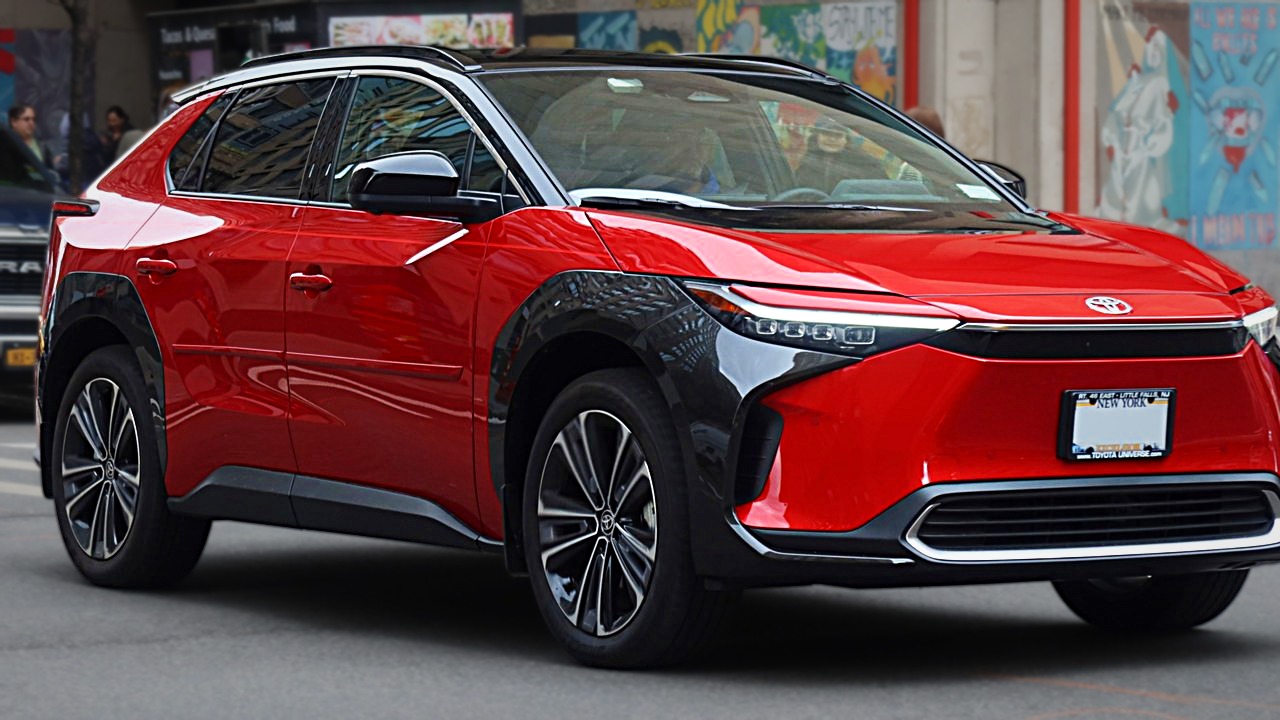
The numbers start with Toyota. Electrek’s sales analysis reports that Toyota-brand EV sales reached roughly 35,000 in the first nine months of 2026, an increase of 183.4%. The bZ starts at $35,000, and the front-wheel-drive Plus version is rated at 314 miles of range at $37,980. Combined with Subaru, the two brands sold nearly 50,000 EVs in the U.S., more than double the same period of 2025.
A price near $35,000 paired with a range over 300 miles addresses the two most common objections to electric cars. The sales jump suggests buyers responded when both came together in a mainstream SUV.
Subaru Solterra: Subaru Climbs Too
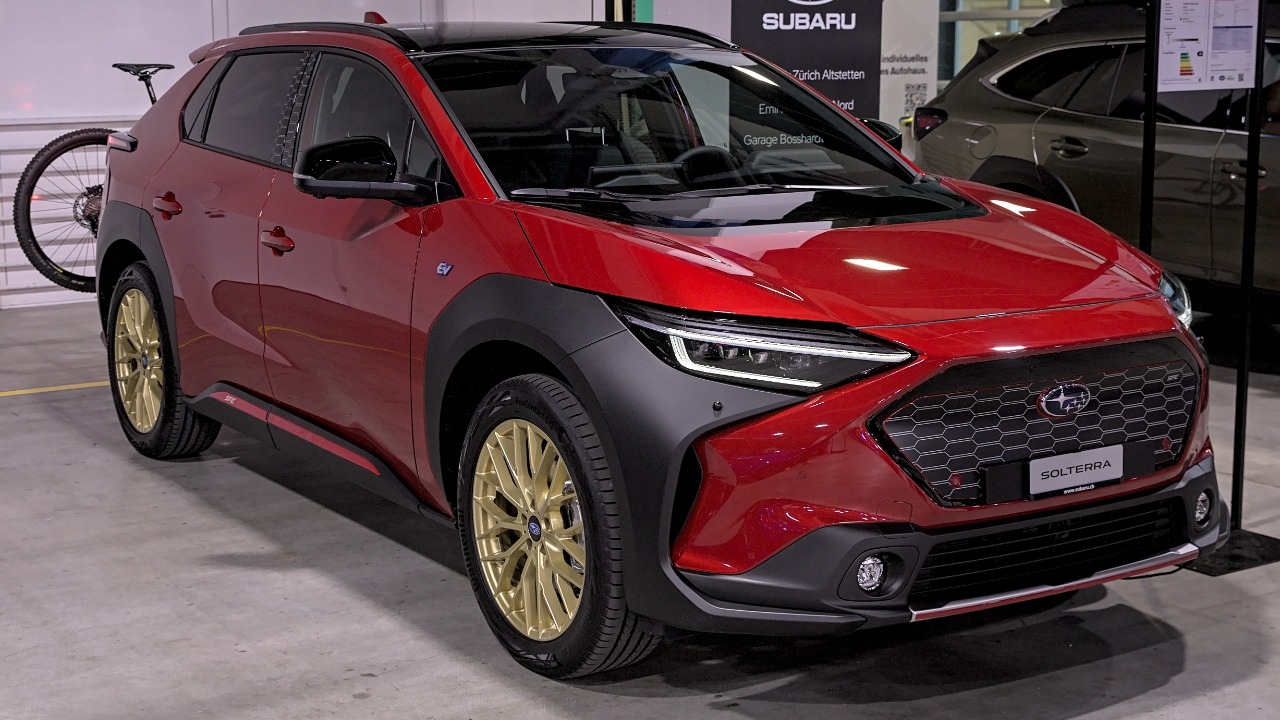
Subaru’s growth is steadier but still strong. The same Electrek report says Subaru sold 14,630 EVs in the period, up 46.7%. Its new Uncharted starts at $34,995, the lowest sticker price of the Toyota and Subaru models listed. The Trailseeker starts at $39,995, which Electrek describes as under $40,000.
Two entries priced below $40,000 give Subaru a spread of choices within the affordable band. The gain is smaller than Toyota’s in percentage terms, yet it adds to a combined total that more than doubled, and the newer models will show their full effect in coming sales. Together with Toyota’s results, Subaru’s figures help explain why the pair’s combined U.S. EV sales reached nearly 50,000 over the nine months.
Hyundai Ioniq 5: Hyundai Answers
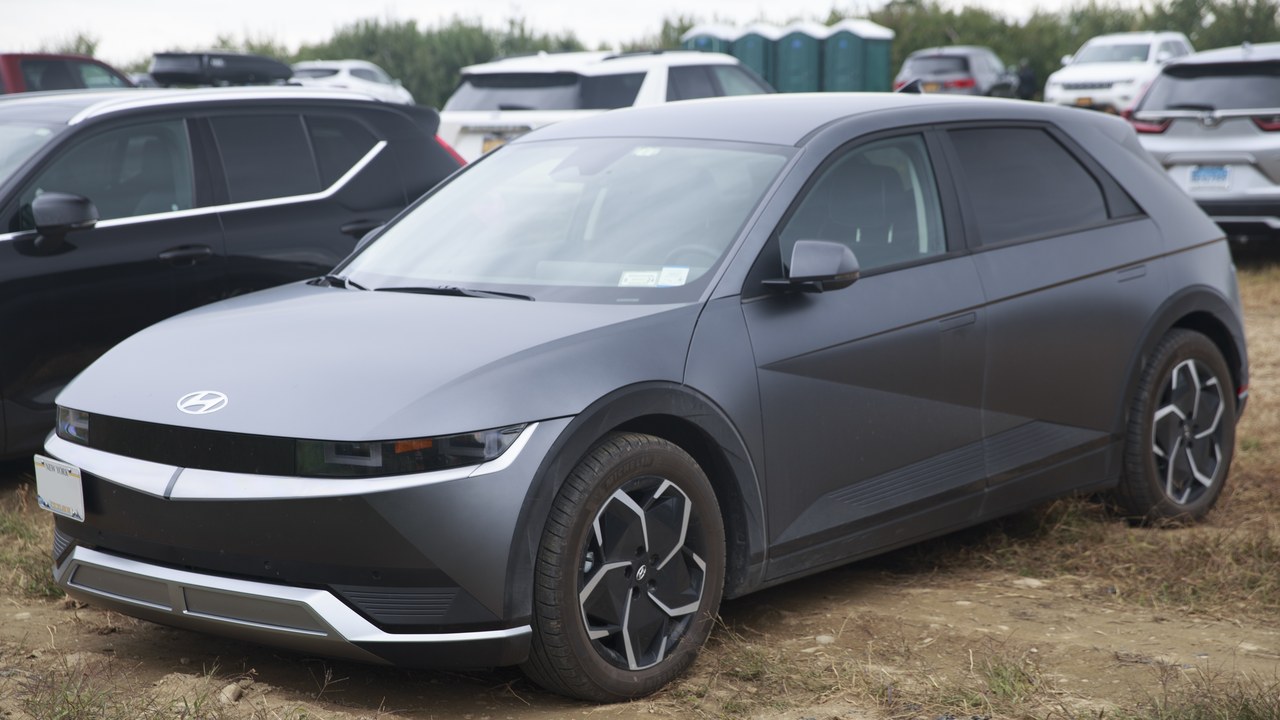
The rivals are not standing still. Electrek’s Hyundai lineup story says the 2027 Ioniq 5 starts at $35,250 in its SE SR trim, with 245 miles of range. That sits right alongside the Toyota and Subaru entry prices, even though its range falls short of the 314 miles listed for the bZ FWD Plus.
Close starting prices set up a direct contest on range and features rather than on price alone. Shoppers comparing the three will see a narrow cost gap and will need to weigh other differences to choose among them. The Ioniq 5 figures come from Electrek’s separate look at Hyundai’s 2027 changes, which provides the comparison point for the Japanese models.
Hyundai Ioniq 6: Ioniq 6 Drops Out
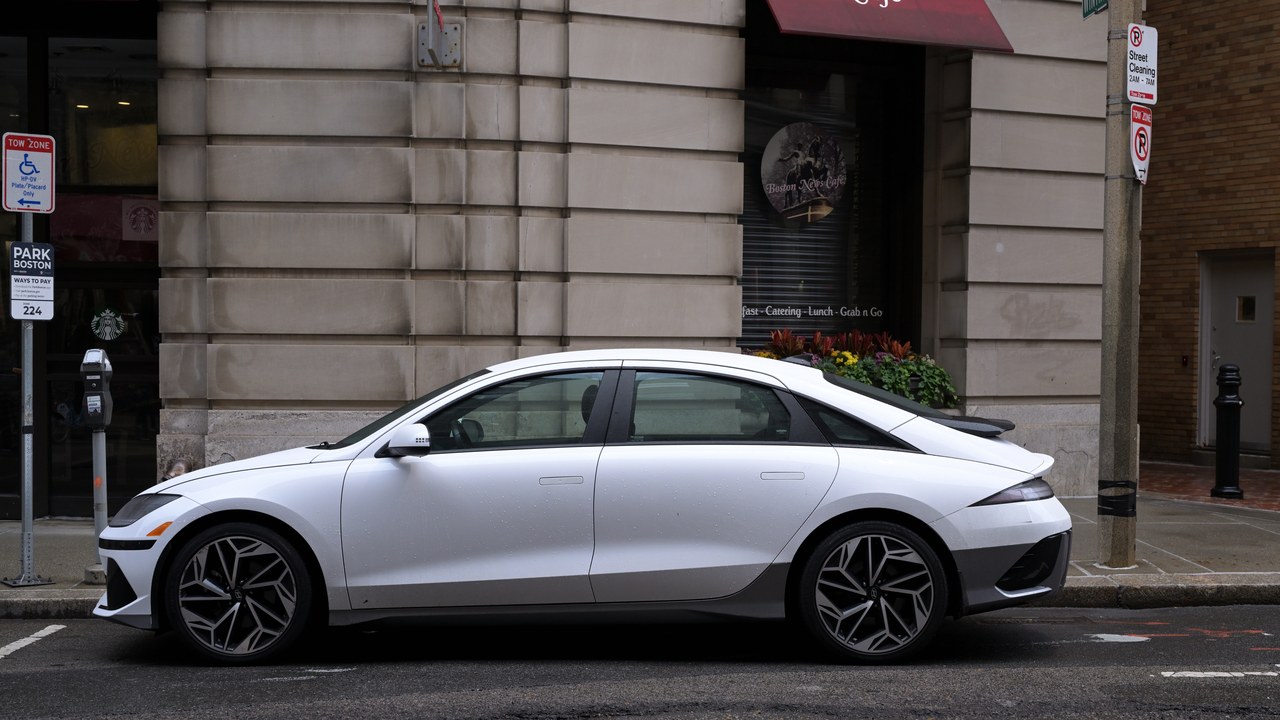
Hyundai’s changes include a subtraction. According to the same Hyundai 2027 overview, the company dropped the standard Ioniq 6 for the 2027 model year. The move leaves the Ioniq 5 as the Hyundai model in this comparison with Toyota and Subaru, and it shows an automaker reshaping its electric lineup from one model year to the next. Buyers who had considered the standard Ioniq 6 will need to look elsewhere in the lineup, and the change shows that 2027 plans are not simply carrying over.
Trimming a model signals where a brand expects demand to be, and the Ioniq 5’s position matters more once the sedan is gone. Further adjustments by other automakers could follow as sales data come in.
Car dealership: Below The Average

The market average gives the gains their context. Cox Automotive’s October report puts the average EV transaction price at $56,220 in October 2026, down 2.7% from a year earlier. Against that figure, the roughly $35,000 SUVs undercut it by about $20,000.
The gap shows why entry-level electric SUVs are drawing buyers, and a falling average hints that cheaper models are starting to pull the overall figure down. The next sales reports will show whether the trend holds. For buyers, the comparison is simple: the Toyota and Subaru starting prices of $35,000 and $34,995 sit far beneath the October EV average, while the Hyundai’s $35,250 entry price sits close to them.
More from Morning Overview
- Shaq spent $1.3 million on three Rolls-Royce Phantoms to prove a point to a salesman
- The Justice Department asked courts to undo approvals for three offshore wind farms, one already making power
- Over 20 trillion gallons of rain fell on the Four Corners states and Nevada in two weeks
- 11 engines built to run well past 200,000 miles
