
Apple is putting its first smart home display on shelves, and the rollout comes with a few strings attached. The slides cover the launch details, the new Siri behind it, and the security fixes that arrived the day before. They close on the safety feature that makes updating a priority.
Read next on Morning Overview: Winter weather advisories cover I-80, I-70 and the Bighorns with up to 15 inches of snow
Apple Store: Launch Day Arrives
The wait is over for buyers in several markets. Apple’s HomeView announcement lists a November 13 on-sale date in the U.S., the U.K., Canada, Australia, India, New Zealand, Singapore and South Africa. The device is priced at $299 in the U.S., has a 7-inch Liquid Retina display, and can sit on a tabletop or mount on a wall.
Eight launch countries make for a broad first wave, though the list leaves out the European Union. The sections ahead explain one reason for that gap and why the first software update matters to anyone who picks one up on day one.
Siri: New Siri, Not In EU
The assistant is the other half of the product. According to the Apple product details, the device runs an entirely new beta version of Siri, branded Siri AI, and that feature is not available in the European Union. That detail explains why the on-sale list contains no EU member state.
Buyers in the listed countries get the new assistant in beta form, which is worth weighing for a screen meant to anchor a household. Whether Apple extends availability to Europe is the open question to follow. Until then, the EU gap stands as the clearest limit on where the new assistant can be used.
iMessage: Message Flaw Fixed
A security fix landed just ahead of the launch. Apple’s security release notes dated November 12 describe a patched flaw that could let a remote attacker join an iMessage group chat. The note appears in the same update 9to5Mac says arrived as the first security release for HomeView.
Messaging flaws matter because they involve contact with people outside the household, so a remote attacker joining a group chat is the kind of exposure a fix is meant to close. Owners should check that the update has been installed. Apple’s published security notes list such fixes by name, which lets owners and reviewers see what a given release actually changed after launch.
Bluetooth: Bluetooth Memory Bug
A second patch deals with the wireless side. The same Apple security document lists a fix that stops an attacker within Bluetooth range from corrupting memory. Memory corruption is a class of bug that can open the door to further compromise, and the requirement of physical proximity narrows who could attempt it.
Proximity-based attacks are limited by distance, but a device in a home can still be within range of nearby people. Applying the update closes that route, and Apple’s notes are the place to confirm which fixes a given software version includes. Reading those notes is a practical habit for any owner of a connected home device, especially one released only days earlier.
Smoke detector: Alarm Listening Feature
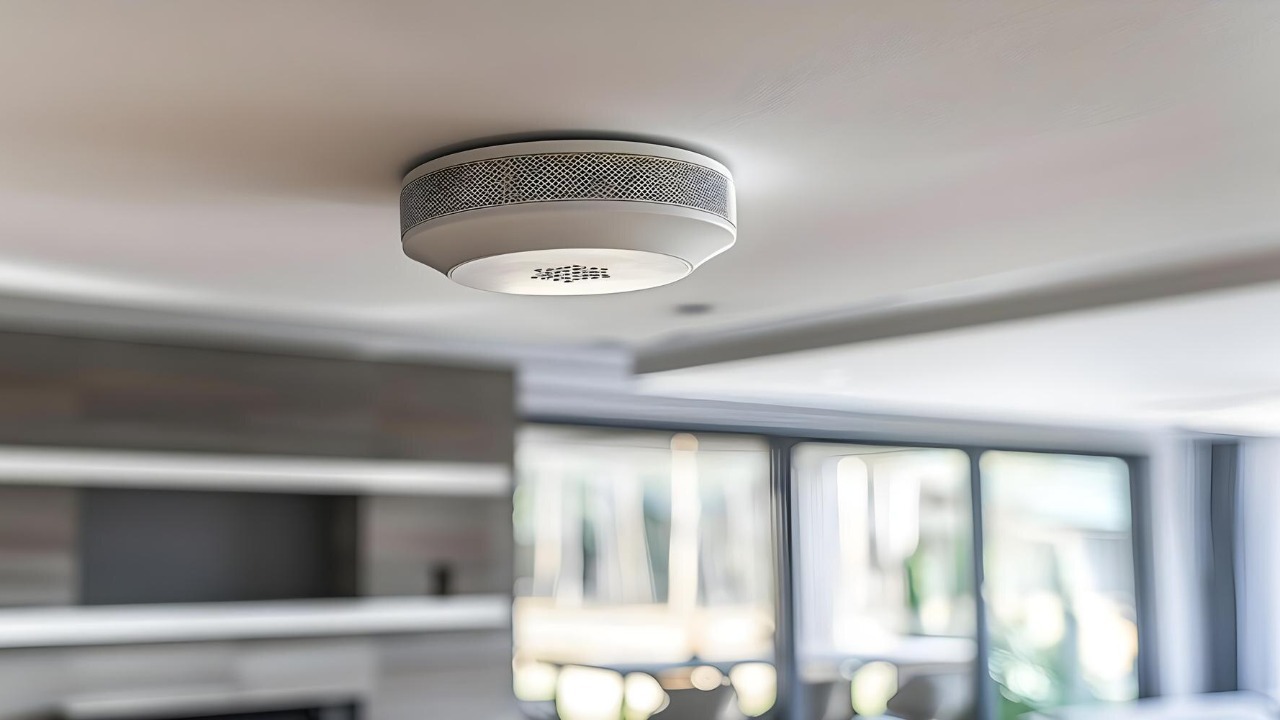
Safety is a selling point as well. According to 9to5Mac’s launch coverage, the display listens for smoke and carbon monoxide alarms, and the site advises owners to update as soon as possible. Apple’s own materials say the device can detect those alarm sounds, and it also recognizes up to six people by face.
A device trusted to notice a smoke alarm is one where software integrity carries real weight, which is why the advice to update promptly stands out. Buyers on launch day will want the patch applied before relying on any of its safety or personal-recognition features. That combination of alarm listening and face recognition makes the screen more than a media display, and it explains why security news has followed the launch so closely.
More from Morning Overview
- Two Kentucky residents died when a small plane crashed at Missouri’s Lake of the Ozarks, and the NTSB is investigating
- A handful of car transmissions are so tough that mechanics say they almost never die
- Melting permafrost is setting off a newly identified kind of catastrophic landslide, scientists say
- Cadillac cut the price of its cheapest EV, which goes up to 317 miles on a charge
