
Insurance pricing rarely tracks a sticker price alone. Underwriters weigh how expensive a car is to repair, how often it is stolen, how badly it crashes and who tends to drive it, and a handful of models score badly on several of those measures at once. Here are nine vehicles that consistently land at the costly end of the rating tables.
1. Tesla Model S: The Repair Bill Problem
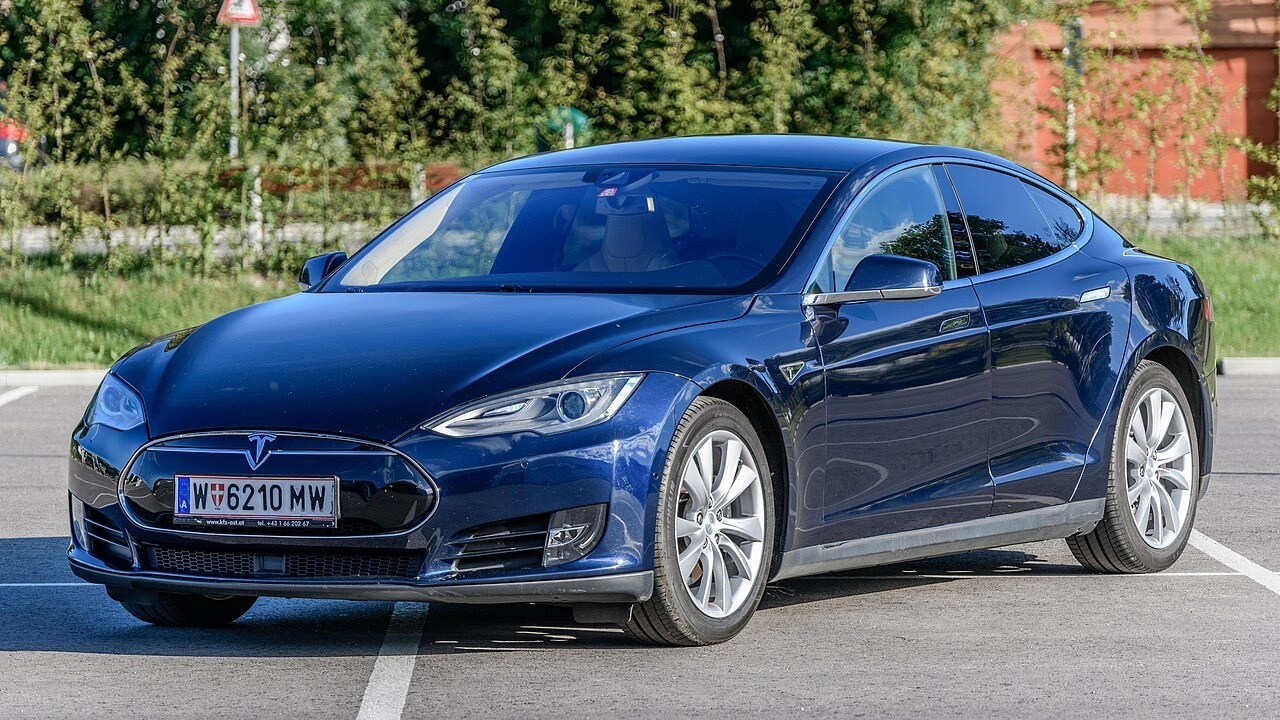
Underwriters treat the full-size Tesla sedan less as an expensive purchase than as an expensive repair. An aluminum-intensive body structure, a floor-mounted battery pack and sensor arrays clustered in bumpers and mirrors mean a modest parking-lot impact can turn into a large parts-and-labor claim, and much of that work routes through a limited certified network rather than any local body shop.
Rating therefore reflects claim severity more than accident frequency, so a clean driving history moves the price less than it would on a mainstream sedan. Quotes vary widely between carriers, because insurers differ in how heavily they load electric-vehicle repair risk.
2. Dodge Charger: A Magnet For Theft Claims
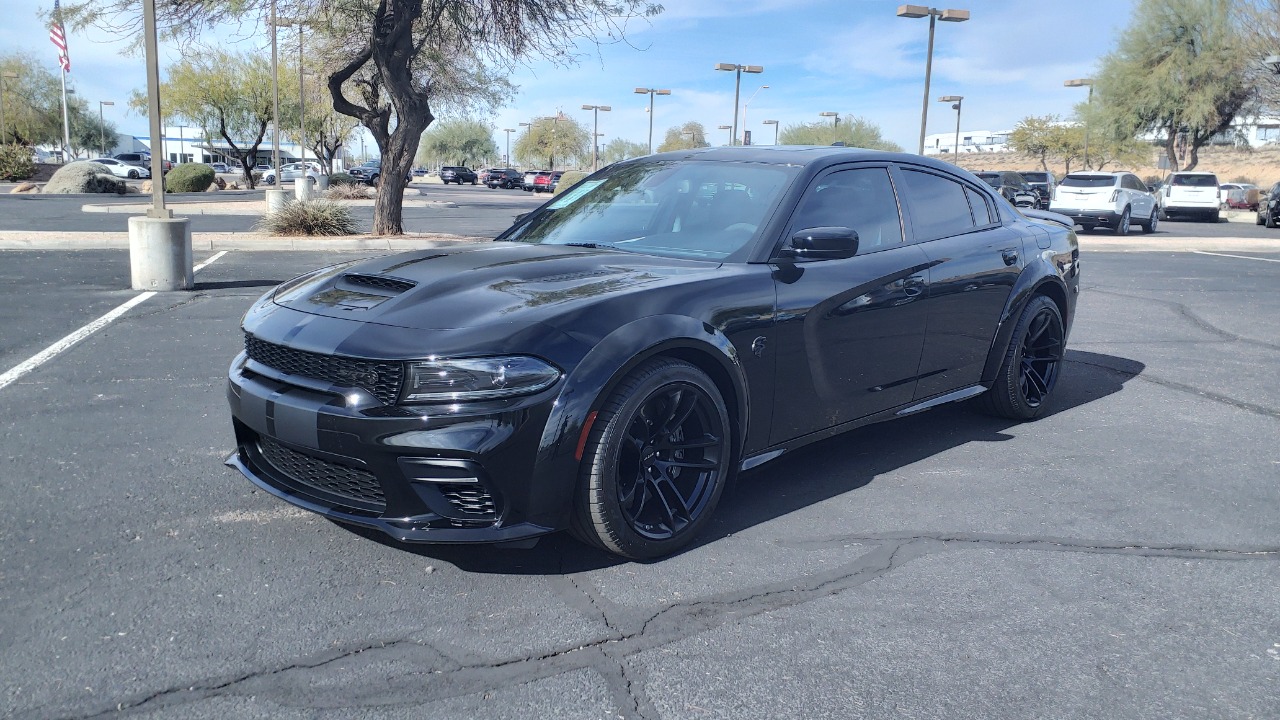
The rear-wheel-drive Dodge sedan is priced high for reasons that have little to do with the driver in the seat. Its V8 versions turn up repeatedly in law-enforcement and industry theft tallies, so comprehensive claims run heavy, while collision losses skew severe because the cars are often driven hard. Rating models read that combined loss history rather than the nameplate’s modest purchase price.
Location amplifies the effect: in metro areas with heavy vehicle-theft activity, the comprehensive portion of the bill can rival what a comparable family sedan costs to cover outright. Secure garaging, an aftermarket immobilizer and a tracking system are among the few levers available.
3. Chevrolet Corvette: Composite Panels, Serious Power
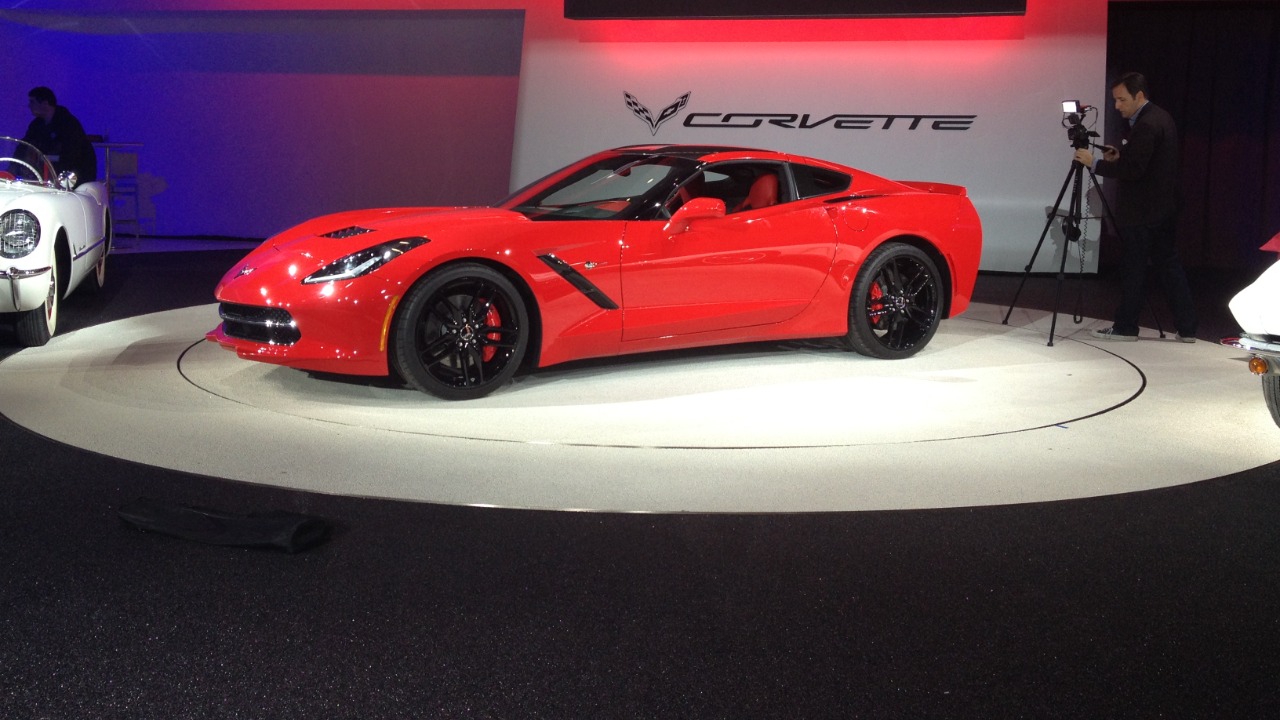
Rating models penalize the long-running Corvette line from two directions at once. Output has climbed steadily across generations, which raises both the odds of a serious crash and the cost of the one that happens, while composite body panels and low-volume trim pieces make even cosmetic damage awkward to price. Total-loss risk stays elevated because the car concentrates value in a small, easily damaged structure.
Use patterns matter as well, and weekend or track exposure reads differently to an underwriter than daily commuting does. Seasonal storage and a low declared mileage tend to produce the sharpest reduction available on the model.
4. BMW M3: Horsepower With A Parts Catalog
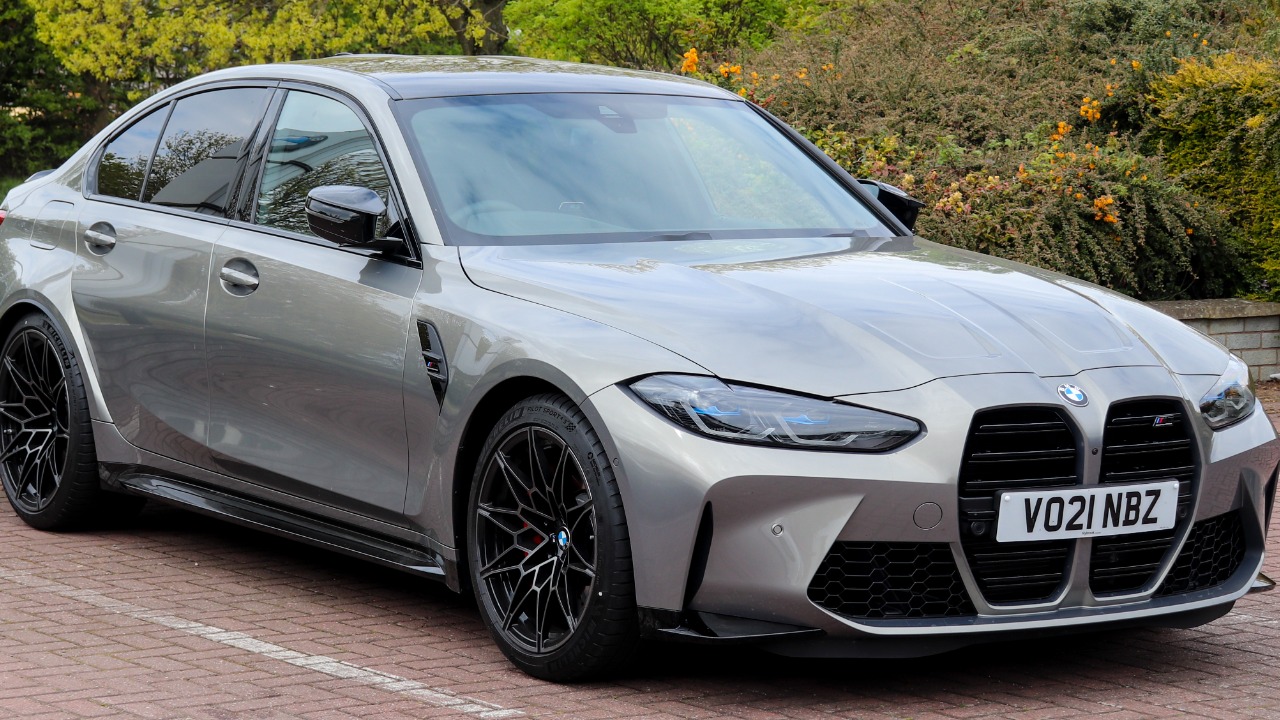
Two figures drive the cost of covering the M division sport sedan: what it costs to replace and what it costs to fix. Turbocharged output, performance tires and adaptive suspension hardware lift repair estimates well above those of the 3 Series the car is based on, and optional carbon-ceramic brakes or a carbon roof push a single claim higher still. Loss data for the trim skews toward severity.
The practical result is that a buyer trading up from an ordinary sedan often finds the coverage line rising faster than the loan payment. Driver age counts for more than usual here, since carriers weigh youthful operators on high-output cars especially heavily.
5. Nissan GT-R: Supercar Pace, Supercar Rating
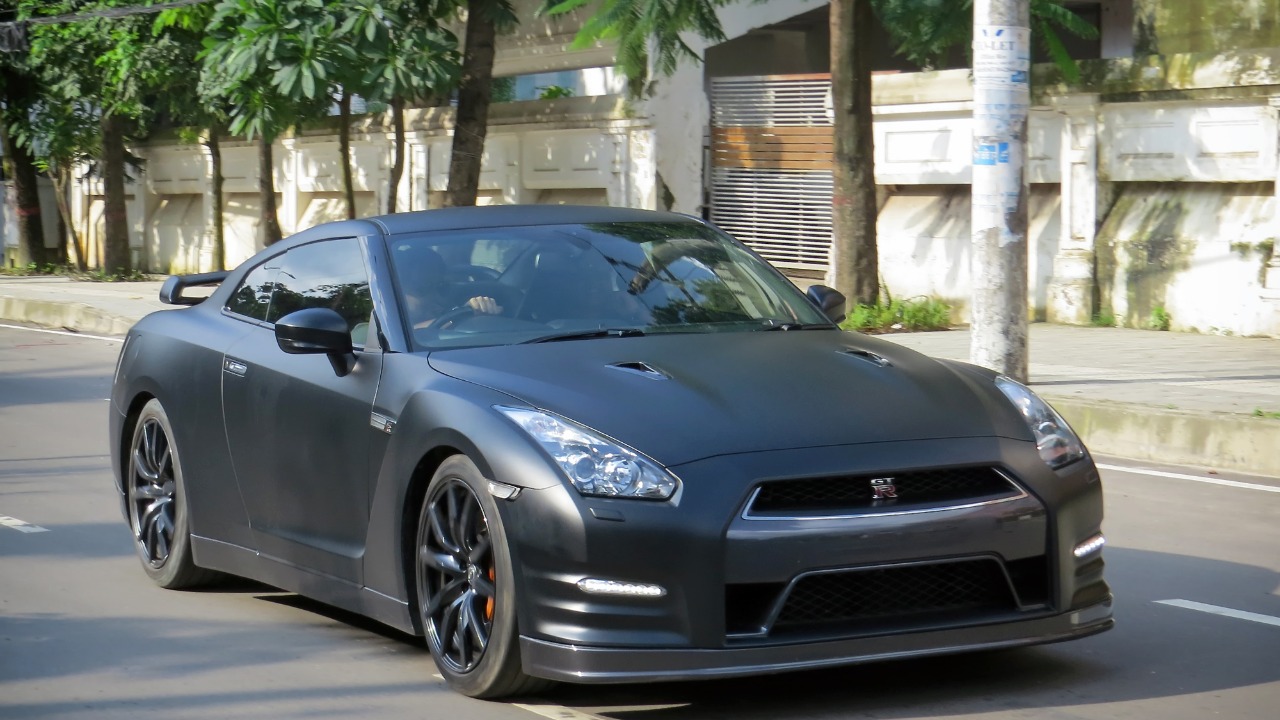
Insurers file the Nissan’s flagship coupe alongside exotics rather than alongside the rest of the brand. A twin-turbo V6, all-wheel drive and a rear-mounted dual-clutch transaxle deliver performance that rating models treat as elevated risk, and the specialized drivetrain means routine collision work needs technicians and parts ordinary body shops rarely carry. Repairs tend to be slow as well as expensive.
Because production volumes were small, panels and mechanical components can be scarce, which lengthens each claim and raises its cost. Some carriers prefer to write the car on agreed-value or limited-use terms instead of a standard personal-auto form.
6. Maserati Quattroporte: Italian Parts, Long Waits
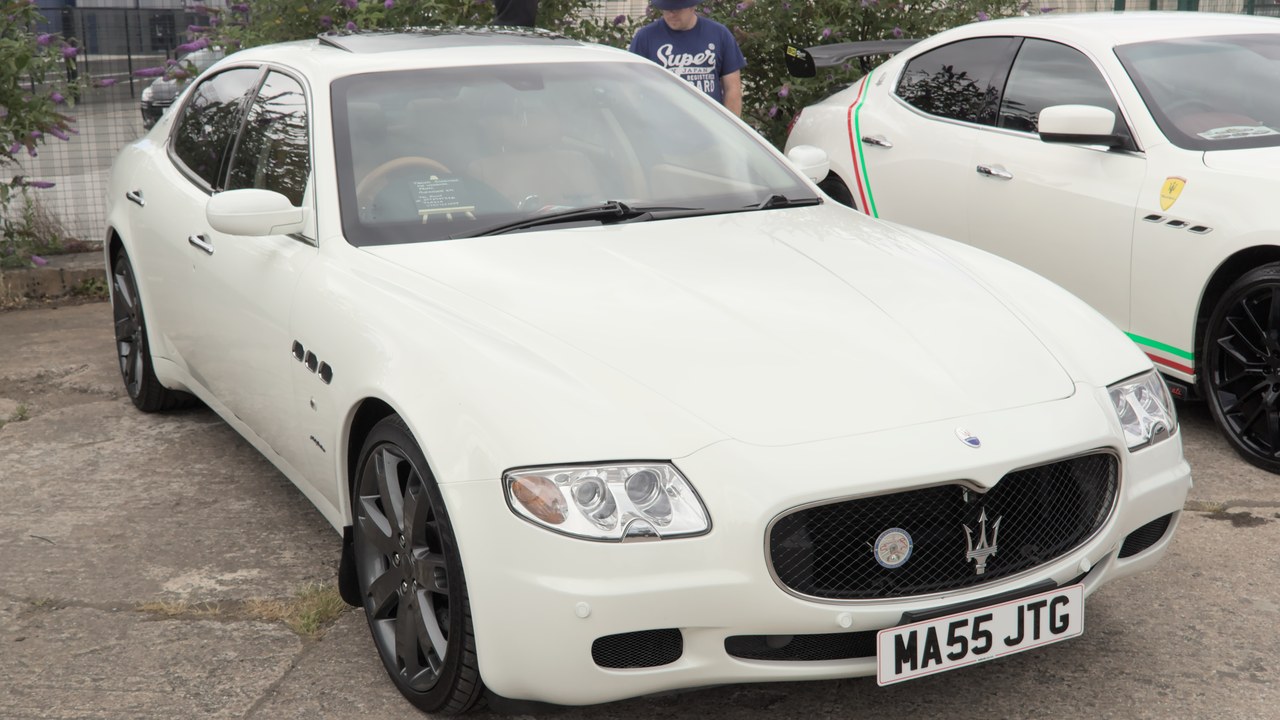
Low production volume paired with parts and labor priced like an exotic is the exact profile rating models punish, and the Maserati’s full-size sedan fits it squarely. Body panels, trim and electronic modules come through a limited supply chain, specialist labor rates apply, and a car that has depreciated steeply on the used market still costs roughly what a new one does to put right.
That gap catches out second and third owners in particular, who buy the sedan cheaply and then discover coverage scales to repair bills rather than to purchase price. Accepting a high deductible is one of the few offsets that meaningfully moves the number.
7. Dodge Challenger SRT Hellcat: Big Power, Bigger Target
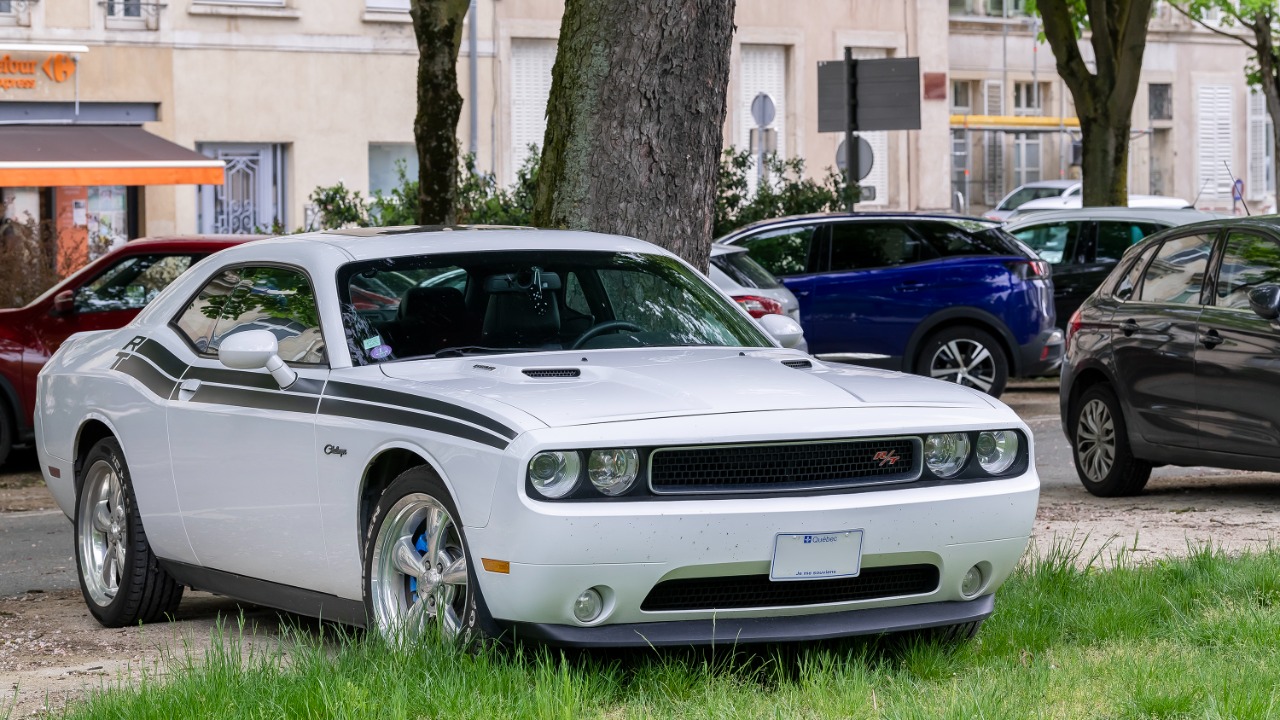
Few cars stack the risk factors as plainly as the supercharged Challenger performance coupe. Its high-output V8 trims sit near the top of the horsepower range offered in a mass-market car, and the platform has drawn sustained attention from thieves, so collision and comprehensive losses both run heavy. Underwriters read those two lines together and price the policy accordingly.
Relief is limited, because the features that make the trim desirable are the ones actuaries flag. Adding a tracking device, parking in a secured structure and accepting a mileage cap at least give a carrier something measurable to discount against.
8. Audi R8: A Mid-Engine Ten
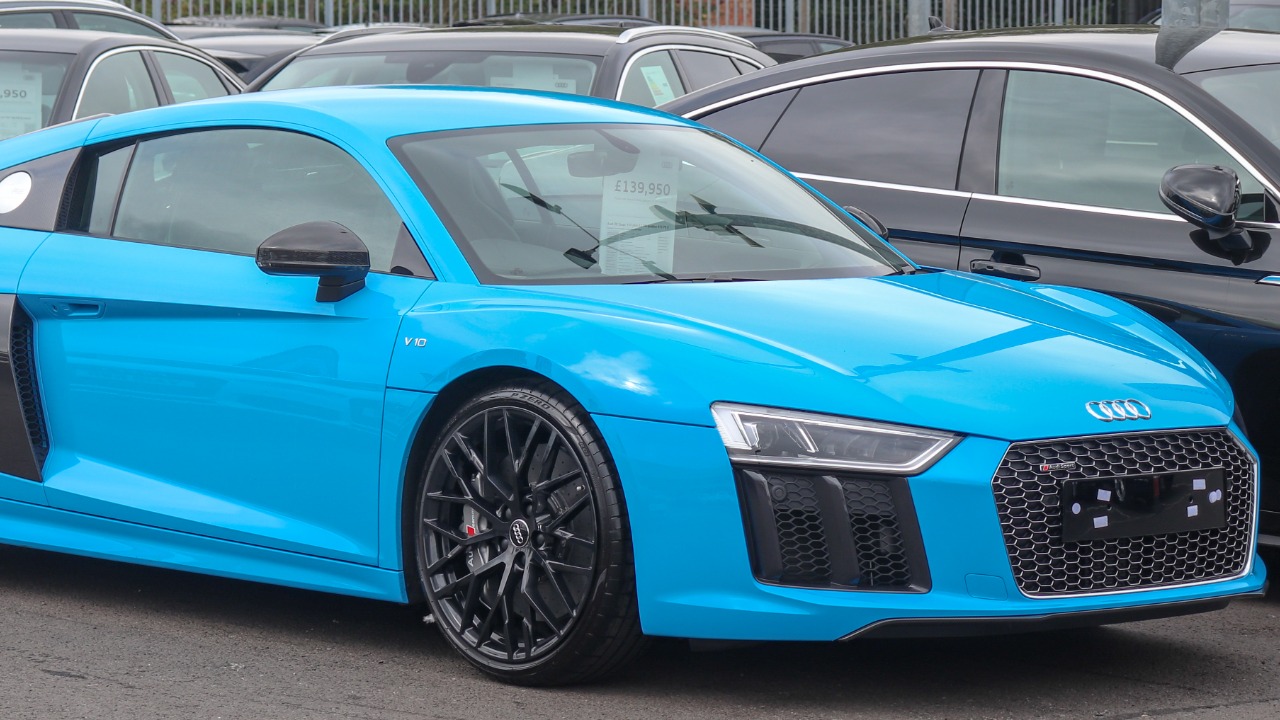
Premiums on the Audi’s mid-engine supercar are set by what a bad day costs. A V10 sits behind the cabin in an aluminum-and-carbon spaceframe, so damage that would be routine on a sedan can compromise structural sections only certified shops are permitted to touch. Values hold up years into ownership, which keeps total-loss exposure large long after the warranty lapses.
Carriers do account for how rarely such a car serves as sole transport, and a garaged second-car profile with low declared mileage helps, though the floor stays high. Track days, which many owners pursue, fall outside most standard policies.
9. Mercedes-AMG GT: Front-Mid V8, High Value
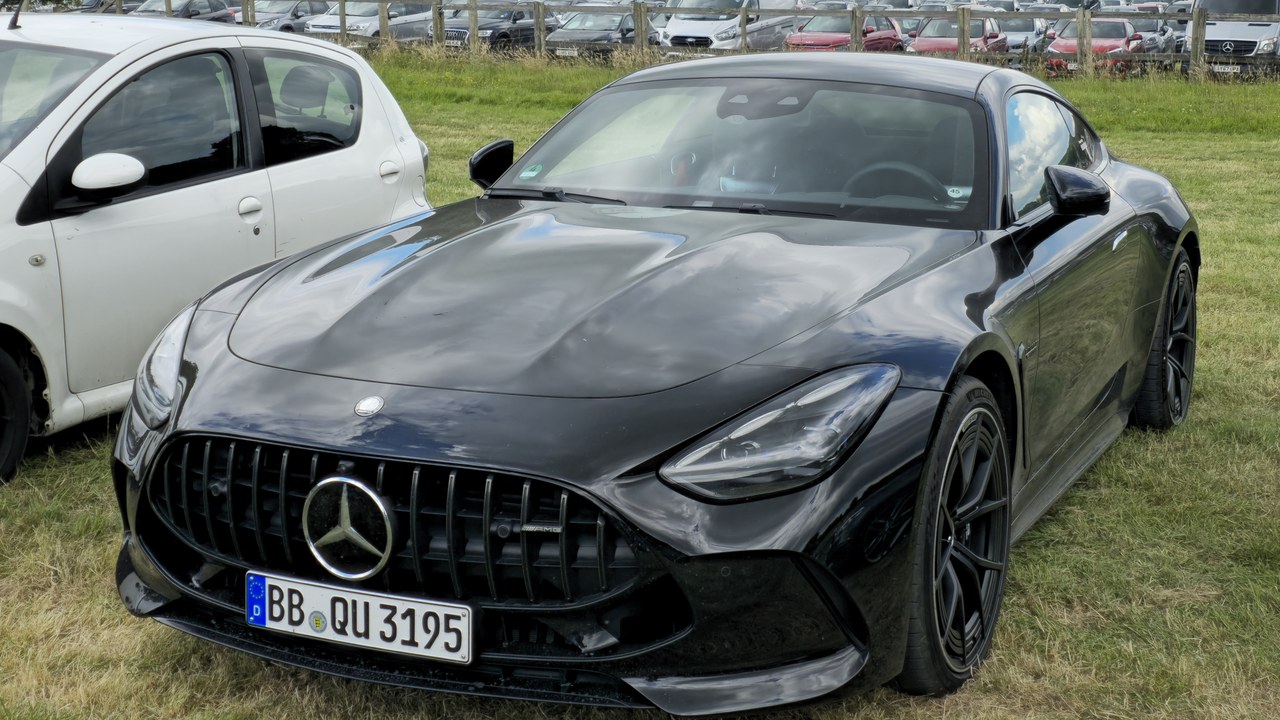
Covering the AMG grand tourer means insuring a high transaction price and serious speed under the same policy. A hand-assembled twin-turbo V8, a long aluminum-intensive front structure and extensive driver-assistance sensors push repair estimates up quickly, and the sensor recalibration that follows a front-end impact is a real line item rather than a rounding error. Severity sets the rate more than crash frequency does.
Depreciation offers less relief than expected, because parts pricing does not fall alongside used-car values. Anyone weighing a used example is better served collecting quotes before signing than discovering the figure afterward.
More from Morning Overview
