
American performance in its wildest era was measured in cubic inches, and the engine bay set the terms for everything else about the car. Later generations traded raw displacement for superchargers and higher revs, but the ambition never changed. Here are ten machines whose entire character was dictated by the largest, loudest engines their makers were willing to build.
1. Dodge Challenger SRT Hellcat: The Supercharged Hemi Escalation
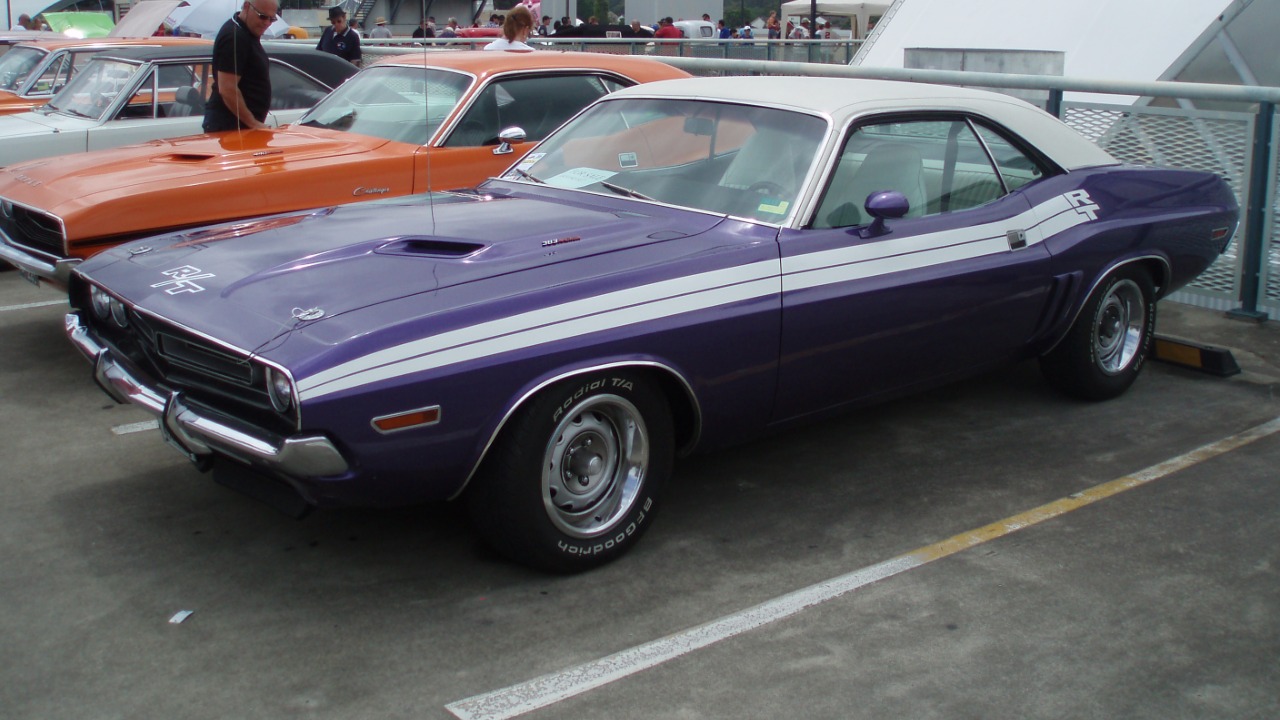
Chrysler ended the horsepower stalemate in 2015 by bolting a 2.4-liter supercharger to a 6.2-liter Hemi and dropping the result into a retro coupe rated at 707 horsepower. The third-generation Dodge Challenger was never a light car, so much of the engineering went into keeping that engine fed and cool, from an intake ducted through a headlamp opening to a black key fob that capped output for anyone the owner did not trust.
The result rewarded straight lines far more than corners, and it consumed tires and fuel accordingly. Its real novelty was availability: a supercharged big-inch engine sold with a factory warranty at ordinary dealerships.
2. Chevrolet Camaro ZL1: A Name Borrowed From A Legend
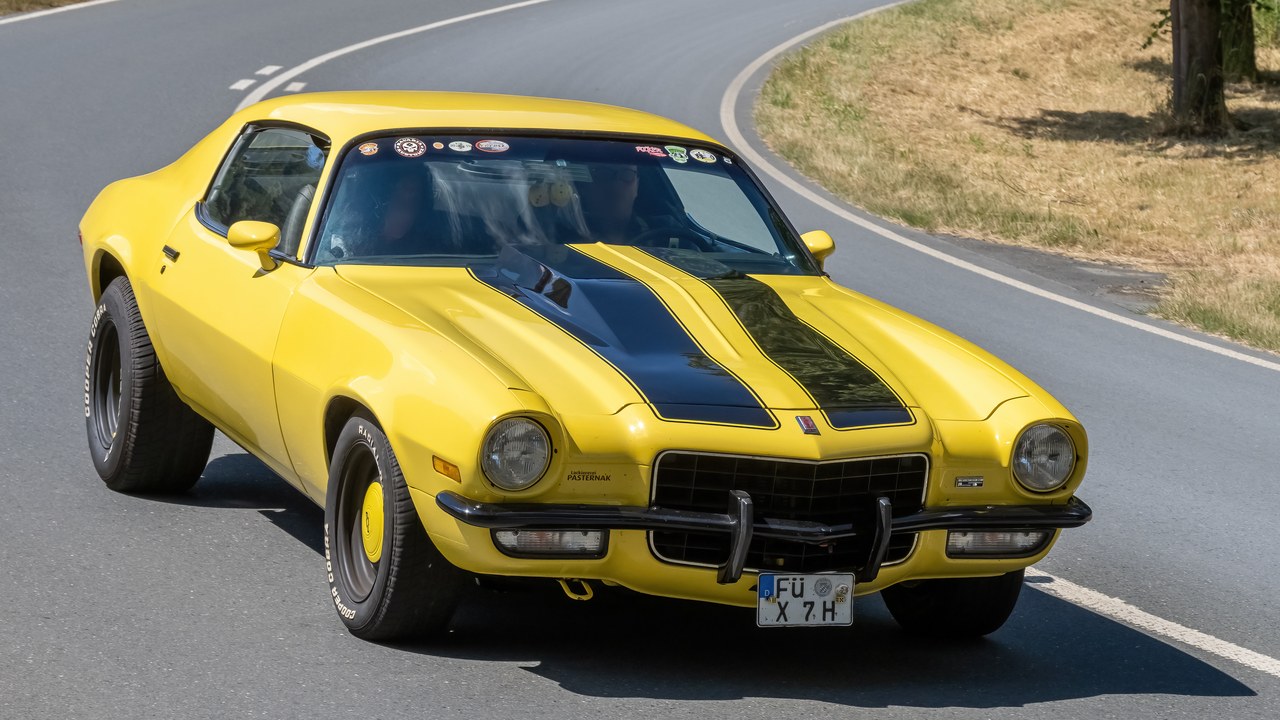
The ZL1 badge dates to 1969, when a handful of Camaros left the factory with an all-aluminum 427 big-block ordered through a special-order process intended for fleet buyers. The modern sixth-generation Chevrolet Camaro revived the name with a supercharged 6.2-liter LT4, an engine shared with the Corvette Z06 of the period and backed by magnetic dampers and an electronic limited-slip differential.
Where the original was a drag-strip special built in tiny numbers, the reborn car was engineered for road courses, with the cooling capacity and aerodynamics to sustain repeated laps. That shift explains why the badge now signals track hardware rather than raw displacement.
3. Ford Mustang Shelby GT500: Predator Under The Hood
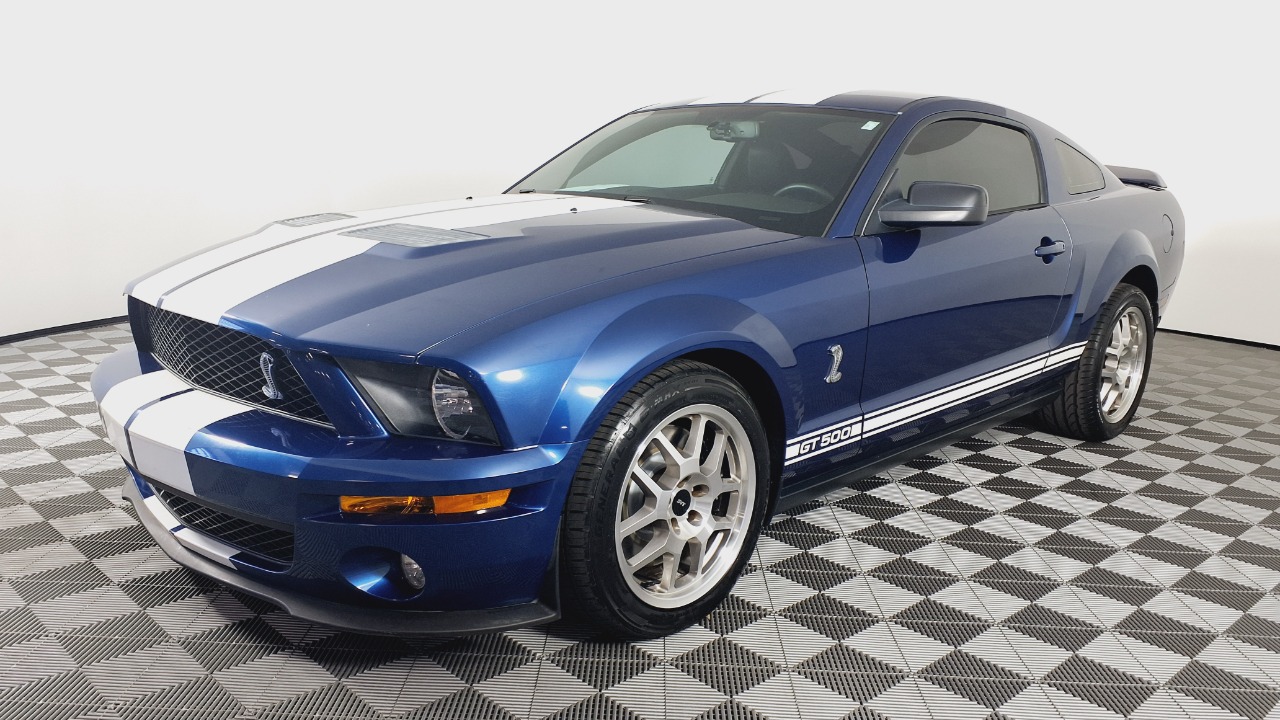
Ford’s 2020 revival was built around a hand-assembled 5.2-liter V8 called Predator, a cross-plane relative of the engine in the GT350 fitted with a supercharger nestled in the valley of the block. The Shelby GT500 coupe was rated at 760 horsepower and paired exclusively with a seven-speed dual-clutch transmission, a first for the nameplate.
That combination made the car quicker than any earlier Mustang while removing the manual gearbox many buyers expected. Carbon-fiber wheels and an adjustable rear wing were available, pushing a nameplate once defined by brute torque toward genuine circuit capability.
4. Dodge Charger SRT: Four Doors, Same Engine
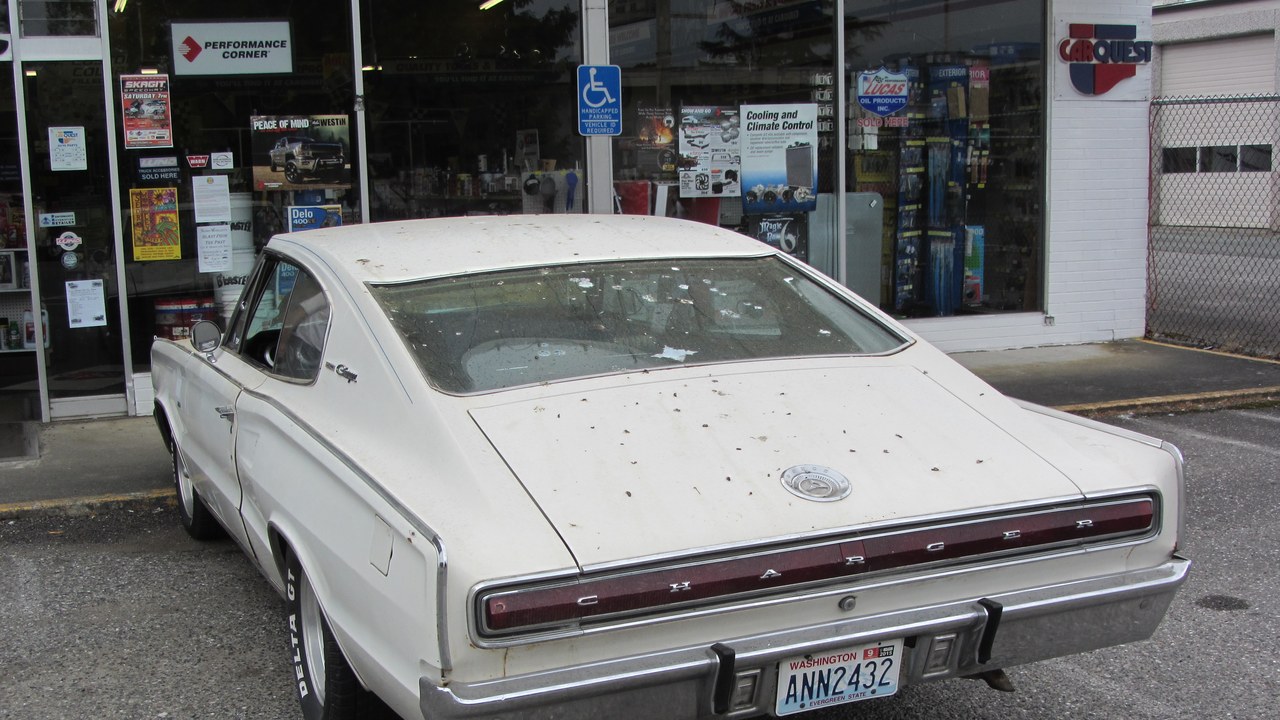
Dodge kept a full-size sedan in the muscle-car conversation by fitting it with the same engines used in the two-door cars. The modern Dodge Charger in SRT trim carried a naturally aspirated 6.4-liter Hemi, while the Hellcat version received the supercharged 6.2, turning a family car with rear doors into one of the fastest sedans sold in America.
Police fleets and school runs ended up sharing a platform with cars capable of quarter-mile times that embarrassed most sports cars, a combination almost unique to Chrysler in the period. The trade was fuel consumption and a curb weight that flattered straight lines rather than tight corners.
5. Chevrolet Corvette Z06: The Flat-Plane Experiment
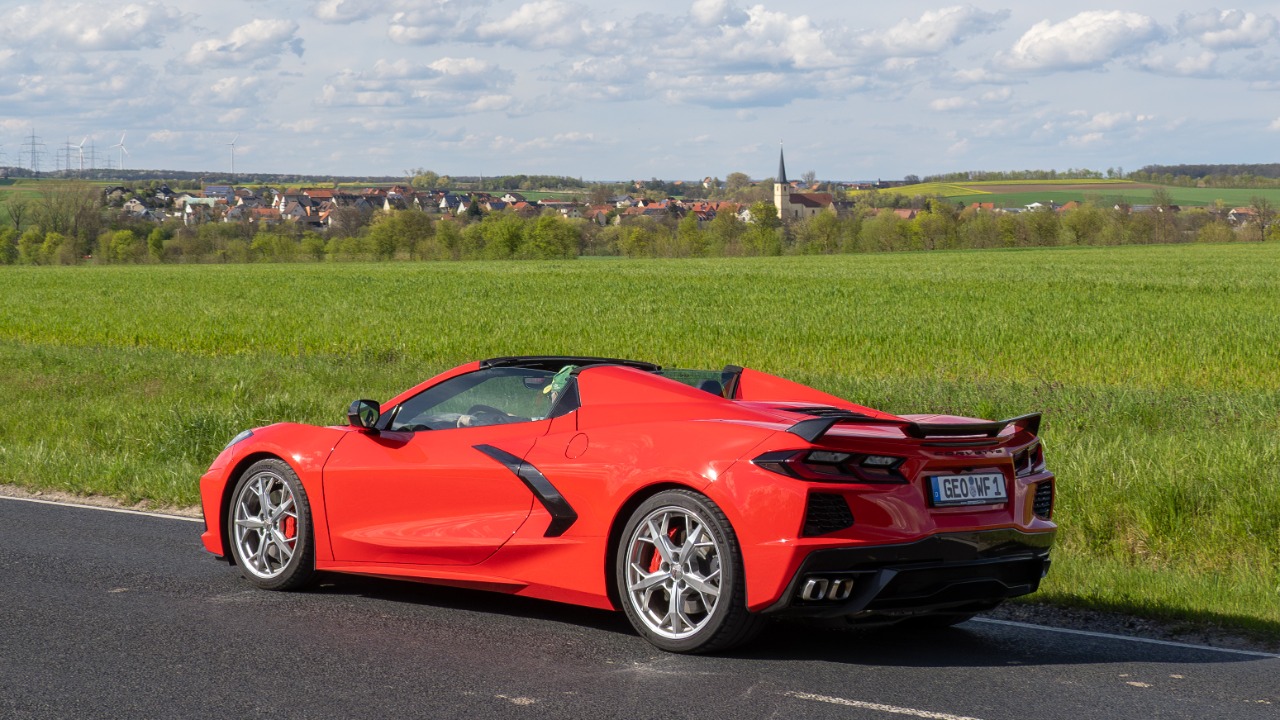
Chevrolet built the mid-engine Z06 around a 5.5-liter V8 with a flat-plane crankshaft, a layout borrowed from European racing engines that allows a lighter rotating assembly and a far higher redline. Rated at 670 horsepower and spinning to 8,600 rpm, the engine gives the mid-engine Chevrolet Corvette a shriek far closer to an exotic than to a traditional small-block.
The trade-offs are inherent to the design: more vibration than a cross-plane V8 and less torque low in the rev range, offset by throttle response that arrives instantly. It remains a rare production use of a layout usually confined to racing engines.
6. Pontiac GTO: The Loophole That Started It
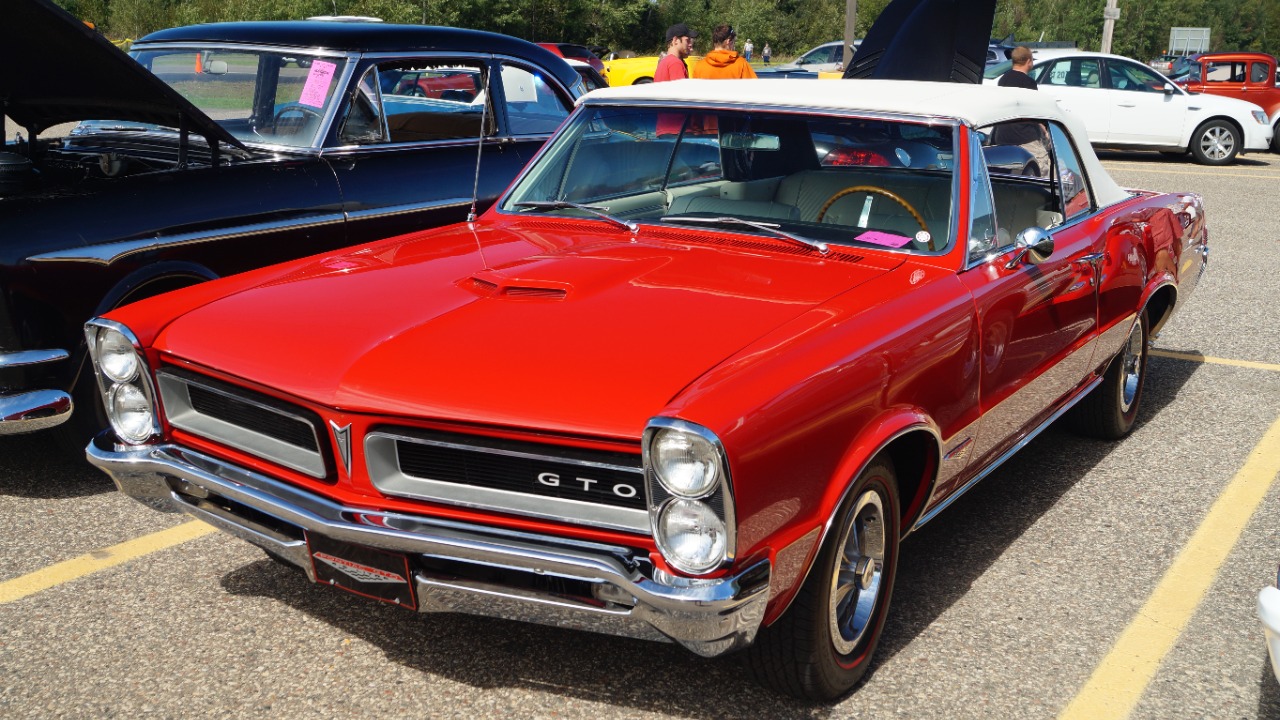
General Motors barred its intermediate cars from engines larger than 330 cubic inches, so Pontiac slipped a 389 into the Tempest as an option package rather than a separate model, sidestepping the rule entirely. The original Pontiac GTO arrived for 1964 and sold well beyond internal projections, prompting Ford, Chrysler and rival GM divisions to answer with big-engine versions of ordinary midsize cars.
Later editions grew to 400 and then 455 cubic inches, but the template mattered more than any single engine. Every car that followed descends from the idea that the largest engine in the catalog belongs in the lightest body available.
7. Plymouth Barracuda: The 426 In A Pony Car
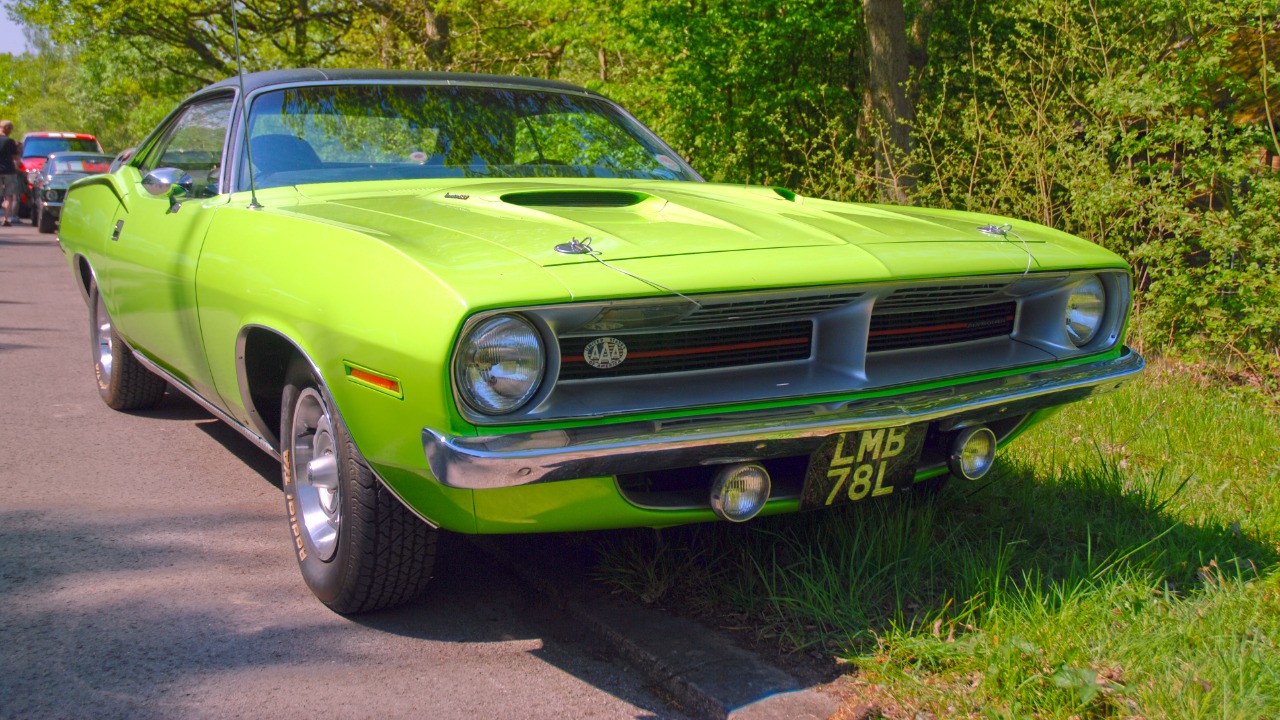
The redesigned 1970 body was wide enough to accept Chrysler’s biggest engines, and the option list ran to the 426 Hemi, a hemispherical-head V8 developed for stock-car racing and rated at 425 horsepower on paper. The third-generation Plymouth Barracuda also offered a 440 with three two-barrel carburetors for buyers who wanted comparable thrust for considerably less money.
Hemi cars were expensive, temperamental in traffic and built in very small numbers, which is precisely why survivors now command sums out of all proportion to the rest of the range. The engine that made the model famous was ordered by almost nobody when new.
8. Chevrolet Chevelle SS: The 454 High Water Mark
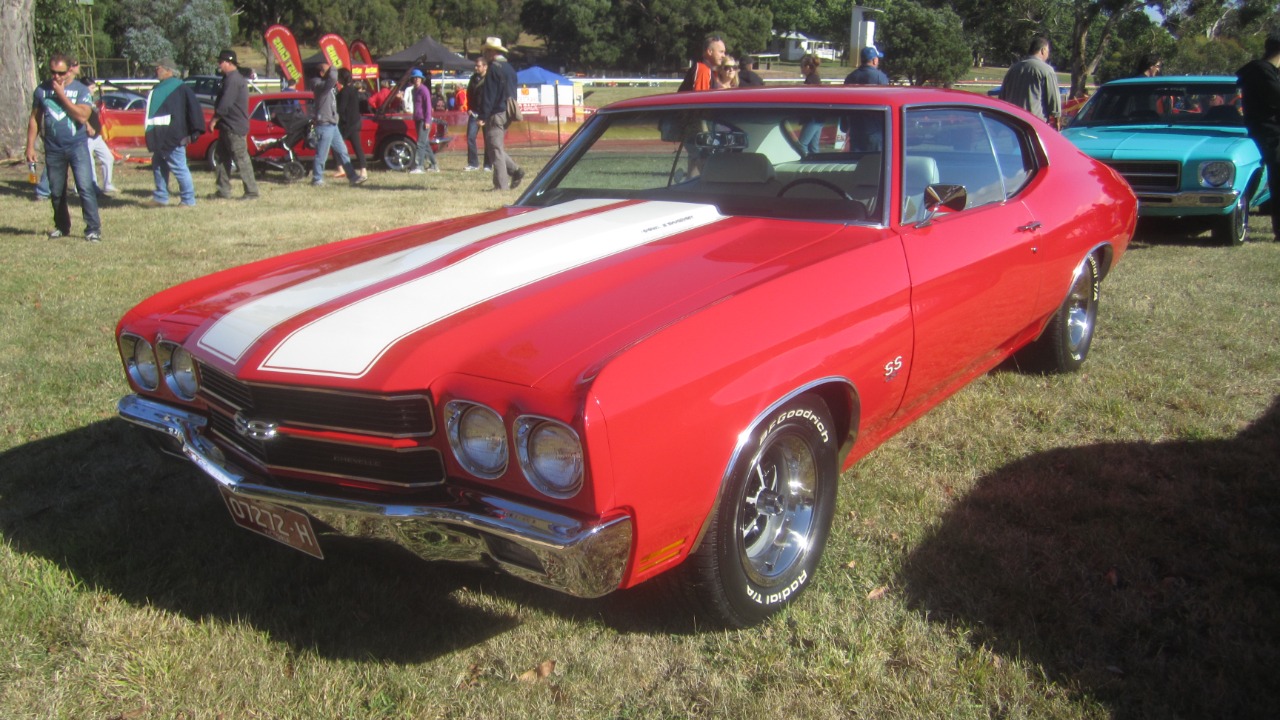
General Motors lifted its displacement ceiling for 1970, and Chevrolet immediately offered the Chevelle SS with a 454-cubic-inch big-block. In LS6 form that engine carried a factory rating of 450 horsepower, one of the highest gross figures Chevrolet ever advertised, making the 1970 Chevrolet Chevelle the benchmark against which rival intermediates were measured.
Tightening emissions rules and insurance surcharges closed the window within two years, and compression ratios fell sharply afterward. That brevity is why a well-documented big-block example sits near the top of the collector market while lesser versions remain comparatively affordable.
9. Buick GSX: Torque Over Horsepower
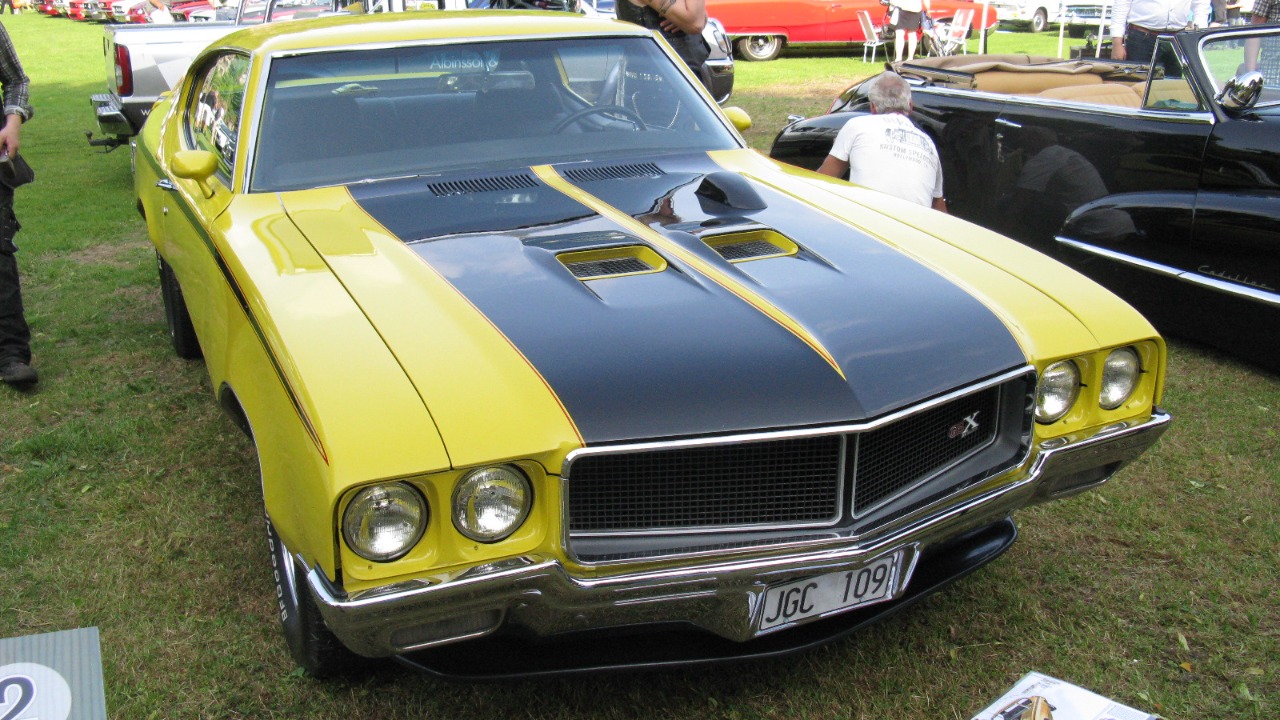
Buick approached the formula from a different direction, tuning its 455 big-block for low-end pull rather than peak revs. The Stage 1 version was advertised at 510 pound-feet of torque, a figure that stood as an American benchmark for decades, and the 1970 Buick GSX wrapped that engine in stripes, a spoiler and a hood-mounted tachometer aimed squarely at younger buyers.
Magazine testers of the day recorded quarter-mile times quicker than the conservative horsepower rating suggested, a gap widely attributed to deliberate understatement. Production ran only two seasons, leaving verified examples scarce enough that they rarely change hands quietly.
10. Dodge Super Bee: Big Block On A Budget
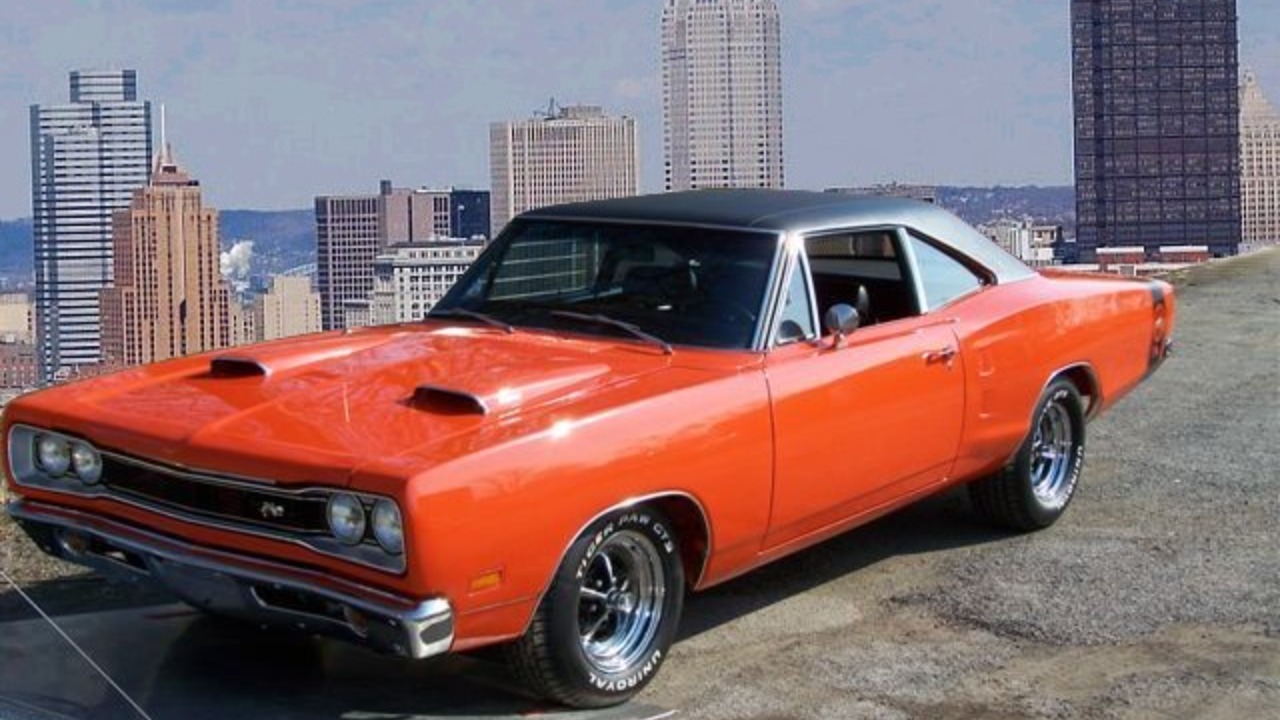
Dodge answered Plymouth’s stripped-down Road Runner with a Coronet-based car that spent its budget on the engine and little else, arriving with a 383 big-block as standard equipment. The Dodge Super Bee could also be ordered with the 426 Hemi or the 440 Six Pack, the latter feeding three two-barrel carburetors beneath a lift-off fiberglass hood on the earliest cars.
Rubber floor mats, bench seats and minimal sound deadening kept the price within reach of buyers who could not stretch to a Charger. The formula worked until insurers began rating cars by engine size, at which point the cheap big-block stopped being cheap to own.
More from Morning Overview
- Card skimmers hidden on gas pumps and ATMs are draining accounts, and here’s the tell
- The FBI says hackers are hijacking outdated home routers, and it named the models to check
- Older Teslas are wearing out in ways early owners never saw coming
- A common childhood virus is now tied to multiple sclerosis years later
