
A great manual gearbox is not measured in ratios but in the few inches the lever travels and the way each gate announces itself. Enthusiasts and road testers tend to agree on a short list of cars that got the linkage, the clutch weighting and the gearing right. Here are ten cars whose shifters keep turning up in that conversation.
1. Honda S2000: The Short-Throw Benchmark
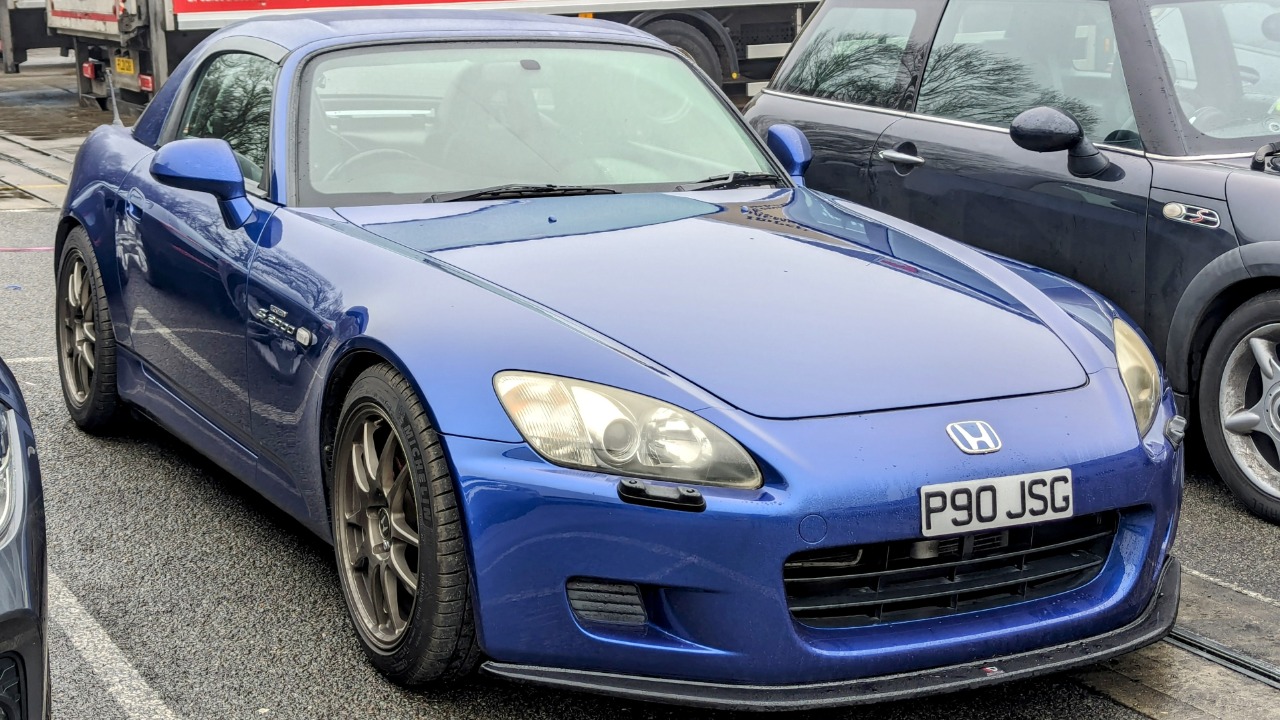
Honda placed the gearbox of its front-mid-engined roadster directly under the driver’s hand, with the lever acting on it through a stubby rod linkage rather than a long remote shaft. That layout is why reviewers describe throws measured in a couple of inches, with gates spaced tightly enough that a wrist flick moves between them. The high-revving four-cylinder engine gives the shifter constant work, so its precision registers on every upshift.
Owners weighing one against a modern sports car should note the trade-off: the ratios are short and the engine makes little below its midrange, so town driving involves a lot of stirring.
2. Mazda MX-5 Miata: Short Rods, Small Effort
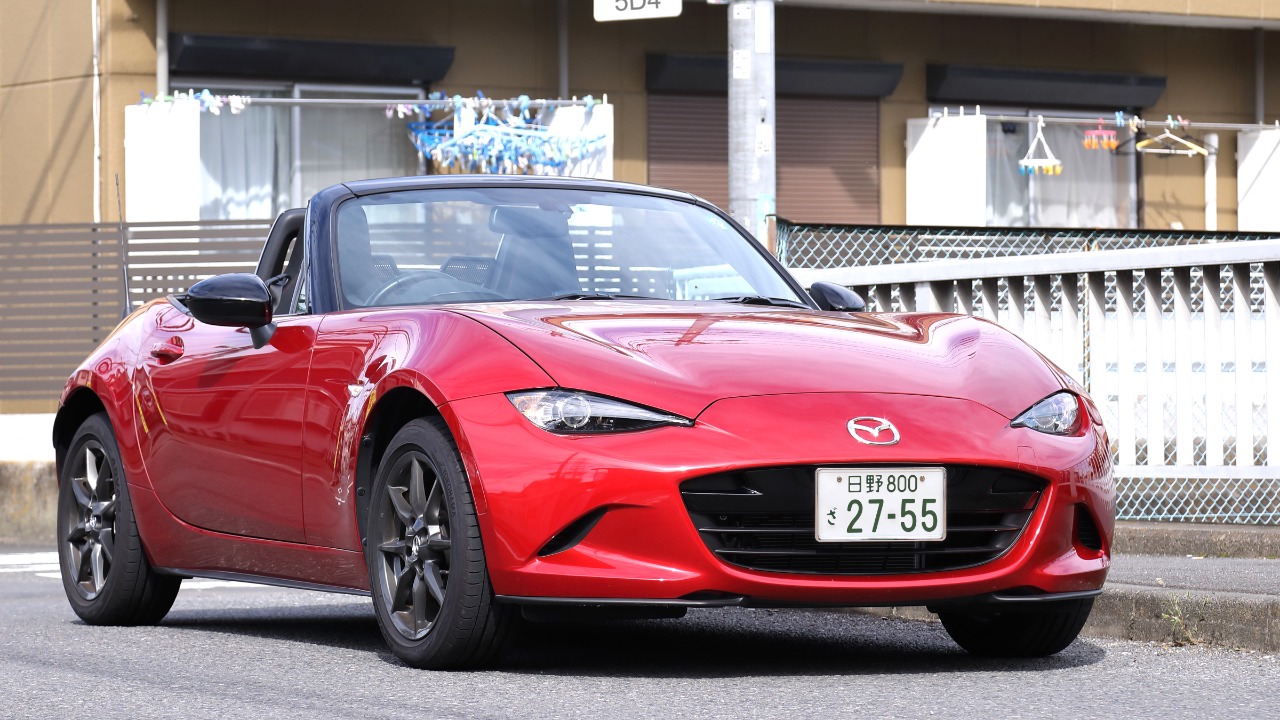
The lever in the two-seat Mazda convertible mounts almost directly on top of the gearbox, so the movement between gates is mechanical and immediate rather than filtered through cables. Light internal parts and a small clutch keep the effort low, which is why testers use words like crisp and tactile instead of notchy. The same basic architecture has carried across every generation of the car, keeping the feel recognizable decades apart.
The gearbox flatters modest power, which is the point: a driver can use all of the engine and all of the gears at legal speeds, something most quick cars reserve for a track.
3. Porsche 911: Seven Gates, Purist Approved
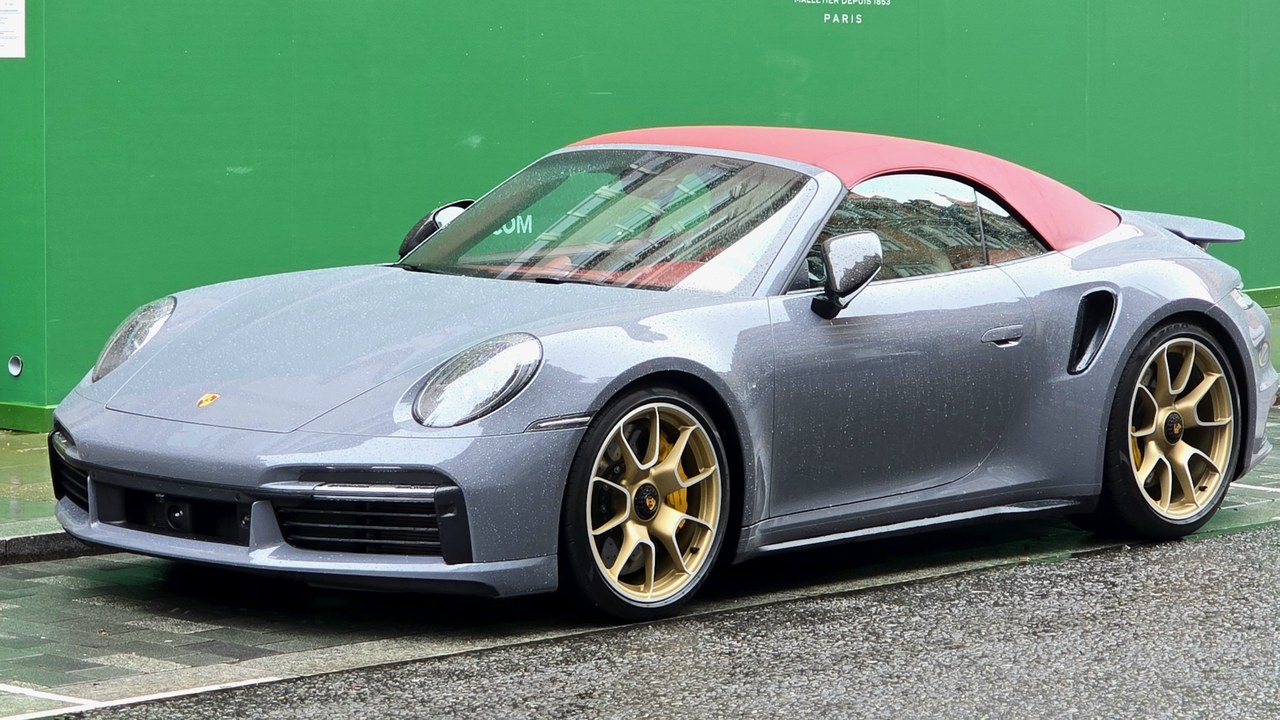
Porsche kept a manual on the rear-engined 911 long after rivals moved to twin-clutch automatics, and later generations offer a seven-speed with the extra ratio tucked to the right of the standard six-speed H-pattern. A lockout prevents a driver reaching seventh from anywhere except fifth or sixth, which keeps the everyday gates in a familiar plane. Purists praise the weighting: firm springing between planes, short travel, and a clutch that meters engagement rather than grabbing.
Buyers should check which model they are looking at, because the manual has come and gone by variant and market, and the automatic remains the quicker choice against a stopwatch.
4. Chevrolet Corvette: The Last Stick-Shift Corvette
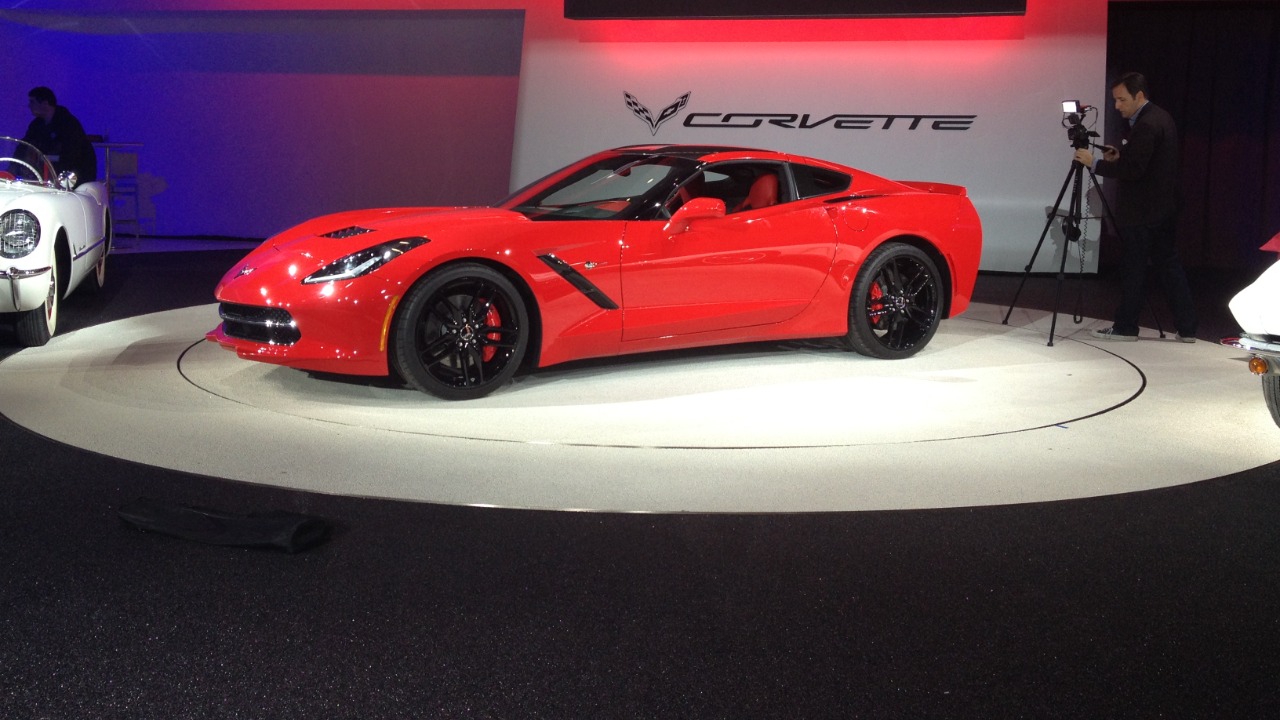
The front-engined seventh-generation Chevrolet sports car paired a Tremec seven-speed with an automatic rev-matching system that blipped the throttle on downshifts, a feature the driver could switch off with the paddles. Enthusiasts rate it for the combination of a heavy, deliberate gate and a torque curve that forgives a lazy shift. The mid-engined car that replaced it dropped the manual entirely, offering only a dual-clutch automatic.
That makes the older car the practical target for anyone who wants a third pedal with supercar pace, and used prices still sit far below the European machinery it runs with.
5. Honda Civic Si: Cable-Shifted And Still Sharp
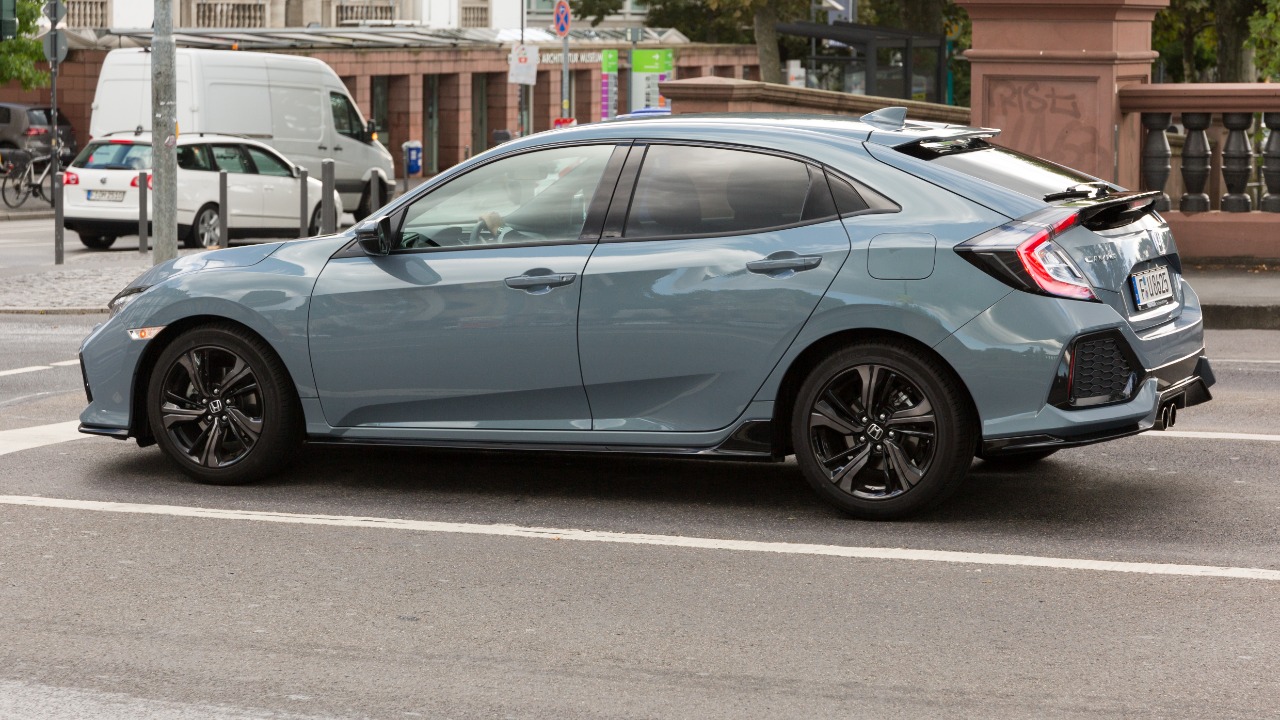
Front-drive layouts route the lever to the gearbox through cables, which usually blunts feel, yet the sport trim of the long-running Honda compact is repeatedly singled out for precision anyway. Short gearing and an engine happy to spin near its limiter keep the driver moving through the gates, and recent versions add a rev-match assist that can be turned off. The clutch is light enough for commuting without going numb at the top of its travel.
For a buyer who wants the shifter without the running costs of a sports car, it remains one of the cheapest ways to get a genuinely good gearbox with a warranty.
6. Ford Mustang GT: The Getrag Six Behind A V8
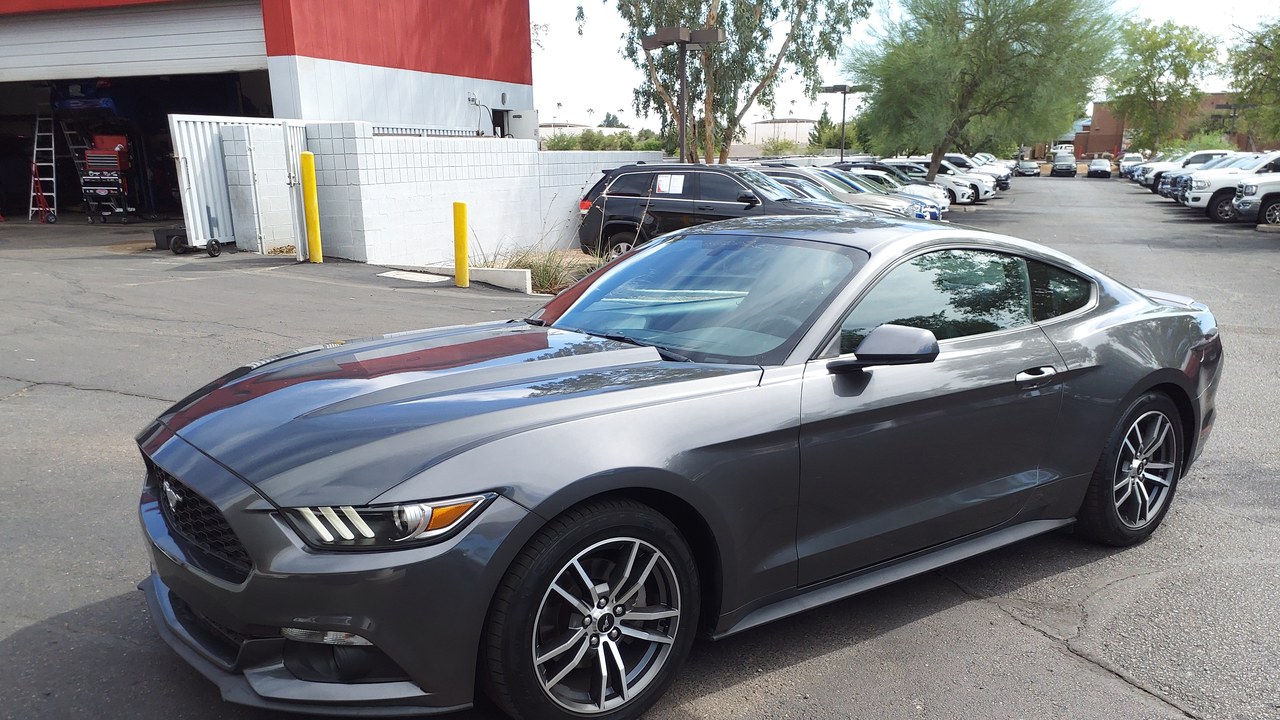
Behind the V8 in the Ford pony car sits a Getrag-designed six-speed, the MT82, built to swallow the torque a five-liter engine delivers from low revs. The throws are longer than a Japanese sports car’s and the lever is heavier, but the mechanism is direct and the gate spacing is wide enough to find under load. Later revisions tightened the shift quality after early cars drew complaints about balky changes.
Anyone shopping used should drive several examples, since shift feel varies noticeably between build years and a worn clutch is far cheaper to fix than a tired gearbox.
7. Subaru WRX: Built For Rally Abuse
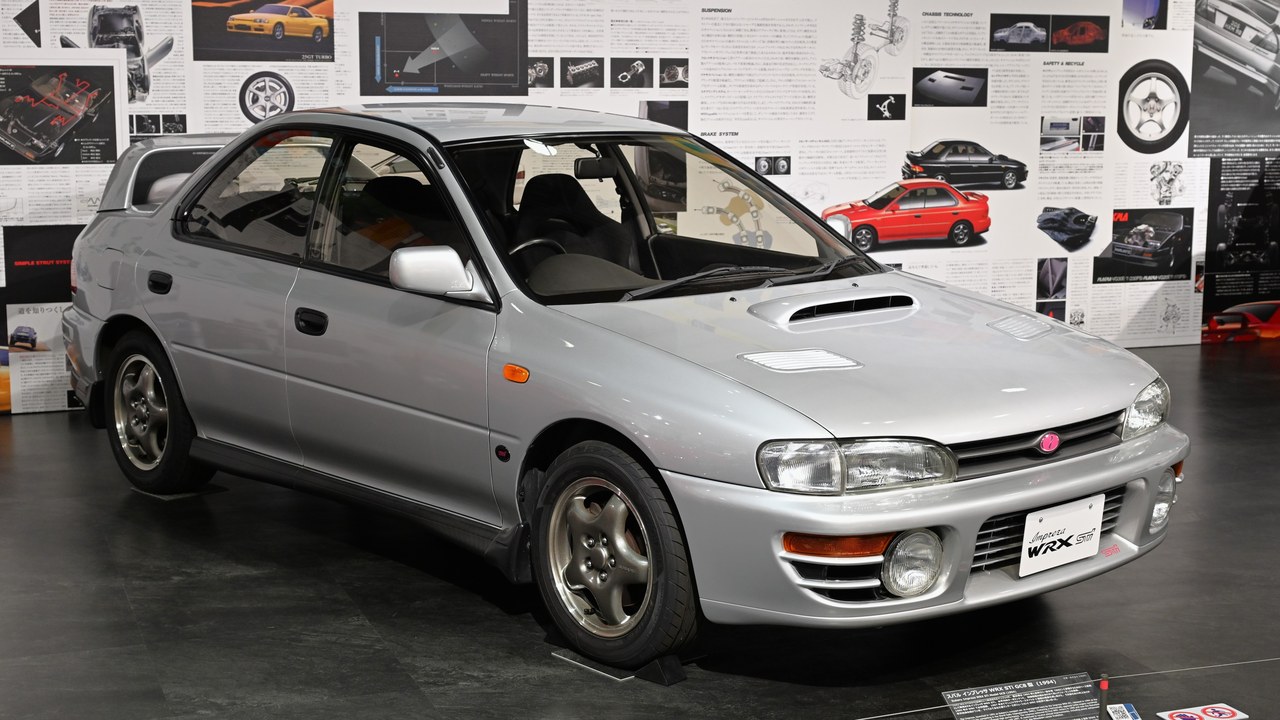
Subaru engineered the gearbox in its turbocharged Subaru sedan around boost and all-wheel drive, with the hotter versions getting a stronger six-speed rather than the standard five. Enthusiasts value the mechanical honesty of the linkage more than its polish: the lever is rubbery next to a roadster’s, yet it tolerates fast, aggressive shifts and keeps the boxer engine inside its narrow power band. Gearing is stacked short so a driver can hold the turbocharger on song.
The trade-off is that the drivetrain punishes neglect, and a car that has been launched hard on a worn clutch will show it in the first few gear changes.
8. BMW M3: The Sport Sedan Standard
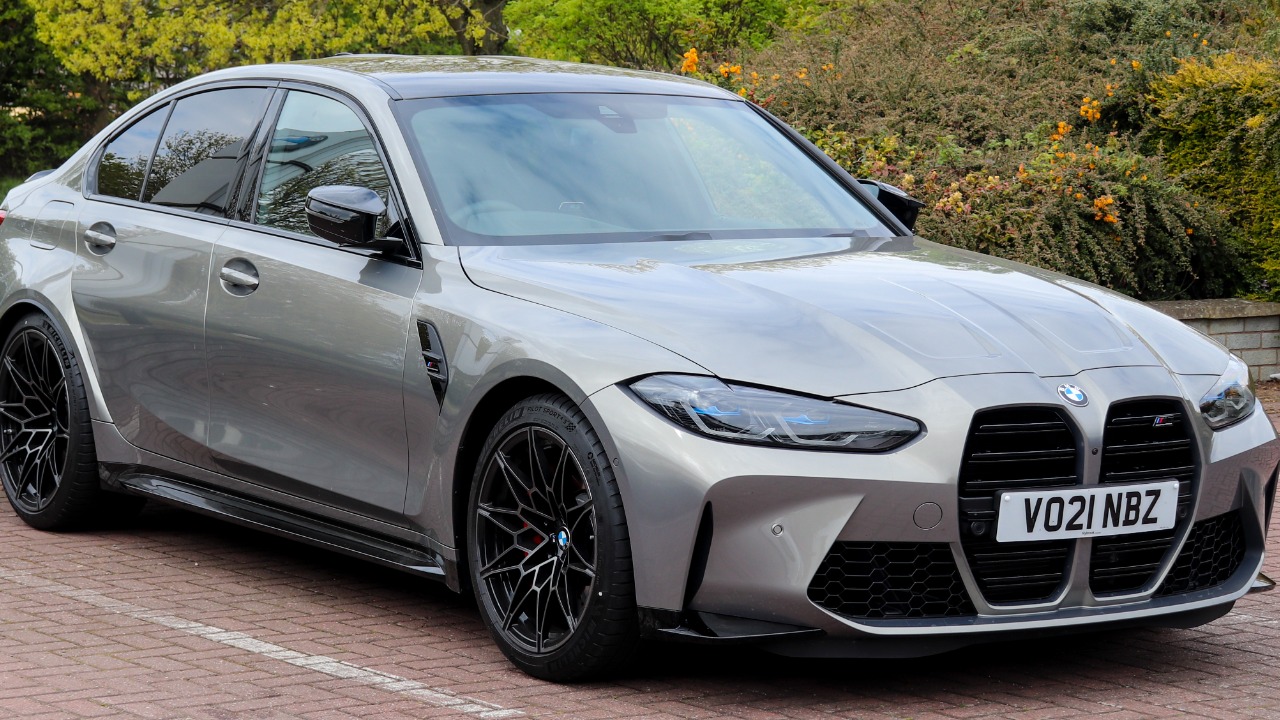
Successive generations of the BMW performance sedan have used Getrag-supplied six-speed manuals, and testers have long treated them as the reference point for how a four-door should shift. The gate is closely spaced with a firm, spring-loaded return to the third-fourth plane, and the clutch takes up progressively, which makes heel-and-toe downshifts easy to time. More recent cars offer electronic rev-matching that can be switched off, leaving the driver to blip the throttle.
Availability is the catch, since the manual has been limited to certain body styles and markets on newer cars, and the twin-clutch and torque-converter alternatives dominate the used supply.
9. Toyota GR86: Cheap Seats, Expensive Feel
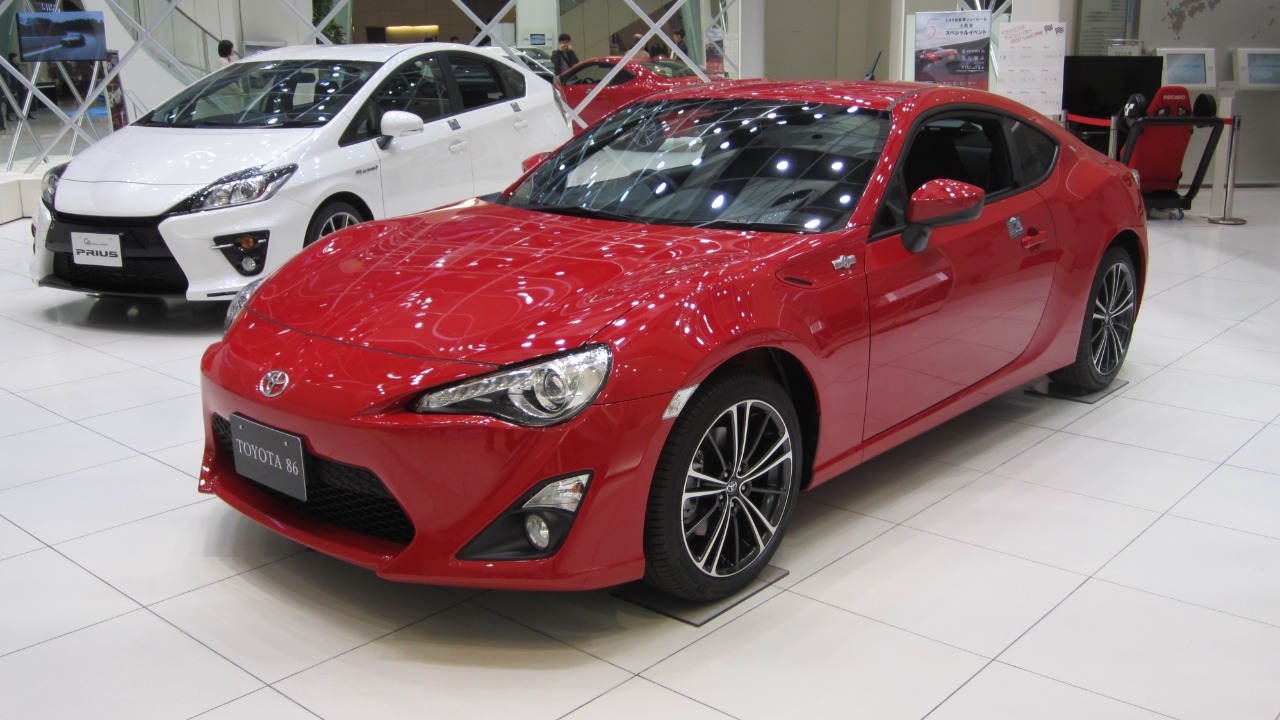
The rear-drive Toyota coupe uses a compact Aisin six-speed sitting close to the driver, and the short lever moves through tightly grouped gates with little slop. Because the car makes modest power and weighs little, the gearbox rather than the engine becomes the main event, and reviewers often single out the shift action as a highlight. The pedals sit close enough together to make heel-and-toe downshifts straightforward, which is part of why the car turns up at track days.
Running costs stay low, and a replacement clutch costs a fraction of what a European coupe demands, which keeps the car in reach of drivers who wear parts out.
10. Volkswagen GTI: The Forgiving Hot-Hatch Six
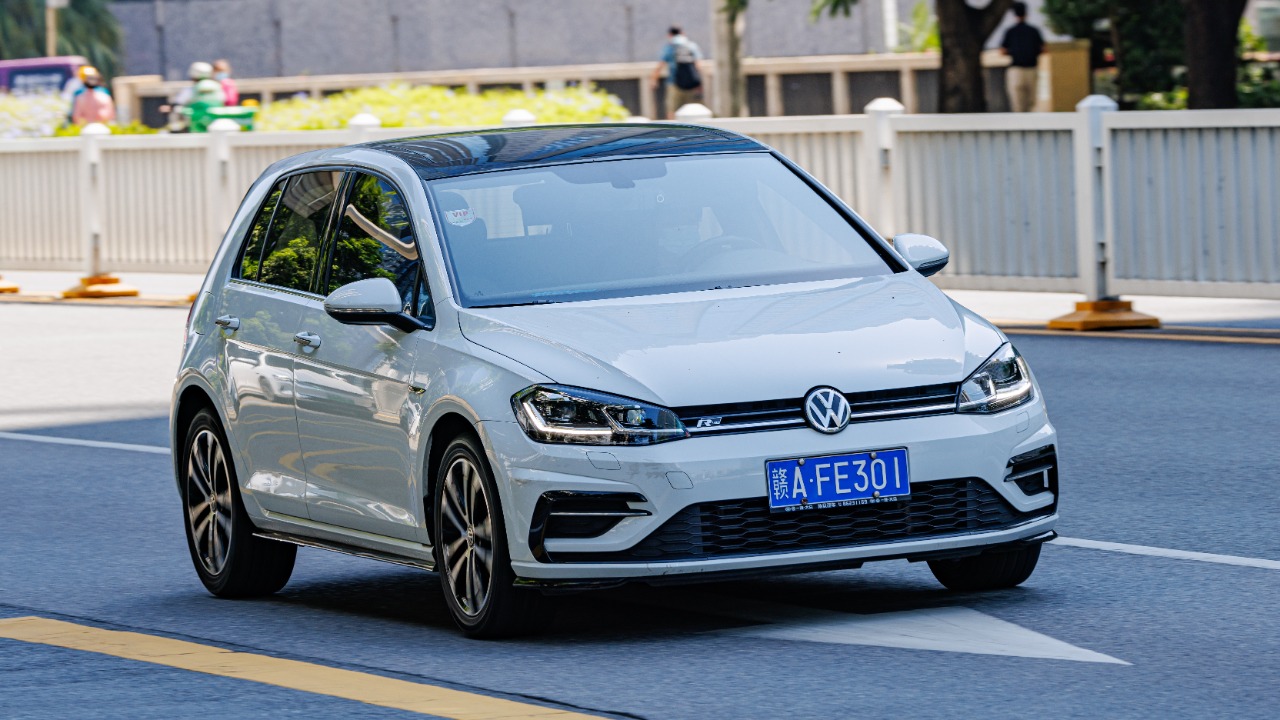
The sport version of the Volkswagen hatchback takes the opposite approach to a track-focused coupe: the six-speed uses cable actuation, longer throws and a light, high-biting clutch that makes smooth departures easy for a novice. Enthusiasts praise it less for outright precision than for how well it suits the car, letting a turbocharged four with a broad torque curve be short-shifted without drama. Gate definition is soft, but the lever never feels vague.
Volkswagen has narrowed manual availability on the hatch in several markets as dual-clutch gearboxes took over, so shoppers who want the third pedal increasingly have to look at earlier cars.
More from Morning Overview
- Long-term use of common heartburn pills is tied to kidney and dementia risk
- A California supervolcano has bulged upward about two and a half feet since 1978
- The FTC is warning about a scam quietly draining thousands from victims
- The NSA is again telling phone owners to switch off one location setting
