
The station wagon spent two decades being written off as the body style Americans abandoned for crossovers. Yet used listings, enthusiast forums and auction lots keep circling back to the same long-roof models, prized for their low centers of gravity, their cargo space and their refusal to look like everything else in the parking lot. Here are eight wagons drawing renewed attention from drivers who never stopped wanting one.
1. Subaru Outback: The Wagon That Outlasted The Trend
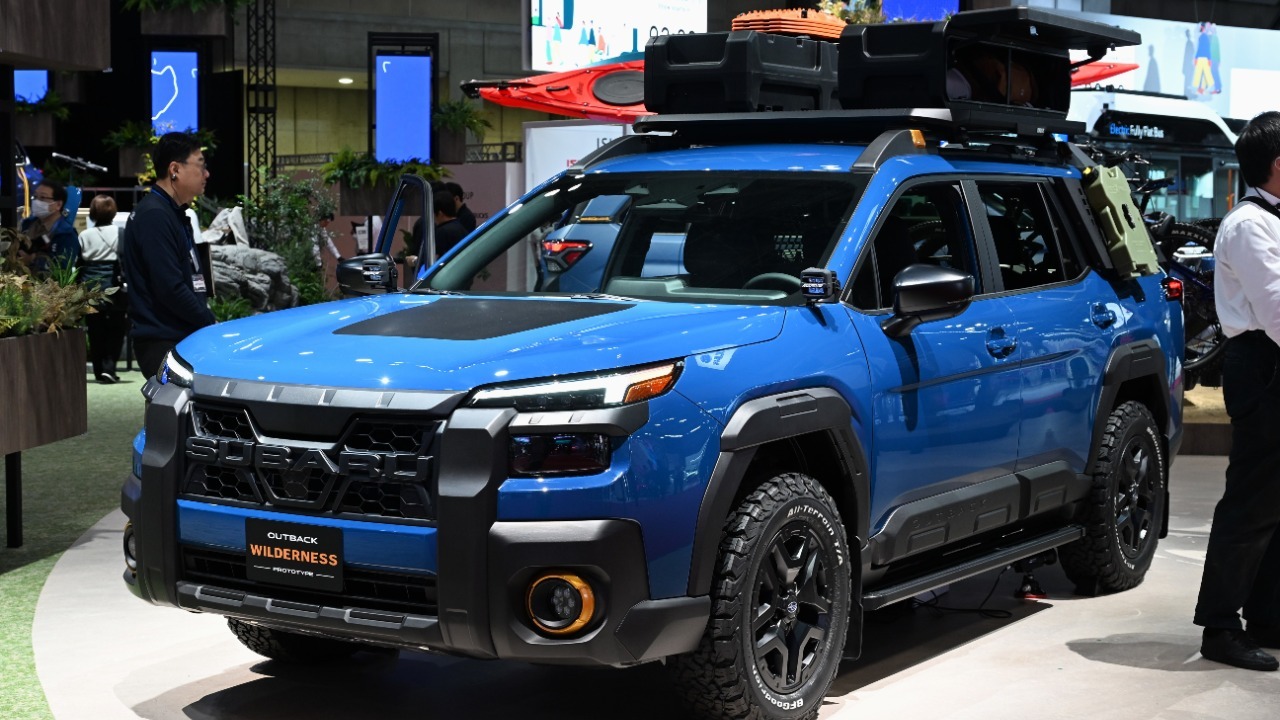
Subaru turned a Legacy wagon into something else entirely by raising the suspension, cladding the bodywork and making all-wheel drive standard, and the formula proved durable enough that the long-running Outback line survived every wave of crossover fashion that retired its rivals. It kept a wagon’s low roofline and flat cargo floor while borrowing the ground clearance buyers wanted from a sport-utility.
That mix explains why used examples move quickly in snow-belt states, where the model functions as a default rather than a considered choice. Shoppers should still budget for the head-gasket and oil-consumption complaints that shadow some earlier four-cylinder engines, and look for service records showing the work was done.
2. Volvo V70: Built Like A Filing Cabinet
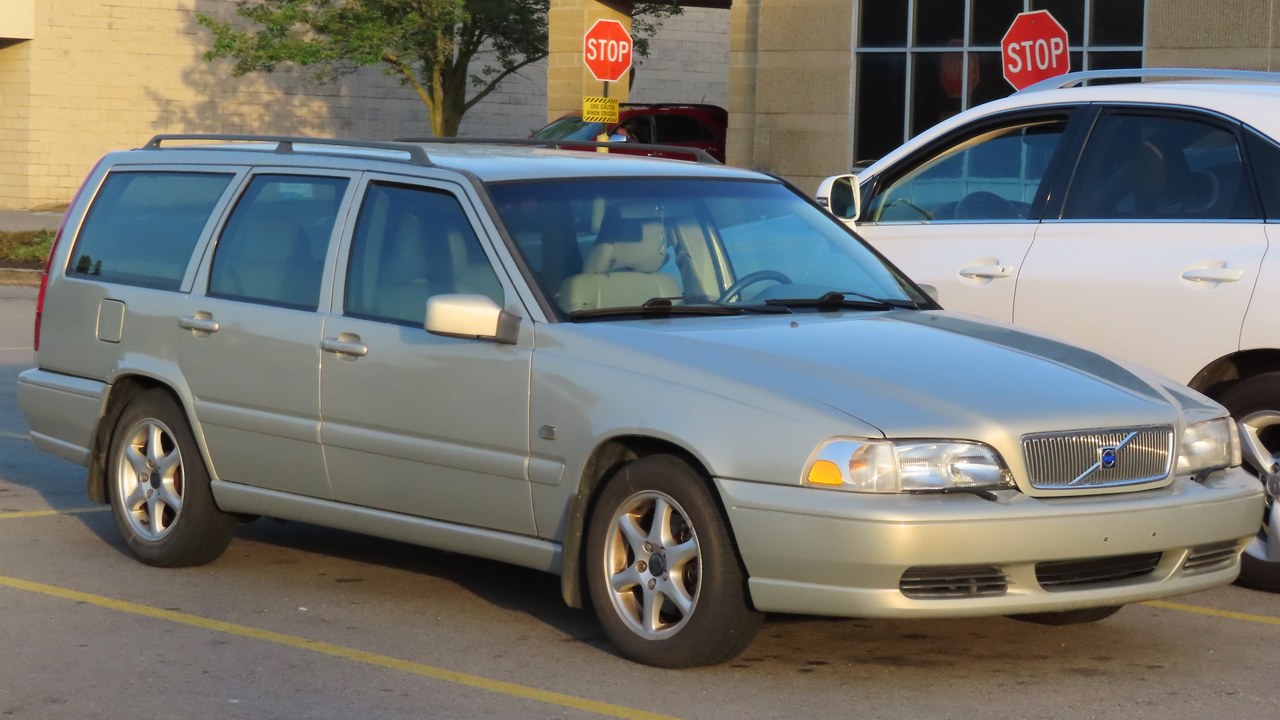
Few cars wear their squareness as proudly as the boxy Volvo estate, whose upright tailgate and flat load deck were laid out around cargo volume rather than styling fashion. The first version grew directly out of the 850 and inherited the safety hardware Volvo had spent decades marketing, from side-impact structures to reinforced seats.
A reputation for high-mileage durability is what keeps these wagons circulating instead of heading to scrapyards, and the turbocharged all-wheel-drive R versions draw the sharpest enthusiast interest. New owners generally inherit the model’s known weak spots as well, among them aging electrical modules, cooling components and tired suspension bushings.
3. Audi RS6 Avant: Supercar Pace, Grocery-Run Shape
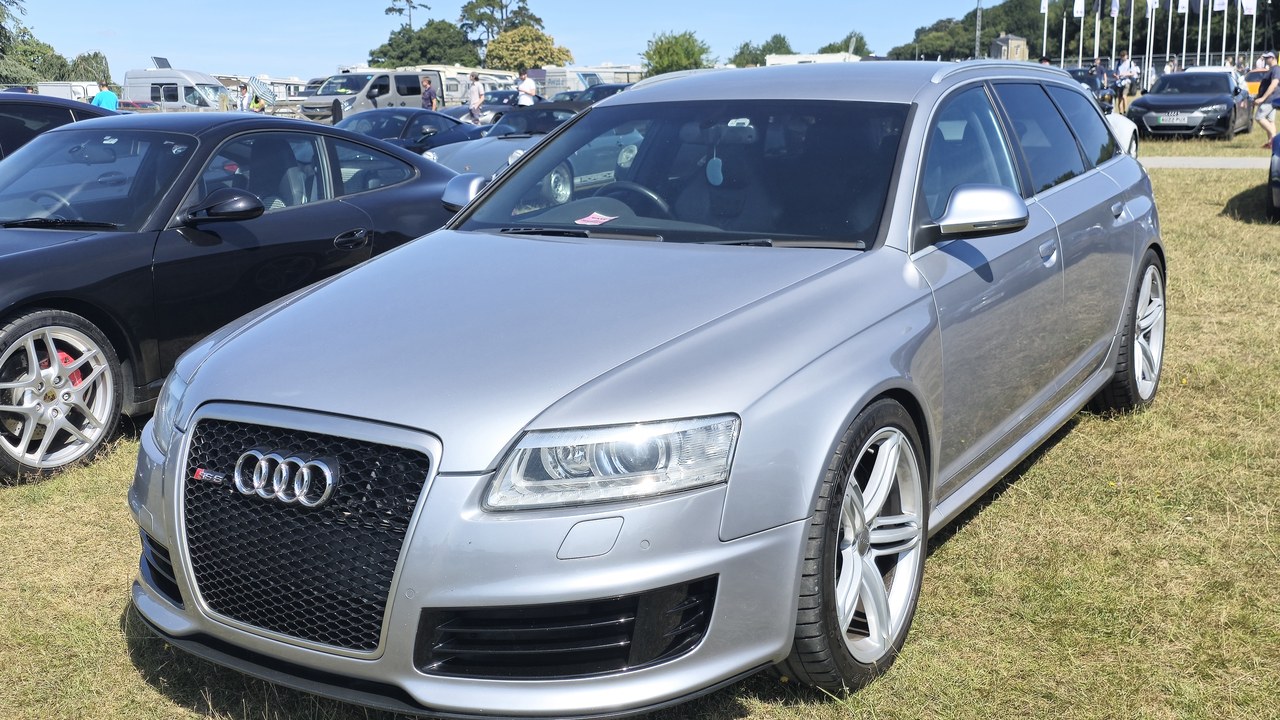
Audi’s fastest estate has always been an exercise in disguise: successive RS6 Avants have carried twin-turbocharged V8 and V10 engines driving all four wheels, wrapped in bodywork that differs from an ordinary A6 wagon mainly in its wider arches. The RS6 Avant program was developed through Audi’s performance division, which treated the wagon body as the starting point rather than an afterthought.
Demand concentrates on the generations that never reached American showrooms, which keeps the nameplate near the top of import wish lists. Running costs stay proportional to the performance, since tires, brakes and suspension components are priced like those of the sports sedans the wagon outruns.
4. BMW 5 Series Touring: The Rear-Drive Estate BMW Rations
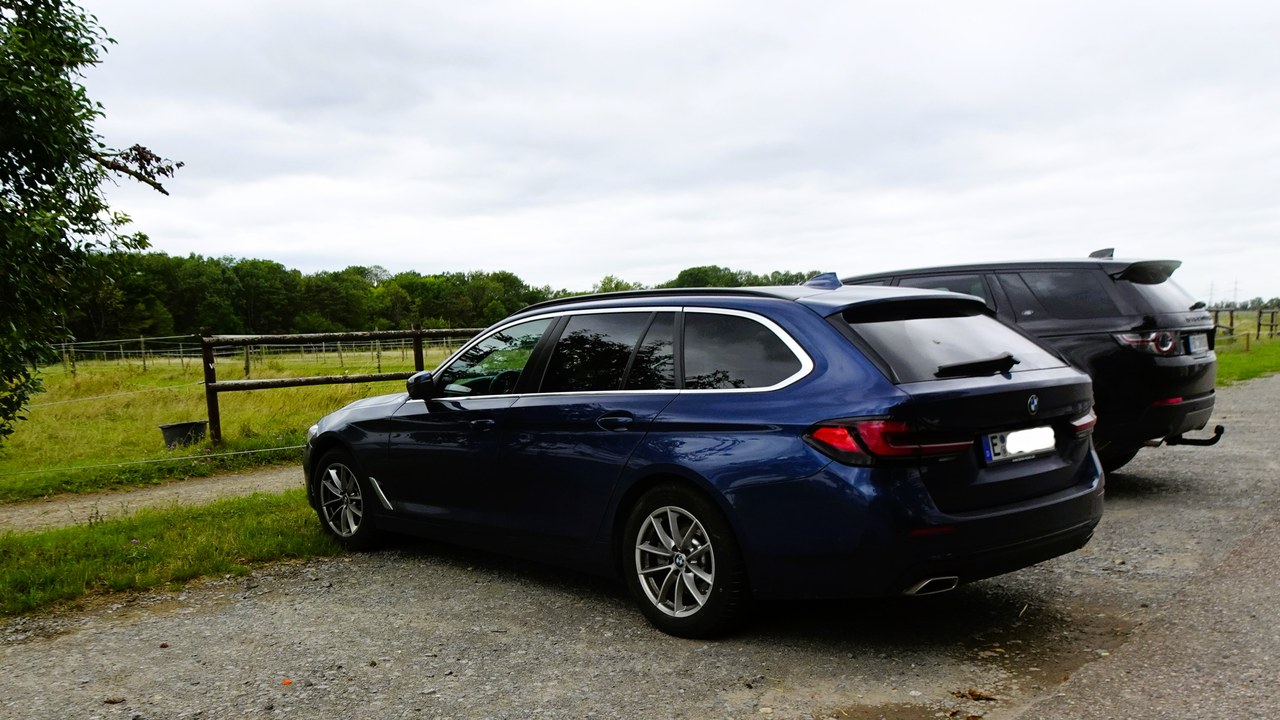
A Touring body has accompanied most modern 5 Series generations, yet BMW has treated it as a largely European proposition and skipped it in the United States for long stretches, which is exactly what gives it standing among American enthusiasts. Underneath sits the rear-biased chassis and inline-six lineage that made the sedan a handling benchmark, with a longer roof and a taller tailgate added on top.
Scarcity shapes ownership more than anything mechanical, because glass, trim and body panels unique to the wagon can take longer to source than sedan equivalents. Owners tend to accept that trade for a car that swallows a dog, a bicycle or a weekend’s luggage without surrendering the balance that defines the badge.
5. Mercedes-Benz E-Class Wagon: The Rear-Facing Third Row
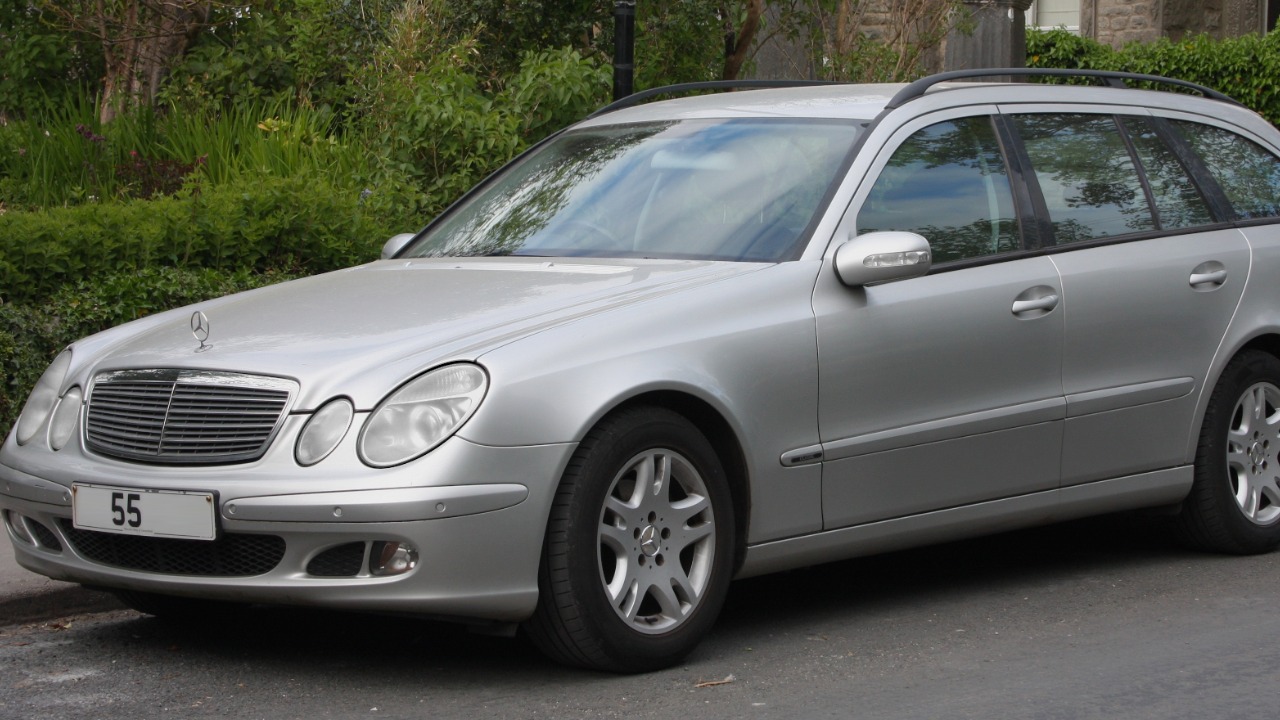
Mercedes preserved a feature most of the industry abandoned, offering the E-Class estate with a rear-facing jump seat folded into the cargo floor, turning a five-seat wagon into a seven-seat one without adding a single inch of length. The load bay was engineered alongside a self-leveling rear suspension, so a fully loaded car sits level instead of nose-high.
Families needing occasional extra seats without moving to a minivan or a three-row sport-utility are the natural audience, and that pool of buyers keeps clean examples in steady demand. The caveat is upkeep, as suspension, electronics and diesel emissions hardware all cost real money once a car is well past its warranty.
6. Volkswagen Passat Wagon: Sensible Shape, Devoted Following
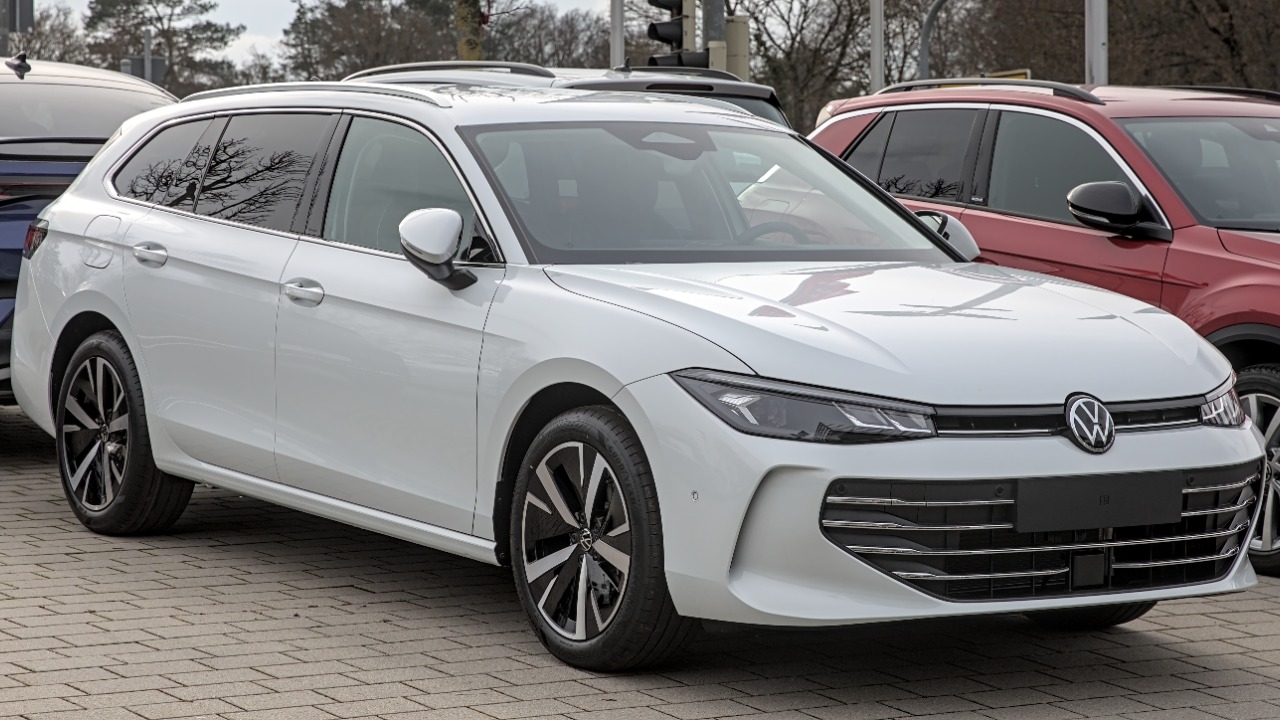
Volkswagen sold the wagon version of the Passat range as the Variant in Europe while American showrooms carried it only intermittently, and enthusiast attention follows the versions pairing that long roof with a turbocharged engine and a manual gearbox. The cars were engineered as mainstream family transport, which means a wide tailgate opening, folding rear seats and suspension tuned for weight rather than lap times.
Ordinariness is the appeal for drivers who want a wagon without German-luxury running costs, since much of the drivetrain is shared with high-volume models. Timing components, plastic cooling parts and turbocharger hardware dominate the maintenance conversation, and none of them are exotic to source.
7. Volvo V90: Design Led, Practicality Included
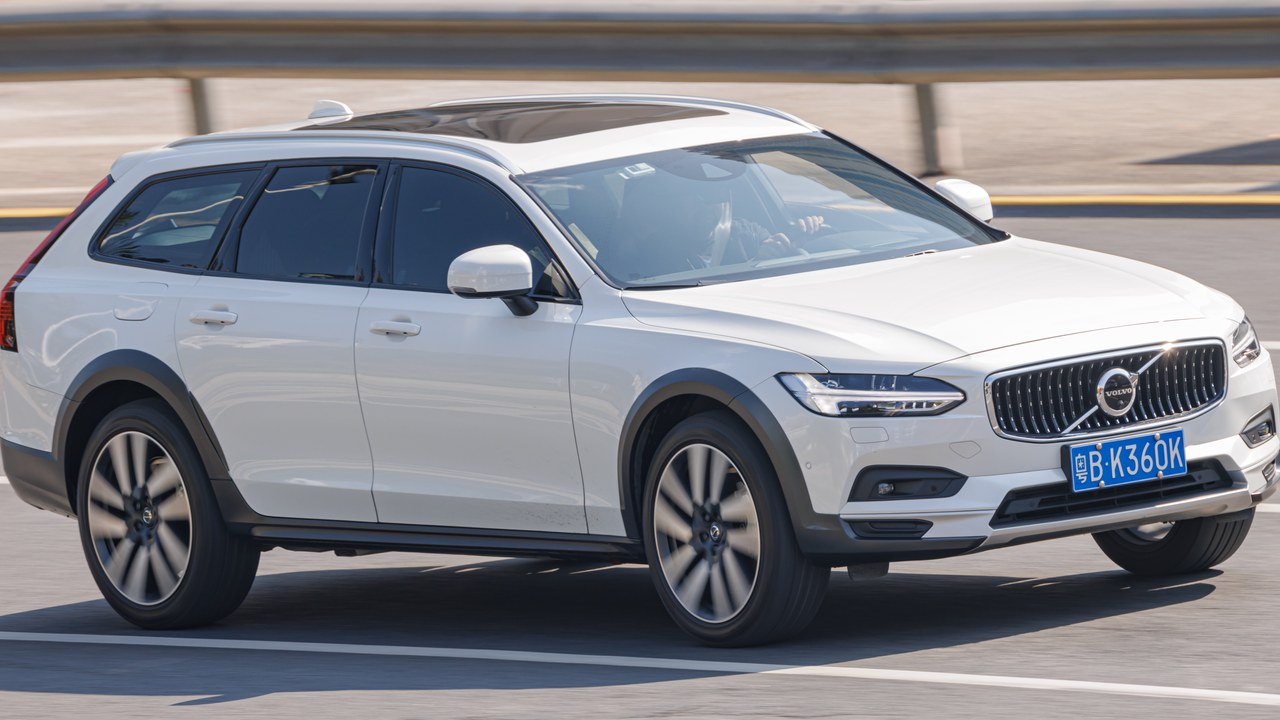
Volvo used its large-car reboot to argue that a wagon could serve as the flagship, and the V90 estate carried the brand’s rebuilt design language, from the vertical grille to the running-lamp signature to the low horizontal dashboard, into a body style rivals were busy retiring. In some markets Volvo narrowed availability to special order, which made buying one a deliberate act rather than a showroom default.
The raised Cross Country variant adds ground clearance and all-wheel drive for anyone who wants it, while the standard car stays low and long. Interior materials and seat design, a Volvo strength for generations, are the reasons owners most often give for holding on to these wagons.
8. Cadillac CTS Sport Wagon: Detroit’s Long-Roof Outlier
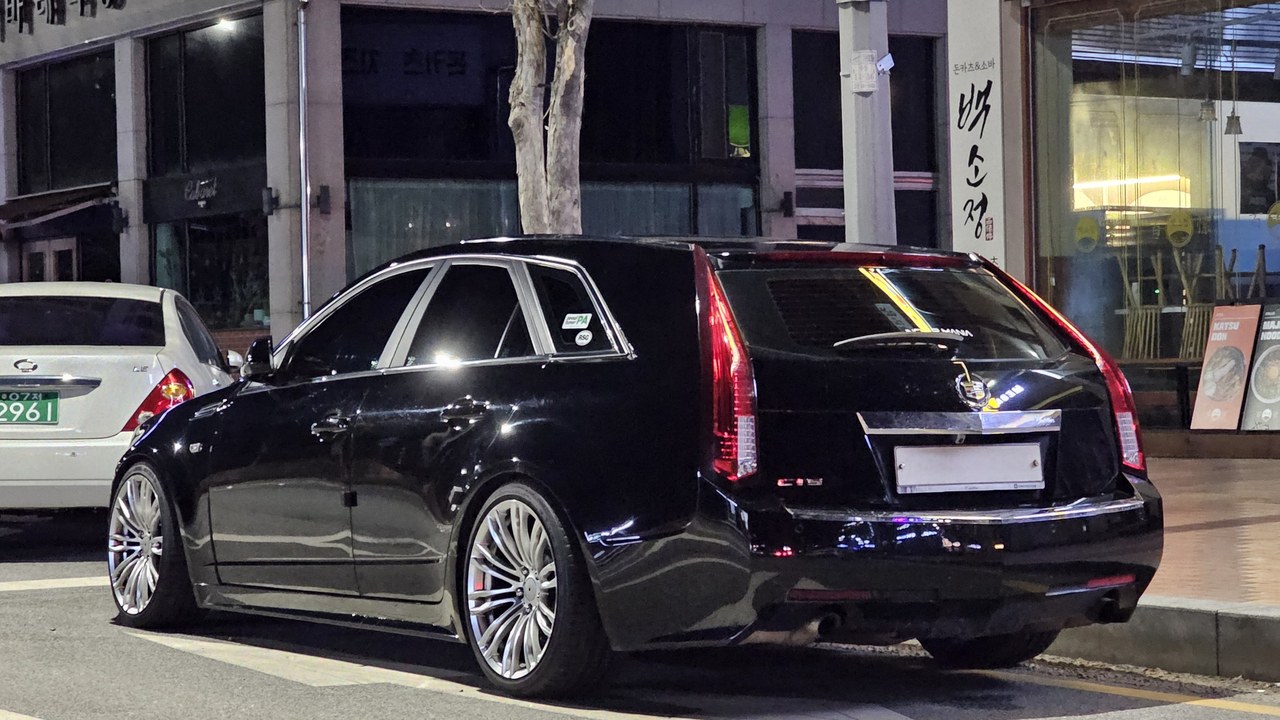
Cadillac built a wagon body for the second-generation CTS and then went further, dropping the supercharged V8 from the CTS-V performance program into it and offering a manual transmission, an unusual combination for an American manufacturer. The wagon was sold for only a handful of model years, and the V-badged versions were built in comparatively small numbers.
Rarity is effectively the entire pitch for collectors, who treat the manual-equipped cars as the ones worth chasing. Ownership means accepting parts availability for a low-volume body shell, along with the fuel appetite that arrives with a supercharged engine and a heavy performance chassis.
More from Morning Overview
- A handful of SUVs keep hitting 300,000 miles, and they share one engine trait
- Supplements now rank as the fifth-leading cause of death from liver disease.
- A study names the one SUV most likely to reach 250,000 miles
- More than 60,000 people flee the Spokane area as complex fires overrun 600 structures
