
A luxury badge buys engineering that rarely comes apart cheaply. Carbon-ceramic rotors, air springs, adaptive dampers, bonded aluminum panels and specialist-only labor turn ordinary maintenance into an event, and low production volumes keep replacement components scarce enough to stay expensive long after the warranty lapses. Here are ten vehicles whose priciest components deserve a look before the keys change hands.
1. BMW 7 Series: Flagship Electronics, Flagship Invoices
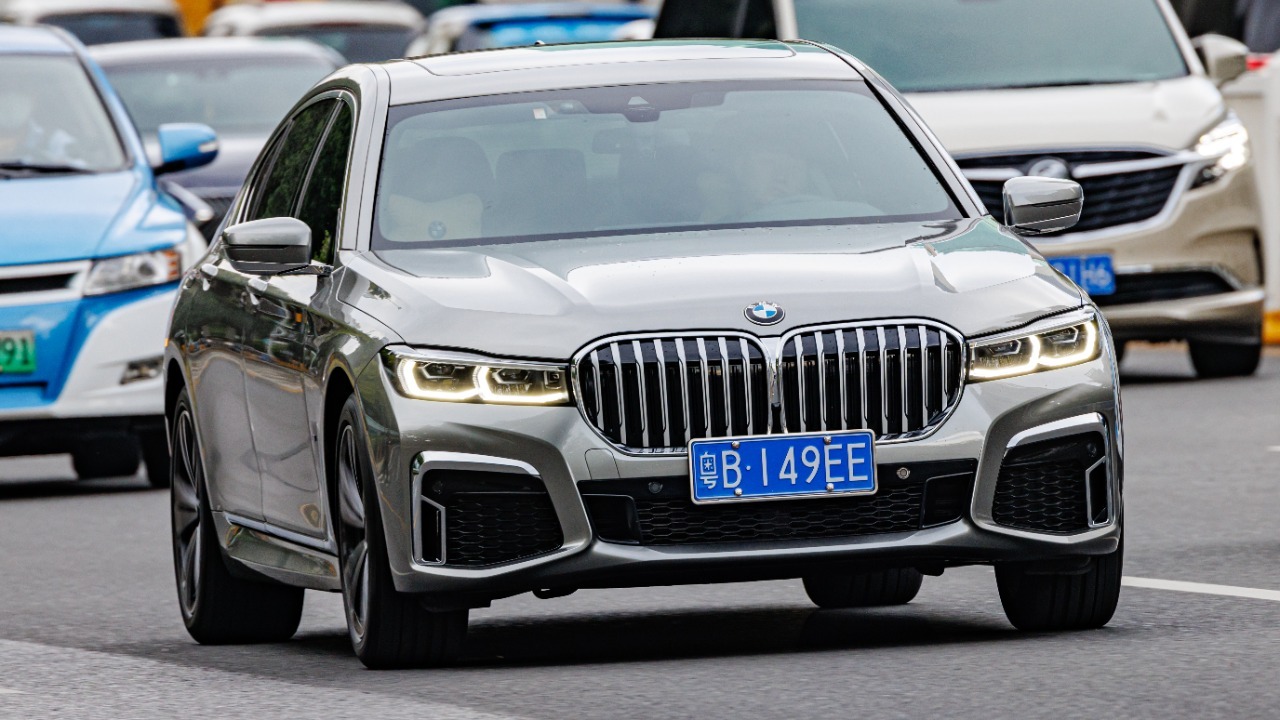
Every generation of the BMW 7 Series doubles as the brand’s technology showcase, so the parts list runs to control modules, driver-assistance sensors, adaptive dampers and self-leveling air suspension. A collapsed air spring drops the ride height on one corner, and the diagnostic work that precedes the fix is billed at flagship labor rates.
Depreciation makes a used example look cheap until the first module fails, because the invoice tracks the original engineering rather than the current resale value. Independent specialists can soften the cost, though the software access some jobs require keeps them inside the dealer network.
2. Mercedes-Benz S-Class: Complexity Priced By The Module
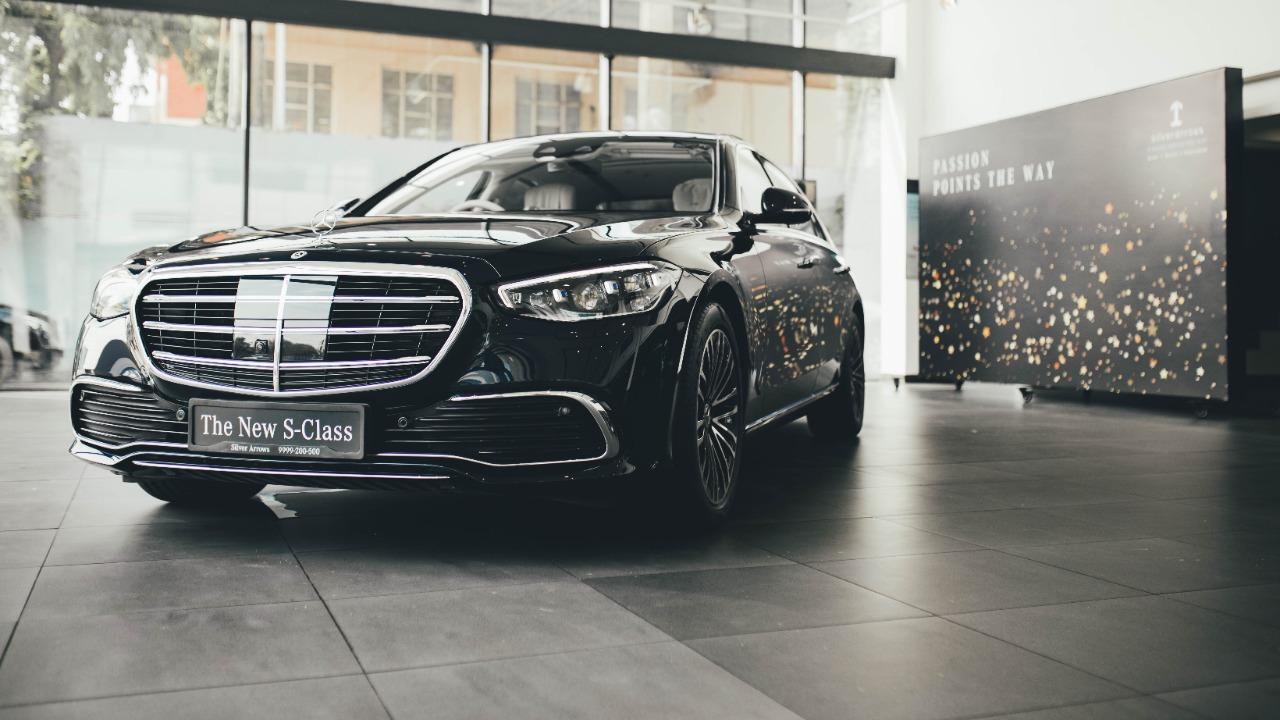
The Mercedes-Benz S-Class has spent decades introducing systems that reach cheaper cars years later, and each one arrives as another component that can fail: air suspension struts, active body control, multi-zone climate hardware and a dense network of control units. Replacing any of them means matching part numbers to a specific build rather than pulling a generic item off a shelf.
Sedans of this complexity reward preventive work, since a leaking strut left alone loads the compressor and turns one part into three. Anyone shopping the used market is effectively taking on a maintenance budget sized for a flagship, whatever the purchase price says.
3. Audi A8: The Aluminum Repair Problem
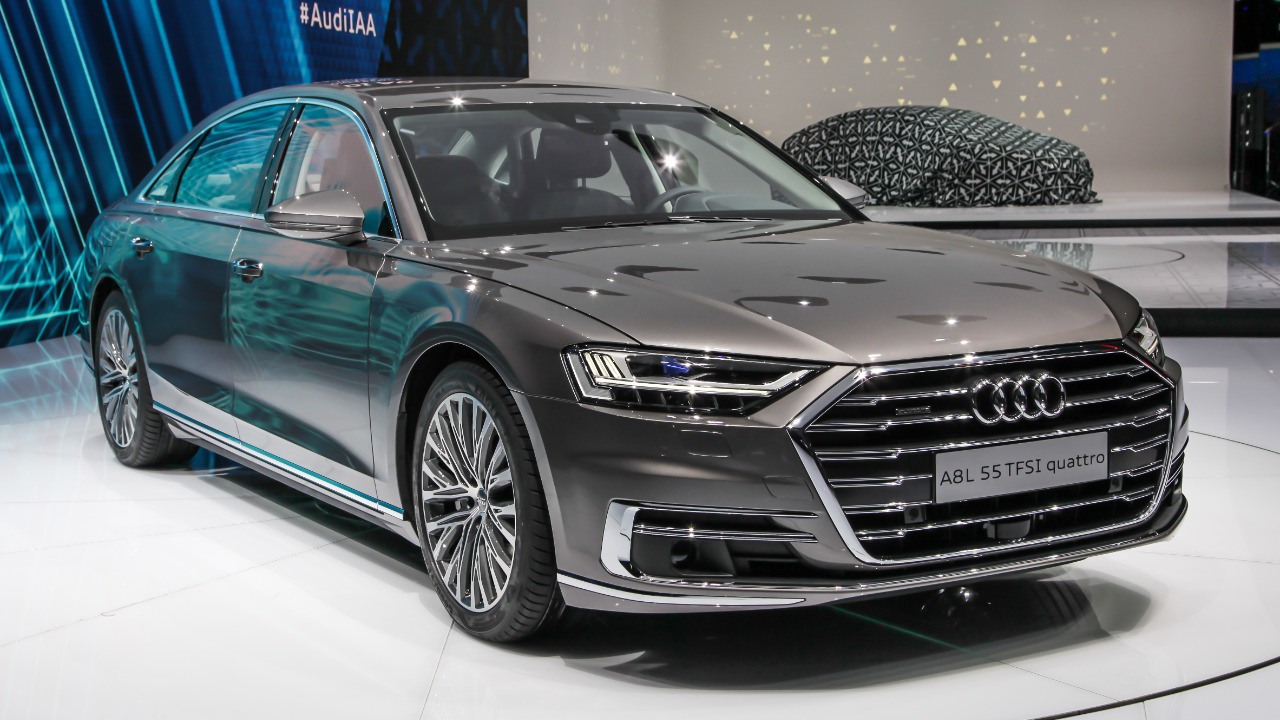
Body panels are where the Audi A8 separates itself from ordinary sedans, because its aluminum-intensive structure cannot be hammered, welded and filled the way steel can. Collision work demands riveting and bonding, dedicated tooling and a shop certified to touch the material, which narrows the list of places able to quote the job at all.
A minor parking-lot dent that would be routine on a steel car can therefore turn into panel replacement rather than repair. Insurers know it, and the resulting write-off math is one reason older examples reach the used market well below their replacement cost.
4. Range Rover: Suspension That Refuses To Age Quietly
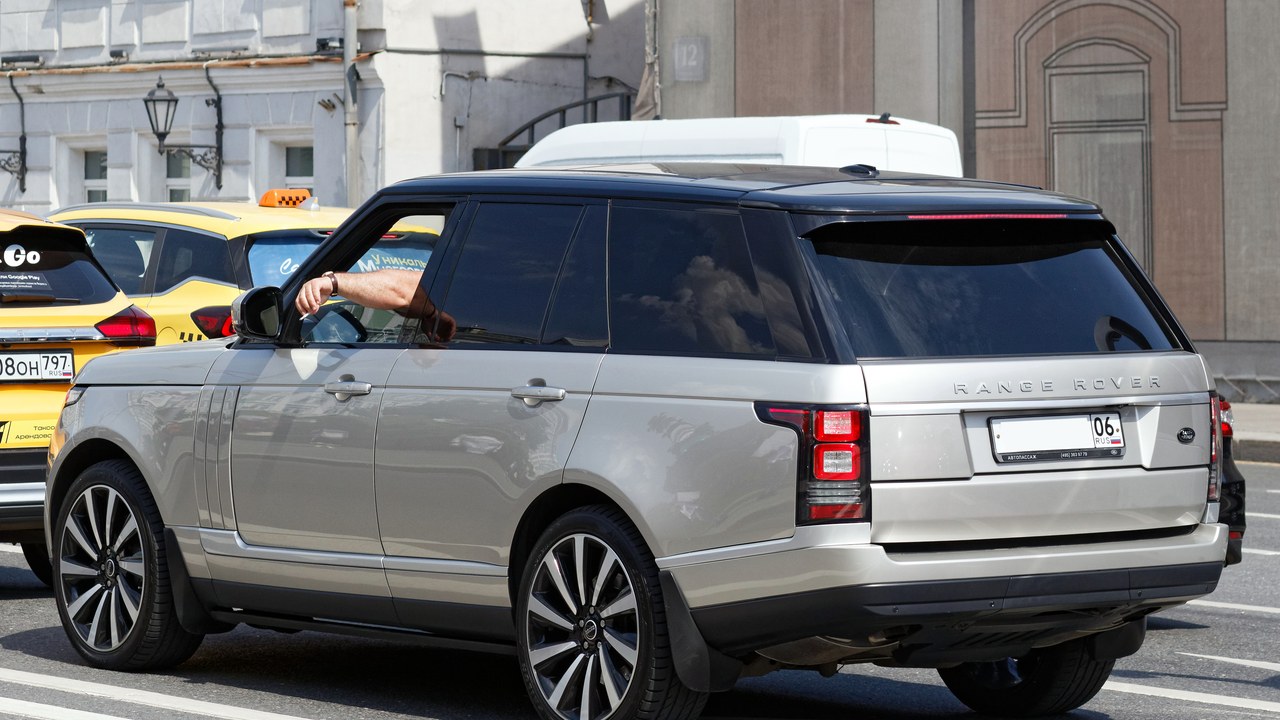
Height-adjustable air suspension is central to how a Range Rover drives, wading and towing at one setting and cruising at another, and the same hardware is the component owners hear about most. Air springs perish, the compressor works harder to compensate, and valve blocks and ride-height sensors sit alongside a deep stack of body electronics.
Conversion kits that swap the system for steel springs exist, but they trade away the capability the vehicle was bought for. Keeping it original means budgeting for suspension parts as consumables rather than treating each failure as a surprise.
5. Porsche Cayenne: Ordinary Jobs, Stuttgart Pricing
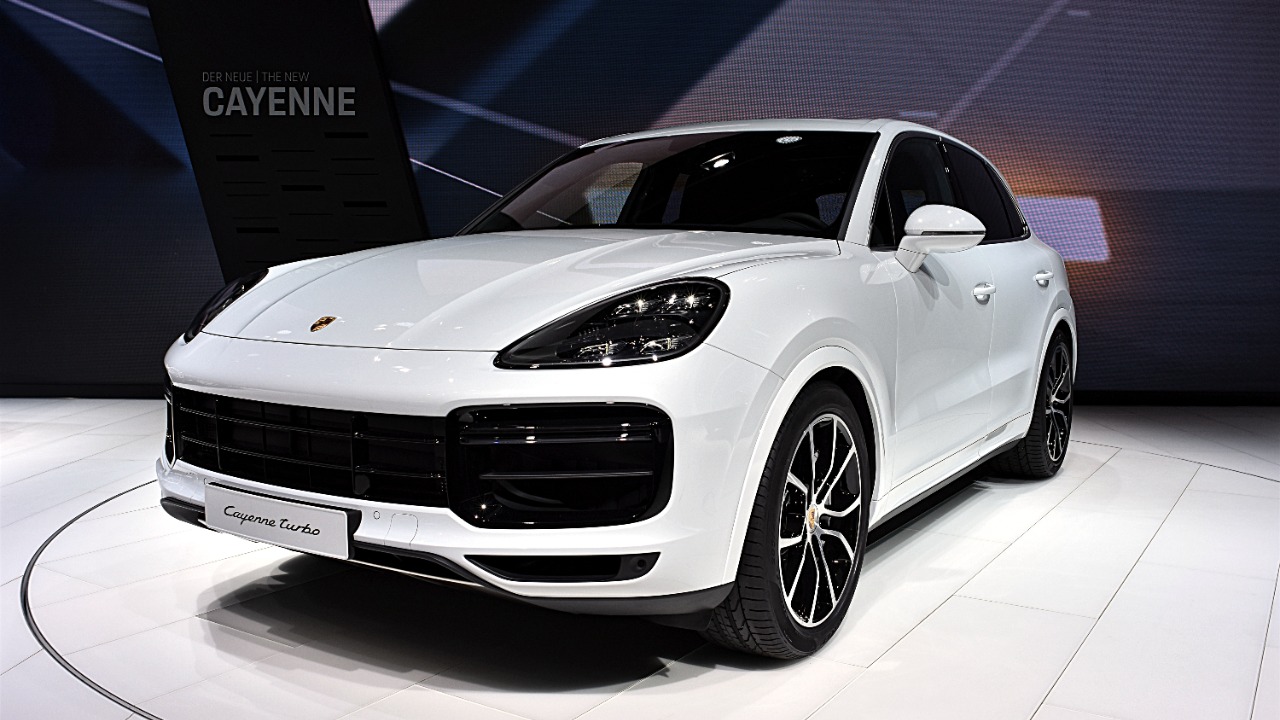
Servicing the Porsche Cayenne is punishing less for exotic failures than for everyday ones, since brake discs, tires, dampers and cooling components all carry the premium attached to a performance SUV. Higher-output versions add larger braking hardware, and the optional carbon-ceramic setup turns a routine brake replacement into one of the costliest jobs on the car.
The sting is that these are wear items with a schedule, not rare breakdowns, so the spending is predictable rather than avoidable. Shopping outside the dealer network helps on parts, though torque specs and alignment work still push owners toward a marque specialist.
6. Maserati Ghibli: Badge Tax On Every Line Item
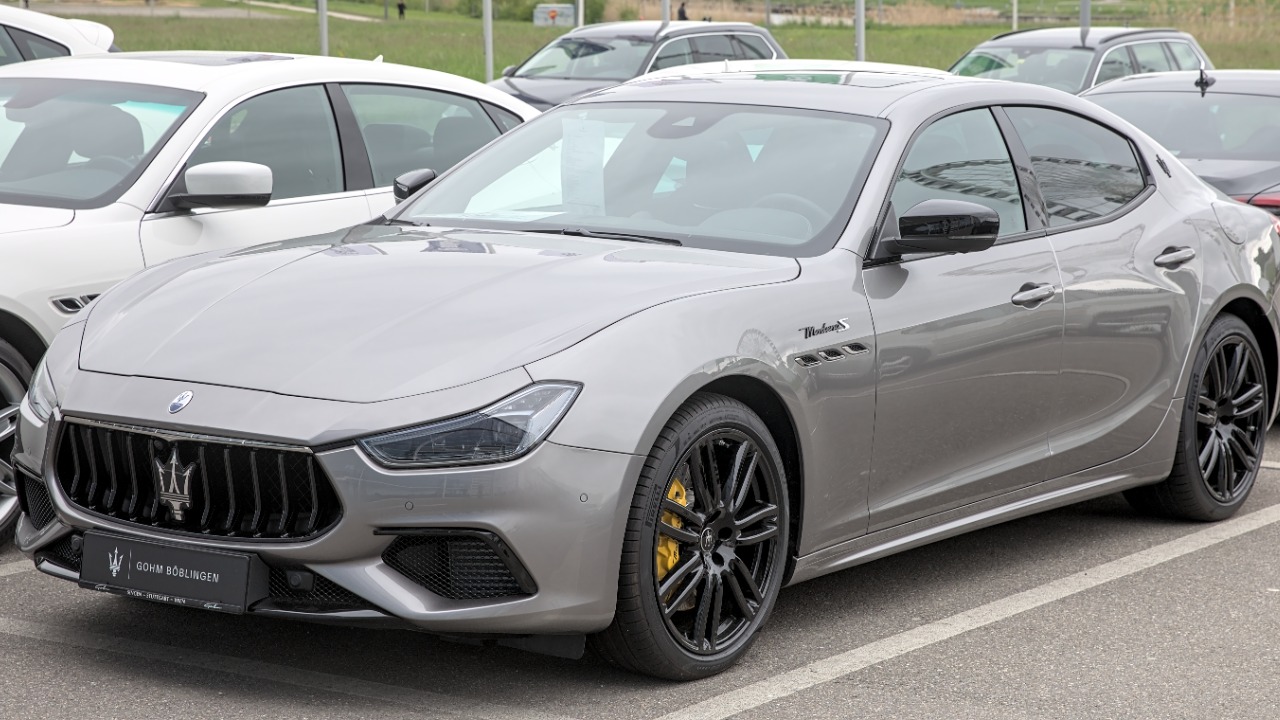
Sharing a parts bin with mass-market siblings has never made the Maserati Ghibli cheap to keep, because the components carrying the trident are priced for a low-volume Italian sedan. Small production runs mean limited aftermarket support, and shops confident enough to quote the work are thin on the ground outside major cities.
Values fall quickly on cars like this, which puts running costs badly out of proportion with the purchase price. A single driveline or electronics repair can approach a meaningful share of what the car is worth, a calculation worth doing before the deal closes.
7. Jaguar F-Type: Sports-Car Parts, Sports-Car Bills
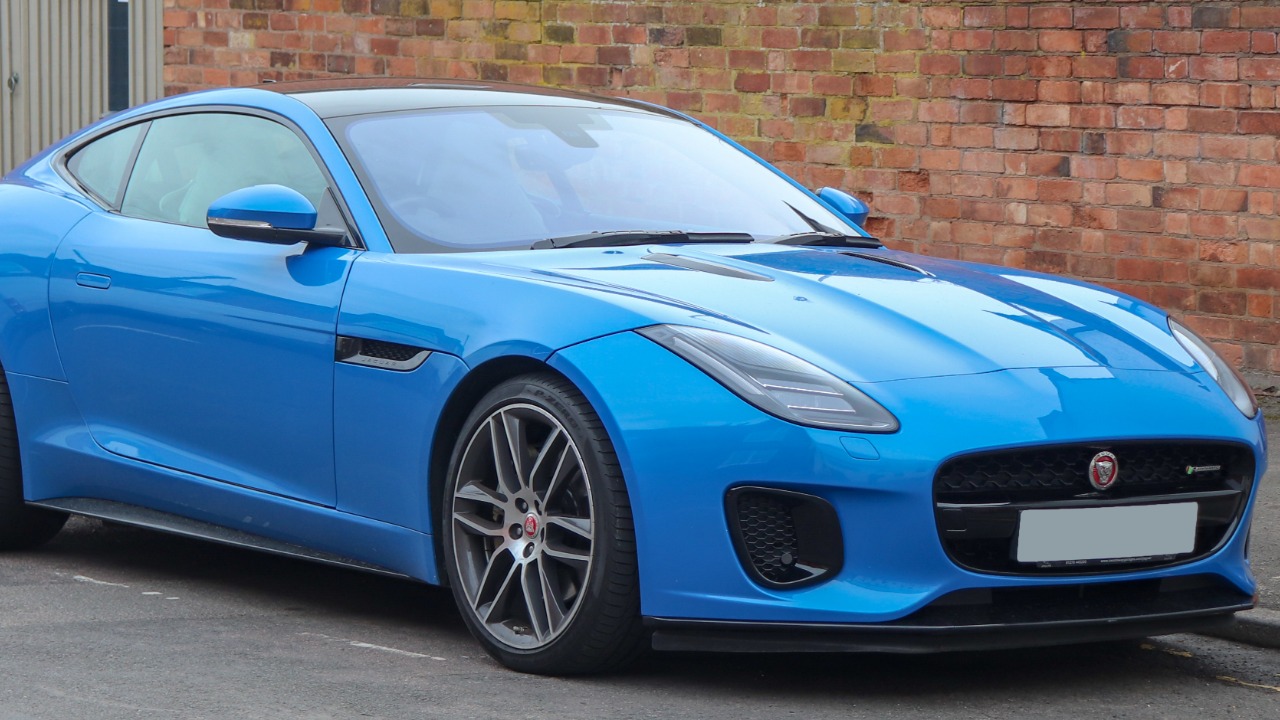
Everything under the Jaguar F-Type is specified for performance rather than economy, from wide staggered tires and large brake rotors to an active exhaust and adaptive dampers. Those are the parts that wear first on a car driven the way it invites, and none of them come in sizes a general tire shop keeps in stock.
Supercharged versions raise the stakes further, adding heat-cycled components and consumables replaced on mileage rather than on failure. Ownership works best when tires and brakes are treated as a recurring line item instead of an occasional expense.
8. Bentley Continental GT: Brakes And Tires Set The Floor
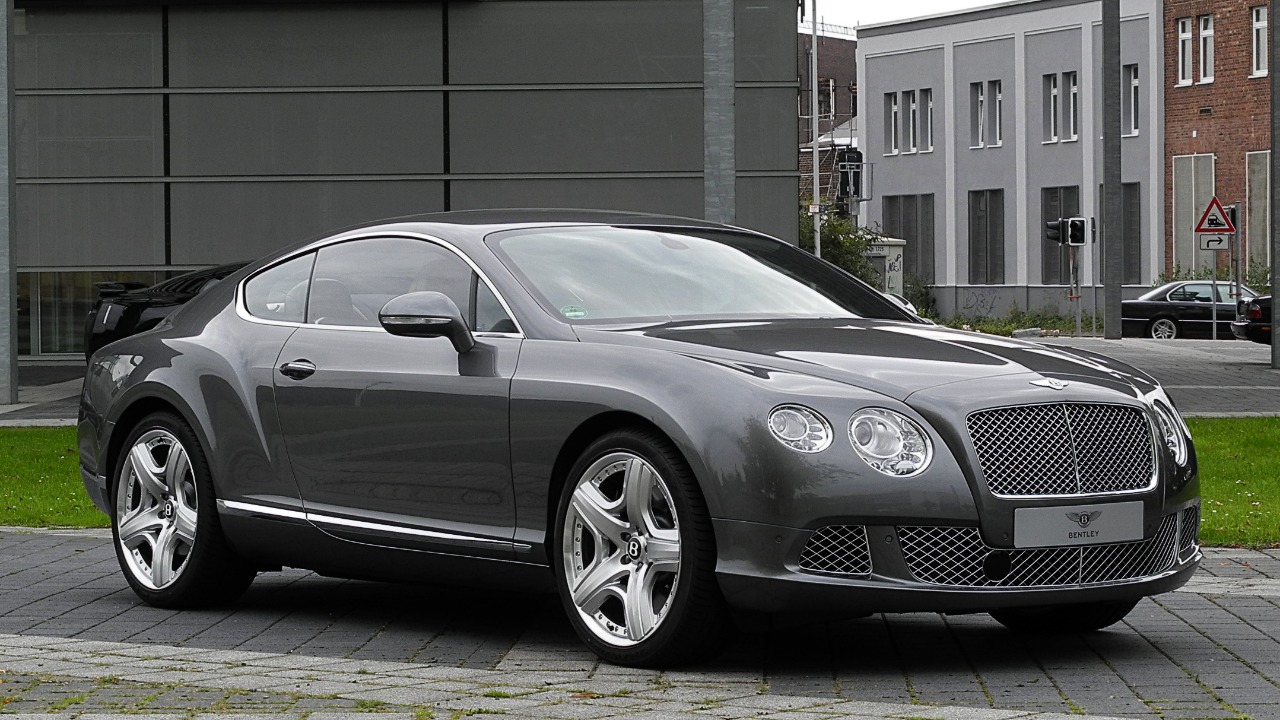
Stopping a car with the mass and speed of the Bentley Continental GT requires enormous rotors, and the carbon-ceramic option fitted to many examples is among the costliest braking hardware offered on a road car. Tires are bespoke sizes developed for the model, so a replacement set means ordering rather than choosing from whatever a shop already holds.
Neither item is optional or indefinitely deferrable, which sets a floor under running costs before anything actually breaks. That floor stays fixed as the car depreciates, which is why a used grand tourer can cost far more each year than its purchase price suggests.
9. Tesla Model S: Structural Repairs Without A Shortcut
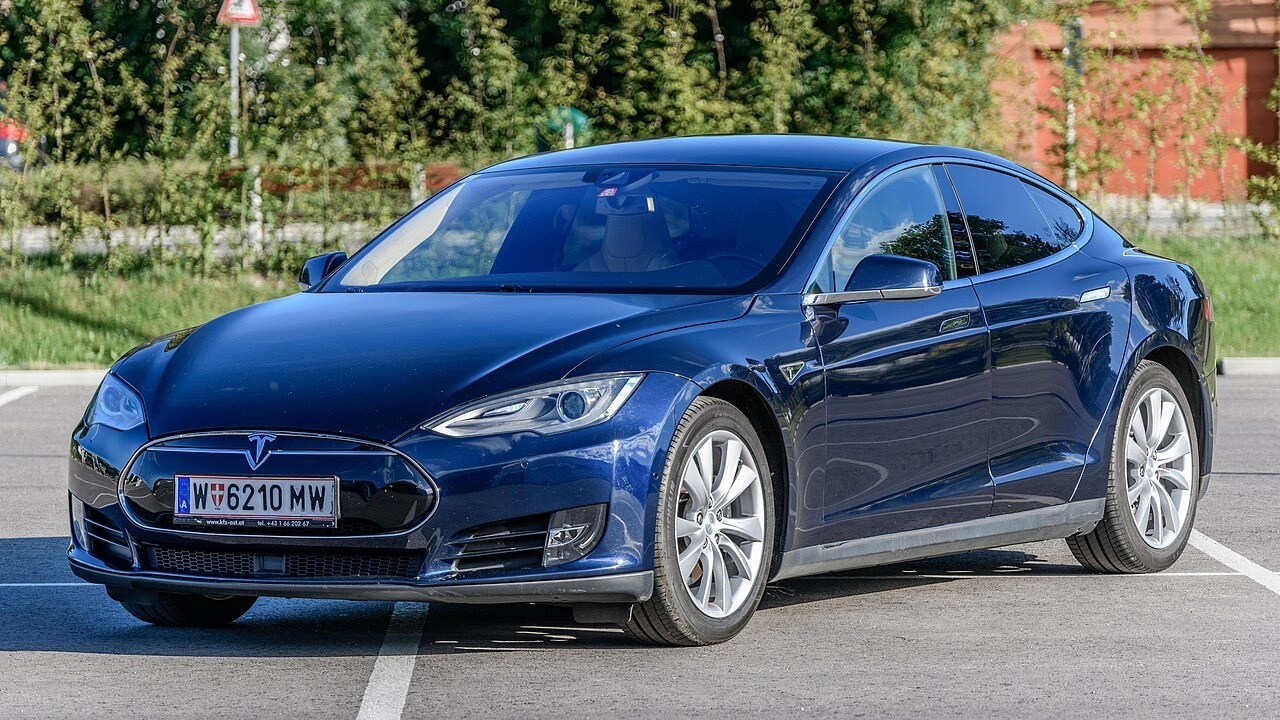
Repairing a Tesla Model S after a collision runs into an aluminum-intensive body and a structure built around the battery pack, work an approved shop is equipped to certify. Damage reaching the pack itself moves the job from panel work into high-voltage territory, where the component in question is the single most valuable part of the car.
Routine running costs sit lower than a comparable combustion sedan, with no oil changes and less brake wear thanks to regeneration. The expense is concentrated instead in the rare, large events, which is why insurance quotes and body-shop availability deserve attention before purchase.
10. Land Rover Discovery: Off-Road Hardware, On-Road Costs
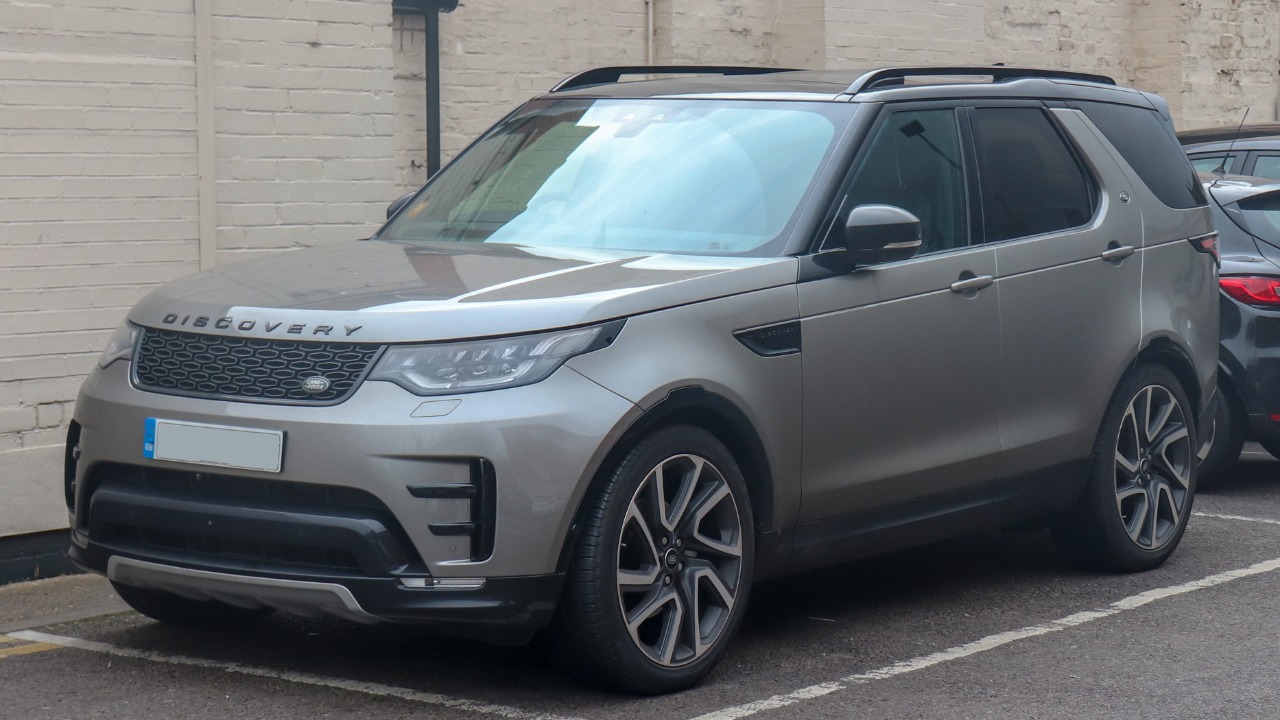
Capability away from pavement is the source of most bills on a Land Rover Discovery, starting with air suspension and the terrain-response electronics that manage it. Ride-height sensors, compressors, air springs and the modules coordinating them are all specific to the vehicle, and a fault in one commonly presents as a warning about another.
Diagnosis therefore consumes labor hours before a single part is ordered, which is where the cost quietly accumulates. Owners who keep the electrical system healthy and address suspension leaks early tend to spend far less than those who wait for a limp-home message.
More from Morning Overview
