
For decades the performance cars that came out of Japan were treated as cheap fun, bought used and driven hard until something broke. Nostalgia, thin survivor numbers and the rule that lets a twenty-five-year-old vehicle enter the United States have turned that supply into a bidding contest. Here are eleven machines auction watchers now track closely.
1. Toyota Supra (A80): The 2JZ Legend That Started It
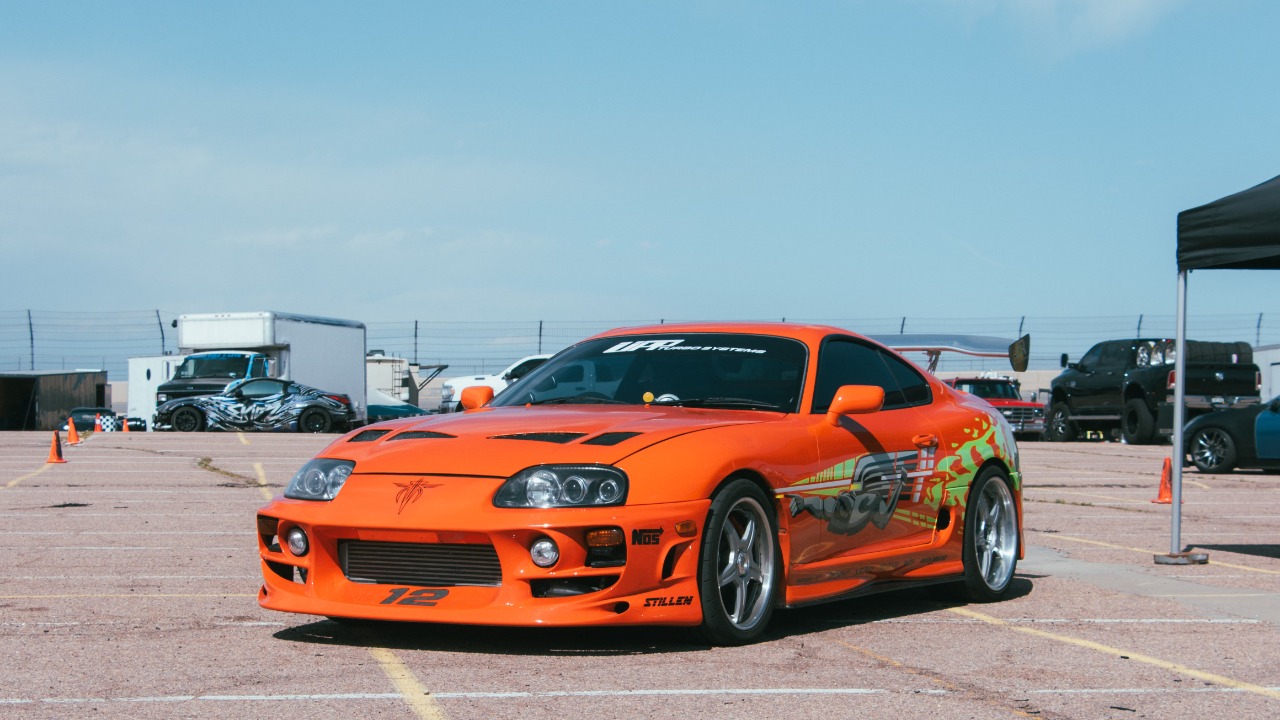
Demand for the fourth-generation Supra rests almost entirely on its engine bay. The 2JZ-GTE inline-six paired a cast-iron block with sequential turbochargers, and tuners quickly discovered the bottom end tolerated boost levels far beyond what Toyota shipped. A starring role in the first Fast and the Furious film sealed the shape into pop culture.
Because so many were modified, unmolested cars still wearing their factory turbochargers and untouched gearboxes are the scarce ones. A documented, largely original example carries a premium that a heavily built car rarely matches.
2. Nissan Skyline GT-R (R34): Godzilla Reaches The Import Line
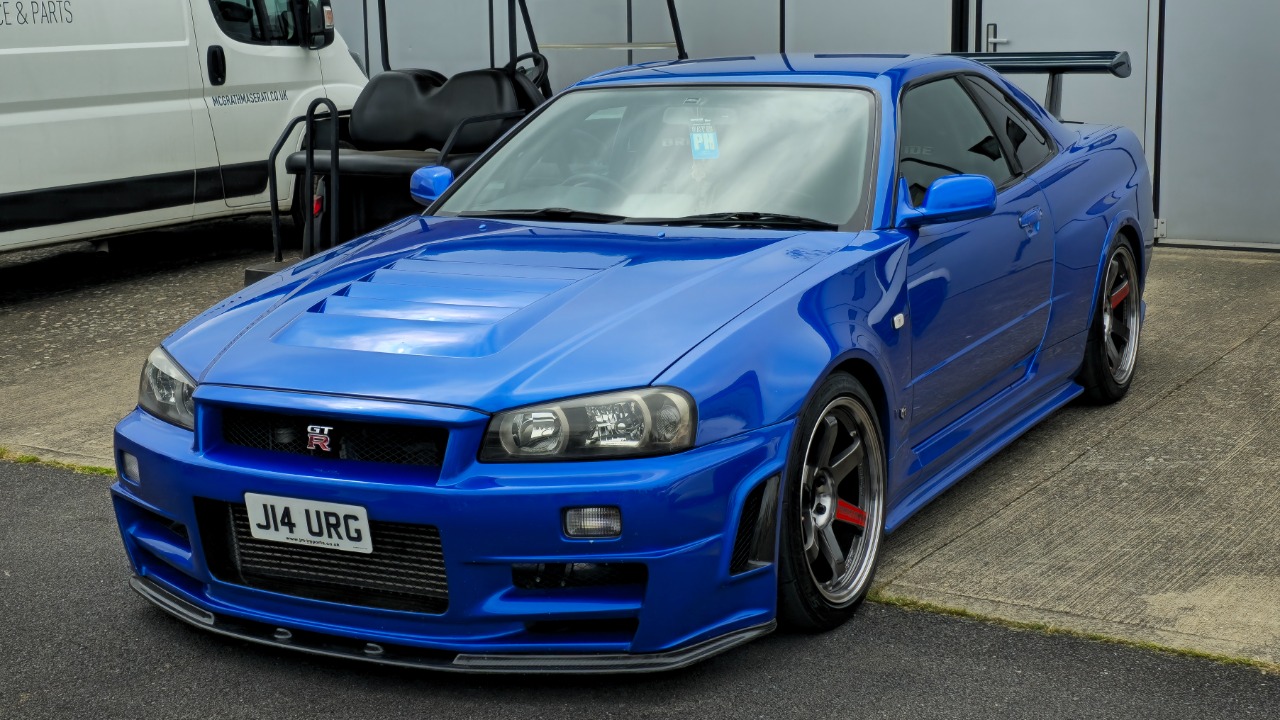
Never sold new through American dealers, the road-going GT-R of the R34 generation built its reputation on the RB26DETT twin-turbo six and the ATTESA all-wheel-drive system that shuffled torque between axles. Video games and film franchises did the rest, making the shape recognisable to buyers who never saw one on a local road.
The earliest R34s have only recently passed the twenty-five-year mark that permits legal import, which concentrates attention on cars with clean export paperwork and matching numbers. Grey-market history and shoddy conversions remain the main pitfalls.
3. Mazda RX-7 (FD): A Rotary Nobody Built Twice
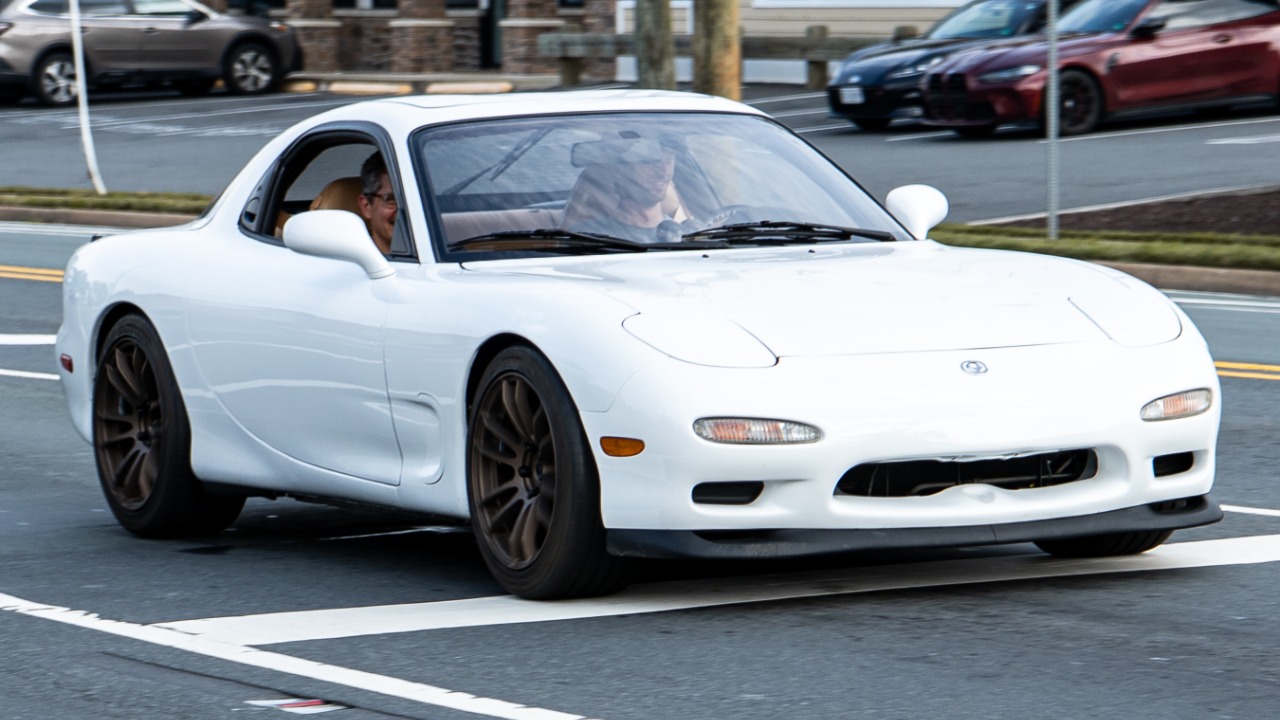
No other production car matched the sequential twin-turbo rotary layout of the final RX-7 in its final generation. The 13B-REW spun to a high ceiling in a chassis that stayed light and low, and Mazda never returned to the formula after the model bowed out.
That singularity cuts both ways. Apex seals and cooling systems punish neglect, so cars offered with documented rebuilds and honest compression figures separate themselves quickly from the tired examples that flood classified listings.
4. Honda NSX: Senna Helped Sort The Chassis
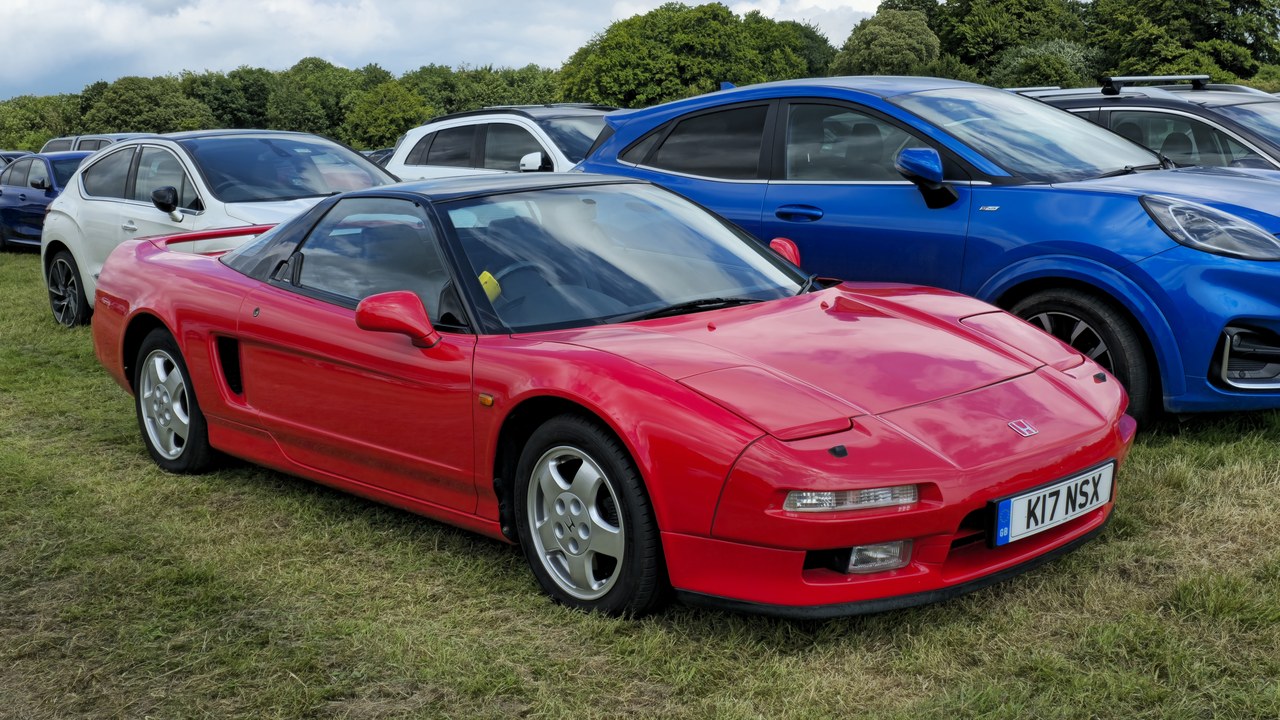
Honda answered Italian exotica with an aluminium monocoque, a mid-mounted VTEC V6 and a cabin laid out for visibility rather than drama. Ayrton Senna drove development prototypes and pushed for a stiffer structure, and the mid-engine Honda was assembled on a dedicated low-volume line rather than an ordinary assembly plant.
Reliability once made these cars ordinary transport, which is precisely why straight, unrepaired shells with service records now stand out. Body panels and trim for the earliest cars have grown difficult to replace.
5. Toyota MR2: Mid-Engine Layout On A Budget
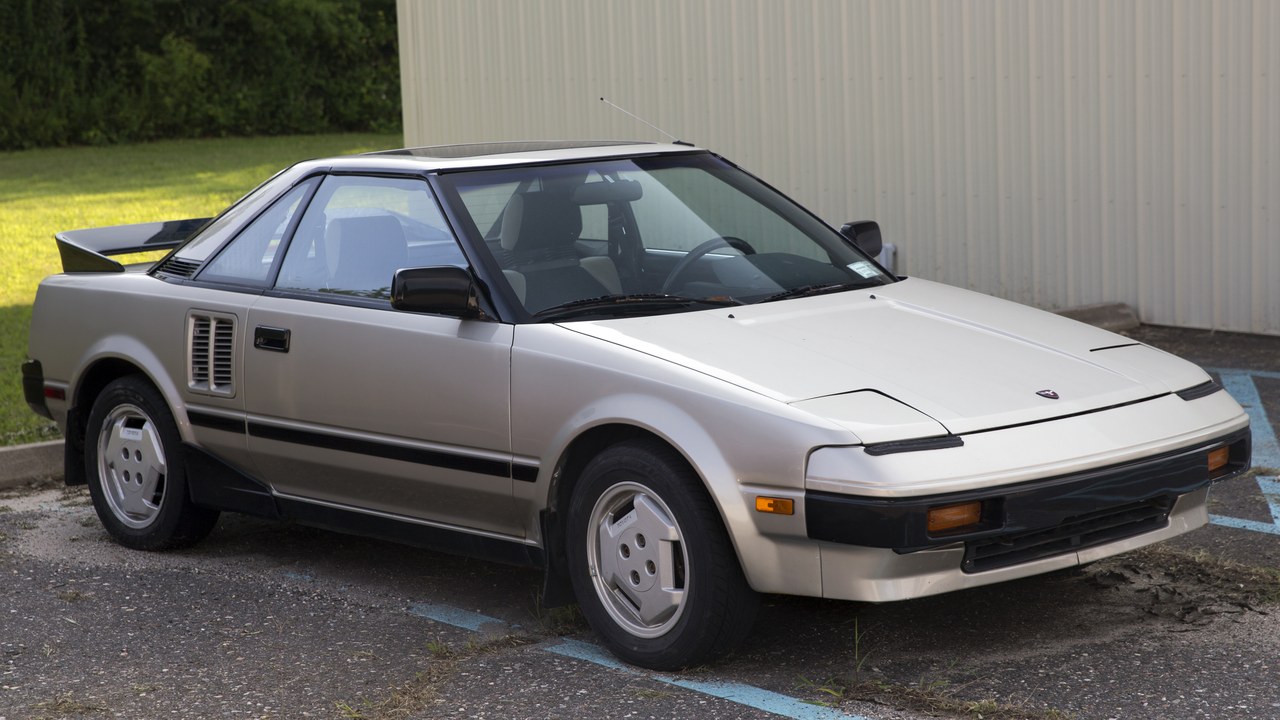
Placing the engine behind the seats was supercar practice until Toyota did it for the price of a family hatchback. The first-generation car was light, angular and sharp enough that the compact two-seater earned a following among drivers who could never afford an exotic.
Attrition has done the sorting. Rust in the sills and rear structure claimed a large share of survivors, and clean, unmodified examples with intact interiors now surface far less often than the sheer production run would suggest.
6. Nissan 240SX: Drifting Consumed The Supply
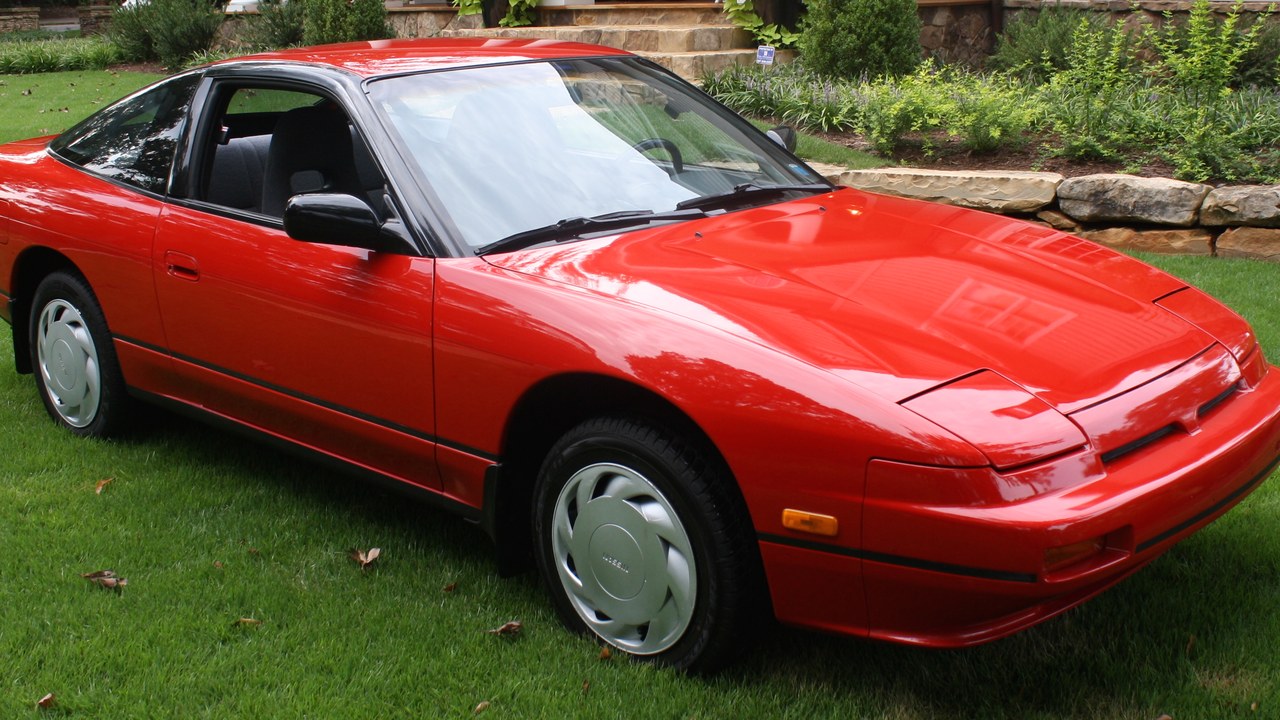
Rear-wheel drive, a balanced chassis and low used prices made the Nissan 240SX the default entry point for a generation of drifters. The platform was cheap, plentiful and easy to modify, so an enormous share of the American fleet was cut apart, swapped, crashed or scrapped over two decades.
What survives untouched is now the interesting part. Original paint, factory interiors and an unwelded chassis carry more weight than horsepower here, and a straight shell often matters more to a buyer than the engine bolted into it.
7. Mitsubishi Lancer Evolution: Homologation Bred The Sedan
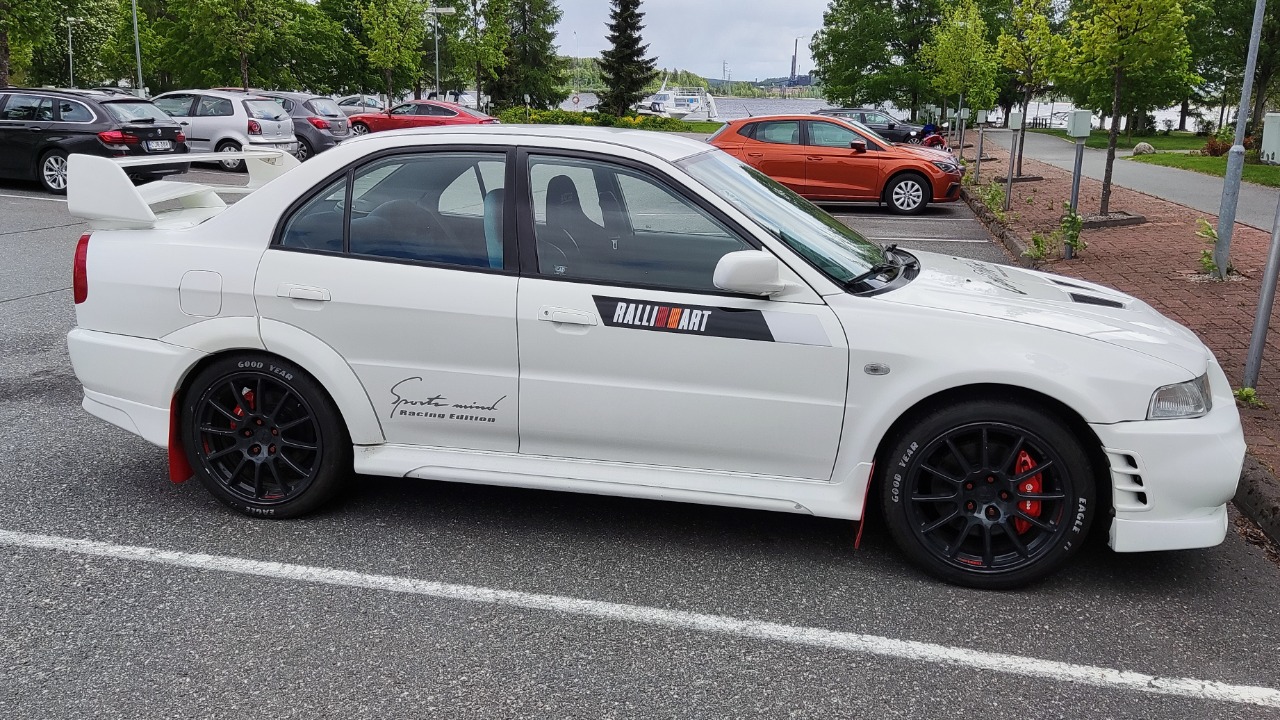
Rally regulations forced Mitsubishi to sell road versions of the machinery it campaigned, and the Lancer Evolution carried the turbocharged 4G63 four-cylinder and all-wheel drive that made the works cars competitive. Later versions added active yaw control, sharpening the way the car rotated on a loose surface.
Earlier generations never reached American showrooms, so their availability depends on the import calendar rather than local supply. Unmodified examples with documented service and no rally-inspired abuse behind them are the ones that hold attention.
8. Subaru Impreza WRX STI: Blue Paint, Gold Wheels, World Titles
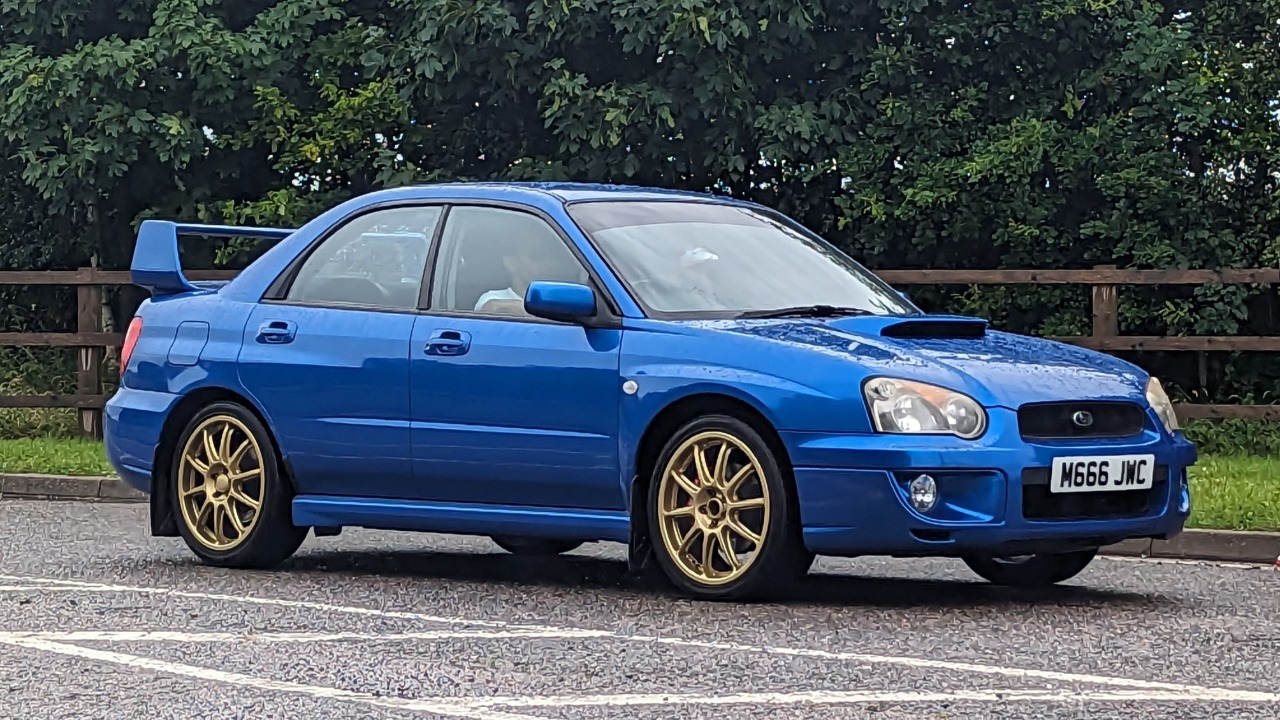
The turbocharged boxer engine and symmetrical all-wheel drive under the rally-bred Subaru came directly from a rally programme that collected world championships in the 1990s. Blue paint over gold wheels became shorthand for that era, and limited homologation specials built in small numbers sit at the top of the pile.
Age has thinned the ranks. Corroded strut towers, tired turbochargers and a long history of amateur tuning mean condition and documentation drive interest far more than the badge on the boot lid.
9. Mazda MX-5 Miata: Lightness Turned Into Scarcity
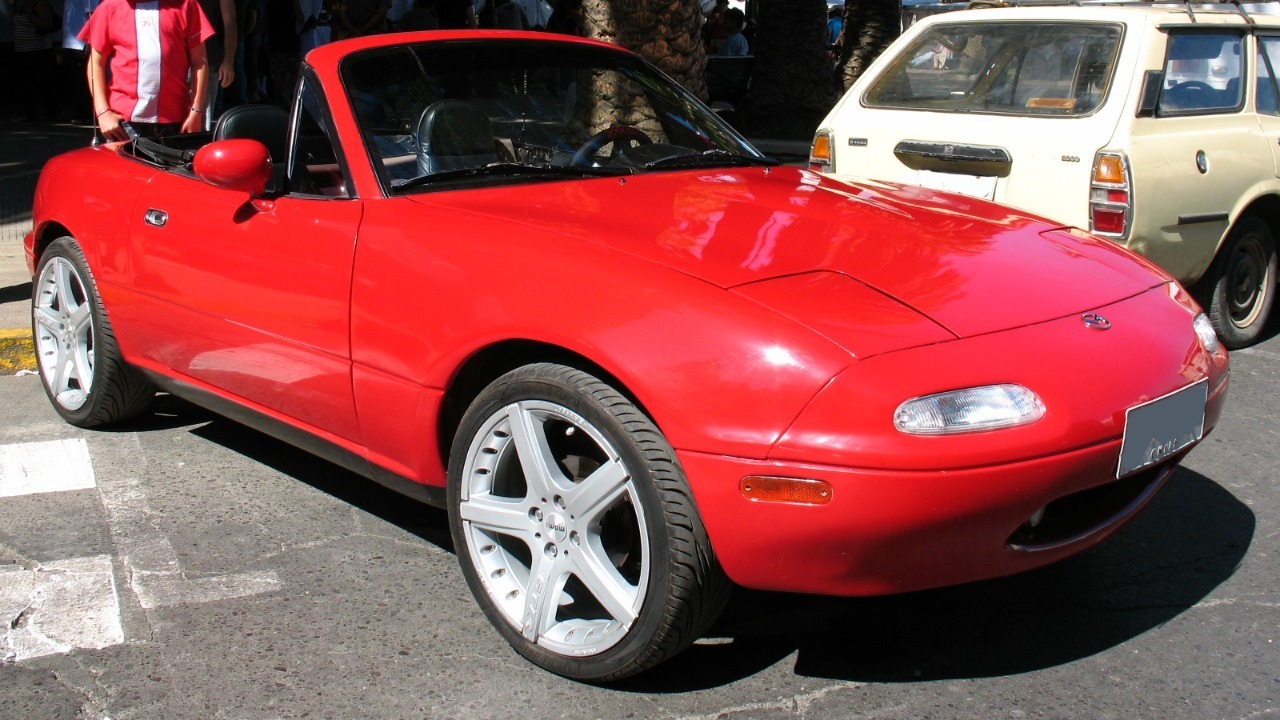
Mazda revived the small British roadster formula with pop-up headlights, a snappy shifter and a kerb weight that kept the driving experience honest rather than fast. Production of the first-generation roadster ran into enormous numbers, yet the earliest cars were cheap for so long that most were tracked, modified or left outside.
Scarcity therefore sits in condition, not in volume. Rust behind the sills and rear arches disqualifies plenty of cars, so a rot-free early example with low mileage and its original hardtop draws a crowd.
10. Honda S2000: Nine Thousand Revolutions Per Minute
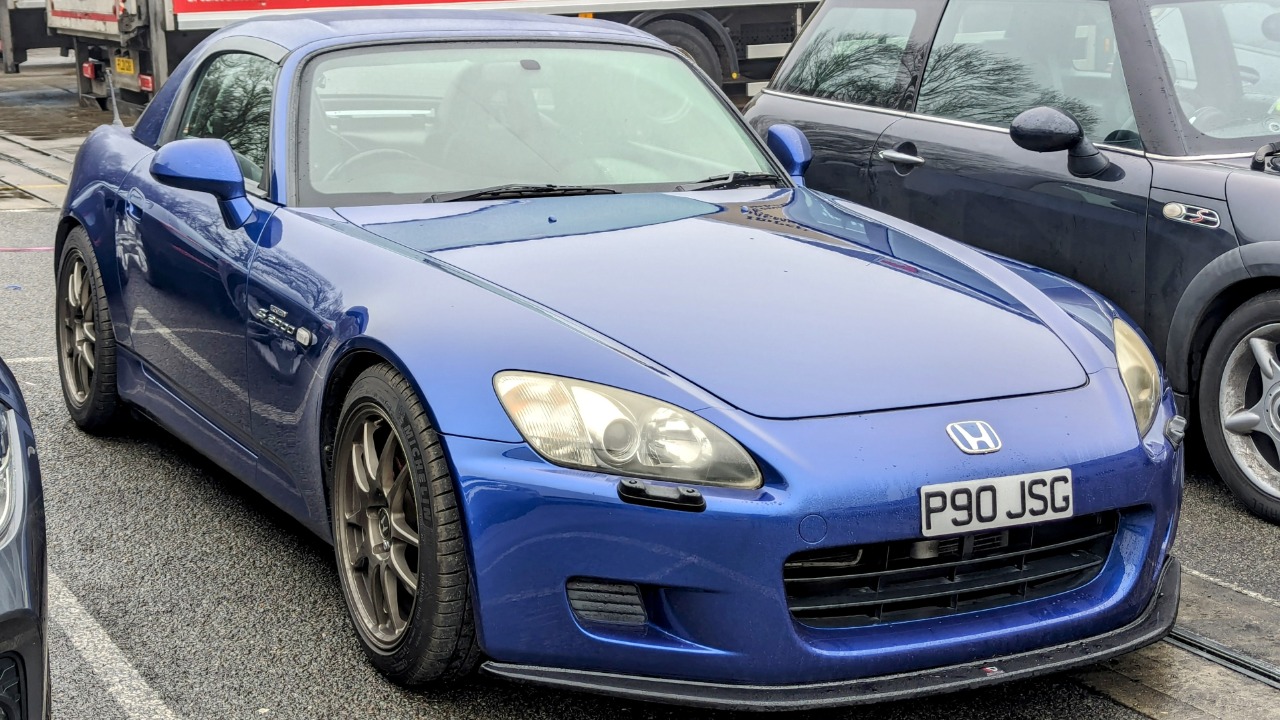
A naturally aspirated four-cylinder that revved to a ceiling normally reserved for motorcycles gave the Honda S2000 an identity nothing else in its class shared. The F20C sat behind the front axle line, drove through a short-throw six-speed gearbox and demanded that the driver keep the needle high to find the power.
Production ended in 2009 and no successor followed. Low-mileage, unmodified cars are the target, while track-hardened examples with worn clutches and aftermarket suspension trail well behind them.
11. Nissan 300ZX: Complexity Kept Prices Down For Years
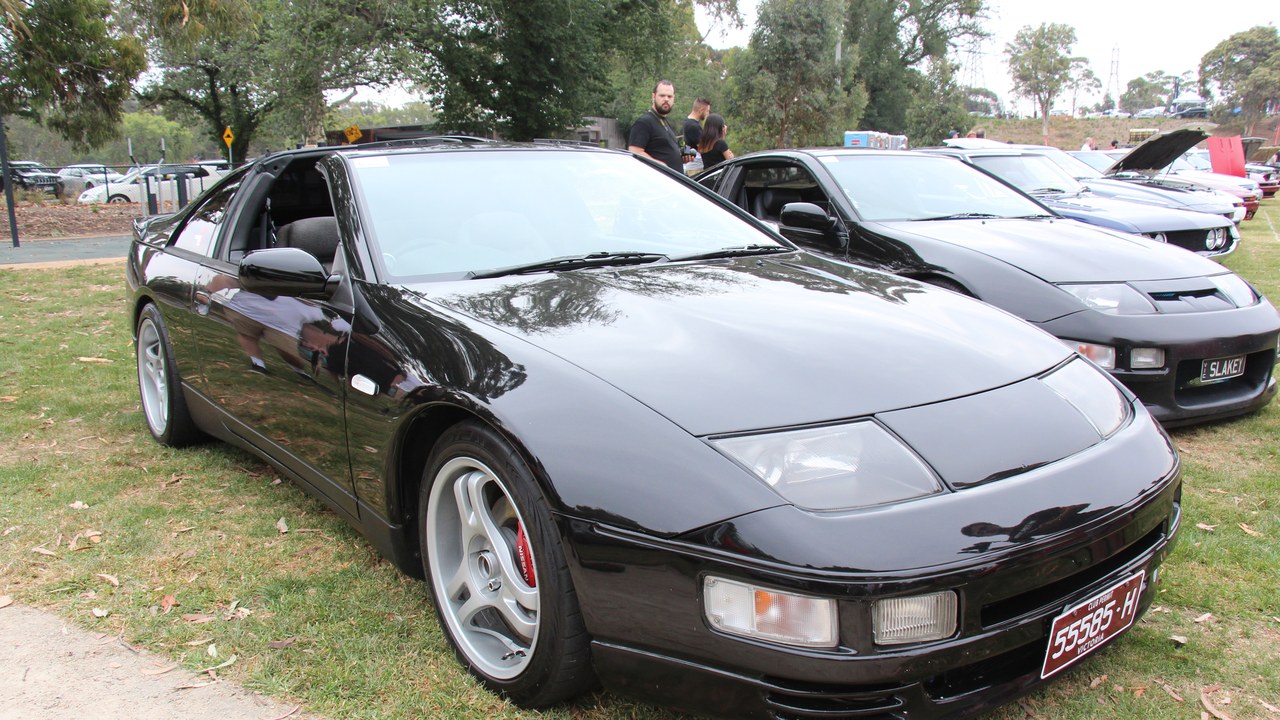
Twin turbochargers, four-wheel steering and a wide, low body gave the twin-turbo 300ZX genuine technology credentials when it arrived. The Z32 generation looked expensive and drove that way, but its densely packed engine bay made routine work slow and costly, which crushed used values for two decades.
That long trough is why straight, complete cars are now hard to find. Deferred maintenance, cracked plastics and half-finished repairs are common, so a well-kept twin-turbo car with service history stands apart.
More from Morning Overview
