
Flagship sedans absorb the steepest depreciation in the automotive market, because the first owner pays for technology that dates quickly and for options that later buyers rarely value. What follows is a second life in which an expensive car trades for the price of an ordinary one. Here are eight full-size machines that show how quickly the badge outlives the sticker.
1. Mercedes-Benz S-Class: The Technology Tax
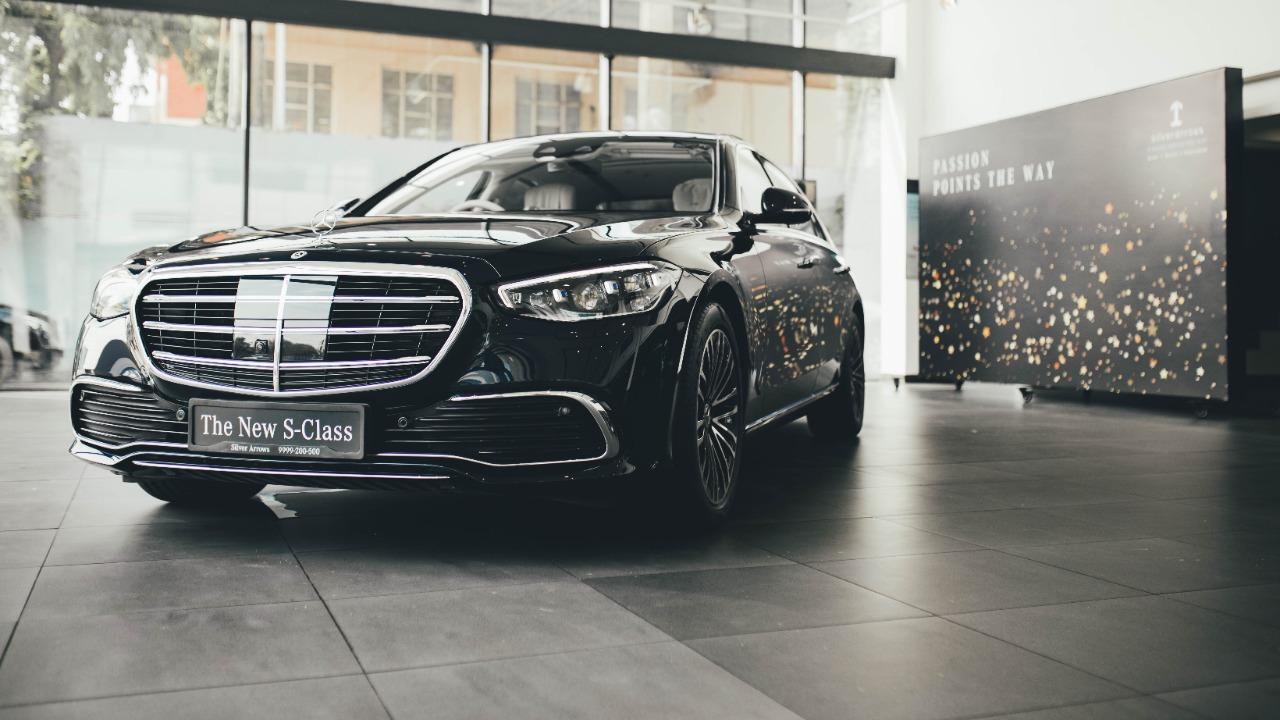
Mercedes-Benz has long used the S-Class to introduce equipment that later filters down through the rest of the range, from early anti-lock braking to air suspension and driver-assistance systems. That role is exactly what punishes the car later on: the hardware that justified the original price is superseded by the next generation, and the German flagship saloon slides down the listings until it competes with far humbler machinery.
The catch is running cost. Air suspension components, dense electronics and large brakes were specified for a buyer who was not counting, and independent specialists price the work accordingly. A low purchase figure says nothing about the maintenance budget the car still expects every year.
2. BMW 7 Series: Somebody Else’s Experiment
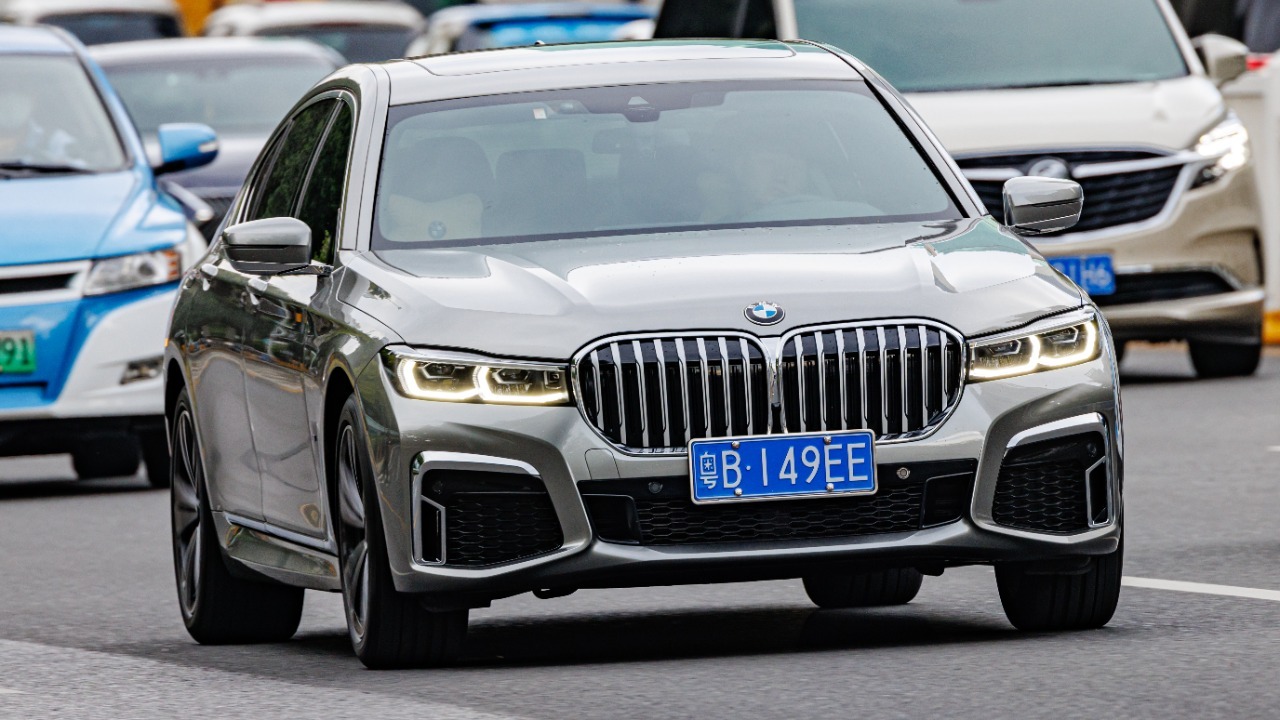
Each generation of the 7 Series arrives carrying systems BMW is testing before they reach the smaller sedans beneath it, and the original owner funds that experiment. When the following generation lands, appetite for the outgoing car falls away faster than it does for the volume models, because the full-size BMW sedan was never chosen for its value proposition in the first place.
Later buyers inherit that arithmetic in their favour, along with cooling systems, adaptive dampers and control modules engineered on the assumption of warranty coverage rather than cheap repair. A single failed component can quietly erase the discount that made the car look like a steal.
3. Audi A8: Yesterday’s Future
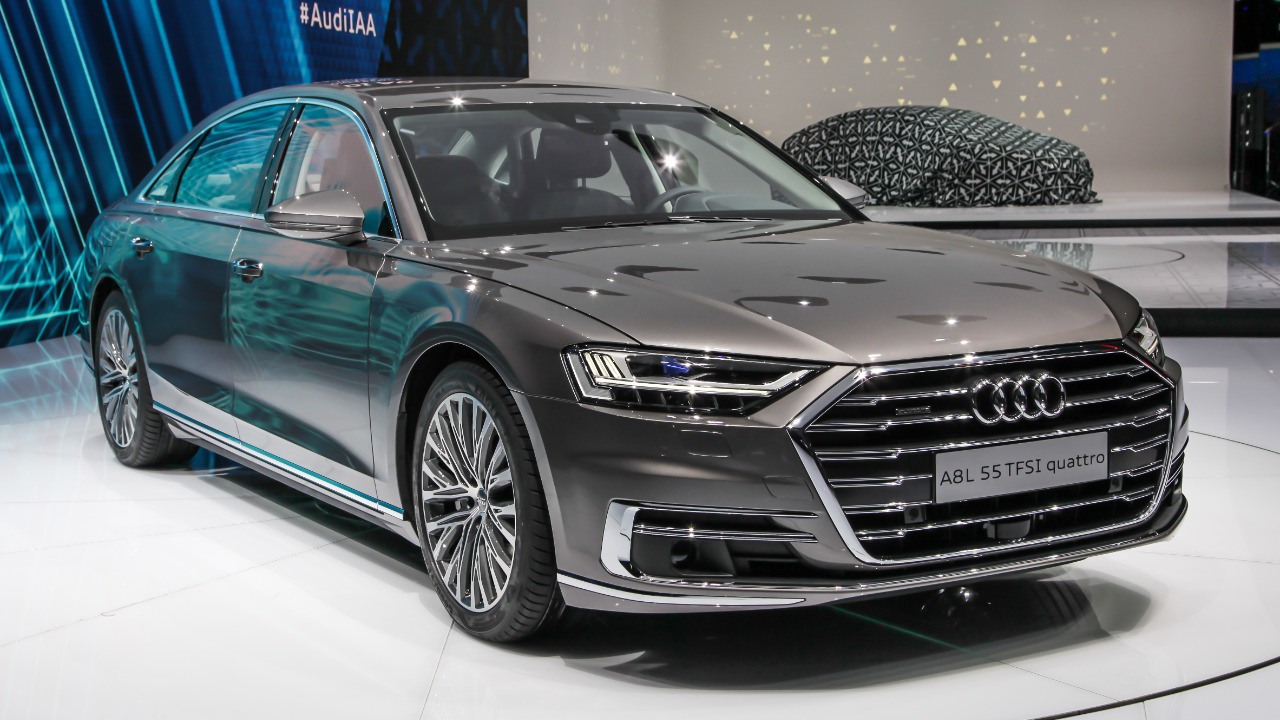
Audi built the A8 as a showcase for aluminium construction and for its driver-assistance ambitions, including a much-publicised attempt at conditional automated driving that regulators and road infrastructure never fully accommodated. Features dated by their own launch presentations age badly, and Audi’s aluminium-bodied flagship gives up ground the moment a newer interior and screen layout appears in the brochure.
What reaches the used market is a quiet, tightly assembled sedan priced with no reference to its original sticker. Aluminium bodywork demands specialist repair facilities, though, and the air suspension and all-wheel-drive hardware add bills of their own, so the discount buys the car rather than the ownership.
4. Jaguar XJ: Divisive By Design
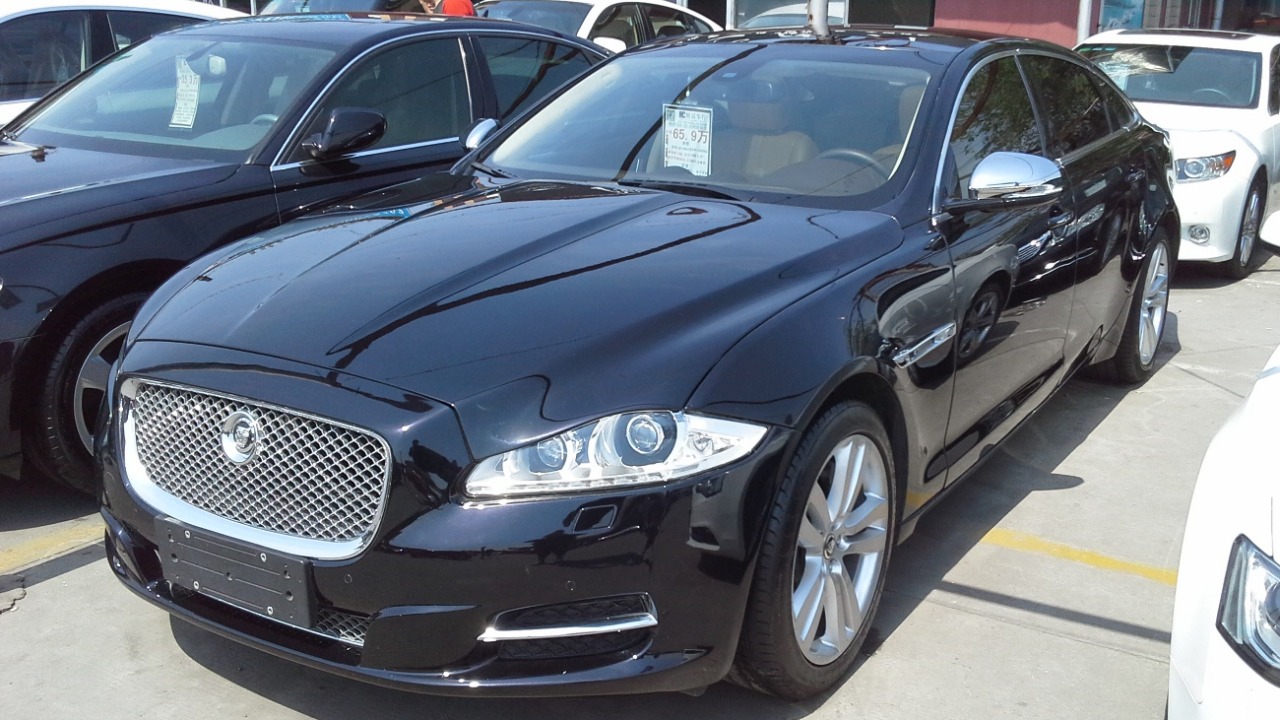
The final XJ generation paired an aluminium structure with styling that split opinion the moment the covers came off, and polarising design is a dependable accelerant for depreciation. Modest production numbers and a thin dealer network compound the effect, which is why the last Jaguar flagship tends to settle well below its German contemporaries once a few years have passed.
Anyone who likes the shape gets a distinctive cabin and a long wheelbase for ordinary money. Parts availability and specialist labour are the counterweight, and a model retired without a direct successor attracts fewer independent mechanics willing to take the work on.
5. Lexus LS: Refinement Without The Drama
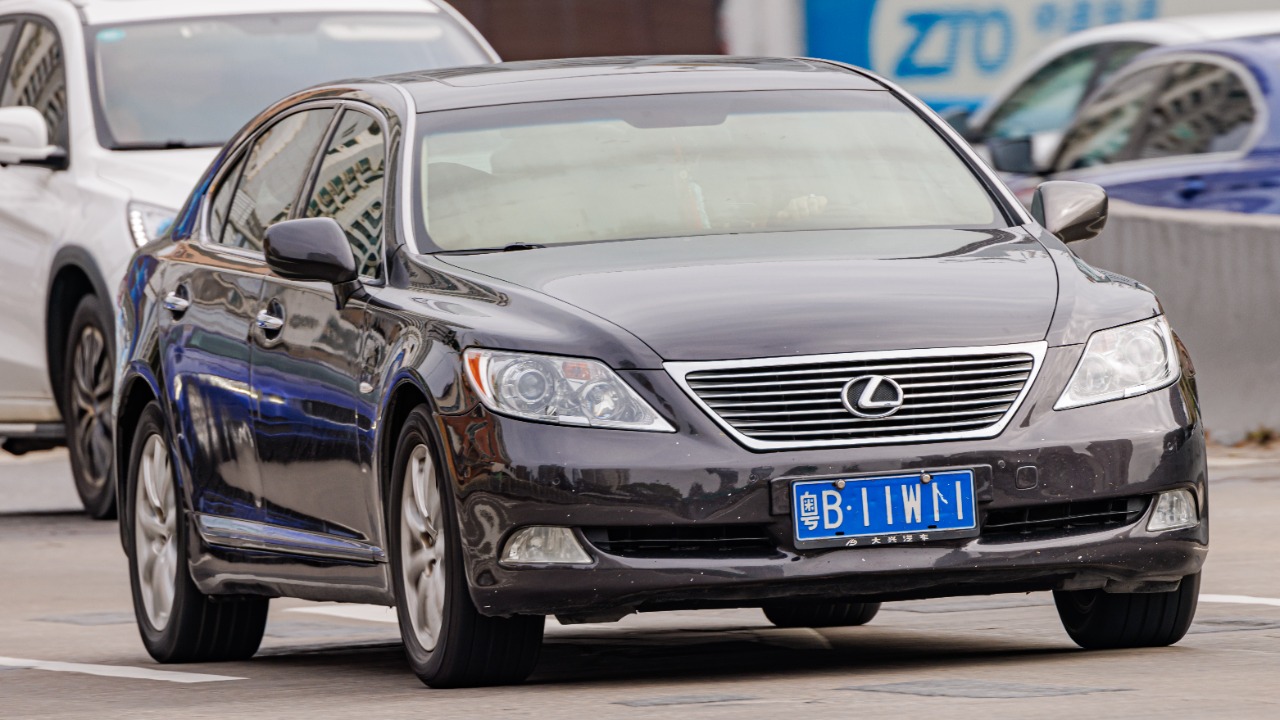
Lexus built the LS around refinement and durability rather than the sharper responses of its European rivals, and owners routinely report very high mileages without the electrical theatre that flagship sedans usually invite. Depreciation follows luxury-segment rules regardless of reputation, so the Lexus full-size sedan can be bought for a fraction of what its first owner handed over.
That pairing makes the strongest argument in this group, because the discount arrives without the usual exposure to catastrophic repair. Nothing is free, however: the air suspension fitted to some versions, the large tyres and the dealer labour rates all still reflect the station the car was built for.
6. Cadillac CT6: The Orphan Flagship
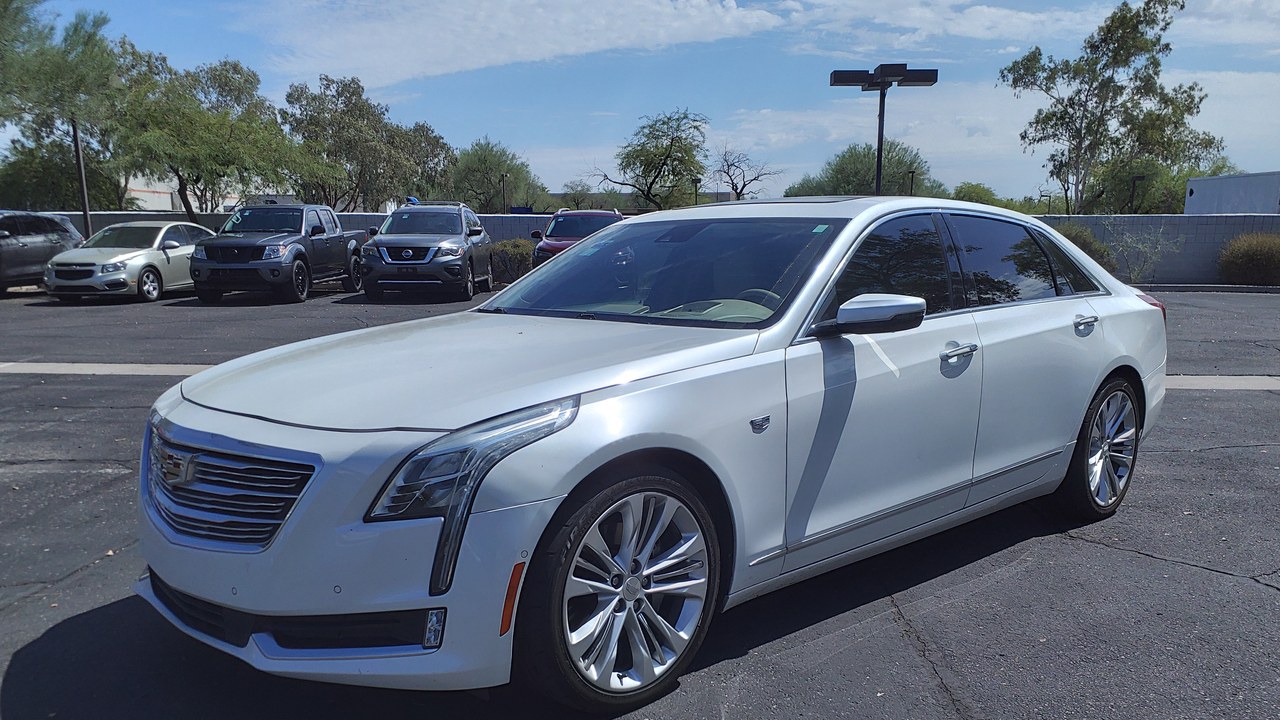
Cadillac gave the CT6 a mixed-material body and the top slot in its sedan range, then watched it arrive precisely as buyers were walking away from large sedans, and the production run ended early. A model withdrawn after a short life carries an obvious penalty, so the discontinued Cadillac flagship is now priced as an orphan rather than as a rival to Munich and Stuttgart.
For a buyer indifferent to badge politics, that mismatch is the whole opportunity. The risk sits in the details that made the car interesting in the first place, from the turbocharged engines to the low-volume trim pieces, none of which grow cheaper to source as the years accumulate.
7. Genesis G90: No Prestige To Defend
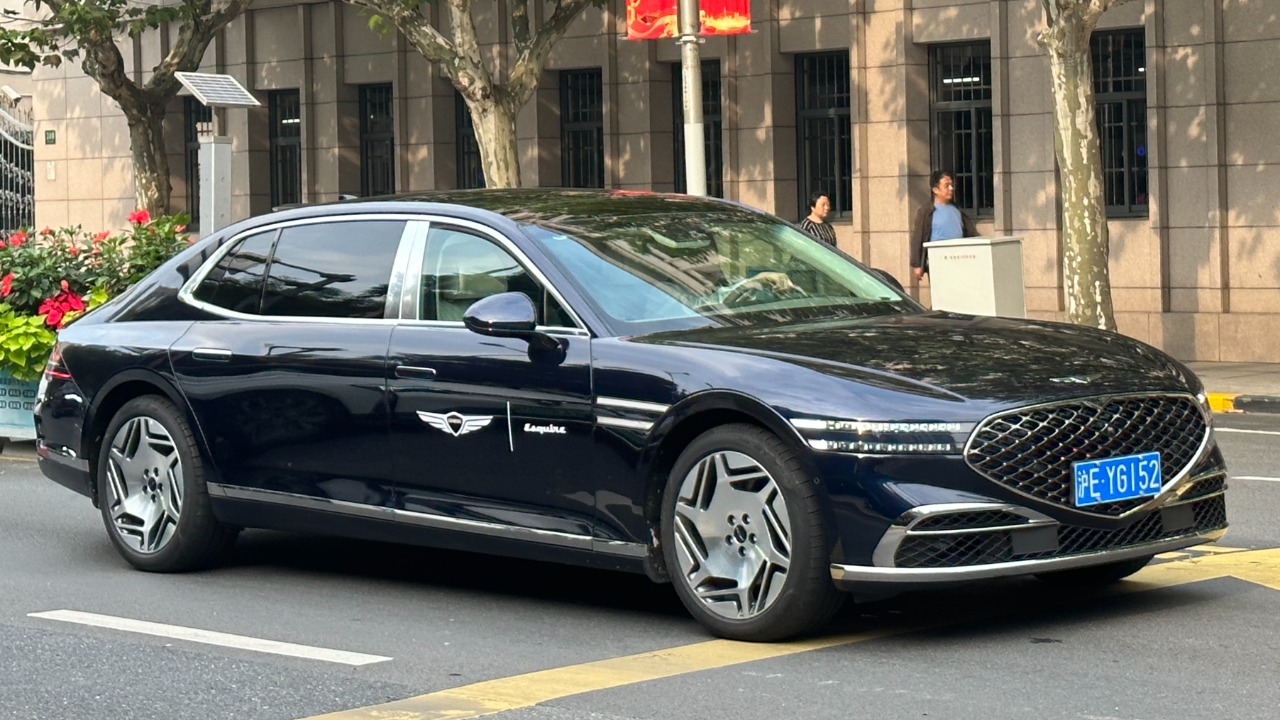
Genesis launched the G90 by undercutting established flagships on price while matching a great deal of their equipment, a strategy that works far better in a showroom than on a resale sheet. A marque without decades of accumulated prestige has no premium to protect, so the Genesis full-size sedan surrenders value faster than the cars it was engineered to embarrass.
The second owner collects that difference along with a comparatively young car and a short service history. The compensations are real but conditional: the dealer network is thinner than those of the legacy luxury brands, and the massaging seats, adaptive suspension and stacked displays still cost flagship money to put right.
8. Porsche Panamera: Crest On A Budget
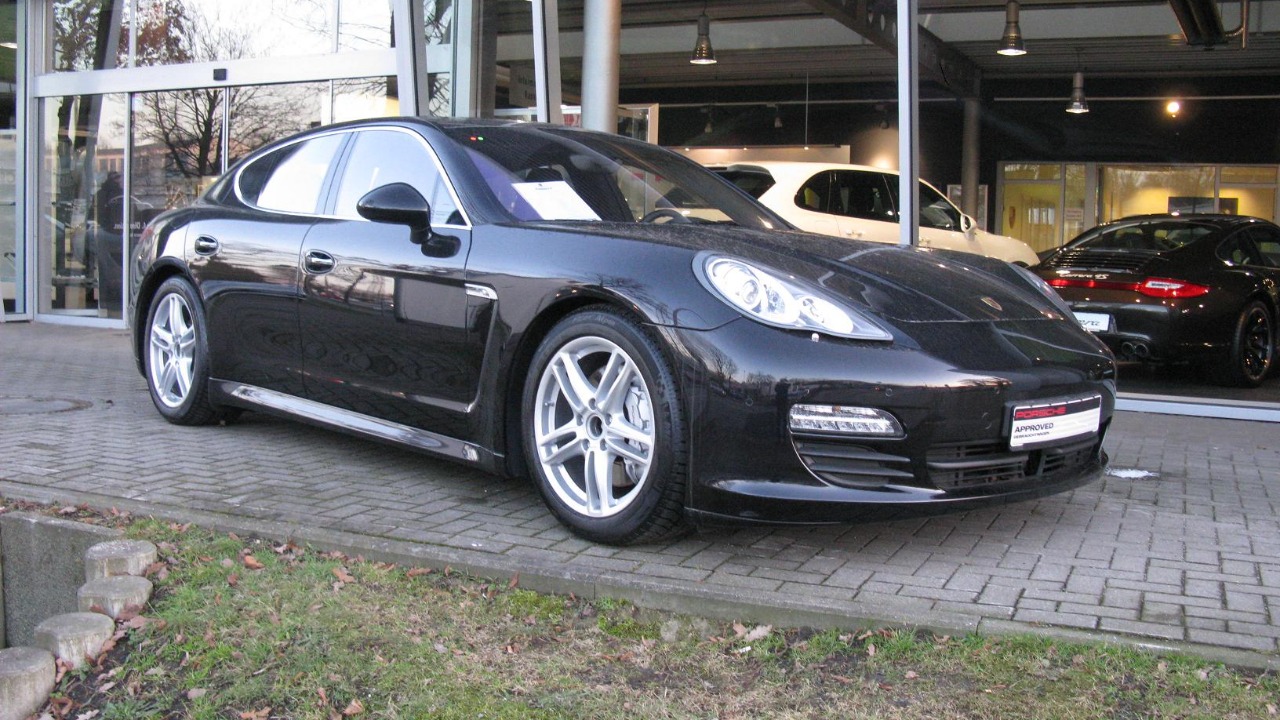
Early Panameras combined a divisive profile with an options list long enough to double the invoice and a great deal of hardware packed beneath the body. Equipment ordered at enormous expense contributes almost nothing at resale, which is how the first-generation cars ended up among the more attainable Porsche models despite wearing the same crest as the sports cars.
The purchase price is where the affordability stops. Air suspension, the ceramic-composite brakes fitted to some examples and a drivetrain built for sustained speed all carry Porsche parts pricing, and deferred maintenance on a cheap car simply transfers to whoever signs for it next.
More from Morning Overview
- More than 60,000 people flee the Spokane area as complex fires overrun 600 structures
- 11 engines built to run well past 200,000 miles
- Card skimmers hidden on gas pumps and ATMs are draining accounts, and here’s the tell
- The FBI says hackers are hijacking outdated home routers, and it named the models to check
