Some vehicles cost far more to keep than to buy, and the bills tend to arrive long after the warranty expires. Air suspension, turbocharged engines, dense electronics and troubled transmissions all show up repeatedly in repair-shop lore and owner complaints. Here are twelve models that have earned reputations for expensive upkeep.
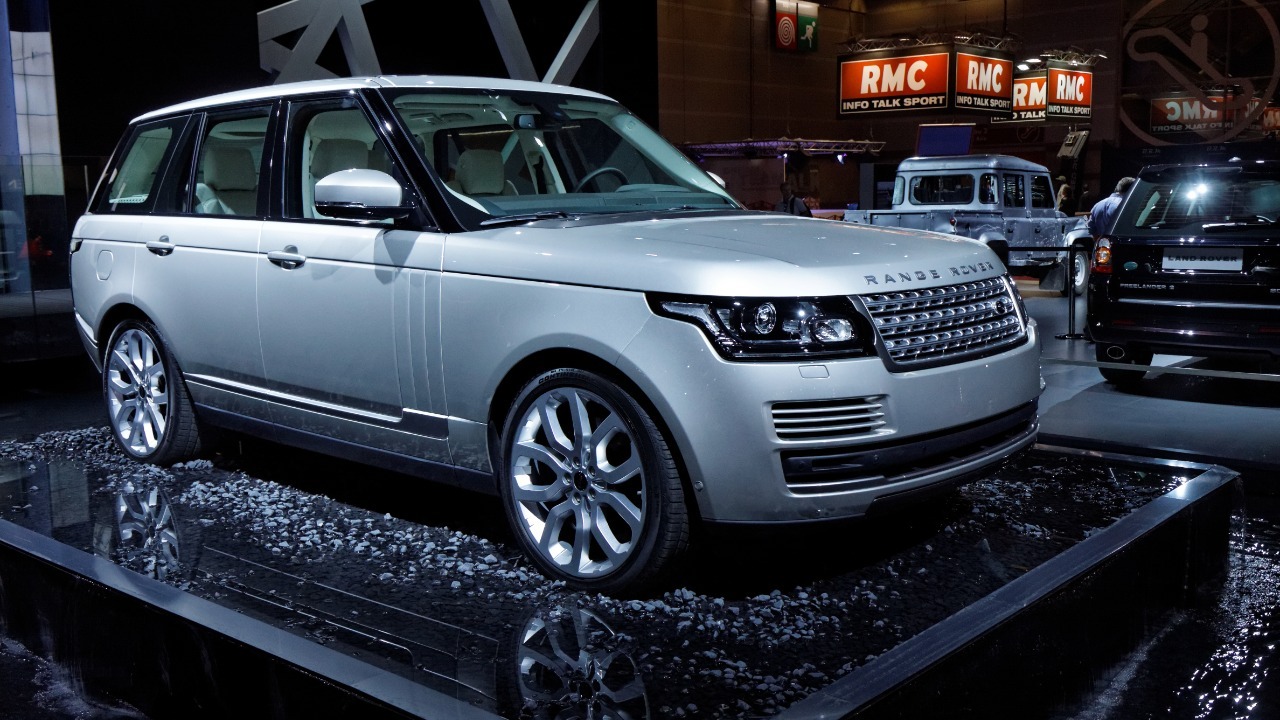
1. Land Rover Range Rover: Air Springs And Aging Electronics
<p>Image Credit: Thesupermat – CC BY-SA 3.0/Wiki Commons</p>
Land Rover’s flagship has run air suspension for decades, and the system’s compressors, valve blocks and rubber springs are wear items that fail with age. Later generations layered in a dense electrical architecture, from terrain modes to adaptive dampers and powered everything, so a single fault can cascade through several modules. Owner forums and independent specialists have long treated the Range Rover as a vehicle bought cheap and kept expensive.
Depreciation compounds the problem: a used example can look affordable while its parts and labor rates still belong to a six-figure luxury SUV.
2. BMW 7 Series: First To Get Every New Gadget
Image Credit: Dinkun Chen – CC BY-SA 4.0/Wiki Commons
Every generation of BMW’s largest sedan debuts the company’s newest electronics first, which means owners inherit technology before it has been fully de-bugged. Air suspension, active anti-roll systems, iDrive modules and V8 variants with known gasket and cooling weak points all appear in the ownership record for the 7 Series. Individually each repair is ordinary; together they arrive often enough to outrun a modest budget.
Resale value falls fast, so second and third owners typically face flagship-grade parts prices on a car worth a fraction of its sticker.
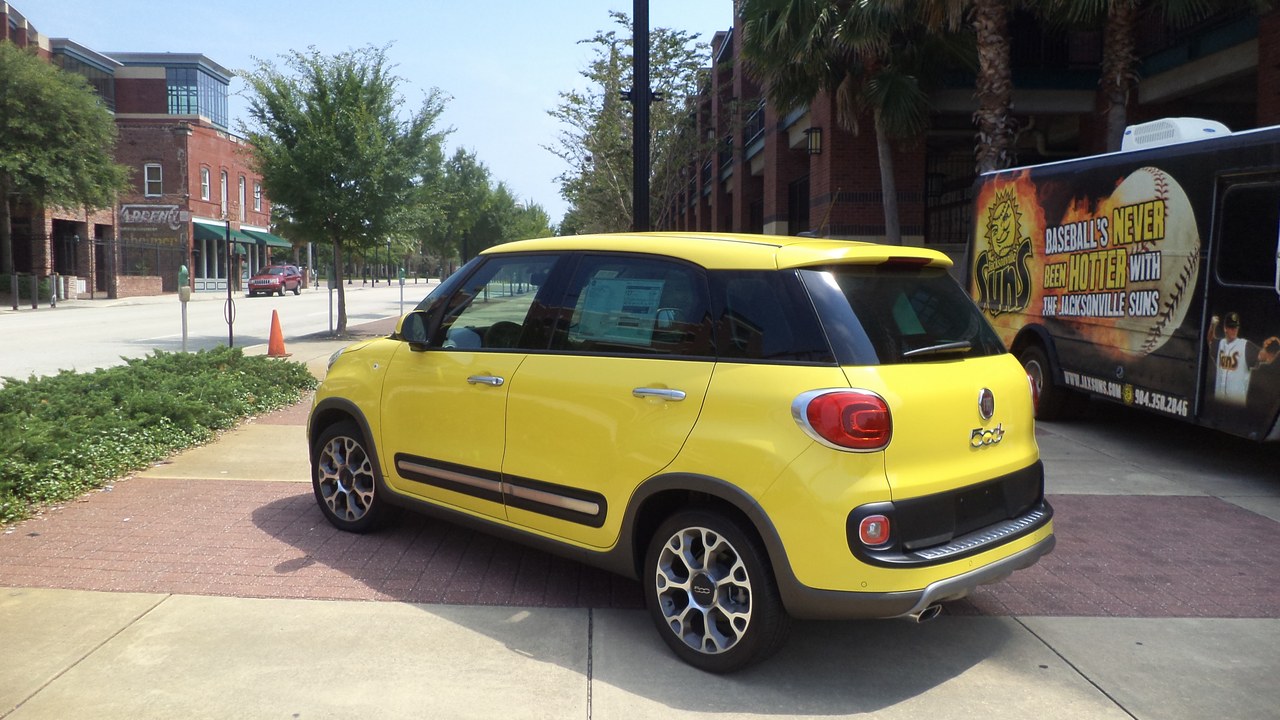
3. Fiat 500L: The Bottom Of The Rankings
Image Credit: Michael Rivera – CC BY-SA 3.0/Wiki Commons
Built in Serbia and sold as a roomier take on the retro 500, the 500L never matched the small hatchback’s charm or its mechanical simplicity. Reviewers criticized the driving experience, and American owners reported trouble with the automatic transmission and assorted electrical faults, a pattern that pushed the Fiat 500L toward the bottom of reliability rankings before it left the market.
Parts and dealer support thinned once Fiat’s US network shrank, which turns an otherwise cheap used buy into a waiting game for components.
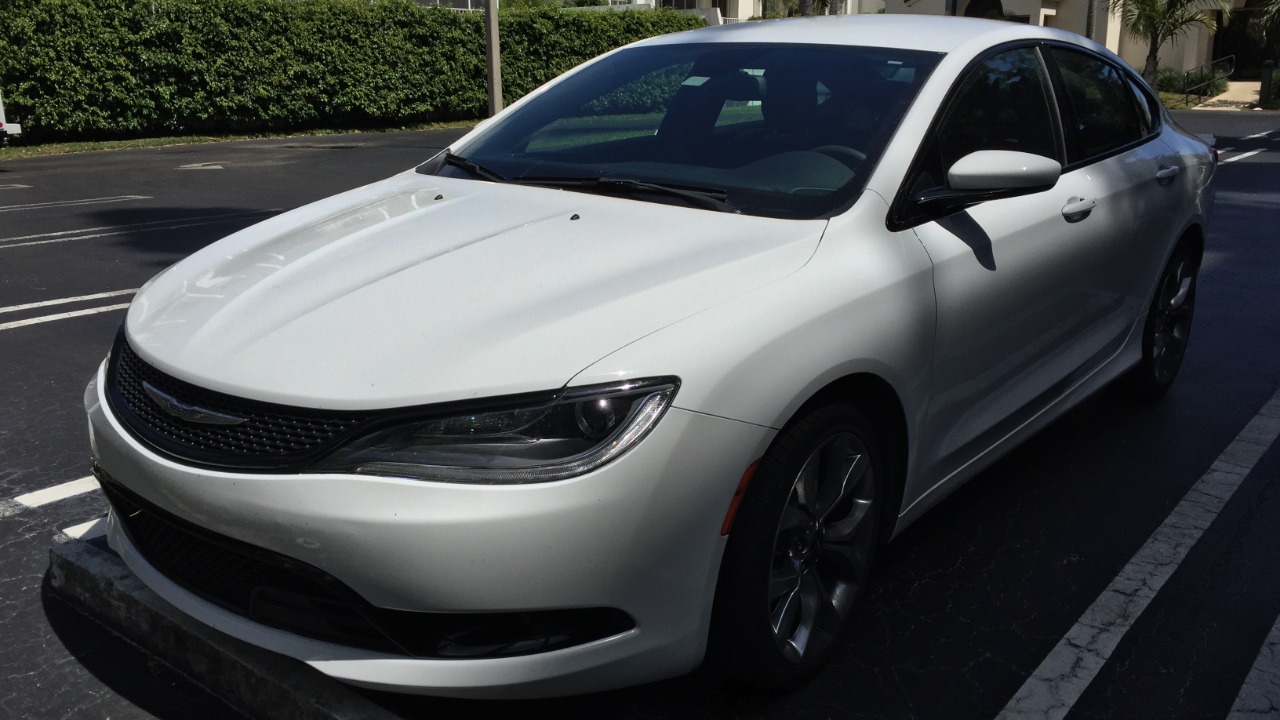
4. Chrysler 200: The Nine-Speed Problem
Image Credit: CZmarlin – CC BY-SA 4.0/Wiki Commons
The 2015 redesign paired a handsome body with a nine-speed automatic that drew persistent complaints about harsh shifts and hesitation, and the software updates meant to smooth it out only went so far. Cramped rear seats and poor outward visibility did the rest of the damage to the second-generation Chrysler 200, which was discontinued after three model years as Fiat Chrysler retreated from sedans.
Owners now face a car with a thin service reputation, a shrinking dealer network for parts, and resale values that reward almost nothing spent on repairs.
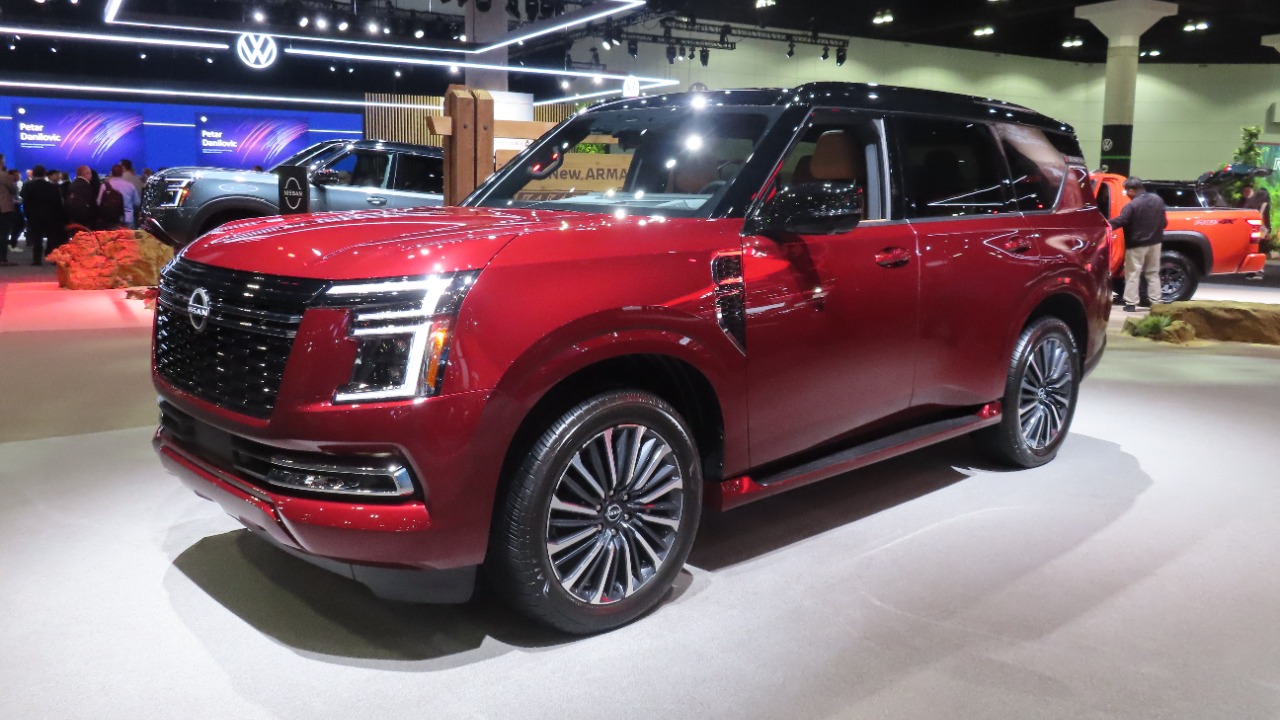
5. Nissan Armada: Everything On It Is Oversized
Image Credit: HJUdall – CC0/Wiki Commons
A body-on-frame full-size SUV built around a 5.6-liter V8, the Armada was engineered for towing rather than for fuel economy, and its real-world consumption reflects that. Suspension components, brakes and tires are sized for nearly three tons of vehicle, so routine replacement intervals on the Nissan Armada cost noticeably more than on a midsize crossover doing the same errands.
None of it is exotic work; it is simply frequent and heavy, and the running total surprises buyers who shopped on the used sticker price alone.
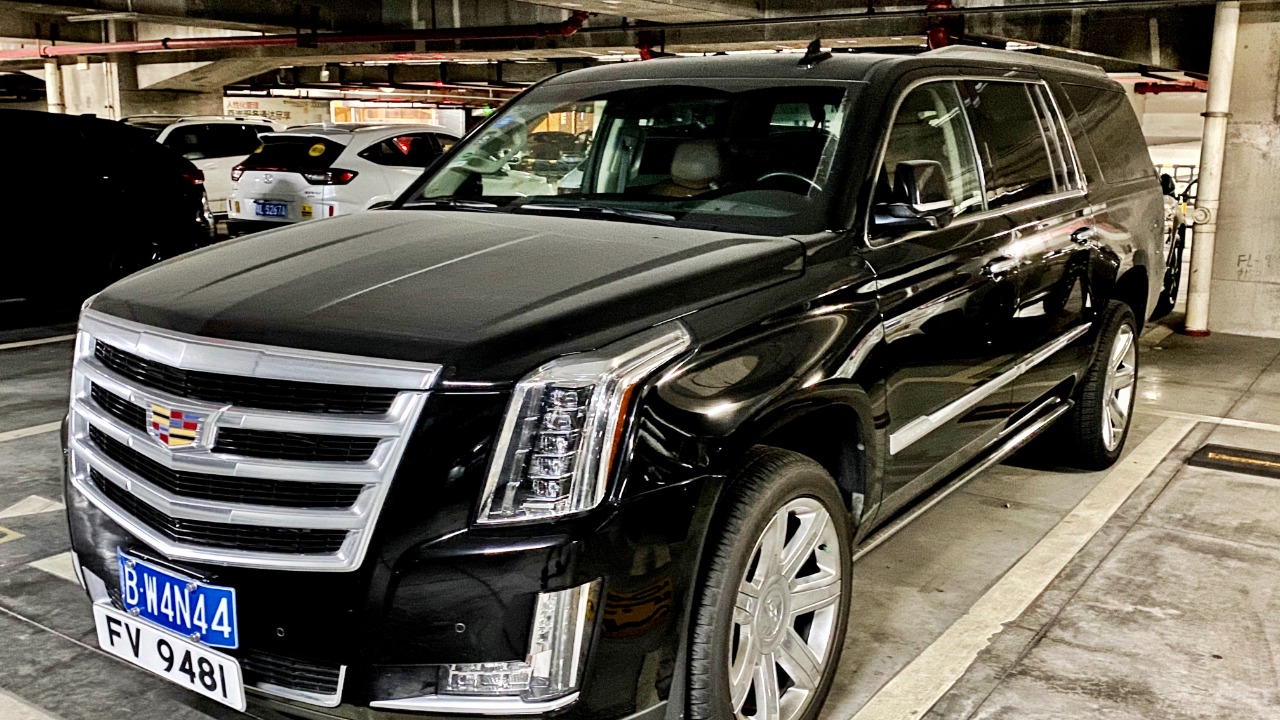
6. Cadillac Escalade: Luxury Bills On A Truck Frame
Image Credit: Jones028 from Hong Kong – CC BY 2.0/Wiki Commons
Cadillac’s full-size SUV rides on magnetic dampers and, in recent generations, an air-spring setup, both of which are far costlier to replace than conventional shocks. Add 22-inch tires, heavy-duty brakes, a curved OLED dash display and layers of driver-assistance hardware, and ordinary maintenance on the Escalade starts to price like luxury-sedan work performed on a truck-sized platform.
Because the model holds a strong secondhand following, plenty of buyers reach the ownership stage without budgeting for what a set of those components actually costs.
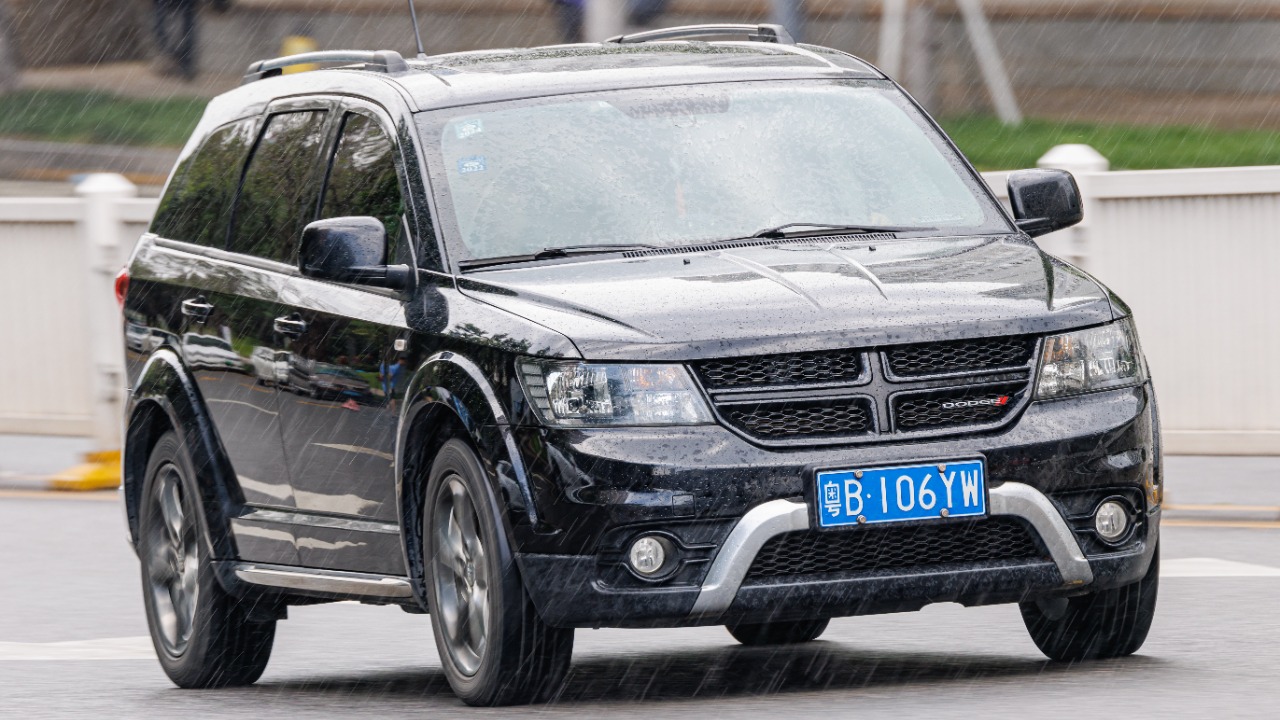
7. Dodge Journey: A Decade Without An Update
Image Credit: Dinkun Chen – CC BY-SA 4.0/Wiki Commons
Introduced for 2009 and sold with only modest updates until 2020, the Journey spent its final decade on hardware that was already dated when it launched. Critics singled out the coarse four-cylinder base engine, the old four-speed automatic it was paired with, and interior materials that aged badly, all of which kept the Dodge Journey near the bottom of crossover rankings.
Long production runs usually mean cheap parts, but they also mean a vehicle whose known weak points had years to become familiar to service departments.
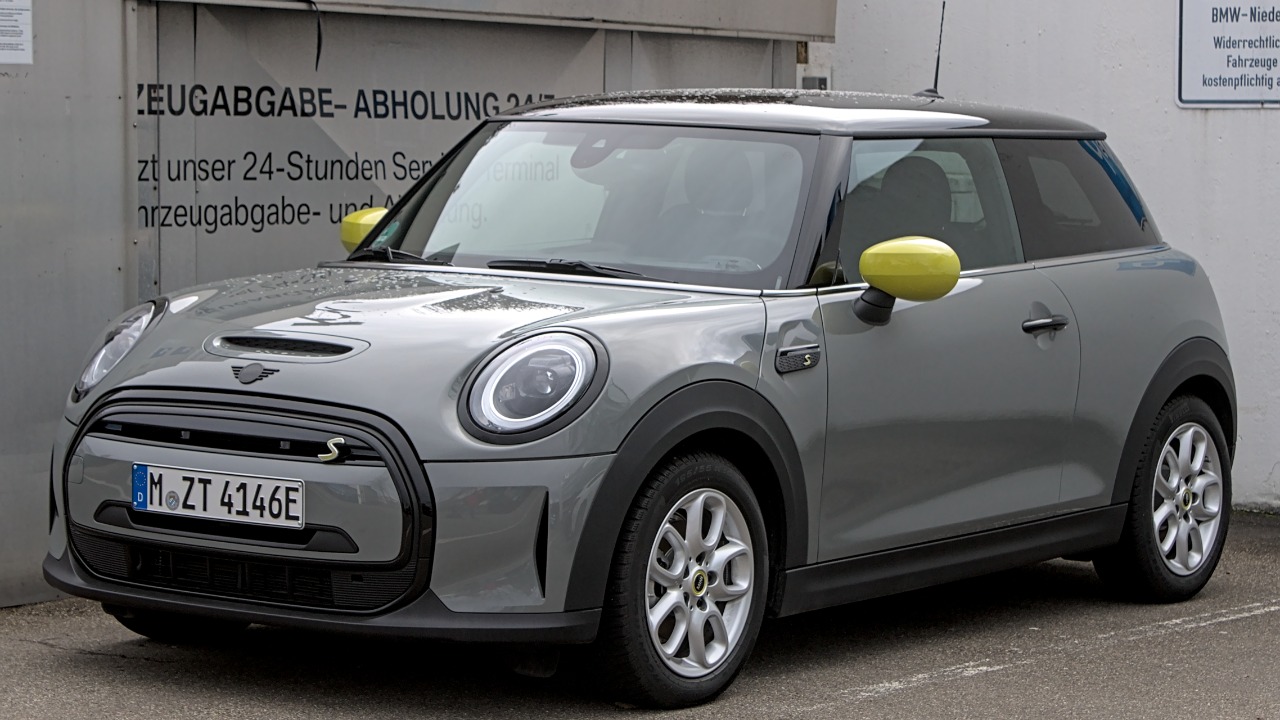
8. Mini Cooper: Small Car, Big Labor Hours
Image Credit: Alexander Migl – CC BY-SA 4.0/Wiki Commons
Small does not mean simple. The second-generation car’s turbocharged four, co-developed with PSA, became known for timing-chain rattle, carbon buildup on direct-injection valves and heavy oil consumption, while cramped packaging drives up labor hours on jobs that sound trivial. Servicing the Mini hatchback is BMW work in a compact body, with BMW parts pricing attached.
Buyers drawn in by the low used price often discover that a clutch, a chain or a water pump erases the savings in a single visit.
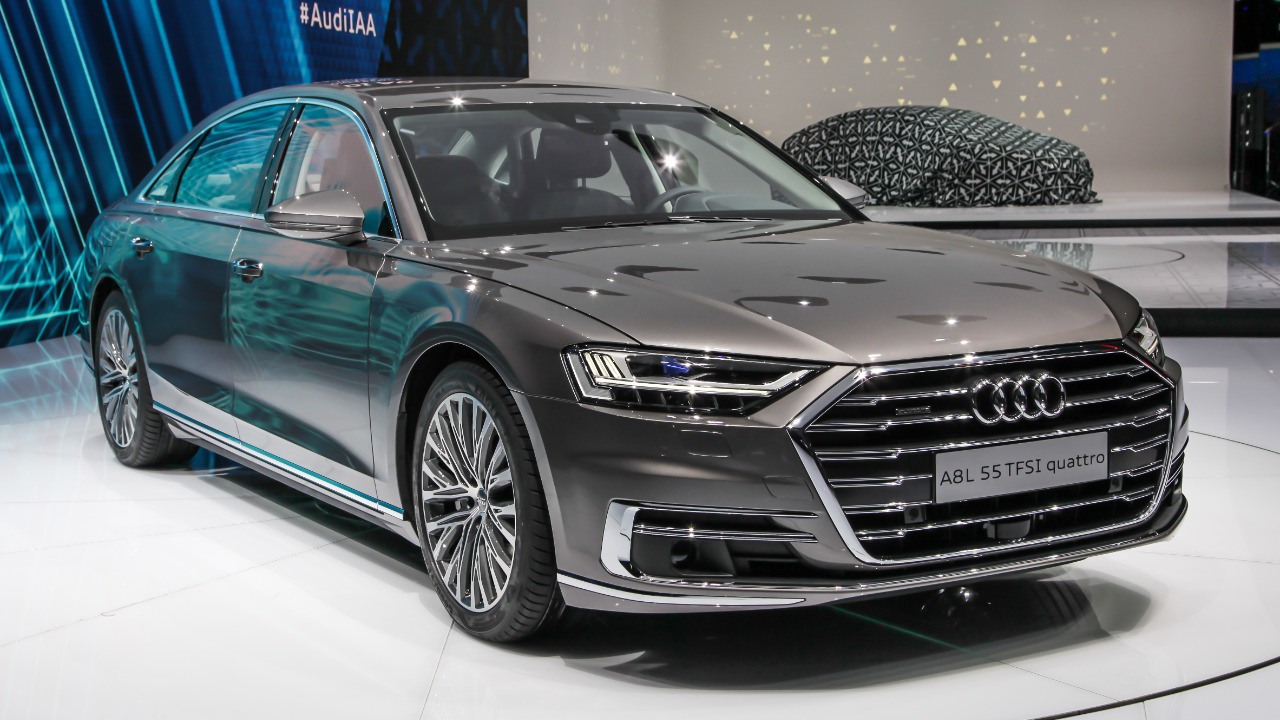
9. Audi A8: A Showcase That Ages Expensively
Image Credit: Alexander Migl – CC BY-SA 4.0/Wiki Commons
Audi’s flagship debuts the brand’s most ambitious engineering: an aluminum space frame, adaptive air suspension, all-wheel steering on later cars and, for years, an optional W12 crammed into the nose. Those systems are reliable enough when new, but each one is a specialist repair once age sets in, and aluminum bodywork on the Audi A8 narrows the list of shops willing to touch a collision.
Steep depreciation then puts a technically dense car into the hands of owners least equipped to absorb its maintenance schedule.
Image Credit: Dinkun Chen – CC BY-SA 4.0/Wiki Commons
The third-generation Ghibli pairs a Ferrari-built twin-turbo V6 with a chassis shared across Maserati’s Quattroporte, then wraps it in switchgear borrowed from Fiat Chrysler’s parts bin. That combination produces exotic service intervals and dealer labor rates without the residual values to justify them, and depreciation on the Maserati Ghibli has been steep enough to make used examples look temptingly cheap.
The purchase price is the affordable part; the specialist network required to keep the car healthy prices its work like the badge, not like the sticker.
Image Credit: Rutger van der Maar – CC BY 2.0/Wiki Commons
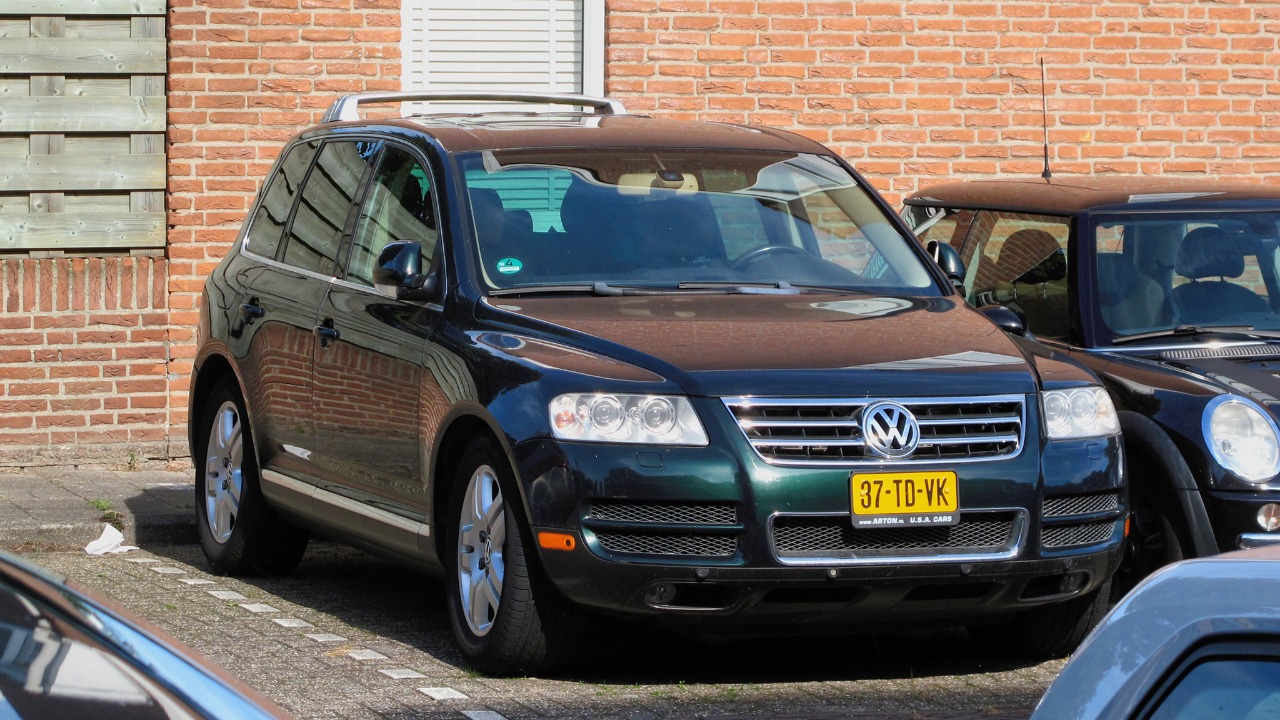
Volkswagen’s flagship SUV shares its platform with the Porsche Cayenne and Audi Q7, and it inherited their complexity along with the engineering: air suspension, a two-speed transfer case on early cars, and engines that ranged to a V10 diesel and a W12. Working on the Touareg often means Porsche-level access problems billed against a mainstream badge’s resale value.
That mismatch is the trap. The car depreciates like a Volkswagen while its components are priced and serviced like the luxury SUVs it was designed alongside.
12. Jaguar XJ: Beautiful To Drive, Costly To Keep
Image Credit: Dinkun Chen – CC BY-SA 4.0/Wiki Commons
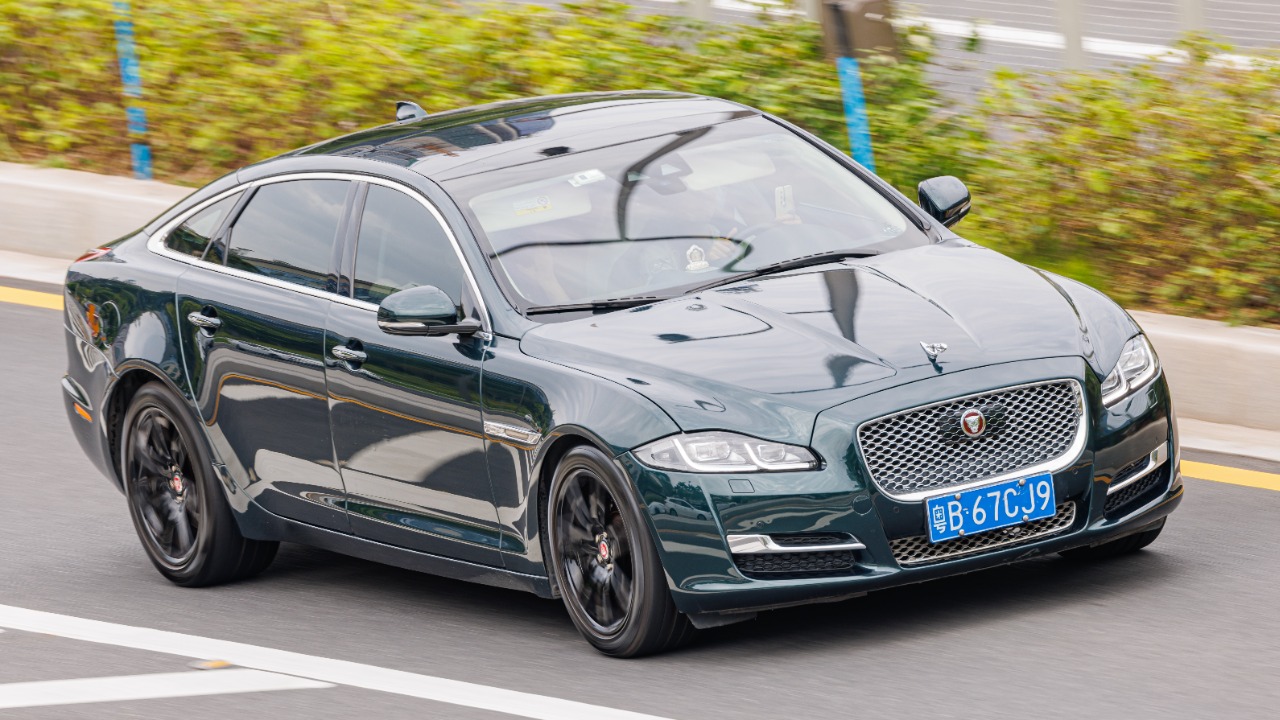
The X351 XJ wrapped an all-aluminum monocoque around air suspension, an active differential and a supercharged V8, plus a virtual instrument display that was novel when the car arrived in 2009. Age has not been kind to those systems, and the car’s reputation among later owners rests on electrical and air-suspension faults that surface for the aluminum-bodied XJ once the original warranty lapses.
It remains one of the more rewarding large sedans to drive, which is precisely why owners keep authorizing repairs that a colder calculation would refuse.
More from Morning Overview
Morning Overview is reader-supported. Some links in our articles are affiliate links, and we may earn a commission at no extra cost to you. As an Amazon Associate I earn from qualifying purchases. Full disclosure.