
Nameplates rarely disappear with a press conference. More often a familiar sedan or coupe simply stops appearing on order sheets while dealers sell down the last examples sitting on the lot. Every vehicle below reached the end of its production run as buyers shifted toward crossovers and electrics, and here are ten that slipped away.
1. Chevrolet Malibu: The Sedan That Outlasted Its Segment

Few Chevrolet badges lasted as long as this one, which first appeared in 1964 as a trim level on the Chevelle before growing into a standalone midsize sedan. The final generation soldiered on as a front-wheel-drive four-door aimed at commuters and rental fleets, and General Motors eventually confirmed the plant building it would be retooled for other work.
Its exit says less about the car than about the segment around it. Midsize sedans once anchored American driveways, but crossovers steadily absorbed those buyers, leaving fewer reasons for a mainstream automaker to keep a low-margin four-door on the line.
2. Chevrolet Camaro: A Muscle Car Signs Off
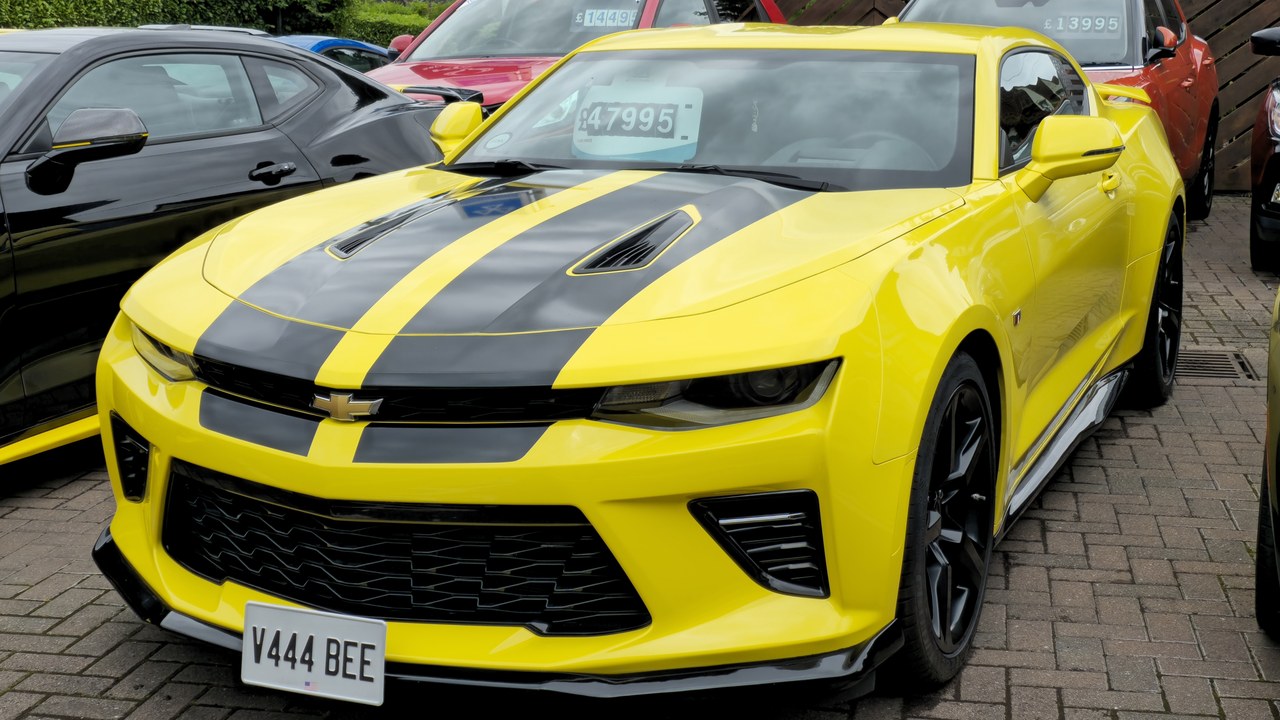
Chevrolet built the sixth-generation Camaro on a lighter rear-drive architecture shared with Cadillac, offering everything from a turbocharged four-cylinder to a supercharged V8 in the ZL1. Assembly took place in Michigan, and the company marked the finish with a specially trimmed send-off model rather than letting the coupe fade quietly off the price list.
Executives stopped short of calling it a permanent farewell, hinting the badge could return in some other form. For now the coupe leaves without a direct successor, and the pony-car field is noticeably thinner than it has been in decades.
3. Ford Edge: Room Made For Electric Crossovers
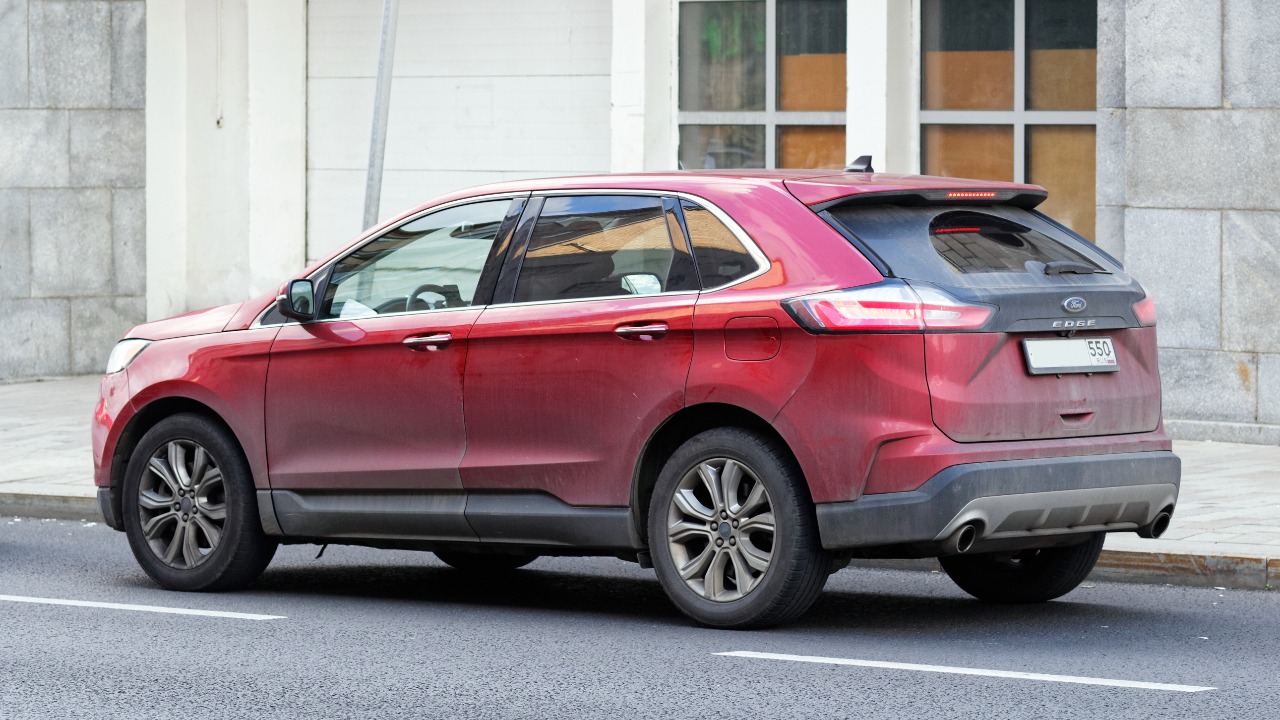
Roomier than an Escape and cheaper than an Explorer, the Edge spent nearly two decades as Ford’s middle option, with North American output running at the Oakville Assembly complex in Ontario. Ford ended production there and began converting the plant for electric-vehicle work, closing out a nameplate that once moved in serious numbers.
Shoppers who wanted that in-between size are now steered toward the smaller Escape or the three-row Explorer. Neither quite replaces a two-row crossover that sold on being unremarkable in the most useful sense of the word.
4. Dodge Challenger: The Last Of The Hemi Coupes
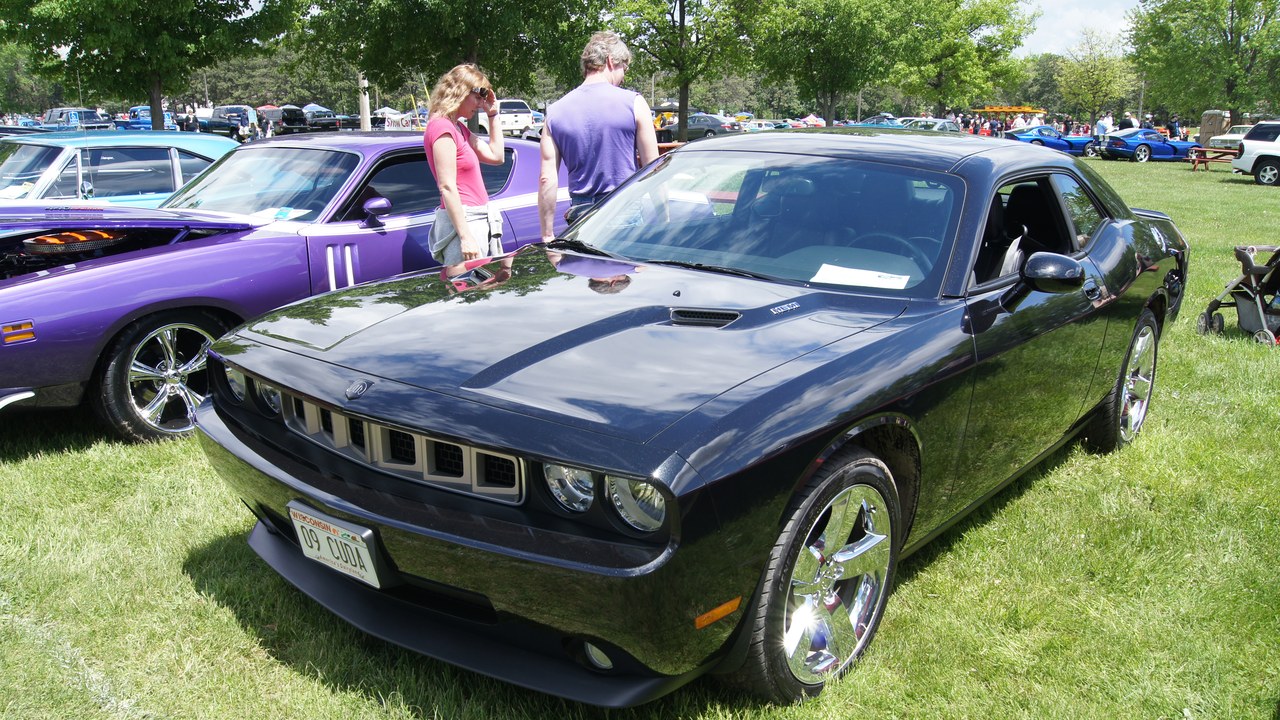
Dodge kept the modern Challenger on sale far longer than most rivals, selling essentially the same retro-styled two-door from 2008 onward while stacking on progressively wilder Hemi V8 variants. Assembly happened in Brampton, Ontario, and the company sent it off with a run of limited farewell editions rather than an ordinary final year.
Dodge has since moved the Charger name onto a new platform built around electrified powertrains. Whether that satisfies the buyers who showed up specifically for a big-displacement V8 coupe remains the open question hanging over the brand.
5. Chevrolet Bolt EV: An Affordable EV Hits Pause
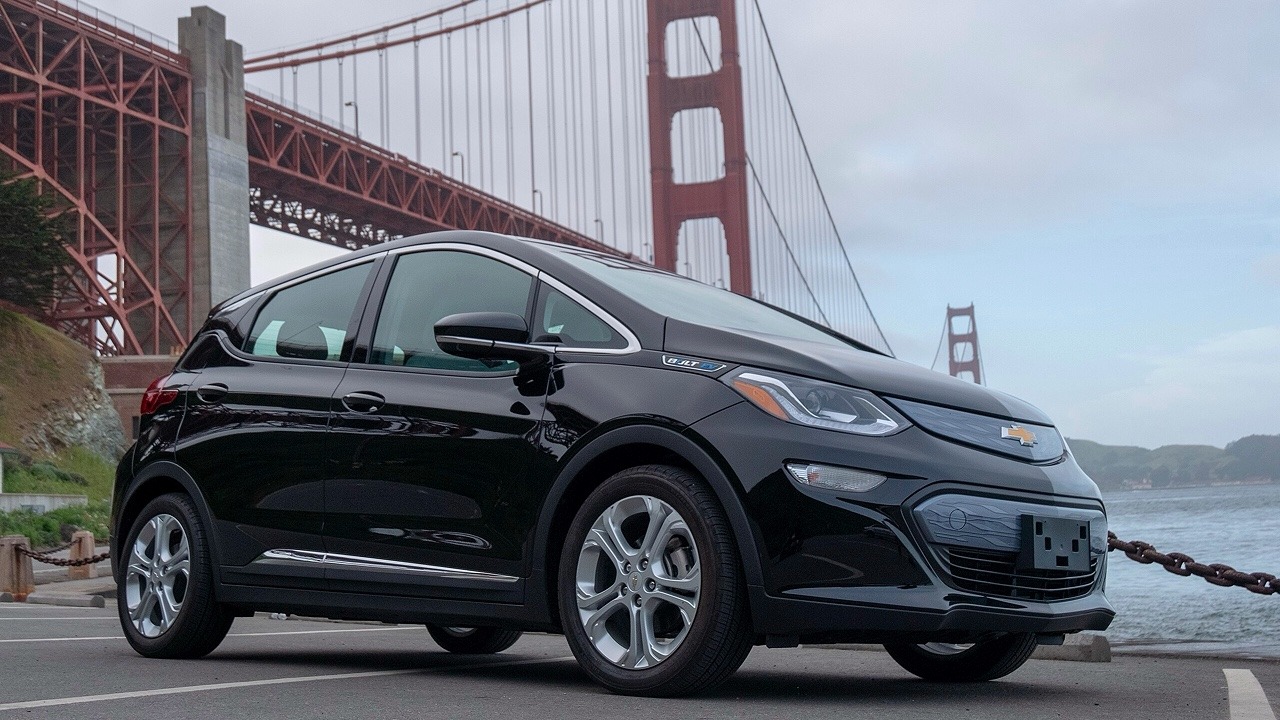
One of the first genuinely affordable long-range electric cars sold in the United States, this compact electric hatchback later spawned a slightly taller EUV variant on the same bones. Production wrapped at the Orion Assembly plant in Michigan, which was slated for conversion to other electric models, even as the car was posting some of its strongest sales.
General Motors said the nameplate would return with newer battery technology rather than disappear outright. In the meantime a gap opened at the bottom of the electric market, where very few options undercut the price the car had settled into.
6. Toyota Venza: The Hybrid Crossover Nobody Noticed
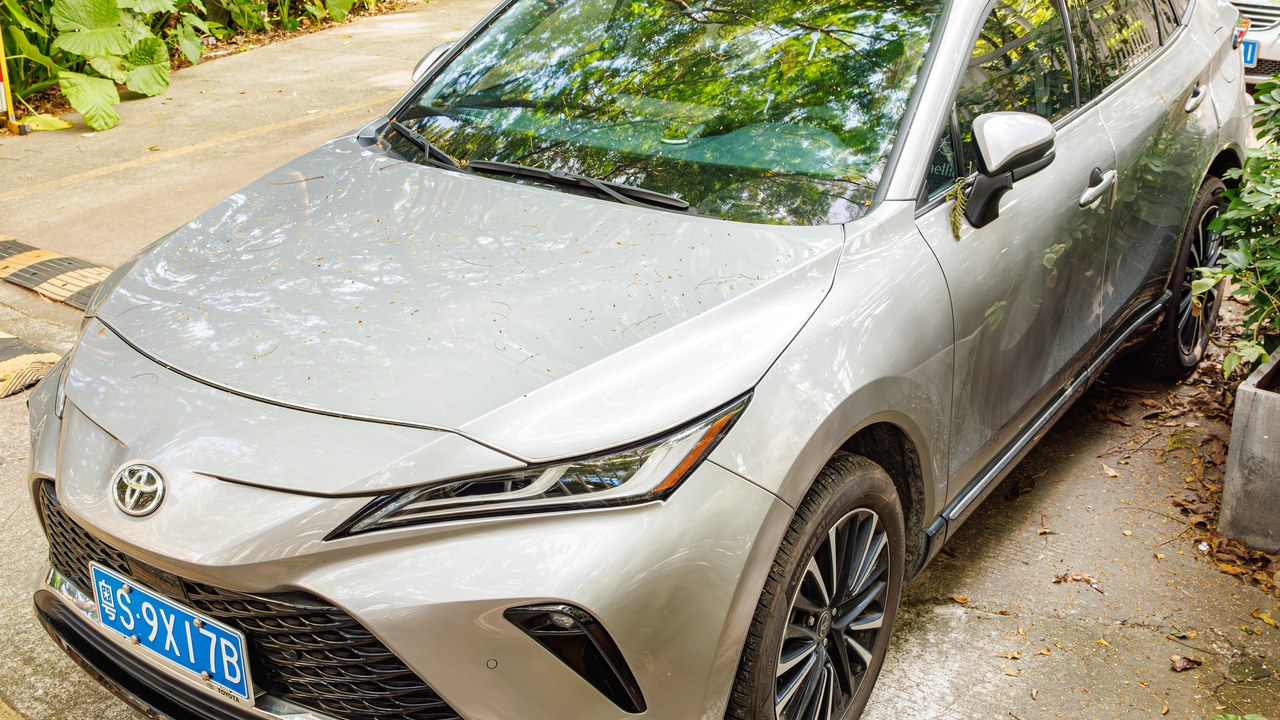
Toyota revived the Venza name for a hybrid-only crossover pitched between the RAV4 and the Highlander, with standard all-wheel drive and a deliberately quiet, upscale cabin. It never approached RAV4 volumes, and Toyota removed it from the American lineup after a short second run, steering shoppers toward a new Crown-badged alternative instead.
That replacement covers similar ground with more theatrical styling and a higher price. Buyers drawn to the low-key looks and strong fuel economy lost a rare middle option in a class increasingly split between small and very large.
7. Hyundai Veloster: The Three-Door Experiment Ends
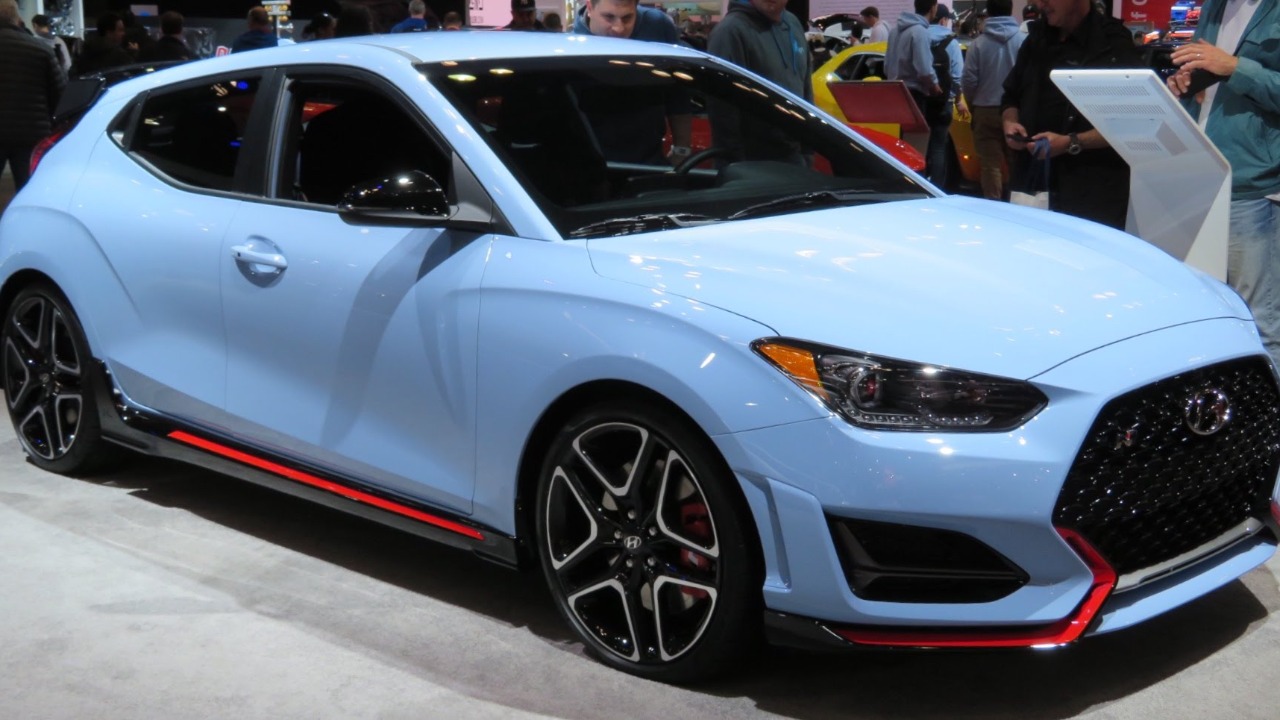
Hyundai’s asymmetric three-door hatchback put one door on the driver’s side and two on the passenger side, an oddity that reliably drew attention but never translated into meaningful volume. Standard versions left American showrooms first, and the performance-tuned N model carried the badge a while longer before Hyundai wound the whole thing down.
The enthusiast following was real, if small. Hyundai has kept its N treatment alive on the Elantra and on electric models, so the engineering survived even though the odd little shape that introduced many drivers to it did not.
8. Chevrolet Spark: America’s Cheapest New Car Vanishes
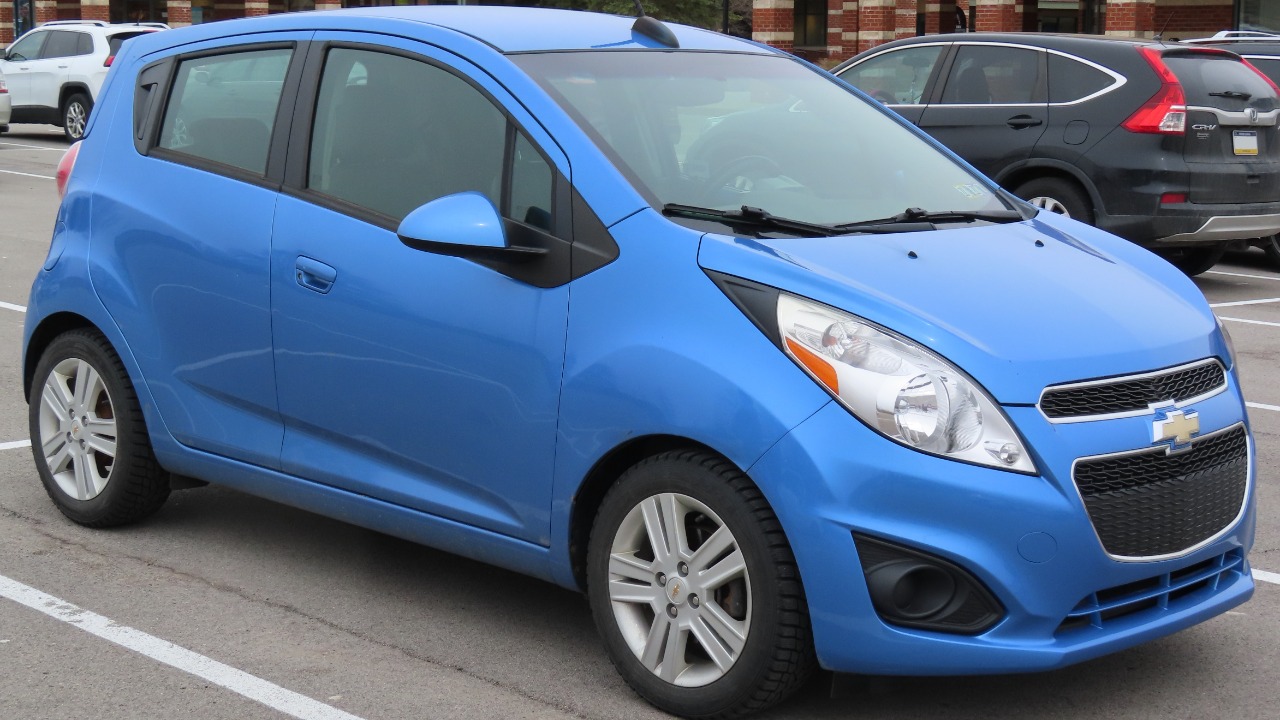
For years the Spark was the least expensive new car a buyer could order in the United States, a city-sized hatchback built in South Korea around a small four-cylinder engine. Chevrolet pulled it from the American market as the brand concentrated on crossovers and trucks carrying far healthier margins per unit.
Its departure narrowed the entry-level end of the market considerably. Shoppers working with the tightest budgets were left with fewer new options and pushed further toward used inventory, where prices had already climbed sharply.
9. Kia Rio: A Bargain Subcompact Bows Out

Offered as both a sedan and a five-door hatch, the Rio covered the subcompact basics for Kia with a long warranty and a price that undercut nearly everything else on the lot. Kia stopped selling the fourth-generation Rio in the United States, ending a run that had made it one of the brand’s cheapest entry points.
Demand had been sliding for years as the Soul and the Seltos pulled shoppers toward taller bodies. The arithmetic is familiar across the industry: small cars carry thin margins, and factory capacity follows whatever segment buyers actually walk in asking for.
10. Mitsubishi Mirage: The Budget Commuter Runs Out
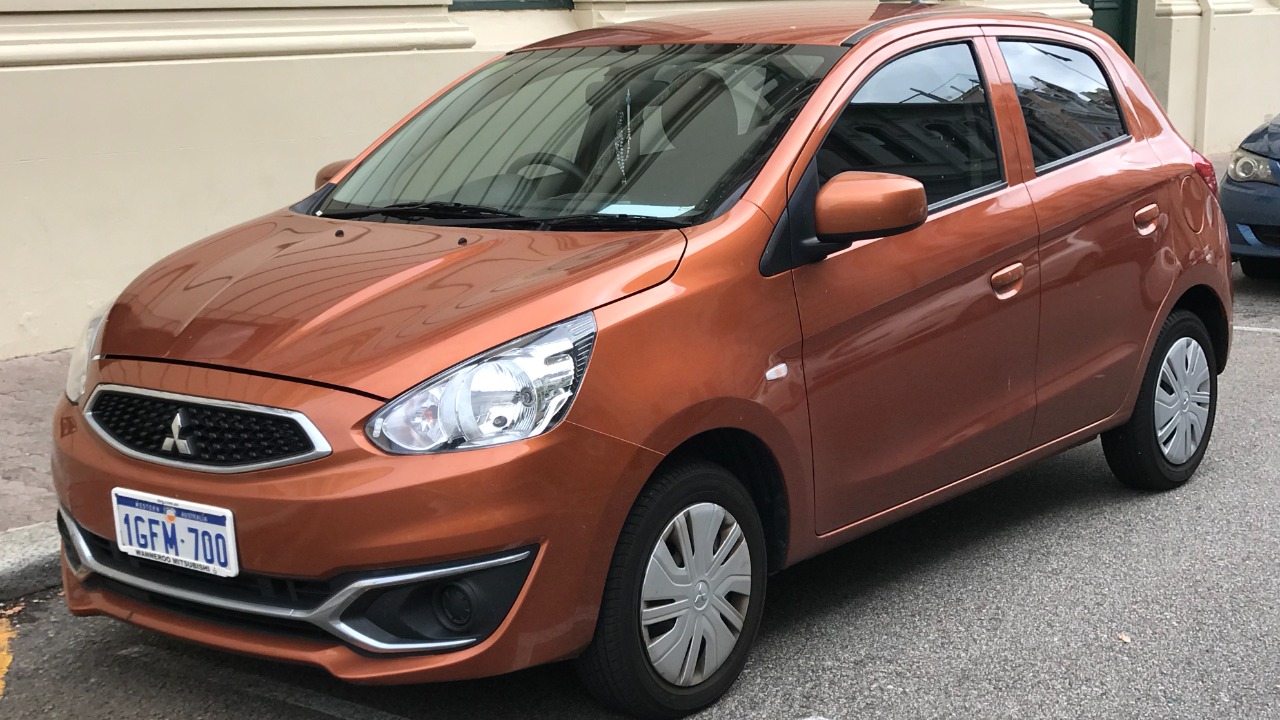
Mitsubishi’s subcompact Mirage traded refinement for numbers, pairing a three-cylinder engine with fuel-economy ratings that rivaled hybrids and a price near the bottom of the American market. Reviewers rarely warmed to it, yet it kept finding budget buyers until Mitsubishi ended the run and shifted its focus to the crossover lineup.
The company now leans on the Outlander and the Eclipse Cross in North America. That leaves Mitsubishi without the cheap commuter that long anchored its showrooms, and leaves the bargain end of the market thinner still.
More from Morning Overview
- A Colorado wildfire has exploded past 87,000 acres with no containment
- A wildfire near Ouray swelled past 18,000 acres, putting Colorado towns on alert
- The Pentagon’s newest UFO files describe a fish-scaled, potato-shaped object on camera
- Scientists spotted a rare tusked whale alive at sea for the first time, then fired a crossbow at it.
