
Some of the most influential automobiles ever built ended up in a New York museum beside chairs, posters and architectural models. Curators treated each one as an object of industrial design, judged on form and purpose instead of speed or price. Here are nine cars and a few key facts about how each earned its place.
1. Cisitalia 202 GT (1946): The Car That Started It
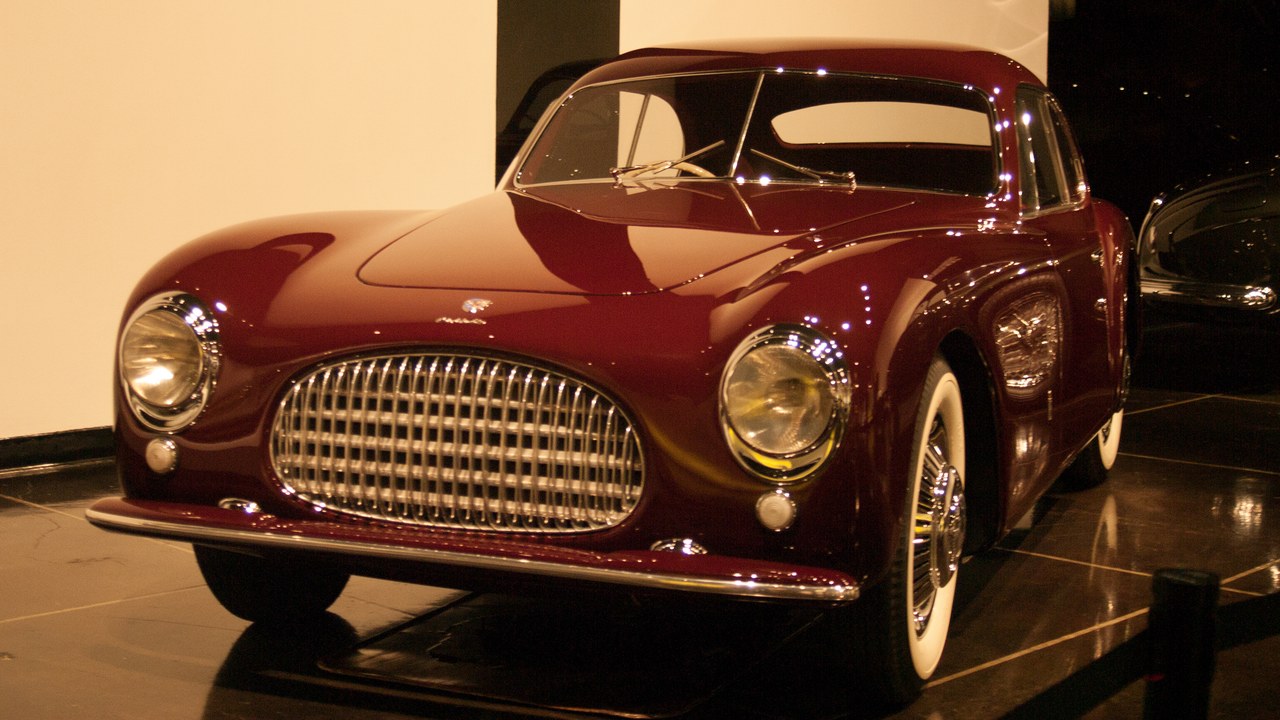
Pinin Farina’s 1946 two-seater entered the museum’s collection in 1972, and MoMA’s press release calls the Cisitalia 202 GT an aesthetic and technical achievement that changed the shape of postwar automobile body design.
Examples rarely change hands and command serious prices when they do. For museum visitors, the interest lies in how a single flowing body rewrote expectations of what a car could look like, at a time when most designs still separated fenders from the cabin. That is a rare distinction for something built to be driven.
2. Jaguar E-Type roadster (1963 example): Speed Meets Sculpture
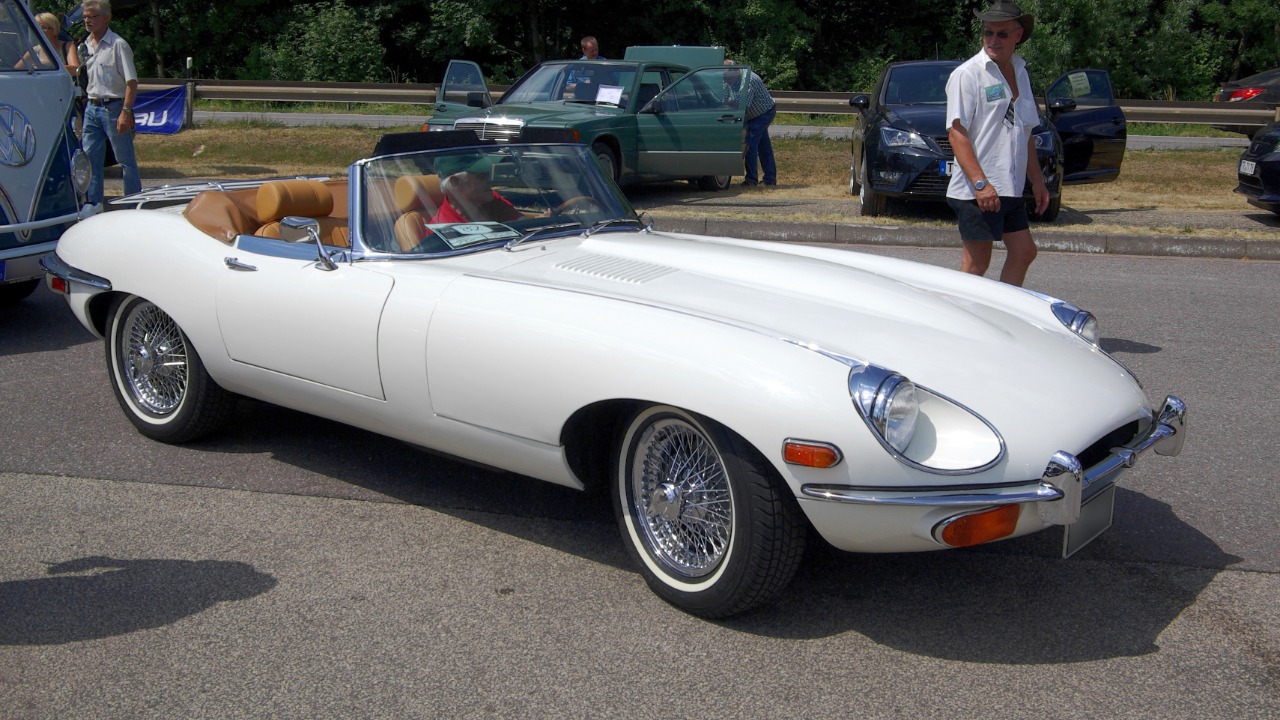
MoMA acquired an E-Type roadster in 1996, and the museum’s press release describes the car as the fastest production sports car on the market in 1961. The example on display is a 1963 roadster.
The long hood and slim cabin still define the classic sports-car silhouette. Buyers considering an E-Type today are usually paying for that shape as much as for performance, which is exactly the quality the museum chose to recognize when it added one to the collection. It sits in the collection as a piece of design history, not merely a machine.
3. Willys-Overland Jeep M38A1 (1953): Utility As A Design Virtue

The 1953 Willys Jeep joined MoMA’s design collection in 2002. In the museum’s press release wording, the Jeep is quintessentially a utilitarian vehicle, a reliable tool whose primary function is transport.
Its inclusion argues that plain function can be a form of beauty, an idea that appeals to owners of restored military vehicles. Few objects in the collection sit so far from luxury, and that contrast helps explain why curators wanted it alongside far more glamorous cars. Museum visitors can compare it directly with the other vehicles in the automobile holdings.
4. Volkswagen Type 1 ‘Beetle’ (1959 example): The People’s Car At MoMA
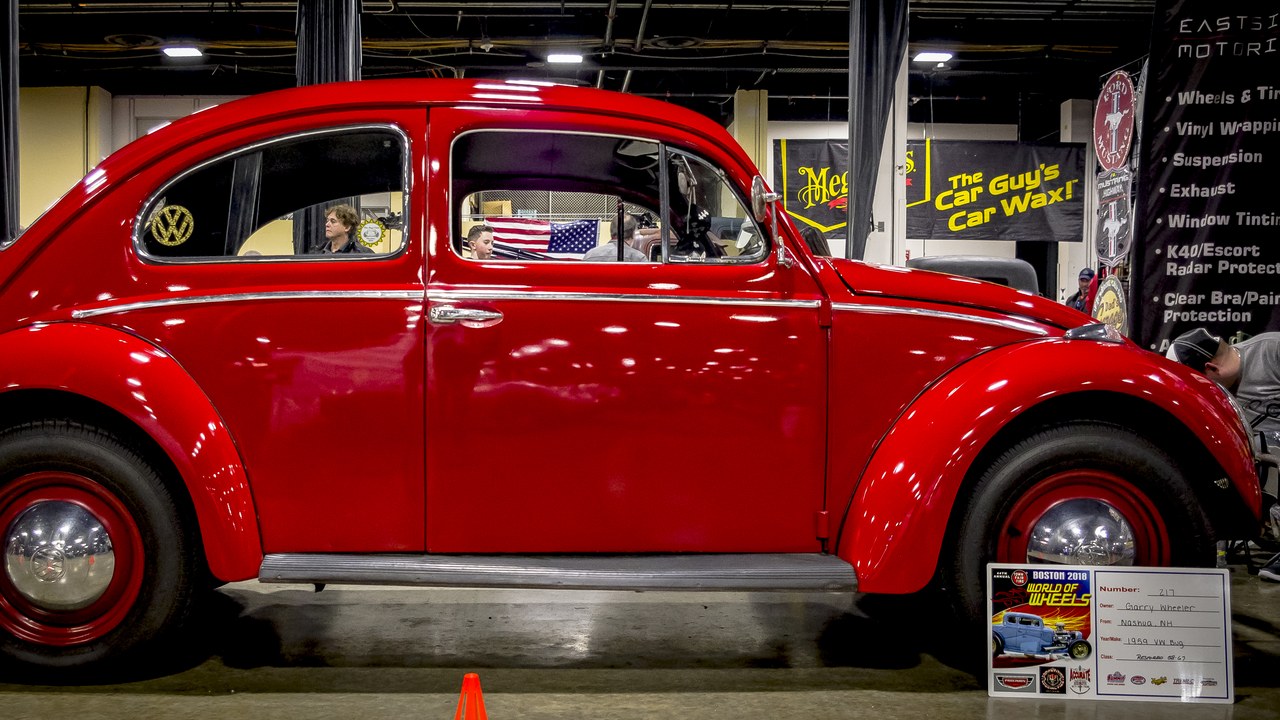
MoMA holds a 1959 example of the Volkswagen Type 1 Sedan, designed in 1938, and lists it in its architecture and design holdings. The Beetle entered the collection in 2002, the same year as two other small, everyday vehicles on this list.
Few designs in the group had a longer working life, and the rounded shape stayed recognizable for decades. Collectors who value early cars like this one are often drawn to how little the basic idea changed between its 1938 design and the 1959 example. The acquisition also says something about how curators define good design.
5. Citroën DS 23 sedan (1973 example): French Futurism On Four Wheels
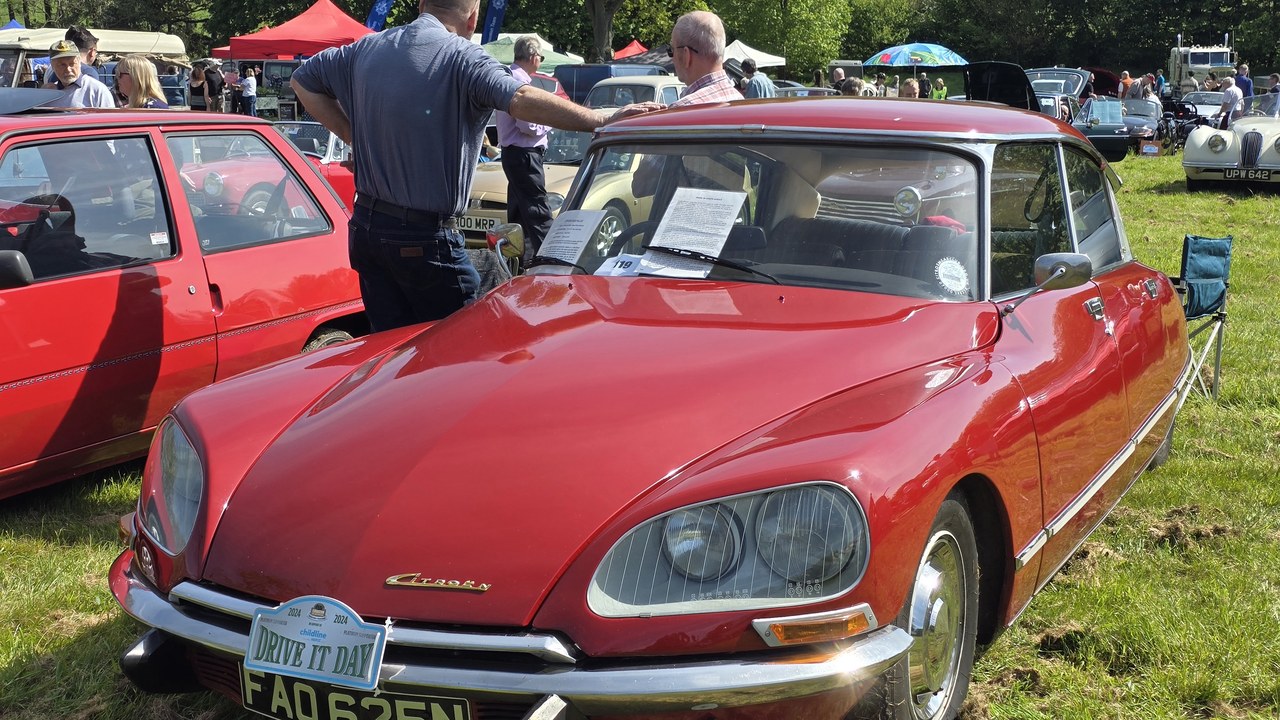
MoMA’s collection includes a 1973 DS 23, catalogued as a design dated 1954-1967, and the museum showed it in the 2021 Automania exhibition. That show ran from July 4, 2021 to January 3, 2022.
The DS looked radical when introduced and still looks unlike anything else on the road. Owners of surviving cars tend to be devoted enthusiasts, and the museum’s endorsement confirms what they have long argued about the car’s place in automotive history. Seen in a gallery, the shape reads as deliberate rather than accidental.
6. Porsche 911 coupé (1965 example): A Rear-Engine Shape That Endured
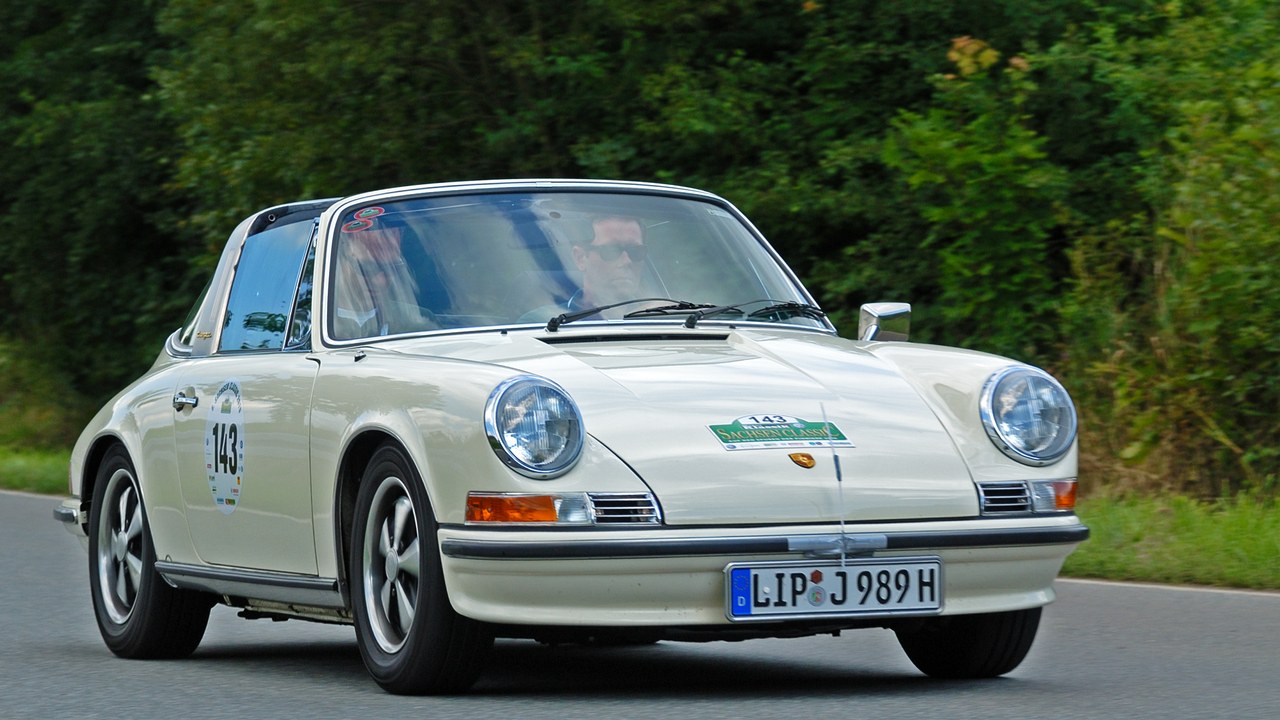
MoMA’s 911 was designed in 1963 by F.A. ‘Butzi’ Porsche, and the museum’s example dates from 1965. The museum’s online catalog records it as object number 382.2017 in the design collection.
Few sports cars have kept the same basic outline for so long. Prospective buyers of early 911s often cite the clean proportions and compact size, which the museum evidently regarded as a design achievement in their own right, apart from any racing record. That kind of lasting influence is what museums tend to look for in an object.
7. Fiat 500 F (1968): Tiny Car, Huge Production Run
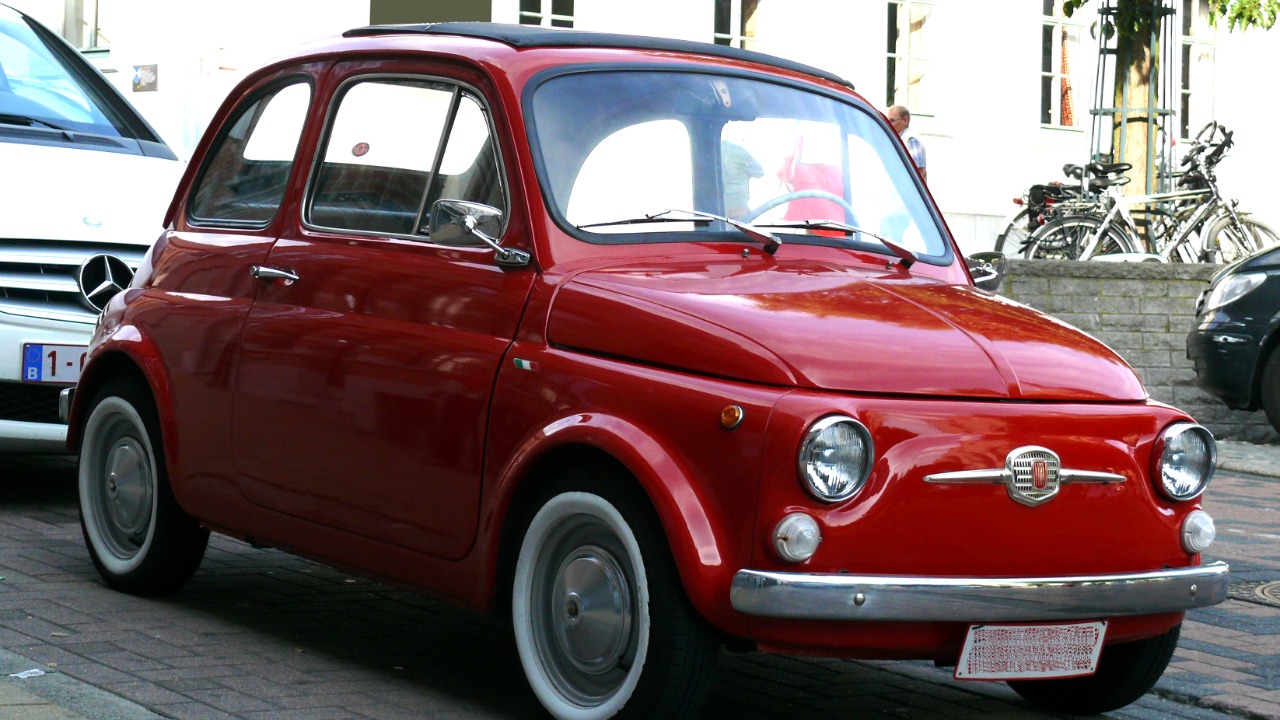
MoMA acquired a 1968 Fiat 500 F in 2017, as a Stellantis heritage announcement explains. Over 4 million of the subcompacts were manufactured between 1957 and 1975, making the little Fiat one of the most widely built cars in the group.
The car shows that good design can be inexpensive and everyday. Its small footprint suited crowded European cities, and it remains a favorite among restorers who value simplicity over performance, which is part of why the museum’s example was chosen. Seen beside a chair or a poster, it makes a persuasive case for everyday design.
8. Ferrari Formula 1 car 641/2 (1990): A Grand Prix Car On Display

The Ferrari 641/2, designed by John Barnard, entered the museum’s collection in 1994, as the MoMA blog post notes. It is the only entry on the list built for grand prix racing rather than for the road.
Unlike the road cars, this one was never meant for owners, so its place rests entirely on engineering and form. Visitors can see how aerodynamic function shaped an object built only to win, and why the museum considers that shape worth preserving. Its presence shows that the museum’s definition of design extends well beyond the road.
9. Smart car ‘Smart & Pulse’ coupé (2002): Small Enough To Park Anywhere
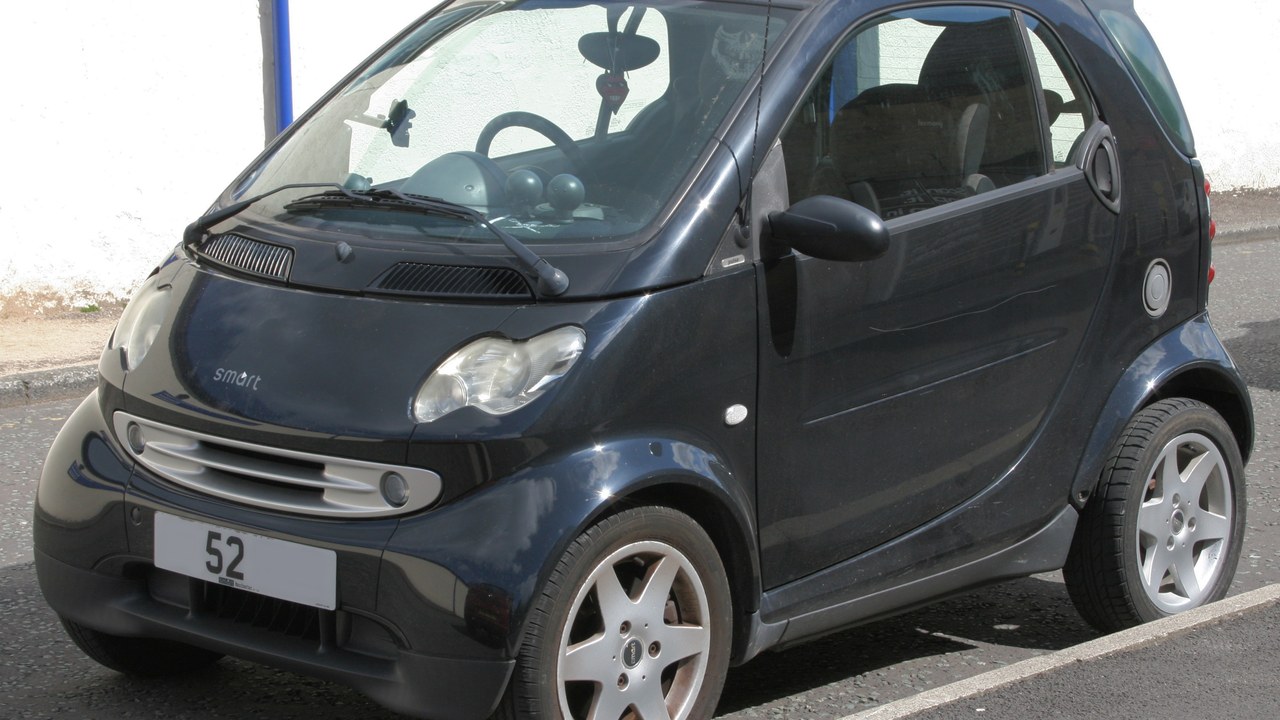
The tiny Smart car entered MoMA’s collection in 2002, according to the museum’s blog post. That is the same year the museum took in the Beetle and the Jeep M38A1 covered elsewhere in this list.
Its compact body answered a real urban problem, the kind of reasoning design curators like to reward. City drivers may still find the driving experience modest, but the concept was distinctive enough to sit among far more celebrated automobiles in a permanent collection. It is a good example of how the museum values ideas that changed daily life.
More from Morning Overview
- Early electric-car owners are hitting battery and screen failures no one warned them about
- A magnitude 5.3 quake struck off the Oregon coast this week
- Amazon’s Prime refunds are rising to $200 as millions more customers become eligible
- A handful of car engines are so tough mechanics say they almost never wear out
