
Before tractors, a farm’s output was limited by how many acres animals and hired hands could work in a season. Over roughly fifty years, a run of affordable, standardized machines spread across fields and reshaped what one family could plant and harvest. Here are eight tractors that drove that change, from early mass-market models to 1960s workhorses.
1. Fordson Model F: Cheap, Mass-Produced, Everywhere
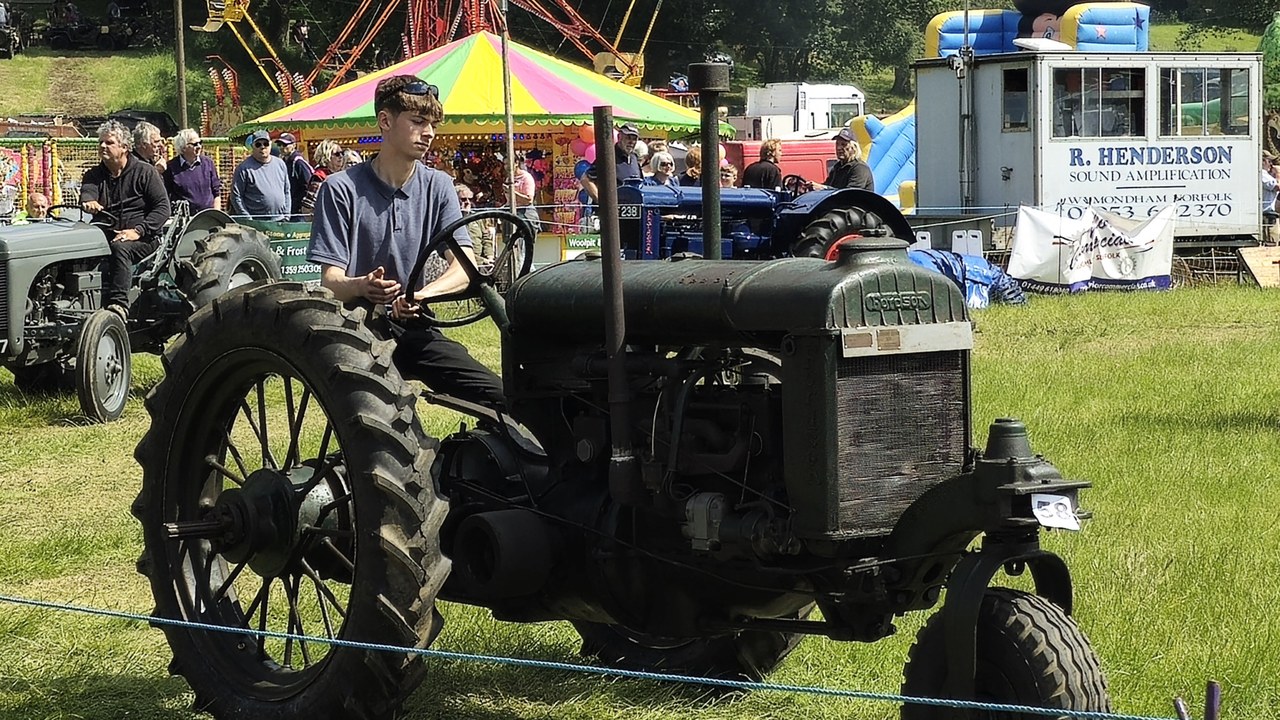
The Fordson Model F debuted in 1917 at $750 and took more than 70 percent of the American market in its early years, with 552,799 built through 1928, per Wikipedia’s Fordson entry.
Ford had produced its 500,000th Fordson by 1925, so most of the output came before the tractor’s final years. That volume at a low price put mechanical power within reach of many more farms. The Model F’s combination of a low price and dominant share explains why the Fordson is often the first tractor named in the shift toward machine power.
2. Waterloo Boy: Deere’s Road to Nebraska
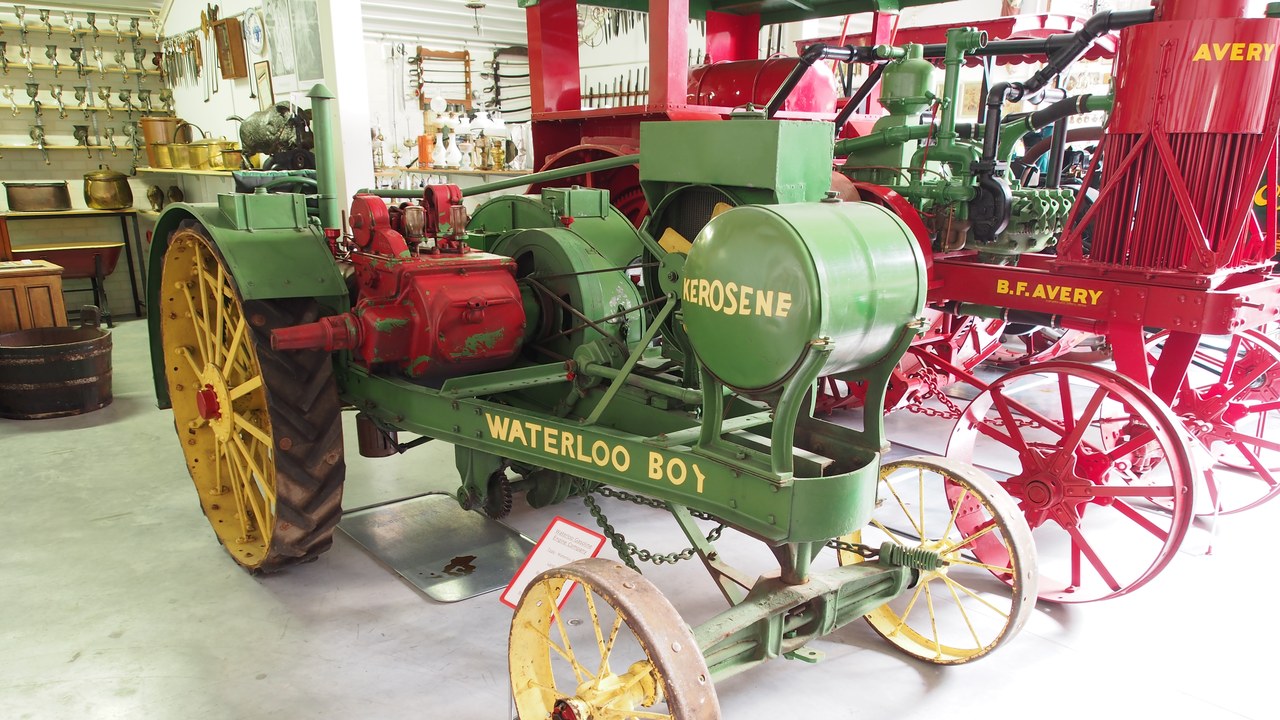
The Waterloo Boy N was built from 1917 to 1924 and took part in the first Nebraska Tractor Tests, according to a MachineFinder Deere guide.
The Nebraska tests gave buyers independent performance figures for a tractor, and appearing in the first round places the Waterloo Boy in that early record. Its seven-year production span overlapped with the Fordson’s debut year, and the guide lists it among John Deere models. Because the Waterloo Boy N predates the later John Deere numbered models, its 1917 to 1924 window is the main identifying detail for collectors.
3. Farmall Regular: The First True Row-Crop
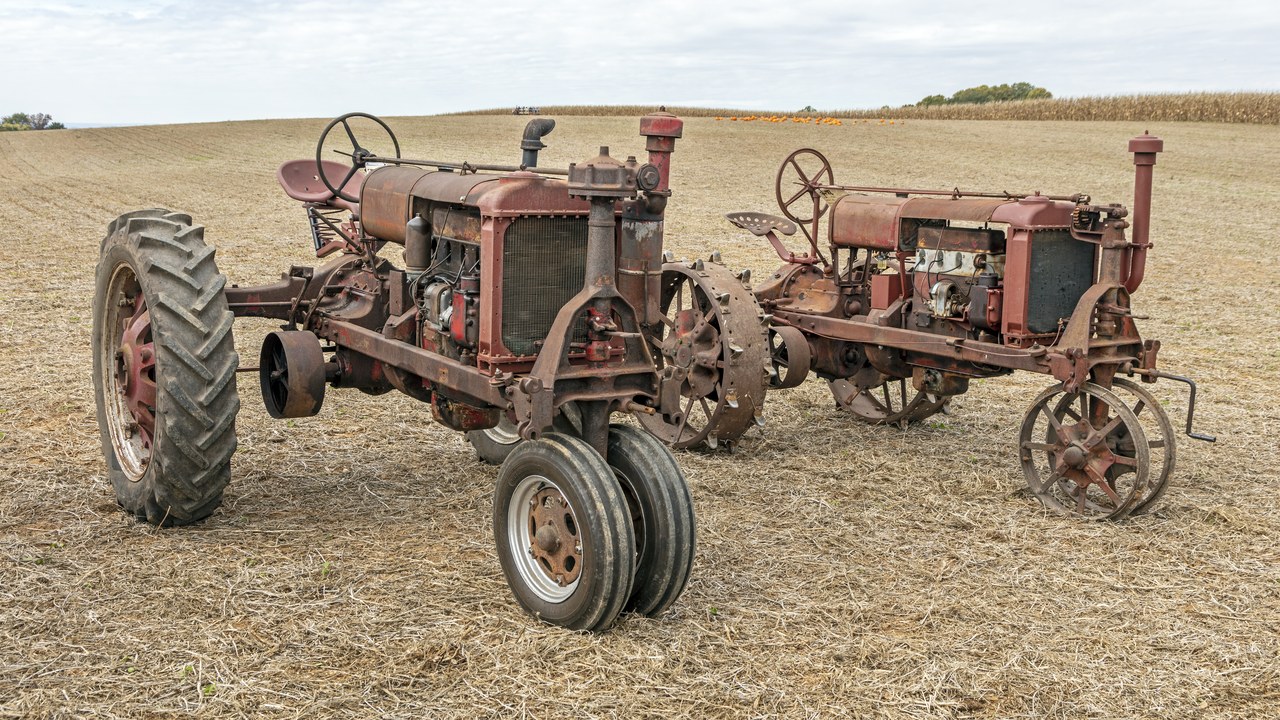
The original 1924 Farmall is widely viewed as the first tractor to combine the set of traits that would define the row-crop category, per Wikipedia’s Farmall overview.
Row-crop tractors are built to work between planted rows rather than only pull heavy loads across open ground. The Farmall H and Cub elsewhere in this list carry the same name, and for collectors the Regular marks the starting point of the whole line. The 1924 date matters because later Farmall models, including the H and the Cub, carry the same name, which makes the Regular the start of a long tractor family.
4. John Deere Model A: Deere’s Adjustable-Tread Answer
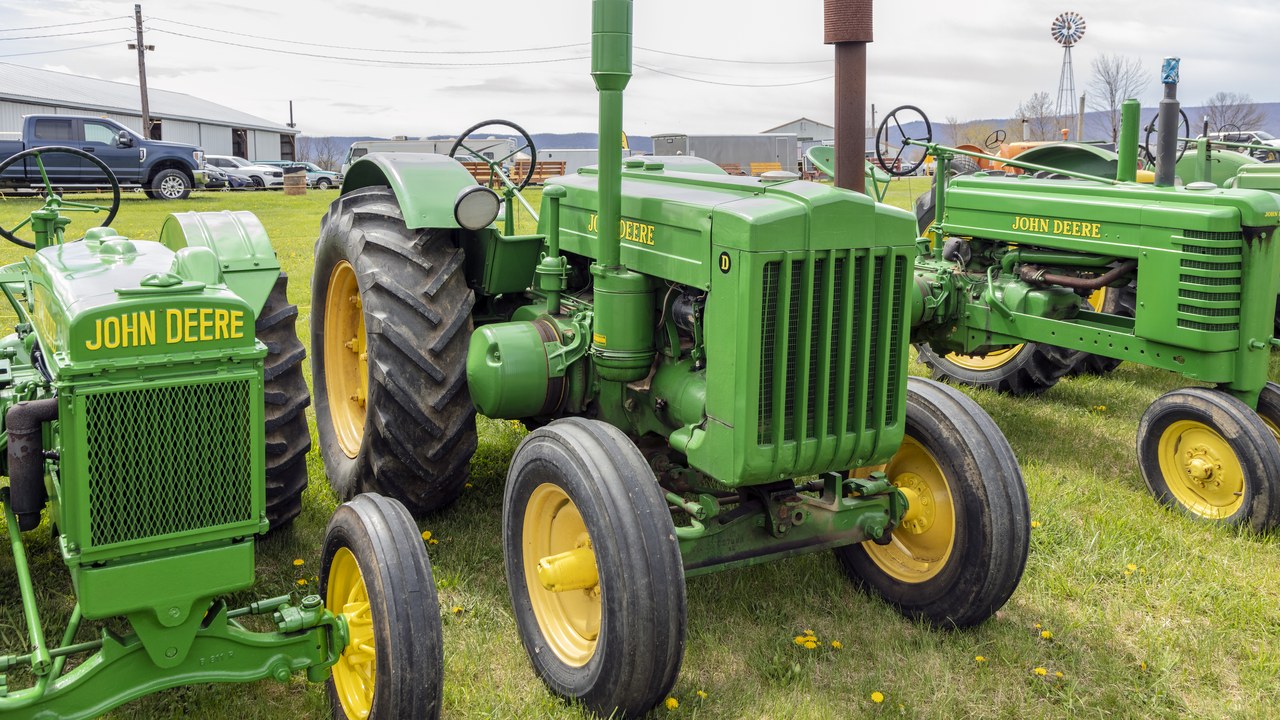
Introduced in 1934, the John Deere Model A was the company’s first true row-crop tractor, with adjustable wheel tread, and stayed in production for about 20 years, per a Deere model history.
Adjustable tread lets an operator set the wheels to different row spacings, a feature that separated a row-crop machine from earlier general-purpose tractors. A production run of about two decades points to a design that farmers kept buying long after its debut. The 1934 introduction places Deere about a decade behind the 1924 Farmall Regular in the row-crop category, so the Model A reads as a competitive answer as much as a first.
5. Farmall H: Best-Selling Row-Crop Ever
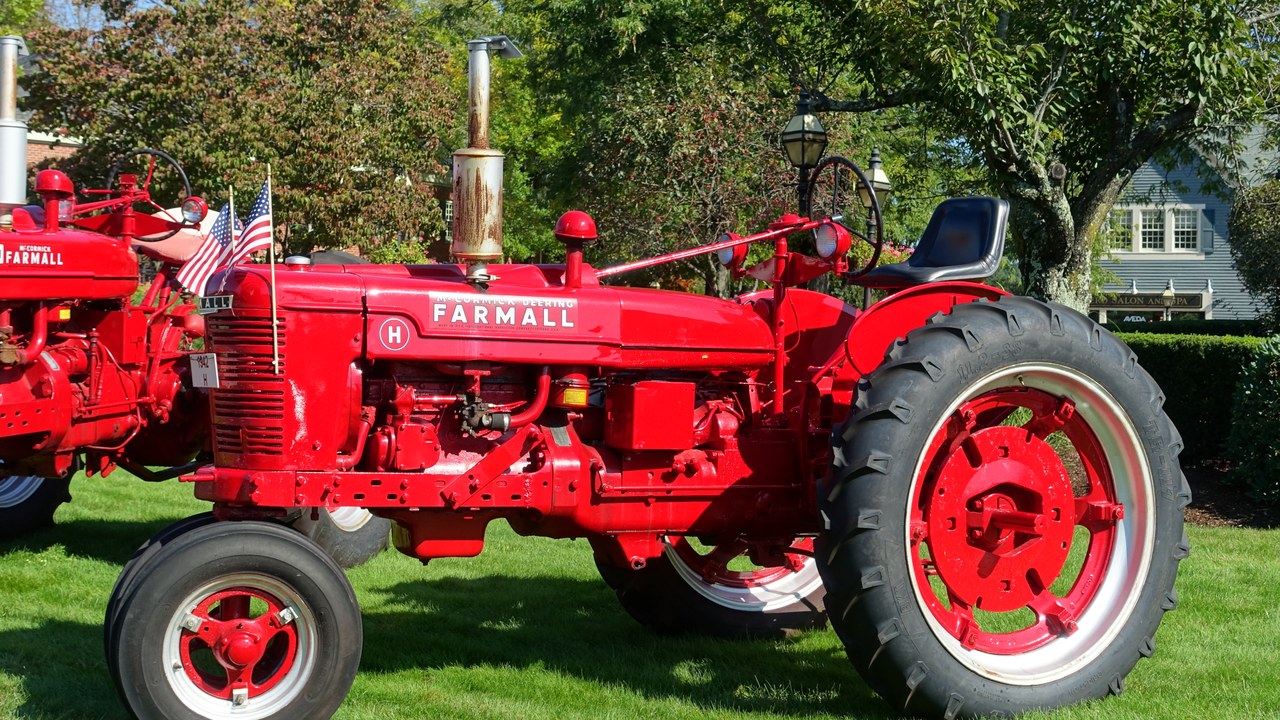
Built from 1939 to 1954, the Farmall H sold 420,011 units, making it the number two selling tractor of all time in North America and the best-selling row-crop tractor ever, according to the Farmall model list.
Only one individual model outsold it on the continent, and that tractor, the Ford 8N, appears next in this list. The H reached its total over a 15-year run. Its production dates, 1939 to 1954, span the World War II years, so build year is worth checking on any used example. That window and sales record make the H a common reference point for collectors.
6. Ford 8N: North America’s Top Seller
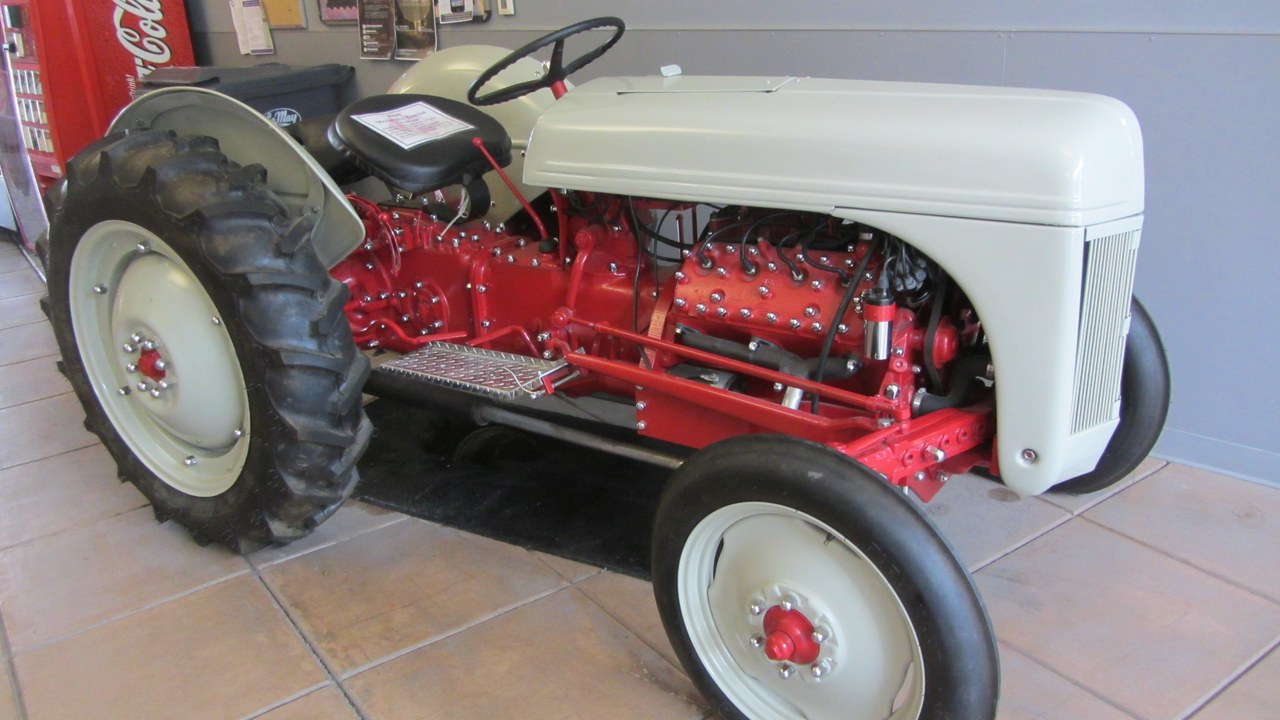
Introduced in 1947, the Ford 8N sold more than 530,000 units and became the top-selling individual tractor of all time in North America, per Wikipedia’s N-series entry.
The 8N belonged to the N-series that began with the 9N, the first American-made production tractor to include Harry Ferguson’s three-point hitch, in 1939. Buyers of a used N-series tractor are therefore looking at a design tied to that hitch system’s arrival in American production. The Farmall H’s number-two ranking in the same source puts the 8N and the H at the top of that North American sales list, a different measure from the total units built that the Fordson entry reports.
7. Farmall Cub: Small-Farm Tractor, Long Run
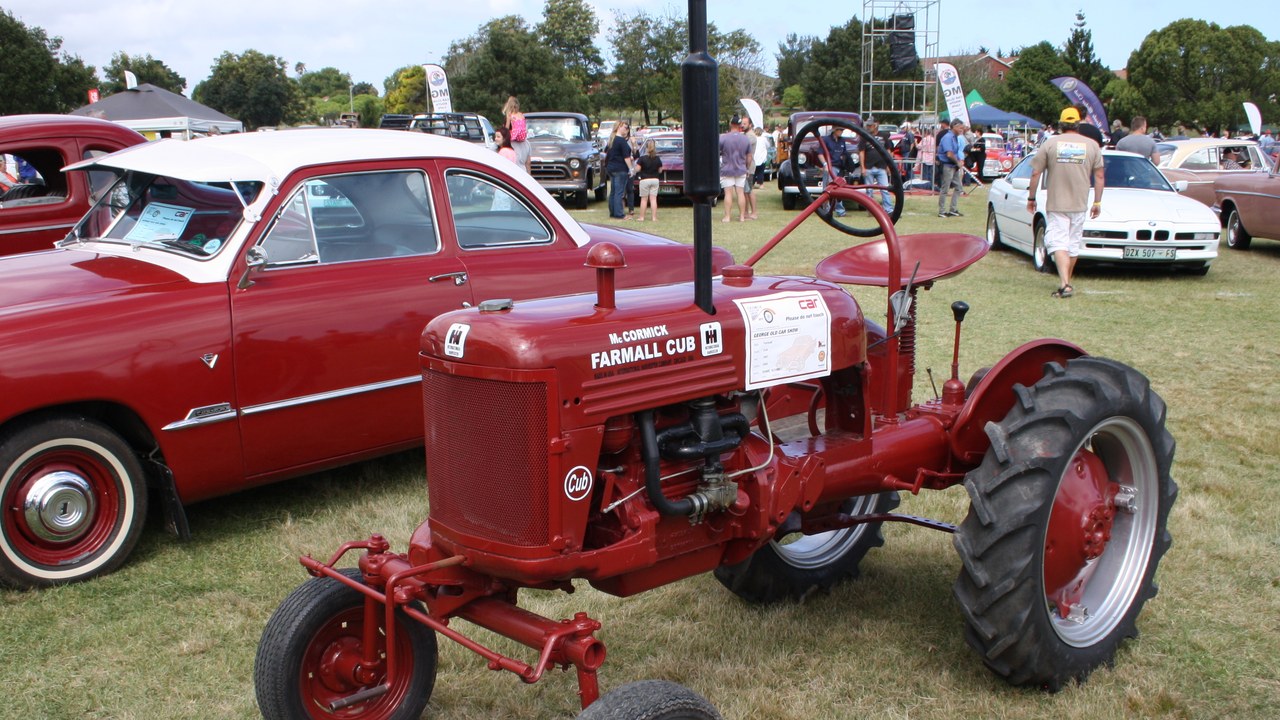
Aimed at small farms, the Farmall Cub stayed in production with minor updates from 1947 until 1979, the longest run of any Farmall, according to Wikipedia’s Farmall history.
A 32-year run with only minor updates suggests a design that needed little change for the small operations it served. For collectors and hobby farmers, that long window means Cubs vary by build year, so the date is worth checking. Its 1979 end date closes the longest production run in the Farmall line, and the minor updates through those decades mean a Cub’s exact year affects its details.
8. John Deere 4020: The Sixties Workhorse Leader
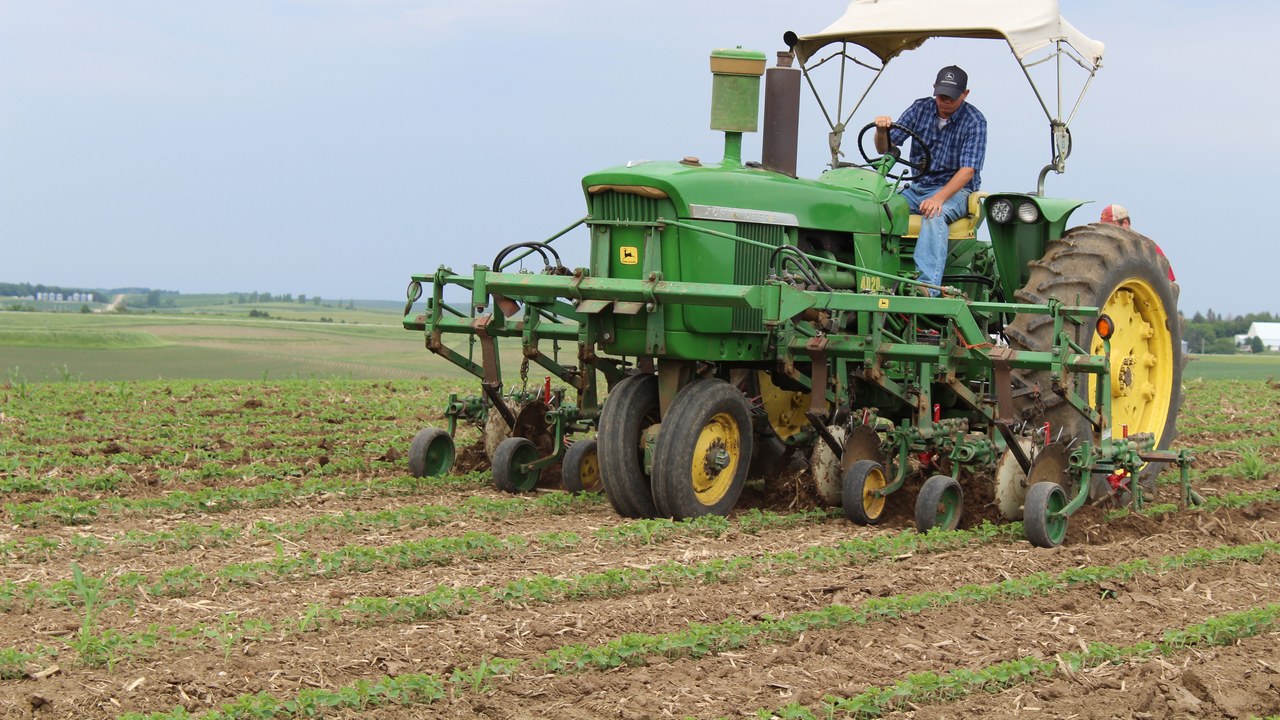
More than 177,000 John Deere 4020 tractors were bought between 1963 and 1972, according to a Deere sales guide.
The 4020 followed the 4010, of which more than 40,000 were sold from 1960 to 1962, so it outsold that predecessor by more than four to one. It also had a longer production window, about nine years against roughly three. Both totals come from the same MachineFinder guide, so the comparison rests on a single consistent source. Farmers of the era plainly bought the 4020 in large numbers over its production window.
More from Morning Overview
- General Motors is switching on cameras that record inside your vehicle by update
- A geomagnetic storm is forecast to hit Earth today, pushing the northern lights unusually far south
- A recalled pill hid a stimulant dose linked to heart attacks and death
- Four U.S. startups fired up their first small nuclear reactors, aiming to power AI data centers on-site
