
During the 1930s and 1940s, American railroads unveiled sleek, lightweight trains that promised speed, comfort, and a touch of glamour. Diesel power, aluminum cars, and glass-topped domes changed what passengers expected from a long journey. Here are eight streamliners whose style is still recalled by riders and their families.
1. Pioneer Zephyr: Dawn-to-Dusk Dash to Chicago
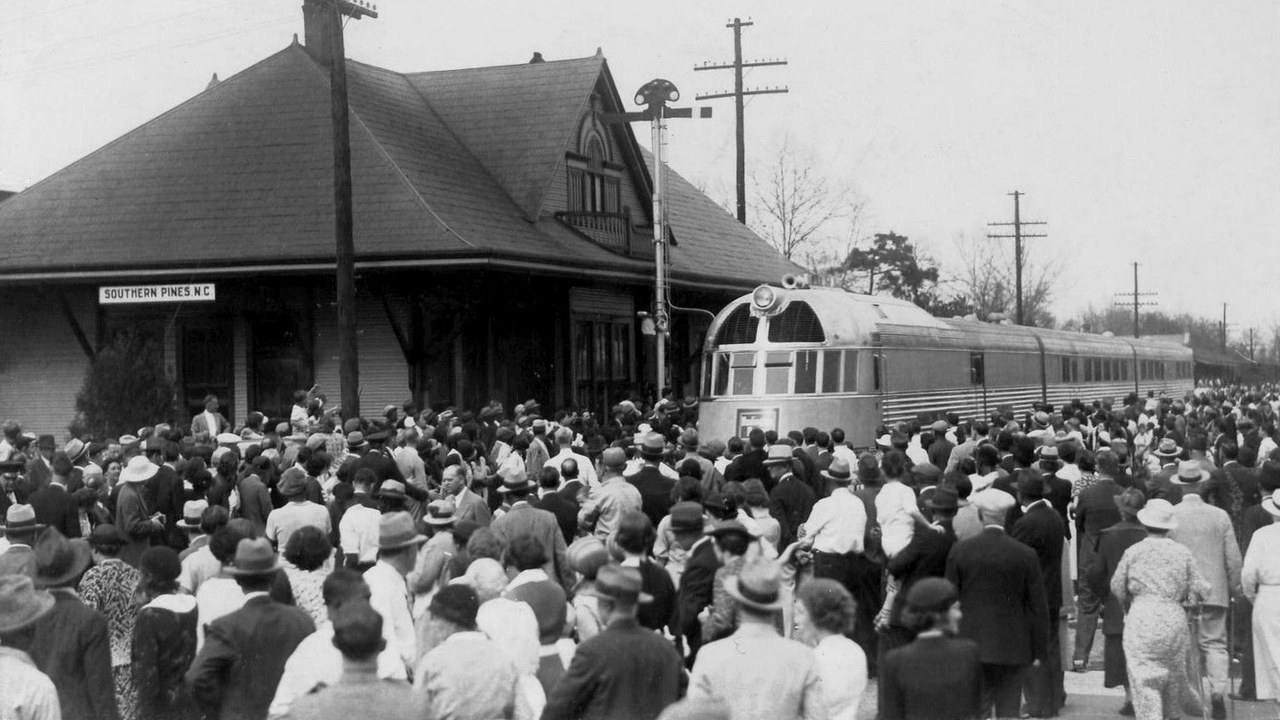
On May 26, 1934, the Pioneer Zephyr ran nonstop from Denver to Chicago, dawn to dusk, in just over 13 hours, as the Pioneer Zephyr’s record run is told. The trip covered about 1,015 miles at an average near 78 mph.
The 78 mph average is the lasting figure, though sources cite the trip at anywhere from 13 to 14 hours, so the speed is best treated as approximate. Either way, a single-day crossing of that distance was the sort of result that drew crowds to the new trains and gave the railroads a publicity stunt they could repeat on other routes.
2. Union Pacific M-10000: America’s First Streamliner
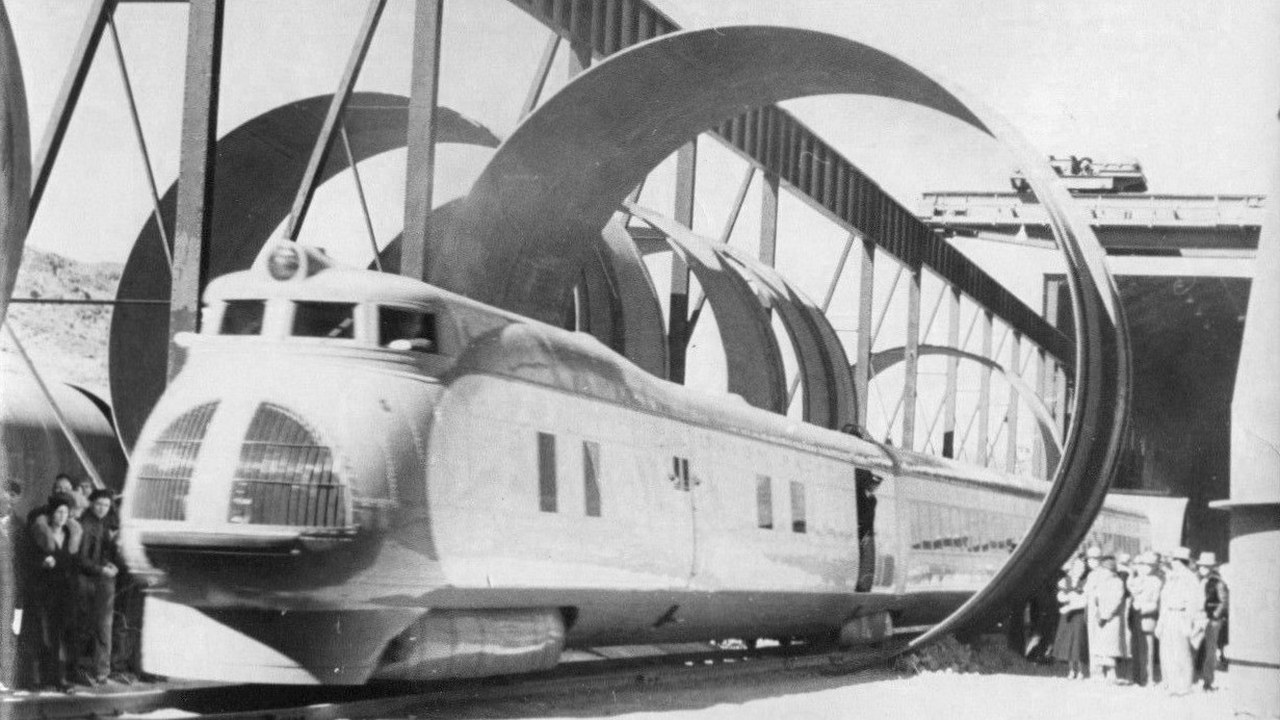
Union Pacific’s M-10000 streamliner debuted on February 25, 1934, the first of its kind in America. It measured about 204 feet long, weighed roughly 124 tons, and drew power from a 600-horsepower Winton distillate engine.
The M-10000 arrived about three months before the Zephyr’s Denver-to-Chicago run, and both belong to the year that opened the streamliner era. Its weight and engine figures give readers a concrete picture of how compact these first trains were. Its 204-foot length gives a sense of the scale, roughly the span of a modest city block, though the sources give no passenger capacity for the trainset.
3. Milwaukee Road Hiawatha: Steam Built to Cruise at 100
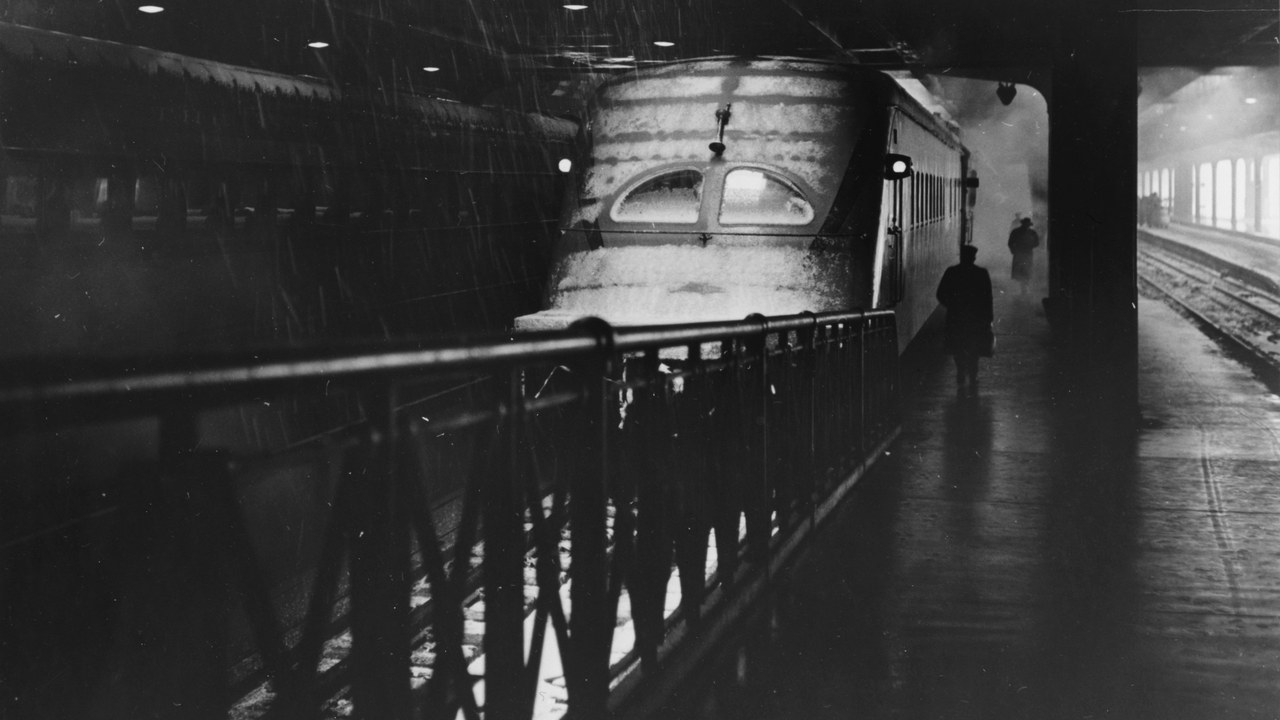
The Milwaukee Road’s Hiawatha service debuted on May 29, 1935, behind steam locomotives designed to cruise near 100 mph. The Class A 4-4-2 engines were built with reserve capacity reaching toward 120 mph.
Steam power rather than diesel makes the Hiawatha a useful contrast with the M-10000’s engine. The figures describe design capability, not typical timetable speeds, so 100 mph is best read as the engines’ intent rather than an everyday pace. The reserve figure of 120 mph shows how much engineering margin the builders wanted, even if the source does not report any speed actually reached in service.
4. B&O Royal Blue (1935): Aluminum Cars on the B&O
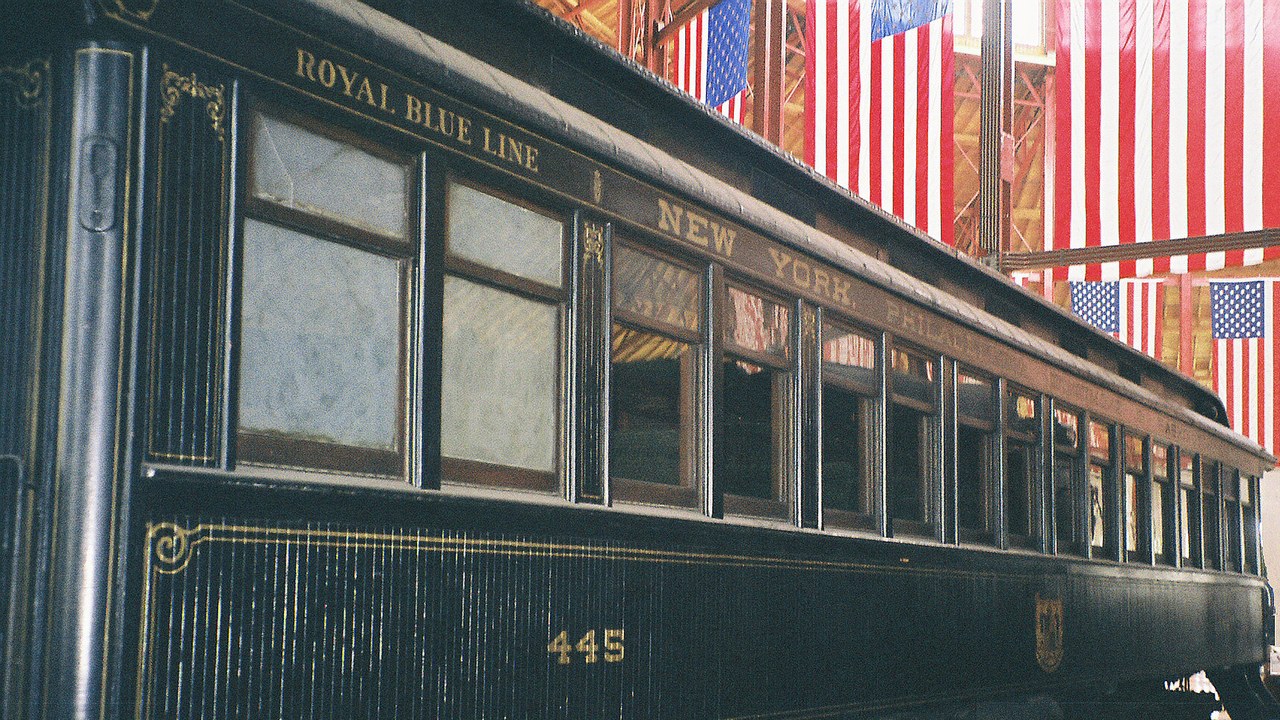
The Baltimore & Ohio launched the 1935 Royal Blue on June 24, 1935, using lightweight aluminum cars built by ACF. Lightweight construction is the feature the source singles out for the train.
The launch came less than a month after the Hiawatha, which shows how quickly railroads followed the 1934 pioneers. The record on this train is thinner than for others here, and route and timing details are left to fuller histories. Aluminum cars mattered because lighter equipment was central to the streamliner idea, and the B&O’s entry added another railroad to the small group of lightweight-train operators by mid-1935.
5. 20th Century Limited: Where the Red Carpet Began
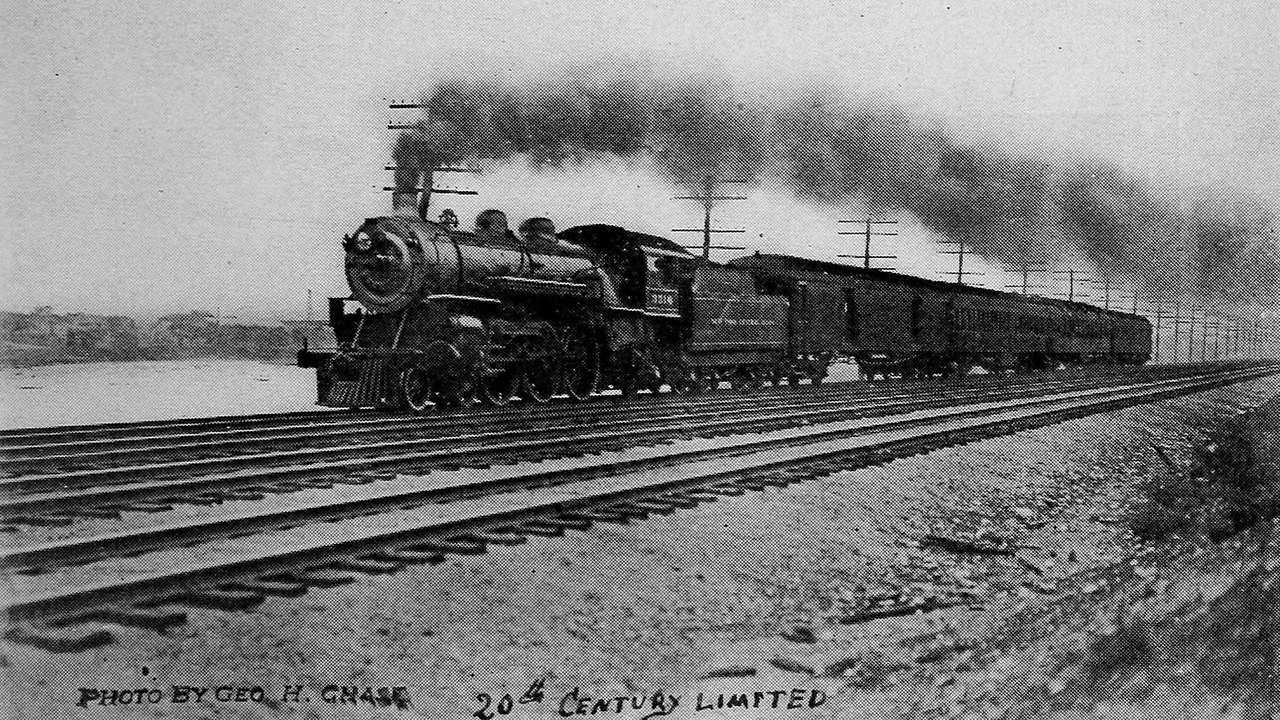
The 20th Century Limited served as the New York-Chicago flagship, and its crimson boarding carpet gave the language the phrase “red-carpet treatment.” The train ran from June 15, 1902, to December 2, 1967.
A 1938 edition was described as the world’s ultimate passenger conveyance, and the run of about 65 years spans far more than the streamliner era alone. The carpet remains the detail most visitors to railroad history still recognize. The New York-Chicago corridor was the flagship route, and the 1938 edition drew the praise of being called the ultimate in passenger travel, which explains why the name lingers in rail histories.
6. Super Chief: Diesel Across the Continent
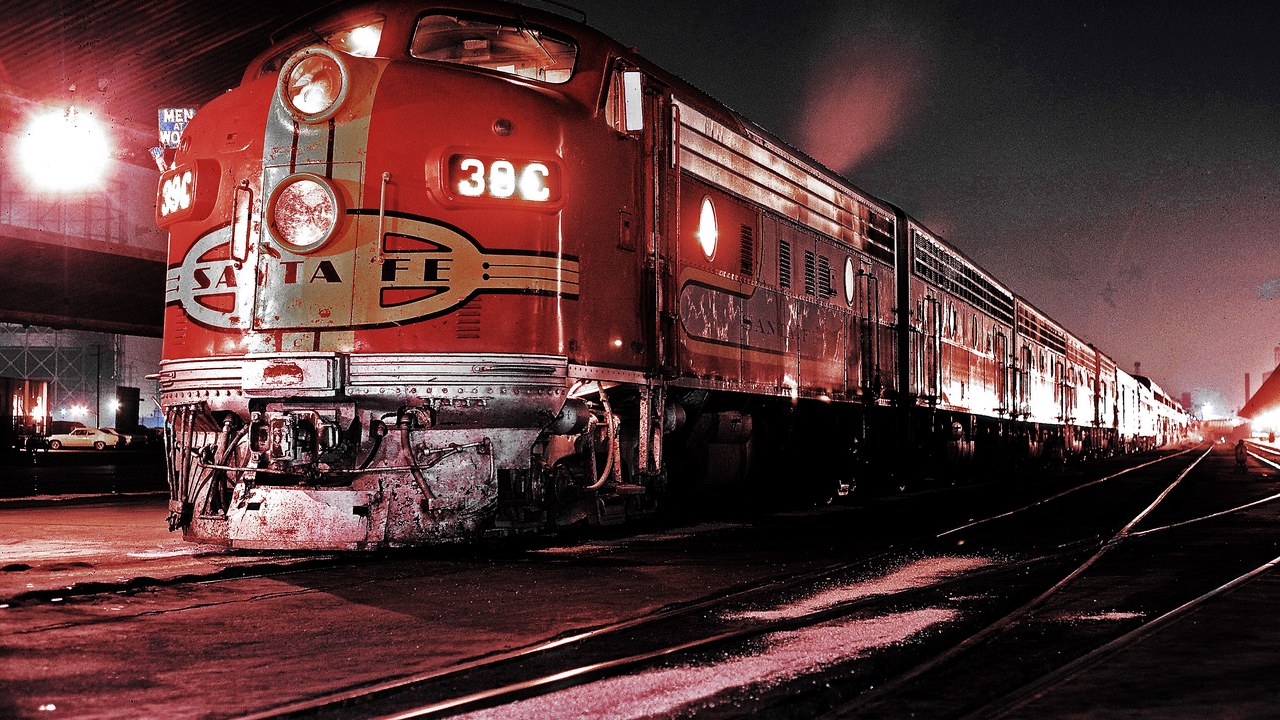
Santa Fe’s Super Chief, nicknamed the “Train of the Stars,” was the first diesel-electric cross-country passenger train in America. It operated from 1937 to 1974.
The 37-year span covers the Depression, wartime, and the postwar boom, a stretch many older readers lived through. The nickname stands as the train’s own billing, and the sources here give no ridership figures to measure its popularity. Being first with diesel-electric power on a cross-country passenger schedule made the train a milestone in the change from steam, whatever its later equipment and routes, which the source covers only in outline.
7. California Zephyr: Glass Domes, Chicago to Oakland
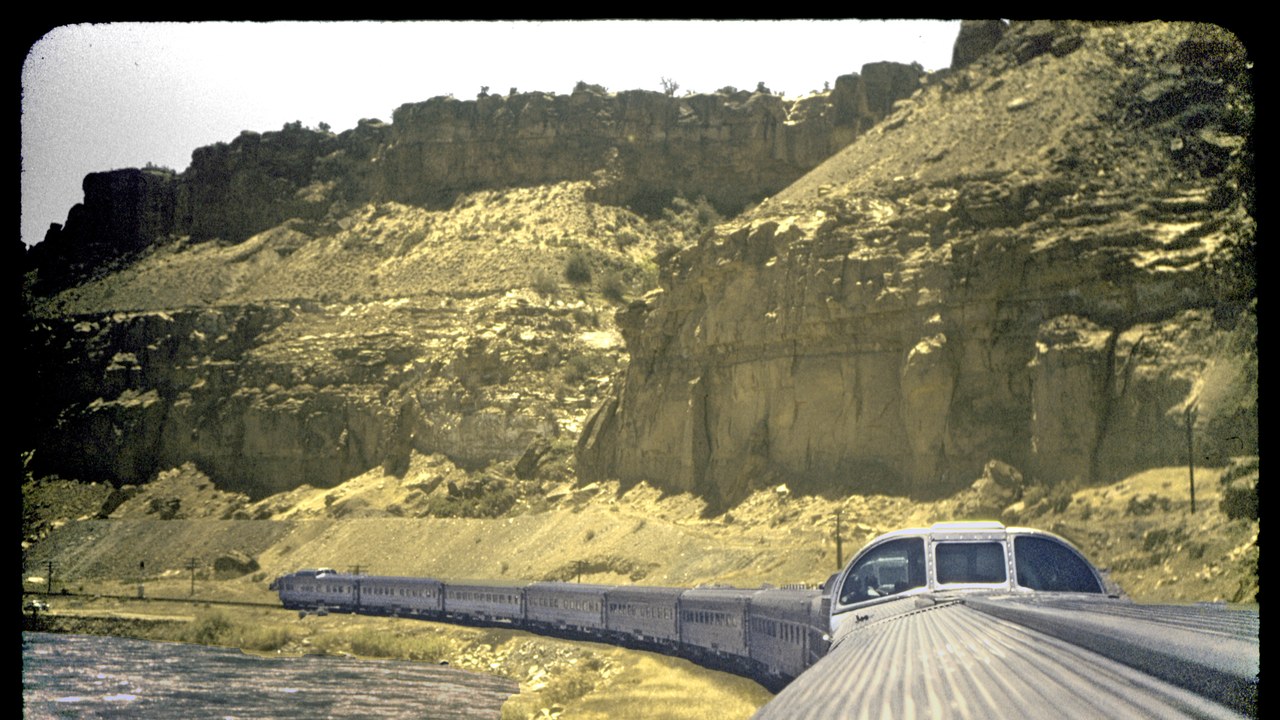
The California Zephyr was inaugurated on March 20, 1949, with Vista-Dome cars on a run of roughly 2,438 miles between Chicago and Oakland.
The Vista-Dome cars, with their glass-topped seating, were meant for sightseeing, and a route of that length supplied plenty to see. The 1949 start makes it the latest debut among the trains in this group. The train’s Chicago-Oakland service ran across roughly 2,438 miles of track, and the domes made the scenery a feature of the ticket, which is why it is often remembered by former riders.
8. Coast Daylight: A Million Dollars a Trainset
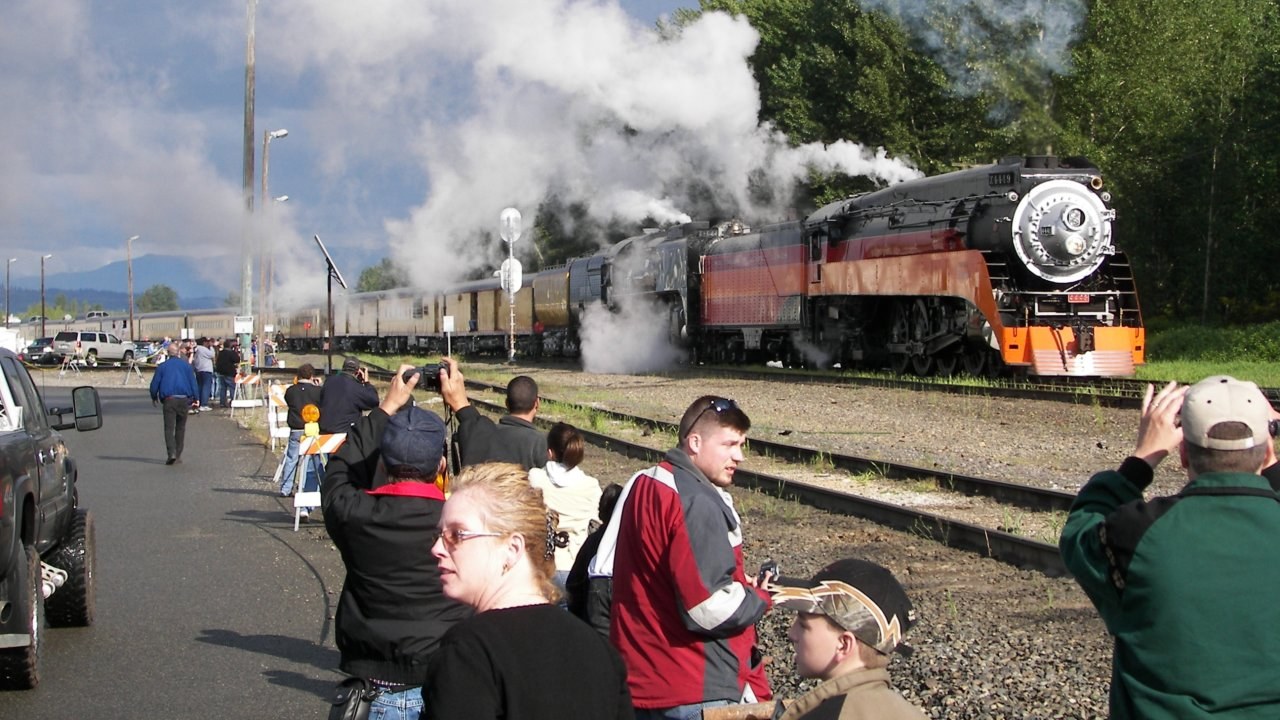
The Coast Daylight was billed as “the most beautiful passenger train in the world,” and its 1937 trainsets cost $1 million each. The source calls them the most expensive passenger trains built in the United States to date.
The price signals how much railroads were willing to spend on image during the streamliner years. Billing is promotional language, so the superlative describes the marketing more than any measured ranking. At a cost of $1 million per trainset in 1937, each unit represented a very large investment, and the source’s description as the most expensive built to date frames it as a showpiece.
More from Morning Overview
- Card skimmers hidden on gas pumps and ATMs are draining accounts, and here’s the tell
- Doctors warn a silent liver disease now affects one in three American adults
- Hackers are hijacking outdated home routers, and the FBI named the models to check
- Older Teslas are wearing out in ways early owners never saw coming
