
Long before any crew leaves Earth, geologists, engineers and volunteer crews practice in places that resemble the Moon and Mars. Some sites trained Apollo astronauts in the 1960s, while others host research stations and simulated Mars missions today. Here are ten locations, from Arizona lava fields to a habitat beneath the Florida Keys.
1. Meteor Crater, Arizona: Where Astronaut Geology Began
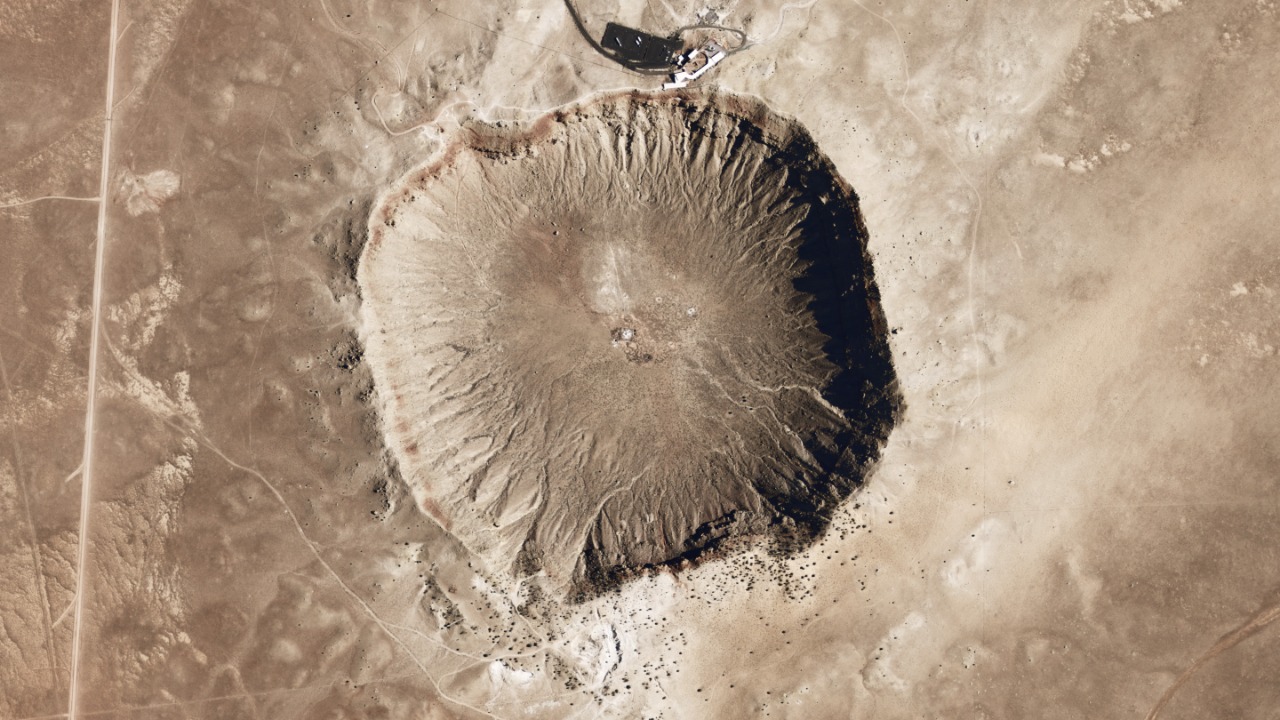
Geological instruction for astronauts began at Meteor Crater in January 1963, when the USGS’s Eugene Shoemaker led the first two astronaut groups on a two-day trip to Meteor Crater and volcanic features near Flagstaff, Arizona.
The site shows that lunar preparation started with plain field geology. For a visitor, the crater is an accessible example of the impact features astronauts were taught to read. The trip came early in the Apollo era, and the two-day format shows how short and practical the first lessons were. The instructor came from the federal geological survey rather than from NASA.
2. Grand Canyon: A Hike Down for Rocks
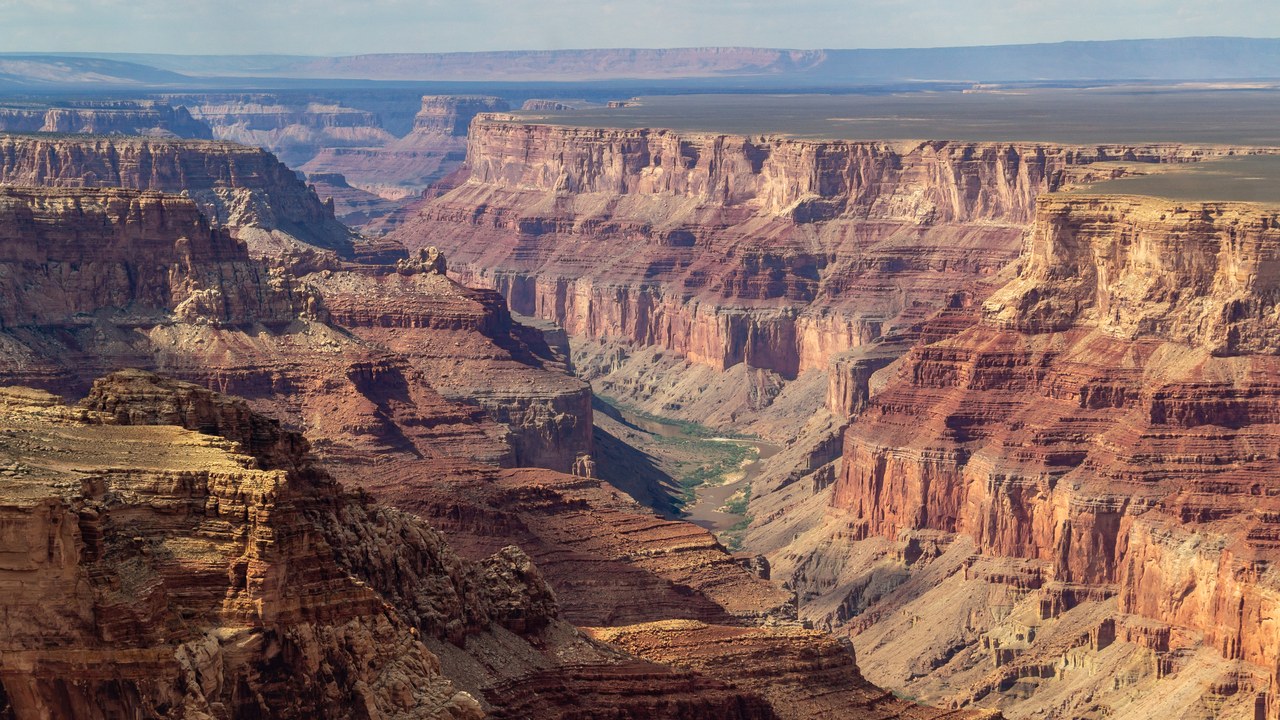
In March 1964 astronauts hiked the South Kaibab Trail to the canyon bottom. The trip taught them how to identify and collect rock samples.
The Grand Canyon offered exposed rock layers in a way few landscapes can. Visitors and readers interested in Apollo history often overlook this stop, but it belongs beside the volcanic sites, since the canyon offered a very different rock record for astronauts to study. The March 1964 date places it between the Arizona crater work and the Hawaii volcano trip.
3. Mauna Loa, Hawaii: Volcano Lessons on Hawaii
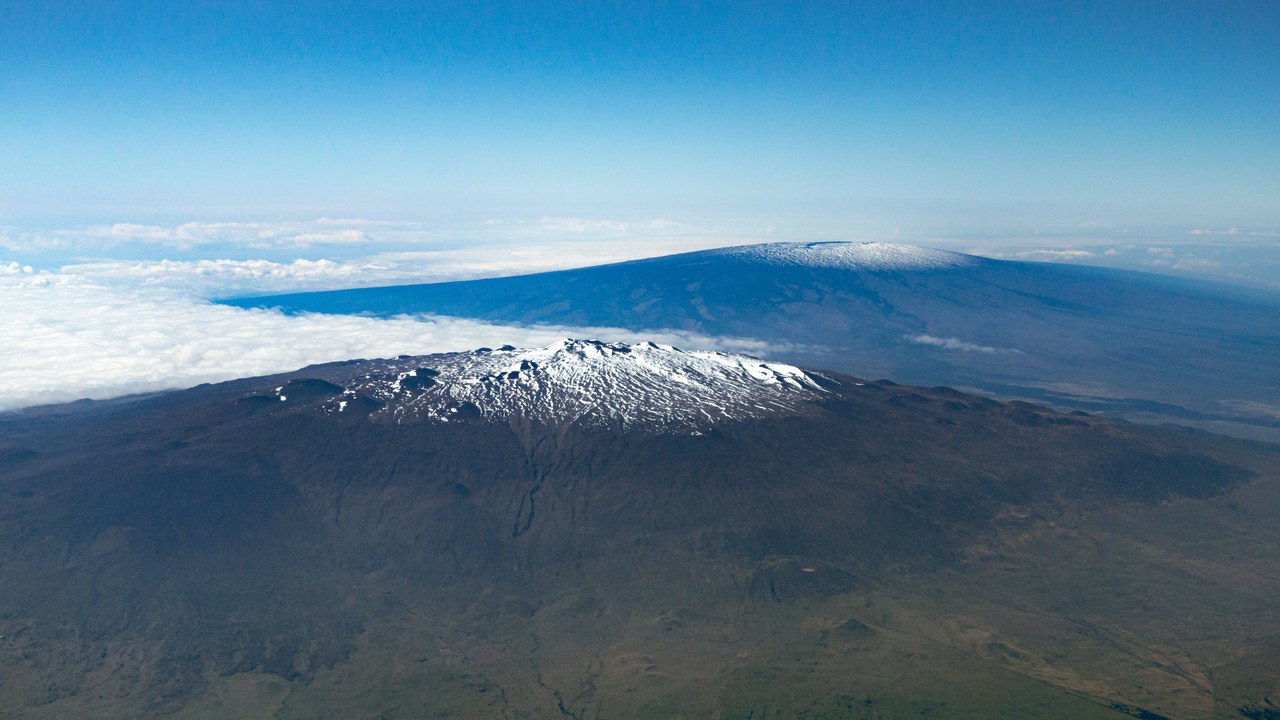
In January 1965 astronauts studied lava vents, lava lakes and pit craters, then finished with a hike to Mauna Loa’s summit crater, at 13,677 feet.
The trip covered several physical aspects of volcanoes in one visit. Mauna Loa also hosts the HI-SEAS habitat at 2,400 meters, whose first mission ran from April to August 2013. The sequence moved from vents to lakes to craters and then to the summit, which gave astronauts a step-by-step tour of how a large volcano is built and how it erupts.
4. Iceland (Askja caldera): Iceland’s Volcanic Highlands
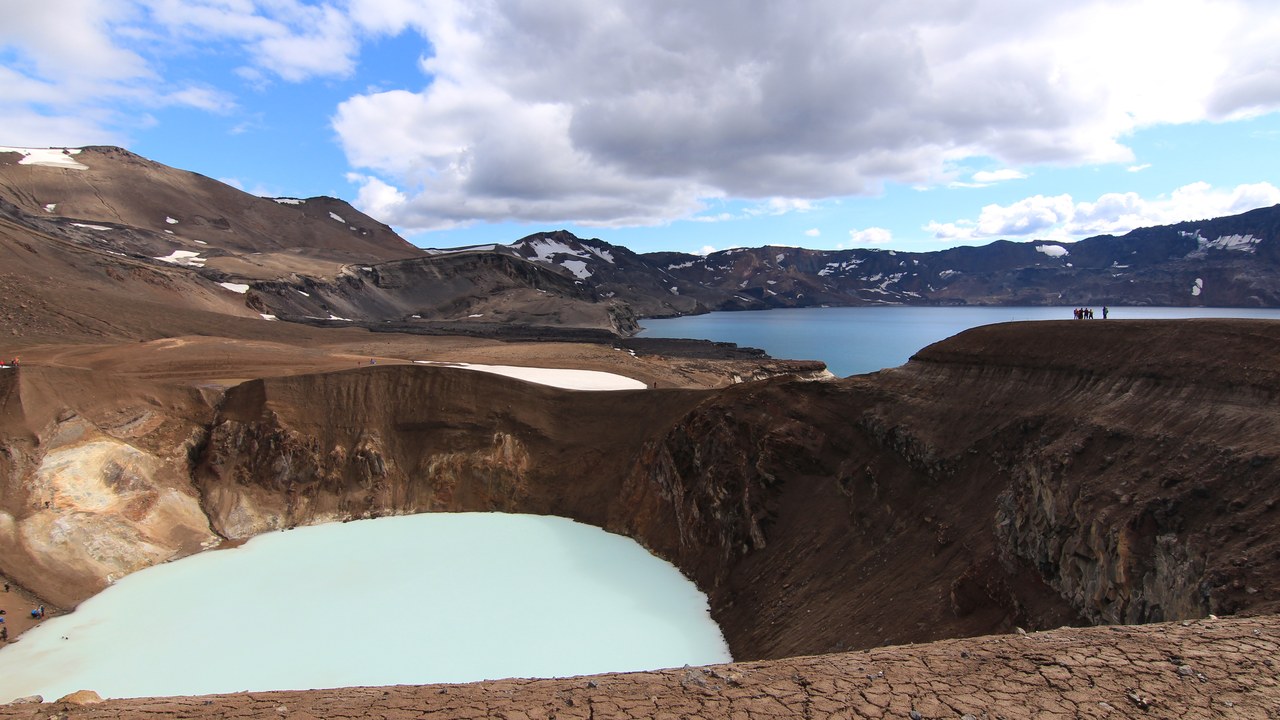
Nine of the 12 men who walked on the Moon trained in Iceland’s volcanic highlands in 1965 or 1967, according to Apollo training accounts.
Harrison Schmitt, the only geologist to reach the lunar surface, later credited the Iceland exercises. Askja is the caldera named for this stop, and the record supports that role in preparing crews for lunar terrain. That detail makes Iceland one of the most influential training grounds in the program. The dates, 1965 and 1967, place the trips well before the first landing in July 1969.
5. Craters of the Moon, Idaho: Astronauts on Idaho Lava
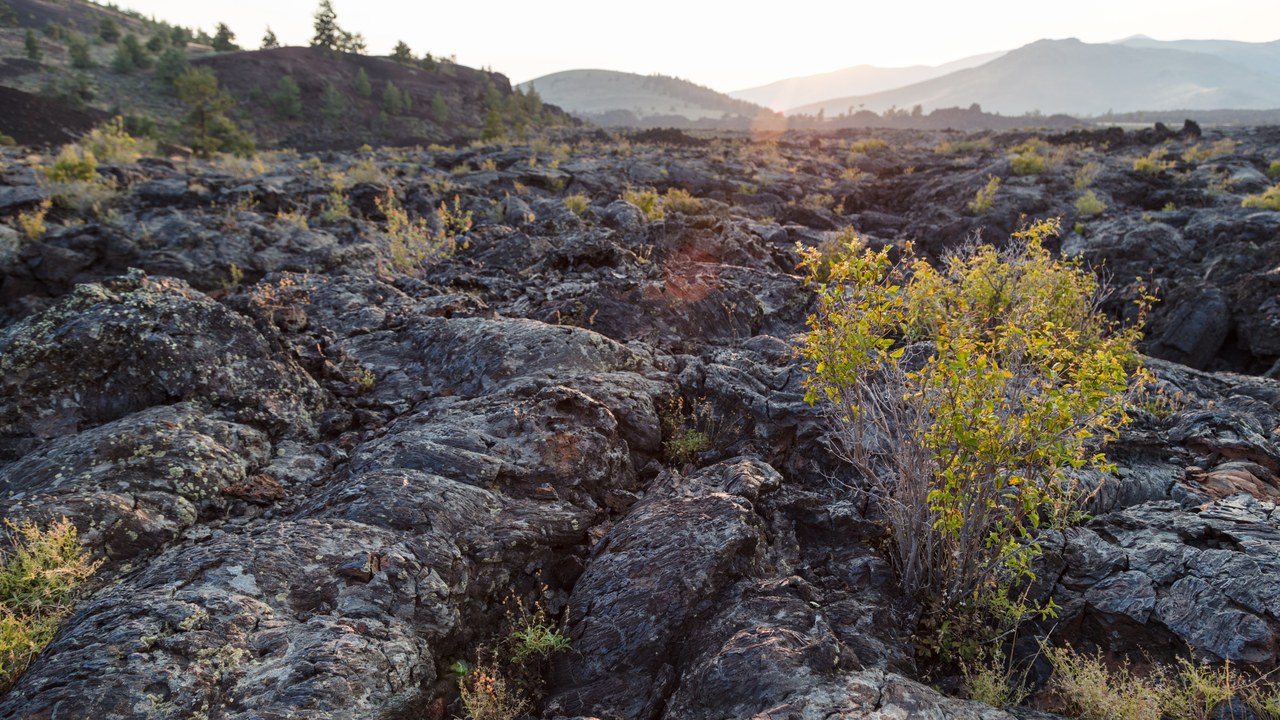
On Aug. 22, 1969, Apollo 14’s Alan Shepard and Edgar Mitchell, with backups Joe Engle and Eugene Cernan, explored the lava landscape, and learned the basics of volcanic geology.
Idaho’s monument supplied a rugged, unvegetated terrain suited to that lesson. The visit came ahead of future lunar trips, so it counts as preparation rather than a mission. The exercise took place in 1969, the year of the first landing, and the monument’s own history page records the names of both crews for anyone wishing to confirm the visit.
6. Devon Island (Haughton crater), Canada: Arctic Mars Society Station
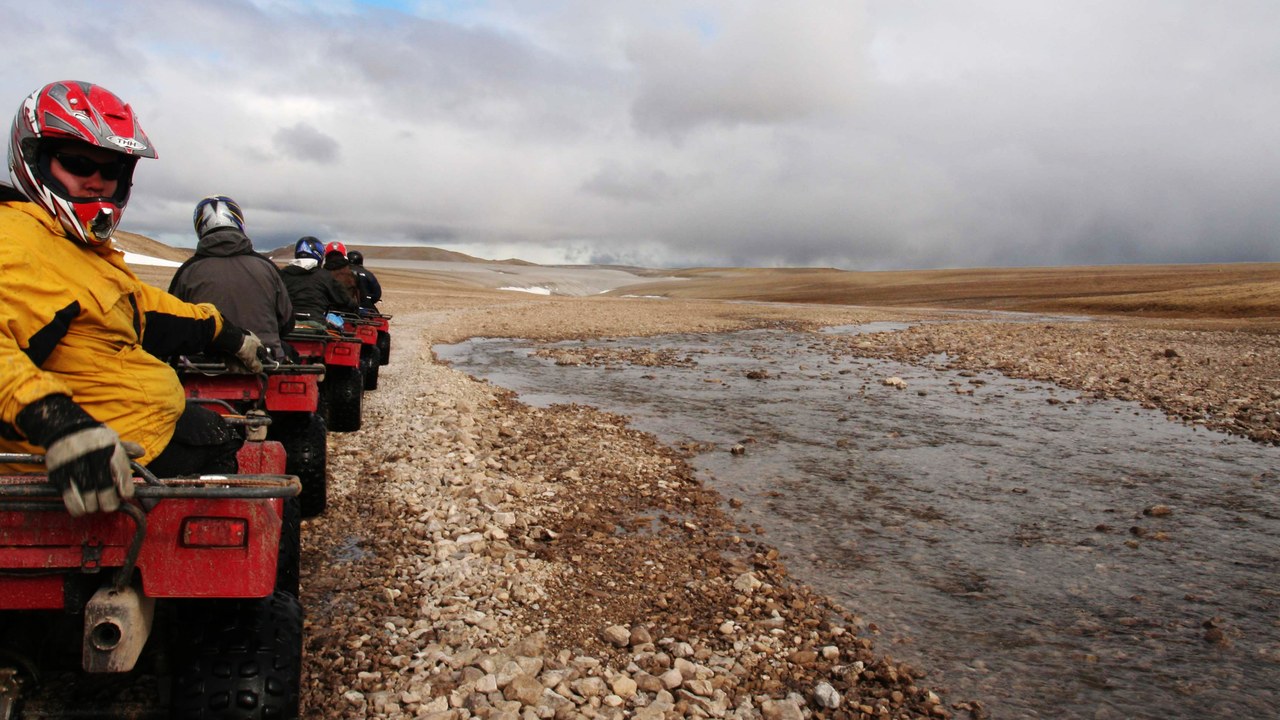
The Arctic research station beside Haughton crater, set up in 2000, was the first Mars analog created by the Mars Society. Crews there tested prototype spacesuits.
The site links a cold, cratered landscape with hardware trials for future explorers. Its record stands as an early example of the analog habitats that later appeared elsewhere. It represents the analog model in its clearest form: a remote site, a small crew, and equipment that must work in harsh conditions before it is trusted anywhere else.
7. Mars Desert Research Station, Utah: Six Crews in the Utah Desert
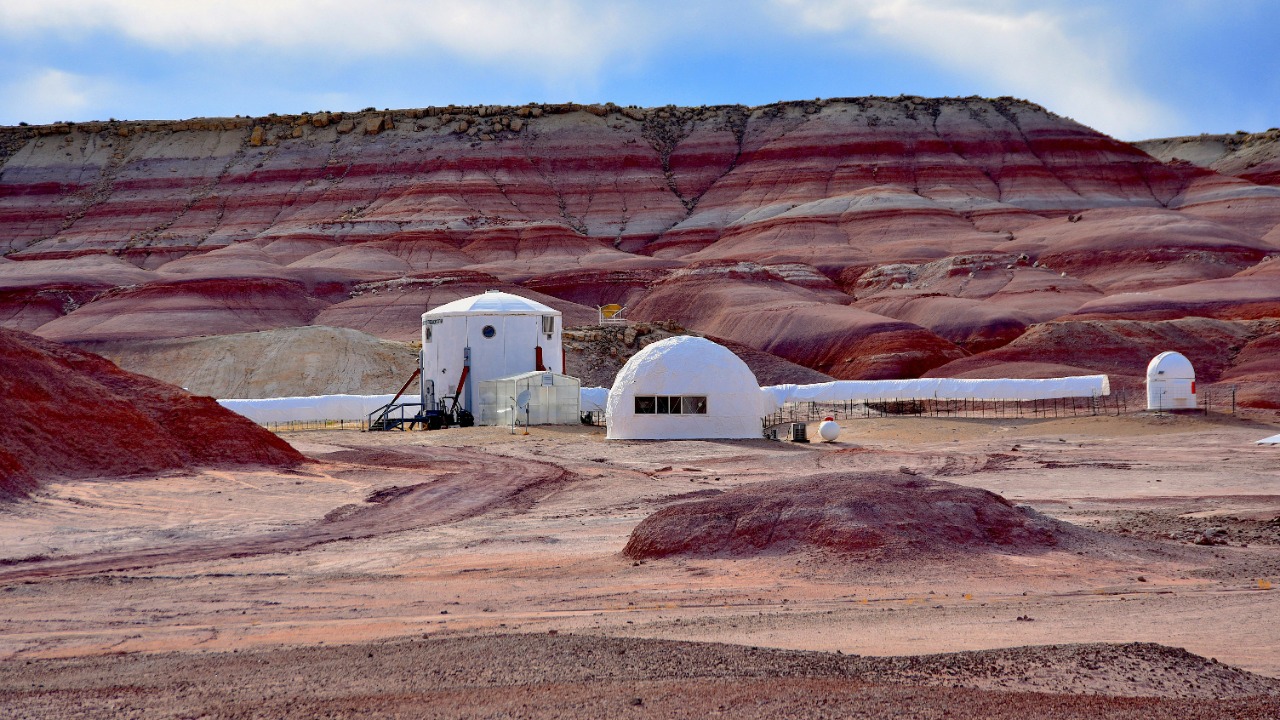
Between 2001 and 2013, 130 separate crews of roughly six people each lived at the Mars Desert Research Station in Utah’s San Rafael Swell as if on Mars.
That volume of rotations produced a long record of daily life under simulated conditions. Readers following Mars planning can treat it as practice for living arrangements, not as proof of spaceflight readiness. The figure of 130 crews comes from a general reference on analog habitats, which gives the dates and crew size but not the results of any single rotation.
8. Atacama Desert, Chile: Chile’s Driest Ground
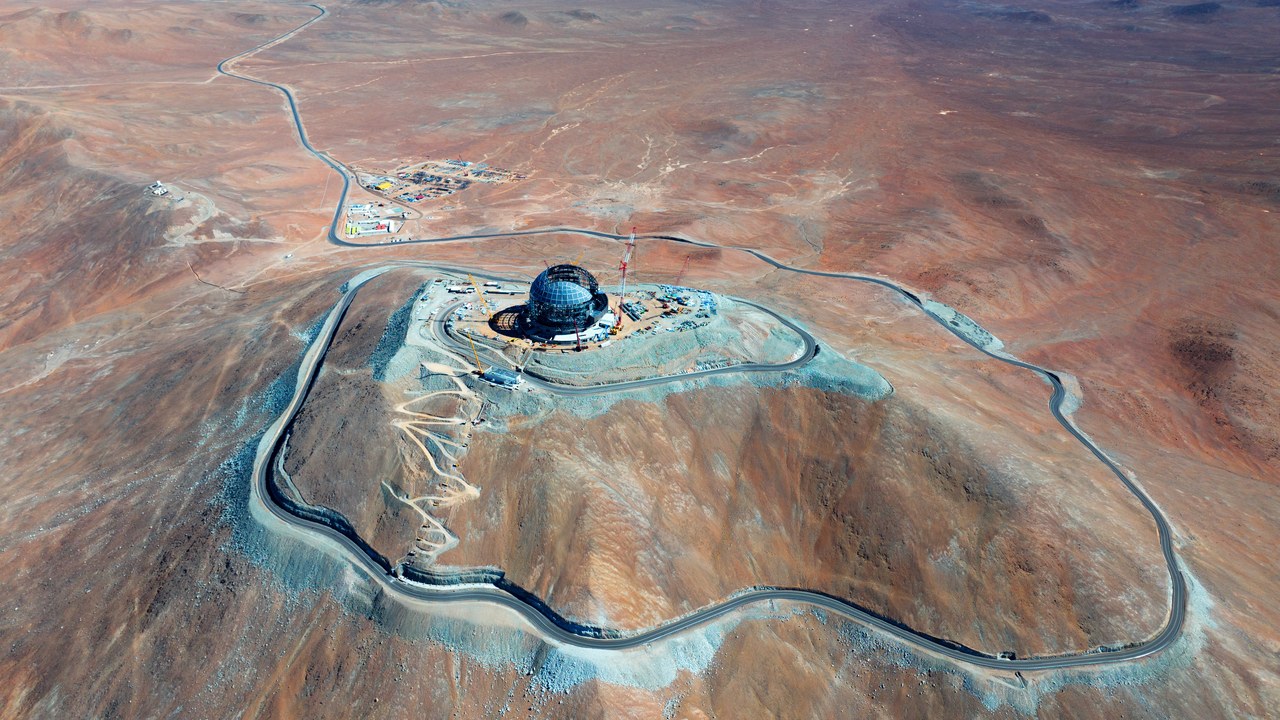
Parts of the Atacama Desert can go centuries without rain. Its Yungay area has tested life-detection instruments such as the Sample Analysis at Mars instruments for Curiosity.
The desert therefore serves science as well as astronaut practice. Its value lies in showing how instruments behave where life is scarce, which suits Mars-bound hardware. The mention of centuries without rain is the detail that places the desert among the most Mars-like landscapes cited, and the instrument testing gives that comparison practical weight.
9. McMurdo Dry Valleys, Antarctica: Antarctica’s Martian Dryness
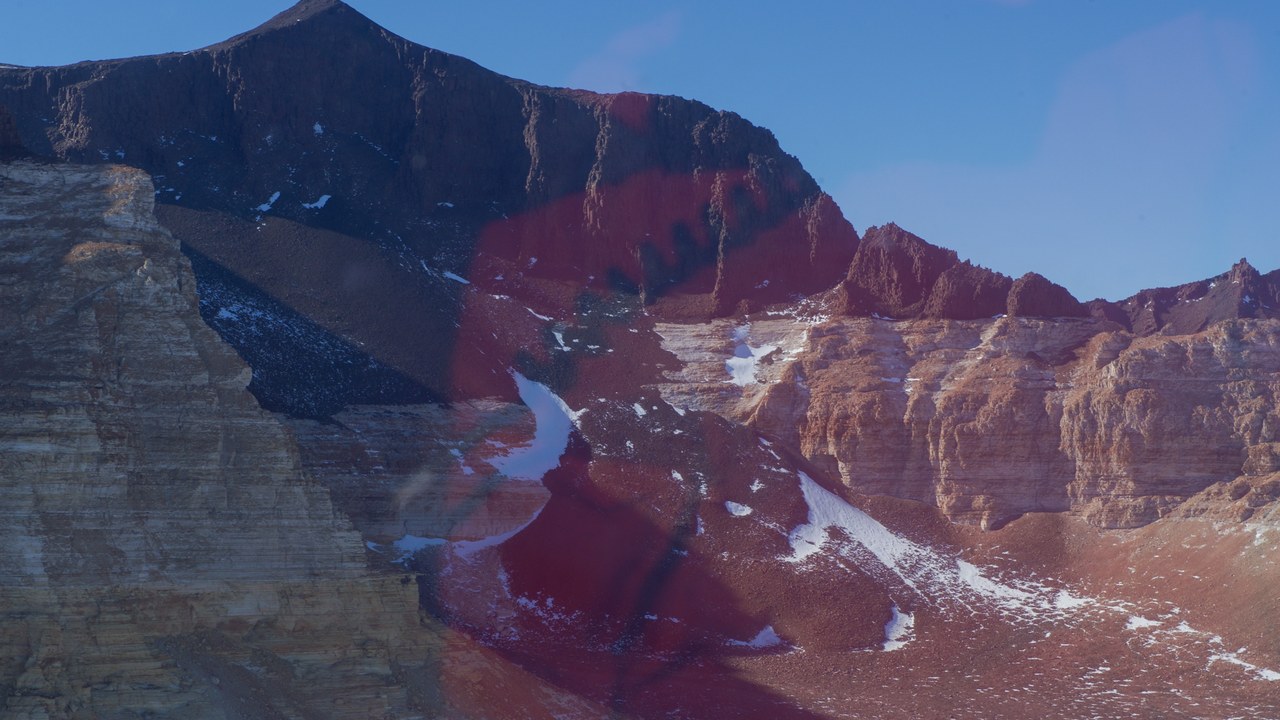
The McMurdo Dry Valleys in Antarctica approach the dryness of current Mars surface conditions.
Few Earth landscapes match that description, which explains their appeal to Mars researchers. The source frames the resemblance in terms of dryness only, so it should not be read as a full Mars copy. The valleys are in Antarctica, far from most travelers, so their main value to general readers is as a reminder that some analog sites are research destinations rather than tourist stops. The comparison rests on dryness alone, and no other Mars condition is claimed for the site in the material used here.
10. Aquarius Reef Base, Florida Keys: Living Under the Florida Keys
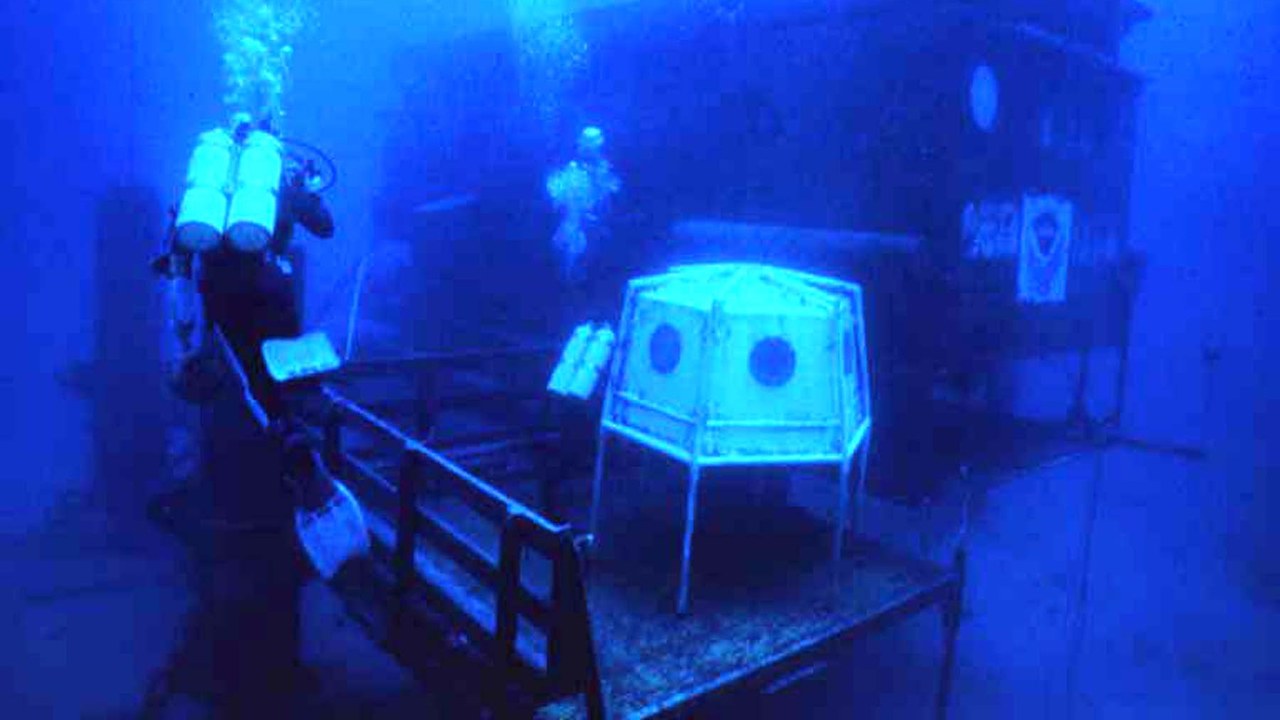
NASA crews live 62 feet underwater off Key Largo at Aquarius Reef Base for up to three weeks at a time. The stays simulate life on a spacecraft and test spacewalk techniques.
This is the only entry where the analog is water rather than rock. For readers following the program, it shows how NASA rehearses weightless work without leaving Earth. The stays last up to three weeks, long enough to test routines, and the depth of 62 feet means crews depend on equipment much as astronauts depend on a spacecraft.
More from Morning Overview
- A recalled pill hid a stimulant dose linked to heart attacks and death
- Four U.S. startups fired up their first small nuclear reactors, aiming to power AI data centers on-site
- Card skimmers hidden on gas pumps and ATMs are draining accounts, and here’s the tell
- Doctors warn a silent liver disease now affects one in three American adults
