
Automakers sometimes bet on a bold shape, sell it for a few years, and walk away without a follow-up. The models below were retro throwbacks, quirky utilities and low-volume sports cars that ended their runs after a single generation. Here are ten cars that left no direct successor behind, each with the numbers that explain the exit.
1. Plymouth Prowler: Ultra-Rare Hot Rod From Auburn Hills
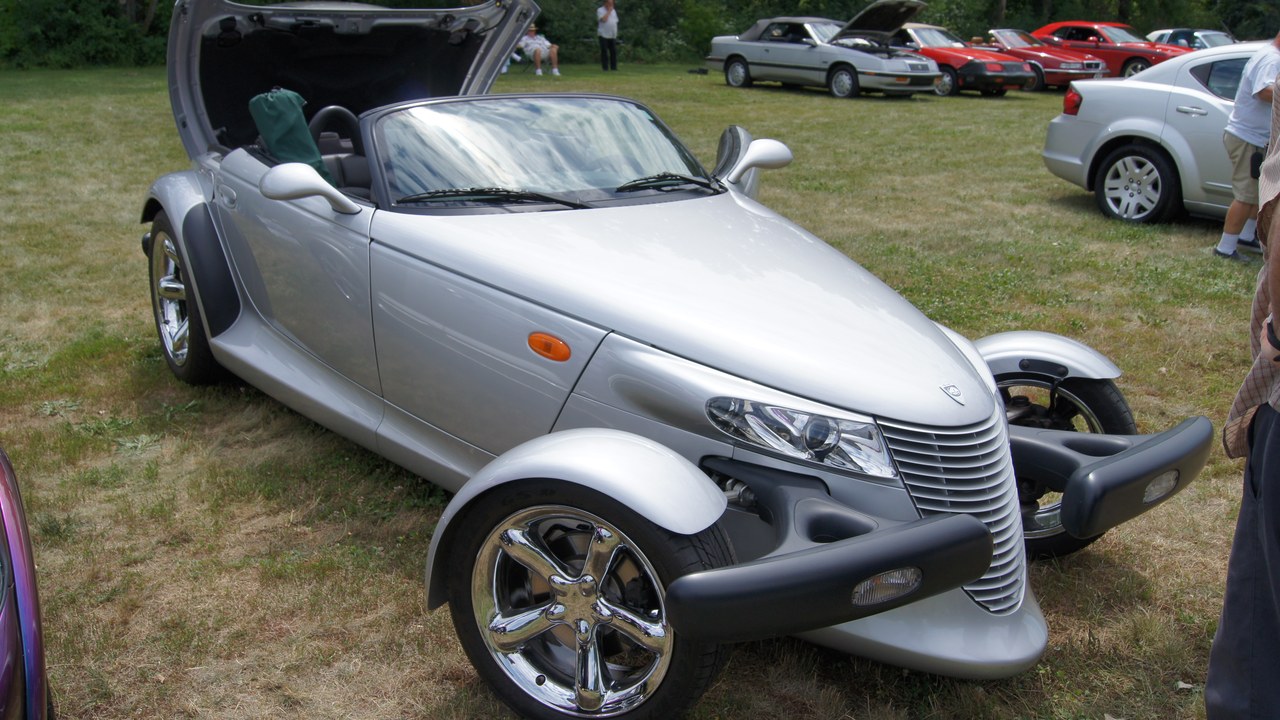
Chrysler’s hot-rod styling exercise, the Plymouth Prowler production total, was built from 1997 to 2002, and just 11,702 were made over that entire run.
Production that small keeps the Prowler a scarce sight on American roads. Anyone shopping for one should expect a thin pool of examples, with condition and originality mattering more than mileage alone. With no newer generation to fall back on, replacement parts and knowledgeable repair shops are worth confirming before a purchase is made. The single-generation story is central to its appeal, since collectors prize a design that appeared once and never returned in updated form.
2. Chrysler PT Cruiser: Retro Wagon With A Ten-Year Run
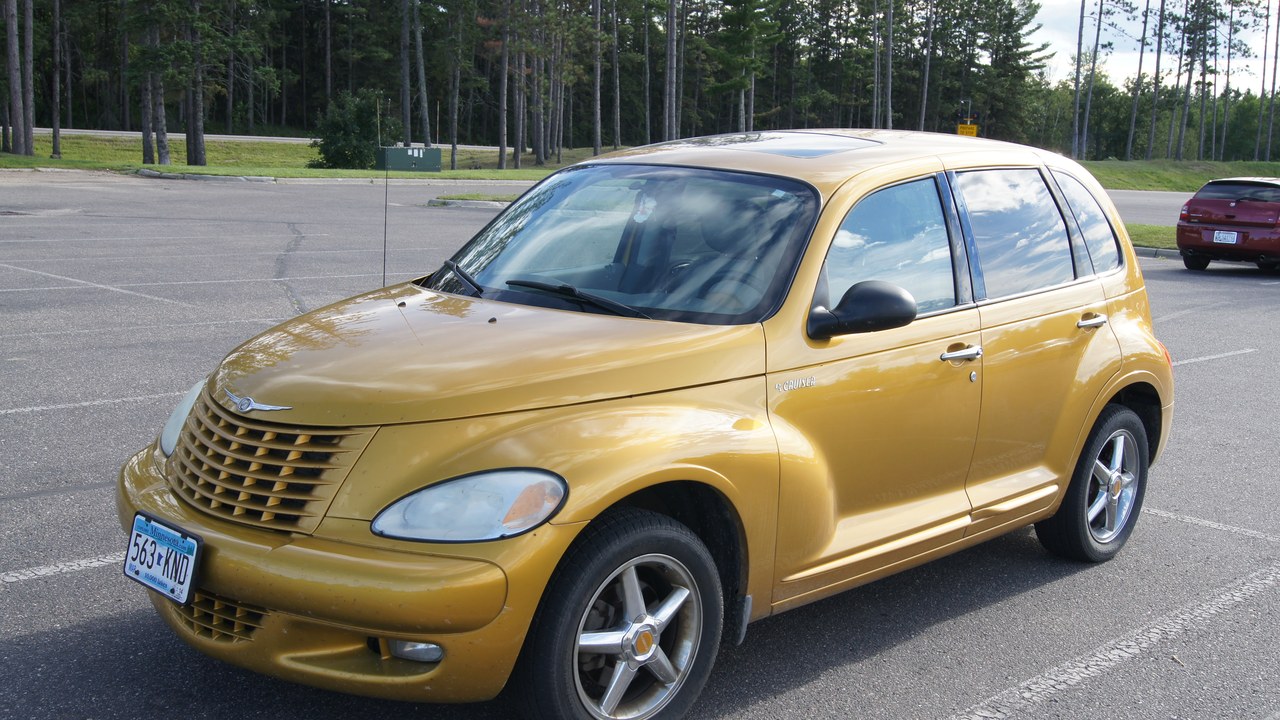
Across model years 2000 to 2010, about 1.35 million examples of the 1.35 million PT Cruisers were built before Chrysler decided to gradually phase it out.
Those volumes made the PT Cruiser far from a flop, yet the design never received a redesign or a direct replacement. Used examples remain plentiful and inexpensive to find, though buyers should remember that parts support depends on a model that has been out of production for years, so a careful inspection is wise. Its history also shows how a strong sales total does not guarantee a second chapter when a maker’s plans and priorities change.
3. Chevrolet HHR: Panel-Truck Styling For Suburbia
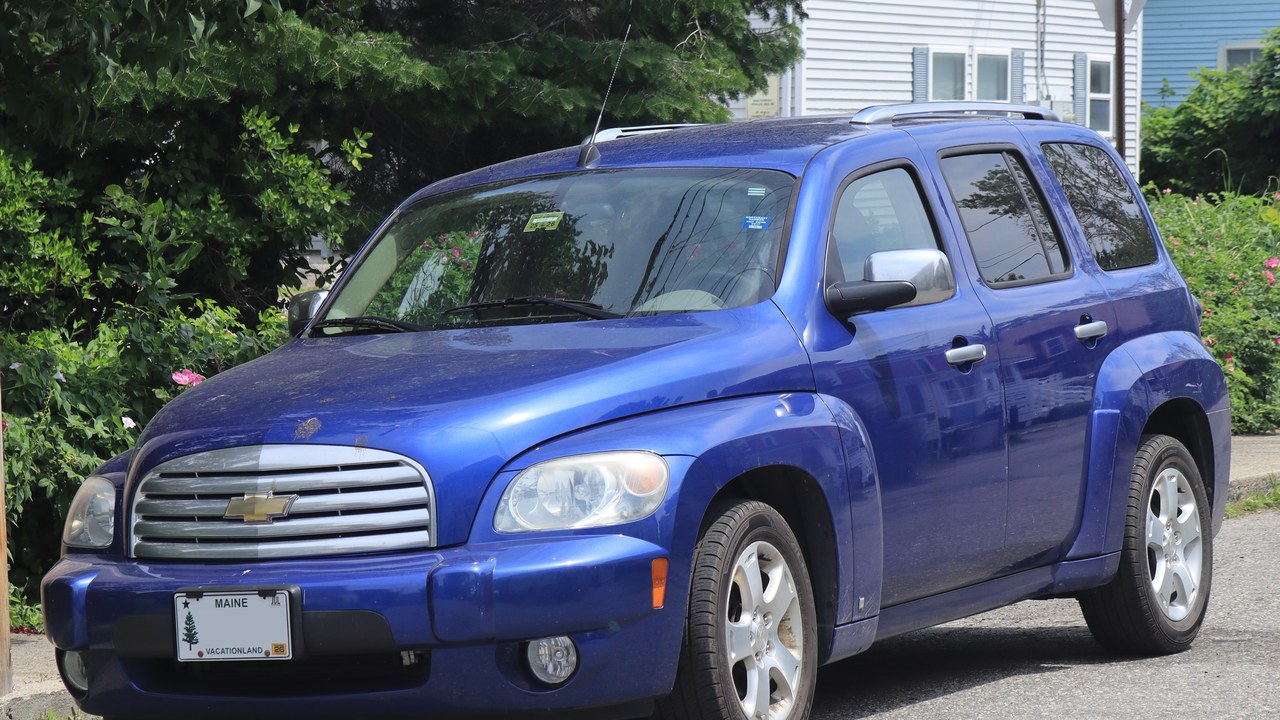
From 2005 through 2010, more than 500,000 units of the non-retro HHR replacement plan were made, and then GM opted to discontinue it.
General Motors introduced a range of non-retro compact family cars in its place, and the retro formula was not tried again. The HHR sold in healthy numbers, so used ones are easy to find, but shoppers hoping for a modern follow-up with the same styling will not find one, and should judge each car on mileage and maintenance records. Such retro experiments were often judged by fashion rather than function, and fashion moved on before a redesign could arrive.
4. Ford Thunderbird (2002-2005): The Last Retro T-Bird
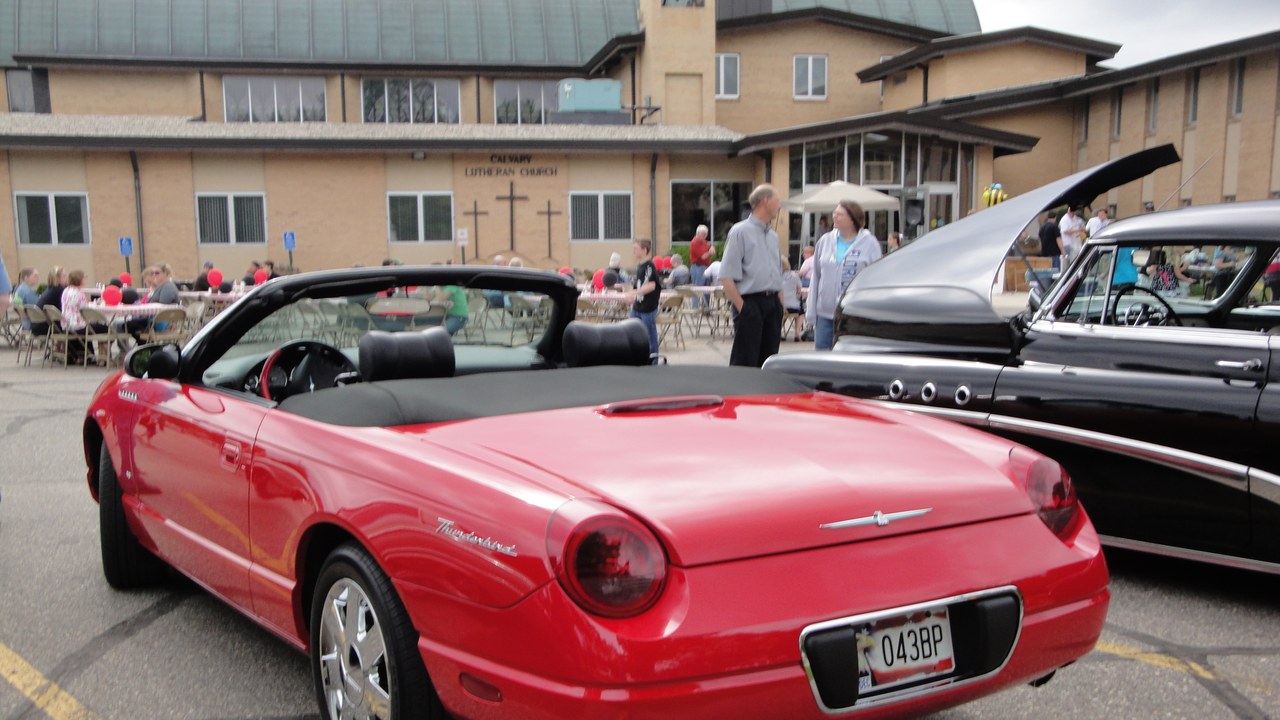
When production stopped, 68,098 examples of the retro Thunderbird’s abrupt end had been built, and the Thunderbird name left the lineup without a successor.
The two-seat roadster is remembered as a stylish cruiser rather than a sports car. Its modest total means clean, low-mileage examples draw steady interest from collectors, while the abrupt end leaves owners relying on shared Ford parts and specialist clubs for support and advice on keeping one in good condition. For a sports-car nameplate with such storied roots, the lack of a successor still surprises many longtime Ford followers today.
5. Toyota FJ Cruiser: Boxy Off-Roader Rides Off
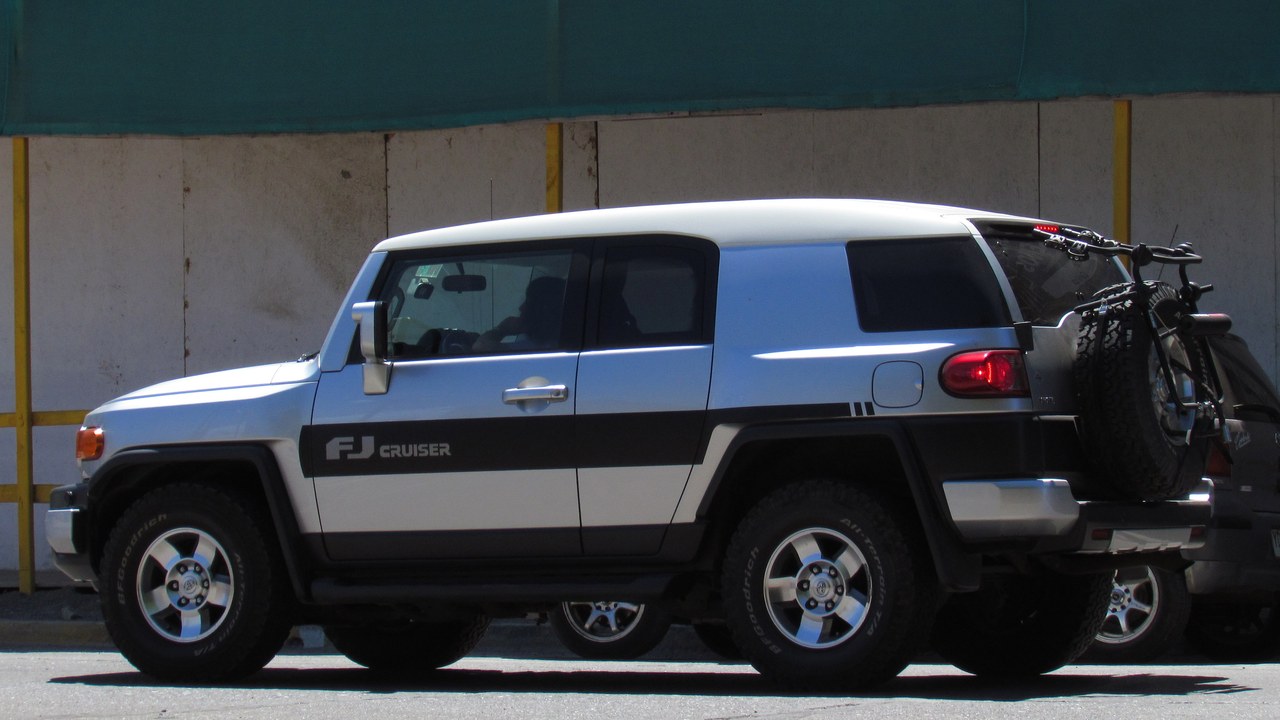
Toyota’s final U.S. model year for the FJ Cruiser sales milestone was 2014, following more than 200,000 sold since 2006.
The company marked the finish with the Ultimate Edition, limited to 2,500 units. Anyone shopping used should compare condition carefully and look closely for signs of hard trail use, because the FJ Cruiser was built for exactly that duty. A thorough pre-purchase inspection remains the best protection against expensive surprises on a model that left the American lineup more than a decade ago.
6. Honda Element: Ohio-Built Box For Active Lifestyles
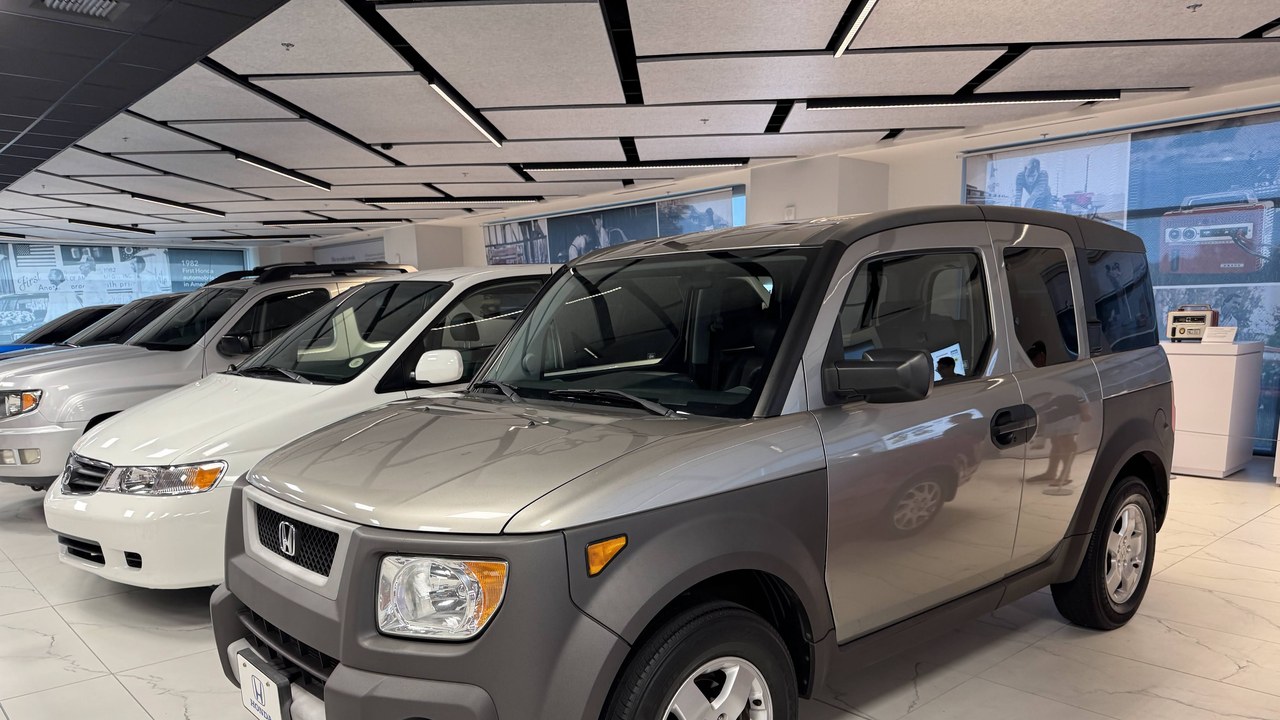
Honda built the Honda Element production history in Ohio for model years 2003 through 2011, and production had totaled approximately 325,000 by late 2010, shortly before discontinuation.
Sales peaked early, with 67,478 sold in 2003, then slid to just over 14,000 in 2010. That steep decline explains why Honda never developed a second generation. Owners of the boxy SUV still value its utility, and used examples remain a practical choice for buyers who want unusual design. Sensible shoppers will also compare the asking price against recent sales of similar cars before agreeing to any deal.
7. Chevrolet SSR: Pickup-Roadster With A Short Life
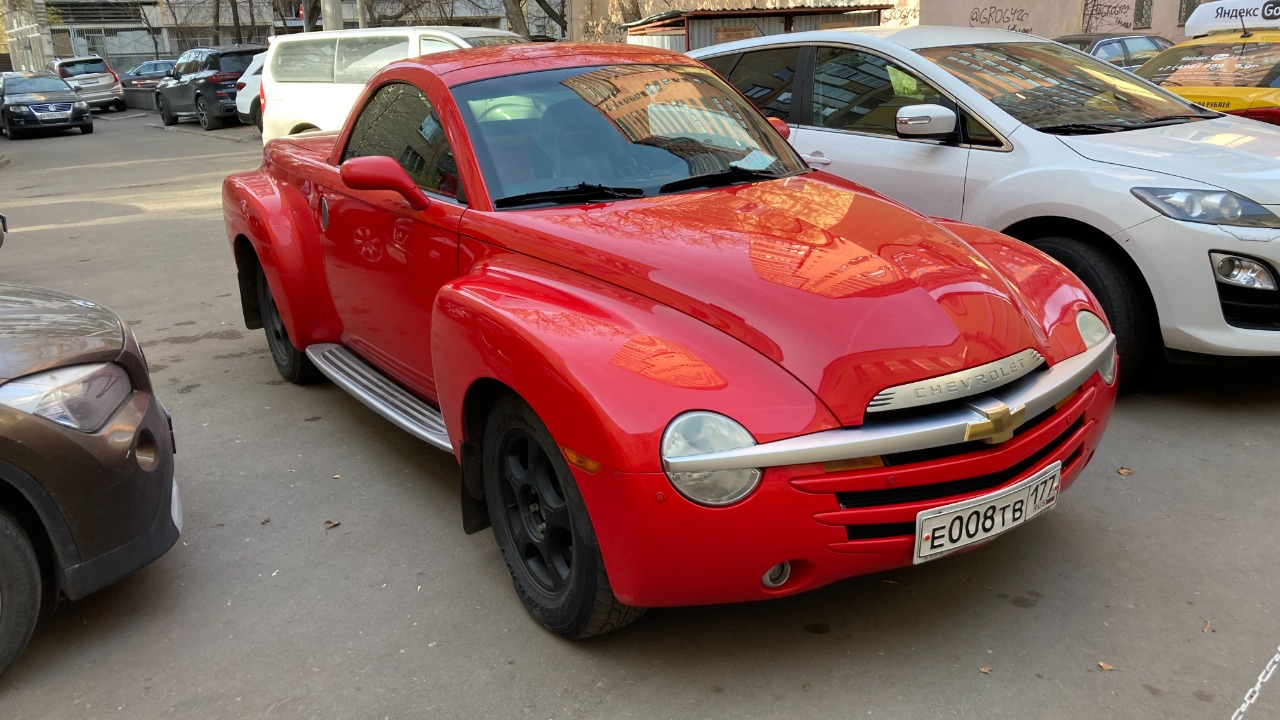
Between 2003 and 2006, the SSR final build date was built as a retro pickup-roadster, and the last one rolled out on March 17, 2006.
The record shows 24,118 vehicles were endowed with VINs designated as saleable. That modest total, and the lack of any follow-up, keep the SSR an oddity that appeals mainly to collectors rather than everyday drivers, so buyers should weigh novelty and rarity against its limited practicality as a work truck. Because the run was so short, documentation such as build sheets and service records adds meaningful value when a car changes hands.
8. Chrysler Crossfire: Mercedes Roots Under Chrysler Skin
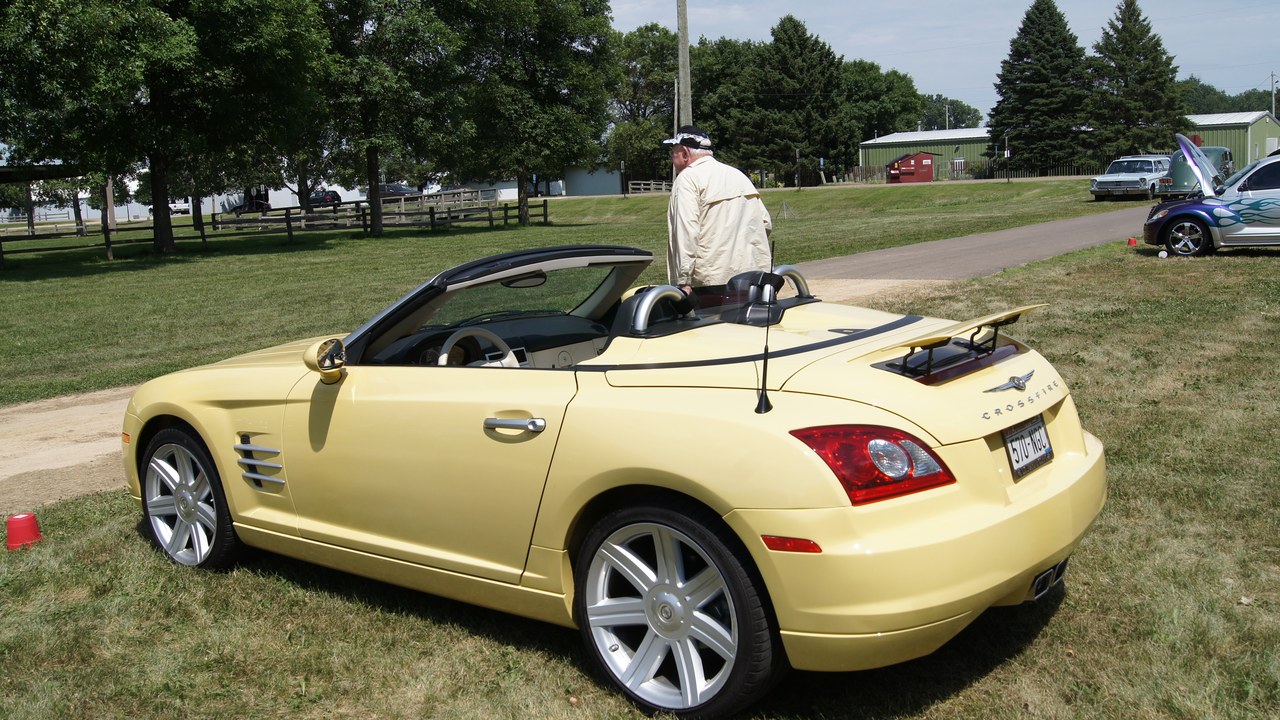
Karmann in Germany assembled the Crossfire production details from 2003 to 2007, totaling 76,014 units that shared 80 percent of their parts with the Mercedes-Benz SLK.
Chrysler discontinued the car after the 2008 model year as part of restructuring, with the last one built on December 17, 2007. Shared Mercedes components can ease some repairs for owners, though the model has no factory successor, and independent specialists are the likeliest source of help. The Chrysler badge on a German-built car remains a conversation piece, and it explains the mix of American marketing and European engineering.
9. Pontiac Solstice: Roadster Undone By Bankruptcy
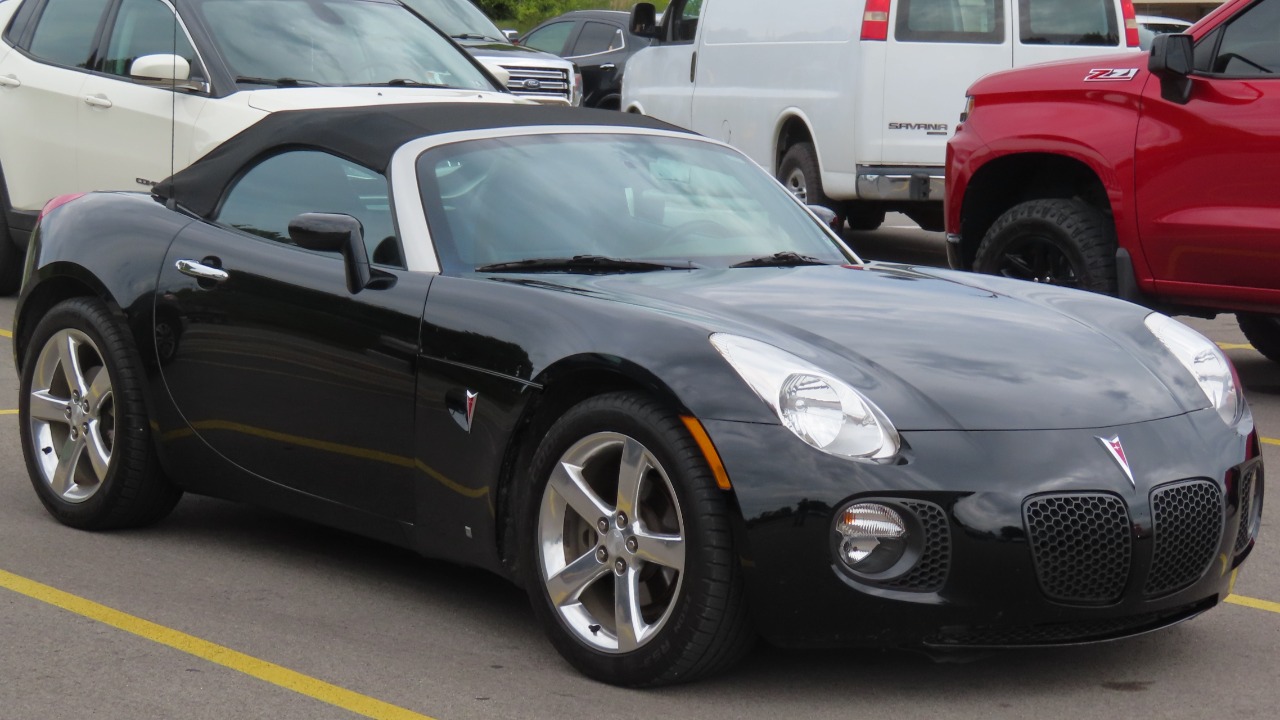
Launched for the 2006 model year, the Kappa platform history rode on a platform whose production ended with General Motors’ bankruptcy.
The Solstice therefore had no chance at a second generation. Its Saturn Sky sibling shared the same fate, and enthusiasts now buy them as inexpensive open two-seaters. Buyers should recognize that the parent brand is closed, which makes checking for specialist support and parts availability a sensible first step. Prospective owners should also remember that convertible tops, seals and electronics age on any car this many years past its final build.
10. Subaru Baja: Half Car, Half Pickup From Indiana
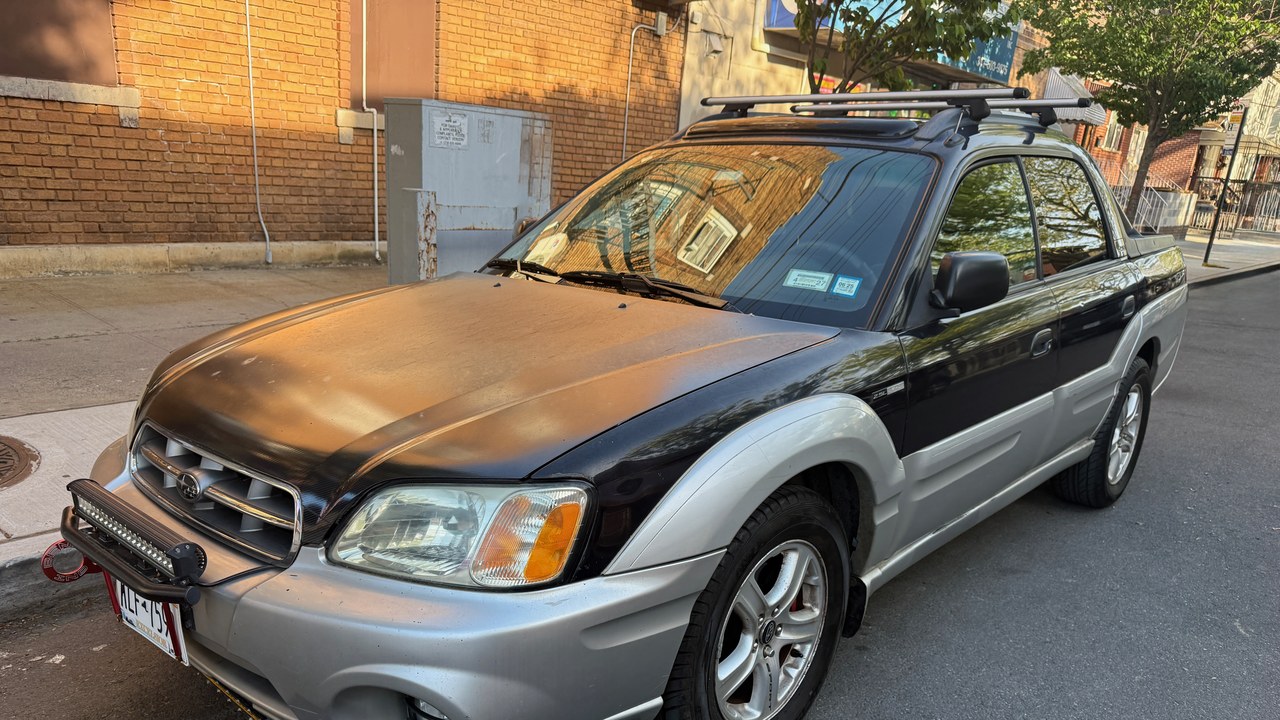
Subaru built the Baja Indiana assembly record from July 2002 to April 2006 at its Lafayette, Indiana plant, and about 30,000 were sold.
The car-based pickup layout never found a large audience, and Subaru has not replaced it since. Used Bajas tend to draw a loyal following, so buyers should expect limited supply, and should verify service history carefully because few of these unusual trucks were sold in the first place. Its compact size and standard all-wheel drive still suit drivers wanting something different, provided expectations for cargo room stay realistic.
More from Morning Overview
- Card skimmers hidden on gas pumps and ATMs are draining accounts, and here’s the tell
- Doctors warn a silent liver disease now affects one in three American adults
- Hackers are hijacking outdated home routers, and the FBI named the models to check
- Older Teslas are wearing out in ways early owners never saw coming
