
Chevrolet’s Corvette has changed shape, engine placement and even headlamp style since its 1953 debut. Some generations arrived on schedule, others were held back by corporate trouble or shifting emissions rules, and one model year never reached showrooms at all. Here are eight generations that show how the nameplate evolved.
1. Chevrolet Corvette (C1): Three Hundred Hand-Built Originals
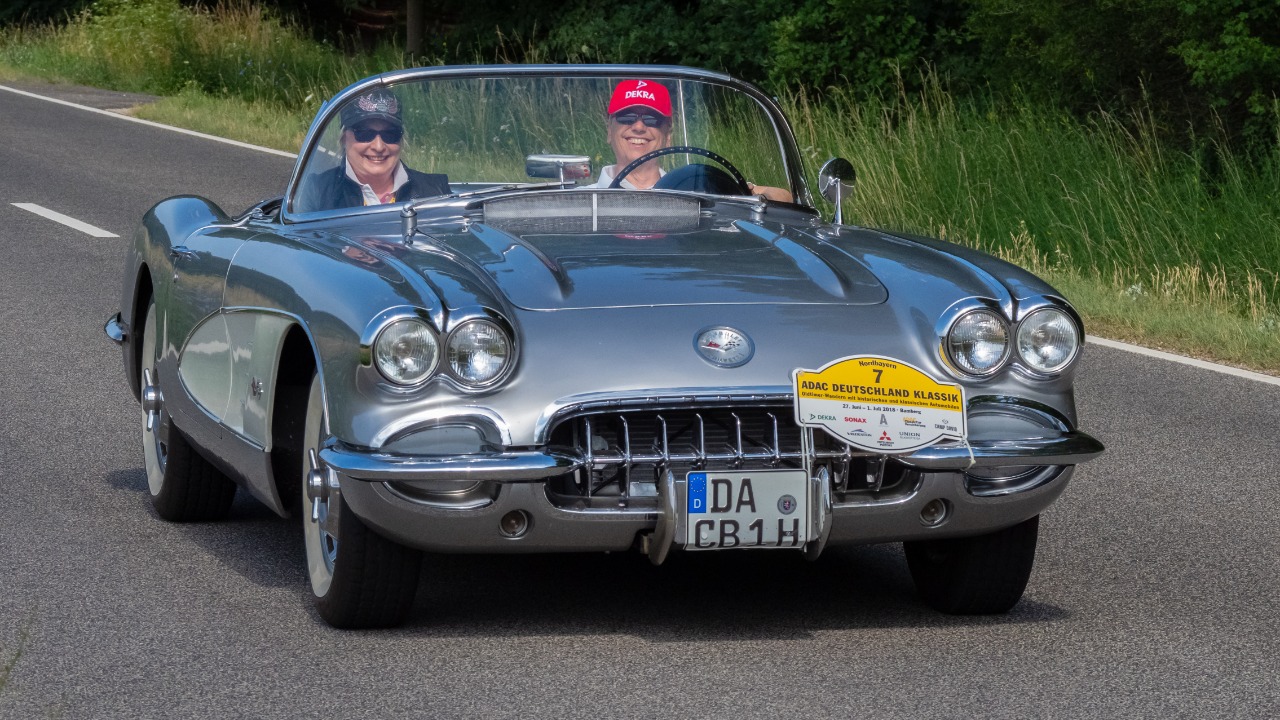
General Motors produced just 300 Corvettes in 1953, all hand-assembled in a Flint garage off Van Slyke Road in Michigan. Each car carried a 235-cubic-inch Blue Flame Six.
Such a small run makes the first-year car the reference point for everything that followed, and it gives the whole story a clear starting line. Anyone tracing the nameplate from its handmade beginnings to the latest cars should treat these 300 as the foundation, since later generations were built in far larger numbers. The National Corvette Museum’s account frames the 1953 build as the point where the nameplate began, which is why the exact count matters to historians and owners alike.
2. Chevrolet Corvette (C2) Sting Ray: Independent Suspension Meets Discs
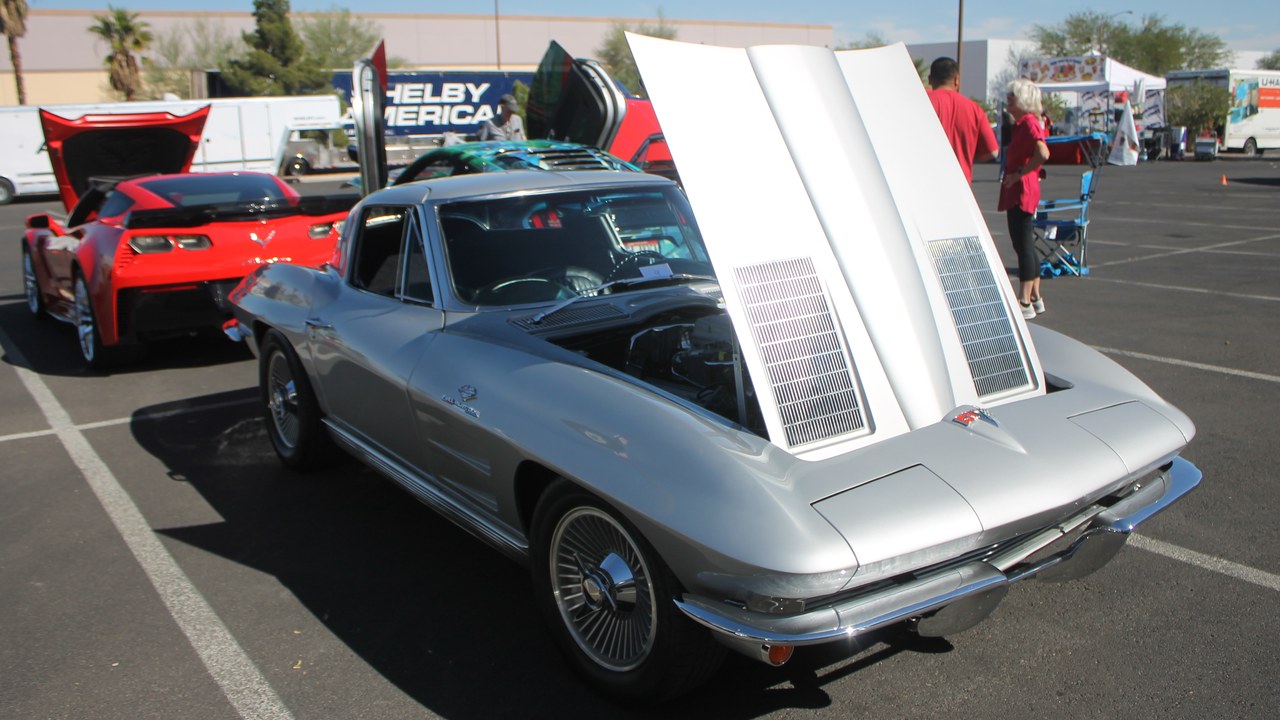
The 1963-67 Sting Ray brought independent rear suspension, and four-wheel disc brakes followed in 1965. Chevrolet built 117,964 of the second-generation cars across those model years.
The mechanical upgrades gave the C2 a technical edge over the first-generation car and make 1965 a meaningful dividing line inside the generation. Collectors weighing a Sting Ray should confirm which brake and chassis specification a particular car carries before comparing prices across years. The Sting Ray name also gives this generation a distinct identity, and the disc brakes arrived only partway through its five-year run, so early and late cars differ in a meaningful way.
3. Chevrolet Corvette (C3): A Production Record That Stands
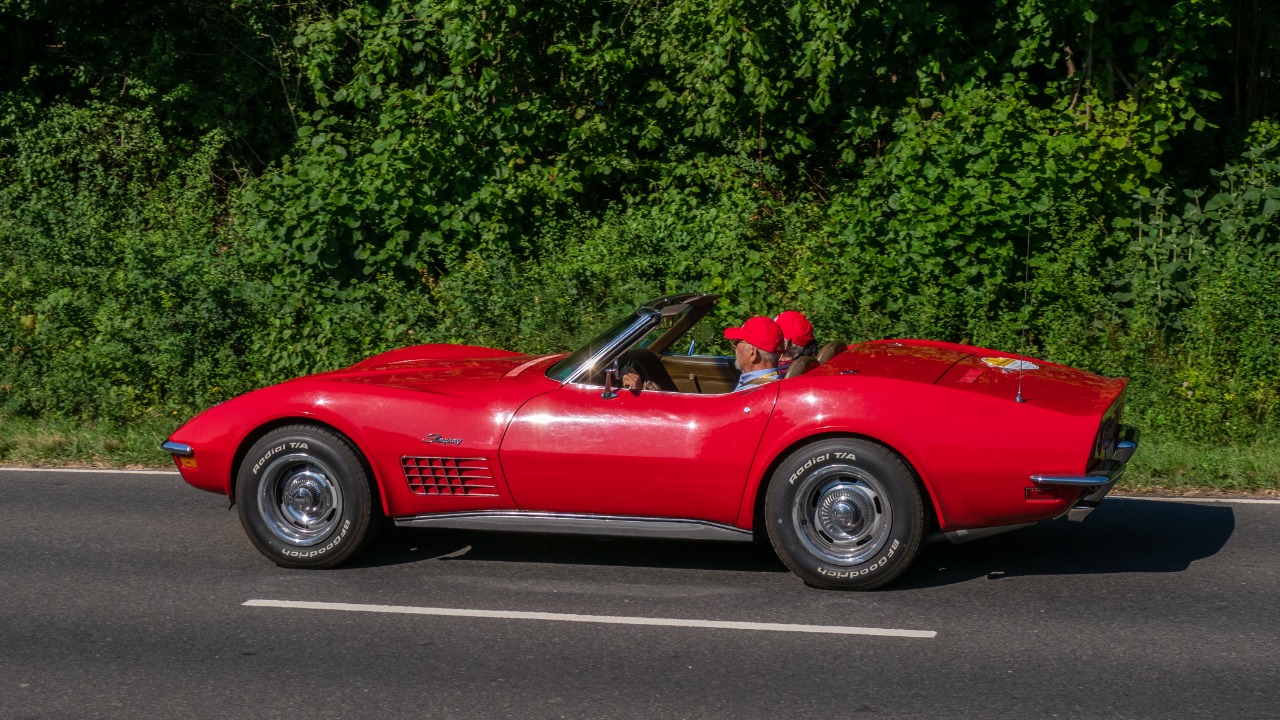
The C3 ran from 1968 to 1982, and its 1979 output of 53,807 cars is a production record that still stands. Chevrolet passed a half million Corvettes built in 1977, and total C3 production reached 542,741.
High volume means plentiful supply for anyone shopping for a way into Corvette ownership, with a wide spread of years and conditions to choose from. The record, set late in the generation, also shows how firmly the car had established itself with American buyers. A car built in that final stretch may be easier to find than earlier ones, though condition and originality matter more than the badge when comparing individual examples.
4. Chevrolet Corvette (C4): The Year That Never Happened
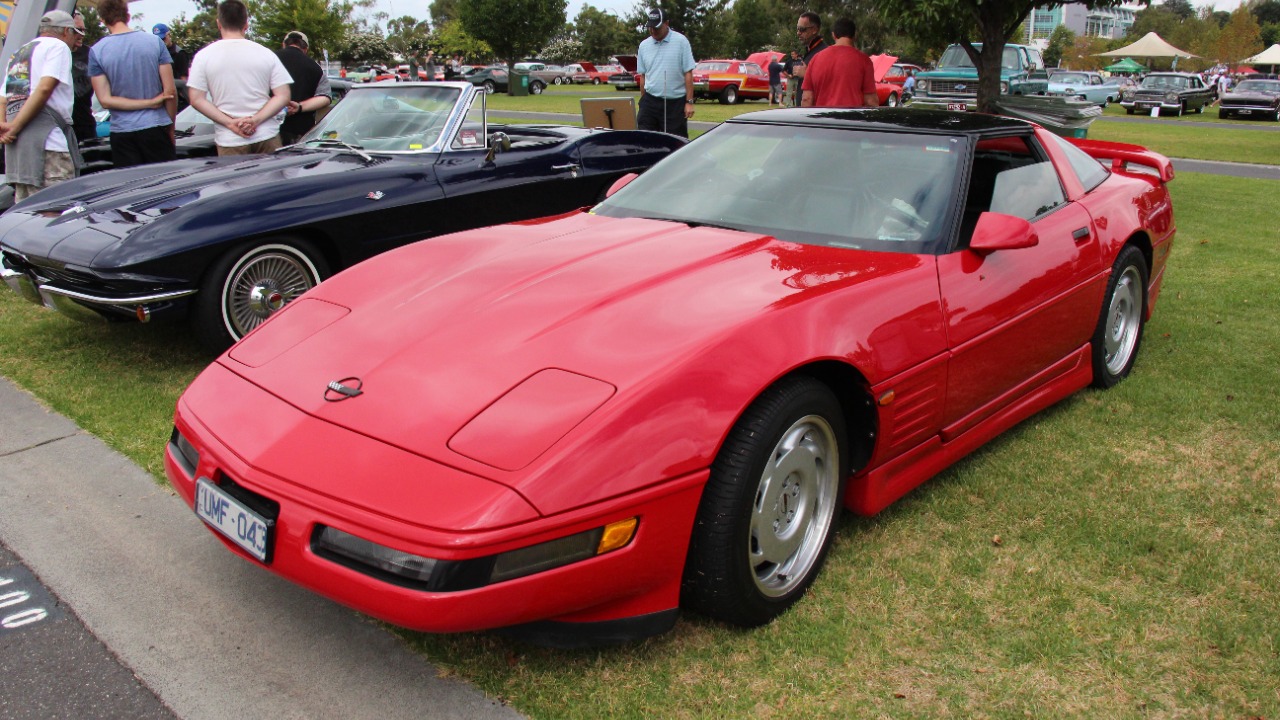
Development delays meant there was no retail 1983 Corvette, and the C4 debuted as a 1984 model instead. The prototypes built for 1983 were mostly destroyed under standard GM procedures, and only one survived.
That gap leaves a hole in the model-year chart and makes the lone surviving prototype an unusual piece of Corvette history. The C4 line later produced the ZR-1, whose aluminum-block LT5 V8 was rated at 375 hp. The single survivor shows how close the nameplate came to a full skipped year, and the 1984 debut still marked a fresh start for the design after the C3’s long run.
5. Chevrolet Corvette (C5): Late Arrival With LS1 Power
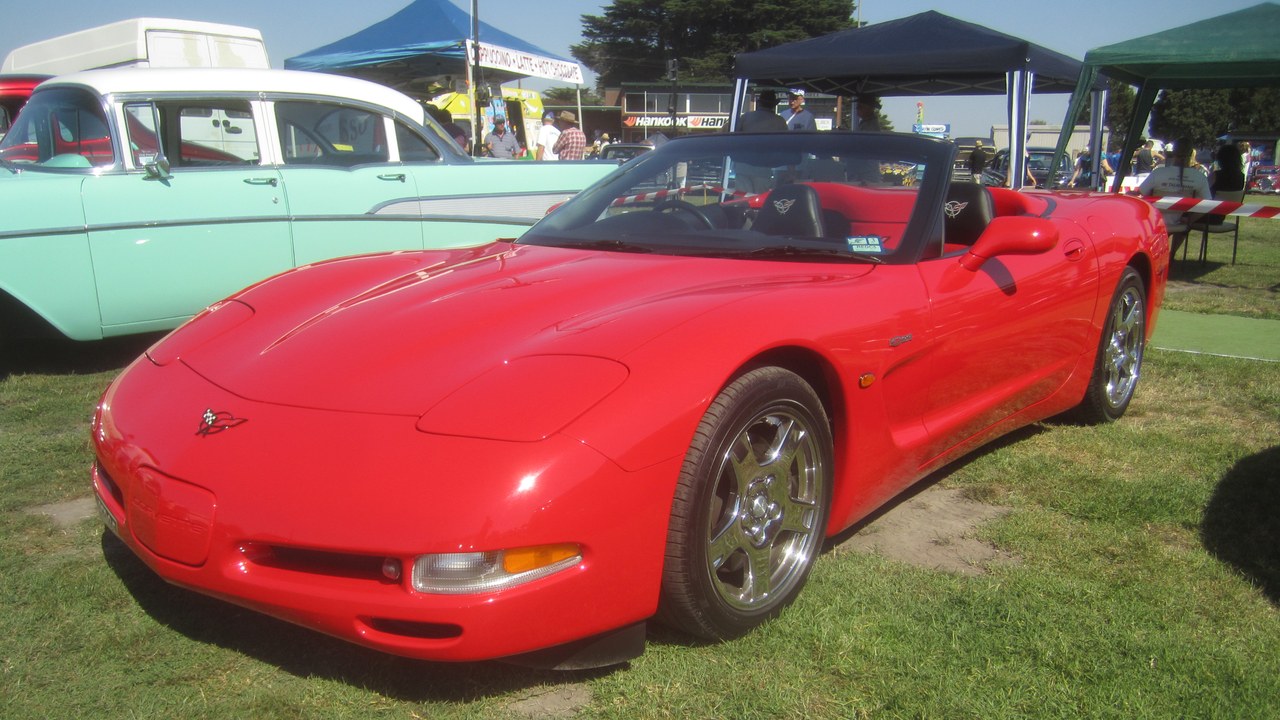
The C5 was originally intended to debut in 1993 for the Corvette’s 40th anniversary, but financial troubles and staff changes inside GM delayed it until 1997. It arrived with a 345-hp LS1 V8.
Buyers waited four extra years, and the LS1 gave the new car a strong engine to justify the delay. The late launch also meant the anniversary year passed without a new generation, a detail worth remembering when comparing the timelines of the C4 and C5. The number is a horsepower rating from the source and applies to the standard car; it is best read as the starting point for that generation’s performance story.
6. Chevrolet Corvette (C6): Headlamps Return to View
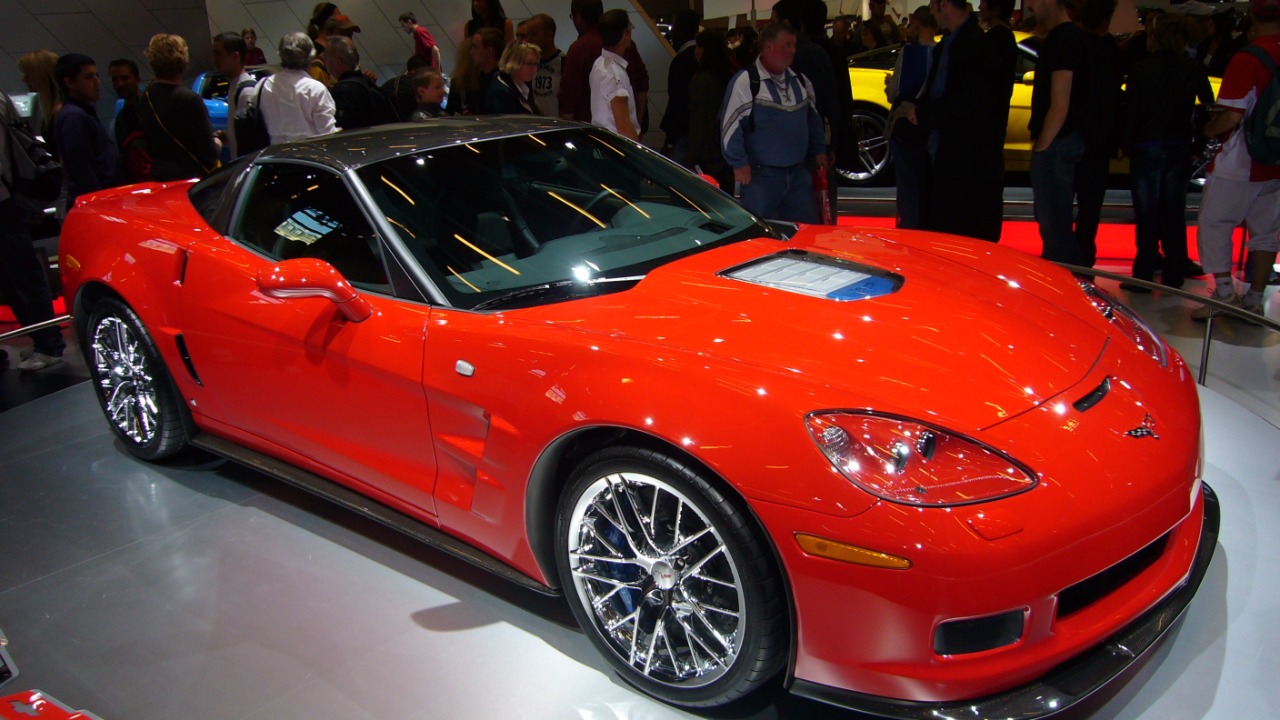
The C6 was the first exposed-headlamp Corvette since the 1962 model, replacing the hidden units of the generations in between. At the top of the range, the supercharged ZR1 made 638 hp.
The styling change gives the C6 an easy visual identifier next to the C4 and C5. The ZR1 shows how far front-engine performance had climbed by the end of the generation, and shoppers can treat 638 hp as that generation’s top output. The generation’s exposed lamps and strong output helped set the tone for what came next, so the C6 sits comfortably between the LS1-era C5 and the C7.
7. Chevrolet Corvette (C7): Last Front-Engine Corvette
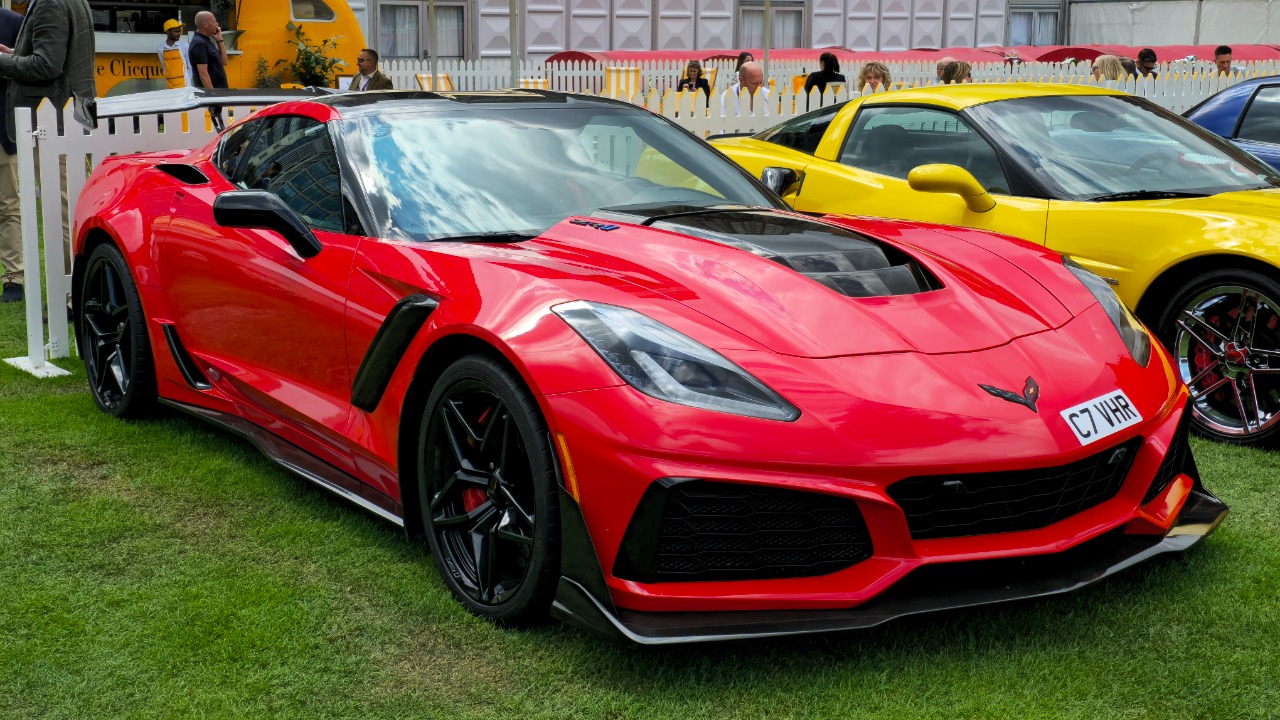
The final C7 was built on November 14, 2019, closing out the last front-engine Corvette generation. At the top of the range, the ZR1 was rated at 755 hp.
That makes the C7 the closing chapter of a layout that had defined the car since 1953, and a natural choice for buyers who want a traditional front-engine Corvette with modern performance. The fixed end date also gives the generation a clean, well-documented production window. Owners and museum visitors can point to a specific calendar day when the layout ended, which is unusual for a design that lasted through several decades of change.
8. Chevrolet Corvette (C8): Mid-Engine Sixty in 2.9
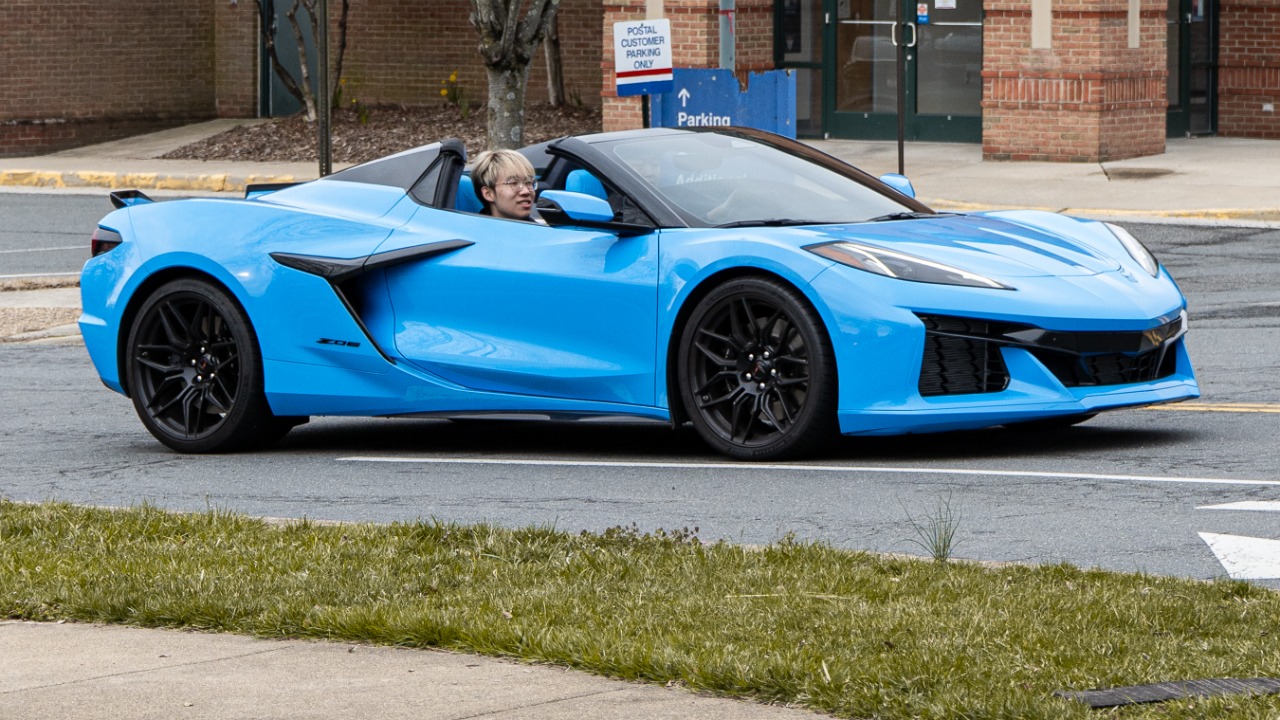
The mid-engine 2020 Stingray reaches 60 mph in 2.9 seconds with the Z51 package, making it the quickest base Corvette in history. Its engine is SAE-certified at 495 horsepower.
The switch to a mid-engine layout ends the front-engine tradition kept through the C7 and delivers acceleration that once demanded a top-tier model. The timing is quoted for the Z51 configuration, so cars without that package should not be assumed to match it. A quoted acceleration time is a manufacturer figure from a specific test, and real-world results depend on conditions, tires and the driver.
More from Morning Overview
- Amazon’s Prime refunds are rising to $200 as millions more customers become eligible
- A handful of car engines are so tough mechanics say they almost never wear out
- The NSA is again telling phone owners to switch off one location setting
- Supplements now rank as the fifth-leading cause of death from liver disease.
