
Driver-assistance systems that steer on mapped freeways have spread from luxury sedans to full-size trucks and family crossovers. Every one of them still depends on a driver who keeps watching the road, and one automaker recently stepped back from a more ambitious approach. Here are eight vehicles that show where the technology stands.
1. Cadillac Escalade: Super Cruise Anchors The Flagship
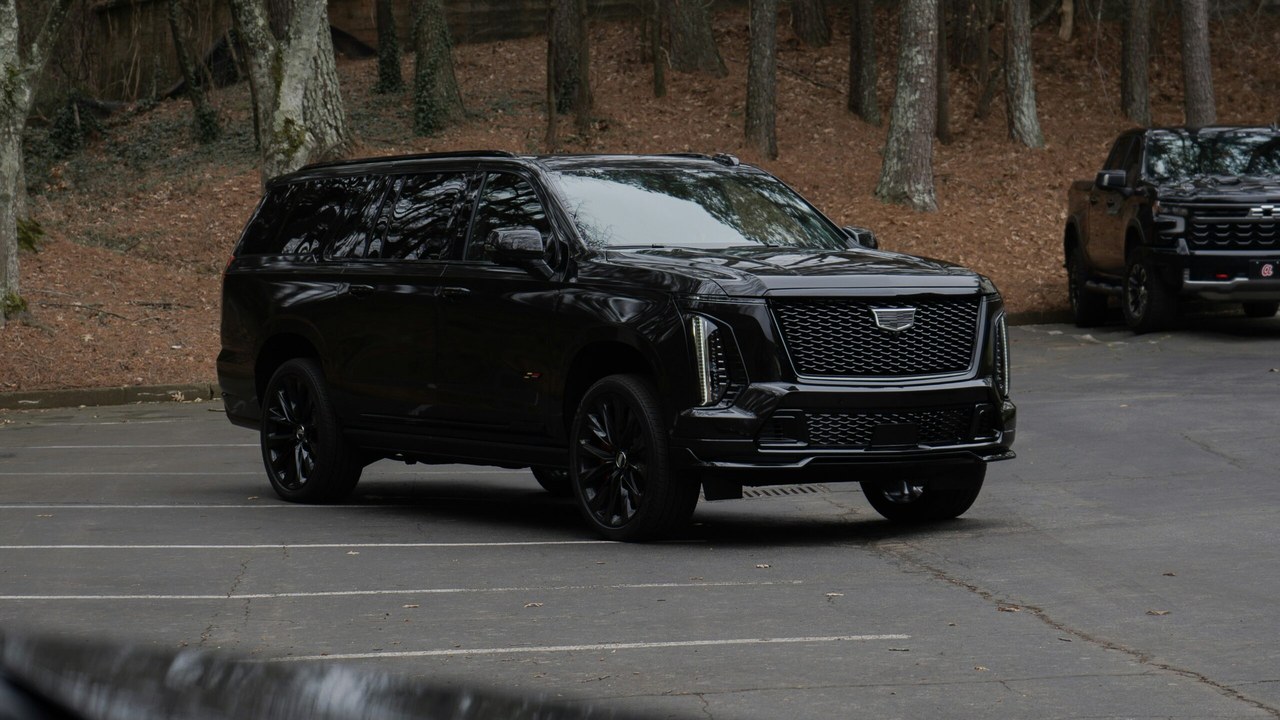
Super Cruise is offered on the 2023-2026 Escalade and Escalade ESV, and Cadillac’s Super Cruise page sums up the arrangement in a single rule: “Hands off the wheel. Eyes on the road.” The full-size SUV steers along compatible highways while the driver stays responsible for what happens ahead.
Owners get relief on long highway stretches, not a chauffeur. GM reports more than one billion hands-free miles across nearly 750,000 equipped vehicles, and the service costs $39.99 a month once the three free years end, so the ongoing cost belongs in any ownership calculation. The cost and coverage limits are worth weighing before purchase.
2. Chevrolet Silverado: Pickup Learns Highway Manners
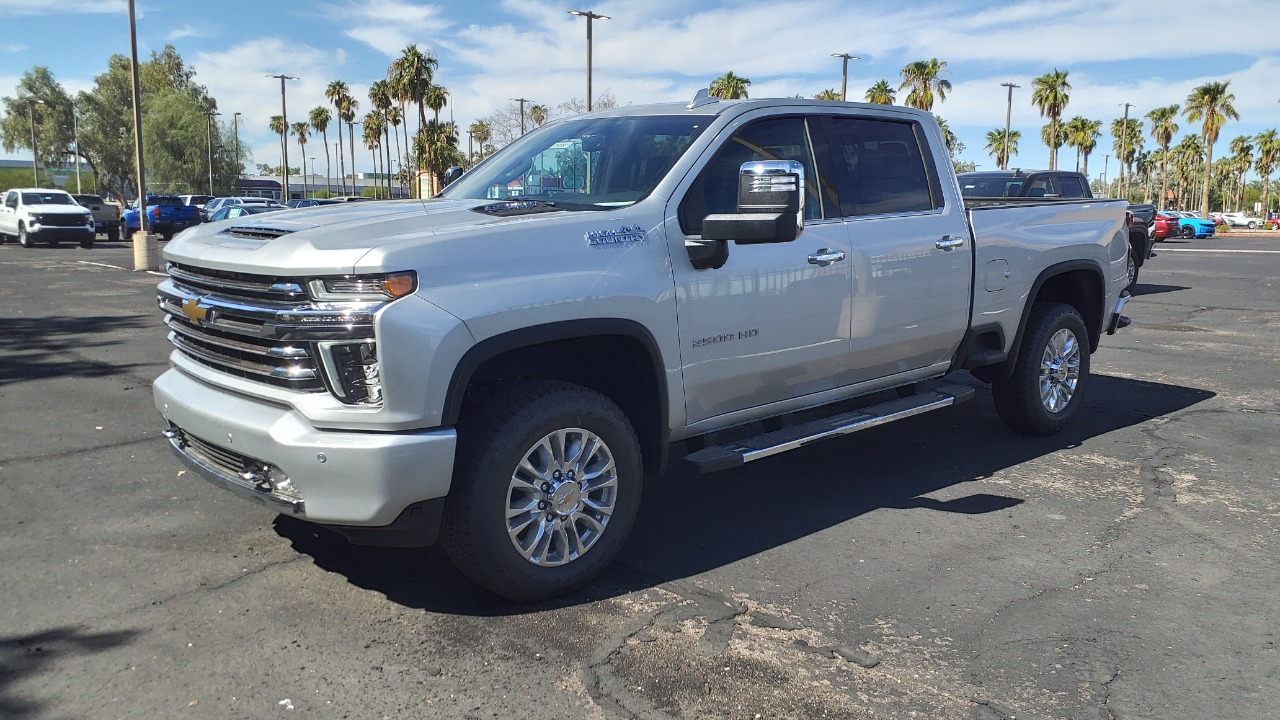
On the Silverado, Super Cruise works across a network of over 600,000 miles, according to Chevrolet, covering compatible roads in the United States and Canada. A camera tracks head and eye position to confirm that the person behind the wheel is still paying attention to the road.
That mileage is impressive, but coverage ends where the map does, and the system expects a driver ready to take over at any moment. Truck buyers who tow or cross state lines should check route coverage on their usual highways before counting on it for long trips. Anyone planning to rely on it should read the owner instructions closely.
3. Chevrolet Tahoe: Warning Lights Before The Stop
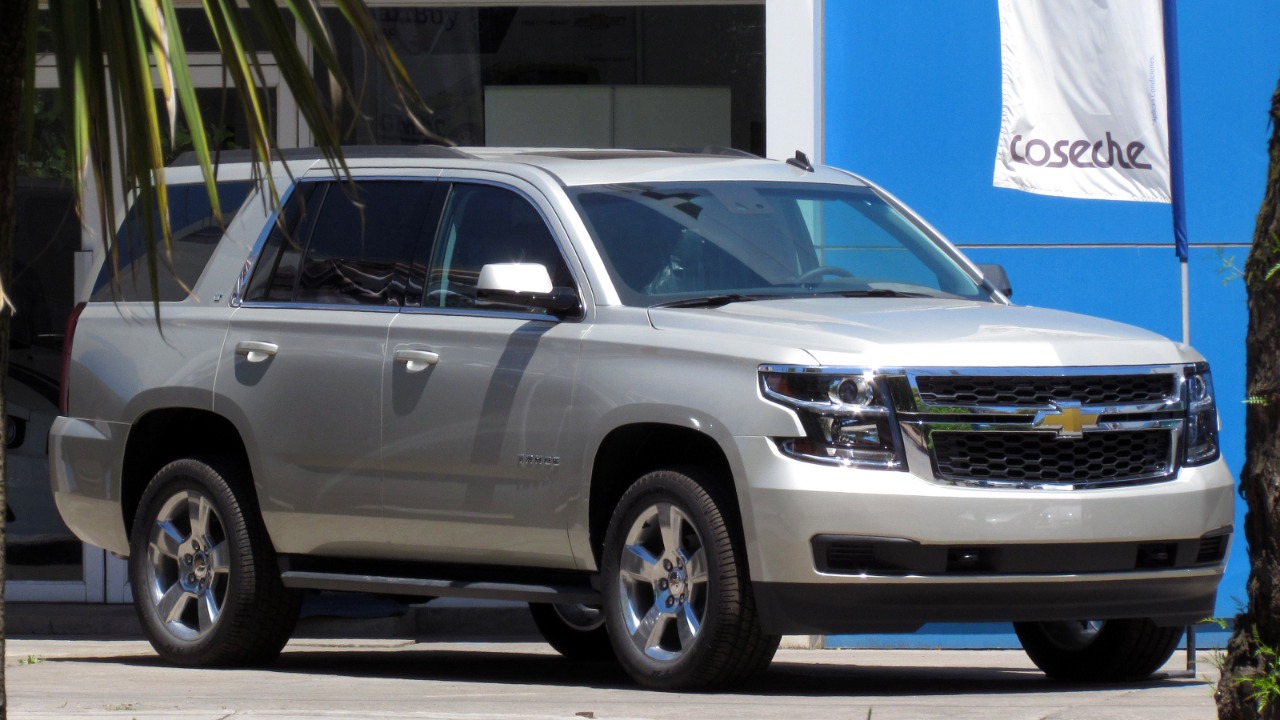
The Tahoe uses a steering-wheel light bar to signal driver attention, and Chevrolet says it flashes green, then red, when eyes leave the road. If the warnings go unheeded, the SUV may slow to a stop, activate hazard lights, and contact OnStar Emergency Services.
For families who spend hours on interstates, that fallback is a meaningful safeguard, though not a license to relax. The system is a supervised aid, and inattention is treated as a problem the vehicle will escalate rather than ignore, right up to summoning help. Drivers should treat it as help with fatigue, not a replacement for judgment.
4. Chevrolet Equinox EV: Affordable Electric Gets Highway Help
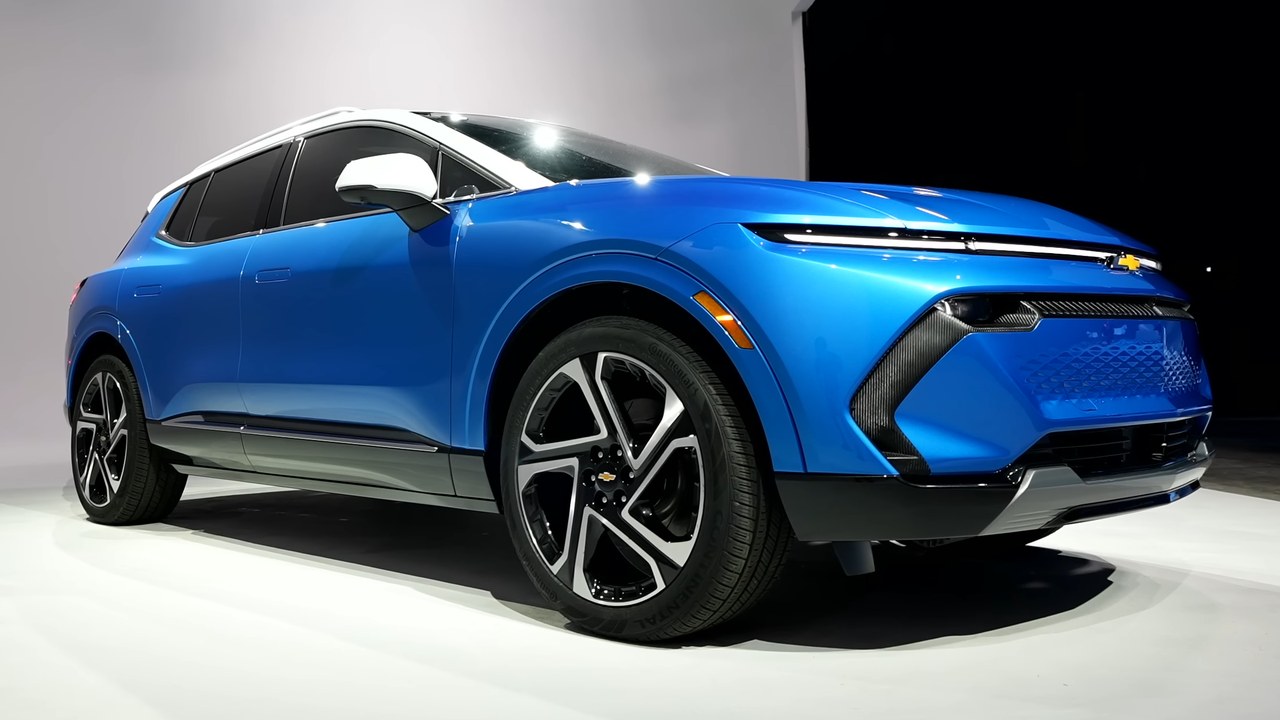
The compact electric crossover is one of eight Chevrolet models offering Super Cruise, alongside Bolt, Blazer EV, Traverse, Tahoe, Suburban, Silverado and Silverado EV. Chevrolet’s Super Cruise FAQ answers the obvious question directly: a driver must always stay attentive.
Bringing the feature to a mainstream electric crossover widens the audience well beyond luxury buyers. Shoppers should still confirm that the specific vehicle carries Super Cruise and understand the subscription that follows the free period, since neither is automatic on every model or every trim. Availability can differ by trim, so confirming the build details with a dealer is prudent.
5. Ford F-150: BlueCruise Only In Blue Zones
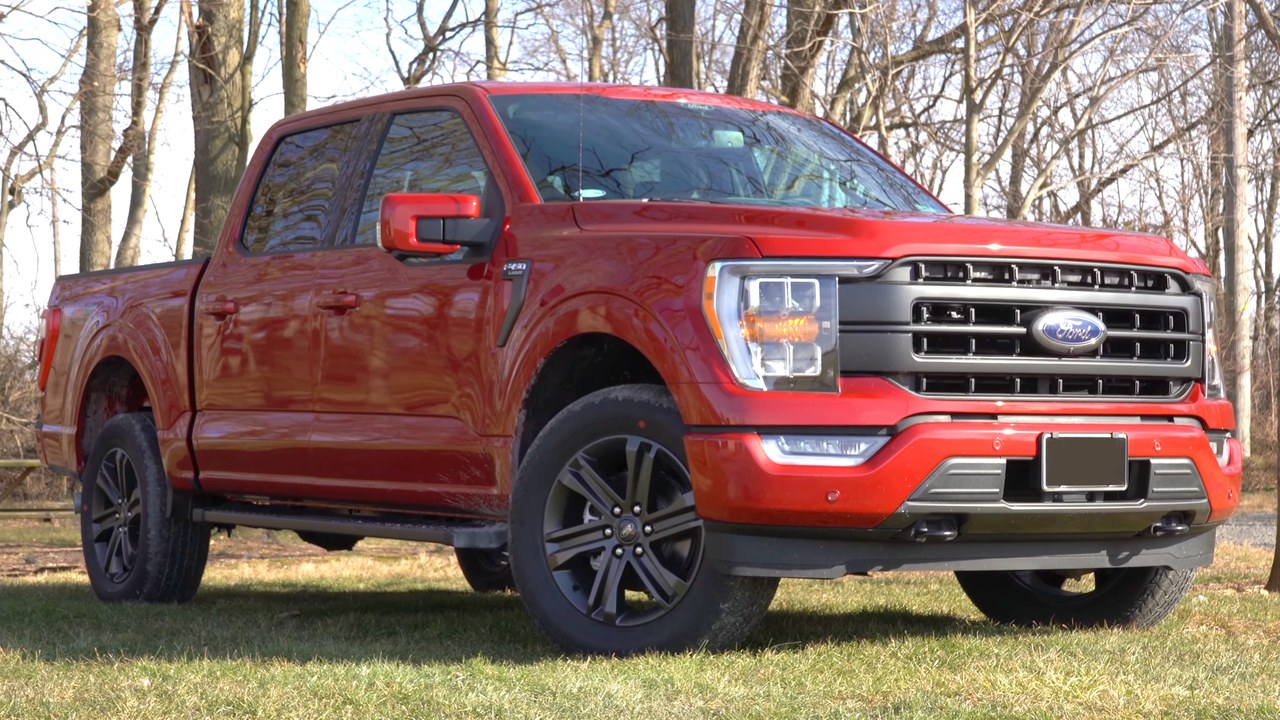
Ford has offered BlueCruise since the 2021 model year on Lariat, King Ranch, Platinum, Limited and Tremor trims of the F-150. Hands may come off the wheel only inside a Hands-Free Blue Zone, and Ford’s instruction is to always watch the road and be prepared to resume control.
The restriction matters because the truck expects attention everywhere, including inside those zones. The feature suits highway commuters on mapped routes, but the trim list means many F-150 buyers will need to step up from a base truck to get it. The pattern is common across automakers: capable on paper, conditional in practice.
6. Ford Mustang Mach-E: Early Electric Adopter Of BlueCruise
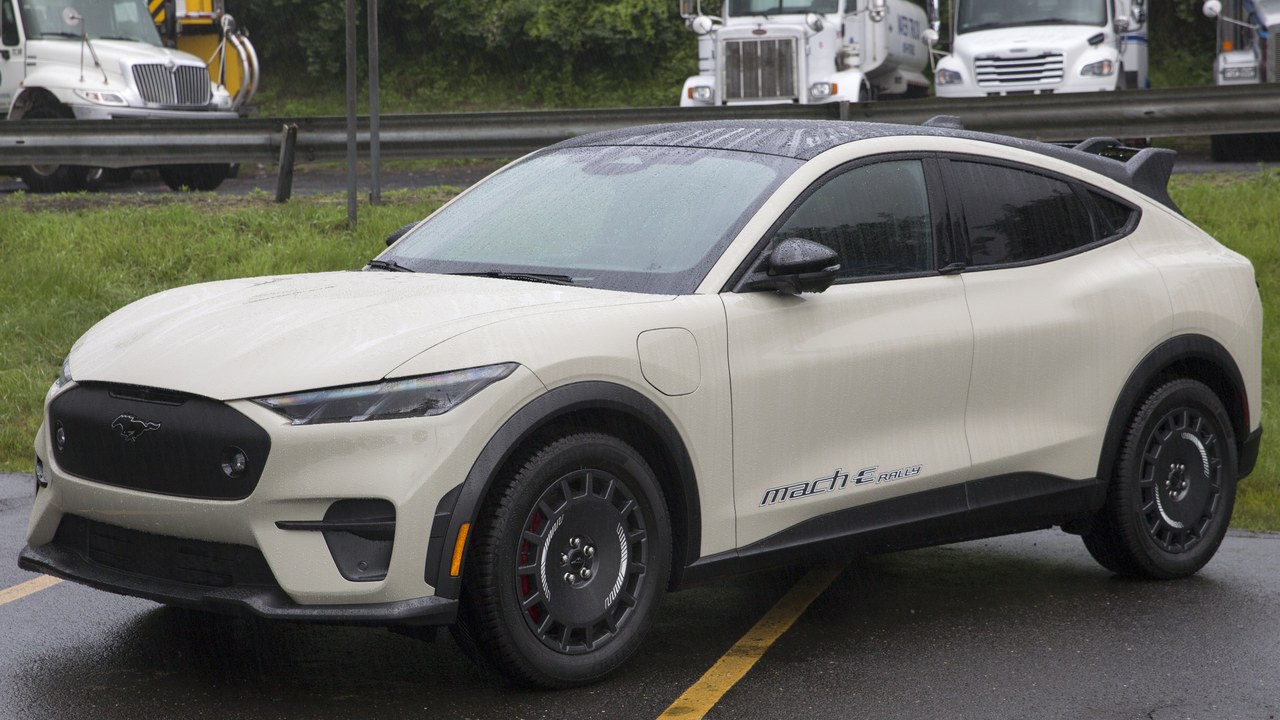
Ford’s electric crossover has carried BlueCruise since 2021, and the automaker’s BlueCruise availability page lists it on trims from Select through GT Performance. That gives the Mach-E a longer track record with the system than newer Ford models such as the Explorer.
Buyers of used examples should check whether a particular car was built with the hardware and whether an active plan is attached. As with every Ford application, the driver must stay alert, and hands-free operation applies only on mapped highway stretches rather than everyday streets. Buyers comparing systems should look at coverage maps and subscription terms side by side.
7. Ford Explorer: Family SUV Joins The List
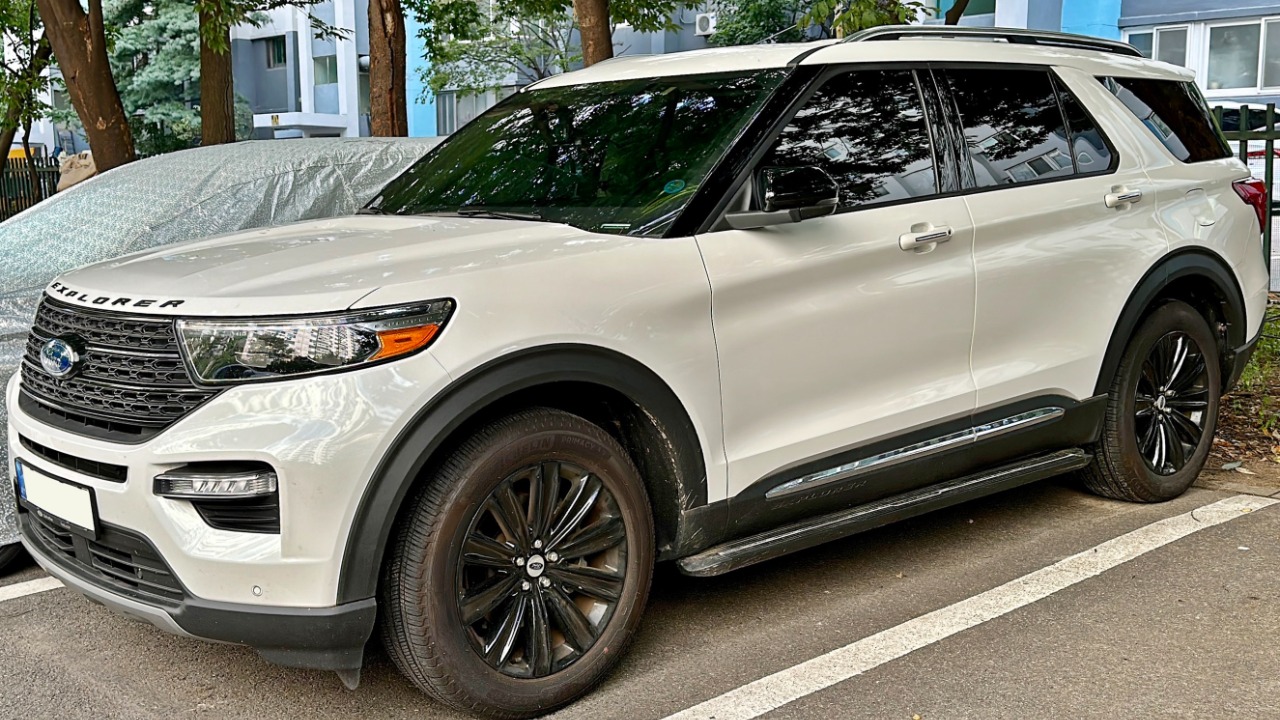
BlueCruise reached the three-row Explorer for 2025, per Ford’s availability list. It is offered on the ST-Line, ST and Platinum trims, so the feature is tied to specific versions of the SUV instead of being standard across the range.
Explorer shoppers on other trims will not find it, which makes a trim check part of any purchase decision. The arrival of the system on a mainstream family vehicle shows how far highway assistance has moved from its early role as a luxury-brand exclusive. Trim-level restrictions like these are why comparison shopping matters with this technology.
8. Mercedes-Benz S-Class: Level Three Drops Away
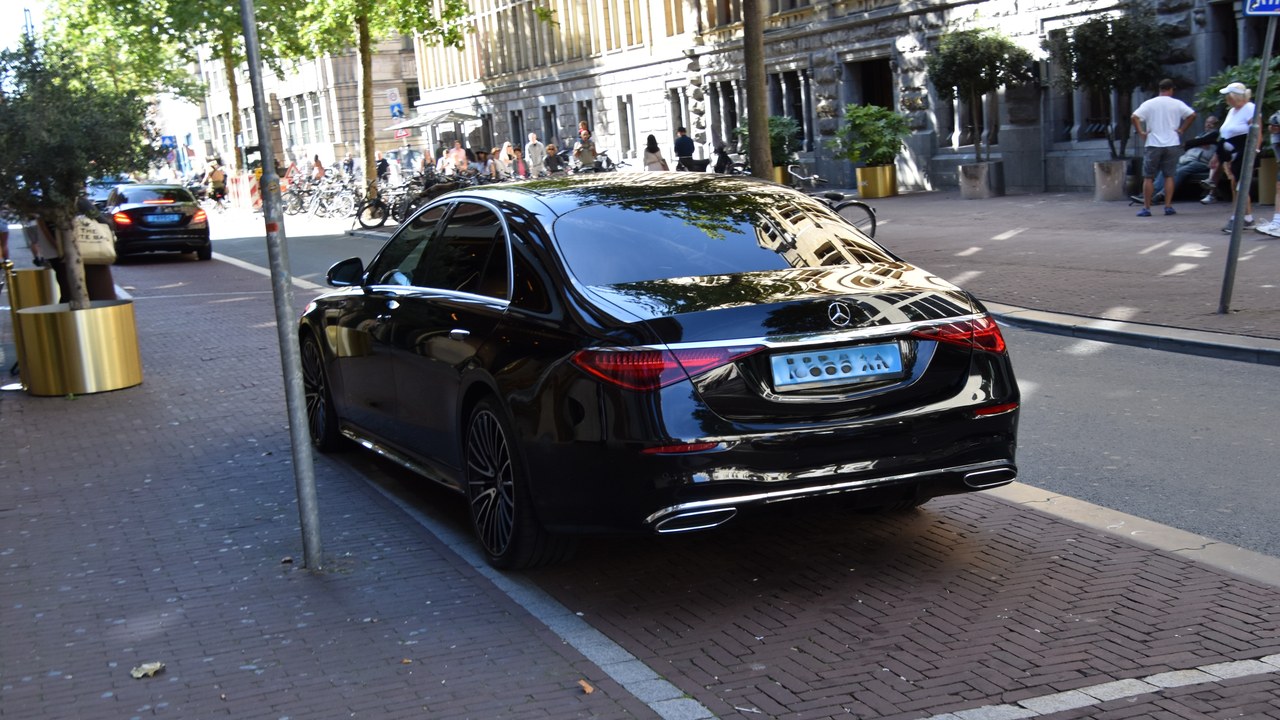
Mercedes removed Drive Pilot, its Level 3 system, from the 2026 S-Class in the United States, Wards Auto reported. The system had been restricted to 40 mph and geofenced within California and Nevada, which limited where owners could ever use it.
A Level 2++ replacement called MB Drive Assist Pro was slated to reach the S-Class and CLA later this year, though a launch was not confirmed. The change shows how narrow the market for a system permitting eyes off the road proved to be, at least for the moment. The episode is a useful reminder that rules and technology can move in different directions.
More from Morning Overview
- Older Teslas are wearing out in ways early owners never saw coming
- Early electric-car owners are hitting battery and screen failures no one warned them about
- A magnitude 5.3 quake struck off the Oregon coast this week
- Amazon’s Prime refunds are rising to $200 as millions more customers become eligible
