
Several familiar showroom names disappeared from American dealerships in the years after 2000. Some were folded into parent companies during a restructuring, while others faded after sales and investment ran dry. Here are eight brands that left the market, with the stated cause behind each departure.
1. Pontiac: Phased Out In GM’s Reckoning
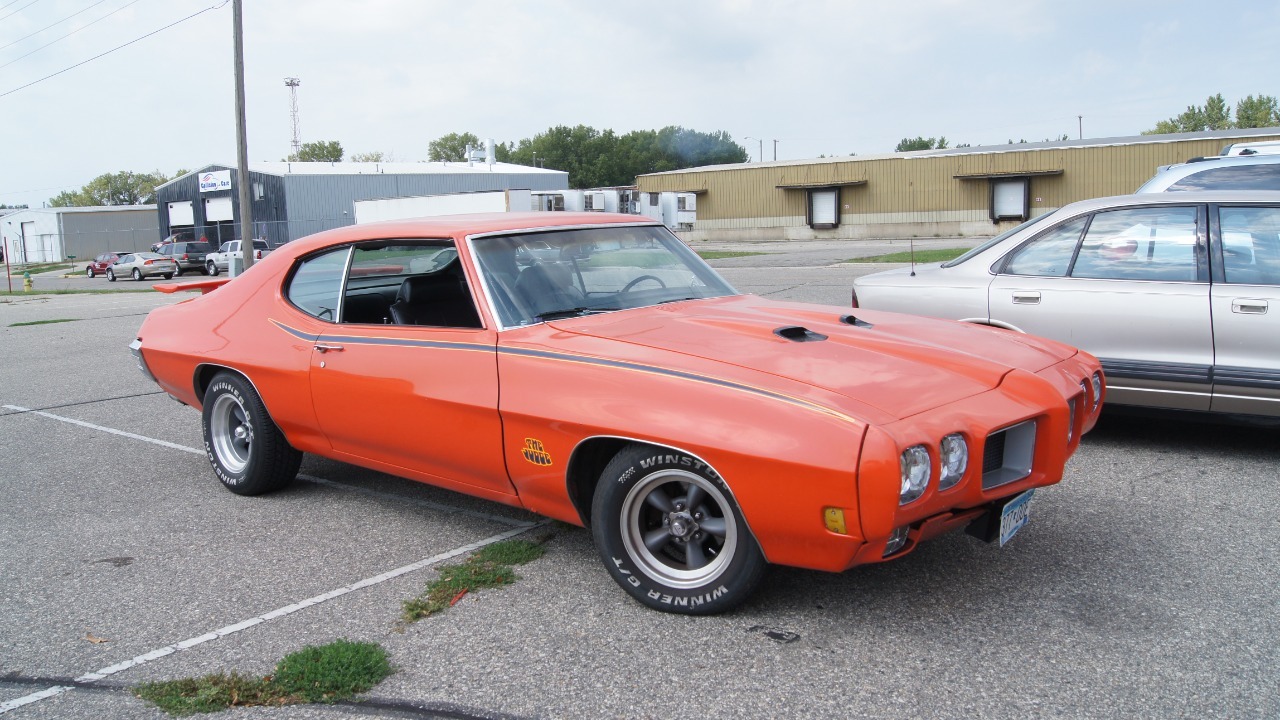
In April 2009, GM said the Pontiac brand would be phased out by the end of 2010, according to Pontiac phase-out announcement, as the company focused on four core brands.
The same plan called for cutting from 48 nameplates in 2008 to 34 in 2010. Owners of existing Pontiacs can still get service through independent shops and General Motors dealers, and used examples carry no particular stigma, though the brand has no future models to look forward to. Its end also showed how a large manufacturer could reduce its lineup dramatically when finances forced hard choices across every division.
2. Saturn: Saturn’s Deadline Moves Up
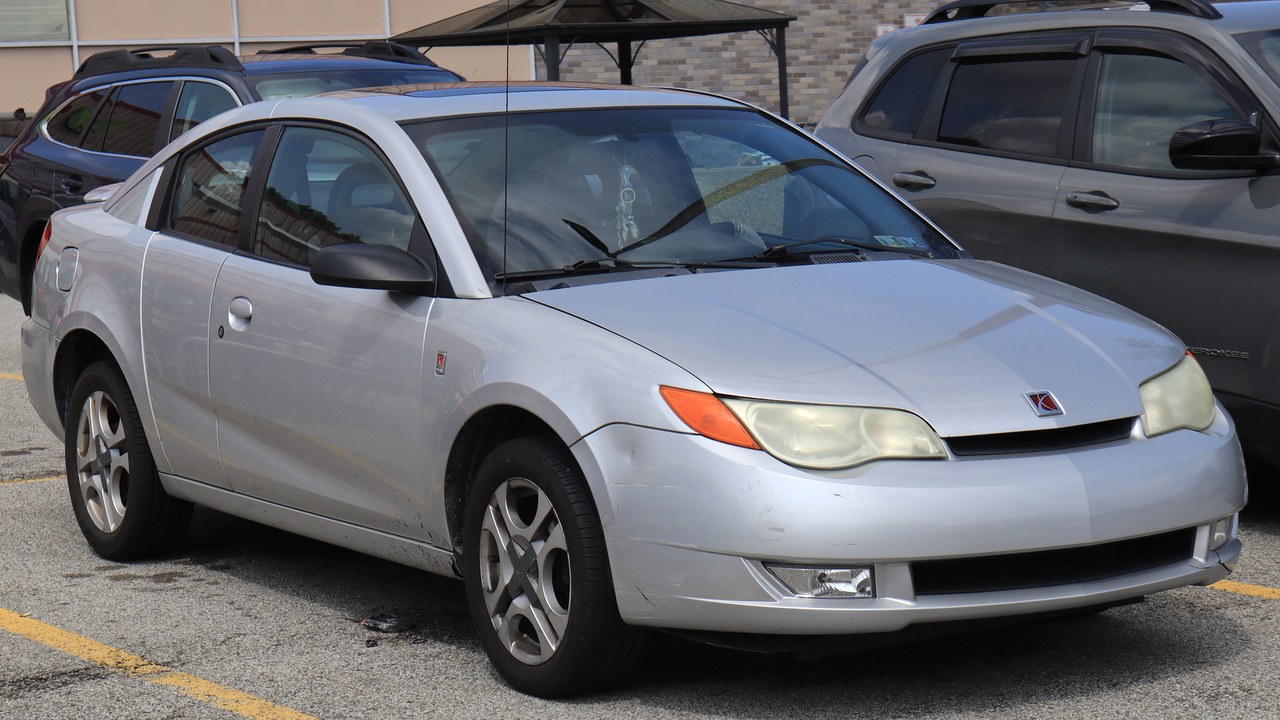
A revised GM plan in April 2009, described by GM’s Saturn timeline, moved up the resolution of Saab, Saturn and Hummer to the end of 2009 at the latest.
The shortened timeline shows how quickly the company’s restructuring overtook the brand. Saturn owners were left with a discontinued marque, so checking parts and service arrangements before buying a used one remains sensible, especially for the distinctive cars that never shared much with other General Motors lines. Its case is often cited as an example of how quickly a familiar name can vanish once a parent company decides to consolidate its efforts.
3. Hummer: A Hummer Caught By Fuel Prices
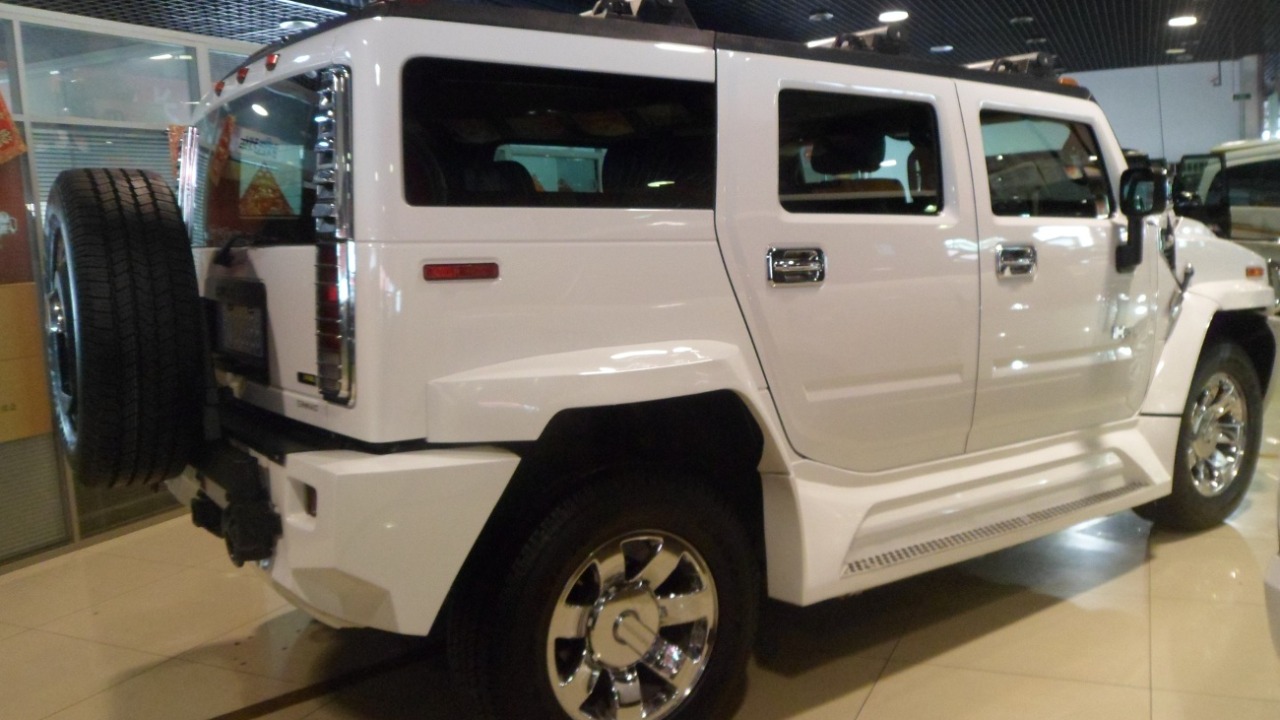
Hummer was cut in GM’s 2009 restructuring, which kept only Chevrolet, Cadillac, Buick and GMC, and rising gasoline prices were blamed for the final nail in 2010.
Rising gasoline prices had hurt demand for large, thirsty vehicles. Owners of an H2 or H1 today deal with a brand that no longer exists in showrooms, so fuel and running costs deserve a hard look, along with the availability of parts and knowledgeable independent mechanics. The episode remains a cautionary example for buyers who assume a big, recognizable brand will always be around to support what it sold.
4. Oldsmobile: Oldsmobile Loses Its Identity
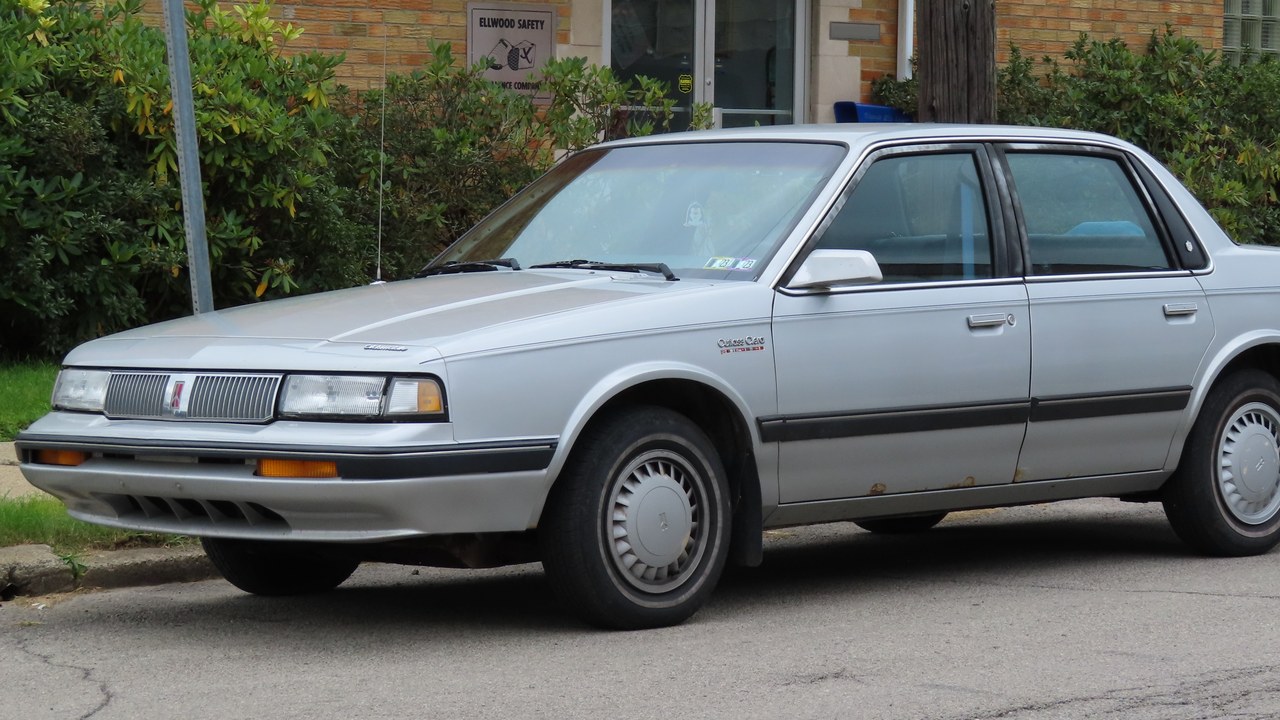
Fortune reports that GM consolidation erased what made Oldsmobile individual, and the brand ended in 2004, as Fortune’s Oldsmobile account recounts.
Chevrolet engines surprisingly turned up in some Olds models, blurring the line between divisions. Long-time owners of a Cutlass often cite that loss of individuality, and used cars remain easy to find, with many mechanical parts shared across General Motors, which helps keep older examples on the road. The decision also shows how a parent company can weaken a distinct division well before the final announcement, leaving loyal buyers with less to choose from.
5. Mercury: Ford Drops Its Middle Brand
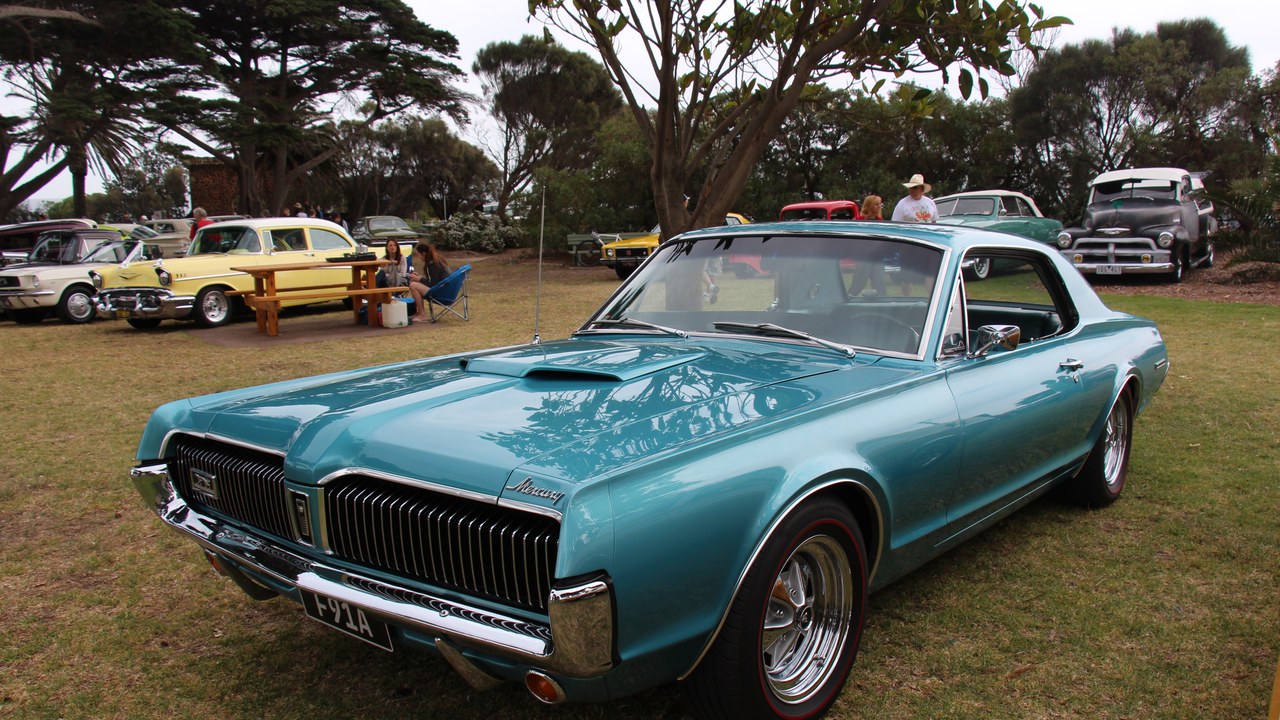
In 2011 Ford dropped Mercury, and Fortune’s Mercury verdict pointed to a lack of investment in unique products as the cause.
Mercury cars often looked like lightly restyled Fords, which left little reason to shop the brand. Used Grand Marquis and Cougar buyers can lean on shared Ford parts and service knowledge, but the marque itself has no models to follow, and resale values reflect that plain fact. The experience is a reminder that a brand needs its own reason to exist, and that shared platforms alone rarely supply one.
6. Suzuki (cars): Suzuki’s Skimpy Showroom
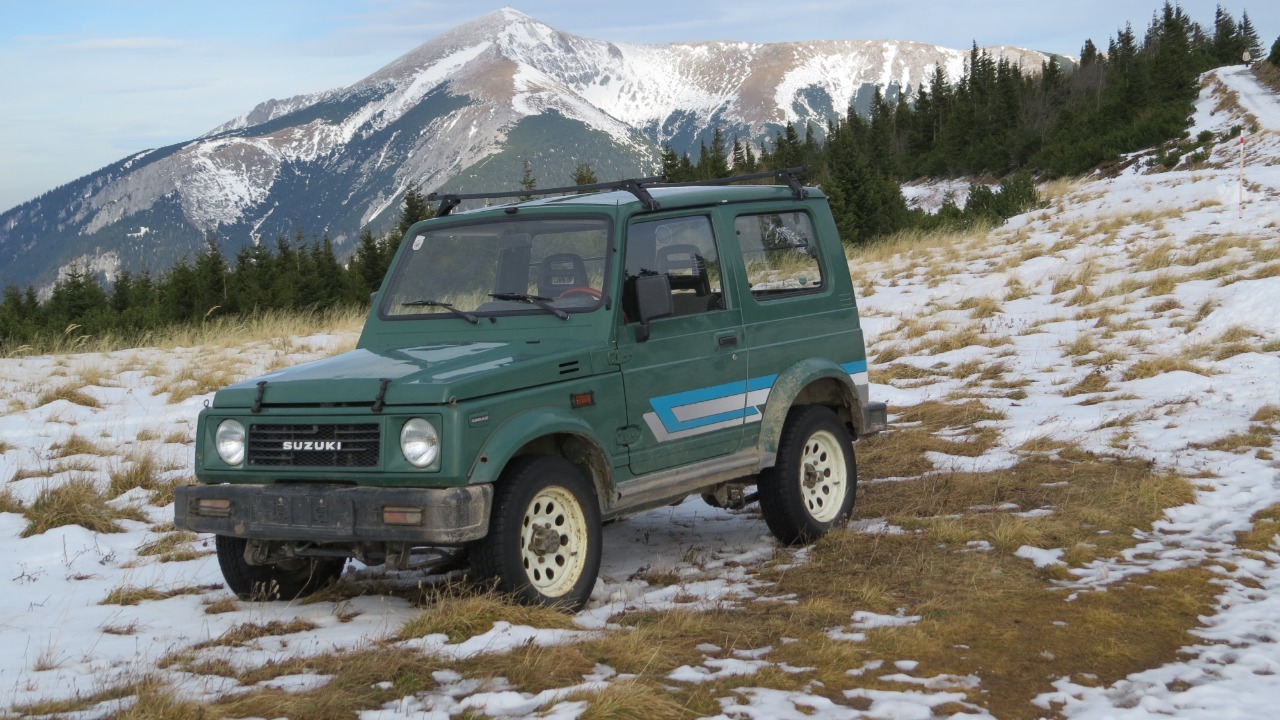
By 2012 Suzuki had left the U.S. car market, and Fortune’s Suzuki assessment cites a skimpy product line and an under-developed dealer network.
The brand had earned a following with small, affordable vehicles, including the Samurai and Sidekick. Owners should expect to rely on independent shops and enthusiast parts sources now that the dealers are gone, and prospective buyers should confirm that a repair route exists before committing to a purchase. That mix of limited variety and few dealers is a common thread among brands that have exited the American market in recent decades.
7. Plymouth: Plymouth Folded Into Chrysler
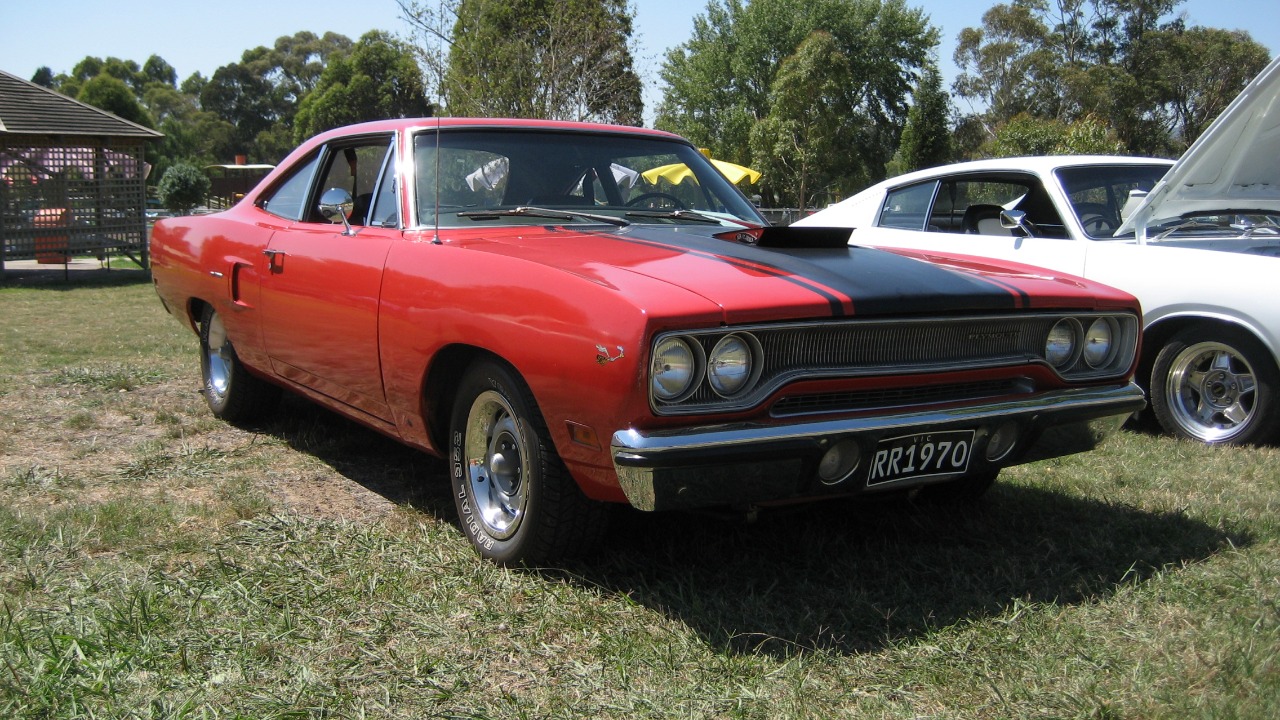
Model year 2001 was Plymouth’s last, and Edmunds’ Neon review noted that as of 2002 the brand would be closing and subsuming its identity into DaimlerChrysler.
The nameplate that once carried the Road Runner disappeared into the corporate parent. Classic Plymouth owners have a strong club and parts network to draw on, while later Neons are simple, common cars from a brand that ended, so they remain inexpensive to find. Its departure reflected a larger pattern in which the corporate parent chose to streamline rather than continue supporting a separate division.
8. Daewoo: Daewoo’s Five-Year American Stay
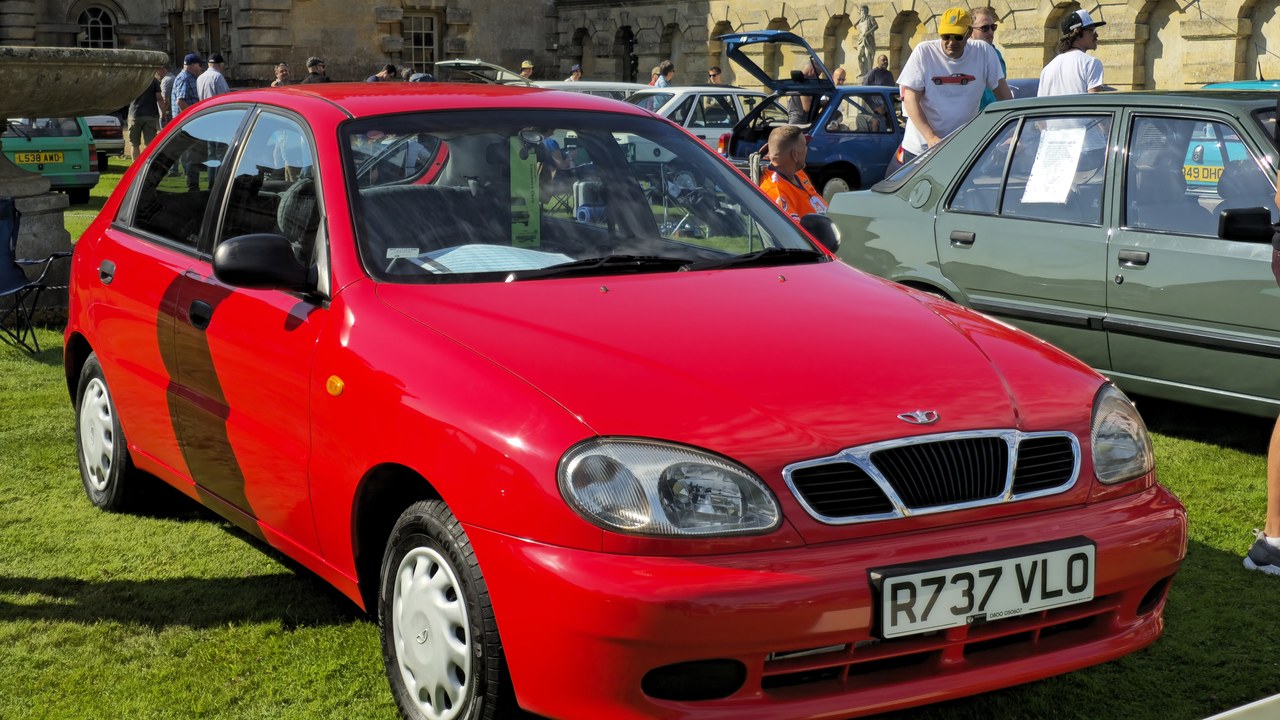
Daewoo cars were sold in the United States and Canada only from 1997 to 2002, and Daewoo Motors history says GM acquired the company’s assets for $1.2 billion in 2002.
The brief run left few owners and thin dealer support behind. Buyers considering a Lanos or Nubira should treat parts availability as a real question, since the brand was gone from showrooms within a few years, and should expect to depend on independent mechanics for service. Warranty coverage on new cars sold at the time became a practical concern, so anyone buying used should not assume dealer help is nearby.
More from Morning Overview
- Doctors warn a silent liver disease now affects one in three American adults
- Hackers are hijacking outdated home routers, and the FBI named the models to check
- Older Teslas are wearing out in ways early owners never saw coming
- Early electric-car owners are hitting battery and screen failures no one warned them about
