
Venomous creatures are often imagined as belonging to distant jungles, yet several live in ordinary American yards, woodpiles and waterways. Extension services and the National Park Service describe spiders, snakes, a lizard, a scorpion and an ant that share space with people. Here are eight of them, with what each source says about the danger.
Read next on Morning Overview: Neanderthals in Spain carved a wooden object that matches nothing archaeologists have ever found
1. Black widow: Pain That Spreads
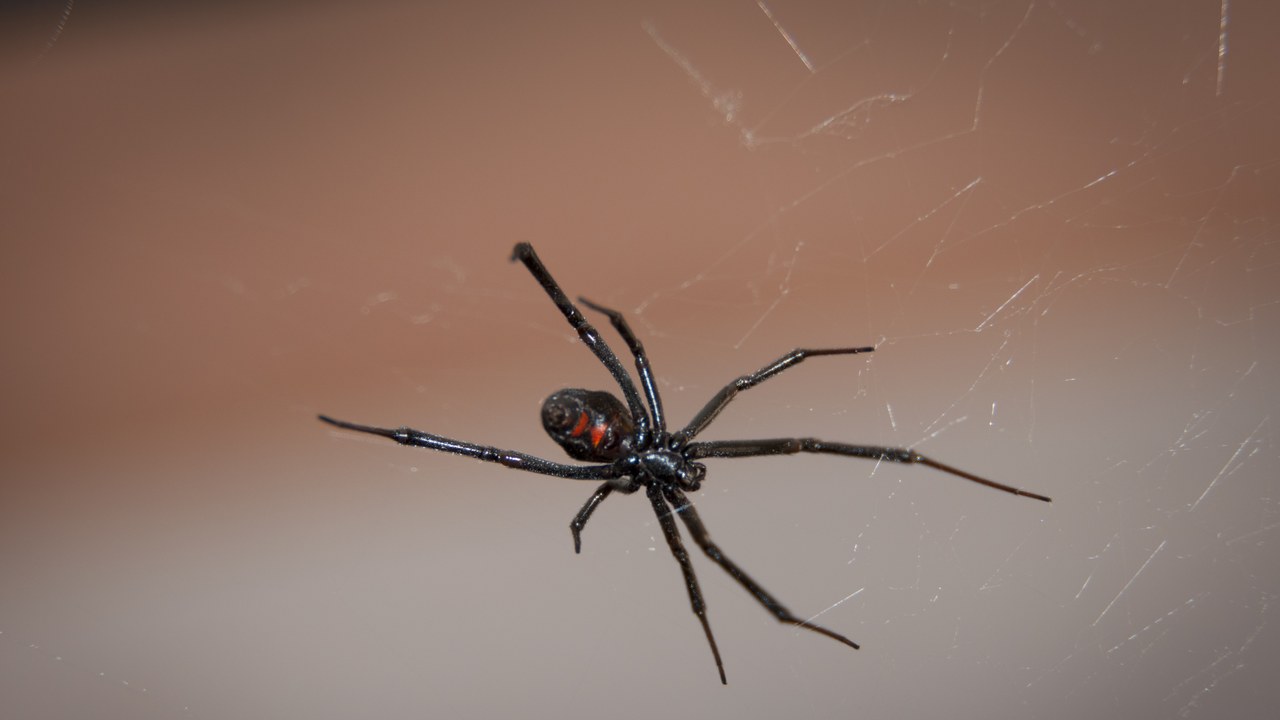
Texas A&M AgriLife says black widow bites spread pain through the body, including the abdomen and joints, in its guide to Texas venomous animals. Less than 5 percent of reported bites result in death.
The low fatality share is reassuring but not a reason to ignore a bite, because the pain itself is widespread. The figure applies to reported bites only, so it describes outcomes among cases that were actually recorded. For homeowners in the regions it inhabits, the practical takeaway is to treat any bite as a reason to seek prompt medical advice and not to wait for symptoms to settle.
2. Brown recluse: Slow Skin Damage
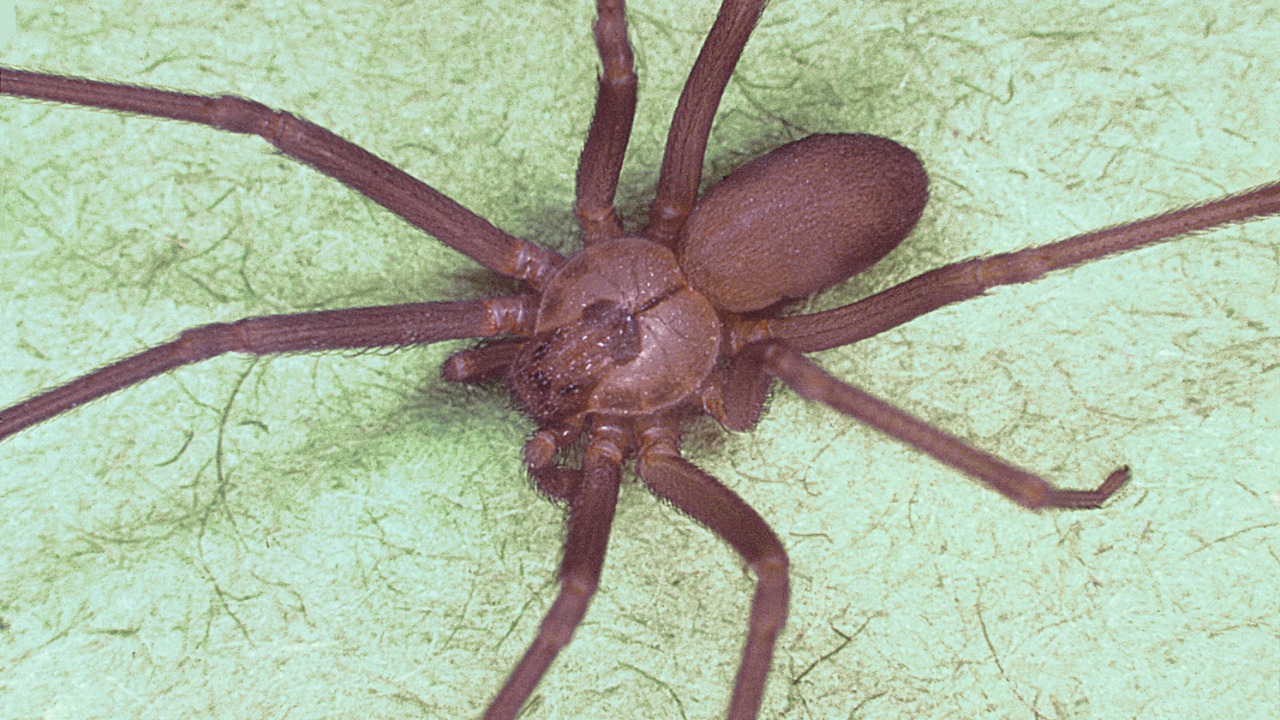
Recluse bites cause little pain at first, then the skin falls off, leaving an open wound that can take months to heal, according to Texas A&M AgriLife’s guide. The spiders hide in firewood and board piles.
The delayed damage is the catch, since a bite can seem minor at first. Stacked lumber and firewood are exactly the places the guide names, so handling them with care is the practical lesson. A cautious approach to storage areas, sheds and woodpiles follows directly from where the source says the spiders hide, and it costs little to put into practice around a home.
3. Copperhead: The Biter of Most People
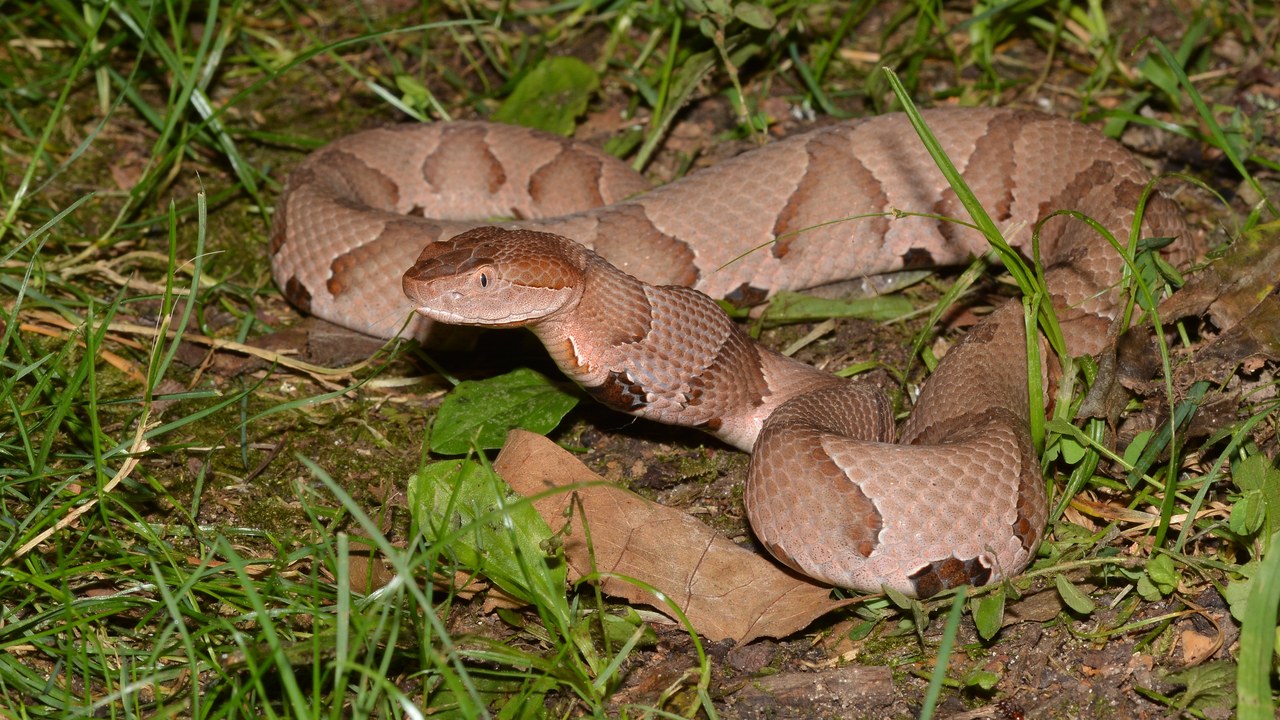
Copperheads bite more people than any other venomous snake in the United States and often strike without warning, according to the National Park Service’s snake page.
The ranking reflects how often bites happen, not the potency of the venom, and the no-warning habit helps explain it. A snake that does not announce itself is easy to step near in a yard or on a trail. That combination of frequent contact and sudden strikes is the reason the snake earns a place here, since a bite becomes more likely when a species is common and gives no warning.
4. Cottonmouth: Named for Its Mouth
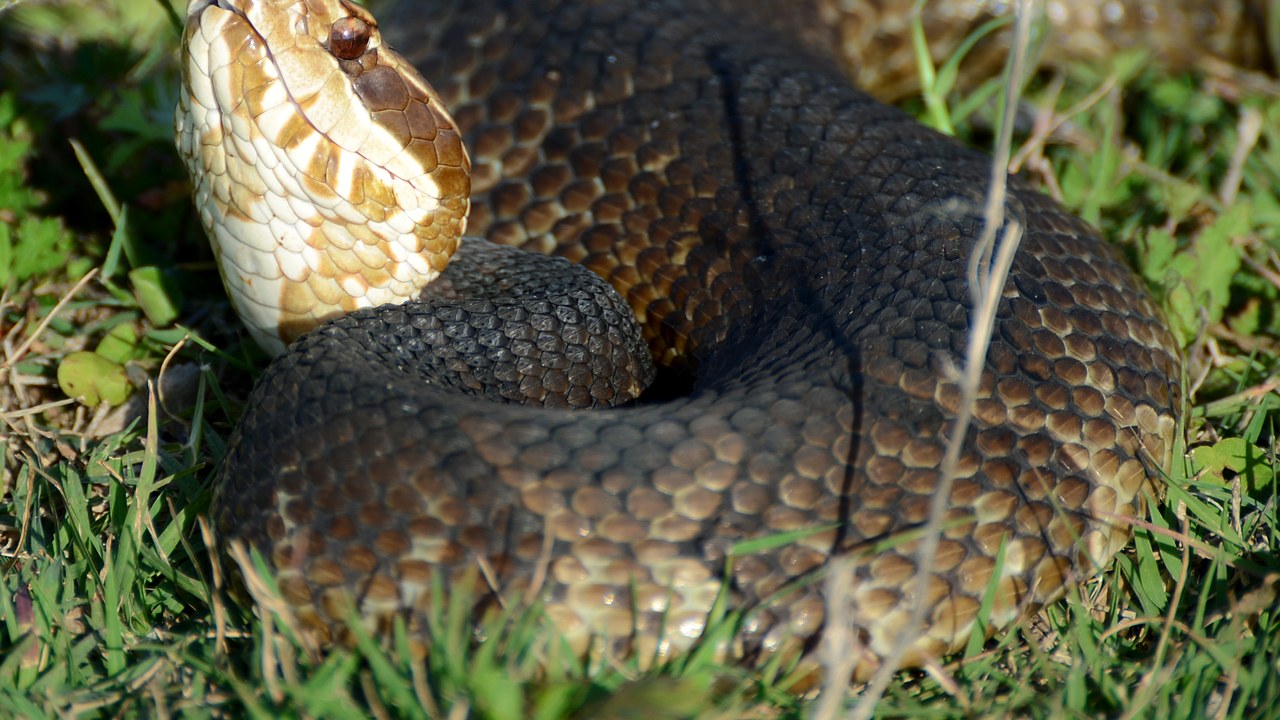
Named for the white inside its mouth, the cottonmouth is a 2- to 4-foot snake, and the Big Thicket snake page calls its venom very potent.
The description comes from the park service’s page on venomous snakes at Big Thicket National Preserve in Texas. Potent venom in a snake of that size is reason enough to keep a respectful distance. The source treats it as a species worth knowing by sight, which is the first step toward avoiding an encounter and the sort of caution a visitor to wet, wooded country can reasonably take.
5. Timber rattlesnake: Big Snake, Bigger Load
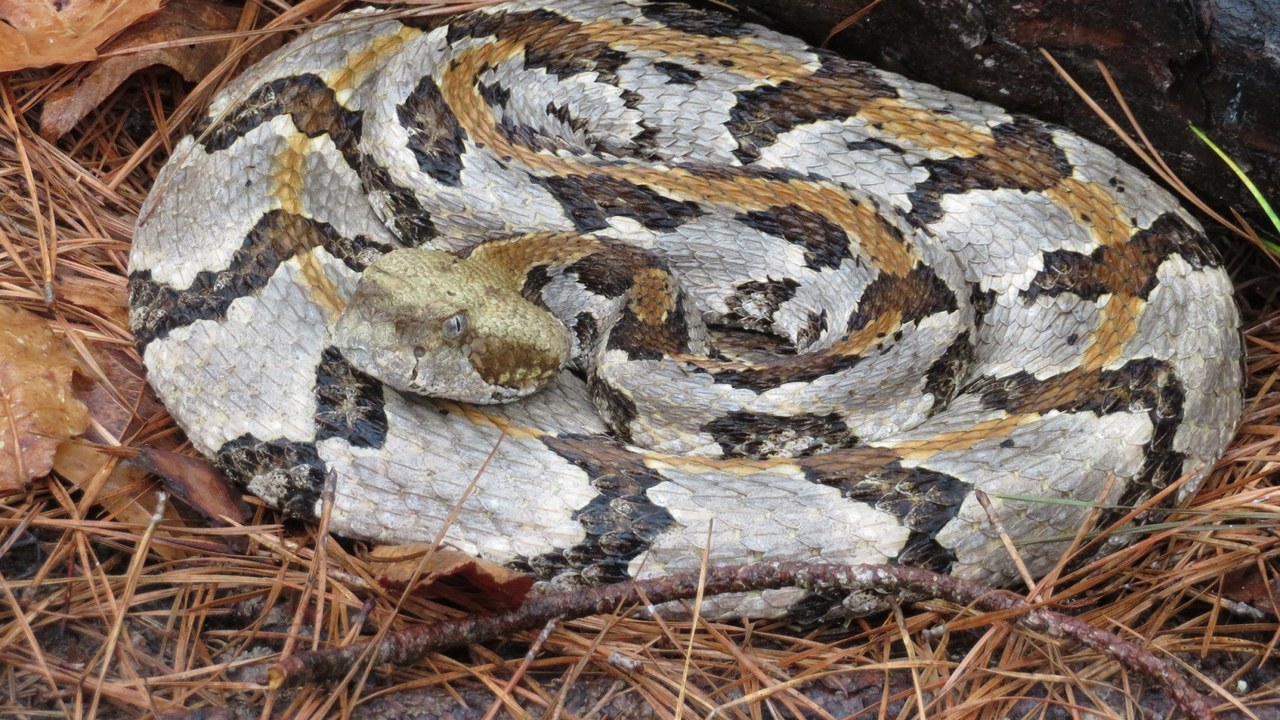
Adults reach 3 to 5 feet and carry a higher venom load, and the park service’s snake guide says a bite from a timber rattlesnake can be serious.
The wording is measured: serious rather than certain, and it applies when the snake does bite a person. The page ties the larger venom load to adults, so the biggest snakes call for the most distance. Anyone hiking or working outdoors in its range has reason to learn how to recognise it and to give it room, since a snake of that size can deliver a serious bite.
6. Gila monster: Rare Bites, No Deaths
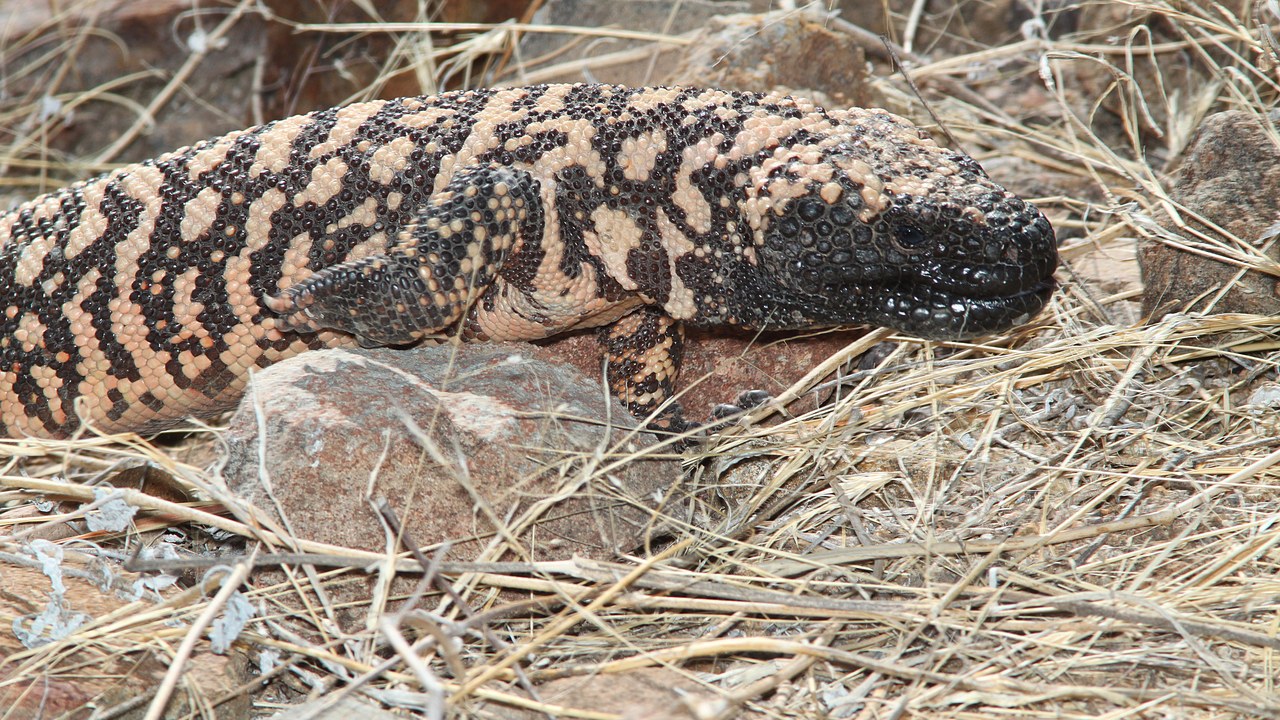
Arizona poison centers treat 12 to 16 Gila monster bites a year, according to a University of Arizona backyard guide, and no deaths from the bite alone were documented in 100 years.
The numbers describe a lizard that is venomous but rarely tied to the worst outcomes. The qualifier matters, since no deaths from the bite alone leaves room for complications, and the count covers only the bites poison centers treat. Where it lives, the animal is something residents may come across, but the record in the source is a reassuring one, and it is the numbers that make the case for staying calm.
7. Arizona bark scorpion: The Toxic Scorpion
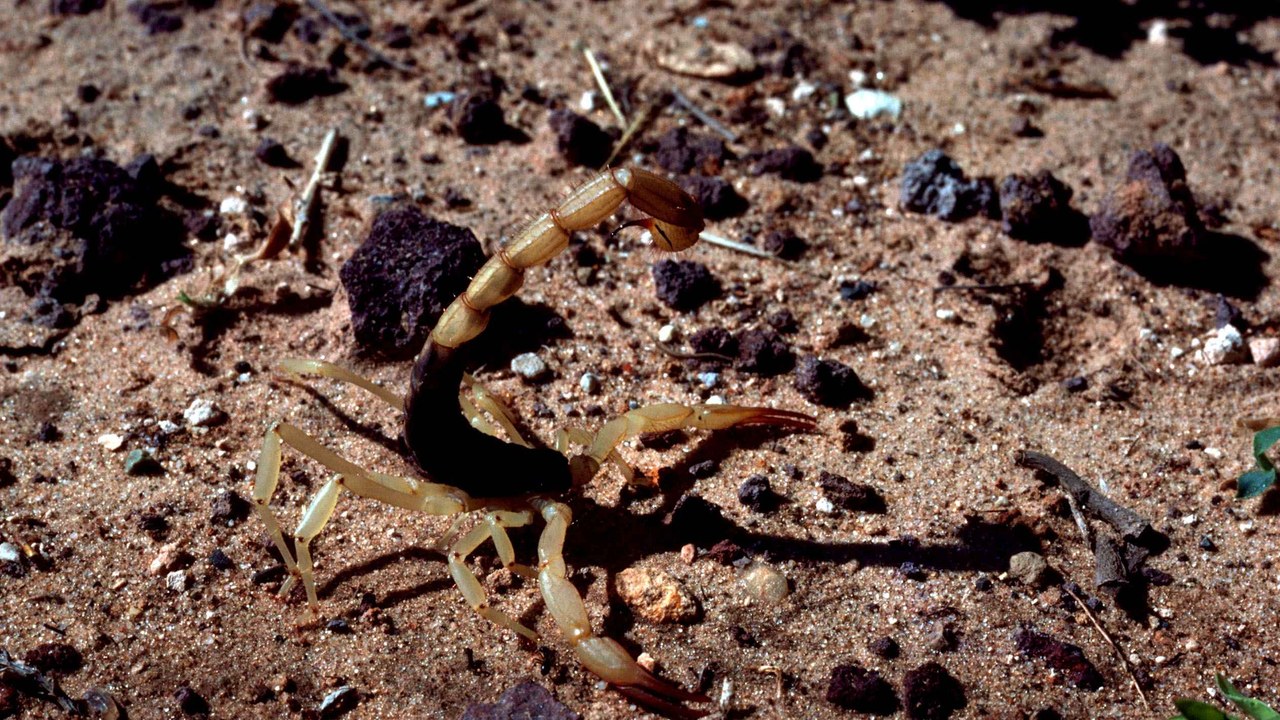
The most toxic scorpion in the United States, the Arizona bark scorpion was historically responsible for many child deaths, the University of Arizona guide states.
The word historically is important. The guide places the deaths in the past and gives no current figures, so the statement is a warning about toxicity rather than a count of recent harm. Children are the group the source singles out. People who live in its range have good reason to keep that history in mind, since the species is described as the most toxic of its kind, even though the source gives no recent tally.
8. Red imported fire ant: Colonies of Hundreds of Thousands
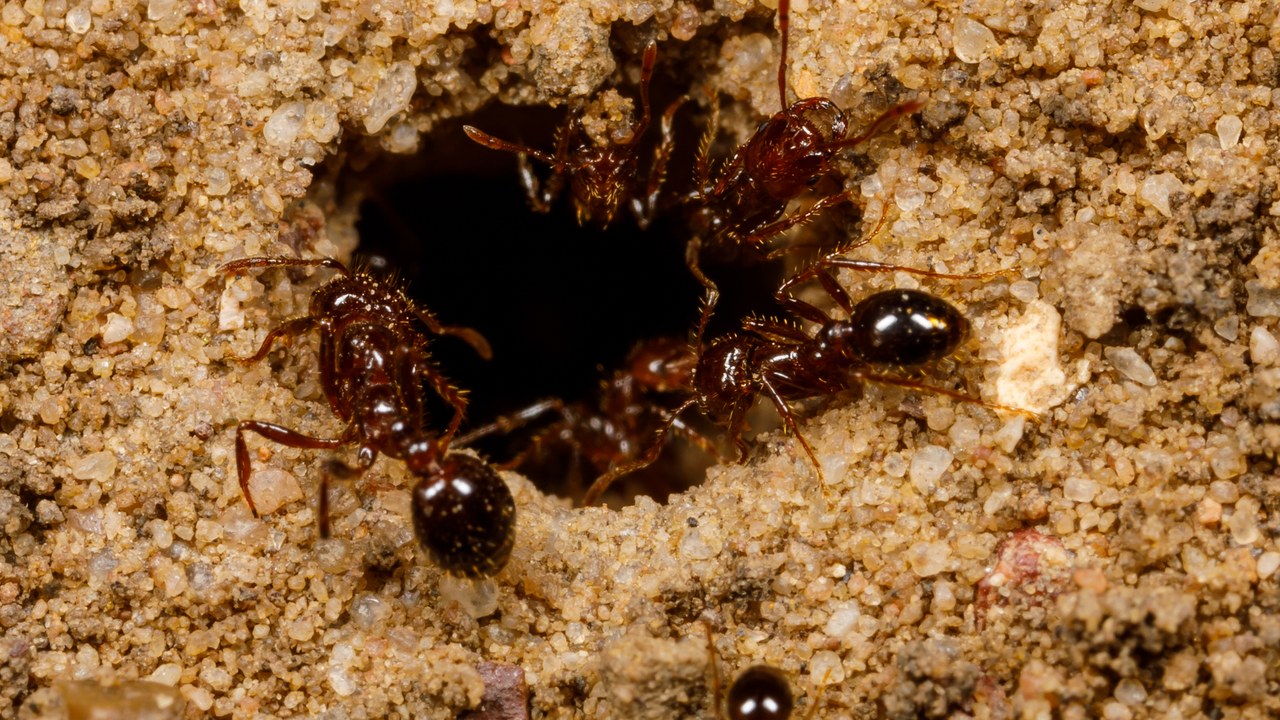
A single colony of red imported fire ants may contain more than 200,000 ants, and stings raise fluid-filled blisters, according to AgriLife’s venomous animals guide.
The scale separates this entry from the others, because a nest is an army rather than a single animal and one disturbance can mean many stings. The blisters are the visible sign described in the source. Anyone clearing a yard in fire ant country has reason to look before stepping near a mound and to wear protective footwear, since a disturbed colony can respond with a great many stings at once.
More from Morning Overview
- Winter weather advisories cover I-80, I-70 and the Bighorns with up to 15 inches of snow
- Arizona’s governor declared a statewide emergency after Flagstaff logged its wettest Nov. 1 on record
- Zero Motorcycles unveiled an electric motorcycle targeted at under $8K and a street-legal dirt bike at EICMA
- New FCC rules on how people can stop robocalls and texts take effect Nov. 25
